
Reviewed · GOKYO LAKES TREK
Gokyo Lake Trek
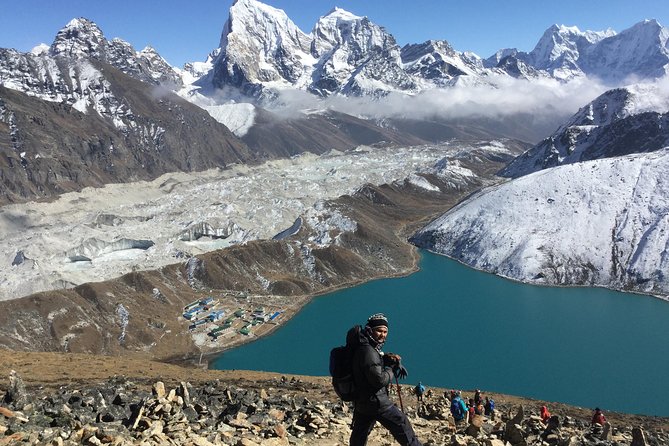
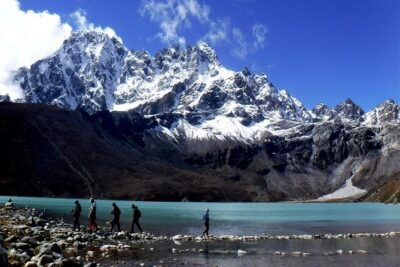
Gokyo Lake Trek is interesting because it puts you in the heart of the Everest region for two of the most rewarding targets in the area: Gokyo Lake at about 4,750 m and the early hike to Gokyo Ri for panoramic views. On clear days, you get big-name Himalaya sightings like Everest, Lhotse, Nuptse, Cho Oyu, Makalu, Ama Dablam, and Thamserku. It is a classic “mountain-watching on purpose” kind of trip.
I also like how the pacing builds in real moments, not just checkboxes. You get structured hiking days through Sherpa villages, you reach Namche Bazaar where you can reset with coffee and bakeries, and then you shift toward the higher Gokyo area with a proper glacier-and-lake focus. One more thing I love is the people side, the guide care you can feel in the way communication stays clear, with guides such as Urja and Ashish called out by previous guests.
A single drawback to think about is logistics and weather. Flights to Lukla are very weather dependent, so if conditions are not friendly, your day-by-day timing can take a hit.
Key things that make this Gokyo Lake Trek worth your time
- Gokyo Lake at 4,750 m plus multiple lake moments, including optional time for a 5th Lake hike
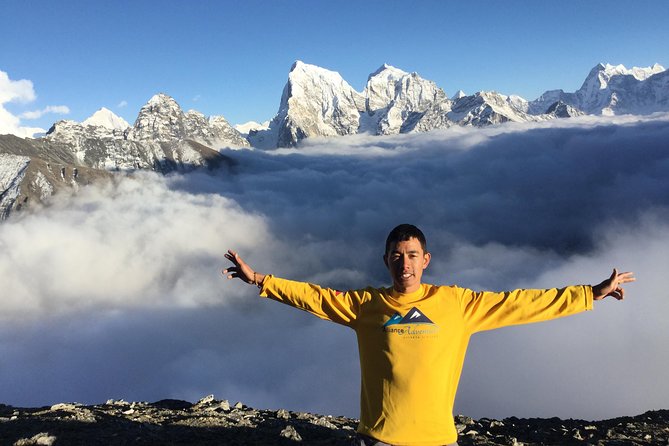
- Sunrise hike to Gokyo Ri for a 360-degree style panorama when skies cooperate
- Namche Bazaar time to catch your breath, shop, and refuel with coffee and bakeries
- Five suspension bridges and a famous-feeling high Hillary suspension crossing, weather permitting for Everest views
- Health briefing in Machhermo by a doctor from Himalayan Rescue association volunteers
- Solid inclusions for value, including sleeping bag, warm down jacket, and all meals on the trek
Why Gokyo Lake Trek feels like the Everest region’s smarter choice
If you’re choosing between “Everest views” and “Everest views plus variety,” Gokyo is often the stronger combo. This route gives you wide-ranging mountain perspectives, plus a lake payoff that feels earned after days of trekking higher into the Gokyo valley.
Gokyo Lake sits high, around 4,750 m, which changes how the air feels and how the mountains look. The experience is not just pretty pictures. You’re walking through Sherpa communities and high-altitude scenery, then ending up at a place where the entire day can slow down because the view demands it.
This trek also spreads out the famous peaks across the horizon. You’re not only hunting Everest. The route can put you in position for views of Everest, Lhotse, Nuptse, Cho Oyu, Makalu, Ama Dablam, Thamserku, and more, depending on weather. Even if you do not catch every peak every day, you still get that classic “Himalaya in layers” feeling.
More of the Gokyo lakes:
- Gokyo to Everest Base Camp Trek
★ 5.0 · 113 reviews - Everest Base Camp – Cho La Pass – Gokyo Trek
★ 5.0 · 65 reviews - Everest Gokyo Valley Trek – 12 days
★ 5.0 · 27 reviews
Price and what you actually get for $1,785
At $1,785 per person for about 15 days, the key question is: does this price cover the expensive stuff that usually adds up fast on treks?
Here is what is included, and why it matters for value:
- 2 nights in Kathmandu with breakfast, plus arrival and departure transport
- Trek accommodations and all meals along the trek: breakfast, lunch, dinner, tea/coffee, and even ginger lemon honey and hot chocolate
- Trekking permits and TIMS cards, plus local and government taxes if needed
- A guide team with English speaking help, plus porters, and insurances for guides and porters
- A trek medical kit bag
- Warm down jacket and a sleeping bag, plus trekking poles after the trek return to the company
- A 100% waterproof duffel bag and company t-shirt
- Welcome and farewell dinners, plus private ground transportation by vehicle
What is not included is also clear, and it affects your budget:
- Cold drinks, phone calls, laundry, and bar bills
- Lunch and dinner in Kathmandu
- Tips for guide and porters
- Altitude sickness insurance, hot showers, and battery charging along the trek
My practical take: the inclusions are meaningful. Getting a warm down jacket and sleeping bag from the operator can save you both money and stress, especially if you travel light. Also, having nearly all meals handled removes the daily decision fatigue. The big remaining costs for you are personal items, Kathmandu meals on your own, and tips.
Day by day: how this trek is shaped for views, breathing, and real rest stops
Kathmandu arrival and the first warm welcome (Day 1)
Day 1 is built to help you settle. You check into a Kathmandu hotel, get a warm welcome, and you get a briefing about the Gokyo Lake (Gokyo Ri) trek. The idea is simple: keep it easy, let you get your bearings, and avoid stuffing too much into your first day.
This matters because you are going to be moving fast soon. You want sleep and a calm start, not a frantic “where do I buy stuff” day.
More to compare around Kathmandu
- Everest Base Camp Trek – 14 Days
★ 5.0 · 1,499 reviews - Everest Base Camp Trek
★ 5.0 · 842 reviews - Private Kathmandu Sightseeing Tour | UNESCO World Heritage sites
★ 5.0 · 756 reviews - Kathmandu: 7 UNESCO Sites with Lunch
★ 4.8 · 744 reviews
Half-day Kathmandu city tour, then positioning for Lukla (Day 2)
You get a half-day city tour, then the schedule moves toward Manthali Airport. A nice practical note is that if you drive to Manthali the same day, you can avoid waking up at 2 am the next day.
That small detail is the difference between trekking feeling like a trip and trekking feeling like a punishment. If you can, lean into the smoother logistics they offer.
Lukla flight and first trekking into Sherpa life (Day 3)
You fly from Kathmandu to Lukla, about 15 minutes, on a schedule that depends on weather. If the skies are friendly, you go early and keep momentum.
From there, the trek leads you into Sherpa lifestyle, local culture, and mountain views. This is where you start to understand the “flow” of high trails. You are not just hiking. You’re learning how the villages are laid out, where you’ll eat, and how daily life changes with altitude.
Suspension bridge day and Namche Bazaar, the hub for recovery (Day 4)
This is one of the iconic days. You cross five suspension bridges, including a very high Hillary suspension bridge. If weather is clear, you may catch Everest from the trail, which makes the walking feel extra motivating.
Then you climb to Namche Bazaar, described like a mini market. That part is important. Namche is not just a stop, it’s a chance to reset. You can get supplies, find coffee bars and bakeries, and settle into the rhythm of the trek.
A practical consideration: bridge days can feel intense even if the distances are manageable. Take it slow, keep your footing steady, and do not rush just because the views are tempting.
Sagarmatha National Park, Everest View Hotel, and Khumjung Village (Day 5)
You hike toward Sagarmatha National Park, with time at the Everest View Hotel and a visit to Khumjung Village. There’s also mention of Hillary School, which adds a grounded cultural element to an otherwise view-heavy day.
Back at Namche Bazaar, you get breathing room again, plus the comfort of small comforts like shopping and treats. This day is a good example of the route’s balance: big scenery, but also places where people actually live and work.
Long climbing day with chance for goats on the trail (Day 6)
This is a longer day, with trekking that walks below big peaks. You keep climbing toward the next destination, with a chance to see Himalayan mountain goats along the route if conditions are right.
Long days at altitude can wear you down even when you feel strong at the start. The trick is keeping your effort controlled. Save your energy for the later Gokyo segment where you’ll be chasing the lakes and the sunrise.
Dole to Machhermo, plus a mountainsickness briefing (Day 7)
You move from Dole to Machhermo, and if the weather is clear you get amazing views across snow mountains. Machhermo is also where the trek builds in a real safety moment.
You can visit Himalayan Rescue association volunteer doctor staff, who will brief you about mountain sickness. That is more than a lecture. It’s the kind of reminder that helps you take symptoms seriously and not tough them out.
If you have ever ignored warning signs because you felt stubborn, this part is worth paying attention to.
Through Gokyo Glacier toward Cho Oyu and the lakes (Day 8)
Today centers on the high zone. You walk through the Gokyo Glacier, with views toward Mount Cho Oyu and the approach to the Gokyo Lakes.
This is a day where the environment changes fast. The air can feel sharper, the views more dramatic, and your focus gets sharper too. Even if you are tired, you usually feel a lift when you see the water glinting in the high valley.
Gokyo Ri sunrise hike and the panoramic payoff (Day 9)
This day starts early. You have breakfast at the lodge and then hike to Gokyo Ri for panoramic Himalayan range views, including Everest and Makalu, plus a 360-degree-style view when skies cooperate.
You can also choose to hike to the 5th Lake if you want more time out on the trail. This is where you get to decide your flavor of the day: prioritize the sunrise viewpoint, then add extra if your body is cooperating.
A sunrise hike is not a casual outing. Bring warm layers, keep moving steadily, and do not expect a sprint pace.
Retracing steps, last lake photos, then continuing downhill (Day 10)
You go back along the same way for a time, then you capture last photos with the lakes and mountains before continuing your walk down toward the next destination.
This is a smart rhythm built into the trek. After a big high point, you get time to steady your breathing and also enjoy calmer walking, rather than throwing you immediately into another major climb.
Moving back toward Namche, with Ama Dablam and a last Everest view (Day 11)
You trek below Thamserku and Kusumkhangaru, with Ama Dablam in view. You’ll also have what the schedule frames as your last capture of Mt. Everest, and a return toward the Namche Bazaar mini market feel.
That mix matters. You’re not only descending, you’re still getting meaningful sightlines. Many people find it psychologically easier to hike with purpose when the view is still actively changing.
Lukla moment, Hillary steps, and celebration after success (Day 12)
You finish with the last steps of Hillary and Mt. Everest, then celebrate with your guide and potters in Lukla.
This is a good reminder that these treks are teamwork. You rely on your guide for pacing and route choices, and you rely on potters for carrying essentials that keep you from overloading. It’s also one of those days where you realize you did it, not just “almost made it.”
Return flight to Manthali, then back to Kathmandu (Day 13)
You get an early breakfast, then fly to Manthali Airport and drive about 4 hours back to Kathmandu. You rest in a hotel and keep the rest of the day open.
This is where you can finally act like a tourist again. Think shower, laundry, slow meals, and sleep. Not included hot showers may mean you need to manage expectations.
Culture and history time, plus a farewell dinner (Day 14)
After breakfast, your guide leads a tour about Nepal history and cultures. The day stays relaxed, then you end with a farewell dinner provided by the company.
This is important for meaning. You’re trekking in a high mountain environment, but you’re also living inside a culture. This day gives you context for what you saw on the trail.
Final day: shopping and safe flight planning (Day 15)
You have time for last shopping for family and friends, then the company wishes you safe flight onward.
It’s a clean ending that keeps the final day from feeling like a scramble.
Guide team and care: what I’d bet on when choosing this trek
One of the strongest signals in the provided feedback is the way the guide team shows up in real ways, not just introductions. Guides such as Urja and Ashish are specifically mentioned for being incredible, with communication described as clear and easy, and advice given when you need it.
On a trek like this, good communication matters because your body is the slow part. When you’re at altitude, you need decisions made calmly. You want a guide who can explain what is happening, how to pace, and when to take health seriously.
Also, the operator includes more than just a guide. There are potters, insurances for them, and a medical kit bag for the trek. That is not glamorous, but it is useful. It helps you feel that someone is managing the less visible parts of safety.
What to pack, and what you can rely on being provided
You do not need to bring everything. The operator provides a warm down jacket, sleeping bag, and trekking poles after return. That said, you still need your personal comfort items, especially because cold and sun can hit hard at altitude.
Based on the provided packing guidance, focus on:
- Sun protection: gloves, hat or cap, sunglasses, sunscreen, and lip balm
- Warm layers: windproof outer jacket and a warm down-filled jacket they provide, plus thermal undergarments for night if you run cold
- Footwear: lightweight trekking shoes and warm woolen or thermal socks
- Cold gear: warm down jacket plus gloves, hat, and layers for early mornings
- Small tools: flashlight and spare batteries
Also, a practical training note. They ask you to train when you have free time and hike within your country mountains if possible. It is not a marketing line. It’s a genuine way to make your legs and breathing handle the steady climbing.
Weather, flights, and the one thing you should plan mentally
This trek relies on flights, especially early on. Your flight to Lukla is described as weather friendly blue sky dependent. That means you should keep a flexible mindset and understand that timing can shift.
What you can control is how you handle the waiting. Eat properly, hydrate, keep warm, and do not treat rest days like failures. If weather delays happen, your goal becomes the same: show up ready, not furious.
Should you book the Gokyo Lake Trek?
Book it if you want:
- Gokyo Lake and Gokyo Ri as major goals, not side quests
- A trek that mixes big mountain views with Namche Bazaar breaks for food and supplies
- Included gear like a sleeping bag and warm down jacket, plus a full board-style meal plan on the trail
Think twice if:
- You strongly dislike weather-dependent flight risk, since Lukla timing depends on conditions
- You are sensitive to cold and prefer easy comforts like hot showers and battery charging, which are not included along the trek
- You prefer full control over every meal and item cost, since most trek meals are included but Kathmandu meals are not
If your body can handle multi-day hiking, and you’re excited by the idea of sunrise views over the Everest region plus high lakes, this is a very solid option. You’re paying for a clear structure, real meals, and the gear support that keeps the trip from turning into a gear hunt at altitude.
Latest Kathmandu write-ups
- Langtang Valley Trek★ 5.0 · 3 reviews
- Khopra Danda Trek★ 5.0 · 3 reviews
- Langtang Valley Trek from Kathmandu★ 5.0 · 3 reviews
- 5 night / 6 days Kathmandu Nagarkot Chitwan Pokhara tour★ 5.0 · 3 reviews
- Nepal Highlights Tour: 5 Nights 6 Days Kathmandu & Pokhara Tour★ 5.0 · 3 reviews
- Kathmandu Valley Private Day Tour★ 5.0 · 3 reviews
- Conquer the Himalayas: The Ultimate 16-Day Annapurna Circuit Trek★ 3.5 · 3 reviews
- Kathmandu Heritage Day Tour★ 5.0 · 3 reviews
Gokyo Lakes Trek, compared.
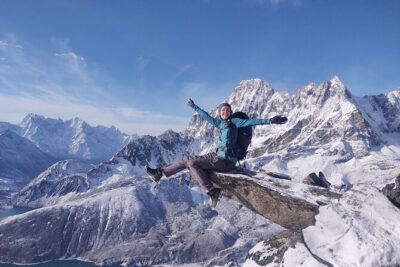

Landing Private Helicopter at Everest base camp & Gokyo for photo
Read our review →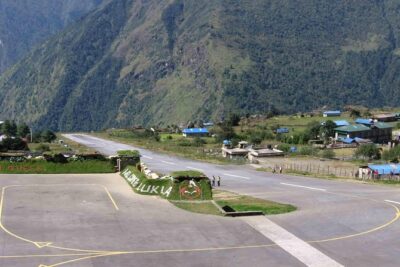
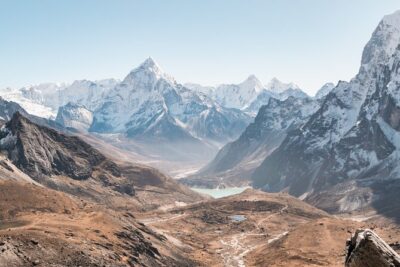
Gokyo Lakes, Gokyo Ri Trekking Package – 10 Days
Read our review →Browse the lists this tour appears in