
Reviewed · EVEREST BASE CAMP TREK
Everest Base Camp & Gokyo Ri Trek
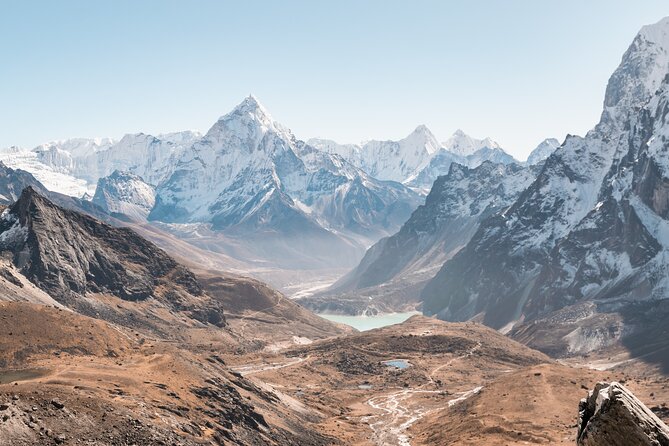
Few treks do Gokyo Ri’s 360-degree panorama and a hands-on Everest Base Camp excursion through the glacier zone on the same circuit. I like this route because it keeps shifting the scenery, from river valleys up to Ngozumpa Glacier and then back down through rhododendron forests. Most of all, I love the payoff moments: the early climb to Gokyo Ri and the big viewpoint day at Kala Patthar.
The main consideration is the Cho La pass day. It includes a steep glacier traverse with icy, slippery, vertical rock sections and crevasses to manage, so you need solid trekking comfort and a calm, careful mindset.
Key things I’d circle before you book
- Gokyo Ri at first light for Everest-region views that rival the classic Kala Patthar moment
- Cho La pass as the true stress test of the trek, with icy terrain and glacier crossing involved
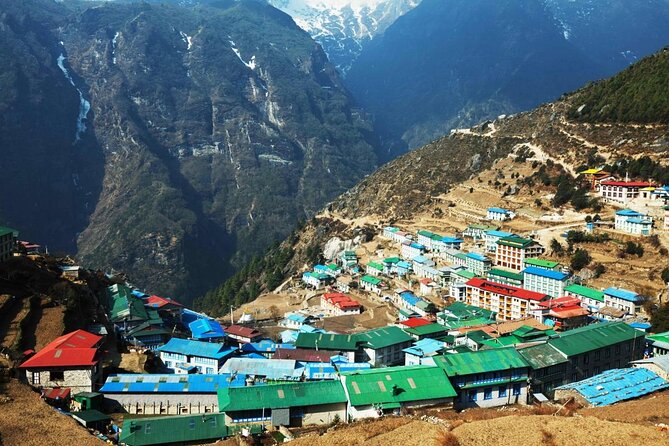
- A calmer Khumbu route that works in smaller stops like Thame, Khumjung, and Dole before you hit the famous zones
- Tea house trekking with lodge basics (standard rooms, non-attached bathrooms) plus included meals on the trail
- Strong logistics support reflected in guide and porter praise, including safe, organized handling around Lukla flights
Why This Everest Base Camp and Gokyo Ri Route Works So Well
This trek is interesting because it isn’t just about reaching Everest Base Camp. It’s about how you get there, and what you see along the way. You start with Dudh Koshi Valley up through Sherpa country, then you pivot into the Gokyo region and its alpine lakes, and only later do you push into the Everest-adjacent glacier terrain.
A big part of the value is the pacing. You do real acclimatization stops in Namche, then you spread your climbs across days instead of stacking them all at once. That matters because the route climbs to big heights but also gives you short, purposeful hikes like the rest day in Namche and the lighter day around Thagnak.
The other reason I like this itinerary is the variety of “wow” moments. You don’t just get one view. You get multiple, including the Nuptse-Lhotse wall with Everest looking almost too close, plus the mirrored peaks reflected in Gokyo’s lakes.
More ways to walk to Everest Base Camp:
- Everest Base Camp Trek – 14 Days
★ 5.0 · 1,499 reviews - Everest Base Camp Trek
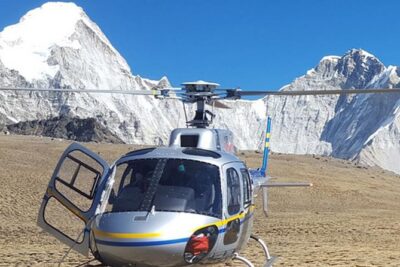
★ 5.0 · 842 reviews - Everest Base Camp Helicopter Tour landing at Everest View Hotel
★ 5.0 · 668 reviews
Price and Logistics: What $2,800 Really Covers
At $2,800 per person for a trek around 21 days, you’re paying for a full support package, not just a suggested route. What you get includes trekking accommodations in local lodge or tea house rooms (standard, non-attached bathrooms), and the meals while you’re on the trek. You also get Kathmandu and Lukla airfare, plus airport transfers in a private vehicle and sightseeing time in Kathmandu.
This is a “reduce your admin” kind of trip. You won’t be arranging permits, chasing flights to Lukla, or figuring out how your guide and porters coordinate. The included logistics also include an English speaking local expert guide, porters with a ratio of 2 members to 1 porter, and permits during the trek.
What you still manage yourself is normal for Nepal trekking. Tips are not included, and your personal expenses like drinks, snacks during walking, hot shower costs, and internet are on you. International flights and medical or evacuation costs are also not included, so you’ll want travel insurance that covers high altitude trekking and emergencies.
Day 1 and Day 2: Kathmandu Arrival, Lukla Flight, and Your First Walking Days
Day 1 is built around landing and settling in. On a clear day, the flight in and the initial Kathmandu landing are described as panoramic and memorable. After you arrive at Tribhuvan International Airport, the support team meets you and escorts you to your hotel for an overnight stay.
Day 2 is your first taste of the Khumbu trek reality, because you fly from Kathmandu to Lukla. That flight is short, and it drops you into the classic “cliff hanging” Lukla airport environment. After meeting your trekking crew, you head up the Dudh Koshi Valley to Phakding, staying in a lodge.
Why this first walking day matters: it gets your legs moving without throwing you into heavy altitude stress. It also starts you on well-marked trails through familiar river-valley terrain, which makes it easier to get your bearings fast.
Namche Bazaar to Khumjung: Acclimatization With Real Sherpa Culture
Once you reach Namche, the trek shifts from “first steps” to “smart altitude work.” The route uses suspension bridges to cross and re-cross rivers, then climbs toward Namche. It also passes the Sagarmatha National Park entry, which signals that you are in protected Everest-area country.
From Namche, you also get a cultural bonus. Namche is described as a trading hub, with a busy Saturday market and interactions that reflect local, Tibetan, and lowland connections. On clear weather you may even spot Everest for the first time from Namche, which sets a powerful tone.
The next day in Namche is about rest and acclimatization. You have time to settle in, and you’re not forced into a long climb immediately. That’s a quiet but important design choice for a mixed-experience group, especially if some people are faster and some need more time.
Then the itinerary turns west into Bhote Koshi territory and onward to Thame. You pass prayer flags and mani stones, and you reach a village that has Thame Gompa above it and seasonal Mani Rimdu festival references. From there, you retrace a portion back toward Namche and take a quieter trail to Khumjung.
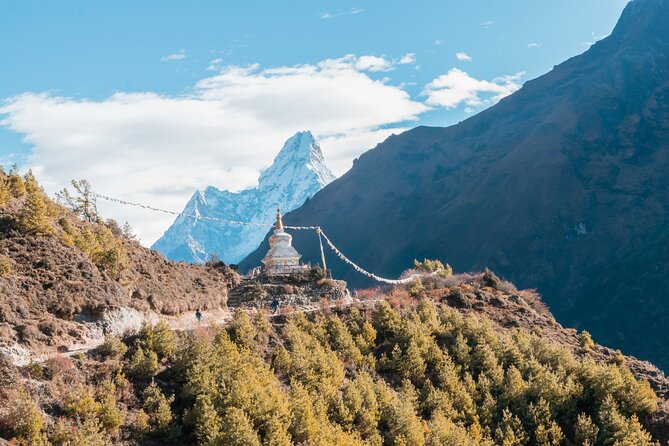
Khumjung is another “why I’d book this” stop because it mixes scenery and human scale. You visit Khunde hospital established by Sir Edmund Hillary, and the day includes views of peaks like Thamserku, Kantega, and Ama Dablam from your camping area.
More of the Gokyo lakes:
- Gokyo to Everest Base Camp Trek
★ 5.0 · 113 reviews - Everest Base Camp – Cho La Pass – Gokyo Trek
★ 5.0 · 65 reviews - Everest Gokyo Valley Trek – 12 days
★ 5.0 · 27 reviews - Landing Private Helicopter at Everest base camp & Gokyo for photo
★ 5.0 · 20 reviews
From Dole to Machhermo: Forests, Seasons, and the Build-Up Toward Gokyo
After Khumjung, the route pushes you along a ridge and through the high-valley rhythm. There’s a chorten on the way tied to Khumbila, described as the patron god’s abode for the Khumbu region. It’s the kind of spiritual landmark that feels natural here, not added for decoration.
From there you continue toward Dole. The trail changes character as you move into rhododendron and birch forest, with hanging moss and lichens mentioned along the way. That’s more than scenery, it’s an acclimatization helper too, because forest sections often feel less exposed than bare ridges.
Then comes Machhermo. The rhododendrons give way to scrub juniper, and you pass summer settlements called yersa, where yaks graze in the warmer months. This is where I like the trek design: it keeps the walking engaging, not repetitive. You also get a view highlight including Cho Oyu, plus glimpses back toward Kantega and Thamserku.
Gokyo Lakes Days: Ngozumpa Glacier, Holy Lakes, and Emerald Water
The trek’s mood changes again when you reach the Gokyo lake area. You’re still moving through steep terrain, but now the “center of gravity” is the Ngozumpa Glacier system and the holy lake sequence.
You walk to Pangka, descend slightly, and follow a melting river that runs down the west side of the Ngozumpa Glacier. You climb a rocky incline into the valley side by the glacier, passing the first holy lake. Then you reach the second lake and cross paths that link to Cho La routes toward Lobuche and Everest later.
By the time you arrive at the third lake, Dudh Pokhari, you’re walking by water with peaks reflected in it, including Cho Oyu and Gyachung Kang. The settlement of Gokyo sits on the eastern shore, so you aren’t just passing through a viewpoint. You get a real village base feel.
Gokyo Ri Early Start: The 360-degree Moment That Defines the Trek
Gokyo Ri is positioned like a summit day that doesn’t require the technical climbing people expect from Everest. It’s described as a steep path up from the lakes, and it’s timed for early movement just after first light.
As you climb, Everest, Lhotse, and Makalu slowly come into view. And the view from Gokyo Ri itself is described as one of the finest in the Everest region, with some people even preferring it to Kala Patthar. After lunch, you continue with a short walk to the village of Na at the foot of the Ngozumpa Glacier.
What I find smart here is that you do this before the Cho La stress day. It’s a strong emotional peak, then the trek transitions into the hardest terrain section with less time wasted on sightseeing after you’re already tired.
Thagnak and Cho La Pass: The Toughest Day You’ll Actually Feel
Day 11 continues the forward motion toward the Cho La corridor. The trek passes through the Ngazumpa Glacier and includes traversing along the edge of a mountain before reaching Thagnak. The big appeal is the timing of light and visibility, described as sunrays kissing Everest, and the day is also shorter, leaving afternoon rest.
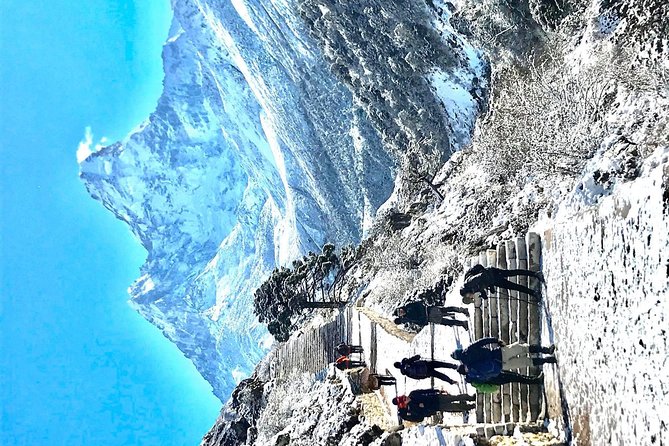
That rest matters, because Day 12 is the hardest. Cho La pass is described as not only steep, but also involving glacier traverse on the eastern side. The trail is vertical in places, and rocks can be glazed by ice, making the route slippery. You also pass through crevasses before reaching Dzongla village.
If you’re the type who gets anxious on exposed icy terrain, this is where you should be honest with yourself. This is not a day for bravado. It’s a day for good pacing, listening to your guide, and keeping your feet steady.
The reward is big. You’re moving through a high-mountain setting with named peaks around you, including Ama Dablam presiding to the south, Cholatse to the west, and Lobuche East and Baruntse to the right.
Lobuche, Kala Patthar, and Everest Base Camp: Peak View Marathon
After Dzongla, you move to Lobuche. The route climbs higher onto terminal moraine of the Khumbu glacier, and you pass rows of stone monuments remembering Sherpas who died on mountaineering expeditions to Mount Everest. Then the trail drops and follows the west side of the valley to Lobuche. The sunset on Nuptse from here is highlighted, which tells you the days are timed for light.
Kala Patthar is next. It requires a very early start to reach Gorak Shep, then you walk and stop for lunch before climbing to the viewpoint at Kala Patthar (noted as 5554m). This is described as one of the best viewpoints in the Everest region, reached by following the Khumbu Glacier route.
Then you do Everest Base Camp itself. The EBC excursion is described as taking several hours and weaving through ice pinnacles and past crevasses of the Khumbu Glacier. On the return leg, you can take a higher route to see the Khumbu icefall and the route to the South Col, then trek back to Pheriche.
The practical takeaway: this is a long, serious day of moving in a glacier zone. Even if you’ve handled altitude well so far, treat it as a big physical effort.
Tengboche to Namche and Down to Lukla: Wildlife, Forests, and a Farewell Evening
After Base Camp time, the trek shifts into descent. You pass through the area toward Tengboche, then cross Dudh Koshi River and head onward to Kyanjuma, described as the junction of trinity ways toward Gokyo Valley, Khumjung village, and Namche Bazaar.
This day also brings wildlife and forest walking. You may find pheasants, griffons, musk deer, and wild goats in rhododendron forests. Even if you don’t spot every animal, the route’s description makes it clear you’re trading “glacier intensity” for “forest quiet.”
Later you continue down toward Namche, crossing a prayer-flag festooned bridge, descending through pine forests along the Dudh Koshi gorge. The trail includes views of Ama Dablam, Thamserku, and Nuptse before you reach Namche Bazaar again.
The final trekking day follows the Dudh Koshi back down to Lukla. There’s also a cultural touch built in here: a farewell party with Sherpa guides and porters, including chang (local beer) and Sherpa dancing. It’s a small moment, but it’s a good reminder that the trek is not just a checklist.
Kathmandu Days: Boudhnath, Pashupatinath, and Patan Durbar Square
Once the trekking ends, you fly back to Kathmandu and you have time for your own plan on one day. Another day includes a guided sightseeing run with Boudhnath (largest Buddhist stupa in Nepal), then Pashupatinath (major Hindu shrine dedicated to Lord Shiva).
You also visit Patan, called Lalitpur, including Patan Durbar Square and Malla-era architecture highlights. The plan mentions Mahaboudha Temple, Kumbeshwor Temple, Krishna Temple, and Golden Temple at the square.
This is a nice pairing with the trek because it gives you a softer cultural pace after altitude. If you like Hindu and Buddhist art, Kathmandu will feel like a logical next chapter rather than a random ending.
Guide and Porter Support: Where Quality Shows Up Fast
The most praised part of these kinds of treks is rarely the view alone. It’s how smooth the hard parts feel. In the feedback I’ve read, guides like Bibek and Tiger show up with the idea of being a walking encyclopedia, plus teams that feel safe and well looked after. I also noticed names like Bal and Sureman, along with Rom, and a porter called Ram, in accounts that praised step-by-step care.
A repeated theme is logistics calmness. People liked that the agency helped with flights to and from Lukla and handled local contacts, which is a big deal in this region where timing can be tight. There’s also praise for flexibility, including one account about changing plans and still getting accommodations and coordination right.
I also take seriously the more human service details. One review mentioned morning tea and coffee in the room and support for specific dietary needs. Another stressed that the team felt organized and efficient. These details matter on a trek where your energy is limited and small kindnesses add up.
Who This Trek Fits Best
This trek suits you if you want Everest Base Camp and also want the Gokyo lakes and Gokyo Ri viewpoints as core goals, not side trips. It also fits you if you like a route that includes quiet Sherpa towns like Thame and Khumjung in between big scenic milestones.
You’ll want moderate physical fitness. The itinerary includes steep climbs, several long walking days, and a Cho La pass day with glacier traverse and icy, slippery terrain. If you’ve never trekked at altitude before, consider training and building comfort with long days before you go, because the trek is not just scenic hiking.
Group size is limited to a maximum of 100 travelers, which can help keep the experience organized. You’ll still be in a shared mountain system, but the support structure aims to keep movement coordinated.
Should You Book Everest Base Camp and Gokyo Ri?
I’d book this if you want an Everest trek that also delivers Gokyo Ri, multiple lake and glacier moments, and a viewpoint-heavy itinerary with real village culture in the middle. The included airfare to Lukla, guides, permits, and on-trail meals are strong value, especially if you prefer to focus on trekking instead of paperwork.
I would pause and ask more questions if icy glacier traverse days make you uneasy. Cho La pass is the one piece that can turn a “great trek” into a “survive the day” trek, and it’s specifically described as steep with icy slippery rock and crevasses.
If you’re comfortable with the idea of early starts, long trekking days, and careful footwork, this is a route that can feel both grand and personal.
FAQ
What is included in the $2,800 price?
The price includes lodge or tea house accommodation during the trek with standard rooms and non-attached bathrooms, and meals on the trek. It also includes Kathmandu to Lukla to Kathmandu airfare, an English speaking local expert guide, porters (2 members per 1 porter), permits during the trek, airport transfers in a private vehicle, and 3 nights’ accommodation in Kathmandu in twin sharing with breakfast only. It also lists equipment clothing for porter and staff and insurance.
Are international flights included?
No. International flights and any other airfares are not included.
How are lodging and bathrooms handled on the trek?
During the trek you stay in local lodge or tea house accommodation with standard rooms and non-attached bathrooms.
What about meals during the trek?
Meals are included during the trek, with breakfast, lunch, and dinner listed across the trekking days.
Are flights to Lukla included?
Yes. The package includes Kathmandu to Lukla and back to Kathmandu airfare.
Do I need to get permits myself?
No. Permits during the trek are included.
What is the toughest part of the itinerary?
Cho La pass is described as one of the toughest days. It involves steep walking plus a glacier traverse on the eastern side with icy, slippery rocks and crevasses.
Is there a viewpoint day at Kala Patthar and Everest Base Camp?
Yes. The trek includes a day for Kala Patthar and a separate excursion to Everest Base Camp.
What sightseeing is included in Kathmandu?
A guided tour includes Boudhnath and Pashupatinath, plus Patan (Lalitpur) including Patan Durbar Square and several temples mentioned at the square.
Can I cancel for a full refund?
Yes, the policy says free cancellation is available up to 24 hours in advance for a full refund. If you cancel less than 24 hours before the start time, the amount paid is not refunded.
Latest Kathmandu write-ups
- Langtang Valley Trek★ 5.0 · 3 reviews
- Khopra Danda Trek★ 5.0 · 3 reviews
- Langtang Valley Trek from Kathmandu★ 5.0 · 3 reviews
- 5 night / 6 days Kathmandu Nagarkot Chitwan Pokhara tour★ 5.0 · 3 reviews
- Nepal Highlights Tour: 5 Nights 6 Days Kathmandu & Pokhara Tour★ 5.0 · 3 reviews
- Kathmandu Valley Private Day Tour★ 5.0 · 3 reviews
- Conquer the Himalayas: The Ultimate 16-Day Annapurna Circuit Trek★ 3.5 · 3 reviews
- Kathmandu Heritage Day Tour★ 5.0 · 3 reviews
Everest Base Camp Trek, compared.



Everest Base Camp Helicopter Tour landing at Everest View Hotel
Read our review →


Everest Base Camp Helicopter Tour landing at Hotel Everest View
Read our review →
Browse the lists this tour appears in