
Reviewed · EVEREST BASE CAMP TREK
Everest Base Camp – Cho La Pass – Gokyo Trek
This trek is interesting because it mixes the famous Everest Base Camp story with a detour over Cho La Pass and onward to the Gokyo Lakes. You still get the big-name moments, but you also trade some crowds for quieter trails and a different kind of Everest view.
I love the private trekking pace. You’re not forced into a cattle-car rhythm, so you can walk, rest, and adjust without feeling rushed. I also like the balance of popular and quieter routes, so you get that classic Everest-region feeling without only seeing the same faces and the same lines of lodges.
One consideration: this is a challenging, high-altitude trek, and Cho La Pass tops out at 17,782 feet (5,420 meters). If your fitness is only light or you tend to struggle at altitude, you’ll need to plan carefully and listen closely to your guide’s pace.
Key Things That Make This Trek Worth Your Time
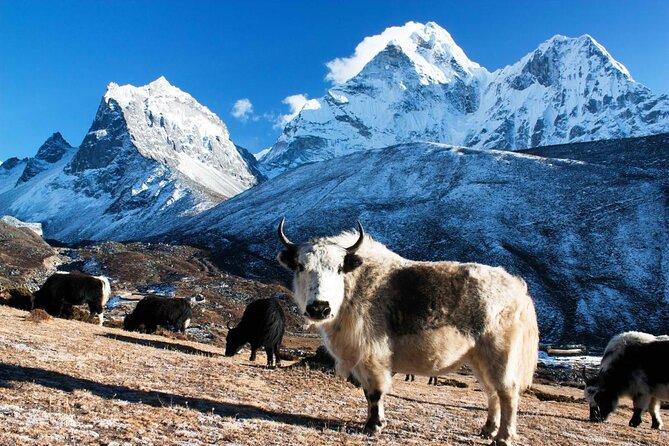
- Cho La Pass route (5,420 meters), adding drama and big-altitude bragging rights
- Gokyo Lakes views of Everest that can feel even more striking than Base Camp
- Private, at-your-own-pace trekking that avoids the race-you-up feeling
- Cultural stops in Namche Bazaar and Tengboche, with Tengboche Monastery highlight options
- Major mountain sightlines, including Everest, Lhotse, Makalu, and Cho Oyu
Everest, Cho La Pass, and Gokyo Lakes: Why This Route Works
If you’re drawn to Everest because it’s the ultimate “I can’t believe I’m here” destination, this itinerary understands that feeling. It takes you to the classic Everest Base Camp goal, then keeps going, so the trip doesn’t end the moment you hit the postcard spot.
What makes this combo compelling is how the scenery logic changes as you move. Base Camp is dramatic for the sheer concentration of peaks. But then you shift toward the Gokyo Lakes area, where water, ice, and towering mountains sit together in a way that can make Everest look closer and more personal. The turquoise lakes are a standout, and the route is designed so you spend time in that high-altitude bowl of views.
This trek also fits people who want adventure but don’t want the stress of “Will we find the right trail?” The route is guided, planned, and paced for walking at altitude, which matters a lot when weather changes fast.
More ways to walk to Everest Base Camp:
- Everest Base Camp Helicopter Tour landing at Everest View Hotel
★ 5.0 · 668 reviews - Gokyo to Everest Base Camp Trek
★ 5.0 · 113 reviews - Everest Base Camp Trek
★ 5.0 · 97 reviews
The Big Picture Itinerary: Key Stops and What to Watch For
You’ll spend about 19 days in the Everest region, starting with a 9:15 am start time and picking up your trek logistics through Kathmandu. The itinerary is built around specific anchor points you’ll remember: Namche Bazaar, Tengboche (including its monastery), Lobuche, Dingboche, Gorak Shep, Everest Base Camp, Cho La Pass, and then Gokyo Valley and the Gokyo Lakes.
Here’s what each of those parts tends to feel like, and why they matter:
Namche Bazaar: High-Altitude Hub Energy
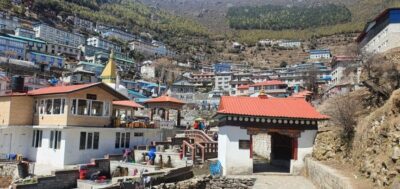
Namche Bazaar is one of the most important waypoints on this kind of trek, and not just for views. You’ll get a chance to interact with locals and get a real sense of how life works up here. It’s also a useful stage for mentally preparing, because you can see the trek ahead in pieces: villages, trails, and the rhythm of altitude travel.
What to expect: busier trail intersections, steady foot traffic, and plenty of small moments that make the region feel lived-in rather than just scenic.
Drawback to plan for: Namche can feel intense if you’re already tired. Keep your schedule calm. This is where you’ll benefit most from pacing instead of pushing.
Tengboche and Tengboche Monastery: Culture With Thin-Air Views
Tengboche is another major moment. You’re not only trekking through big-country mountain scenery. You’re visiting a place with spiritual meaning, and you can visit the Tengboche Monastery.
There’s also a seasonal option: if you trek in autumn, you can be part of the monastery celebration called Mani Rimdu. That’s the kind of detail that turns a trek into something more than an Instagram itinerary.
What to expect: a quieter, reflective stop in the mountains, with culture taking center stage.
Drawback to plan for: if you visit during festival season, there may be more people and more energy in the area. If you like solitude, you’ll want to manage your timing and give yourself breathing space.
More of the Gokyo lakes:
- Everest Gokyo Valley Trek – 12 days
★ 5.0 · 27 reviews - Landing Private Helicopter at Everest base camp & Gokyo for photo
★ 5.0 · 20 reviews
Lobuche and Dingboche: Where Mountain Scale Gets Real
Lobuche and Dingboche are both positioned as viewpoints and staging areas on the path toward the higher, more intense parts of the trek. The key promise here is clear: you’ll see towering mountains from these villages, and later from Gorak Shep.
What to expect: long, steady days of walking with increasing “wow” factors at the edges of your vision. This is where the mountain geometry starts to feel different, and not just because you’re higher.
Drawback to plan for: these days can feel monotonous if you chase speed. Slow down and let the scenery and your breathing take over.
Gorak Shep and Everest Base Camp: The Classic Goal
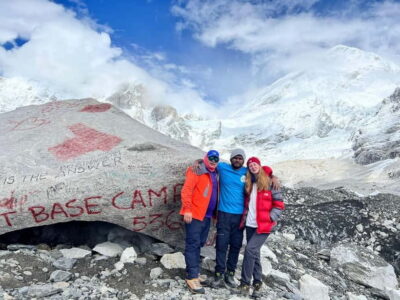
Gorak Shep is the typical high staging point for the Everest Base Camp push, and from here you’re close enough to feel the goal become tangible. Everest Base Camp is the bucket list moment, and you’ll be surrounded by serious peaks while you’re there.
What to expect: the most concentrated Everest feeling of the trip. In the high country, that “first time seeing it in real life” effect hits hard.
Drawback to plan for: cold, wind, and the mental strain of trying to enjoy the moment while your body is working hard at altitude. Bring layers and protect your energy.
Cho La Pass: The High-Drama Day You Plan Your Whole Trek Around
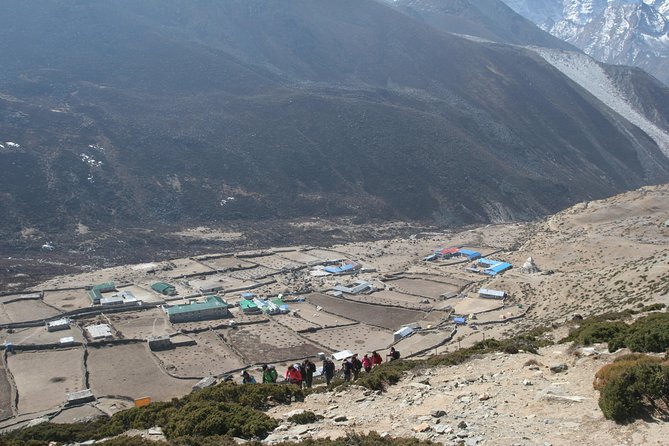
Cho La Pass is the headline detour, crossing at 17,782 feet (5,420 meters). In simple terms, this is where your itinerary stops being only about walking through scenery and becomes about conquering a specific high point.
Why it matters: a pass day changes how the entire trip feels. You don’t just “get to” a view. You earn it, and the air gets sharper and thinner the higher you go.
What to expect: big altitude effort, fast weather changes, and a strong need to stick with your guide’s pace. Even if you feel good, you still want steady steps and calm breathing.
Practical consideration: passes reward patience. If you go out too fast, you’ll pay for it later. If you go steady, the pass day feels manageable, even if it’s still hard.
Also, this is a route choice with a payoff. After Cho La Pass, you head toward Gokyo Valley, which is where the lakes and the turquoise view payoff starts to dominate your memory.
Gokyo Valley and the Lakes: Where Everest Looks Different
The standout claim of this trek is that the views of Everest from the high-altitude Gokyo Lakes can be even better than Base Camp. I get why. At the lakes, you’re looking at Everest’s big presence with a reflective, high-altitude water setting that makes the whole scene feel crisp.
The route is also designed to hit multiple peak sightlines. On this trek you can catch the closest views of 4 out of the 8 tallest mountains in the world. Those include Cho Oyu (8,201 m), Makalu (8,463 m), Lhotse (8,516 m), and Everest (8,850 m).
What that means for you: you’re not just chasing one mountain. You’re collecting viewpoints where several giants line up in your field of view.
Drawback to plan for: Gokyo days can be long on tired legs. The lakes are worth it, but the last push to get there may require you to manage your energy like a grown-up athlete.
How Private Trekking Changes Your Experience (For Better or Worse)
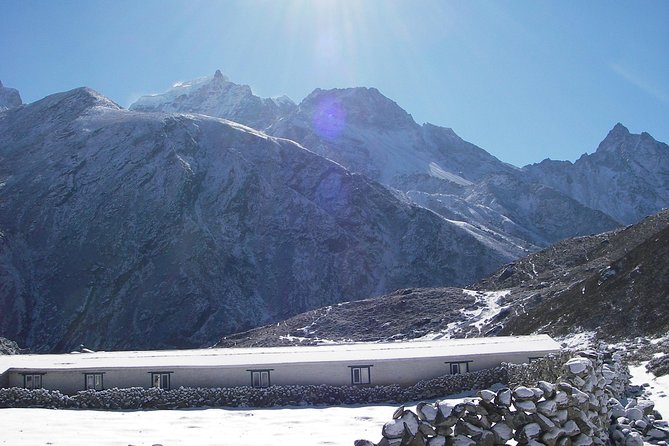
This is a private trek, with only your group participating. That affects everything, from your pace to the way problems get handled.
You walk at your pace, not someone else’s
The itinerary is explicitly designed so you can go at your own pace without feeling rushed. On high-altitude routes, that matters. A rushed group often pays for it later with burnout, extra strain, and mood swings.
You get guidance on navigation and rhythm
The trek is set up so you can trek in the mountains without the risk of getting lost. That doesn’t mean it’s stress-free. It means you don’t need to worry about the basics while you’re already managing wind, cold, and thin air.
You might notice strong guide consistency
From the human stories around this trek, certain names show up repeatedly, including Mani (organizer/point person in Kathmandu), and guides such as Binod, Surey, Ram Timalsina, and others like Pasang Lama and Raju in support roles. I take that as a good sign if you care about having a guide who knows the terrain and how to keep the team steady.
One more practical angle: some trekkers have described the team stepping in quickly when unexpected logistics show up, like last-minute needs in Kathmandu. That kind of responsiveness can matter when you’re far from the comforts of home.
Price and Value: What $1,394.88 Really Covers
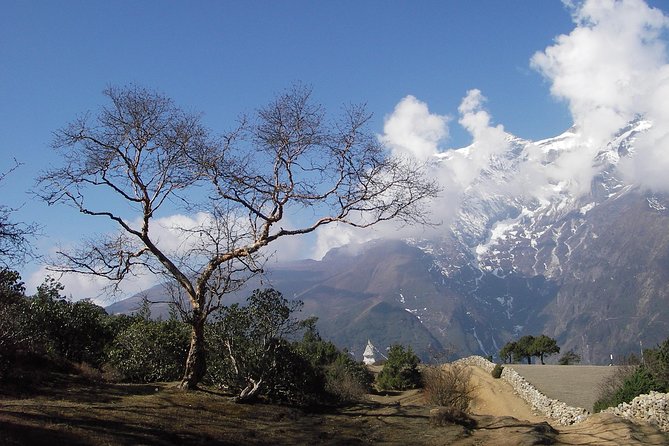
The price is $1,394.88 per person for a trek of about 19 days. That’s not cheap, and it’s not meant to be. This is a challenging high-altitude itinerary with a private setup and a route that includes a major pass and the Gokyo Lakes area.
The key value signals you can verify from the trip details:
- Private transportation is included.
- Mobile ticket is offered.
- You also have some logistics covered via Kathmandu support, especially at the start.
The big budget catch: lunch and dinner are not included. So you’ll want to plan for food costs in the mountains and make sure you understand what meals are covered versus what’s on you. When meals aren’t included, it can change the final total more than you expect because trekking food is not just “normal restaurant pricing.”
Value tip: If you’re comparing this to cheaper group treks, don’t just compare the sticker price. Compare what you get for control and reduced hassle, especially the private pacing and the ability to keep your day-to-day rhythm aligned with your body.
Timing, Weather, and the Autumn Mani Rimdu Bonus
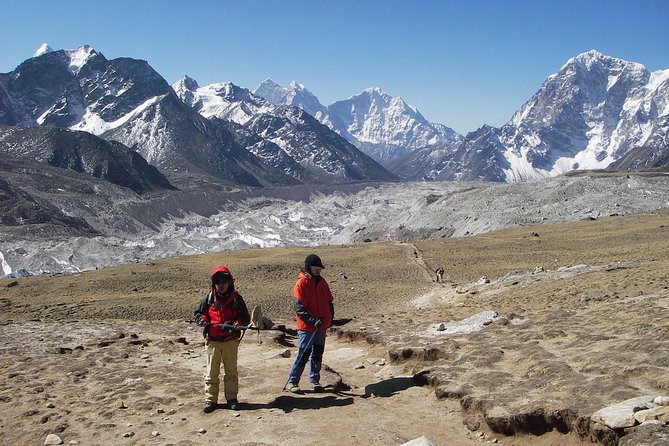
This route includes a cultural option at Tengboche Monastery for Mani Rimdu if you trek there in autumn. If that festival detail matters to you, it’s worth treating your travel dates as part of the plan, not an afterthought.
The trek also requires good weather. Mountain routes can get delayed or rerouted if conditions are poor. So build flexibility into your expectations, and keep your gear and mindset ready for weather shifts.
Practical Advice That Helps You Enjoy the Trek More
This is a high-altitude trek. Even with a private pace and a skilled guide, you still need to think like a cautious hiker, not a power walker.
Here’s what I’d do to keep it enjoyable:
- Pack for cold and wind even if the day starts sunny. High passes and high villages can turn quickly.
- Stay disciplined on pace, especially on the run-up to Cho La Pass and on the days after.
- Use rest time well. You’re not wasting minutes when you rest at altitude. You’re buying time for the harder days later.
- Keep cash and small contingencies in mind. Some trekkers have described quick help from the team when unexpected needs came up. Still, don’t assume it will always be easy, so prepare as if you’ll need to handle small issues yourself.
Also, this trek starts with organized logistics in Kathmandu, with pickup offered and private transportation included. If you arrive early, use that time wisely. It’s often easier to sort equipment and final details in Kathmandu than scrambling at trailhead.
Who This Trek Is Best For (And Who Should Rethink)
This trek is best suited for active, adventurous travelers who want:
- the Everest Base Camp experience
- plus a detour over Cho La Pass
- and the Gokyo Lakes payoff
- while enjoying quieter trails and a guided route you can trust
It also fits people who want a private, un-rushed feel. If you hate feeling dragged by the fastest walkers, this structure is a good match.
It may not be the right fit if:
- you’re not comfortable with high-altitude effort
- you tend to push when you should slow down
- your idea of the mountains is “short strolls with plenty of comfort” because this is described as a challenging, high-altitude trek
On the good side, the trek states service animals are allowed. That’s a helpful data point if you’re planning for accessibility needs.
Should You Book This Everest Base Camp, Cho La Pass, Gokyo Trek?
If your goal is a complete Everest region story, not just a single summit moment, I think this itinerary makes strong sense. You get the classic draw of Everest Base Camp, then you earn the extra milestone of Cho La Pass, and you finish with the lakes, including that best-of-both-worlds view logic where Everest can look even more striking.
Book it if you want private pacing, a reliable guided route, and you’re excited by the idea of seeing multiple giant peaks, including Cho Oyu, Makalu, Lhotse, and Everest. Also book if culture matters to you, since Namche Bazaar and Tengboche give you more than just scenic walking, and Mani Rimdu is an extra autumn bonus.
Hold off or ask more questions first if you want strict certainty on meals, since lunch and dinner are not included, and you’re still unsure you can comfortably handle the altitude of a pass at 5,420 meters.
FAQ
How long is the Everest Base Camp, Cho La Pass, Gokyo Trek?
It’s listed as about 19 days.
What time does the trek start?
The start time is 9:15 am.
Is this a private trek?
Yes. It’s a private tour or activity, and only your group participates.
What’s included in the price?
Private transportation is included. A mobile ticket is offered.
What meals are not included?
Lunch and dinner are not included.
What fitness level do I need?
The trek is recommended for travelers with a moderate physical fitness level.
Can I see the Mani Rimdu festival during the trip?
You can participate in Mani Rimdu at Tengboche Monastery if you trek there in the autumn season.
What is the cancellation option if weather affects the trip?
You can cancel for a full refund up to 24 hours before the experience’s start time. The experience requires good weather, and if it’s canceled due to poor weather, you’ll be offered a different date or a full refund.
Latest Kathmandu write-ups
- 16 Days Island Peak Climbing With Everest Base Camp Private Trip★ 5.0 · 3 reviews
- 15 Days Round Annapurna Trek with Poon Hill from Pokhara★ 5.0 · 5 reviews
- Private Nepal round trip including Ghorepani Poonhill trek★ 5.0 · 3 reviews
- Everest Base Camp Trekking 16 Days★ 4.0 · 7 reviews
- 14 Days Luxury Annapurna Base Camp Trek★ 5.0 · 6 reviews
- Everest Base Camp Trek★ 5.0 · 32 reviews
- Everest Base Camp Trek★ 5.0 · 87 reviews
- 14 Days Everest Base Camp Trek★ 5.0 · 5 reviews
Everest Base Camp Trek, compared.
Everest Base Camp Helicopter Tour landing at Everest View Hotel
Read our review →
Everest Base Camp Trek 12 Days – Best Himalayan Adventure
Read our review →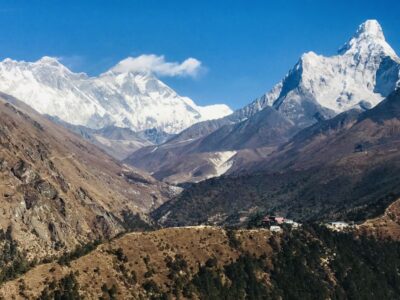
14-Day Everest Base Camp with Kala Patthar Trek
Read our review →Browse the lists this tour appears in