
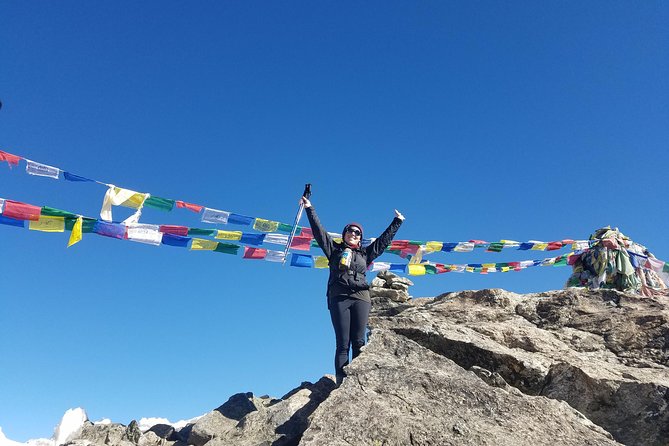
Reviewed · GOKYO LAKES TREK
Gokyo Lakes and Gokyo Ri Trek
Gokyo Lakes and the climb to Gokyo Ri is interesting because it swaps the usual Everest routine for a high-glacial valley with turquoise lakes and huge panorama potential. This route gives you a front-row seat to the Everest region without requiring the same level of punishment as the most famous alternatives.
I like this trek for its clear altitude logic and the way it saves your energy for the big view day. The main consideration is altitude, especially on the continuous climb to Gokyo Ri, so you will want a steady pace and serious attention to how you feel.
Key things to know before you go
- The Gokyo Ri summit targets 8000-meter peaks with Everest-area views from a single high vantage point
- Namche acclimatization is built in, with side trips that help your body adjust before you go higher
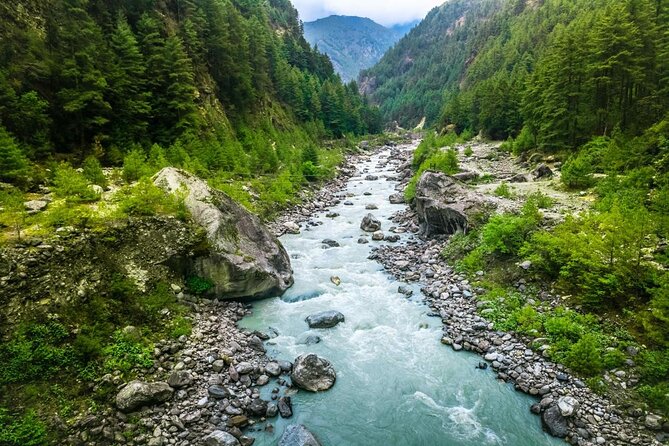
- Dudh Koshi valley days start the trek with bridges, forests, and a lot of trail texture
- Sagarmatha National Park entry happens at the Monjo point, giving the trek a true protected-park feel
- A smaller group size (max 10) makes it easier to move with your guide and adapt to conditions
Why Gokyo Ri and the Lakes feel like a fresh look at the Everest Region
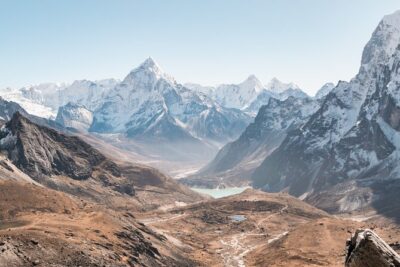
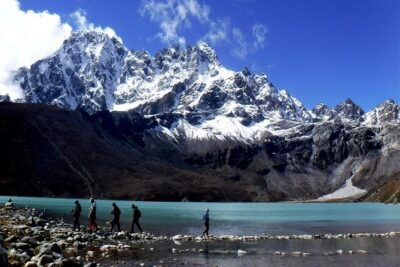
If you picture the Everest region as one long parade of Everest Base Camp names and photo spots, Gokyo Lakes changes the script. You still get the big Himalayan drama, but the “main character” becomes the glacial valley itself: icy walls, wide moraines, and lakes that really do read as turquoise when the light hits them right.
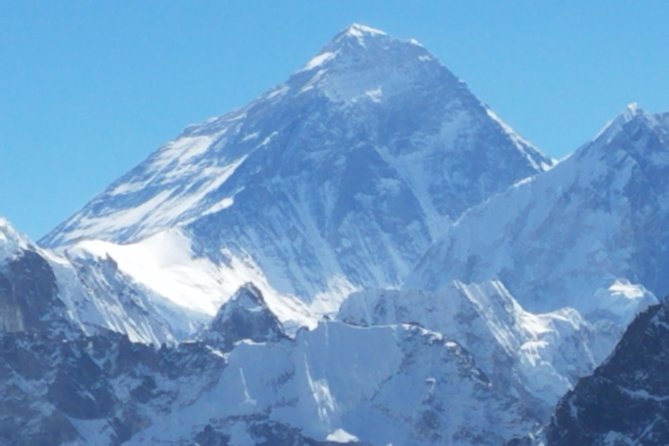
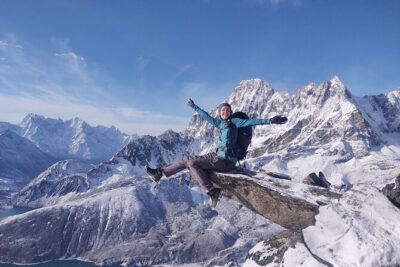
I also like that the trek is designed to be view-forward. You do not just walk to prove you can, you walk because the scenery earns your steps. The payoff day is Gokyo Ri, where the summit view is the point, not a random stop. From the top, the plan aims at seeing multiple giants at once, including Everest (8848m) plus Cho Oyu, Lhotse, Makalu, and more.
The one thing to respect is altitude. Even when a route is described as more moderate than harder Everest itineraries, Gokyo Ri still asks for a continuous, strenuous climb. That means how you pace your breath matters as much as your hiking legs.
More of the Gokyo lakes:
- Gokyo to Everest Base Camp Trek
★ 5.0 · 113 reviews - Everest Base Camp – Cho La Pass – Gokyo Trek
★ 5.0 · 65 reviews - Everest Gokyo Valley Trek – 12 days
★ 5.0 · 27 reviews
Kathmandu warmup: Thamel, Durbar Square, and UNESCO morning blocks
Your trek starts in Kathmandu with the practical stuff done early: landing, getting paperwork handled, and settling into a hotel. Thamel is the launchpad here, and it is convenient for a last-minute gear run if you forgot something small but vital like warm layers or headlamp batteries. If you have the energy, Durbar Square is close enough for a first taste of the city before you trade traffic for trail.
What I like about this first Kathmandu day is that it is not just downtime. It sets your mind into Nepal mode. You get temple visits that are deeply tied to local life, not just “look and leave” stops.
Day two is packed with major cultural anchors, with entries listed as included for:
- Pashupatinath Temple, a UNESCO World Heritage Site and a major Hindu pilgrimage focus
- Boudhanath Stupa, also UNESCO listed, respected by both Hindu and Buddhist communities
- Swoyambhu Mahachaitya (Monkey Temple), perched high with monastery activity, prayer flags, and a citywide viewpoint
If you are thinking ahead, these mornings are useful. They help you understand what kind of place you are in, and they also let you reset after travel before you go to the mountains.
Lukla to Namche Bazaar: Dudh Koshi power lines, bridges, and park permits
The trek proper starts when you fly from Kathmandu to Lukla, using Tenzing-Hillary Airport. The flight itself is part adrenaline, part orientation, because it puts you quickly into the altitude world and helps your legs feel like they belong to the trip.
From Lukla, your first hiking day is a warm-up run to Phakding. It follows the Dudh Koshi River, and that is a big deal. Rivers shape trails in Nepal, and this one gives you constant guidance. On the way, you descend, climb gradually, and you get a mix of village passing and river valley walking. The forest texture shows up as you gain altitude, with rhododendron, fir, and birch mentioned along the route.
After that, the trail keeps moving toward the national-park zone and the Everest region foothills. You reach Sagarmatha National Park via Monjo, where your permits are checked. That moment matters because it is a clear boundary: you are now in the protected system that shapes what you see and how you travel.
Then comes a classic mountain travel pattern: suspension bridge moments, switchbacks, and the kind of walking that teaches you how steep feels without going full summit-hard. This is where you cross the river more than once and work your way to Namche Bazaar after permit checks. The route is busy early because a lot of people are heading toward Everest-area treks, and you will feel that on the first days.
A practical tip: with the crowds and gear traffic, expect seeing pack animals on the trail early. One helpful detail from real trek experience is that mules and dzopke are common on the push to Namche. That does not change your route, but it affects how you schedule breaks and how often you share narrow trail sections.
Acclimatization in Namche: the side trips that make higher days safer
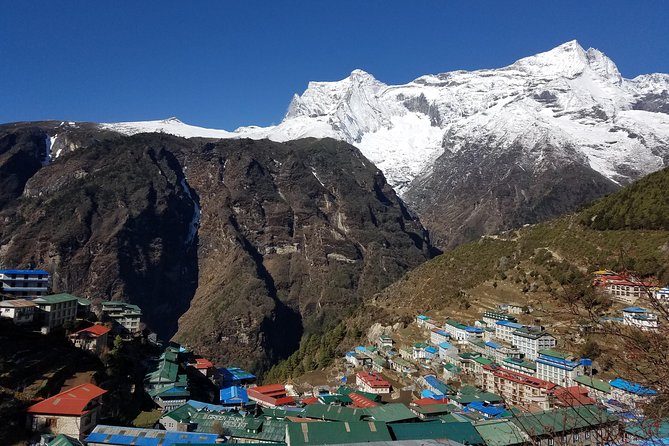
Namche is where the trek stops being just movement and starts being altitude management. This is where your body gets time to adjust, and it is also where the trek gives you options.
What I like here is the balance between “do not over-rest” and “do not pretend you are invincible.” The plan follows the advice that you are better off staying active during the day rather than spending hours flat in your room.
Your acclimatization day includes two very practical ideas:
1) A side trip to Everest View Hotel, which is built for peak spotting, including views of Everest, Ama Dablam, Nuptse, and Lhotse
2) A hike to Khumjung to see local institutions like the Khunde Hospital and school, often described as the schoolhouse in the clouds
Then the next day continues the acclimatization theme with a shorter route up from Namche toward Kyangjuma, aiming at views of Ama Dablam plus other big neighbors like Thamserku and Katenga.
If you are planning your own pacing, use Namche as your template. Go slow going up. Stop when you need to. Drink water regularly. You are not trying to win fitness points here. You are setting yourself up for the higher Gokyo valley days.
More to compare around Kathmandu
- Everest Base Camp Trek – 14 Days
★ 5.0 · 1,499 reviews - Everest Base Camp Trek
★ 5.0 · 842 reviews - Private Kathmandu Sightseeing Tour | UNESCO World Heritage sites
★ 5.0 · 756 reviews - Kathmandu: 7 UNESCO Sites with Lunch
★ 4.8 · 744 reviews
Into the Gokyo Lakes area: terminal moraines, iron bridges, and lake names
After Namche and the acclimatization work, the trek shifts its focus east and upward into the Gokyo world. The days start to feel longer in effort, but the scenery becomes more uniquely glacial. You pass through villages and ridges that connect the river valley logic to the higher moraine logic.
A key transition happens when you start moving toward Machhermo and then into the Gokyo Lakes vicinity. One day’s highlights include the confluence of streams linked to Kyajo Ri and Pari Lapche, and the overall sense of being surrounded by mountains that look both close and immense.
Then you reach the heart of the lakes approach. The route climbs down toward the river and includes a steep climb to the terminal moraine formed by the Ngozamba Glacier. Crossing moraines is not just a view moment, it is a footing moment. Uneven ground means you hike differently, shorter steps, more attention to balance.
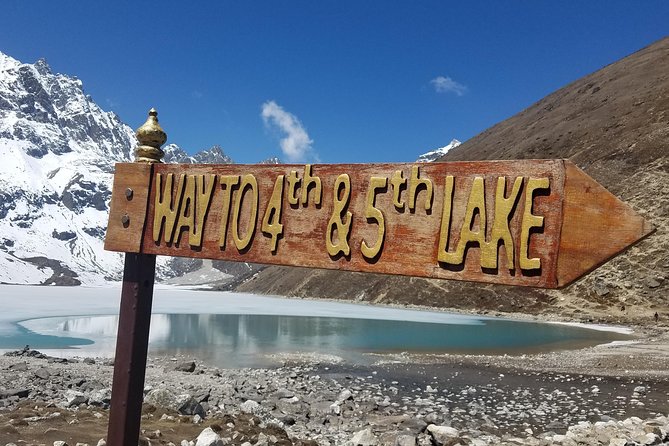
After that, you reach an iron bridge marking the start of the lake valley route. This part is a big reason people love Gokyo Lakes. You do not only see one lake. You walk between lakes on trails that feel gentler compared to the climbing battles. The lakes you are guided through include:
- Longpongo (first lake named on the route)
- Taboche Tso (the next lake connection)
Even if the exact route length between lakes varies by conditions, the idea is consistent. The lakes sit within a glacial system, so your views keep changing as you move, even when you are not gaining much elevation.
Gokyo Ri summit day: continuous climb, slow steps, and 8000-meter peak spotting
Gokyo Ri is the day most people plan around, and the route makes it clear why. It is described as the most awaited day, with a continuous and strenuous ascent to the summit.
This is where your pace matters more than your mood. The plan emphasizes a slow and steady climb to the top, and that is good advice for altitude travel. It is often better to look calm and breathe controlled than to hike fast and pay later.
From the top, the views are the main event. You are aiming to see multiple 8000-meter peaks, including:
- Cho Oyu (8153m)
- Lhotse (8501m)
- Makalu (8475m)
- Mount Everest (8848m)
Plus other peaks like Thamserku and Louche are listed in the panorama.
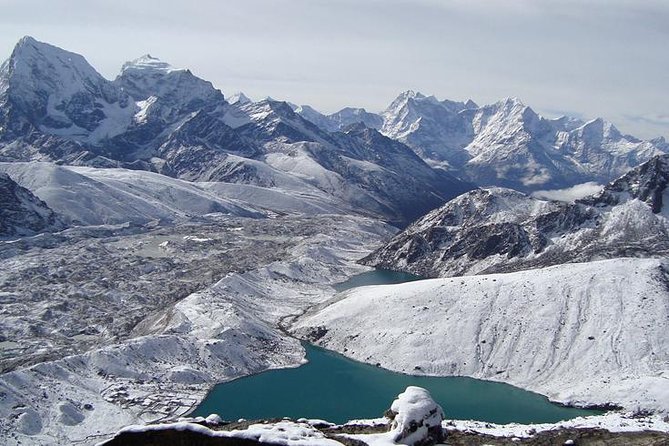
Below you, the Ngozumba Glacier and the Gokyo lakes become part of the summit view, which is one of those rare moments when your day’s walking feels instantly justified.
If you want to add variety after the summit, the plan also includes a hike to the fourth lake, Thonak Tsho. That means you get a second type of reward, not only the sky view but also the glacial-lake walking again.
Practical consideration: this day can feel long. Expect cold hands, busy breath, and a need to keep moving once you start. Bring a headlamp and wind layer even if you think the weather looks fine at lower elevations.
The return loop: quieter trail rhythm and Dole to Lukla timing
After the big summit day, the trek shifts into a return rhythm. You begin descending from Gokyo and work back through the villages and lake-to-mountain transitions.
The route heads toward Luza again, with passes through Machhermo and Dole and views of peaks like Thamserku, Cho Oyu, and Kangtega along the way. You also see elements like chortens and the iron bridge again, which helps the whole place feel coherent instead of like random points on a map.
A day that includes the section toward Phortse Tenga and back toward Namche is described as rich in biodiversity, with wildflowers, rhododendron, and mention of wildlife such as pheasants, mountain goats, and musk deer. Even when you do not see animals directly, the area descriptions remind you this is not just a human hiking corridor.
One of the more useful pieces of route reality is about crowd patterns. Early on, many people are moving through shared trail sections because of Everest-area trekking demand. After the first big hubs like Namche, the trail often feels less busy. That is good for your peace of mind and for photo chances.
Then comes the long descent back to Lukla, following the Dudh Koshi River again. The trail becomes easier as you move down, but it is still a full hiking day. You pass prayer stones and flags, monasteries, and chortens, plus village life that feels calmer on the return.
Price and logistics: does $1,706.67 feel fair?
The listed price is $1,706.67 per person, for an about 14-day trek in the Everest region. That is not a small amount, so I look hard at what makes it worth paying for.
Here is what you do get, based on what is listed:
- Pickup offered (helpful for Kathmandu transition days)
- Meals included: breakfast (12), lunch (11), dinner (11)
- Kathmandu sightseeing entry fees are marked included on the temple and stupa days shown in the plan
- A small max group size of 10 people, which often means less chaos on the trail than huge groups
The value question comes down to what you are buying besides the walk. You are paying for guided pacing, altitude-aware timing, permit handling, and the smooth handoffs between Kathmandu, Lukla, and back. On a route like this, that matters because the mountains do not care if you are good at planning.
A smart way to judge value for this trek is to compare your likely out-of-pocket costs if you tried to DIY it: flights, permits, guide time, and the headache factor of logistics at altitude. This trek bundles a lot of that into one plan, and the meals included are a real money saver once you are in tea house country.
One more value clue from real operating experience: guides like Krishna are described as checking in frequently and making sure tea house stays feel comfortable. On a long trek, comfort on small things, like whether you are warm enough at night, can matter more than people expect.
Should you book the Gokyo Lakes and Gokyo Ri trek?
If you want Everest-region views with a calmer pace than the most brutal Everest alternatives, this trek makes sense. You get turquoise lakes, glacial terrain, and a summit day aimed at big-name peaks. The route also gives you built-in acclimatization in Namche, and the plan clearly emphasizes slow, steady effort for the hardest ascent.
Book it if:
- You have moderate physical fitness and you are comfortable with hiking at altitude
- You want a route that mixes scenery goals with altitude planning
- You like the idea of starting in Kathmandu culture, then switching to river-valley trekking, then to glacial-lake walking
Skip it or rethink if:
- You know altitude hits you hard and you are not willing to take pacing seriously
- You are hoping for an easy walk to a summit. Gokyo Ri is strenuous and your preparation matters
If you book, do one thing that helps immediately: train your legs before you arrive and practice steady breathing on climbs. The mountains reward calm effort, especially on the day that keeps your whole trip in its hands.
FAQ
What is the meeting point for this trek?
The meeting point listed is Kathmandu 44600, Nepal.
How long is the Gokyo Lakes and Gokyo Ri trek?
It is listed as 14 days (approx.).
Is pickup offered?
Yes, pickup is offered.
What group size should I expect?
The tour lists a maximum of 10 travelers.
What fitness level do I need?
The additional info says you should have a moderate physical fitness level.
What meals are included?
Breakfast is included for 12 days, lunch for 11 days, and dinner for 11 days.
Are entry tickets included for Kathmandu sightseeing?
The itinerary items for Kathmandu stops (like Pashupatinath Temple, Boudhanath Stupa, and Swoyambhu) show admission ticket included.
Is a service animal allowed?
Yes, service animals are allowed.
What happens if weather cancels the experience?
The experience requires good weather. If it is canceled due to poor weather, you will be offered a different date or a full refund.
Latest Kathmandu write-ups
- Langtang Valley Trek★ 5.0 · 3 reviews
- Khopra Danda Trek★ 5.0 · 3 reviews
- Langtang Valley Trek from Kathmandu★ 5.0 · 3 reviews
- 5 night / 6 days Kathmandu Nagarkot Chitwan Pokhara tour★ 5.0 · 3 reviews
- Nepal Highlights Tour: 5 Nights 6 Days Kathmandu & Pokhara Tour★ 5.0 · 3 reviews
- Kathmandu Valley Private Day Tour★ 5.0 · 3 reviews
- Kathmandu Heritage Day Tour★ 5.0 · 3 reviews
- Conquer the Himalayas: The Ultimate 16-Day Annapurna Circuit Trek★ 3.5 · 3 reviews
Gokyo Lakes Trek, compared.

Landing Private Helicopter at Everest base camp & Gokyo for photo
Read our review →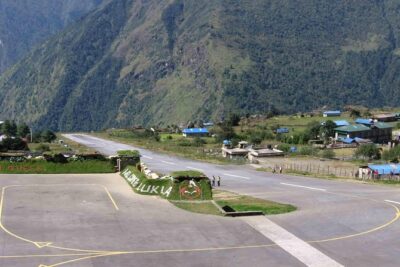
Gokyo Lakes, Gokyo Ri Trekking Package – 10 Days
Read our review →Browse the lists this tour appears in