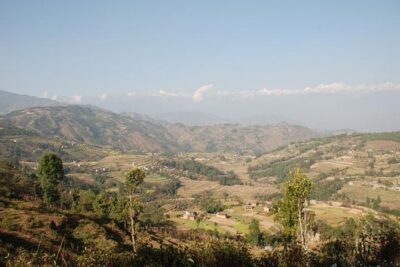
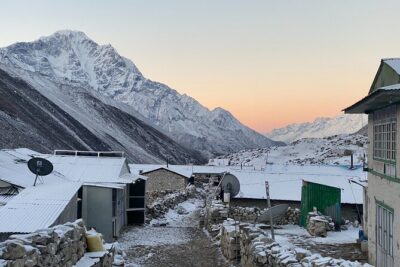
If you want Nepal without spending your whole time inside traffic and tourist streets, this rim hike is a great fix. You walk north of Kathmandu, thread through rural farm villages, and earn big open-air views when you step up onto the ridges around Chisapani.
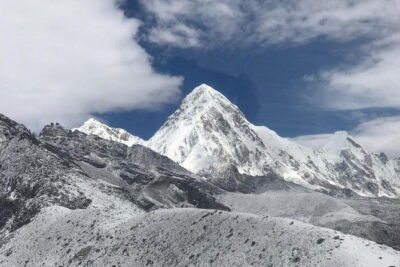
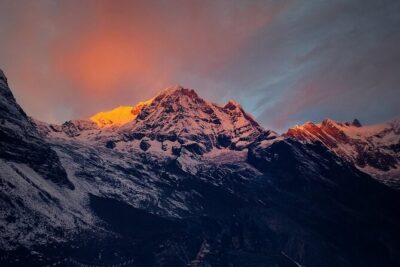
I especially love two things about this trek. First, the route feels more local than the usual day-hike crowd because you’re moving through quieter countryside. Second, the Chisapani hill panoramas are the kind that make you pause and point, with views that can include Dorje Lakpa, Langtang, Ganesh Himal, Gaurisankar, and a look toward the Everest range on clear days.
The only real drawback is logistics of the walking days. This is designed for people who can handle multi-hour hikes at a steady pace, and the trip also does not include your Kathmandu meals and hotel (plus soft and hard drinks). If you’re hoping for mostly easy sightseeing with minimal walking, this may feel more active than you want.
Why This Trek Feels Different From Typical Kathmandu Trips
This is a short trekking loop that still gives you a real sense of leaving the valley. You start from Sundarijal and work your way toward viewpoints that look straight out over the mountains, then finish with a cultural temple stop and a drive back into the city.
Even though it’s compact (3 days), it has the core ingredients that make people rate it highly: food taken care of, a guide to keep the route smooth, and a plan that balances forest time with ridge-time views. You’ll also get that satisfying rhythm of uphill effort, then reward.
Key Highlights Worth Your Attention
- Rural farm village walking north of Kathmandu instead of another loop packed with crowds
- Chisapani hill viewpoints with mountain range views like Langtang and Dorje Lakpa
- Nagarkot’s iconic ridge scenery plus a stop at the Nagarkot View Tower
- Full trekking support: 2 nights’ trekking accommodation and all meals on the trail
- A guide who can be multi-lingual (English, Chinese, Spanish, German are available)
More to compare around Kathmandu
- Everest Base Camp Trek – 14 Days
★ 5.0 · 1,499 reviews - Everest Base Camp Trek
★ 5.0 · 842 reviews - Private Kathmandu Sightseeing Tour | UNESCO World Heritage sites
★ 5.0 · 756 reviews
Day 1: Sundarijal to Chisapani, Forest Walking With Real Mountain Payoff
You begin early from Sundarijal, then head toward Chisapani. The uphill push is part of what makes the views feel earned, and the climb is described as around one thousand meters to reach Chisapani.
What you’re doing, practically, is walking through jungle and hillside paths where the vegetation changes as you gain elevation. The experience is framed as a pleasant country walk with different flora and fauna along the way. Even if you don’t spot something dramatic every hour, you still feel the shift from lower, greener slopes into cooler, clearer ridge air.
When you reach Chisapani, you move into the payoff zone: panoramic views that can include Dorje Lakpa, Langtang, Ganesh Himal, Gaurisankar, and part of the Everest range. This is the moment where the trek stops being just exercise and starts feeling like Nepal in postcard form, but with the dirt under your boots.
Possible snag to plan for: viewpoint visibility depends on conditions. The good news is that this is a ridge trek, so even with partial cloud, you still get layers of mountains in the distance. Still, if you’re the type who wants sky-clear photos all day, keep your expectations flexible.
Day 2: Chisapani to Nagarkot, Ridge Life and the Most Famous Sun Direction
On the second day, you work your way to Nagarkot, a name that comes up for a reason. The trek is set up to bring you to classic scenic spots, and Nagarkot is one of the best-known ridge viewpoints around Kathmandu.
You’ll also have time at the Nagarkot View Tower, which is exactly the kind of place where you get oriented fast. If you’re looking for that moment where the mountains suddenly make sense in relation to the valley, this stop helps.
The broader promise here is sunrise-style scenery, and Nagarkot is the natural hub for it. The trip highlights also mention Dhulikhel as part of the wider mountain-view story around the rim, so your day should feel like more than one stop, more like a sequence of viewpoints aimed at clear-sky timing.
In terms of pacing, expect another day of real walking. This trek is described as suitable for any fitness level as long as you can walk for multiple hours, which is Nepal-speak for: bring comfortable shoes and keep your pace steady.
Day 3: Nagarkot Down to Changunarayan Temple, Then Back to Kathmandu
The final day shifts from mountain-ridge focus to culture and finishing energy. You trek down to Changunarayan temple and then drive back to Kathmandu.
That temple finish matters. It gives your feet a last bit of purpose beyond views, and it turns the trek into a complete story instead of a straight out-and-back hike. The day also ties things together for first-time Nepal visitors, because you end with a return drive to the city rather than needing extra planning to get back.
The tour ends back at the meeting point in Kathmandu, so you’re not stuck figuring out transport late in the day. You should feel ready for a proper shower, a rest, and a meal in the city.
A different sort of day out of Kathmandu:
- Kathmandu: 7 UNESCO Sites with Lunch
★ 4.8 · 744 reviews - Everest Base Camp Helicopter Tour landing at Everest View Hotel
★ 5.0 · 668 reviews - Half day cooking class in Thamel kathmandu
★ 5.0 · 607 reviews - Everest Base Camp Trekking
★ 5.0 · 485 reviews
The Guide Makes the Trek Feel Easy, Especially on Day-to-Day Decisions
A big reason people rate this hike highly is the human side. One standout detail from the feedback I saw is that guide Riman gets singled out for being kind and knowledgeable. That kind of guide support matters on a short trek, because there’s less time to fix problems. When someone knows the route, the pacing, and how to keep things calm, you enjoy the walking more.
You also have language coverage options. The trek can include a multi-lingual guide, with English, Chinese, Spanish, and German mentioned as available. That can be a big deal if you’re not comfortable with basic hiking communication and you want the day explained, not just led.
If you’re traveling solo, I like itineraries where the guide does more than point. Here, you’re given a guided experience that keeps the days structured, so you can focus on views, photos, and soaking in valley life instead of worrying about navigation.
Price and Value: What $381 Covers and Why It Matters
At $381, the price is not the cheapest way to do a short trek, but it also isn’t overpriced for what you get. The value comes from the “support package” style of planning.
Here’s what is included:
- 2 night accommodation in trekking
- All food during the trek: breakfast, lunch, and dinner
- Guides as needed for different languages, plus a trekking guide
- Private transport in a vehicle type that depends on group size (car, jeep, mini bus, or tour bus)
- Pick up and drop to the airport
What’s not included:
- Food and hotel in Kathmandu
- Soft and hard drinks
- Nepal visa, and international flights
- Personal expenses, grocery and shopping
- Tips for guide and driver
- Anything not clearly stated in the plan
So for your money, you’re paying for a guided ridge trek with meals and lodging, plus transport that removes a lot of friction. If you were trying to build this yourself, you’d likely spend time on organizing food, routes, lodging, and transport. Here, you’re buying time and certainty, which is often worth it.
If you’re the type who prefers to control every detail, you might feel boxed in. If you’re the type who wants a smooth experience where you simply show up, this is priced in a way that makes sense.
What the Walking Actually Feels Like (And Who It Suits Best)
The trek is described as for any fitness level as long as you can walk for multiple hours per day. That’s the key line to take seriously.
This hike suits you if:
- You want a short, guided trek with mountain views north of Kathmandu
- You like forest and hillside walking, not just viewpoint hopping
- You’d rather pay for meals and logistics than spend your time managing them
- You’re comfortable doing daily walking as part of the experience
It might not suit you if:
- You want minimal walking or mostly flat terrain
- You’re not ready for several hours on your feet
- You hate uncertainty in weather and want perfect visibility every day
Practical Tips to Make the Most of Those Ridge View Moments
Because this is a rim hike with viewpoints, you’ll get the best results by preparing for the basics well.
- Wear shoes you trust on rocky and muddy paths. Chisapani-to-Nagarkot type trekking is about footing as much as fitness.
- Bring layers. Ridge air can feel cooler, and jungle walking can feel warmer. You want clothing that adjusts quickly.
- Expect early timing. The start time is 7:15 am, and your day will follow that rhythm.
- Bring water and plan to eat what’s provided. Since all food during the trek is included, you can keep your energy steady without constant searching for meals.
If you keep your pace steady and focus on the small moments, the big views feel even better.
Booking Sense Check: Should You Book This Rim Hike?
I think you should book this Kathmandu Valley Rim Hike if you want a real mountain-and-countryside feel in a short time, with meals and lodging handled and a guide to keep things smooth. The strongest reason to go is the combination of rural farm village walking plus the payoff viewpoints around Chisapani and Nagarkot.
I would not book it if you’re only looking for a light stroll, or if your Kathmandu time depends on bringing your own hotel and meals to control the budget. Also, if you have health limitations that make multi-hour walking hard, you’ll be happier choosing something with less time on the trail.
FAQ
How long is the Kathmandu Valley Rim Hike?
It runs for about 3 days.
Where does the trek start, and what time does it begin?
The trek starts from Sundarijal on day one, and the activity start time is 7:15 am. The meeting point is View Nepal Treks & Expedition P. Ltd. at 24 Thamel Marg, Kathmandu.
What does the itinerary include across the three days?
You hike from Sundarijal to Chisapani on the first day, go to Nagarkot on the second day, and on the third day you trek down to Changunarayan temple and then drive back to Kathmandu.
What is included in the price of $381?
Included are 2 night accommodation in trekking, all meals during the trek, a guide (with multi-language options available), and transport by private vehicle as needed. Pick up and drop to the airport are also included.
What is not included?
Not included are food and hotel in Kathmandu, soft and hard drinks, Nepal visa, international air fare, personal nature expenses, grocery and shopping, and tips for guide and driver (plus any services not mentioned).
Is this tour private?
Yes. It is described as a private tour/activity, and only your group participates.
What fitness level do I need?
The trek is described as suitable for any fitness level as long as you can walk for multiple hours each day.
Latest Kathmandu write-ups
- Langtang Valley Trek★ 5.0 · 3 reviews
- Langtang Valley Trek from Kathmandu★ 5.0 · 3 reviews
- Khopra Danda Trek★ 5.0 · 3 reviews
- 5 night / 6 days Kathmandu Nagarkot Chitwan Pokhara tour★ 5.0 · 3 reviews
- Nepal Highlights Tour: 5 Nights 6 Days Kathmandu & Pokhara Tour★ 5.0 · 3 reviews
- Kathmandu Valley Private Day Tour★ 5.0 · 3 reviews
- Conquer the Himalayas: The Ultimate 16-Day Annapurna Circuit Trek★ 3.5 · 3 reviews
- Kathmandu Heritage Day Tour★ 5.0 · 3 reviews
Hiking & Trekking, compared.