
This is the kind of trek and climb that stays exciting because it blends hiking days with a real mountain summit. Mera Peak delivers huge Himalayan views, and the route is paced to help you acclimatize before you go high. I like that the trip is built around practical daily altitude changes, not just a nonstop sprint to the top.
What I really like is the focus on support and organization. You get an experienced guide, a team that handles the big logistics like Lukla flights, and the climb includes gear and basic technical training so you know what to do before you’re on snow and ice. One consideration is that flights into and out of Lukla can be tricky, so you should be ready for potential waiting.
Key things that make this Mera Peak climb worth your time
- Big views with a trekking-style summit feel, plus hands-on training before the high camp push
- Guides who manage real-world problems, including flight issues, with a calm, get-it-done approach
- A route through the Hinku Valley that builds fitness gradually and keeps scenery front and center
- Structured acclimatization, including time at Mera High Camp and a planned summit window
- A mostly covered package, including many meals, permits, and climbing Sherpa services
- Private tour setup, so your group moves together and you do not have to share the experience
Mera Peak in Nepal, and why this climb is a crowd favorite
Mera Peak is one of Nepal’s popular “trekking peaks” because it mixes real mountain days with a goal that is still reachable for many physically fit hikers. You are not just walking on trails the whole time. You do go onto snow and ice, you use climbing gear, and you get training for the climbing portion so the day feels controlled instead of chaotic.
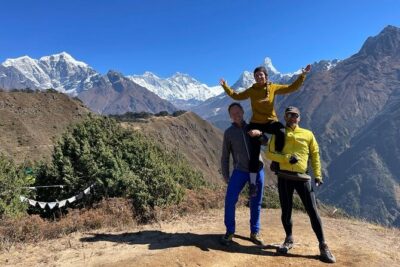
The best part is the payoff at the top. On a clear summit day, you can see an impressive chain of Himalayan giants, including Everest, Lhotse, Cho Yu, Makalu, and several others. Even if you are not chasing a tick-the-box summit, that view is the moment the whole trip points toward.
I also like that the itinerary treats this as a true mountain journey. You gain altitude in steps, you get a training day near base camp, and you spend time where your body needs time to adjust. That approach matters because the Hinku Valley region is known for altitude sensitivity, and it shows up in how the schedule is designed.
More trekking peaks with guided ascents:
- Mera Peak Climbing
★ 5.0 · 33 reviews - Island Peak Adventure
★ 5.0 · 15 reviews - Everest Base Camp Trek with Island Peak Climbing
★ 5.0 · 14 reviews
Price and value in the $2,750 package, what you are really paying for
The posted price is $2,750 per person for a 15-day experience. On paper, that sounds like a big number, but when you break down what is included, a lot of the “hard parts” are already handled.
Here is what is covered that usually costs extra or is painful to arrange yourself:
- Domestic flights Kathmandu to Lukla and Lukla back to Kathmandu
- Hotel in Kathmandu for 2 nights, standard category, bed and breakfast plan
- All meals on the trek (breakfast, lunch, dinner) plus tea or coffee
- Special climbing permit cost listed as $250 per person
- Climbing Sherpa service listed as $300 per person, including their climbing fee, insurance, equipment, food, accommodation, and related costs
- Garbage deposit listed as $500
- Climbing gear such as harness, figure eight, rope, and snow bar
- Camping full board at Mera High Camp
- Guide and porters (a porter for 2 people)
That is a lot of logistics wrapped together. You are also not guessing how to source permits, how to coordinate Sherpa support, or how to build the summit day schedule. For many people, that alone is worth it because Nepal peak logistics are where plans can get messy fast if you try to DIY.
What is not included is important to note so you do not get surprised:
- Travel and evacuation insurance (and any costs tied to that)
- Personal climbing equipment
- Hot shower, bottled drinks, boiled water
- Wi-Fi on the trekking route
- Tips for guide, climbing Sherpa, cook, and porters
- Any extra personal items and activities in Kathmandu
A final value note: this is sold as a private tour/activity, so the plan is tailored to your group. That often improves the pacing and how quickly issues are addressed.
Kathmandu arrival, airport transfers, and getting ready to go
Day 1 is straightforward. You land at Tribhuvan International Airport and the team meets you there, then you transfer to a hotel for the night. This is also where pickup is handled, and the tour includes airport to hotel and back again by private vehicle.
Day 2 starts with the day that most people remember first: the flight to Lukla. The travel time is short, about 30 minutes, but it feels like a big jump in mood. Lukla is remote, the weather can matter, and the views during the approach are part of the magic. Once you arrive, you eat lunch, then spend time in Lukla and nearby Sherpa villages for exploration and acclimatization.
Two practical tips for this part:
- Pack light for your trek day bags. You will want easy access to layers, sunscreen, and the basics because you are moving from airport routines into mountain routines fast.
- Treat your first night near Lukla like a warm-up, not a rest day. You are still building the rhythm of the route.
Also, because flights can be delayed at any time, plan to keep Kathmandu flexible. This operator specifically flags that getting Lukla flights can take effort, which is why they emphasize having flight reservations in place.
Lukla to Chhutanga and Chhatra La: starting strong on your first hiking days
From Lukla, Day 3 takes you to Chhutanga. The walking follows a mix of streams and wooden bridges, with forest sections that feel wilder and less engineered than you might expect. It is a good warm start. You are moving uphill gradually without being immediately hammered by high altitude.
Day 4 climbs further toward Chhatra La and is your first real taste of technical-feeling high passes. Chhatra La is described as a first high and technical area, and this is where the views begin to open across eastern Nepal, with sights of peaks like Kusum Kangaroo and Mera Peak itself. You sleep at a lodge overnight.
Why these two early days matter:
- They help your legs adjust while you learn the pace needed for the rest of the trip.
- You begin to understand how quickly the air changes as you go higher.
- The passes set expectations for the harder days later, without jumping straight to summit energy.
If you get cold easily, this is when to set your system. Layering is not optional at these elevations. I would rather you overdress slightly early than struggle later on when wind and exposure increase.
More to compare around Kathmandu
- Everest Base Camp Trek – 14 Days
★ 5.0 · 1,499 reviews - Everest Base Camp Trek
★ 5.0 · 842 reviews - Private Kathmandu Sightseeing Tour | UNESCO World Heritage sites
★ 5.0 · 756 reviews - Kathmandu: 7 UNESCO Sites with Lunch
★ 4.8 · 744 reviews
Hinku Valley trekking to Kothe, Thaknak, and Khare: where acclimatization really takes shape
Day 5 is a longer hiking day. You head toward Kothe, including a mostly downhill section, and the route enters Arun Valley National Park area. You also shift into the larger feel of the Hinku region, with the river valley creating a steady sense of direction.
Day 6 reaches Thaknak. This day follows the bank of the Hinku Valley River with strong Himalayan scenery. The itinerary specifically flags this as an area where acute mountain sickness can occur, so the plan pushes hydration and careful eating. That is good advice. When you focus on water and food early, you often reduce the drama later.
On Day 7 you continue to Khare. This is the approach day to Mera Base Camp, and you get a beautiful trail plus gradual climb. The emphasis here is pictures, views of Hinku Valley, and a growing sense that the summit goal is no longer abstract. You reach Khare and sleep at a lodge.
One consideration for this section: the days feel scenic and rewarding, but you are also building fatigue. If you spend too long sprinting uphill just to chase views, you pay for it on later acclimatization nights. I prefer steady and controlled effort here.
Base camp training at Khare, then the push toward Mera High Camp
Day 8 is one of the smartest days on the whole trip. After breakfast, you get basic climbing training for Mera Peak. This includes learning how to use the climbing setup, then you do a short hike up and return to base camp. The itinerary calls this an important acclimatization day for trekkers, and I agree. It gives you technical familiarity without the full commitment of a summit style day.
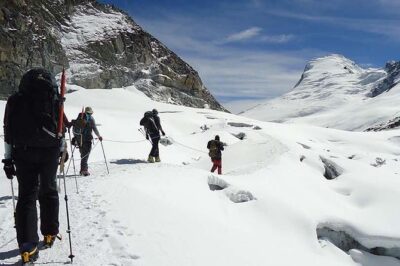
Day 9 climbs to Mera High Camp. This is a big step, with around 3 to 4 hours of climbing and roughly 800 meters of gain. You pass Mera La in the process, with routes described around Ampu Lapcha pass or Sherpeni Col route. Snow and ice are expected, and travel happens in groups so you can help each other.
This is where your group system matters. If you end up pulling away from the group too hard, you can burn energy and slow your pace through the snow. The best high camp days feel boring in a good way, steady steps, good spacing, and breathing that stays under control.
Summit morning around 2:00 AM: how the big day is scheduled
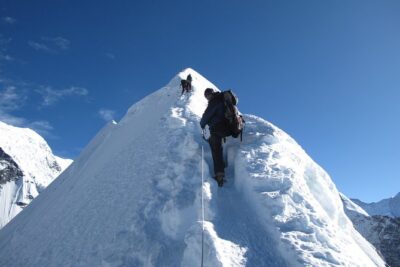
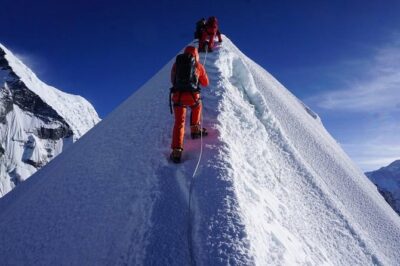
Day 10 is your summit day. You wake up extremely early, around 1:00 AM, get breakfast, and start climbing around 2:00 AM. This timing is built for a reason: snow and ice conditions, temperature, and the pace needed to reach the summit safely.
The itinerary makes the summit day feel like the main event, with the return working in stages:
- You summit and enjoy the view, including the sightlines toward Everest and surrounding peaks.
- You then return to High Camp for lunch.
- After that, you continue back down to Mera Base Camp at Khare.
A practical reality: summit day is not the time to experiment. This is where you want your layers sorted, your gloves and headwear ready, and your energy steady. If you handled Day 8 training well, Day 10 feels more like following steps than learning on the fly.
One more note based on what shows up in the experience stories: the operation is set up to handle problems quickly when things break, especially flight-related issues. For climbing days, that same calm focus is what you want if weather shifts or schedules tighten.
Return trek through Kothe and Thulikharka back toward Lukla
Day 11 moves back to Kothe along the same way, following the Hinku Valley. This is a relief day in the sense that you are descending and your body can settle. Still, it is not a free day. Your knees will feel it, and you will want good trekking shoes plus careful footing.
Day 12 heads to Thulikharka, again on the same general trail. You keep moving through the valley rhythm, so the route stays consistent rather than constantly changing direction.
Day 13 is another tough hiking day. You trek to Lukla while passing Chhatra La again at about 4600 meters, and you also descend through technical sections. This day is a reminder that the return journey still requires focus.
I like this design. It keeps the route logical: you do the hard pass segments on both the outward and return legs, which means you are not suddenly surprised by technical areas on the final stretch.
Lukla flights, Kathmandu time, and the final drop to TIA
On Day 14 you walk to the airport and wait for your flight. This can take time because Lukla schedules are weather dependent. The tour strongly emphasizes that you must reserve flights in advance since it can be hard to get space.
Once you return to Kathmandu, you have time to explore and do shopping for souvenirs for family. Then Day 15 is the end game: you are dropped back to TIA for your final departure.
This is where a little planning helps. If you can, set one extra buffer day in Kathmandu before your international flight. Even if everything goes smoothly, it protects you from delays and lets you enjoy Kathmandu instead of rushing through it.
Guides, Sherpas, and the human side of how this trip runs
A big reason people feel good about this climb is how supportive the team feels during pressure moments. In past experiences with this operator, guides named Dhansingh and Danshingh stood out for being friendly and for taking care of the group. Another guide, Rabin Gurung, was noted as attentive and responsive to questions.
That matters because peak climbing is not just altitude and crampons. It is also decisions made under changing conditions. A flight delay near Lukla can be stressful. A weather shift on a high route can feel scary. You want a team that communicates well and acts fast without drama.
You also have climbing Sherpa support included, and you get porter help on the trek. The porter setup is practical: one porter for 2 people. That reduces the load you carry, so you can focus on your own pace and acclimatization.
Finally, there is an Adventure Certificate after a successful trip. It is a small thing, but it is a nice reminder that this was an achievement, not just a long hike.
Who this Mera Peak expedition is best for, and who should think twice
This is a strong fit if:
- You have strong physical fitness and you are comfortable hiking multiple days at altitude.
- You want a guided climb with basic training before you go into higher snow and ice sections.
- You like having meals, lodging, and key logistics handled so you can focus on your own effort.
It might be a rough fit if:
- You are not prepared for very early starts on summit day.
- You dislike flight waiting periods, especially around Lukla.
- You are not comfortable with the idea that altitude symptoms can happen, even if you do everything right.
If you have never done peak climbing, this itinerary is still approachable because the plan builds up step by step, and it includes training rather than assuming you know everything already.
Should you book this Mera Peak climb?
I think you should book this trip if you want a well-run, guided Mera Peak experience with a clear acclimatization flow, covered meals, and included climbing support. The value is strongest when you like the idea that permits, much of the gear, and the climbing Sherpa logistics are handled for you.
Skip it if you want maximum independence, or if you know flights to Lukla will stress you more than you can handle. With the right mindset and preparation, though, this is one of the more practical ways to reach a summit that delivers big Himalayan views and a memorable sense of momentum from Kathmandu to Khare to the top.
FAQ
What does the tour include in Kathmandu?
You get airport pickup and drop-off by private car/van/bus, plus 2 nights in a 2-star hotel in Kathmandu with a bed and breakfast plan.
How do I get to Lukla and back?
The package includes domestic air tickets both ways: Kathmandu to Lukla and Lukla to Kathmandu.
What kind of food is included on the trek?
It includes all meals (breakfast, lunch, dinner) during the trekking portion, with tea or coffee served with meals.
Is there climbing gear and training included for Mera Peak?
Yes. You receive basic climbing training and included climbing gear such as harness, figure eight, rope, and snow bar.
Do I stay in lodges or camps?
Kathmandu and parts of the trek use lodge or tea house accommodations, and you also do full board camping in Mera High Camp.
Are permits and Sherpa climbing support included?
Yes. The price includes a special climbing permit cost listed at $250 per person, and a climbing Sherpa fee listed at $300 per person.
What should I bring that is not included?
The trip does not include personal climbing equipment. It also does not include bottled drinks, boiled water, hot shower, or Wi-Fi on the trekking route.
Is travel insurance included?
No. Travel insurance and evacuation insurance are not included, even though emergency helicopter service is arranged and paid by your travel insurance company.
What is the cancellation refund timeline?
You can cancel up to 6 days in advance for a full refund, get a 50% refund if you cancel 2 to 6 days before the start time, and if you cancel less than 2 days before, the amount paid is not refunded.
Latest Kathmandu write-ups
- Langtang Valley Trek★ 5.0 · 3 reviews
- Khopra Danda Trek★ 5.0 · 3 reviews
- Langtang Valley Trek from Kathmandu★ 5.0 · 3 reviews
- 5 night / 6 days Kathmandu Nagarkot Chitwan Pokhara tour★ 5.0 · 3 reviews
- Nepal Highlights Tour: 5 Nights 6 Days Kathmandu & Pokhara Tour★ 5.0 · 3 reviews
- Kathmandu Valley Private Day Tour★ 5.0 · 3 reviews
- Conquer the Himalayas: The Ultimate 16-Day Annapurna Circuit Trek★ 3.5 · 3 reviews
- Kathmandu Heritage Day Tour★ 5.0 · 3 reviews
Peak Climbing, compared.
Everest Base Camp Trek with Island Peak Climbing
Read our review →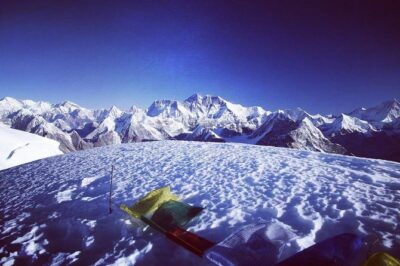
Browse the lists this tour appears in