
Reviewed · PEAK CLIMBING
Mera Peak Climbing
Mera Peak is interesting because you get Everest-area scale views, without the full-on circus of an 8000-meter expedition. This route also leans hard into Sherpa culture and Khumbu-edge scenery that other trips often skip.
I like two things most. First, it’s mainly a teahouse trek, with camping saved for the climb portion. Second, the technical days come with an ice-focused team and climbing systems like fixed ropes and harness gear, which takes a lot of guesswork out of the high route.
One possible drawback is that you still need strong fitness and good acclimatization discipline. The itinerary is built for altitude, and travel insurance and rescue costs are not included, so you’ll want to plan that part before you go.
Key Highlights I’d Tell a Friend
- Lukla flight shortcut gets you into the Khumbu quickly, without wasting days on road travel
- Teahouse comfort for most of the trek, then camping only when the climbing starts
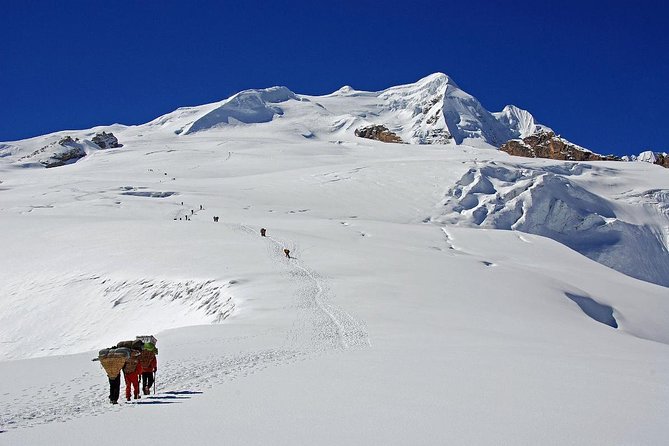
- Ice climbing support included, with group systems like ropes, harness, ice axe, and carabiners
- Big-name summit views tied to Everest region giants like Everest, Lhotse, Cho Oyu, Makalu, and Kanchenjunga
- Small group size (max 15) for easier teamwork and better communication on the trail
- Permits and national park fees included, so you are not hunting paperwork mid-trip
Why Mera Peak Feels Different: Sherpa Culture and Khumbu-Edge Mountain Views
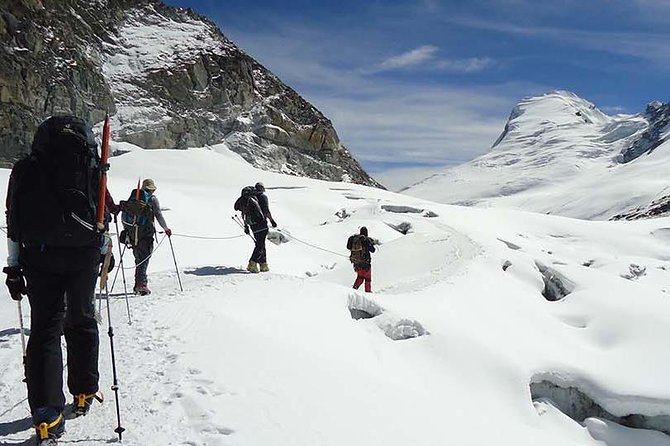
Mera Peak climbing is built around a simple idea: you walk into one of the classic Himalayan areas for trekking, then you climb to a summit that hands you serious perspective on the Everest region. You start seeing why people call this part of Nepal special, with steep valleys tied to glaciers and big river systems, plus terraced grasslands, forest sections, and yak pastures along the way.
What I’d bet you will remember most is the mix of people and terrain. The trip is described as having rich Sherpa culture and heritage, so the journey is not just about altitude and photos. You’ll be moving through the Khumbu region edge, where the scenery feels open and dramatic, and where the trail still has that remote, lived-in feel.
There’s also a big motivation baked into this climb. Mera’s summit is about 6,476 meters, and the goal is the famous view window over multiple 8,000-meter-class peaks. That means your work at elevation has a payoff you can point to on a clear morning.
More trekking peaks with guided ascents:
- Mera Peak Climbing
★ 5.0 · 33 reviews - Island Peak Adventure
★ 5.0 · 15 reviews - Everest Base Camp Trek with Island Peak Climbing
★ 5.0 · 14 reviews
Kathmandu to Lukla: The Short Flight That Changes Your Whole Trip
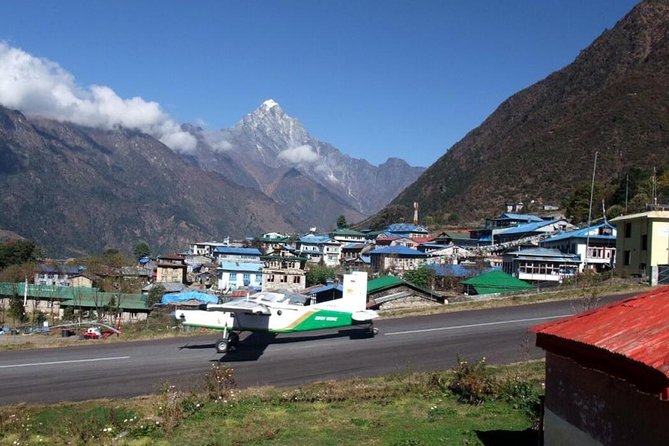
Most big treks start with a long transfer day. Here, you get a different start. The trip begins in Kathmandu, includes 4 nights hotel, and then your trek kicks off from Lukla after a short flight of about 30 minutes from Kathmandu.
From a practical standpoint, this matters. You lose less time to travel stress, and you arrive at the trekking start point ready to begin moving. The itinerary also includes airport pickup and drop, which helps when you are dealing with jet lag and first-day logistics.
You meet at Nepal Mountain Trekkers in Kathmandu, and the experience runs as a group with a maximum of 15 travelers. That smaller cap tends to help on tight trail moments, meal planning, and decision-making during acclimatization days.
One thing to keep in mind: the tour includes domestic flights, but it does not include international airfare. So you will still need to plan your arrival into Kathmandu and your return flight out on your own.
Teahouse Trekking Days: Moving Up Without Carrying Everything
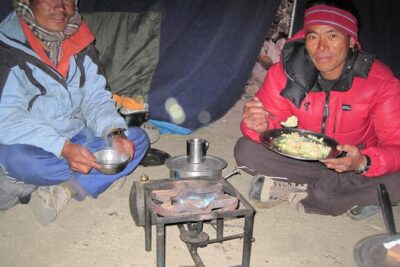
This is a teahouse trek for most of the journey. In real terms, that means you’re not constantly in full expedition mode. Meals and lodging during the trek are included on a full board basis, so your days focus on walking, resting, and adjusting to height rather than budgeting for every meal.
You’ll also be following a direct trek route toward Mera Peak. The description points you along a path tied to a river corridor, pushing toward glaciers as you go higher. That route style is useful for acclimatization because you can gain elevation gradually while your body adapts.
Still, teahouses do not make high altitude easy. You should expect cold evenings, thinner air, and the need to move at the right pace. The trip is clear that acclimatization is crucial, and the climb later is described as a clear-cut ascent that depends on you taking elevation seriously.
A big advantage here is the “split approach.” Teahouse trekking reduces your load and daily grind, then camping starts only when the technical climb begins. If you are the type who wants adventure but still appreciates sleep and meals without constant logistics, this format is a smart fit.
Camping Only During the Climb: When the Adventure Turns Technical
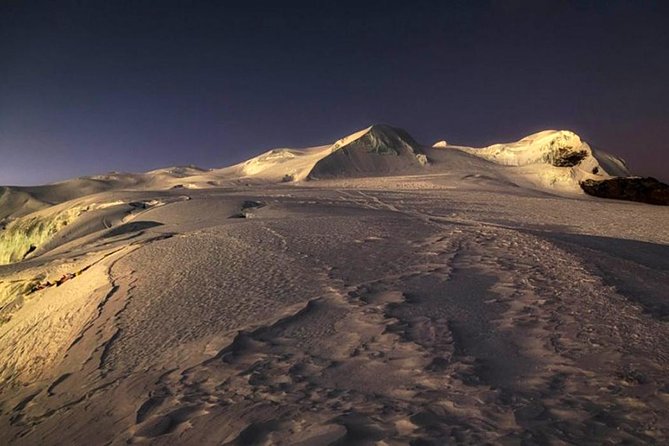
The main change comes when the climbing portion starts. The trek is teahouse-based up to that point, and camping begins during the climb. That shift matters because it changes how you plan your energy, your layering, and your sleep.
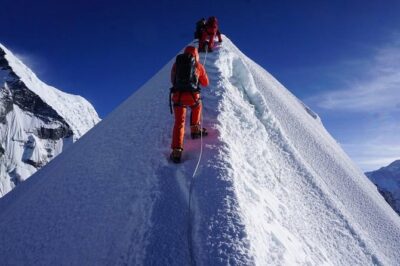
Here’s what the provided information tells you about the climbing support. You get a well experienced ice climbing guide and climbing service coverage that includes insurance, food, and personal equipment related to the guide’s work. You also get group climbing gear such as fixed ropes, main rope, an ice axe, a crampon-type tool listed as zoomer, plus a harness and devices like figure of eight and carabiners.
Those items are not trivia. Fixed rope and proper attachment gear help you manage steep sections with more confidence, and a real ice guide helps you avoid “fake it” technique mistakes. If you’re new or rusty, that support is the difference between an anxious trip and a controlled one.
Now, what you should plan for yourself: personal trekking and climbing gears are not included. So you’ll want to bring or rent the items you need for cold weather walking and ice-focused climbing. The tour can provide the group system, but you are still responsible for your own boots, layers, and the personal kit that keeps you warm and stable.
More to compare around Kathmandu
- Everest Base Camp Trek – 14 Days
★ 5.0 · 1,499 reviews - Everest Base Camp Trek
★ 5.0 · 842 reviews - Private Kathmandu Sightseeing Tour | UNESCO World Heritage sites
★ 5.0 · 756 reviews - Kathmandu: 7 UNESCO Sites with Lunch
★ 4.8 · 744 reviews
Summit Goal: Everest Giants You Can Name, and the Views That Justify the Effort
People climb Mera Peak for one big reason: the summit view. At the top, you can look across towering 8,000-meter-plus peaks, including:
- Mt. Everest (8,848 m)
- Mt. Lhotse (8,516 m)
- Mt. Cho Oyu (8,201 m)
- Mt. Makalu (8,463 m)
- Mt. Kanchenjunga (8,586 m)
The trek is also described as going into an unblemished area of the Everest region, with classic features like terraced grasslands, heavy forest sections, fast tributaries, and yak pastures. That variety tends to make the journey feel like you’re moving through a changing world, not walking the same valley for two weeks.
The summit side of this climb is not described as a mountain with tons of complicated technical obstacles, but it is still described as a route where acclimatization is crucial. Translation: you can’t treat the height like a casual detour. You’re going higher, your breathing gets harder, and your judgment matters. The climbing team helps, but your pace and recovery are on you.
If you care about “why am I doing this,” Mera Peak gives a clear answer. The work is hard, and the payoff is a view set you can actually label.
Guides and Teamwork: Transparency Matters on a Mountain
A good expedition is not just ropes and permits. It’s communication. The team behind this trip is presented with specific named people, and the standout point from that information is how they handle trust and follow-through.
Aakash Gurung and Krishna are mentioned as being professional and transparent about terms and conditions. One account also highlights that Aakash made a costly mistake in a WhatsApp message, then honored his word to fix it. That kind of responsiveness matters on a mountain where confusion can waste energy and create stress.
There is also a strong nod to teamwork and communication through a leader named Ramesh. One account credits Ramesh’s team for organizing the climb reliably and keeping success grounded in coordination. Another important detail from that same information: the overall plan can support chaining peaks, because Ramesh was described as able to organize a shift from a Mera Peak plan toward Island Peak through Amphu-Laptsa Pass.
I would not assume that extension is part of your standard itinerary. But I would take it as evidence that the operator is capable when plans need adjustment, which is exactly when good organization earns its keep.
Cost and Value: What You Get for $2,974.36 and What to Budget Extra
Let’s talk value plainly. The price listed is $2,974.36 per person for an approximately 18-day experience. For that money, you do not just buy a walking route. You buy a full support package that includes:
- Kathmandu hotel for 4 nights
- Airport pickup and drop
- Domestic flights
- All accommodation and meals during the trek (full board)
- An English-speaking trekking guide
- Porters to carry luggage
- An ice climbing guide
- Climbing service items tied to safety support
- Group climbing gear like fixed ropes, ice axe, harness, and rope devices
- Permits and royalties, including Peak Permit and national park fees (Barunche National Park and Sagarmatha National Park fee mentioned)
- A comprehensive medical kit
- Government VAT and service charges
- A farewell dinner
- A Nepal Mountain Trekkers duffel bag, t-shirt, and trekking map
That list is the key to the value argument. A lot of peaks feel expensive because you end up paying separately for guide time, porters, permits, and technical gear. Here, the provided inclusions cover most of the big categories that normally blow up budgets.
Now the not-included side, which is where you need to budget early:
- Nepalese visa fee
- International airfare to and from Kathmandu
- Excess baggage charges
- Lunch and evening meals in Kathmandu
- Extra nights in Kathmandu
- Travel insurance and rescue cost
- Personal expenses and shopping
- Personal trekking and climbing gear
- Tips for guides and porters
My practical advice: treat travel insurance as non-negotiable for an ice climbing peak. The tour includes a medical kit, but it does not list rescue insurance coverage. If something goes wrong, you want that safety net ready before you ever step onto a plane.
Who Should Choose This Mera Peak Climb (and Who Might Struggle)
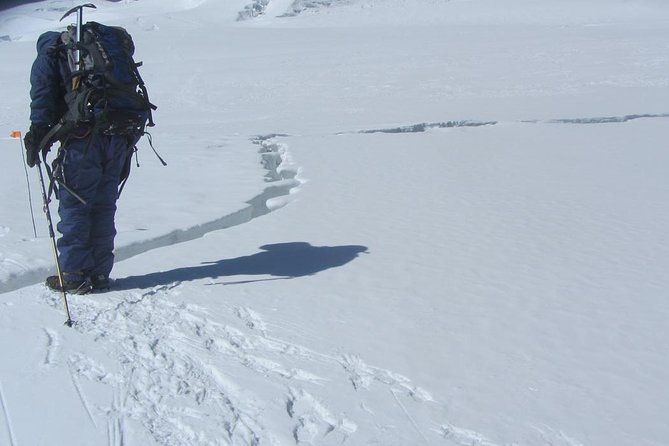
This climb is described as well-liked for climbing enthusiasts and as an exceptional initial peak for people without climbing knowledge, as long as acclimatization and learning are handled properly. That does not mean it is easy. It means the route and support are designed to be approachable compared to higher, more technical objectives.
You should strongly consider this tour if:
- You have a strong physical fitness level
- You want a mix of trekking and high summit views
- You want mostly teahouse trekking, then camping for the climb portion
- You prefer a smaller group setting (max 15) to keep communication smooth
You might think twice if:
- You dislike camping during the technical phase
- You are not serious about altitude training and pacing
- You’re not ready to bring your own personal climbing and trekking gear
If you like the sound of a well-organized team where communication is treated seriously, the named leaders and emphasis on teamwork are a good sign. If you thrive on strict structure and clear support, this trip fits that personality.
What to Pack and How to Prep for Altitude, Based on the Gear Reality
Because personal trekking and climbing gears are not included, your packing needs to cover the basics the mountain will demand. You can rely on the tour for group climbing equipment such as fixed rope systems and shared technical gear, but you still need to show up ready to stay warm and move safely.
Here’s how to think about your prep:
- You are going higher, and the tour stresses acclimatization as crucial. Plan to walk slower than you want early on.
- The climb portion involves ice climbing tools and harness systems. Make sure your own boots fit well, your layers handle cold nights, and you are comfortable moving in bulky winter clothing.
- You’ll have full board during the trek, but food alone won’t beat altitude. Hydrate and follow your guide’s pacing.
Also, the operator provides a duffel bag, t-shirt, and a trekking map. That helps, but it doesn’t replace the need for your own sleep system or personal cold-weather items. If you pack like you’re doing a winter trek, you’ll be closer to what this climb asks of you.
Finally, confirm your strength level. The tour explicitly calls for strong physical fitness. If you have any doubt, get medical guidance before you go, especially if you have a history of altitude issues.
Should You Book This Mera Peak Climbing Tour?
I’d book it if you want a structured, supported path to a 6,476-meter summit with big Everest-region payoff, while keeping daily logistics manageable through teahouse trekking. The value picture is strong because the price includes not just guides and meals, but also major permit fees, domestic flights, Kathmandu lodging, and group climbing systems.
I would not book it if you want a casual walk with no high-altitude seriousness. You still need strong fitness, you need to handle acclimatization, and you need travel insurance because rescue costs are not included.
One last practical check before you commit: you get confirmation within 48 hours of booking subject to availability, and the group max is 15 travelers. If your schedule is tight or you’re still waiting on flights, you can cancel for a full refund up to 24 hours before the experience start time.
If that flexibility helps you line everything up, then Mera Peak is exactly the kind of trip where good support and clear systems pay off.
FAQ
Where does the Mera Peak climbing start and where does it end?
The tour starts at Nepal Mountain Trekkers in Kathmandu, and it ends back at the same meeting point.
How long is the Mera Peak climbing experience?
The duration is listed as approximately 18 days.
What is the route like, from Lukla onward?
It starts with a short flight from Kathmandu to Lukla, then the trekking route follows a direct path to Mera Peak, with river and glacier terrain as you go higher.
Is this a teahouse trek or camping trek?
It is a teahouse trek for most of the journey, with camping only during the climbing portion.
What’s included in the price?
Included items are airport pickup and drop, 4 nights hotel in Kathmandu, all accommodation and meals during the trek (full board), domestic flights, guides and porters, an ice climbing guide, group climbing gear and systems, permits and park fees, a medical kit, VAT and service charges, and a farewell dinner. A duffel bag, t-shirt, and trekking map are also included.
What is not included?
Not included are Nepalese visa fee, international airfare to and from Kathmandu, excess baggage charges, lunch and evening meals in Kathmandu, extra night accommodation(s), travel insurance and rescue cost, personal expenses, personal trekking and climbing gears, and tips for guides and porters.
Is airport pickup offered in Kathmandu?
Yes, airport pickup and drop is included.
How big is the group?
The tour lists a maximum of 15 travelers.
What is the cancellation policy?
You can cancel for free up to 24 hours in advance of the experience for a full refund. If you cancel less than 24 hours before the start time, the amount paid is not refunded.
Latest Kathmandu write-ups
- Langtang Valley Trek★ 5.0 · 3 reviews
- Khopra Danda Trek★ 5.0 · 3 reviews
- Langtang Valley Trek from Kathmandu★ 5.0 · 3 reviews
- 5 night / 6 days Kathmandu Nagarkot Chitwan Pokhara tour★ 5.0 · 3 reviews
- Nepal Highlights Tour: 5 Nights 6 Days Kathmandu & Pokhara Tour★ 5.0 · 3 reviews
- Kathmandu Valley Private Day Tour★ 5.0 · 3 reviews
- Kathmandu Heritage Day Tour★ 5.0 · 3 reviews
- Conquer the Himalayas: The Ultimate 16-Day Annapurna Circuit Trek★ 3.5 · 3 reviews
Peak Climbing, compared.
Everest Base Camp Trek with Island Peak Climbing
Read our review →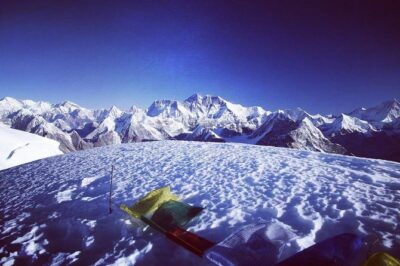
Browse the lists this tour appears in