Reviewed · HIKING & TREKKING
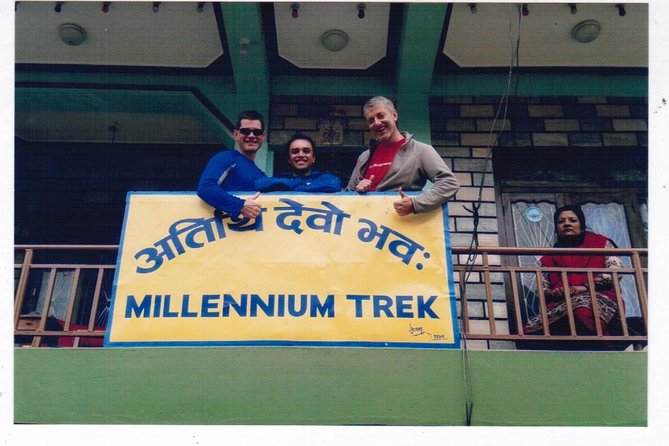
Millennium Homestay Trek
This is the kind of Nepal trek that feels intentionally off the main tourist routes, with homestays that put you in the middle of everyday village life. I especially like the focus on cultural contact through direct interaction with homestay families and village communities, not just scenery photos. I also like that the trek stays lower in altitude compared with the headline treks, which makes it more approachable for a broader range of hikers. One drawback to think about is that you are signing up for long travel days and big walking days, so you should arrive fit and ready for steep bits.
You start in Kathmandu with UNESCO-area sightseeing, then you work your way down and up through village trails that cross rivers, bridges, and small footpaths. You get a night-by-night feel for multiple ethnic groups in a relatively tight trekking area, plus memorable cultural moments like a shaman show and evening prayers. If you prefer lots of comfortable rest days or highly predictable lodge facilities, this trip might feel demanding.
Key Points Worth Knowing Before You Go
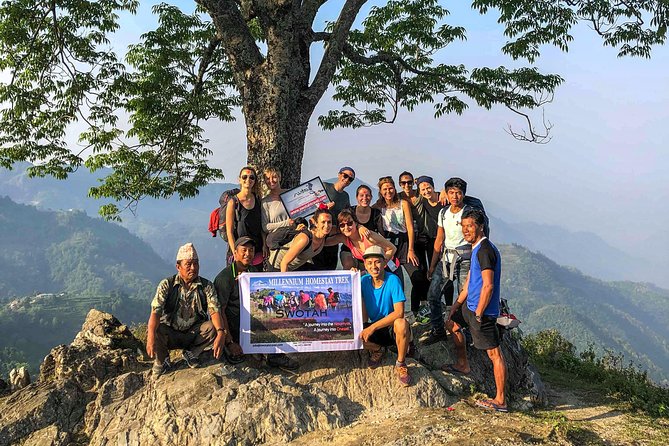
- Small group max 10 travelers, which usually means less waiting and more personal attention on the trail
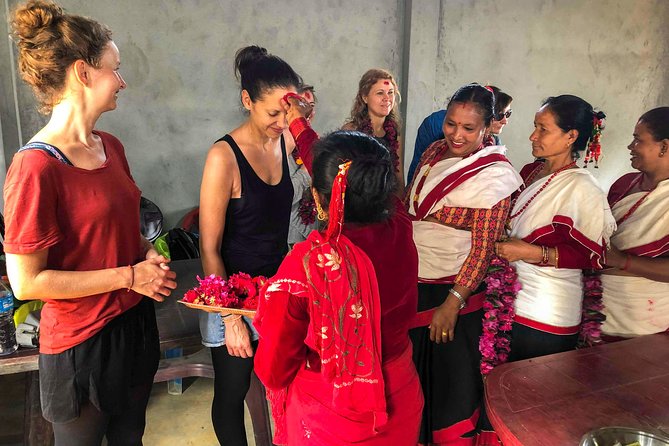
- Homestay nights with authentic Nepali local cuisines, plus community welcome moments
- Millennium Cave time with waterfalls, a standout shift from village paths to something natural and cool
- Multiple ethnic-group village walks across the trek, including Gurung and Magar communities and Newari village life
- Tibetan camp visit connected to the wider refugee story of Tibetans settled in Nepal
- Guides named in past experiences include Rajkumar and Kumar, often highlighted for helping the trip run smoothly
Why This Trek Feels Different From the Big-Name Routes
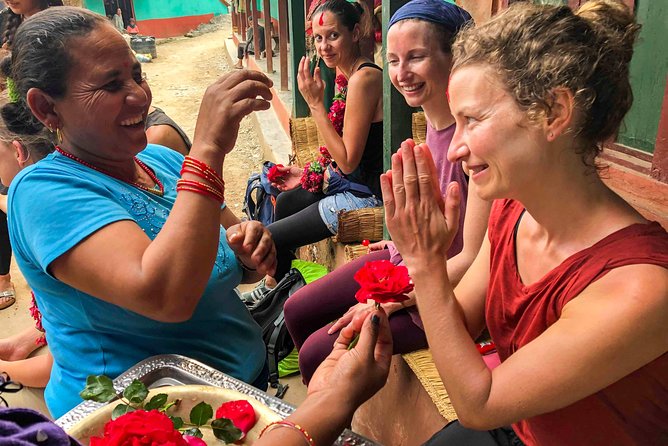
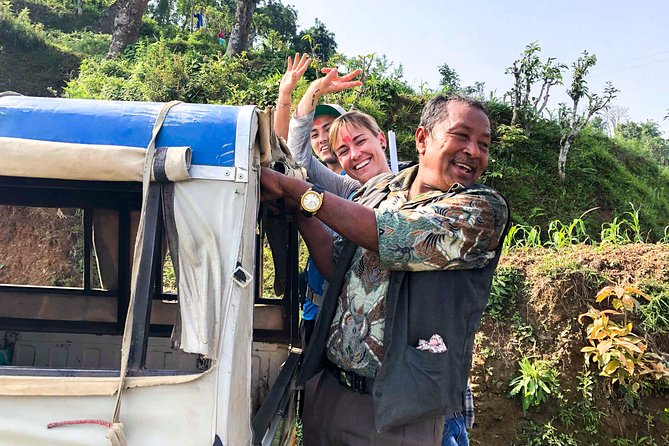
The Millennium Homestay Trek is interesting because it trades the crowded, high-profile trail model for a village-centered route. Instead of rushing between lodges, you move from one homestay family to the next, and the goal is cultural exchange through daily routines, food, and conversation.
What stood out most in the details you have here is how structured that connection is. You are not just passing through villages on a hiking day, you are expected to slow down long enough for village life, welcome programs, and shared meals.
The main consideration is physical, not cultural. Some days run long on paper, including multi-hour walks with steep up-and-down sections, so you should think of this as a real trek, just with a more human pace than a summit-style itinerary.
More to compare around Kathmandu
- Everest Base Camp Trek – 14 Days
★ 5.0 · 1,499 reviews - Everest Base Camp Trek
★ 5.0 · 842 reviews - Private Kathmandu Sightseeing Tour | UNESCO World Heritage sites
★ 5.0 · 756 reviews
Kathmandu Setup: Durbar Square, Swayambhu, and Getting Your Bearings
Your trip begins in Kathmandu with an airport meet and a quick transfer to your hotel. It is a smart way to start, since an early arrival window helps you avoid scrambling after a long flight.
Day one hits Kathmandu Durbar Square, a classic introduction point to the city’s historic core. Later, you shift to Swoyambhu Mahachaitya, which sits above the city and gives you that strong “you are in the right place” feeling when you look outward.
The most practical reason to like the Kathmandu portion is timing. You get sightseeing coverage before you head out on longer travel and trekking days, which helps you mentally set the trip up as both history and hiking, not just walking.
The Kathmandu-to-Pokhara Leg: Drive Time, Trisuli Views, and Trek Prep
After breakfast in Kathmandu, you take an approximate 6 to 7 hour drive to Pokhara. The route is planned along the highway with picturesque villages and the Trishuli River, which gives you a gentler transition from city energy into hiking rhythm.
That evening is for lake-area strolling and trek preparation. I like this setup because it gives you time to sort small things: footwear comfort, daypack weight, and whether you need to buy any last essentials locally.
Also, Pokhara is your base for sight time later, so arriving with one relaxed night means you do not feel like you arrived just to sleep and leave. If you like a little buffer time before your first long trekking day, this stop helps.
Khairenitar to Bankewa: First Homestay Night and the PyuriDobhan Sacred Water Moment
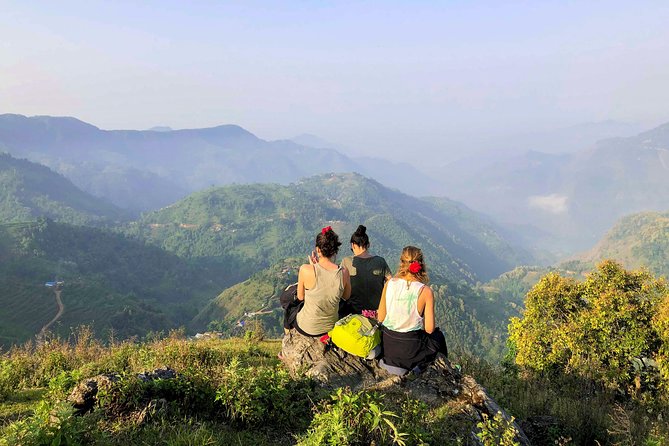
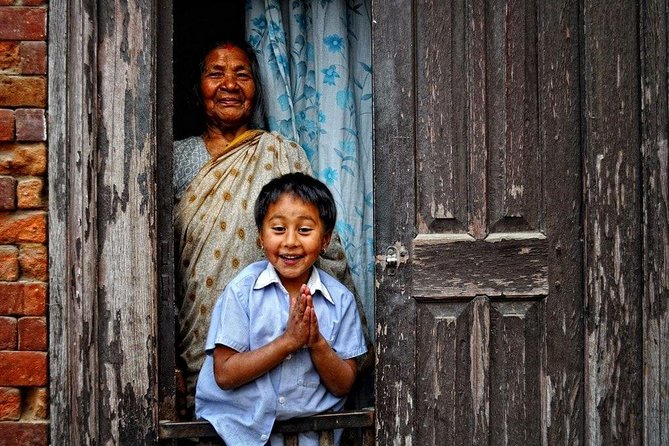
Once you reach Khairenitar by bus or car, you start trekking toward Bankewa. You spend the first night in a home with the hosts, and you get a welcome program arranged by the village community.
This part matters because it sets the tone fast. You are not waiting several days to experience homestay life, you start early, which makes the whole trek feel like a continuous cultural exchange instead of a side feature.
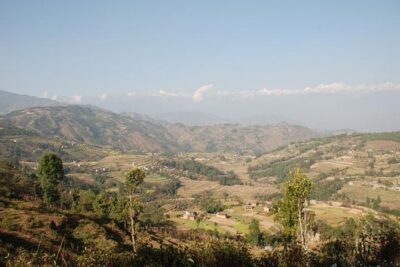
A key highlight here is the next walking day toward PyuriDobhan, described as a holy place where three sacred rivers meet. You also get evening programming with a shaman show and evening prayers, plus hiking time with mountain-range views and village passes, including stone ways, bridges, and an easy walk along the Surdaudi River.
The only caution is pacing. Days like this are long on the plan, but the walking style looks varied, meaning you get different kinds of effort, not just nonstop uphill. If you manage your pace, you can enjoy the cultural moments without arriving exhausted.
A different sort of day out of Kathmandu:
- Kathmandu: 7 UNESCO Sites with Lunch
★ 4.8 · 744 reviews - Everest Base Camp Helicopter Tour landing at Everest View Hotel
★ 5.0 · 668 reviews - Half day cooking class in Thamel kathmandu
★ 5.0 · 607 reviews - Everest Base Camp Trekking
★ 5.0 · 485 reviews
Gurunghe Hill Walk: Steep Steps, Ethnic Diversity, and River Rhythm
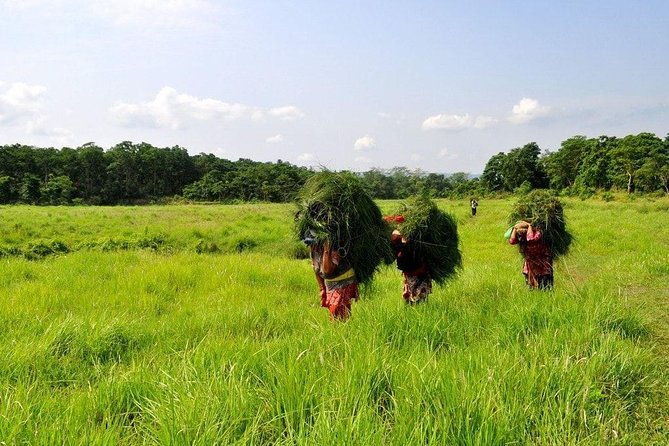
On the Gurunghe Hill day, you start with a local breakfast and then climb steeply while crossing smaller villages. Your route is set up to include cultural exploration linked to major ethnic groups in the region.
You pass through the Gurung village of Lamagaon, then after lunch you head down toward Gharedi, described as one of the larger villages in the trekking area. This is a good day for people who enjoy connecting what they see to what they learn, because the trek is framed as cultural understanding, not only trail challenge.
Another practical plus is that the day includes a mix of hiking and culture time. If you have ever done a trek where your guide only talks when you stop, this kind of structure tends to keep conversation and context moving alongside the walking.
Millennium Cave Day: Waterfalls, Kalkhu Climb, and View Reward Energy
This is the day where the route shifts into something more dramatic. After breakfast, you trek down toward Millennium Cave, described as a cave with waterfalls.
After your cave time, you keep walking up toward Kalkhu village and then reach Kolma village for the night. The plan calls this a hard day walking up, but the reward is the viewpoint energy once you get high enough to see the Himalayas from the village perspective.
If you are the type who worries about “will I actually see anything different,” this day gives you a clear answer. You get an underground feature with water sound, then you climb out into daylight views, and then you sleep in a village setting.
Rangrung Newari Night: Village Lanes, Traditional Food, and a Different Ethnic Lens
From Pyarsing you walk back to the village of Rangrung, passing smaller communities along the way. You are set to spend a night in the center of a Newari village with locals, and the focus is on trekking plus traditional cuisines.
I like this part because it adds texture. The trek does not stay locked into one “village style.” You get different village layouts, different cultural routines, and different food patterns, so the trek keeps feeling like you are moving through living cultures instead of checking boxes.
This is also one of those times when your attitude matters. If you approach meals and conversation with curiosity instead of hurry, you’ll likely get more from the night than the views alone.
Tibetan Camp and the Seti Gorge Return Loop Near Pokhara
The next day takes you toward the Kyangdi River, then you cross and reach Lalim village before entering the Tibetan camp area. The camp is described as one of five Tibetan camps in Nepal, where Tibetans settled as refugees after the Chinese invasion of Tibet.
This is one of the more meaningful cultural stops because it connects the trek to a much bigger human story than trekking routes normally do. You observe their lifestyle and community, then you transition onward.
Later you cross the Seti gorge and observe the popular rock garden before driving back to Pokhara by bus or jeep depending on group size. The practical beauty of this day is that you have no more walking left afterward, so you arrive at Pokhara with the chance to reset.
Pokhara Sightseeing Days: Lake City Time Before Flying Back
Pokhara is known as the City of Lakes, and your sightseeing time is built around mountain panoramas, lakes, and caves. You also have time for lakeside atmosphere, including late-night energy.
This is a good balance after days of hiking and rural living. You get a place to wash up, sort gear, and let your body adjust before the final travel day back to Kathmandu.
If you are sensitive to schedule stress, try to keep this day more about enjoying than planning. Use it to recharge, not to squeeze in a long list of extra activities.
Back to Kathmandu: Trisuli Road Drive and Airport Drop Timing
On the way back, you take a deluxe coach or a jeep depending on group size. The drive is about 7 to 8 hours and passes through the Trisuli River and picturesque villages before you arrive in Kathmandu Valley.
When you are back in Kathmandu, your representative meets you and escorts you to the airport based on flight schedule. The guide also points you to airport check-in timing, with a recommendation to check in 3 hours prior to departure.
This matters because timing in Kathmandu can feel unpredictable if you wait until the last minute. The built-in buffer helps you finish the trip without that airport panic that ruins the final day.
Price and Logistics: Is $1,500 Good Value Here?
At $1,500 per person for an approximately 13 day trek, the value depends on what you believe you’re buying. Here you are not just paying for trail time, you’re paying for a supported trip that includes airport transfers, guided trekking, homestay nights, and entrance tickets listed as included for multiple stops.
The fact that the group is capped at 10 travelers is a big deal for value. Smaller groups can mean smoother pacing on narrow paths, fewer bottlenecks at homestays, and more attention from your guide when the trail gets tricky.
Still, do not ignore that long walking days and travel days are part of the package. If you want daily comfort upgrades like private lodges every night, or if you are expecting a light hiking experience, this price may feel high. If you want authentic village contact and community-based nights, $1,500 starts to look like a reasonable cost for a full cultural trek with real logistics handled.
Who This Trek Suits Best, and Who Should Think Twice
This trek fits people who like cultural exchange as much as the walk itself. You are traveling through areas with multiple ethnic groups, and the day structure includes things like community welcome moments, shaman show time, and religious prayers.
It also suits reasonably fit hikers who can handle steep uphill and long days. One review notes a high point around 6,500 ft, which suggests altitude is not the main technical challenge, but effort on foot is still real.
If you travel with mobility limitations, you should talk to the operator before you commit. Some past experiences show the team can adjust for physical concerns, but the trek is still a trekking plan, so adjustments depend on your exact needs.
Final Call: Should You Book Millennium Homestay Trek?
I would book this if you want a Nepal trek that feels human-scaled and culturally grounded, not just a photo line along the trail. The homestay nights plus the community events, including shaman show time and the PyuriDobhan sacred meeting of rivers, are the kinds of moments that do not happen on major trekking routes.
I would hesitate if your priority is maximum comfort, lots of rest days, or predictable lodging every night. Here, the tradeoff for authenticity is that you will work for your experiences, and you may have less control over daily meal variety, since some people have noted repetitive meals during homestay stays.
If that tradeoff sounds like your kind of travel, this trek is a strong choice for a memorable, off-the-beaten-path Nepal experience.
FAQ
How long is the Millennium Homestay Trek?
The tour is listed as 13 days approximately.
What is the group size for this trek?
The maximum group size is 10 travelers.
Where does the trip start, and what time do you meet?
The start point is Tribhuvan Airport in Kathmandu, with a listed start time of 6:15 am.
Is pickup included?
Pickup is offered, and the representative meets you at the airport and escorts you through transfers.
How long is the drive between Kathmandu and Pokhara?
The drive is approximately 6 to 7 hours one way from Kathmandu to Pokhara, and about 7 to 8 hours on the return trip to Kathmandu.
How high does the trek go?
One review notes the trek went no higher than about 6,500 ft.
Do you stay with homestay families, and do meals come with it?
The tour emphasizes homestays with authentic Nepali local cuisines, and you spend nights in homes with local hosts.
What is Millennium Cave like?
Millennium Cave is described as having waterfalls, and it is visited on a trekking day.
Do you visit a Tibetan camp during the trip?
Yes. The route includes a Tibetan camp visit, described as one of five Tibetan camps in Nepal, where Tibetans settled as refugees after the Chinese invasion of Tibet.
What is the cancellation policy if plans change, and does weather affect the trip?
You can cancel up to 24 hours in advance for a full refund. The experience requires good weather, and if it is canceled due to poor weather, you are offered a different date or a full refund.
Latest Kathmandu write-ups
- Langtang Valley Trek★ 5.0 · 3 reviews
- Khopra Danda Trek★ 5.0 · 3 reviews
- Langtang Valley Trek from Kathmandu★ 5.0 · 3 reviews
- 5 night / 6 days Kathmandu Nagarkot Chitwan Pokhara tour★ 5.0 · 3 reviews
- Nepal Highlights Tour: 5 Nights 6 Days Kathmandu & Pokhara Tour★ 5.0 · 3 reviews
- Kathmandu Valley Private Day Tour★ 5.0 · 3 reviews
- Conquer the Himalayas: The Ultimate 16-Day Annapurna Circuit Trek★ 3.5 · 3 reviews
- Kathmandu Heritage Day Tour★ 5.0 · 3 reviews
Hiking & Trekking, compared.