Reviewed · HIKING & TREKKING
Birding Hike: Day Birdwatching in Kathmandu
Birding near Kathmandu is interesting because you trade airport-fatigue for early-morning air and real trail time, without giving up the big birding stakes. I like the sound-first birding approach in hill forests, and I like that the route is set up for chances at the Nepal endemic Spiny Babbler.
I also love how the hike mixes birds with everyday Kathmandu Valley life. In the field, guides such as Krishna Thapa bring more than names, they bring a way of noticing what’s around you, from wing flicks to leaf rustle.
One consideration, though, is that this day depends on good weather. And since lunch, bottled water, and tea or coffee are not included, you’ll want to plan a little so the day stays comfortable.
Key highlights you’ll care about
- 311 bird species in the area: You’re hiking in a site known for serious diversity, including migratory birds.
- Spiny Babbler is possible: The endemic bird of Nepal is specifically tied to this region.
- Cloud-forest style birding: The trails are known for birds’ calls and leaf sounds, not just easy sightings.
- Private transportation: You spend less time negotiating rides and more time scanning for birds.
- Views that reward the climb: Expect panoramic Himalayan range angles and Kathmandu Valley viewpoints from hill areas.
- Family-friendly pace: The experience is described as mindful enough for families with kids and school students.
Why this Kathmandu birding hike is such a smart day plan
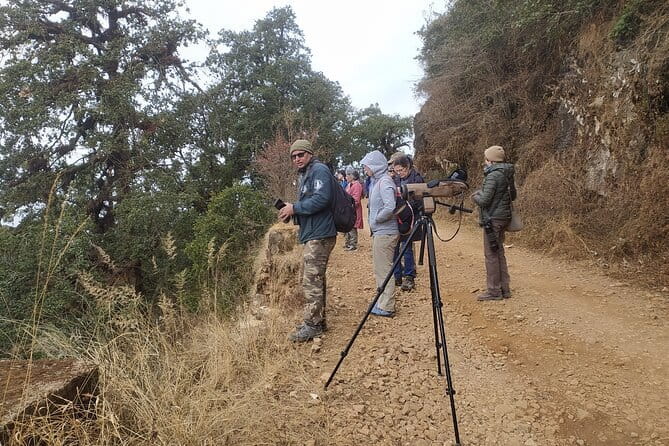
A good birding day is about two things: where you go, and how you look once you get there. This one scores on both counts. You’re based in Kathmandu, but you head into parts of Nagarjun, Shivapuri National Park, Phulchoki Protected Forest, and several hill and forest areas around the Valley. That means you’re not stuck in a city park with tame species. You’re in habitats that support lots of birds, including migratory visitors.
The “sound-first” focus matters more than people think. Many of the birds you want are not sitting on a postcard branch. They’re moving, calling, hiding in foliage, or simply timing their appearance to keep things interesting. When a guide trains your attention to calls and leaf sound, your odds go up, even when the light is tricky.
There’s also a human payoff. The hike can include spiritual sites, and the whole day is framed as time to see how locals live alongside these forests and hills. That combination, birds plus place, is what turns this from a checklist tour into an actual Kathmandu experience.
More to compare around Kathmandu
- Everest Base Camp Trek – 14 Days
★ 5.0 · 1,499 reviews - Everest Base Camp Trek
★ 5.0 · 842 reviews - Private Kathmandu Sightseeing Tour | UNESCO World Heritage sites
★ 5.0 · 756 reviews
Meeting up in Kathmandu, and what the schedule really means
This birding hike is offered seven days a week on request, and the available window runs roughly 6:45 AM to 4:45 PM. You meet at Amrit Marg, Kathmandu 44600, and the day ends back at the meeting point.
The stated duration is 4 to 9 hours (approx.). That’s a wide range, and it’s honestly useful info. In birding, “time” is not just walking time. It’s also stopping to listen, moving to get a better angle, and sometimes changing plans depending on what’s calling that morning.
The tour is private, so it’s only your group. That helps a lot if you have kids, a mixed skill level, or you simply want less pressure to keep up. You also get private transportation plus all fees and taxes and guide fees included, which removes the usual day-tour annoyance of “what else do we pay for?”
One practical note: the day is not designed around being indoors with snacks. Lunch, bottled water, and hot drinks are not included, so you should plan for hydration and a bite to eat.
Nagarjun and Shivapuri National Park: the “listen first” birding zone

Nagarjun and Shivapuri National Park are the kind of places where birds can feel louder than you expect. The trails are best known for the sound of birds and leaves, and that’s a big clue for how the day is likely to feel. You’ll often be pausing more than you expect, and you’ll be rewarded for patience.
This area is described as an important bird and biodiversity area with over 311 bird species, including 117 migratory species. That number is a promise, not a guarantee. But it tells you that seasons matter, and that you’re in a region where bird activity can be high.
You’re also looking for quality targets, not just anything that flies past. In this wider region, the endemic Spiny Babbler is the standout specifically mentioned as being possible here. If you care about Nepal’s endemics, it’s worth knowing that the tour is designed with that goal in mind.
What’s the possible drawback? If you’re the type who expects constant spotting on the move, this route might feel slower. Sound-based birding is rewarding, but it demands you accept that not every moment ends with a clean view.
Phulchoki Protected Forest: where high-altitude birding can get real
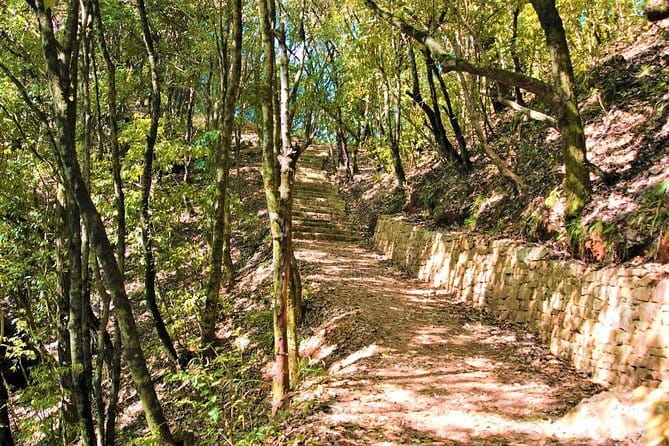
Phulchoki Protected Forest shows up again and again for a reason. It’s a birding area near Kathmandu that can deliver diversity, and it also gets you into that higher-altitude feel where different species show up compared with lower valleys.
The best part is how the guide style changes your day. In reviews, guides such as Krishna Thapa are praised for finding and identifying birds, and for being attentive and punctual. One review also noted that the guide knows how to attract birds, which is huge for getting views, not just distant calls.
You might also get a feel for altitude birding strategy. One review mentions choosing Phulchoki for high-altitude birds, right after visiting another national park, and that the timing worked well in early October. That doesn’t mean every day will match those conditions, but it does suggest the area is worth targeting across the year.
What I’d watch out for: in colder or changeable weather, you may need to keep moving to stay comfortable, especially if you’re stopping often for listening. Bring layers. This is not the kind of day where you can rely on one outfit.
A different sort of day out of Kathmandu:
- Kathmandu: 7 UNESCO Sites with Lunch
★ 4.8 · 744 reviews - Everest Base Camp Helicopter Tour landing at Everest View Hotel
★ 5.0 · 668 reviews - Half day cooking class in Thamel kathmandu
★ 5.0 · 607 reviews - Everest Base Camp Trekking
★ 5.0 · 485 reviews
Champadevi Hills and spiritual site stops: scenery plus meaning
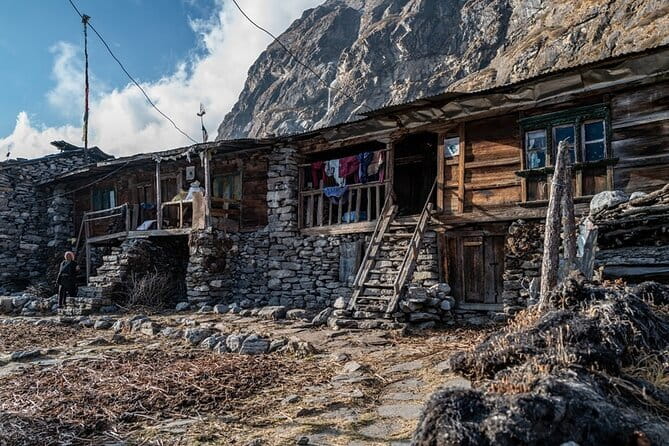
This hike can also cover spiritual sites, which changes the tone of your birding day. Instead of treating the outdoors as a single-purpose pursuit, you get moments that break up the hiking rhythm, give you a mental breather, and connect you with how Kathmandu Valley people experience these hills.
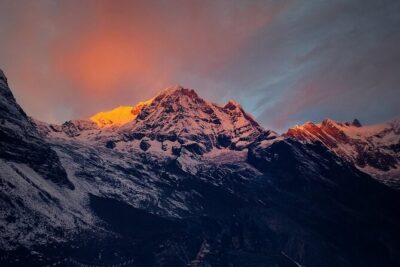
Champadevi Hills are part of the mix, and the tour is positioned to offer panoramic views of the Himalayan range to the north. That view component is not just a bonus. It can be a practical advantage for birding too, because open angles help you spot raptors and scan for activity across slopes.
The tradeoff is simple: every time you stop for a temple or a spiritual site, you’re pausing birding time. If you’re traveling with someone who wants a strict bird-spotting schedule, you’ll want to align expectations early. Still, for many people, these pauses are what make the day feel local.
Sankhu, Sundarijal, and Manohara: viewpoint and Valley perspective
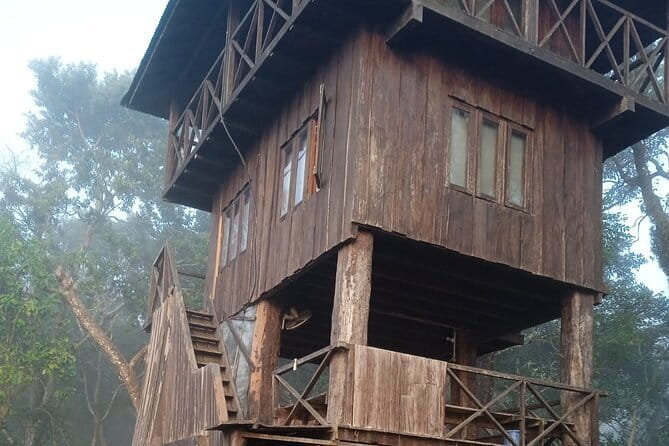
Parts of the route include Sankhu, Sundarijal, Suryabinayak Forest, and Manohara. Together, these points help you see the Kathmandu Valley from the outside, not just from the city.
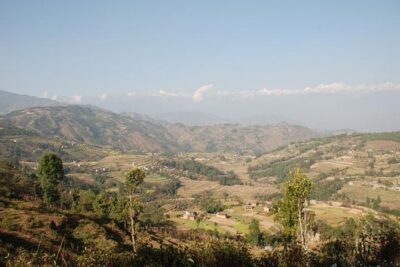
The experience description specifically mentions a bird’s-eye view of the Kathmandu Valley with terraced fields. That matters because you get context for the bird life. Many birds are using edge habitat: forest borders, cultivated patches, and streams and slopes where food sources and cover overlap.
Sundarijal is also a key name in the general Kathmandu nature network, and this tour uses it as part of a Valley-to-hills outing. The “Valley perspective” is one reason this day works even if your birding skills are mixed. If you’re not fully in bird ID mode, you still get meaningful scenery and a sense of place.
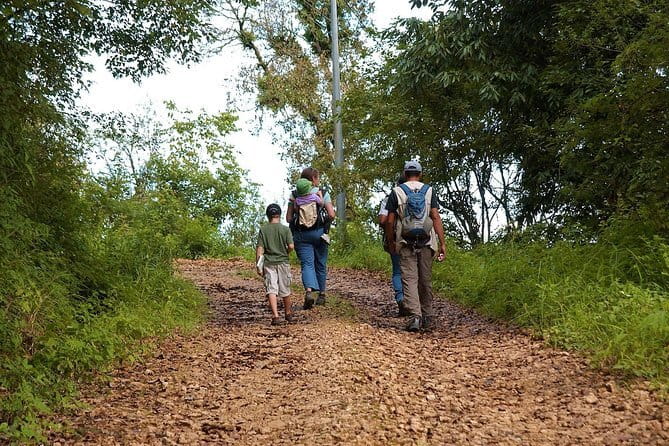
One drawback to be aware of is that these areas can involve changes in walking surfaces and some uneven terrain. The tour says “most travelers can participate,” but birding hikes always reward sturdy shoes and caution. Don’t assume it’s an easy stroll.
Your guide is the real differentiator, and Krishna (and Prem) show why
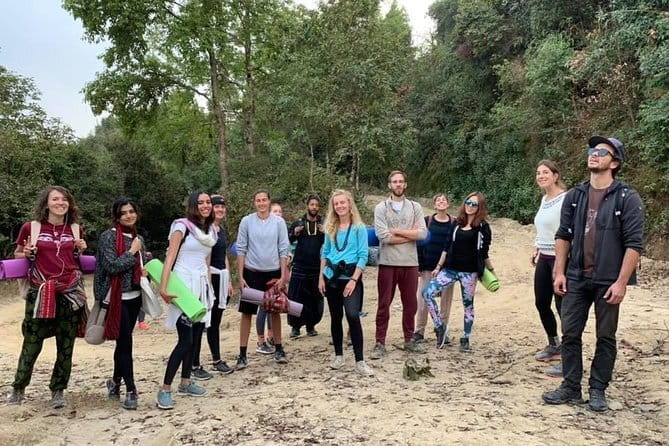
A birding hike is only as good as the person helping you see. Reviews consistently highlight strong guide performance. Krishna Thapa comes up repeatedly, described as a delightful guide and artist, with tremendous experience finding and identifying birds. Another review praises punctuality, attentiveness, and the ability to get birds to show themselves better.
Prem is also mentioned in a positive way, with a note about knowing birds perfectly well and even being able to attract them for better viewing. That “how to attract birds” detail is important because it points to technique, not luck.
So what does that mean for you on the day?
- You’ll likely spend less time guessing and more time confirming.
- You’ll learn what to listen for, not just what to chase visually.
- You should feel comfortable asking for help with identification, because the guides are set up for this kind of work.
If you want to get the most out of the day, bring a simple mindset: be ready to pause, listen, and ask questions. It’s not a fast sightseeing sprint.
What birds you should hope for, without overpromising
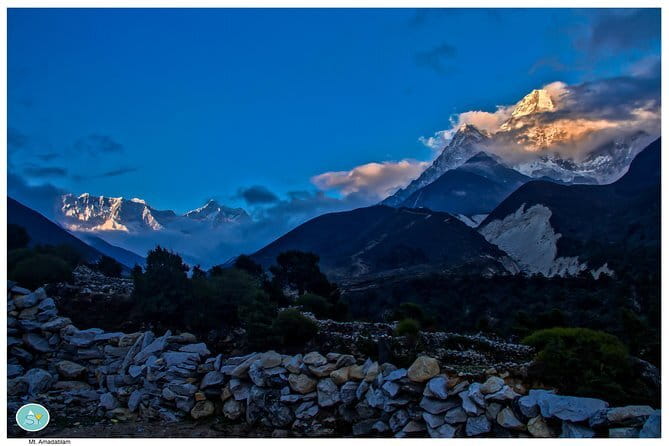
The tour environment is designed around bird diversity. The key fact you should keep in mind is the bird richness of the region, including over 311 species and 117 migratory species.
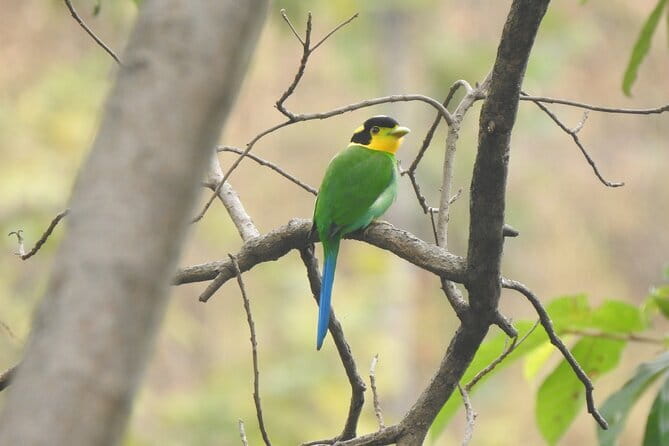
The one bird named as a possible target is the Spiny Babbler, described as the endemic bird of Nepal that can be sighted in this area. If you’re traveling with a goal bird on your list, that’s your headline.
One review also mentioned the broader Nepal bird context, noting 898 species of birds in Nepal, and then describing seeing 52 species in one day. That kind of result can happen when conditions line up and when the guide is dialed in, but you should treat it as an example, not a guaranteed outcome.
Here’s a practical way to approach expectations: aim for a satisfying mix of calls, partial views, and eventual identifications. In forest and hill habitats, you often get the bird name after you learn how to confirm it, not at the first glance.
Views, weather, and timing: how to keep the day enjoyable
Your day runs within 6:45 AM to 4:45 PM, and confirmation is received at booking time. The key operational reality is that the experience requires good weather. If weather is poor, it can be canceled with a different date or a full refund.
For you, this means you should pack for variability: sun and cool air can both show up in hill and forest areas. Bring layers you can take on and off, and keep your wind protection handy.
Also, birding days can get long, even when the hiking is moderate. If you’re traveling with kids, people who aren’t used to early mornings, or anyone who gets hungry fast, you’ll want to handle food and water ahead of time. Since meals and drinks are not included, a small snack plan is not optional.
Price and value: is $220 per person fair for this day?
At $220 per person, the main value question is what you get for that price. Here, the tour includes private transportation, all fees and taxes, and guide fees. That’s not a small thing. Kathmandu day trips often cost money in scattered pieces, and you end up spending time coordinating instead of birding.
You’re also paying for a guided day in an area known for serious bird diversity, plus the specific goal of birding in habitats around Shivapuri and Phulchoki. The guides’ skill shows up clearly in reviews: identification help, punctuality, attentiveness, and even techniques for attracting birds.
What you should budget for: lunch, bottled water, and coffee or tea are not included. If you come prepared, the cost feels straightforward. If you show up without a plan, you’ll end up paying more day-of, which can turn “good value” into “surprise expense.”
For families and students, this private format can also be a value in practice. You’re not pushing kids through a large group schedule.
Comfort and gear checklist for a Kathmandu birding hike
The tour is described as something most travelers can participate in, and it’s recommended for families with kids and school students. That’s a good sign, but “can participate” still benefits from smart gear.
I’d plan for:
- Comfortable walking shoes with grip for uneven forest and hill paths
- Layers for changing temperatures
- A small daypack for snacks and water
- A light rain layer, especially because the day depends on weather
- Binoculars if you have them, and if you don’t, you’ll still be able to enjoy the guide-led sound-first birding, but binoculars make it easier to follow
Since bottled water is not included, bring what you’ll need for your group size and pace. If you’re the kind of person who gets distracted by “one more stop,” plan a bit more water than you think.
Who this hike is best for
This is best for you if:
- You want a real birding day without leaving the Kathmandu area for a multi-day trek
- You enjoy guided identification and listening for calls, not just chasing motion
- You travel with kids or students who do better with a structured, mindful experience
- You care about seeing Nepal’s endemic bird, at least as a realistic possibility in the right habitat
It’s less ideal if you want a pure sightseeing-only day with minimal stopping. This is birds first, and the schedule reflects that.
Should you book this day birdwatching in Kathmandu?
If you want an authentic Kathmandu Valley day where nature is the main event, this is a strong choice. The combination of private transportation, expert-guided birding, and access to well-known bird habitats around Nagarjun, Shivapuri, and Phulchoki is the heart of the value.
I’d especially recommend it if you’re the kind of traveler who enjoys learning in the field. The guides named in reviews, like Krishna Thapa and Prem, are praised for helping people identify birds and get better views, which is exactly what turns a forest walk into a memorable birding day.
Book it if you can commit to good weather and you come ready with snacks and water. Skip it if you’re not flexible with timing or you only want a short, easy, no-stops outing.
FAQ
How long is the birding hike?
It runs approximately 4 to 9 hours.
What does the price include?
The tour includes private transportation, all fees and taxes, and guide fees.
Is lunch included?
No. Lunch is not included.
Is bottled water provided?
No. Bottled water is not included.
What time does the tour operate?
It runs within 6:45 AM to 4:45 PM, Monday through Sunday.
Where do we meet?
You meet at Amrit Marg, Kathmandu 44600, Nepal.
Is this tour private?
Yes. It is private, meaning only your group participates.
What birds can I look for?
The area is known to have over 311 bird species, and the tour specifically mentions the Spiny Babbler as an endemic bird of Nepal that can be sighted in this area.
What if the weather is bad?
The experience requires good weather. If it’s canceled due to poor weather, you’ll be offered a different date or a full refund.
Can I cancel for free?
Yes. You can cancel for a full refund if you cancel at least 24 hours in advance.
Latest Kathmandu write-ups
- Langtang Valley Trek★ 5.0 · 3 reviews
- Khopra Danda Trek★ 5.0 · 3 reviews
- Langtang Valley Trek from Kathmandu★ 5.0 · 3 reviews
- 5 night / 6 days Kathmandu Nagarkot Chitwan Pokhara tour★ 5.0 · 3 reviews
- Nepal Highlights Tour: 5 Nights 6 Days Kathmandu & Pokhara Tour★ 5.0 · 3 reviews
- Kathmandu Valley Private Day Tour★ 5.0 · 3 reviews
- Conquer the Himalayas: The Ultimate 16-Day Annapurna Circuit Trek★ 3.5 · 3 reviews
- Kathmandu Heritage Day Tour★ 5.0 · 3 reviews
Hiking & Trekking, compared.