Reviewed · HIKING & TREKKING
Mohare Danda Trek
This trek is interesting because it is not just about hitting viewpoints. You walk through villages, sleep at community lodges, and you are directly supporting women empowerment and rural development as part of the community-run mission behind Mohare Danda. I also like that the hardest moments get practical support, with sunrise and Himalayan views built in at the high point. One drawback to plan for is the travel days: there is a lot of overland time in and out of Kathmandu and Pokhara, and you should flag any knee or joint trouble early since stone stairs can be an issue.
I also take comfort in the human side. In feedback tied to this area, guides like Apar have been named, alongside a team including Ashishm, Lokendra, and Joyendra, and the consistent theme is steady help and real care on the trail. If you want a trek that feels calm, community-focused, and well managed, this fits that mood.
Key things to know before you go to Mohare Danda
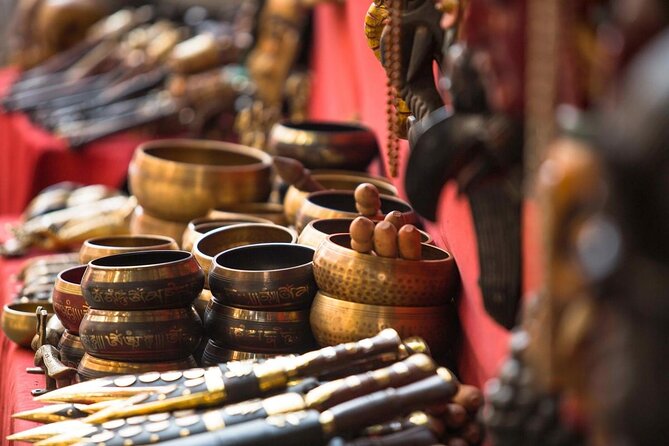
- Community lodge stays and local mission: Your trip ties to education, economy, and women empowerment through community welfare support.
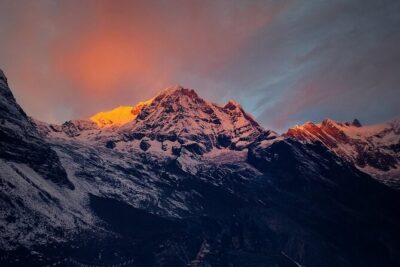
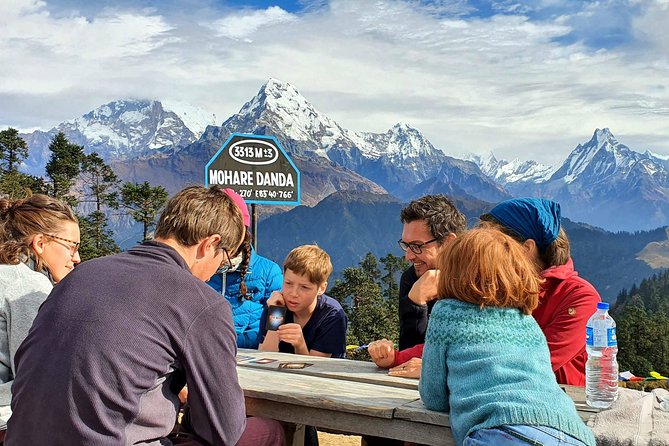
- A serious viewpoint at 3,313 meters: Mohare Danda is the high point, with a sunrise moment and big multi-peak views.
- Up to 42 peaks on good days: You may see major Himalayan giants including Annapurna, Dhaulagiri, and Manaslu.
- Gear support is part of the value: A sleeping bag, down jacket for the high point, and even an oxygen monitor are included.
- Small group size: Maximum 11 travelers means less chaos and more attention from your guide team.
- Stone stairs can be a factor: If you have joint problems or struggle going downhill, tell the operator so they can help adjust your route.
Why Mohare Danda feels different from the usual Himalayan checklist
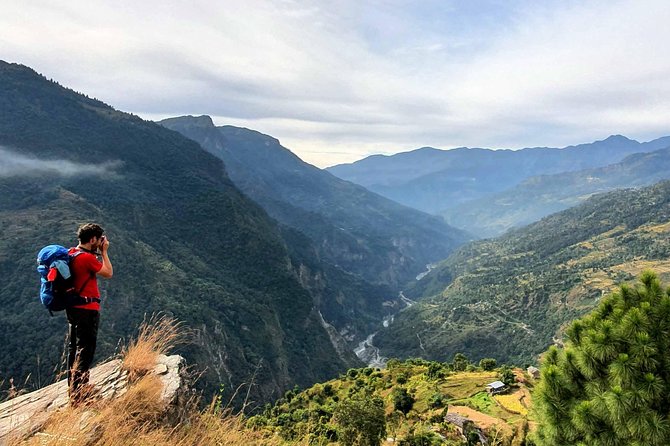
Mohare Danda is a community trek built around a simple idea: you come for the mountains, but your money helps people stay, learn, and improve their local economy. That is a real change from the more extractive style of tourism where your presence mostly benefits outside companies.
The trek is also framed as a newer, easy, short, and peaceful circuit route. That matters if you want Himalayas without the pressure of an ultra-hard expedition. You are still going uphill and around real village terrain, but the pacing is designed around accessibility for most travelers.
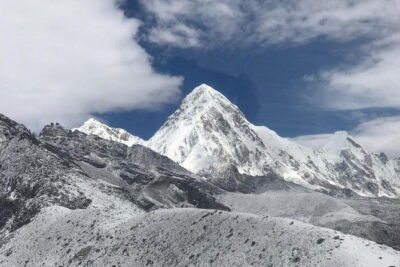
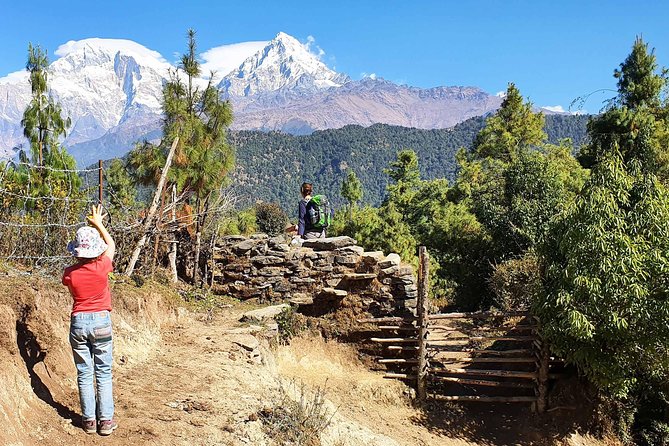
Then there is the view math. On clear days, up to 42 peaks can be visible, including three of the big 8000-meter anchors: Annapurna, Dhaulagiri, and Manaslu. Even if you do not catch every one of those peaks, the high point is positioned for sunrise and wide views, which is where this trek earns its reputation.
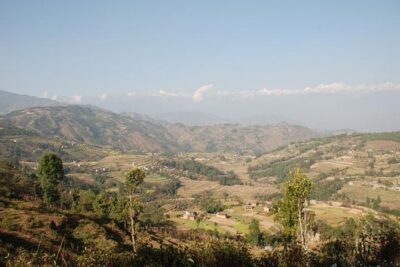
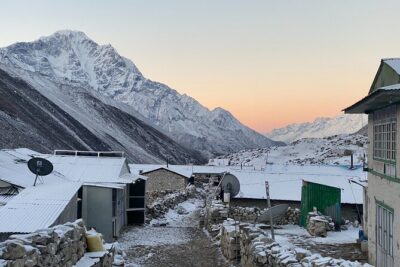
The community angle is not just a marketing line in your day-to-day life either. You pass culturally rich Magar settlements and you spend time with a network of community lodges rather than only commercial tea houses. If you like meeting people who live where you are walking, this trek is designed for that.
More to compare around Kathmandu
- Everest Base Camp Trek – 14 Days
★ 5.0 · 1,499 reviews - Everest Base Camp Trek
★ 5.0 · 842 reviews - Private Kathmandu Sightseeing Tour | UNESCO World Heritage sites
★ 5.0 · 756 reviews
10 days, but the long road days are real part of the trip
This is a 10-day trek with substantial driving. You start in Kathmandu, then you go to Pokhara by overland road, with a long stretch described as about 6 to 7 hours for the 200 km ride. Later, you also return to Kathmandu from Pokhara with another drive of around 7 hours.
What you should do with that information:
- Build your energy budget around transit. The trekking days are not the only days you are tired on.
- Plan for car comfort. The trip uses ground transportation as best available, so seat comfort varies by vehicle.
- Expect you will finish the trek and still need a break. Day 9 includes the return drive, then rest time once you reach Kathmandu.
If you are the type who loves road trips and stops, you will probably enjoy the journey. If you hate being in a vehicle for hours, treat this as part of the cost of doing this trek.
From Thamel to Mohare Danda sunrise, how each day plays out
I am going to walk you through the day-by-day flow in plain language so you can picture where the real effort sits.
Day 1: Kathmandu arrival and getting set up in Thamel
You land at Tribhuvan International Airport, clear immigration and baggage, then meet a representative for a smooth arrival into Kathmandu. Your time is based in Thamel, which is convenient for last-minute basics and for relaxing before the next day’s drive.
What to know: there is no trekking effort on this day, so use it to settle in and be ready.
A different sort of day out of Kathmandu:
- Kathmandu: 7 UNESCO Sites with Lunch
★ 4.8 · 744 reviews - Everest Base Camp Helicopter Tour landing at Everest View Hotel
★ 5.0 · 668 reviews - Half day cooking class in Thamel kathmandu
★ 5.0 · 607 reviews - Everest Base Camp Trekking
★ 5.0 · 485 reviews
Day 2: Drive to Pokhara, with a stop at Phewa Tal
After breakfast, you take the westward road trip to Pokhara on the Prithivi Highway. The drive is long, around 6 to 7 hours for about 200 km. You then have a stop connected to Phewa Tal.
This is the kind of day where your comfort matters. Even though you are not walking yet, you can still feel tired if you underestimate the road time.
Day 3: First trekking begins from Beni Bazaar
Breakfast first, then you drive from Pokhara toward Beni Bazaar. After you arrive, your first real trek day starts from there.
This day is your transition day: you go from city and road into village paths. It is also where your hiking rhythm starts, so it is smart to keep your pace controlled rather than trying to prove anything to your lungs.
Day 4: Ramche to Nagi Village, pristine nature plus culture
Today you walk along the trail toward Nagi Village, with Ramche as a named stop. The focus is described as pristine nature and culture, so expect a more village-in-the-flow feel rather than only a viewpoint-to-viewpoint plan.
Potential drawback: culture and nature days can mean less predictable walking conditions. This is still a community trek, so there may be varied surfaces. If you prefer paved paths and flat ground, this will not match that style.
Day 5: Reaching the destination area, then trekking toward Mohare Danda
You move toward the destination spot starting after breakfast in Nagi. The plan notes about 4 to 6 hours of walking. This is a key build-up day because you are working toward the high point.
I like days like this because they set expectations. You do not wake up and jump straight into the highest altitude without warning.
Day 6: Mohare Danda at 3,313 m, sunrise and big views at Mohare Community Lodge
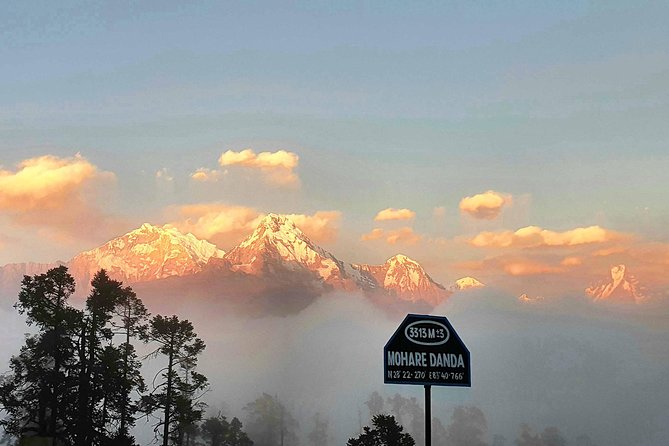
This is your highlight day in altitude terms. Mohare Danda sits at 3,313 meters, and the program calls out a beautiful sunrise and Himalayan views. You also stay at Mohare Community Lodge.
The day is described with a long duration in the plan, so assume it is not a quick stop. Even if you are moving at a manageable pace, you will be active, plus you will likely spend time on the view moments.
A comfort factor: the trek includes a down jacket for Mohare Danda. That is a big deal at the coldest part of the trip.
Day 7: Tikot village, a Magar settlement and viewpoint hopping
You trek toward Tikot Village, described as a beautiful ethnic Magar settlement. You also pass viewpoints connected to Thula Kharka and Sikha Danda.
This is where the trek feels less like a corridor and more like a living place. If you like seeing daily village life instead of only scenery, this day tends to deliver.
Day 8: Walking the last mountain section toward Basari
You are on your final trekking day, heading to Basari (spelled Baseri/Basari in different parts). The program notes this as the end of the mountain trekking segment.
This is the day to keep your focus simple: steady steps, enjoy the last views, and save energy for the long road back to Kathmandu the next day.
Day 9: Return overland to Kathmandu, then time to rest
You drive back from Pokhara to Kathmandu, around 7 hours. Once you arrive, the rest of your time is described as at leisure in Kathmandu (based on the plan you are given).
You may feel more travel fatigue than you expect, so this day is best treated as recovery time.
Day 10: Airport transfer and departure
The final day is a transfer to Tribhuvan International Airport for your departure flight.
This is straightforward, but it does mean you should plan not to overbook activities on the departure day.
What’s included in the trek value, beyond just the guide
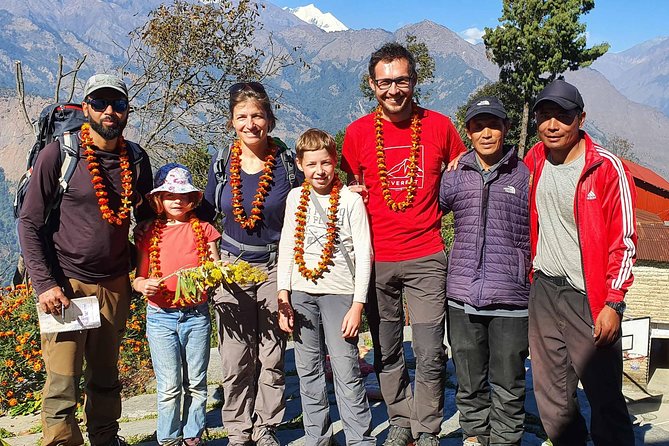
A lot of treks sell you a guide and a route. This one tries to sell you risk reduction and support.
Here is what is included:
- Guide and porters: their wages, insurance, and gears.
- Permits and documentation handled for you.
- First aid medical kit.
- Oxygen monitor (listed as included).
- Sleeping bag and down jacket for Mohare Danda.
- All ground transportation as best available.
- A trekking map complimentary from the company side.
- Baglung High Bridge visit with entry fees included.
- A complimentary trekking duffle bag for each trekker.
- Meals included: breakfast 9 times, lunch 6 times, dinner 5 times.
- Certification of achievement after completion of the trek.
When you look at it like that, the $799 price starts to make more sense. You are paying for the staff time, insurance coverage, permits, and cold-weather comfort support at the high point.
Also, the trek has a maximum group size of 11 travelers. In practice, that can mean less waiting, less crowding, and more space for questions to your guide.
The gear and meals that can make or break your comfort
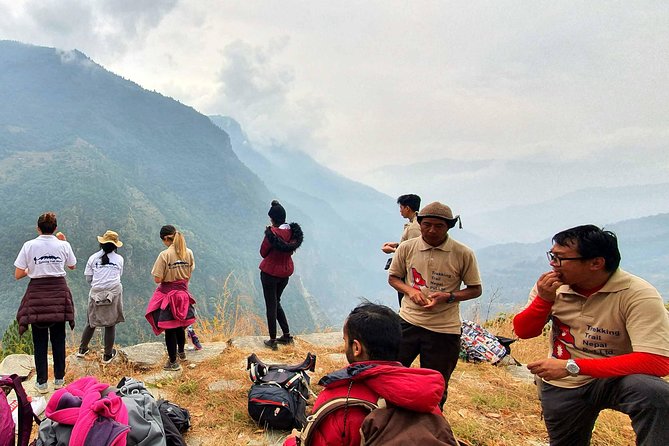
Two things here can save you money and stress, if you use them well.
Sleeping bag and down jacket for Mohare Danda
The plan explicitly includes a sleeping bag and a down jacket for the Mohare Danda elevation. That reduces the chance you show up underprepared for cold.
If you have your own winter gear already, you can still pack it, but you might not need to. Either way, confirm the sizes and what exactly is provided in your briefing so there is no last-minute surprise.
Meals: what you get, and what you have to plan for
Meals are included, but not every meal every day:
- Breakfast: 9 included
- Lunch: 6 included
- Dinner: 5 included
Drinking water is not included, and personal snacks, bar bills, and drinks are not included either. So I suggest you budget for water and small extras, especially on longer travel days.
Also, lunch and dinner in Kathmandu and Pokhara are not included. That is normal, but it matters because those days fall outside the trekking schedule.
Community, education, and women empowerment, what it means on the ground
The trek is framed around community welfare, education, economy, and women empowerment. It also states that every penny supports that vision.
What you can take from that, practically:
- You are more likely to benefit the local economy through lodging tied to the community lodge concept.
- Your presence is connected to local development goals rather than only paying for transport and guide labor.
- It is a good choice if you want your mountain time to feel purposeful.
Now, a balanced note: you are still in a small village trekking context. The experience may be simple. That is part of the deal, and it is often what you came for.
Guides and team support, including names you can hold onto
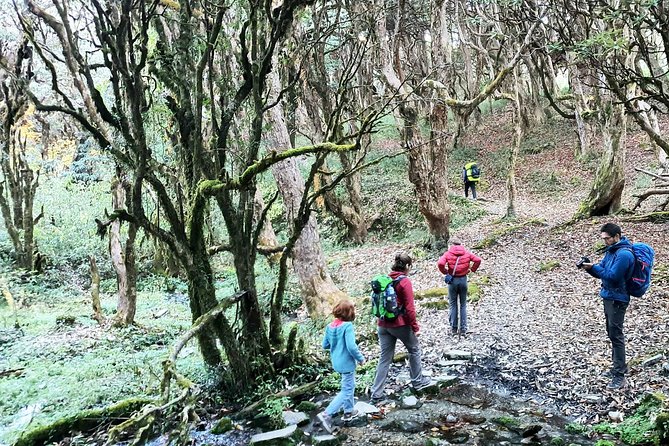
One reason I trust this kind of trek is the human support layer. The program includes guide and porters, and it includes insurance and gear for them, which is the right baseline.
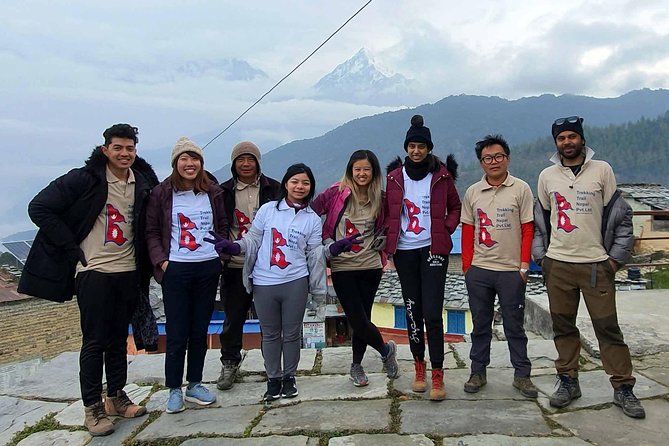
In feedback associated with Mohare Danda trekking, guides such as Apar have been named, along with team members Ashishm, Lokendra, and Joyendra. The recurring themes tied to those names are that the team is professional and supportive, with help when you need it.
That matters because on a community trek, things can shift. Weather, trail conditions, and the pace of village life can change what a “perfect day” looks like. A good guide keeps the plan grounded.
How hard is it, and who should speak up before walking
This trek is described as easy, short, and peaceful, and it says most travelers can participate.
Still, there are two considerations you should not ignore:
- You reach 3,313 meters at Mohare Danda. Even when a trek is “easy,” altitude adds a layer.
- The plan specifically mentions support for people with joint problems or difficulty going down on stone stairs. If that is you, let the operator know. It says they will assist you for a better and easier route.
So my advice is simple: tell them early, not on day 6. A small adjustment up front can prevent a rough day later.
Service animals are also allowed, so if that applies to you, you can ask before booking.
Price and logistics: is $799 actually good value?
At $799 per person for about 10 days, the value depends on what you compare against.
Here is what you are getting for that price, based on what is included:
- Permits and documentation
- Insurance-covered guide and porters
- First aid kit and an oxygen monitor
- Sleeping bag and down jacket for Mohare Danda
- Ground transportation
- Community lodge style trekking support
- Meals on most days (breakfast every trekking day plus some travel days, with lunch and dinner included part of the time)
- A few extras like a complimentary duffle bag, a map, and a certificate
What you are not getting:
- Drinking water
- Tips for guide and porter
- Snacks, bar bills, drinks, and personal spending
- Lunch and dinner in Kathmandu and Pokhara
So, is it worth it? If you want a managed community trek with cold-weather support and fewer add-on costs, yes, it looks like solid value. If you already have all gear and you are comfortable handling logistics yourself, the price is less of a bargain. But most people do not come to Nepal with a system for permits, cold-weather equipment, and medical monitoring.
Should you book the Mohare Danda Trek?
I would book it if you want a peaceful community trek with a meaningful mission behind it, plus a realistic chance at huge mountain views at a memorable sunrise spot. The included down jacket and sleeping bag for Mohare Danda, along with permits and insurance-covered staff support, make this feel like more than a basic hiking package.
I would hesitate if:
- you dislike long overland drives (there is a lot of road time here),
- you have significant mobility limits and did not plan to disclose them early, since stone stairs are mentioned as a consideration,
- you are expecting a fully cushy, city-standard rhythm every day.
If your ideal Nepal trip mixes mountain views with real village connection, and you like the idea of your trip supporting education and women empowerment, this trek is a strong candidate.
FAQ
How long is the Mohare Danda Trek?
It runs for about 10 days.
Where do you meet and where do you end the trip?
You start in Kathmandu after arrival at Tribhuvan International Airport, and on the final day you are transferred back to the airport for departure.
What is the highest point on the trek?
Mohare Danda is listed as the highest elevation on the trip, at 3,313 meters above sea level.
What’s included in the trek price?
The price includes the trekking guide and porters (wages, insurance, and gears), required permits and documentation, first aid items plus an oxygen monitor, and sleeping bag and down jacket for Mohare Danda. It also includes ground transportation, a complimentary trekking map, Baglung High Bridge entry, and a complimentary trekking duffle bag. Meals include breakfast 9 times, lunch 6 times, and dinner 5 times.
Is drinking water included?
No. Drinking water is listed as not included.
How many people are in the group?
The maximum group size is 11 travelers.
Can people with joint problems or trouble going downhill on stairs participate?
Yes, and you should let the operator know in advance. The plan says assistance is available for a better and easier route if you have joint problems or find it difficult to hike down on stone stairs.
Is Baglung High Bridge part of the experience?
Yes. There is a short visit to Baglung High Bridge with entry fees included.
What happens if the trip is canceled due to weather?
The experience requires good weather. If it is canceled due to poor weather, you are offered a different date or a full refund.
Latest Kathmandu write-ups
- Langtang Valley Trek★ 5.0 · 3 reviews
- Langtang Valley Trek from Kathmandu★ 5.0 · 3 reviews
- Khopra Danda Trek★ 5.0 · 3 reviews
- 5 night / 6 days Kathmandu Nagarkot Chitwan Pokhara tour★ 5.0 · 3 reviews
- Nepal Highlights Tour: 5 Nights 6 Days Kathmandu & Pokhara Tour★ 5.0 · 3 reviews
- Kathmandu Valley Private Day Tour★ 5.0 · 3 reviews
- Kathmandu Heritage Day Tour★ 5.0 · 3 reviews
- Conquer the Himalayas: The Ultimate 16-Day Annapurna Circuit Trek★ 3.5 · 3 reviews
Hiking & Trekking, compared.