
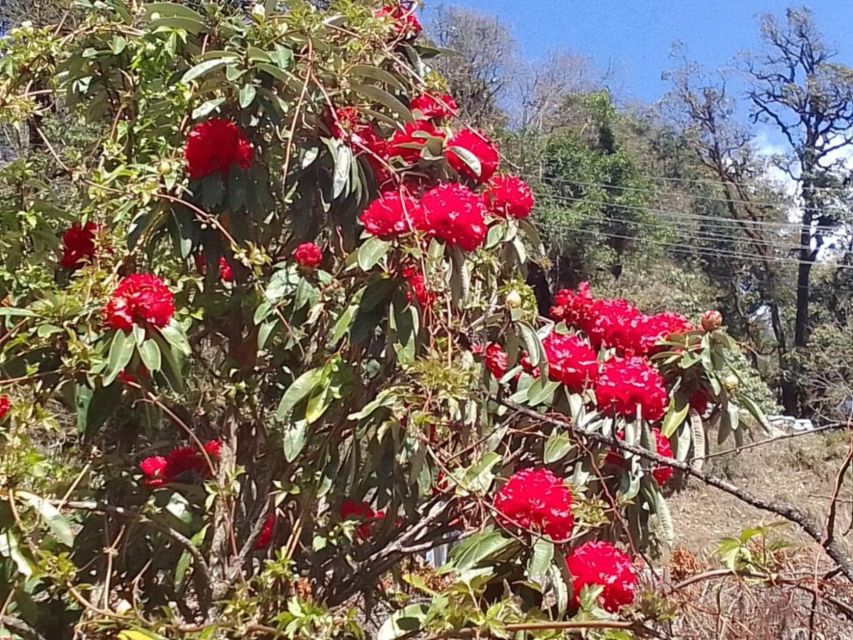
Reviewed · ANNAPURNA CIRCUIT TREK
Kathmandu: 10-Day Adventurous Annapurna Circuit Trek
What makes the Kathmandu to Pokhara Annapurna Circuit trek compelling is the day you cross Thorong La Pass, then drop toward Muktinath with big mountain views still in your eyes. I love the mix of Himalayan trekking and real village life, especially the tea-house stops where you fuel up and watch daily rhythms in motion.
The only real drawback is the altitude and the effort on long travel days. You’ll reach 5,416m, so the pass day can feel rough if you rush or arrive unfit, even with an acclimatization plan and steady pacing from guides like Keshab, Bipin, and Mahesh.
Key things that make this Annapurna Circuit trek work
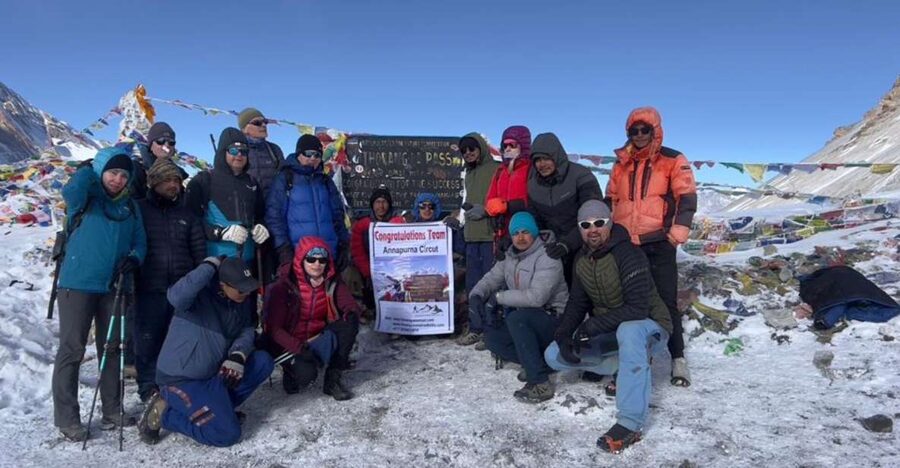
- Thorong La Pass at 5,416m is the signature challenge, with panoramic payoffs
- Manang acclimatization day gives your body a fighting chance before the higher push
- Curated day-to-day rhythm: forests and bridges early, high pastures late, temple and desert edge after
- English-speaking guide and permit handling mean you focus on walking, not paperwork
- Muktinath + Jomsom contrast: sacred temple steps, then windy Mustang-side air
- Pokhara recovery setup includes a last-night luxury hotel and a farewell Nepalese dinner
Annapurna Circuit, the practical way: the “big pass” story plus real village days
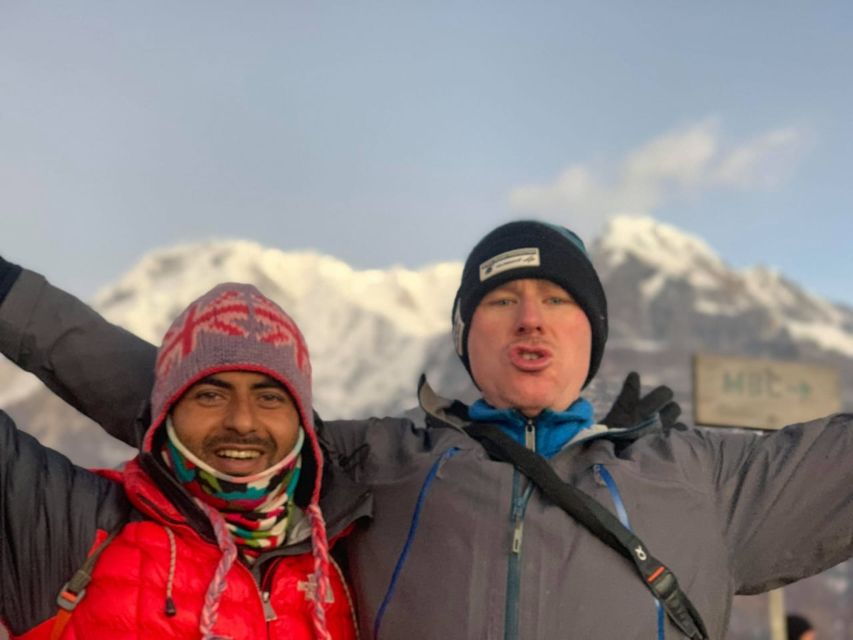
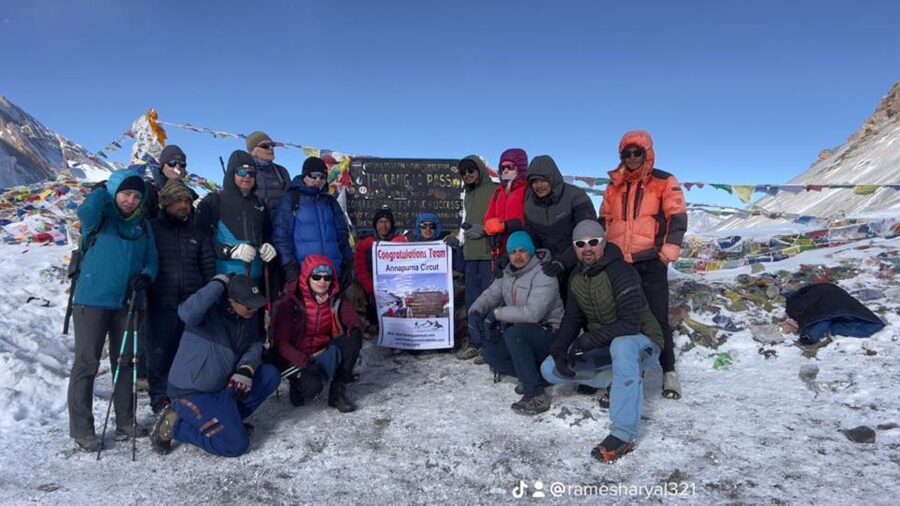
This trek earns its fame for one reason: you earn the right to say you crossed Thorong La Pass. But what makes it memorable is that the pass day is only part of the experience. You get a full, varied set of trekking days that move you from busy foothills into quieter high valleys, where even getting to the next tea house feels like a small adventure.
I like that the trip is structured for comfort where it can be, and challenge where it should be. You start with road time from Kathmandu, then you settle into daily walking. Along the way, village culture is not an add-on, it is built into the route, from Chame to Manang and onward.
More of the Annapurna Circuit:
- Kathmandu: 8-Day Annapurna Circuit Trek via Thorong La Pass
★ 5.0 · 7 reviews - 13 Days Trekking in Annapurna Circuit
★ 5.0 · 4 reviews - 14 Days Annapurna Circuit Trek
★ 5.0 · 4 reviews
Getting There: Kathmandu to Besisahar, then Dharapani
Day 1 is heavy on transit, but it sets the tone. You’ll ride a bus from Kathmandu to Besisahar, then continue toward Dharapani in a shared Jeep, taking in scenery along the way. It’s about a 10-hour drive day total, and your main job is to arrive with energy and hydrate early.
Why this first day matters: you’re easing into Nepal’s mountain geography gradually instead of going from city to high altitude instantly. You’ll sleep in Dharapani at about 1,800m, then start trekking the next morning, which is a smart way to reduce shock.
Practical note: transit days can feel long. If you’re sensitive to motion or want better sleep, pack a warm layer. Even when the mountains look clear, evenings can cool down fast.
Dharapani to Chame: forests, bridges, and the first real ascent
On Day 2, you trek from Dharapani (1,800m) to Chame (2,670m), about a 6-hour walk. The route climbs through lush forest sections and includes suspension bridges, so you’ll feel the change in terrain and temperature without it being instantly brutal.
Chame is where the trek starts to feel more “Himalayan.” The air often feels thinner, and you’ll likely notice more stone and wood structures along the trail. It’s also a good day to practice your pacing system, since the later, higher days demand consistency.
If you get motion sickness easily, suspension bridge crossings can be a trigger. Go slow, keep your eyes on the far end, and let your breathing settle before you continue.
Chame to Upper Pisang: higher views, village texture, and altitude creep
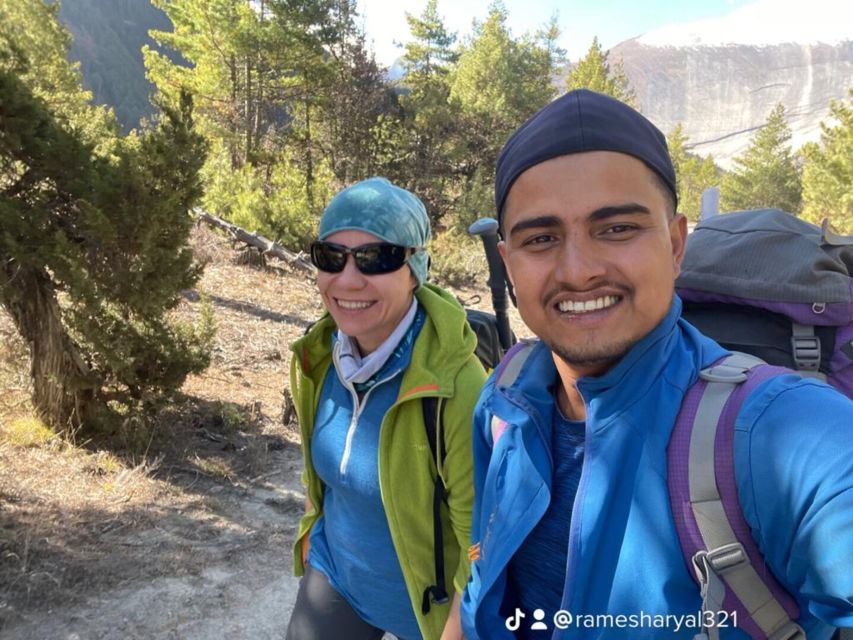
Day 3 brings you from Chame to Upper Pisang (3,300m) in about 6 hours. The trekking days start stacking altitude steadily, and you’ll likely notice it most in uphill sections. You’re also moving into scenery where mountain views open up more often, which is a psychological boost when the legs are working.
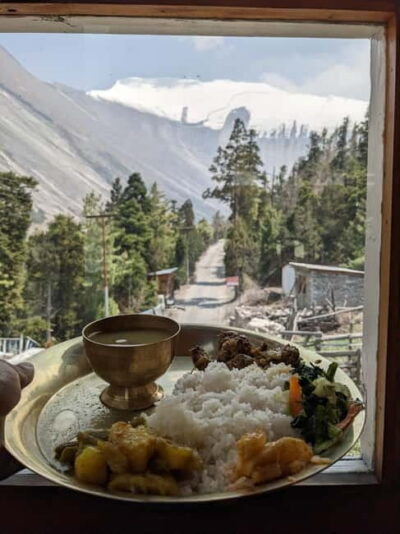
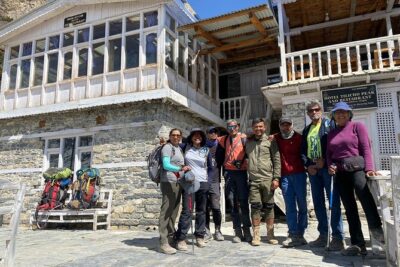
Upper Pisang is a picturesque village stop, and that’s the point. You’re not only passing through geography, you’re spending nights where life continues around you. That means tea houses, menus, and the simple comfort of a warm indoor space after the walk.
At this stage, I’d focus on comfort habits: drink water consistently, eat steady meals, and avoid the temptation to go too fast just because the views look good.
More to compare around Kathmandu
- Kathmandu: 7 UNESCO Sites with Lunch
★ 4.8 · 744 reviews - Everest Base Camp Helicopter Tour landing at Everest View Hotel
★ 5.0 · 668 reviews - Kathmandu: Local Women-Led Nepali Cooking & Momo Class
★ 4.9 · 360 reviews - Manaslu Circuit Trek
★ 5.0 · 292 reviews
Upper Pisang to Manang: the wide valley feeling
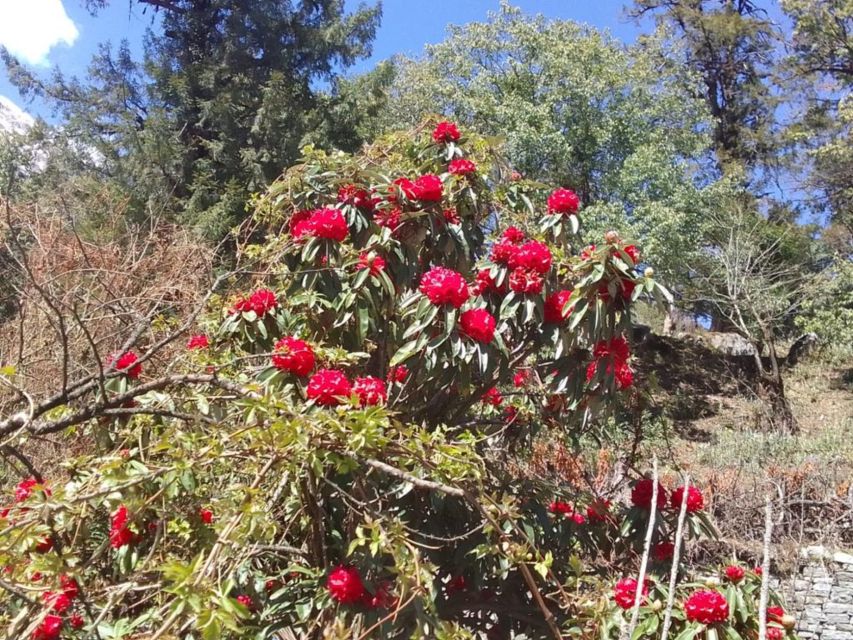
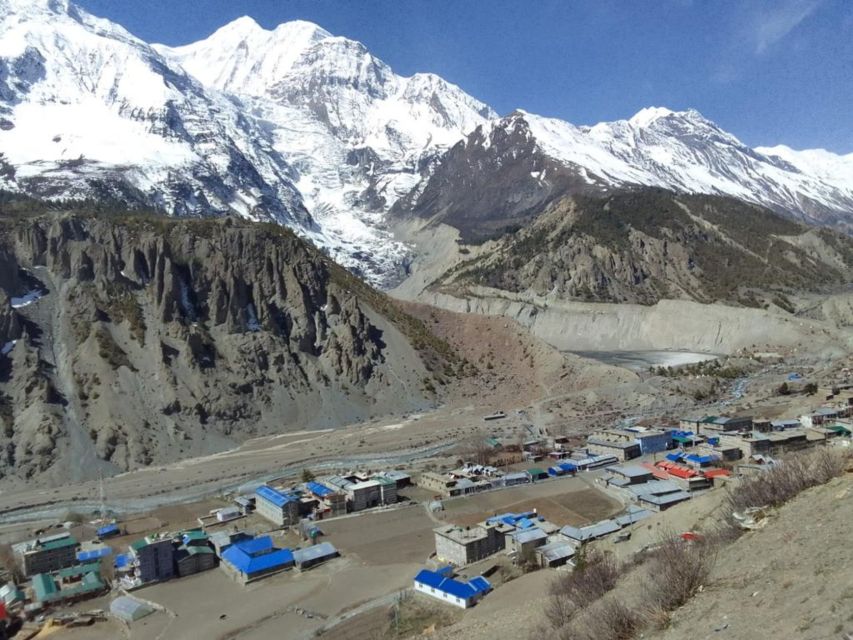
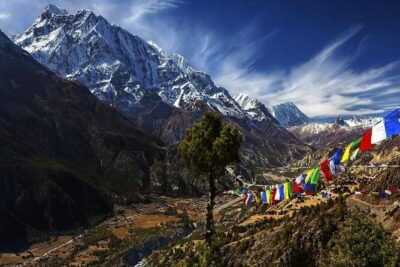
Day 4 is Upper Pisang to Manang (3,540m), another 6-hour trek. Manang sits in a broad valley, and the mountain views can be dramatic, with peaks like Annapurna II, Annapurna III, and Gangapurna in your field of vision.
This day often feels like a turning point. You’re not just climbing higher, you’re entering a zone where the air feels sharper and the views feel “closer,” like you can reach out and touch the ridgelines.
What to watch for: as altitude rises, your appetite and sleep patterns might change. That’s normal. Don’t try to force big meals at the wrong time. Keep your hydration steady and let your body adjust.
Manang acclimatization day: why it’s the smartest day on the whole trek
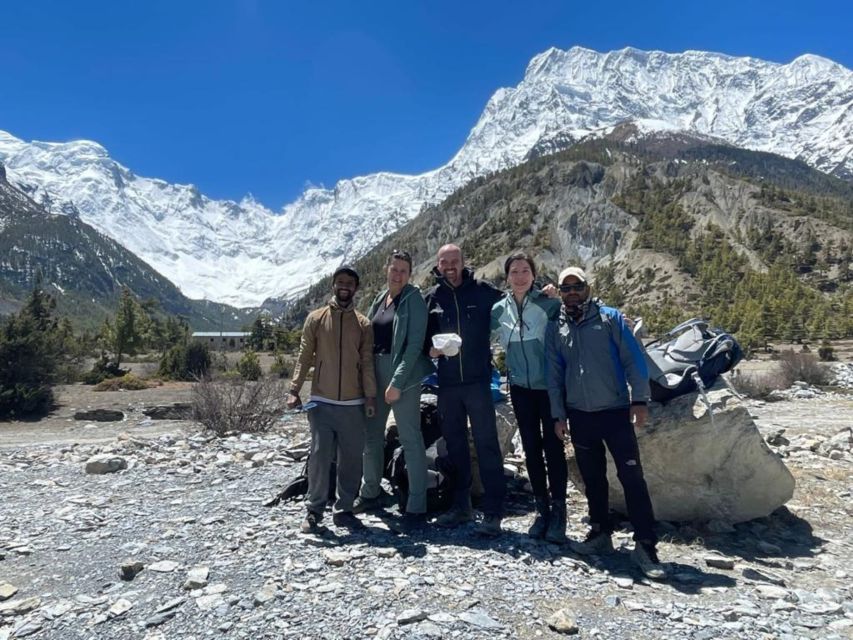
Day 5 is an acclimatization day in Manang (3,540m). Instead of pushing higher, you rest and adjust, explore the village, and enjoy panoramic views. This is the day you benefit from later, especially when you’re heading toward Thorong Phedi and the pass.
I like that the itinerary respects altitude reality. Your body needs time to cope with thinner air. A well-run acclimatization day can make the difference between a pass day that feels scary and one that feels challenging but manageable.
A good guide also makes this day more useful. Guides on this route, like Prakash and Silwal, tend to emphasize pace control and altitude awareness early, so you don’t wait until the hardest day to start listening to your body.
Manang to Yak Kharka: alpine quiet and the high-pasture rhythm
Day 6 takes you from Manang to Yak Kharka (4,050m) in about 6 hours. Yak Kharka is a scenic grazing pasture, so the vibe changes again. You’ll likely see alpine vegetation, open spaces, and a quieter feeling that only shows up when you’re higher and farther from the main river corridors.
This is a good day to build a rhythm that works for you: steady steps, consistent breathing, and frequent, small water sips. At these elevations, you don’t need to sprint, you need to arrive with steady energy.
Sleep at Yak Kharka can feel different too. Warm layers help. If you brought a headlamp, you’ll also find it handy for nighttime tea-house routines.
Yak Kharka to Thorong Phedi: base camp pressure without the pass yet
Day 7 goes to Thorong Phedi (4,450m), about a 6-hour trek. This is essentially your staging area for Thorong La Pass. The terrain feels higher and more demanding, and the air can feel noticeably thinner as you get closer to 5,000m.
The biggest value of this day is preparation. Even when you feel tired, you want your mind calm and your gear sorted so you can start early the next day. A good guide will help with timing and practical decisions, from how much to eat before the pass to how to manage breaks without losing momentum.
If you’re the kind of person who worries at night, plan for that. Bring something small that comforts you, like a book, music, or just a place to write down what you’re doing tomorrow.
Thorong La Pass day: early start, real altitude, and the reward that hits
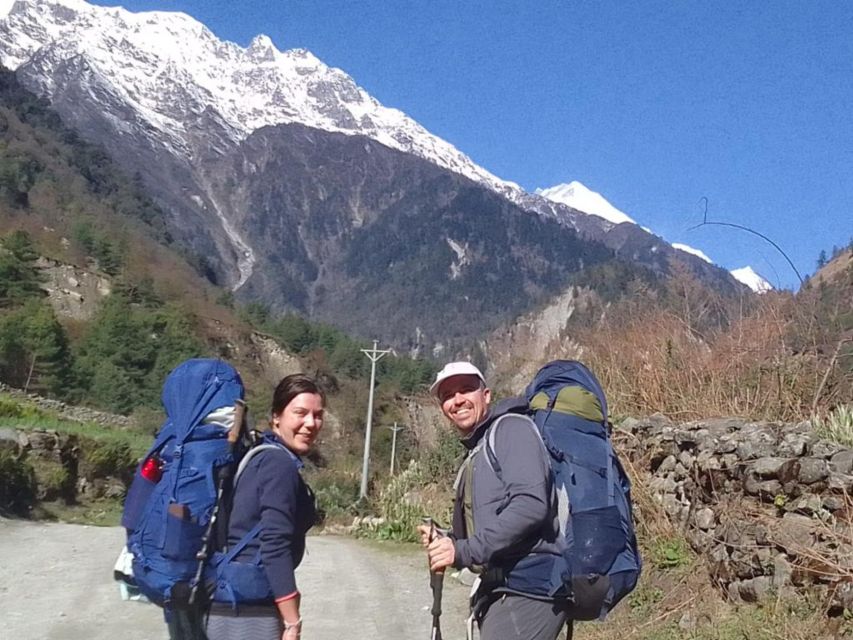
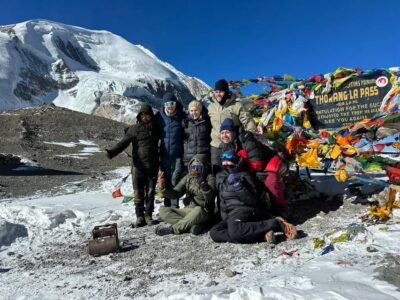
Day 8 is the star. You go from Thorong Phedi to Muktinath (3,800m) via Thorong La Pass (5,416m), and it’s about a 12-hour day. You’ll start early for the ascent because conditions change fast at higher elevations and you want daylight and clearer visibility.
This is a big day in two ways: altitude and effort. The ascent to the pass is where your legs and lungs both get a workout. But once you reach the top, you get the kind of panoramic view that makes the earlier grind feel like it belonged to the same story.
Then comes the other part of the challenge: the descent to Muktinath. You’re dropping altitude while still staying careful on your feet. In real life, downhill can be just as tough on the body as uphill if your knees are not happy.
Muktinath itself is a sacred site for Hindus and Buddhists. You’ll explore the village after arriving, so it isn’t only about the pass, it’s also about landing in a place with deep spiritual meaning and a strong local identity.
Muktinath to Jomsom: the switch into arid Mustang-side air
Day 9 drops you from Muktinath to Jomsom (2,720m) in about 5 hours. You’ll feel a dramatic landscape change as you move into a more arid, desert-like environment in the Mustang region. The air can feel windier here, and Jomsom itself is known for that exposed, gusty quality.
After Thorong La, Day 9 can feel almost like a relief. You’re still trekking, but the altitude pressure is lower. It’s a good day to slow down, take pictures without rushing, and just absorb the different atmosphere.
Jomsom is also a practical bridge toward your travel home. Once you’re there, your route becomes more about comfort and catching your breath before Pokhara.
Jomsom to Pokhara and the reset you actually need
Day 10 is Jomsom to Pokhara by bus, about an 8-hour drive. It’s a long ride, but it’s your final transition from high-altitude trekking mode into city comfort.
Pokhara is where you get your feet up, stretch out, and let the whole trip sink in. You’ll also have some built-in comfort from the program, including a last night accommodation at Pokhara Hotel Orchid and a farewell Nepalese dinner in Lakeside Pokhara before the trekking wrap-up phase.
This is not a small detail. Trekking is physical, but recovery is mental too. A good finish helps you remember the right parts, not just the sore parts.
Packing and fitness: how to make the hard days feel fair
You’ll be at altitudes that demand respect, and the program gives you an acclimatization day plus a structured climb. Still, you need to meet the trek halfway with preparation.
From the gear list, focus on basics that prevent misery: warm layers, a solid jacket, hiking shoes, and socks that won’t leave you with blisters after repeated descents. A sleeping bag matters because mountain nights can get cold. Bring a headlamp or flashlight for early mornings and darker tea-house corridors.
Two practical fitness tips I swear by for this type of trek:
- Train for steady uphill effort. Intervals are fine, but long climbs at a controlled pace are the real test.
- Practice walking on uneven surfaces. The trail is never perfectly flat, and your feet need confidence, not surprises.
Altitude safety is not only about being brave. It’s about pacing, hydration, and listening to your body. The itinerary’s structure supports that, and guides tend to keep an eye on how you’re doing, so you can avoid the mistake of pushing too hard too soon.
Also, get travel insurance with high-altitude coverage. It’s not included, and it’s the one safety item you should not treat as optional.
Where the $467 per person value shows up, and where it doesn’t
$467 for a 10-day Annapurna Circuit experience can be a solid deal, mainly because the price covers more than just “a guide and a route.” You’re getting trekking permits and paperwork handled, a licensed English-speaking guide, and accommodations for the trek nights. Transportation is included for the key legs: bus and shared Jeep, plus the Jomsom to Pokhara bus, and an AC tourist bus for the final Pokhara to Kathmandu transfer.
You’re also getting practical extras that matter on trek: luggage storage facility, help with trekking logistics, and staff costs handled by the operator. That’s part of what you’re paying for, the hidden work behind the scenes.
Where you should expect extra costs:
- The porter charge is extra.
- Soft and hard drinks are not included.
- Travel and rescue insurance is not included.
- International flights and the Nepalese visa fee are not included.
- Personal expenses like phone use, laundry, and bottle purchases are on you.
- If you need extra nights due to non-scheduled reasons, those can add up.
If you book a full package, you’ll also get all meals during the trek (breakfast, lunch, dinner). That can be a big savings compared to buying everything as you go.
So yes, $467 is not “cheap,” but it’s not just paying for a view. It’s paying for structure, permits, and a smoother day-to-day experience.
The crew details that earn the high ratings
A lot of treks claim great service. The difference shows up in small, practical moments: guiding pace, arranging comfortable tea houses, and adjusting plans when conditions shift.
In the experience with this trek, you can expect English-speaking guides who manage the day with a calm balance of information and space. Guides such as Keshab, Bipin, Suresh, Prakash, Mahesh, Silwal, Jeet, and Milani are repeatedly described as friendly and organized, and that matters because the pass day is not the moment you want confusion.
You also get a coordinator behind the scenes, and Ramesh comes up as someone who responds quickly and keeps things moving. One standout kind of help is dealing with extra luggage needs, including moving an unused bag from Kathmandu to Pokhara, and even arranging return of rented sleeping bags. That’s the sort of “small logistics” work that can save you real stress.
Who should pick this trek, and who should skip it
This trek fits best if you want a classic Annapurna Circuit with a clear target day: Thorong La Pass. It suits active travelers who can handle sustained uphill walking, a cold or windy high-altitude day, and a long travel day to start and finish.
It’s also a good fit if you like culture. The route passes through villages where food and lodging are part of everyday life, from the forest sections near Chame to the higher valley feel around Manang and the sacred stop at Muktinath.
Skip it if you’re pregnant. The activity is not suitable for pregnant women.
Should you book the Kathmandu to Pokhara Annapurna Circuit with Thorong La Pass?
If you want the real Annapurna Circuit arc, this is a strong choice. You get an itinerary designed for altitude, a memorable pass day, and the payoff of ending in Pokhara with time to recover. The price makes sense if you plan to take the included meal option and appreciate the logistics, not just the hiking.
Book it if you can handle a 12-hour pass day and you’re willing to train for uphill stamina. Don’t book it if you’re hoping for an easy walk with minimal altitude stress. The mountains give rewards, but they also demand respect.
If you’re on the fence, tell your guide your expectations early, especially about pace and comfort. With the way this trek is set up, that conversation is often what turns a difficult day into a satisfying one.
FAQ
How high is Thorong La Pass on this trek?
Thorong La Pass is listed at 5,416m (17,769 ft).
What is the overall trek duration and main dates?
The duration is 10 days. Starting times depend on availability.
Do I get an English-speaking guide?
Yes. The tour includes an authorized English-speaking guide. Porter charges are listed as extra.
Are meals included during the trek?
For the Full Package, all meals during the trek are included (breakfast, lunch, and dinner).
What transport is included between cities?
Transport included in the itinerary covers Kathmandu to Besisahar by bus, Besisahar to Dharapani by shared Jeep, and Jomsom to Pokhara by bus. There is also an AC tourist bus from Pokhara to Kathmandu.
Where do I stay in Pokhara at the end?
The last night is at a tourist standard luxury hotel in Pokhara, Hotel Orchid, for 1 night.
Is travel insurance included?
Travel and rescue insurance are not included. The information provided highlights that you should have coverage suitable for high altitude.
Is this trek suitable for everyone, including pregnant travelers?
No. It is listed as not suitable for pregnant women.
Latest Kathmandu write-ups
- 16 Days Island Peak Climbing With Everest Base Camp Private Trip★ 5.0 · 3 reviews
- 15 Days Round Annapurna Trek with Poon Hill from Pokhara★ 5.0 · 5 reviews
- Private Nepal round trip including Ghorepani Poonhill trek★ 5.0 · 3 reviews
- Everest Base Camp Trekking 16 Days★ 4.0 · 7 reviews
- 14 Days Luxury Annapurna Base Camp Trek★ 5.0 · 6 reviews
- Everest Base Camp Trek★ 5.0 · 32 reviews
- Everest Base Camp Trek★ 5.0 · 87 reviews
- Everest Base Camp Trek★ 5.0 · 97 reviews
Annapurna Circuit Trek, compared.
10-Day Annapurna Circuit Trek via Thorong La Pass
Read our review →
8-Day Annapurna Circuit Trek via Thorong La Pass
Read our review →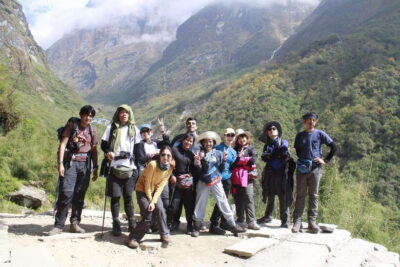
Annapurna Circuit Trek With Tilicho Lake :Best Trek in Nepal
Read our review →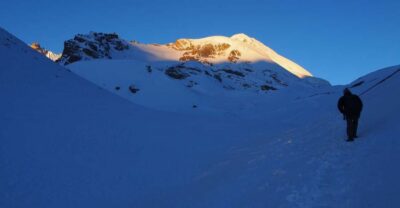
Browse the lists this tour appears in