Reviewed · HIKING & TREKKING
Everest Three Pass Trek
Everest Three Pass Trek is interesting because it stacks three high Himalayan passes in the Khumbu region, and that changes the whole game from a normal Everest foothills hike. You are not just walking for views, you are timing weather, managing altitude, and moving efficiently over snow and ice near 5000 m plus.
I love the included licensed English speaking guide and the fact that your trek food is handled with full-board meals in lodge stops. The main drawback to consider is simple: you really do need strong physical fitness, because three snow covered crossings over big altitude is not a casual step up.
Key things I’d circle before you go
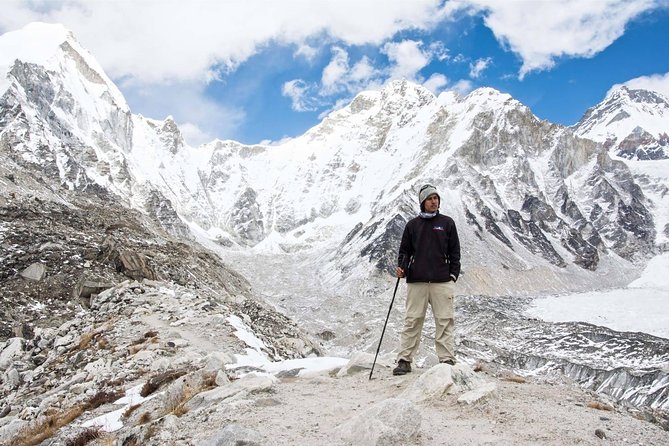
- Three-pass challenge in the Khumbu: Khongma La, Cho La, Renjo La, all over 5000 m.
- Air Kathmandu to Lukla and back: included flights reduce one big logistical headache.
- Full-board trekking meals: breakfast, lunch, dinner during the trek, so you are not hunting food daily.
- Permits included: Sagarmatha National Park fees and a TIMS card are part of the package.
- Down jacket and sleeping bag, if needed: you may avoid buying expensive gear before you fly.
- Guide and port support praised by name: people specifically call out care, professionalism, humor, and language help from guides like Jiban, Raman, Rabin, Raj, and Raji.
Three Passes: What the Everest Three Pass Trek Really Tests
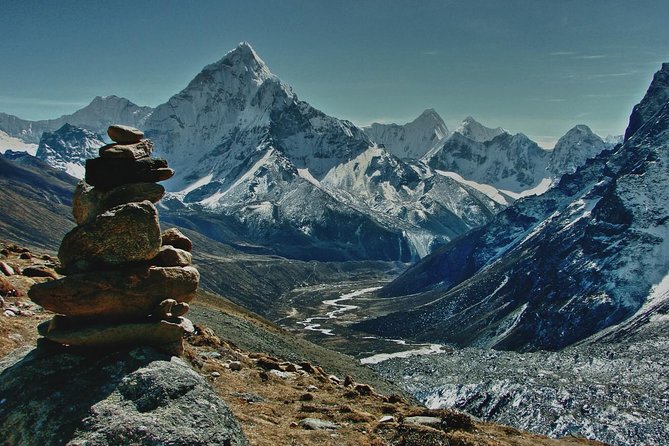
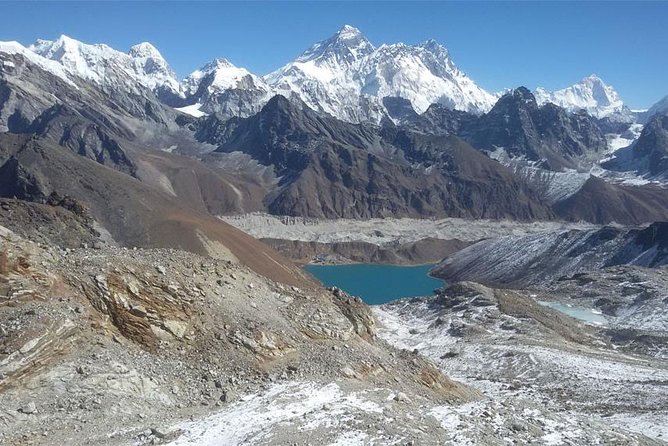
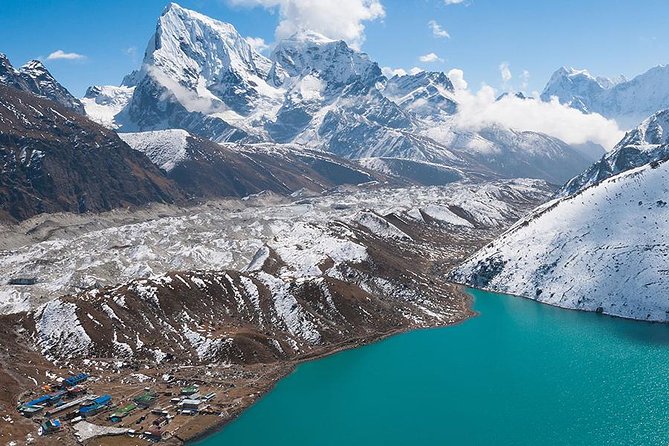
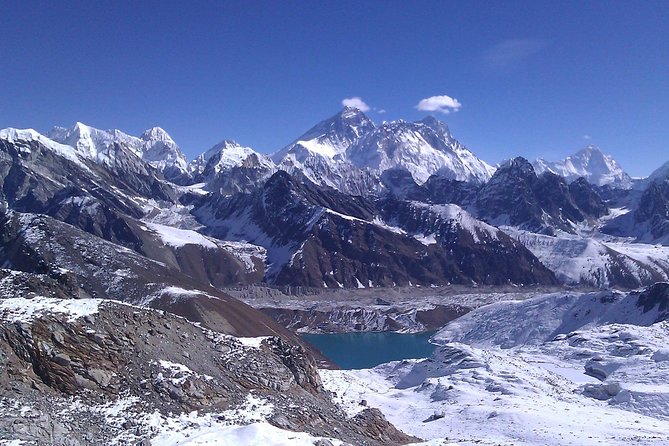
This trek’s headline is the three high passes. In the Khumbu region, you are looking at Khongma La (5555 m), Cho La (5330 m), and Renjo La (5345 m), each presenting a different mix of steep trail, thin air, and snow conditions.
Here is what that means for you in real life. Your pace will matter. Your footing will matter. And even your attitude matters. Multi-pass treks reward people who stay calm and consistent, because a pass-day plan can change with weather and trail conditions.
Also, the trip description flags these passes as snow-covered and puts them above 5000 m. That is the point where lungs start feeling like they are on a delayed timer. If you tend to push too hard early, you pay for it later. If you pace smart, you reduce drama.
More to compare around Kathmandu
- Everest Base Camp Trek – 14 Days
★ 5.0 · 1,499 reviews - Everest Base Camp Trek
★ 5.0 · 842 reviews - Private Kathmandu Sightseeing Tour | UNESCO World Heritage sites
★ 5.0 · 756 reviews
Kathmandu Start, Private Ground Transport, and the Lukla Flight Factor
Your trip begins in Kathmandu, with pickup and drop plus private-vehicle ground transport. You also get two nights standard hotel accommodation with breakfast in Kathmandu before you head out. That hotel time matters more than it sounds. You need a day to organize your layers, double-check your gear, and confirm your schedule without rushing.
Then you fly Kathmandu to Lukla and back. Since that airfare is included, you avoid the long grind of getting to the start area by land. It is also a big value point. Lukla flights are often the most expensive part of planning an Everest-region trek for many people, and this package includes it.
A practical note, based on common high-demand treks: flights can be weather dependent. The itinerary length and the included guide support help because your guide will handle the day-to-day adjustments you might face once you are in the mountains.
Lodges, Full-Board Meals, and Trek Days That Add Up
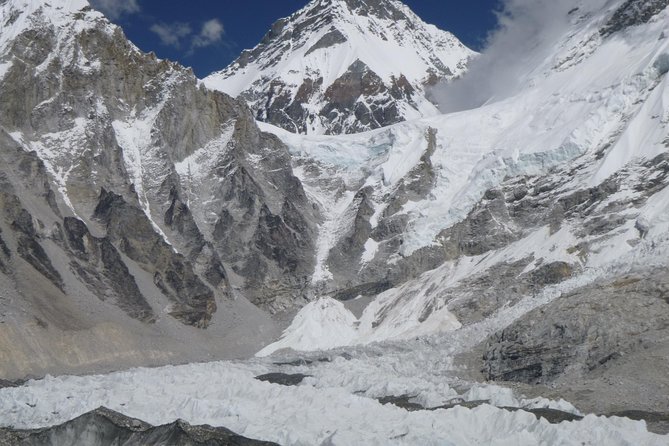
During the trek, you stay in twin sharing lodge accommodation and you get full-board meals, meaning breakfast, lunch, and dinner are included. For a long 17-day program, that is not just convenience. It affects your energy, your planning, and your stress level.
When you are tired, meal decisions are hard. Having the food part handled means you can focus on the job: walk, rest, hydrate, repeat. It also helps with budgeting. You do not need to estimate how much you will spend daily on food.
You should still plan as if you will need extra snacks. The package includes your main meals, but personal expenses like battery charges or hot showers are listed as not included. It is smart to bring a small stash of trail calories you like, because it is a lot easier to keep going when you know what you will eat.
Lodge life also means you will spend time managing warmth. Expect cold evenings. Even if the days are sunny, temperatures can drop fast at altitude. This is where the included gear can make a difference.
Pass-Day Reality Checks for Kongma La, Cho La, and Renjo La
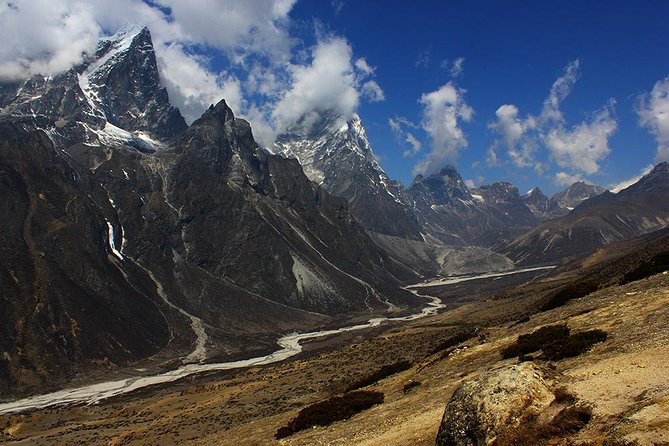
The core challenge is three snow-covered passes over big altitude. Even with a great guide, pass days are where you feel everything at once: fatigue, cold, and that slow altitude grind.
A different sort of day out of Kathmandu:
- Kathmandu: 7 UNESCO Sites with Lunch
★ 4.8 · 744 reviews - Everest Base Camp Helicopter Tour landing at Everest View Hotel
★ 5.0 · 668 reviews - Half day cooking class in Thamel kathmandu
★ 5.0 · 607 reviews - Everest Base Camp Trekking
★ 5.0 · 485 reviews
Khongma La (5555 m)
This is the highest named pass in the set you were given. Higher altitude usually means colder conditions and more intense breathing. If you tend to get impatient when you feel weak, this is where you need your patience most.
On a pass like this, the value of a licensed guide shows up. Your guide is there to keep you moving safely, pacing your effort so you can finish, and adjusting plans when conditions change. Strong communication is a big deal, and several reviews specifically highlight guide support and language help.
Cho La (5330 m)
This pass sits slightly lower than Khongma La, but it is still in the snow-covered, above-5000-m zone. Lower height does not automatically mean easier. Snow, wind, and trail shape are often just as challenging as altitude.
Cho La is also a mental checkpoint. After one big pass effort, you need to keep recovery smart so you are ready for the next crossing. With full-board meals and lodge stops, you are not left scrambling for nutrition.
Renjo La (5345 m)
Renjo La is high and close enough in altitude to Cho La to keep your altitude fatigue from fully disappearing. This is often the pass that tests whether your pacing habits earlier in the trek were good or sloppy.
By now, your rhythm should be established: consistent walking pace, steady hydration, and careful cold protection. The package includes a first aid medical kit, which helps you feel more grounded when you are operating at the edge of your comfort zone.
Permits and Fees You Should Not Have to Worry About
This is the kind of trek where paperwork matters. The package includes Sagarmatha National Park fees and TIMS card plus local government tourism fees. For you, that means fewer gaps in your planning and fewer surprises when you arrive.
It also means you can think about the trek instead of the forms. A TIMS card and park fees are not always the glamorous part of travel, but they are part of how the region stays regulated and how access works.
Licensed Guides, Real Support, and Language Help That Actually Matters
The most consistently praised part of this trekking experience is the people side. In the reviews, guides are mentioned by name: Jiban is thanked for support that went beyond expectations, and Raman is praised as professional, patient, knowledgeable, and good company. Rabin is singled out for humor and communication that made it easier to manage a first trek. Raj is noted as speaking Japanese very well, and Raji is described as Japanese fluent and helpful with advice.
Here is the practical value of that. A three-pass trek is stressful enough because of altitude and weather. Language barriers can add stress fast. When your guide can meet you where you are, you waste less time on misunderstandings. You also feel safer because you understand what is happening and why.
This package also includes a highly experienced, licensed and English speaking guide. Even if you are not an English speaker, having a guide with that ability can make coordination smoother, especially if your group includes people from different countries.
Also keep in mind: it is a private tour/activity. That means you are traveling with your group only, not mixing with strangers in the middle of a high-altitude challenge.
Gear: What’s Included, What You Still Need to Bring
One of the most useful inclusions here is down jacket and sleeping bag (if needed). If you are flying in without those pieces, that can save money and also save time. Cold nights at altitude can make you feel miserable fast, and having proper insulation matters.
But do not treat provided gear as a substitute for smart layering. You should still bring base layers and warm socks you trust. Cold protection works best when you can fine-tune it.
The package also includes a first aid medical kit. That helps, but it does not replace the need for your own safety planning.
Price and Value at $2,200: What’s Actually Covered
The price is $2,200 per person for roughly 17 days. For an Everest-region trek, that sounds like a lot until you break down what is included.
Here is what you do get:
- Flights Kathmandu to Lukla and back
- Private-vehicle airport pickup and drop plus ground transport
- Two nights in Kathmandu with breakfast
- Twin sharing lodge accommodation during the trek
- Full-board meals during the trek
- Licensed English speaking guide
- Sagarmatha National Park fees and TIMS card
- Down jacket and sleeping bag if needed
- First aid medical kit
- Government taxes and office service charge
Now the parts you do not get:
- Travel and rescue insurance (compulsory)
- Nepal entry visa fee
- Personal expenses like Wi-Fi, laundry, bar bills, battery charges, and hot showers
- Tips for guides and porters expected
So where is the value? It is in the combination of flights, food, guide, and permits. Many other tours force you to price those items separately. Here, they are bundled so you can see your total mountain budget upfront.
The one caution is that you are paying for a high-intensity trek. If you are not physically ready, you may feel miserable and the trip will cost you emotionally, not just financially.
Who Should Book This Trek, and Who Should Wait
This is for people with strong physical fitness. That phrase is doing a lot of work. Three passes at high altitude is not just about endurance. It is also about how you handle cold, fatigue, and slower breathing.
If you are new to trekking, it can still be possible, but you need to take the training seriously before you go. In the reviews, first-timers are mentioned, including a person who joined their first trek to Nepal and another who trekked with an 82-year-old mother on a Himalayan trekking experience. That is encouraging, but it does not mean the three passes are easy.
If you have medical conditions affected by altitude, you should talk to a travel doctor before booking. And since rescue and medical situations are not included beyond what is in the package, your insurance is not optional.
Should You Book the Everest Three Pass Trek With Adventure Bound?
Book it if you want a serious Everest-region challenge with real structure. You are getting the passes, lodge support, full-board meals, and a licensed English speaking guide, plus the permits and park fees handled. Based on the reviews, the support from guides and porters is a standout, including people who valued humor, patience, and language help.
Skip or postpone it if you do not have the fitness baseline yet. This is not the trek to try to build stamina mid-trip. It is also not the trek where you want to hope gear and weather will magically cooperate.
If you are ready, you will likely love how the trek rewards steady effort. Three passes is a blunt way to say it, but it is accurate. You come away with confidence, not just photos.
FAQ
How long is the Everest Three Pass Trek?
It is about 17 days.
Where does the trip start and end?
The experience is based in Kathmandu, Nepal, with airport pickup and drop included, and flights Kathmandu to Lukla and back.
What are the included high passes?
The trek includes three challenging high passes over 5000 meters in the Khumbu region: Khongma La (5555 m), Cho La (5330 m), and Renjo La (5345 m).
What is included in the trek cost?
Included items are airport pickup and drop and all ground transports in a private vehicle, two nights of standard hotel accommodation with breakfast in Kathmandu, airfare Kathmandu to Lukla and back, twin sharing lodge accommodation during the trek, full-board meals during the trek, a licensed English speaking guide, Sagarmatha National Park fees and TIMS card, local government tourism fees, down jacket and sleeping bag if needed, a first aid medical kit, and government taxes and office service charge.
What is not included?
Not included are travel and rescue insurance, Nepal entry visa fee, personal expenses such as Wi-Fi, laundry, bar bills, battery charge, and hot shower, and tips for guides and porters.
Do I need travel and rescue insurance?
Yes. Travel and rescue insurance is compulsory, and it is not included in the tour price.
Is this a private tour?
Yes. It is a private tour/activity, and only your group will participate.
Latest Kathmandu write-ups
- Langtang Valley Trek★ 5.0 · 3 reviews
- Khopra Danda Trek★ 5.0 · 3 reviews
- Langtang Valley Trek from Kathmandu★ 5.0 · 3 reviews
- 5 night / 6 days Kathmandu Nagarkot Chitwan Pokhara tour★ 5.0 · 3 reviews
- Nepal Highlights Tour: 5 Nights 6 Days Kathmandu & Pokhara Tour★ 5.0 · 3 reviews
- Kathmandu Valley Private Day Tour★ 5.0 · 3 reviews
- Conquer the Himalayas: The Ultimate 16-Day Annapurna Circuit Trek★ 3.5 · 3 reviews
- Kathmandu Heritage Day Tour★ 5.0 · 3 reviews
Hiking & Trekking, compared.