
Upper Mustang has a rare mix of Tibetan-influenced culture and harsh, beautiful terrain, plus a smart start with Kathmandu Valley UNESCO sightseeing. You get the sense you are heading toward a place that still feels off the main tourist highway, with remote villages and monastery life along the route.
I really like that the itinerary pairs major cultural stops with walking time, so you reach Lo Manthang and its monasteries and caves, not just quick photo breaks. I also like that the trek is supported by a government-licensed Sherpa guide, with permits, meals, and trekking lodging handled as part of the plan.
One thing to consider is the cost of getting access to Upper Mustang. Even with the package, the overall permit burden can feel heavy, and some people flag that as the toughest part of the trip.
Key highlights you should care about
- Government-licensed Sherpa guidance with route know-how and real-world problem solving from the team
- Desert-like Upper Mustang terrain in the Dhaulagiri and Annapurna rain shadow, often called the mountain desert
- Walking by the Kali Gandaki River with striking views of Mt. Dhaulagiri and Mt. Annapurna (and more)
- Lo Manthang monasteries and caves plus daily life shaped by Tibetan culture
- Muktinath Temple, important for both Hindu and Buddhist pilgrims
- Flight from Pokhara to Jomsom to put you on trek sooner, with the rest built around villages like Kagbeni, Chhuksang, and Chele
Upper Mustang, the Last Forbidden Kingdom, and why this route works
Upper Mustang is one of those places where geography explains culture. It sits in the rain shadow of the Dhaulagiri and Annapurna ranges, so instead of lush valleys you get desert-like stretches, eroded cliffs, deep canyons, and wide mountain views. Long ago, salt caravans also crossed these Himalaya routes, and that trade history helped shape the region’s importance and isolation.
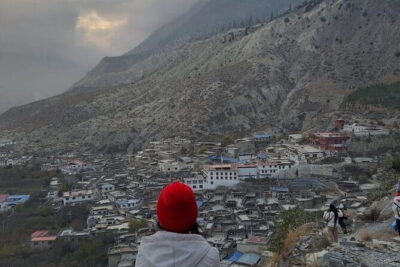
That is why this trek feels more like a cultural journey than a standard hike. You are walking through ancient villages such as Kagbeni, Lo Manthang, Jomsom, Chhuksang, and Chele, and the daily rhythm you see along the way is heavily Tibetan in look and lifestyle. You’ll also be following the Kali Gandaki River corridor, which is one of the better ways to keep consistent views while moving through remote country.
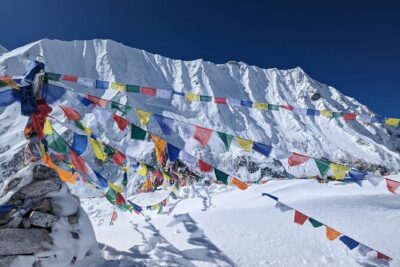
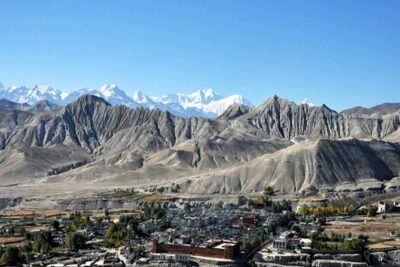
For mountain lovers, the view potential is a big deal. The route is set up so you repeatedly see peaks like Mt. Dhaulagiri, Mt. Nilgiri, and Mt. Annapurna. On top of that, the terrain description includes deep canyons, waterfalls, and cliffy sections, so the scenery stays varied even when the ground looks dry and barren.
More of Mustang and the Kali Gandaki:
- Upper Mustang Classic Trek with Local guide
★ 5.0 · 15 reviews - Jeep Trip to Upper Mustang
★ 5.0 · 10 reviews - Lower Mustang Motorbike Tour -8 Days
★ 5.0 · 9 reviews
Kathmandu Valley UNESCO time, then west to Mustang
Before you head toward Upper Mustang, you get a half-day sightseeing tour of Kathmandu Valley’s UNESCO World Heritage Sites. This is a good use of time because it places the trip in context. Kathmandu is where many logistics and cultural threads come together, and even a short orientation helps you start the trek feeling less lost.
You also get a 3-star hotel in Kathmandu, and pickup is offered. You are given a mobile ticket, and you are staying close enough to public transportation that you are not totally stuck if you want to grab something quick on your own.
Is a half-day enough to do Kathmandu justice? No, but it is practical. It gets you the UNESCO highlights and gets you moving toward Pokhara and then Mustang without turning the first days into a marathon. If you prefer a slow, days-on-end city immersion, you might want a longer Kathmandu add-on. If you want the trek to be the main event, this setup makes sense.
Kathmandu to Pokhara by bus, then a flight to Jomsom
The route moves to Pokhara by tourist bus. This part matters more than it sounds. A bus day is a low-stress way to shift gears from city to adventure, and it also keeps the trip from feeling like you are constantly sprinting between flights.
From Pokhara, you’ll take a scenic flight to Jomsom. This is one of the most practical decisions in the whole plan, because it reduces the amount of overland time you spend before reaching the Mustang side of the journey. It also helps you avoid turning the start of the trekking portion into a long grind before the landscapes and culture really kick in.
One note: this experience requires good weather. Flights in particular can be sensitive, so if skies are bad you may have adjustments. The upside is that the trip is built around a flight, so when weather cooperates you lose less time to transport friction.
Trekking by the Kali Gandaki River: Kagbeni, Jomsom, Chhuksang, Chele
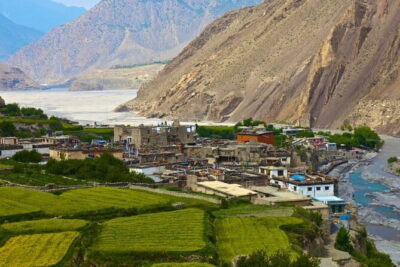
Once you are on trek, the overall character is clear. The walking journey passes through a chain of ancient villages and terrain that can feel like a mountain desert: dry, dramatic, and shaped by erosion over long time frames.
You will walk through places like Kagbeni, then further along through Jomsom, Chhuksang, and Chele. The description of what you see along the way includes deep canyons, eroded cliffs, waterfalls, and mountain valley scenes. Even if some days feel quieter and more about endurance than views, the route is positioned to keep you looking outward because you are traveling along the side of the Kali Gandaki River corridor.
This is also where the “Last Forbidden Kingdom” vibe becomes real. You’re not just passing by roadside towns. These are older settlements with distinct cultural variety, and you’ll feel the remote nature of Upper Mustang in the way the villages sit against the hills.
Comfort-wise, the plan includes accommodation during trekking in tea houses or camping, plus breakfast, lunch, and dinner. That is a big value point. In remote trekking areas, finding and paying for meals and beds on your own can turn into hassle fast. Here, your guide and team handle those daily needs, so you can focus on walking and adjusting.
The itinerary is listed as suitable for people with moderate physical fitness. That is the right label for Upper Mustang: you don’t need to be an ultra-athlete, but you do need to be comfortable with sustained walking over rough mountain terrain.
More to compare around Kathmandu
- Everest Base Camp Trek – 14 Days
★ 5.0 · 1,499 reviews - Everest Base Camp Trek
★ 5.0 · 842 reviews - Private Kathmandu Sightseeing Tour | UNESCO World Heritage sites
★ 5.0 · 756 reviews - Kathmandu: 7 UNESCO Sites with Lunch
★ 4.8 · 744 reviews
Lo Manthang: monasteries and caves plus real Tibetan-influenced life
If Upper Mustang has a headline, it is Lo Manthang. This walled-in-feeling, Tibet-shaped world gives you the sense you are stepping into a place that has been culturally shaped by distance.
In this trek, you do not just reach Lo Manthang and move on. You’ll spend time visiting monasteries and the caves in the area. That matters because monasteries are where you see how beliefs show up in daily routines, building styles, and community life. Caves add another layer, making the region feel older and more carved out of the mountains than just another set of tourist viewpoints.
Lo Manthang is also a strong contrast to the barren desert terrain. Even when the ground looks harsh, the human layer is distinct. You’ll see a way of life with high Tibetan influence, including religious practices and architecture styles that feel consistent across the region.
The practical takeaway for you: go slower than your instincts. People rush through because they think they need to “cover” everything. With monasteries and caves, take the time to look up, look around, and notice details. You’ll get more satisfaction that way, and it helps the day feel less like a checklist.
Muktinath Temple: the Hindu and Buddhist pilgrimage connection
A highlight that deserves space is Muktinath Temple. This is identified as an important pilgrimage site for both Hindu and Buddhist visitors. That shared importance is one of the reasons Upper Mustang stands out culturally.
When a single place matters to more than one faith, it often means the region’s cultural story is not a simple one. Instead, you see overlap in how people travel, pray, and treat the landscape around sacred sites. In practical terms, it also means you may encounter pilgrims moving with purpose through areas you might otherwise treat like just scenic stops.
This is the kind of moment where the trek becomes more than scenery. You’ll get the sense that Upper Mustang is not a theme park. It is a living destination for worshippers, families, and travelers who treat these places as part of their spiritual calendar.
Permits, meals, tea houses, and what’s handled for you
This package is very clear about what it covers. During your trek, you get accommodation in tea houses or camping, plus breakfast, lunch, and dinner. You also get the core access paperwork: ACAP (Annapurna Conservation Area Permit), TIMS, and a Restricted Area Permit.
That trio of permits is the backbone of getting into the region responsibly and legally. It also affects cost, because these are not optional extras in places like Upper Mustang. The upside for you is less administrative stress once you arrive in Nepal. Your team is handling what your trip needs to stay properly run and compliant.
Drinks are not included, and monument fees are not included. That means you should budget for the occasional small payment if you enter specific sites that charge admission, or if you want soft drinks along the trek.
Another practical detail: rescue assistance is mentioned as part of the plan, tied to your travel insurance. Also, insurance for the guide and porter is included, and government taxes are covered. If you like knowing your trip is structured, these inclusions reduce the chance of annoying last-minute surprises.
Guide and team: why Mani, Ganesh, Sudan, and Sudm show up in good outcomes
The plan includes a professional Sherpa guide with a government license, and it is a private tour, so you are not being shuffled around with strangers.
People often talk about guides in two ways: competence and calm. In this trek, the names that show up in strong trip memories include owner Mani, guide Ganesh, and porters Sudan and Sudm. Ganesh is described as professional, route-smart, and good at keeping the energy up during trekking days. Sudan and Sudm get praise for helping solve issues quickly, with a warm, family-like approach.
Even if the exact team composition varies, the key point for you is the structure. A licensed guide means better decision-making when weather shifts, when conditions change, or when routes require local knowledge. And a portering team that communicates well means your walking days are more manageable, because you are not fighting logistics on top of the trail.
Also, the company notes requests are handled with flexibility, and some travelers reported getting accommodations better than originally asked for. That is not something you should assume every time, but it does signal that the team pays attention to comfort details when possible.
Value check for $1,476.93 per person: what you are really paying for
The price, $1,476.93 per person, may look like a big number until you see how much is inside the package. This is not just a guided walk with a hotel thrown in.
Your included items cover:
- Kathmandu hotel stay and a half-day UNESCO sightseeing tour
- Bus transfer Kathmandu to Pokhara
- Flight ticket Pokhara to Jomsom
- Trekking lodging (tea houses or camping)
- Meals: breakfast, lunch, dinner
- Guide with government license
- Permits: ACAP, TIMS, Restricted Area Permit
- Government taxes
- Insurance for the guide and porter, plus rescue assistance linked to travel insurance
When you add up permits, a licensed guide, remote lodging, multiple meals, and the key flight component, the cost looks less like a markup and more like paying for a fully assembled route in a tightly regulated region.
The possible drawback, as mentioned earlier, is that restricted access comes with a steep permit load. Some people feel that sticker shock. If you are sensitive to costs that do not translate into visible things like nicer rooms or more comfort, this part can be frustrating.
On the other hand, you are buying entry into a remote cultural world with structure and safety support. For many people, that is exactly the value they want.
Who this Upper Mustang trek is best for, and who should reconsider
You’ll likely be happiest on this trek if you:
- Want a Tibetan-influenced culture and lifestyle experience, not just mountain photos
- Like walking between small historic villages such as Kagbeni, Chhuksang, and Chele
- Care about sacred sites like Lo Manthang monasteries and caves and Muktinath Temple
- Are comfortable with moderate physical fitness demands on a remote route
You might reconsider if:
- You dislike cold, dry, desert-like terrain and want the lush green kind of trekking (Upper Mustang is described as a mountain desert)
- You have strict expectations about exact daily schedules and would rather pick every stop yourself
- You feel strong resistance to paying for a restricted-area permit system
Also remember the trip requires good weather. If you are traveling at a time when clouds and storms are likely, you should be mentally ready for weather-driven changes.
My booking advice: should you book this Upper Mustang trek?
If your dream is to see a corner of Nepal that feels shaped by Tibetan history, and you want the route handled end-to-end with the permits, flights, lodging, and meals already planned, this is a strong choice. The combination of Kathmandu UNESCO context, Pokhara logistics, a flight into Jomsom, and then village-to-village trekking toward Lo Manthang and Muktinath hits a lot of the right notes for the right kind of traveler.
Book it now if you want structure and support more than improvisation. Choose it even if the permit cost stings a bit, because access is the whole point here.
Skip or rethink it if your priorities are mostly comfort upgrades or low-cost travel. This trek is set up as a serious, regulated cultural journey, and the price reflects that reality.
FAQ
When does the tour start?
The start time is 9:15 am. Confirmation is received at booking, and the meeting point is stated as near public transportation.
How long is the Upper Mustang trek?
The duration is listed as 17 days (approx.).
Where does the tour begin?
The tour is listed as starting in Kathmandu, Nepal.
What transportation is included to reach Jomsom?
You get Kathmandu to Pokhara by tourist bus, and you get a flight ticket from Pokhara to Jomsom.
Is a guide included?
Yes. A professional Sherpa guide with a government license is included.
What permits are covered in the price?
The included permits are ACAP (Annapurna Conservation Area Permit), TIMS, and a Restricted Area Permit.
What kind of lodging do you get during the trek?
Trekking accommodations are included as tea house or camping.
What meals are included during the trek?
Breakfast, lunch, and dinner are included during the trekking portion.
What is not included?
Lunch and dinner in Kathmandu and Pokhara are not included, along with any drinks, any monument fees, personal expenses, and tips.
What is the cancellation policy?
Free cancellation is available if you cancel up to 24 hours in advance for a full refund. The experience also requires good weather, and if it is canceled due to poor weather you will be offered a different date or a full refund.
Latest Kathmandu write-ups
- Langtang Valley Trek★ 5.0 · 3 reviews
- Khopra Danda Trek★ 5.0 · 3 reviews
- Langtang Valley Trek from Kathmandu★ 5.0 · 3 reviews
- 5 night / 6 days Kathmandu Nagarkot Chitwan Pokhara tour★ 5.0 · 3 reviews
- Nepal Highlights Tour: 5 Nights 6 Days Kathmandu & Pokhara Tour★ 5.0 · 3 reviews
- Kathmandu Valley Private Day Tour★ 5.0 · 3 reviews
- Kathmandu Heritage Day Tour★ 5.0 · 3 reviews
- Conquer the Himalayas: The Ultimate 16-Day Annapurna Circuit Trek★ 3.5 · 3 reviews
Upper Mustang Trek, compared.
2-Day Scenic Mustang Tour: Pokhara to Jomsom, Kagbeni & Muktinath
Read our review →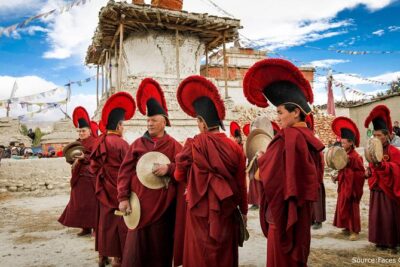
6 Day Upper Mustang Tour by 4WD Jeep from Pokhara
Read our review →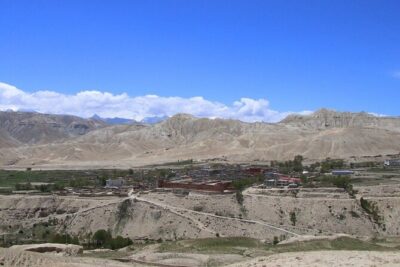
Browse the lists this tour appears in