
Reviewed · MOMO MAKING CLASSES
Kathmandu: Local Women-Led Nepali Cooking & Momo Class
This Kathmandu class is interesting because you start with a market run and end by eating a meal you actually cooked, in a clean studio kitchen. I like the small group size, so the teaching stays practical, not crowded or rushed.
I also love the focus on momo and dal bhat, with options to add other Nepali favorites you can tailor to your tastes. One thing to consider: it is not suitable for wheelchair users, and the class is designed for active participation in cooking and prep.
Key highlights you should know
- Market shopping first so you understand ingredients like spices, vegetables, and meat choices before the stove starts
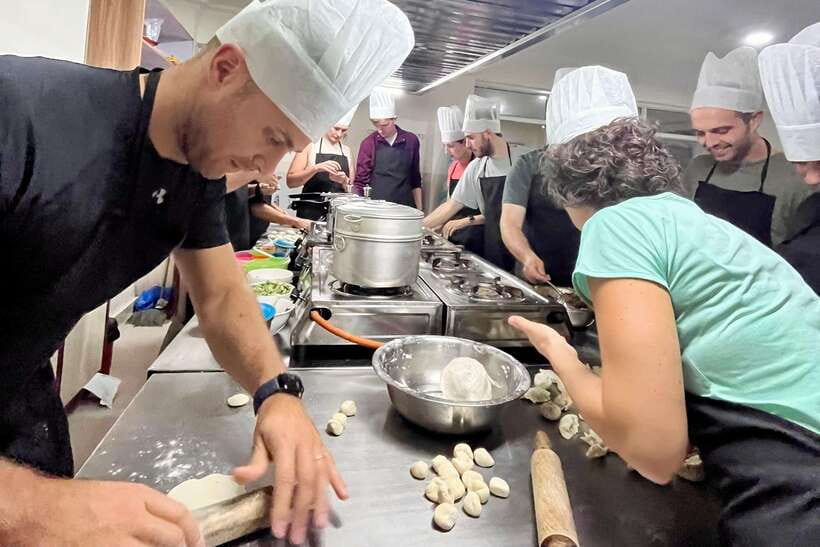
- Hands-on momo making with step-by-step guidance, not just a demo
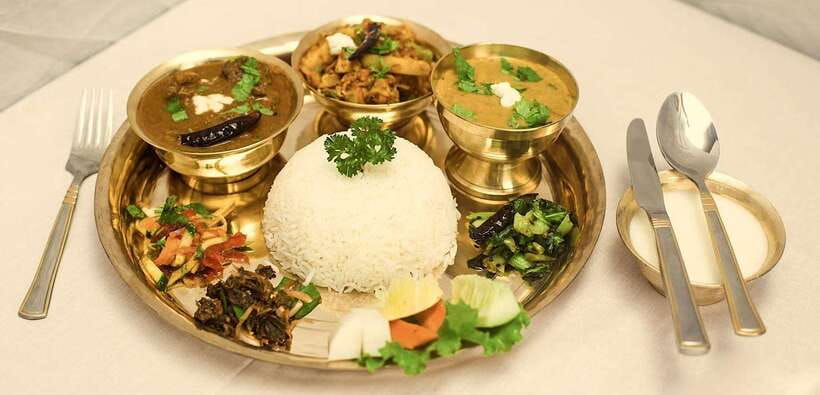
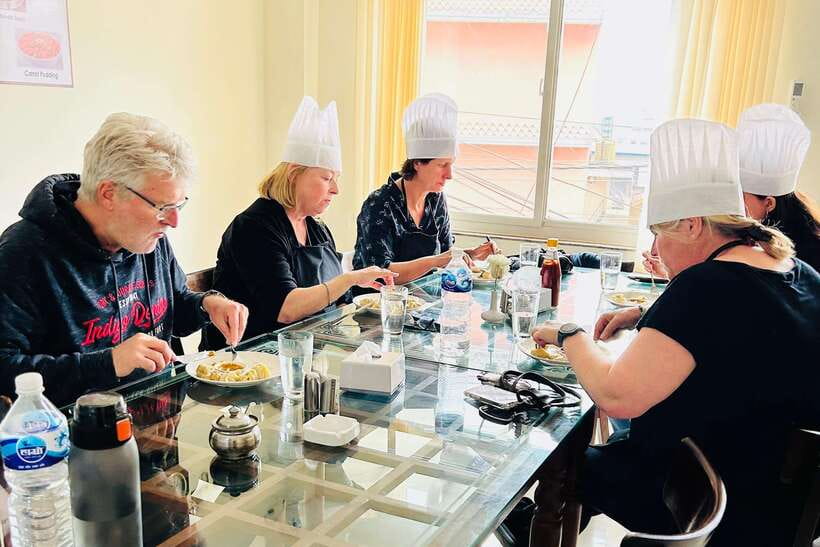
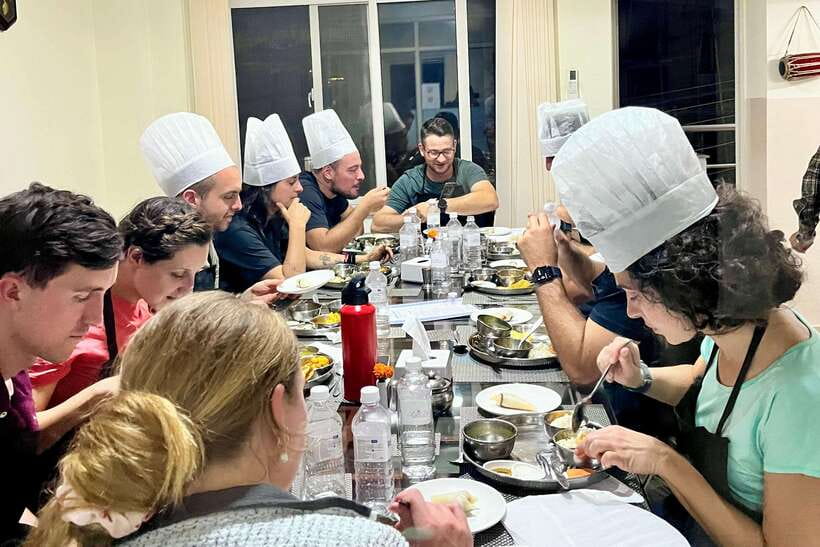
- Your meal is the lesson, typically a Nepali lunch or dinner you cook and then taste right away
- Options beyond the basics, including favorites like Bara, Yomari, Chatamari, Thukpa, and choila (depending on your selections)
- English instruction with a small group feel, usually limited to 10 participants for more personal help
Why a Thamel market-and-momo format makes sense
Kathmandu food can feel complicated if you only eat out. This workshop helps you connect the flavors on the plate to the choices behind them. You see ingredients up close, then you use them in dishes the way Nepali home cooks do.
In practice, that order matters. Markets teach you what to buy and why, and the kitchen time shows you how flavors come together. By the end, you are not just eating Nepali food, you are understanding it.
More Cooking Classes in Kathmandu
- Kathmandu: Local Women-Led Nepali Cooking & Momo Class
★ 4.9 · 360 reviews - Kathmandu: Local Women-Lead Nepali Cooking & Momo Class
★ 4.9 · 45 reviews - Kathmandu: Local Lead Nepali Cooking & Momo Making Class
★ 4.9 · 40 reviews
Price and what you really get for about $9
The headline price is around $9 per person, which is unusually low for a class that includes shopping, instruction, equipment, and a meal. The real value is that you are paying for a full experience, not a quick tasting.
You get:
- A market or shop tour to buy key ingredients
- Step-by-step cooking with an experienced chef and instructor
- Use of cooking gear and accessories
- A tasting session of what you prepared
- Nepali masala tea during the lesson
- Optional hotel pickup and drop-off if you choose that add-on
If you normally spend more just to eat a good meal in Kathmandu, this offers a strong “learn and eat” payoff.
Before you go: timing, meeting point, and what to wear
Plan for about 3 hours for the core experience. The activity can run 2 to 4 hours depending on the starting time, so check availability for your slot.
Meet in Thamel, and if you selected pickup, you will be collected from your Kathmandu location. Arrive about 15 minutes early. That buffer keeps things calm when you are walking, shopping, and changing into cooking mode.
Wear comfortable clothes you can move in. You will get aprons and equipment, but you still want sleeves you can handle near steam, spice, and hot pans. Bring a camera if you want photos of the process and final plates.
The Thamel studio stop: choosing dishes and getting to work
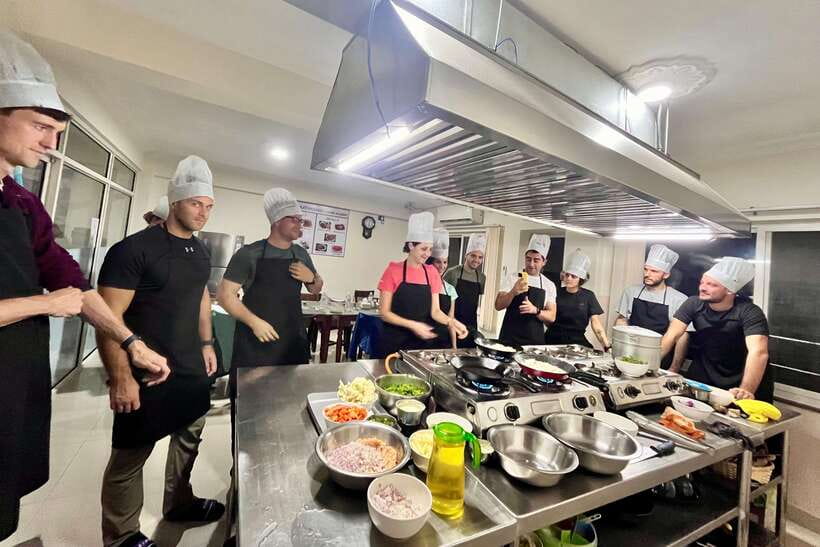
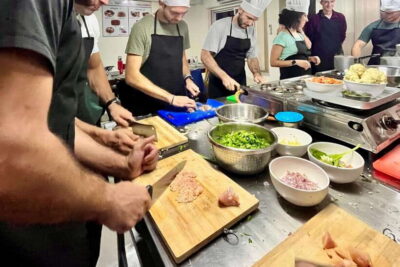
Once you are in the cooking space, you usually start with tea and a quick setup. Then you choose what you want to cook, and the class organizes itself around your picks.
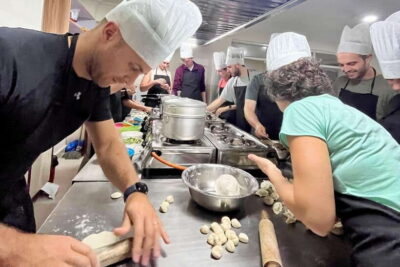
A big reason this class earns high marks is how hands-on it stays. You are not only chopping and mixing while someone else does the important parts. The chef and team guide techniques, but you are doing the work.
Depending on the group menu choices, you may work through a full set that can include:
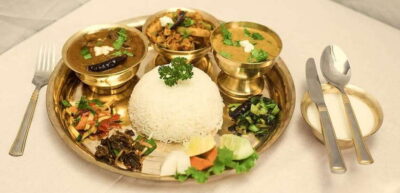
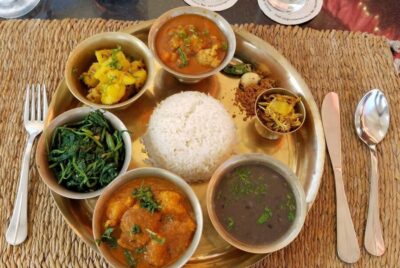
- A main dish like dal bhat (rice plus lentil curry)
- Momo (dumplings), either chicken or vegetarian filling
- A second savory item like Bara or roti-based dishes
- A dessert such as Yomari or carrot pudding style sweets
Some classes feel like a “mini course” because you end up preparing enough food for a real lunch or dinner, not just one snack.
More Momo Making Classes in Kathmandu:
- Kathmandu: Traditional Momo Making Class & Pickup
★ 4.8 · 60 reviews - Kathmandu: Women-Led Cooking Class & Momo Making-Local Taste
★ 4.8 · 15 reviews - Kathmandu: Momo Making Class with a Local Chef
★ 5.0 · 3 reviews - MoMo or Dal Bhat Cooking Class at Aama Kitchen in Pokhara
★ 4.9 · 28 reviews
The market walk: where flavor starts
Before you cook, you head out to pick ingredients. This is not random shopping. The goal is practical: spices, vegetables, and any meat ingredients you choose for your dishes.
That market time helps you avoid a common travel-food mistake. If you only buy what looks familiar, you miss the flavors that make Nepali dishes taste Nepali. The market visit gives you a sense of what matters, like spice types and ingredient textures, so you can follow recipes later.
You also learn a bit about how Nepali cooks think about seasoning and balance. Even if you do not speak much Nepali, you will come back with names, looks, and basic logic you can use at home.
Cooking time: dal bhat, momo, and the techniques you can reuse
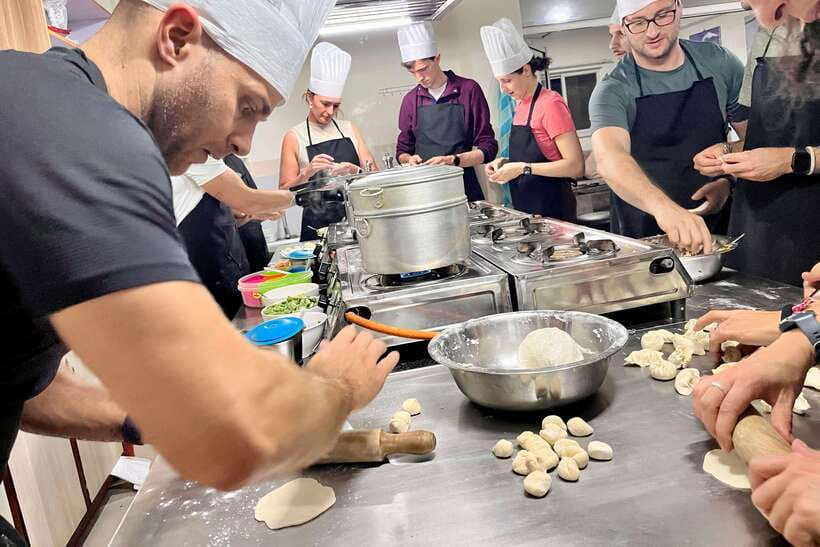
The class structure gives you a strong base. Dal bhat teaches you how to build a lentil curry that tastes warm and comforting rather than flat. You learn the sequence of cooking so the flavors have time to develop.
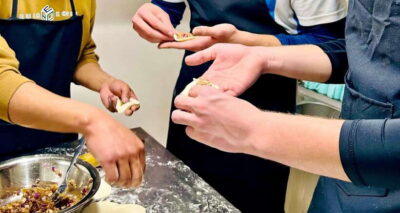
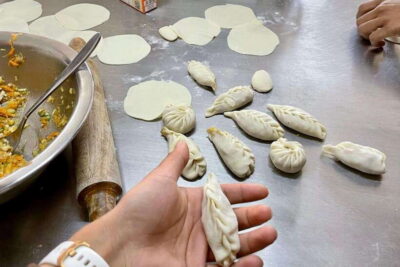
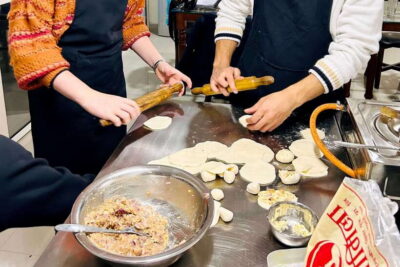
For momo, you learn the full process. That includes working with wrappers, shaping, and understanding how different fillings affect the final bite. Multiple cooks in the past have mentioned they learned momo designs and how to work step-by-step, with the chef staying patient when hands get a little clumsy.
If Chef Bikram is teaching, you may see why people highlight his patience and clarity. The same goes for the overall team, including hosts like Kamal who help organize shopping and prep so you can focus on cooking.
The menu extras: what you might add beyond the core dishes
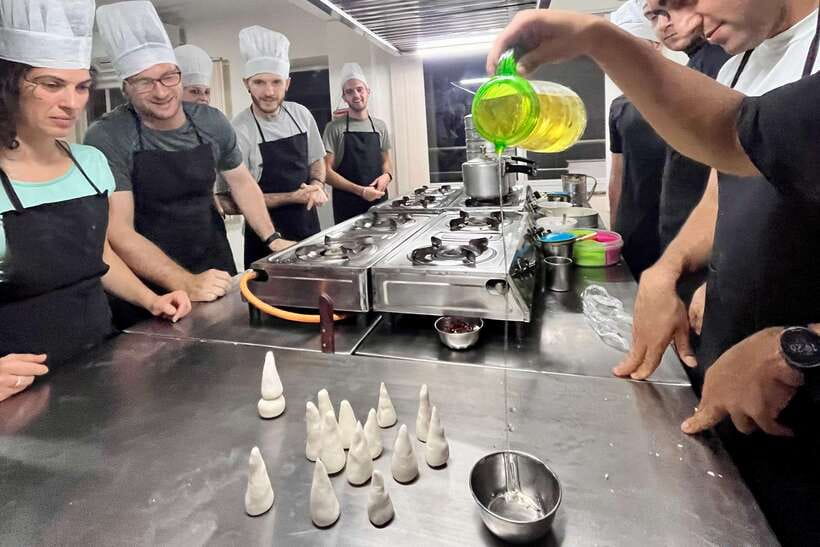
Most classes have momo and dal bhat as the center, but you can typically choose additional items. Here are examples of what you may encounter, either as separate dishes or parts of your set:
- Bara: deep-fried lentil patties with a crisp outside and tender inside
- Yomari: a sweet dumpling filled with jaggery and sesame seeds
- Chicken curry and roti: aromatic, spiced chicken with roti on the side
- Chatamari: a flatbread sometimes called the Nepali pizza, topped with ingredients
- Thukpa: a hearty noodle soup with roots in Tibetan cuisine
- Mushroom choila: spicy marinated mushroom dish that leans hard into spices
- Carrot pudding style dessert: a sweet ending with Nepalese flavors
Even when you choose vegetarian, you still get a full arc of flavors, textures, and seasoning styles.
A practical note: the class can be more than one dish in one session because groups often cook enough food for everyone to eat comfortably. You will not feel like you are just nibbling.
Masala tea, snacks, and dessert, Nepal-style
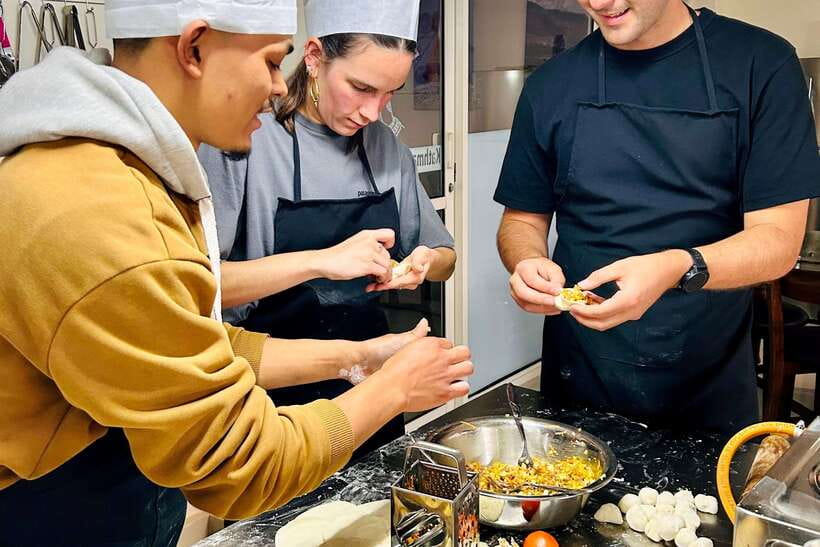
Nepali meals are rarely all savory with no punctuation. You get masala tea during the lesson, which helps reset your palate between tasks. It also gives you a reference point for how spices show up in drinks, not only in curries.
Dessert choices commonly include Yomari or carrot-based sweets. Sweet dumplings like Yomari are fun because they give you that contrast between dough, filling, and the deep caramel-like flavor from jaggery.
Some groups also report extra snacks like peanut sadeko, served along the way. You should treat that as a nice bonus, not something you should plan your day around.
Small group teaching: how the class stays friendly and focused
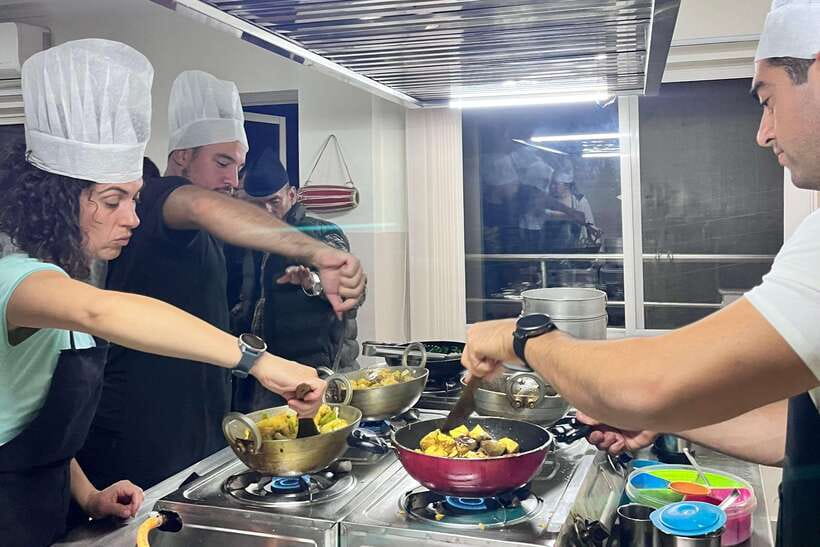
Classes are limited to 10 participants, and that matters. In a smaller group, the chef can check your technique and answer questions without shouting over chaos. It also makes it easier to get practical help if your momo folding is… creative.
English instruction helps you follow steps and learn the logic behind ingredient choices. If you are shy, you can still participate by doing the cooking tasks, and you will usually be able to learn even without heavy conversation.
Also, the kitchen is described as very clean and well organized in multiple experiences. That matters for comfort and for food safety, especially when you are handling raw ingredients and spices in a shared space.
Going home with skills, not just photos
You do not leave empty-handed. You leave with techniques and a mental recipe map. If you want a written guide, you can request a recipe book PDF via WhatsApp after the class. Physical recipe books may be available for purchase at an additional cost.
That’s the practical part. If you only take pictures, you still have to guess spice amounts and timing. The recipe PDF helps you recreate what you made, at least in spirit.
A camera is useful, but I’d prioritize mentally noting textures and cooking stages. Momo wrappers, lentil thickness, and how a curry smells when it is ready are the kind of details that make your at-home results better.
Who this class is for, and who should consider another plan
This workshop is ideal if you:
- Want a hands-on introduction to Kathmandu food
- Like learning by doing, not only watching
- Are a beginner cook or an intermediate cook who wants structured technique
- Want a cultural food experience with market context
It also works well for families and mixed groups, as long as everyone is comfortable working in a kitchen and standing for the session.
It may not be a fit if you need wheelchair access or if you have visual impairment needs, since it is not listed as suitable for wheelchair users or visually impaired people.
If you only want a quick meal without cooking, you might prefer a restaurant. But if you want the “how” behind Nepali flavor, this class gives it to you.
Should you book this Kathmandu momo and Nepali cooking class?
Book it if you want real skill for a low price, with a market visit, clear instruction, and enough food to feel like you had an actual meal. The combination of shopping, cooking, and tasting is the whole point, and it is exactly what makes the value strong.
Consider skipping if you want a more passive experience, or if you cannot comfortably participate in hands-on cooking. Also, check your time slot carefully since starting times vary and the class may run up to 4 hours depending on the schedule.
If your plan is to eat your way through Kathmandu and you also want to bring one useful thing home, this is a smart bet.
FAQ
How long is the Kathmandu local Nepali cooking and momo class?
The experience runs about 3 hours, including a market visit, cooking session, and meal tasting. The total duration can be 2 to 4 hours depending on the starting time available.
Where does the class start in Kathmandu?
The cooking class is centered around Thamel. The meeting point can vary by option, and pickup may be available from within Kathmandu if you select that service.
Is the class taught in English?
Yes. Instruction is in English.
What dishes does the class focus on?
The class focuses on momo and dal bhat as main dishes. You can also select additional Nepali dishes as options.
Does the class include a market visit?
Yes. You go to local shops or market stands to buy ingredients for the class.
What is included in the price?
Included are cooking with step-by-step instructions, an experienced chef and instructor, market or shop tour for ingredients, use of cooking equipment, tasting of what you make, and nepali masala tea. Optional hotel pickup and drop-off are also included if you choose that option.
What should I bring?
Bring a camera. You should also wear comfortable clothing for cooking, since you will be working in the kitchen.
Can I request a recipe after the class?
Yes. After the class, you can request a PDF recipe book via WhatsApp. Physical books may be available for purchase for an additional cost.
What about dietary restrictions?
You should let the team know in advance about any dietary restrictions or preferences so they can accommodate choices during the class.
Is the class suitable for wheelchair users or visually impaired people?
No. It is not listed as suitable for wheelchair users or visually impaired people.
Latest Kathmandu write-ups
- 16 Days Island Peak Climbing With Everest Base Camp Private Trip★ 5.0 · 3 reviews
- Everest Base Camp Trekking 16 Days★ 4.0 · 7 reviews
- 15 Days Round Annapurna Trek with Poon Hill from Pokhara★ 5.0 · 5 reviews
- Private Nepal round trip including Ghorepani Poonhill trek★ 5.0 · 3 reviews
- 14 Days Luxury Annapurna Base Camp Trek★ 5.0 · 6 reviews
- Everest Base Camp Trek★ 5.0 · 32 reviews
- Everest Base Camp Trek★ 5.0 · 87 reviews
- Everest Base Camp Trek★ 5.0 · 97 reviews
Momo Making Classes, compared.
MoMo or Dal Bhat Cooking Class at Aama Kitchen in Pokhara
Read our review →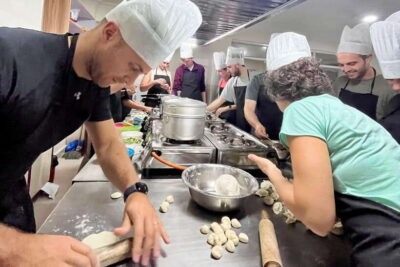
Browse the lists this tour appears in