
Reviewed · MOMO MAKING CLASSES
Kathmandu: Local Women-Lead Nepali Cooking & Momo Class
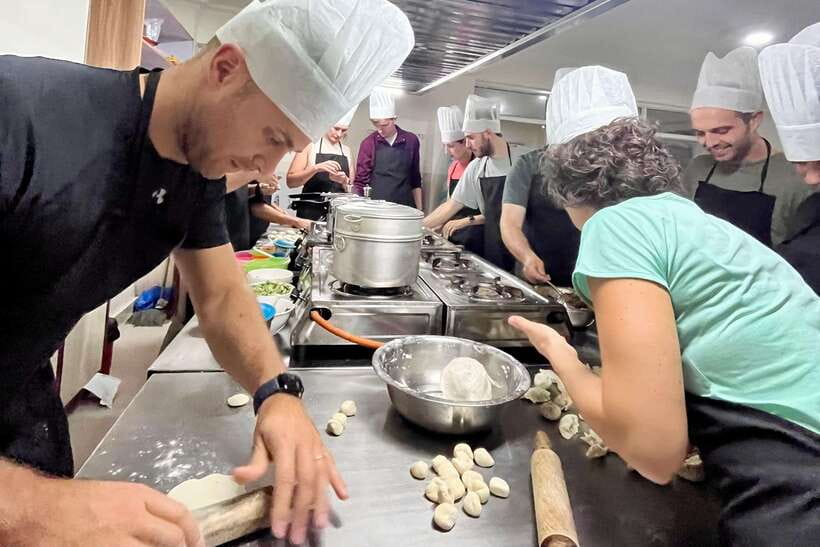
Kathmandu has no shortage of food spots, but a local women-led Nepali cooking class is a different kind of tasty education, because you learn how the dishes come together. I like that you start with a local market tour to choose ingredients and I like the hands-on momo coaching, not just watching someone else cook. One consideration: hotel pickup is optional, so if you don’t select it you’ll need to make your own way to the Kathmandu Cooking Academy in Thamel.
A big part of the fun is that you’re not stuck in a huge group. The class is limited to 10 participants, and instruction is in English, so questions actually get answered. You also get complimentary Nepali masala tea, and the cooking teams seem ready to adjust based on what you want, including vegetarian preferences and spice level.
Key highlights you will feel right away
- Market first, recipes after: you shop for important ingredients before you cook, so the flavors start with fresh choices.
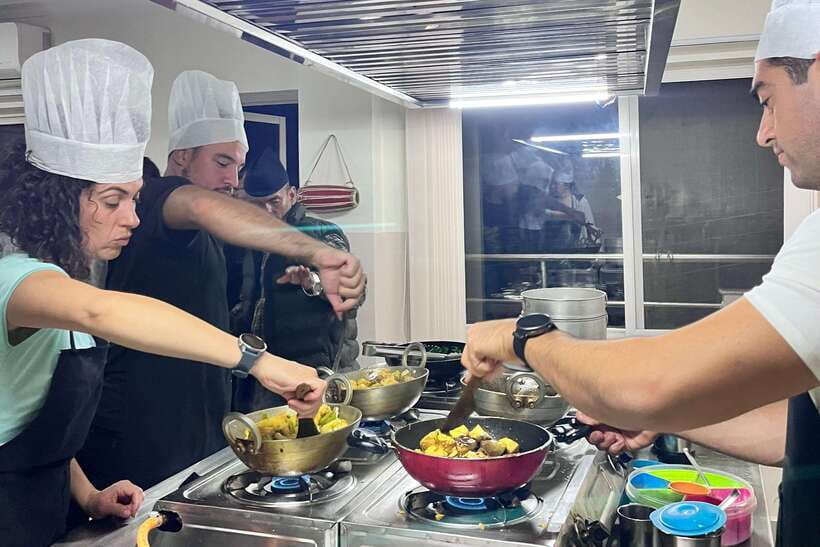
- Momo and dal bhat are the core: the class focuses on both, with step-by-step guidance and all cooking equipment provided.
- You choose more than just the main dishes: you can pick an additional dish for a fuller meal, plus you’ll finish with a dessert. Options can include items like aloo chop, mushroom choila, and barra.
- Spice and dietary needs can be accommodated: tell them about restrictions or allergies in advance, and the team can adjust.
- You leave with more than memories: you can receive a PDF with what you made, which helps you repeat the dishes later.
A Kathmandu cooking class that turns you from eater into maker
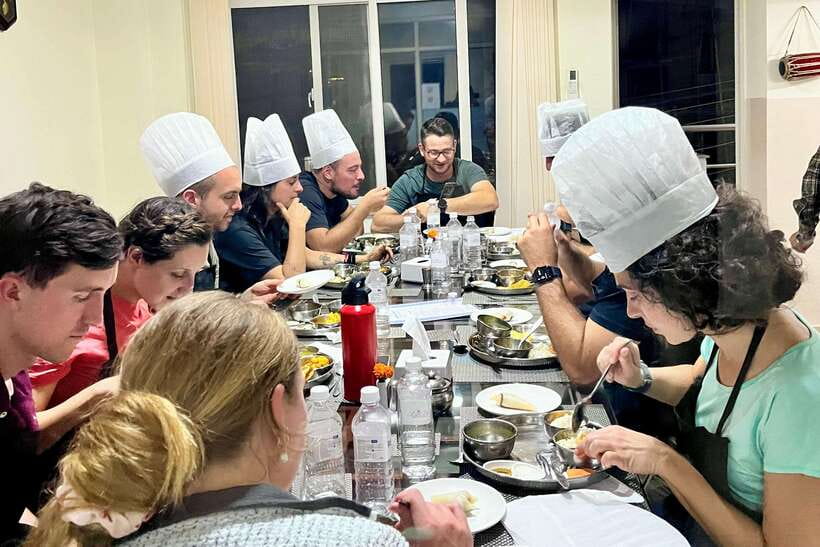
This experience is built around two Nepalese favorites: momo and dal bhat. You are not just trying food, you are learning the process, with equipment set up for you and a chef guiding you step-by-step as you cook.
The value here is striking. At around $5 per person, you are paying for real instruction, hands-on work, and an entire meal built from ingredients you selected yourself.
And since it runs in Thamel, you’re not starting your day with a long logistics puzzle. Even if you skip pickup, the venue is meant to be easy to find.
More Cooking Classes in Kathmandu
- Kathmandu: Local Women-Led Nepali Cooking & Momo Class
★ 4.9 · 360 reviews - Kathmandu: Local Women-Lead Nepali Cooking & Momo Class
★ 4.9 · 45 reviews - Kathmandu: Local Lead Nepali Cooking & Momo Making Class
★ 4.9 · 40 reviews
Choosing your dishes: momo, dal bhat, and what else lands on your plate
You will make momo and dal bhat, and then you can select additional options to round out the meal. The overall structure is designed so you get variety, not just one technique repeated over and over.
The class is described as letting you choose an additional dish, and you’ll also have a dessert at the end. In practice, the kinds of choices can include starters and sides such as aloo chop and mushroom choila, with items like barra sometimes included as well.
If you are vegetarian, or you want the spice dial turned up or down, this is a good fit. The setup explicitly allows you to inform the team about allergies and dietary restrictions ahead of time, and some classes have adjusted based on vegetarian preferences and spice level without drama.
Timing in Thamel: how the 3 to 4 hour schedule really works
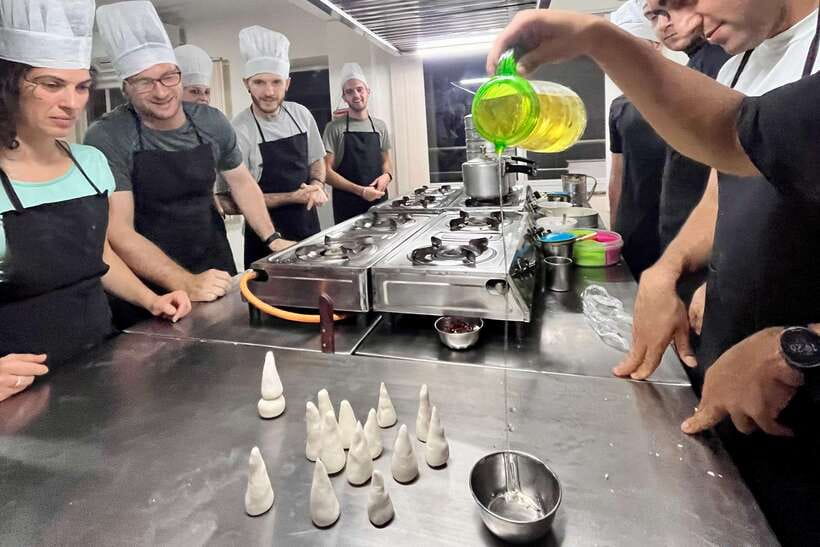
Plan for a total experience of about 3 to 4 hours. The market stop, preparation, and cooking time are typically around 3 hours, but your class day can stretch closer to 4 depending on the session.
Start times vary, so you should check availability when you book. You’ll also want to arrive at least 15 minutes early so the class can begin smoothly.
If you are tight on your itinerary, this is the one thing to respect. A cooking class is not a quick detour, and you will be cooking and eating while you’re there.
Hotel pickup and drop-off: when it saves time, when it changes your plan
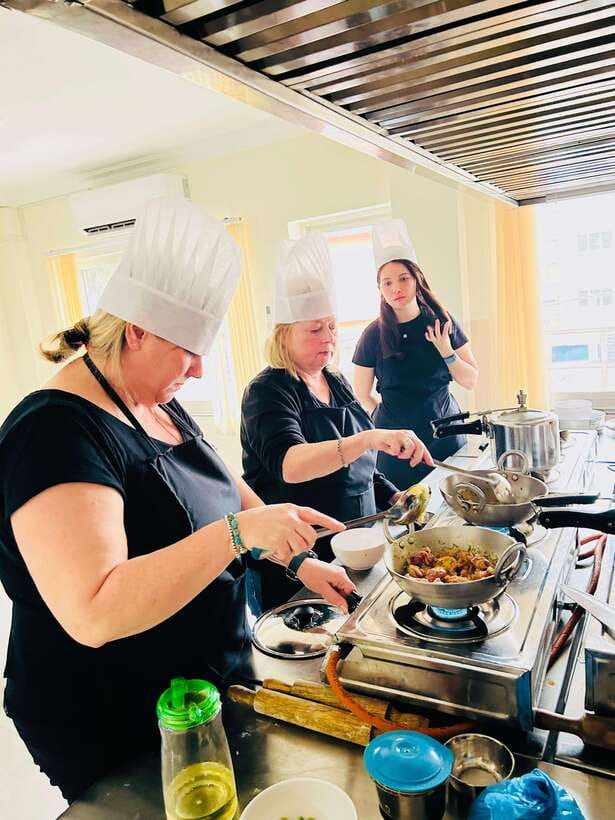
Hotel pickup and drop-off are available only if you select that option during booking. If you book pickup, service can come from within Kathmandu Valley, and it’s designed to remove friction for your day.
If you do not choose pickup, you’ll need to get yourself to the Kathmandu Cooking Academy in Thamel. The good news is that the class ends back at the meeting point, so you are not dealing with mystery locations or unclear drop-offs.
This is a small detail, but it matters. If you are staying farther from Thamel, pickup can turn a slightly annoying commute into a relaxed start.
More Momo Making Classes in Kathmandu:
- Kathmandu: Traditional Momo Making Class & Pickup
★ 4.8 · 60 reviews - Kathmandu: Women-Led Cooking Class & Momo Making-Local Taste
★ 4.8 · 15 reviews - Kathmandu: Momo Making Class with a Local Chef
★ 5.0 · 3 reviews - MoMo or Dal Bhat Cooking Class at Aama Kitchen in Pokhara
★ 4.9 · 28 reviews
The market stop: buying the ingredients that shape the final flavor
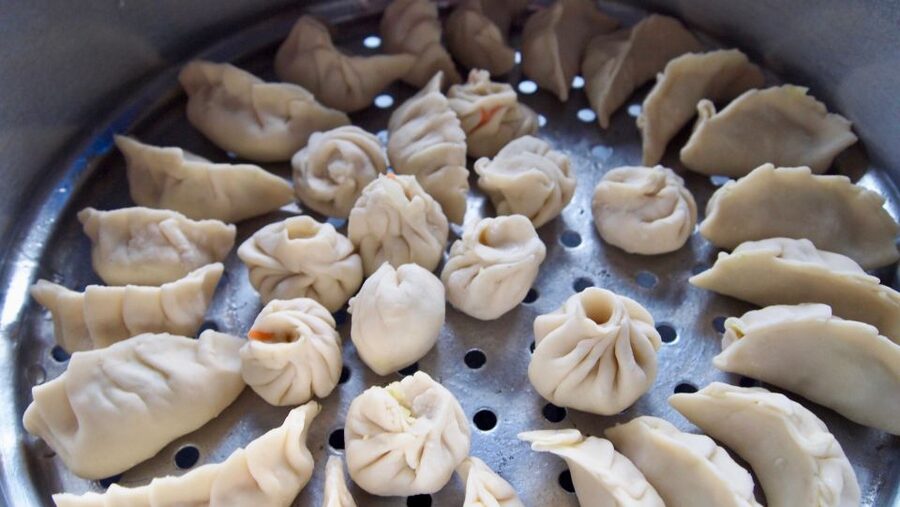
Before the cooking begins, you go to a market or shop tour to buy the important ingredients. This is where the class starts teaching you how Nepalese cooking gets built, from fresh components onward.
Because the market happens before you cook, you are more likely to understand what each ingredient contributes. You also avoid the common trap of a cooking class where everything is pre-measured and you never see the real sourcing.
Expect that the market stop is part of the total time, not a separate half-day side quest. It’s designed to be close to your cooking session, so your hands and your appetite stay connected to what you picked.
Momo making, step-by-step: learning the technique instead of just the recipe
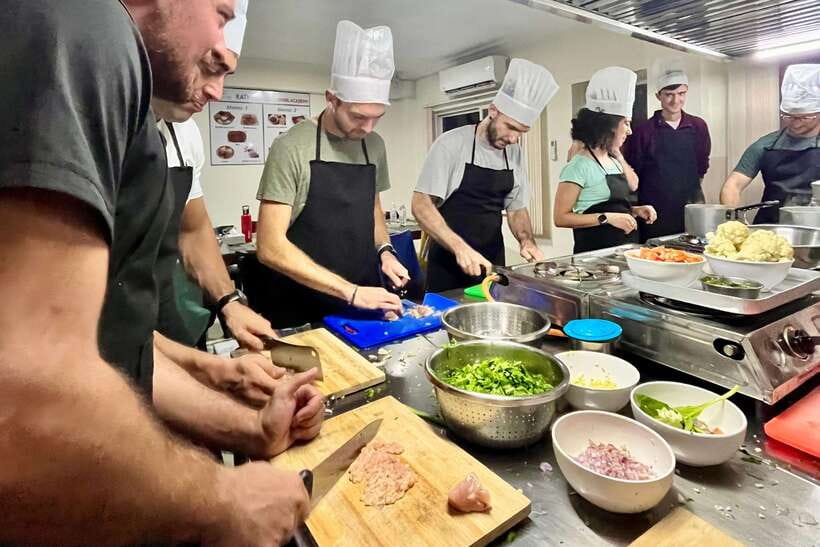
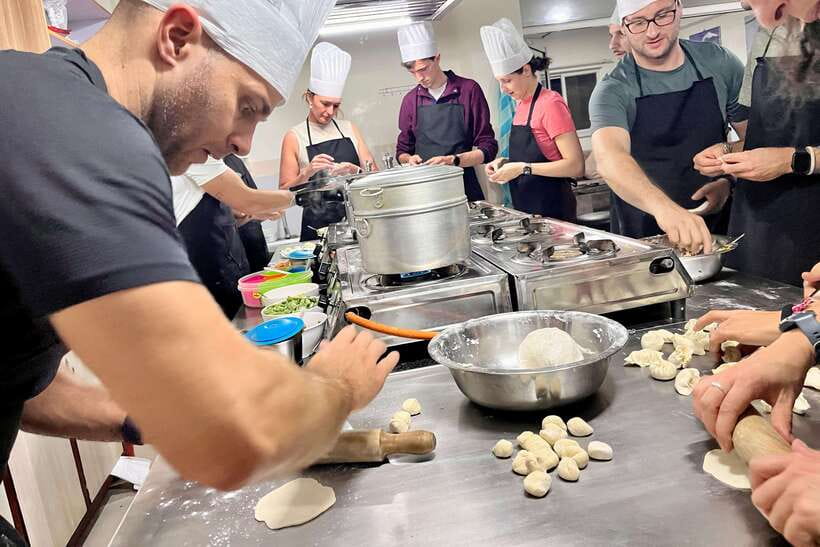
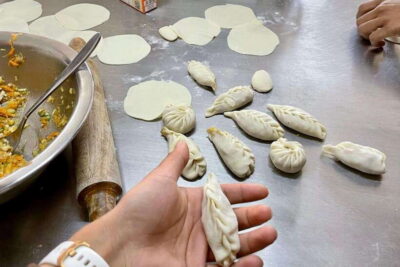
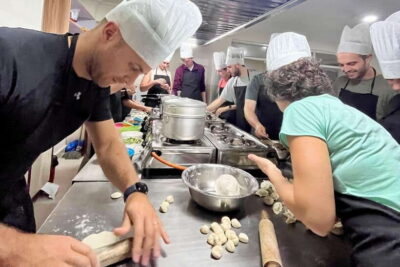
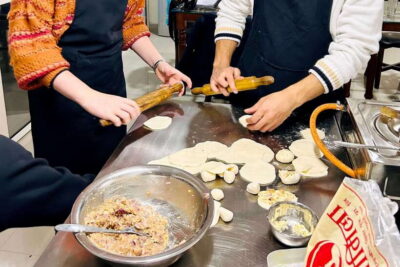
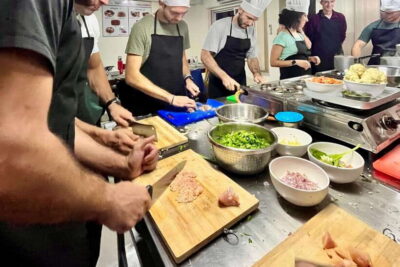
The heart of the lesson is momo making, guided by an experienced chef and instructor. The class is hands-on, which means you’re actively working through the steps, not standing at the edge of a kitchen taking photos.
The key detail is that instruction is step-by-step, and the equipment and accessories are provided. That matters in Kathmandu, because you are not trying to find tools or replicate a kitchen setup you don’t have.
What you’re really getting is confidence. Even if you have never cooked before, you’re given a process and coaching so you can recreate the core method at home.
Also, the class tends to be generous with portions, so come ready to eat well by the end of the session. This is one of those meals that can fully cover your lunch or dinner plans.
Dal bhat cooking: Nepal’s staple dish as a learnable system
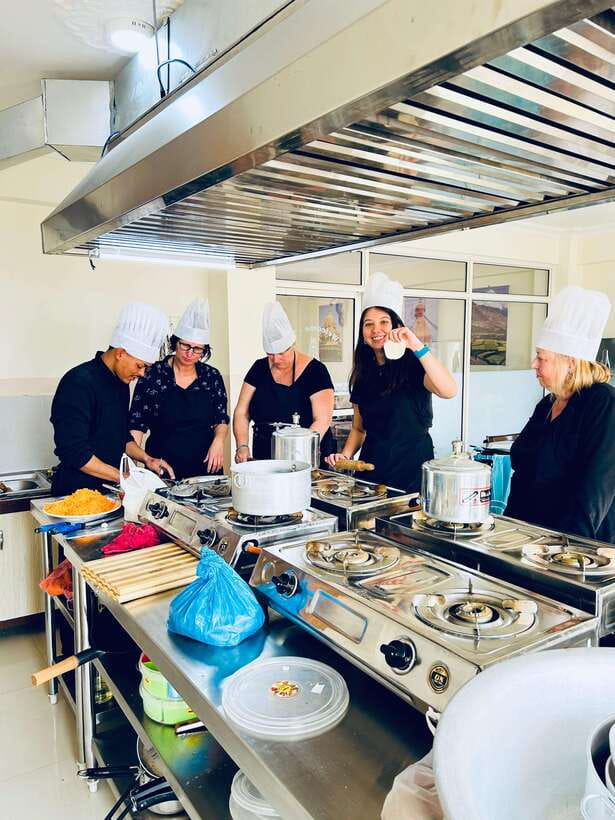
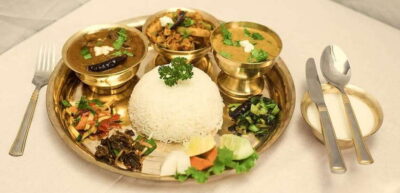
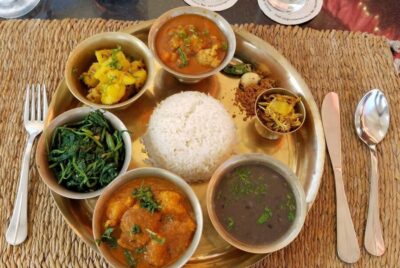
Dal bhat is the other main target of the class, and it’s treated as a core skill, not an afterthought. You’ll cook it alongside the momo, under the same step-by-step guidance.
Why that focus is helpful: dal bhat is a staple dish, so learning it teaches you an approach to Nepalese flavors and how components fit together on a plate. Instead of chasing random street-food bites, you end up with a repeatable meal structure.
You also get a tasting session of what you prepared, which is the practical moment when the lesson clicks. It’s one thing to understand the steps, and another to taste the result with your own hands on the process.
Nepali masala tea and the dessert finale: keeping it local to the end
Midway through the class, you’ll enjoy complimentary Nepali masala tea. It’s served during the lesson, so it becomes part of the rhythm of the session, not a separate stop.
Then you finish with dessert. The class description includes a dessert component, and the overall menu is designed to feel like a complete Nepali meal, not just a cooking workshop.
If you like food that comes with a story of ingredients and technique, this ending matters. You’re learning the savory work and also seeing how a meal in Nepal can close out with something sweet.
Small group cooking in a real school setting (up to 10 people)
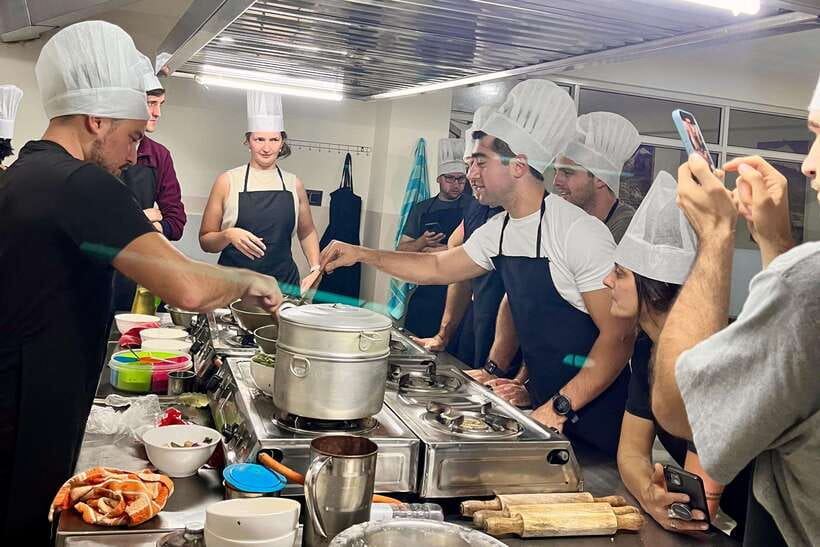
This is not a giant bus-and-bite experience. The class is limited to 10 participants, which makes it easier for the instructor to watch your technique and answer questions.
It’s also listed as wheelchair accessible, and instruction is in English. If you have trouble hearing or following fast spoken directions, you’re set up better here than in classes where the language barrier is the main event.
One more detail that can make the class feel more personal: when the group is small, you tend to get more direct attention in the kitchen. It’s the kind of setup where even beginners can ask for clarification without feeling rushed.
Price and value: why $5 feels like a bargain, even after you add up what you get
At about $5 per person, the price is hard to ignore. You are paying for multiple dishes, a market or shop tour, an English-speaking chef instructor, and hands-on guidance with equipment.
You’re also eating what you make, with a tasting session included. For many visitors, the best part of a cooking class is the meal you get to take your time with, and this class includes that as part of the experience rather than selling it to you separately.
If you’re watching your budget in Kathmandu, this one is a strong contender. It gives you real kitchen skills you can reuse, not only a few photos and a full stomach.
What to wear and bring so you can actually focus on cooking
Wear comfortable clothing, since you’ll be actively participating. You don’t need fancy attire, but you do need to be able to move and work near heat and prep surfaces.
Bring a camera, since you’ll want photos of your food and the class experience. If you have dietary restrictions or allergies, tell the organizers in advance so they can accommodate you.
This is one of those activities where being prepared improves everything. Arrive 15 minutes early, get oriented, and then you can relax into the cooking without feeling behind.
Should you book Kathmandu momo and dal bhat cooking?
Book it if you want Kathmandu food education that goes beyond eating. You learn the process for momo and dal bhat, you shop for ingredients first, and you leave with recipes you can repeat later (a PDF is provided after the class).
Skip it if you’re trying to squeeze in a half-hour activity or you hate multi-hour food work. It’s a real class, not a quick taste session, and you should expect to eat a full, satisfying meal by the end.
If your plan includes at least one day in Thamel, this is an excellent way to turn that time into something practical. You’ll feel like you learned a skill, not just collected a memory.
FAQ
What dishes will I learn to cook?
You will focus on momo and dal bhat. You’ll also have the chance to choose an additional dish for a more complete meal, and there is a dessert included.
How long does the cooking class last?
The experience is listed as about 3 to 4 hours. The class typically lasts around 3 hours including the market visit and cooking.
Is hotel pickup and drop-off included?
Hotel pickup and drop-off are included only if you select that option during booking. If you do not select it, you will need to make your own way to the Kathmandu Cooking Academy.
Do you visit a market before cooking?
Yes. Part of the experience includes a market or shop tour where you buy important ingredients before you start cooking.
Can you accommodate dietary restrictions or allergies?
You can inform the organizers in advance about dietary restrictions or allergies. The class is set up to accommodate needs when you share them ahead of time.
Is the instructor’s language English?
Yes. The instructor and class are conducted in English.
How many people are in the group?
The group is kept small, limited to 10 participants.
Is it suitable for children or older adults?
Children above age 7 are welcome with adult supervision. It is not suitable for children under 5 years, and it is also not suitable for people over 95 years.
Can I pay later and cancel if my plans change?
Yes. You can reserve now and pay later, and you can cancel up to 24 hours in advance for a full refund.
Latest Kathmandu write-ups
- 16 Days Island Peak Climbing With Everest Base Camp Private Trip★ 5.0 · 3 reviews
- 15 Days Round Annapurna Trek with Poon Hill from Pokhara★ 5.0 · 5 reviews
- Private Nepal round trip including Ghorepani Poonhill trek★ 5.0 · 3 reviews
- Everest Base Camp Trekking 16 Days★ 4.0 · 7 reviews
- 14 Days Luxury Annapurna Base Camp Trek★ 5.0 · 6 reviews
- Everest Base Camp Trek★ 5.0 · 32 reviews
- Everest Base Camp Trek★ 5.0 · 87 reviews
- Everest Base Camp Trek★ 5.0 · 97 reviews
Momo Making Classes, compared.
MoMo or Dal Bhat Cooking Class at Aama Kitchen in Pokhara
Read our review →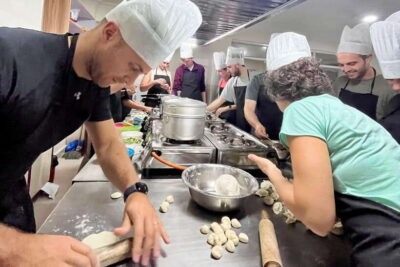
Browse the lists this tour appears in