
Reviewed · MOMO MAKING CLASSES
Kathmandu: Local Lead Nepali Cooking & Momo Making Class
This cooking class is interesting because you learn Nepali comfort food the hands-on way, starting with ingredient shopping and ending with a sit-down meal of what you made. I love the momo focus and the clear, patient coaching led by chef Vikram and his team, and I like the market tour component that turns shopping into part of the lesson. One heads-up, you will be on your feet and actively cooking for a few hours, so it is not a casual sit-and-watch activity.
You meet at Kathmandu Cooking Academy, easy to reach from Thamel on foot (about a 10 to 15 minute walk). The class typically runs around 3 hours, and it can stretch toward 4 depending on the start time and what dishes you choose. Optional hotel pickup and drop-off is available within Kathmandu Valley, which is a big win if you want to keep your evening simple.
Key Points Worth Noting Before You Go
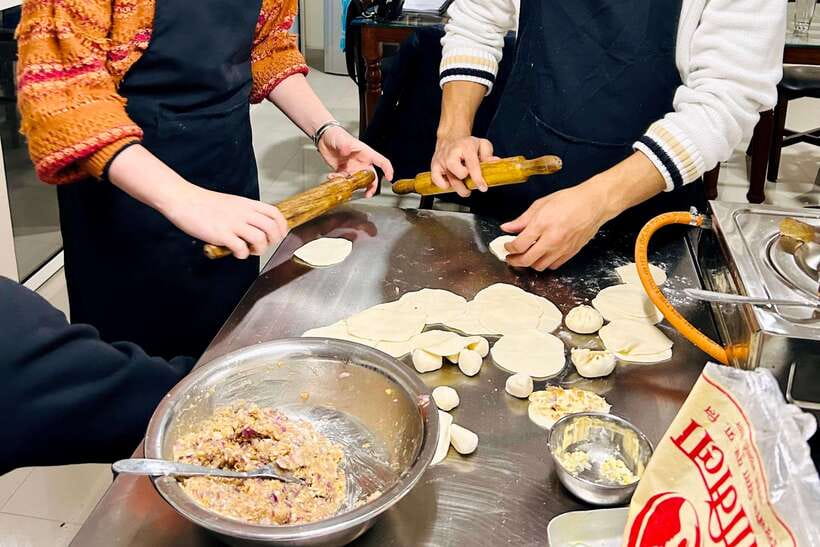
- Momo practice with step-by-step help: Expect coaching on shaping and folding, not just theory.
- Chef Vikram and a small team: The instruction comes with real patience, plus backup support from assistants.
- Market or shop stop for ingredients: You pick fresh items with guidance, so you understand what you are buying and why.
- Two main dishes, with choice: Momo and dal bhat anchor the class, and you can add other traditional options.
- Clean, well-equipped kitchen: The setup is professional enough that you can actually follow along.
- Tasting plus complimentary masala tea: You do not just cook, you eat what you made.
Momo and Dal Bhat, Plus Ingredient Shopping That Changes the Whole Experience
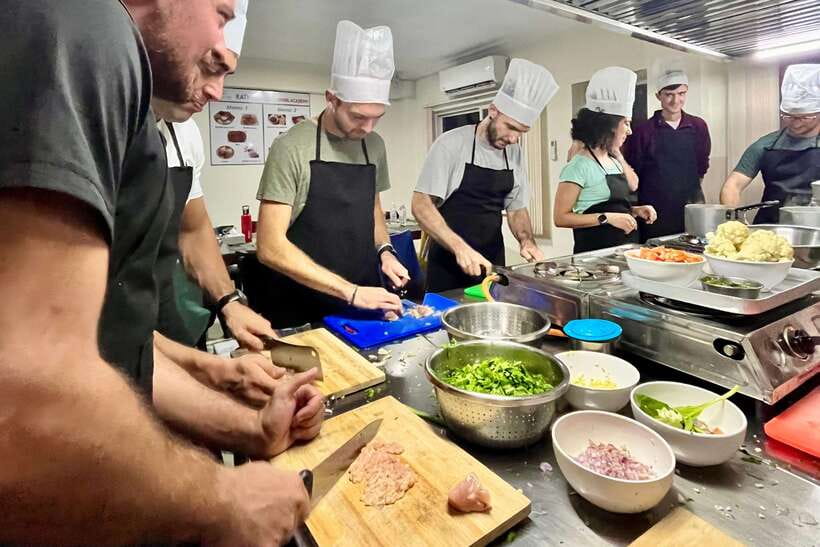
This class is built around two stars of Nepali food: momo and dal bhat. The point is not just to get a meal, it is to learn how these dishes come together with real technique, in a real kitchen, with real guidance.
The ingredient market stop matters more than you might think. When you see what cooks choose, you start connecting the end result to the raw materials. It also breaks up the evening, so you are not stuck in one room from start to finish.
If you like food but hate rigid “one recipe, one outcome” classes, this is a better fit. You get hands-on time, plus choices for additional dishes, so the class feels more personalized than a cookie-cutter cooking show.
More Cooking Classes in Kathmandu
- Kathmandu: Local Women-Led Nepali Cooking & Momo Class
★ 4.9 · 360 reviews - Kathmandu: Local Women-Lead Nepali Cooking & Momo Class
★ 4.9 · 45 reviews - Kathmandu: Local Lead Nepali Cooking & Momo Making Class
★ 4.9 · 40 reviews
Kathmandu Cooking Academy in Thamel: Easy to Find, Simple to Start
You start at Kathmandu Cooking Academy, and that is a key practical advantage. It sits in the heart of Kathmandu area where most visitors base themselves, and you can walk from Thamel in about 10 to 15 minutes.
You should plan to arrive at least 15 minutes early. This gives you time to check in without rushing, and it helps the class start on schedule. When you get there, look for the academy signboard outside the building, then follow staff directions to registration.
If you opt for pickup, a driver meets you in Kathmandu Valley at your address. That reduces walking and navigation stress, which is especially helpful if you are tired or moving between neighborhoods.
The Ingredient Run: How the Market Tour Helps You Learn, Not Just Browse
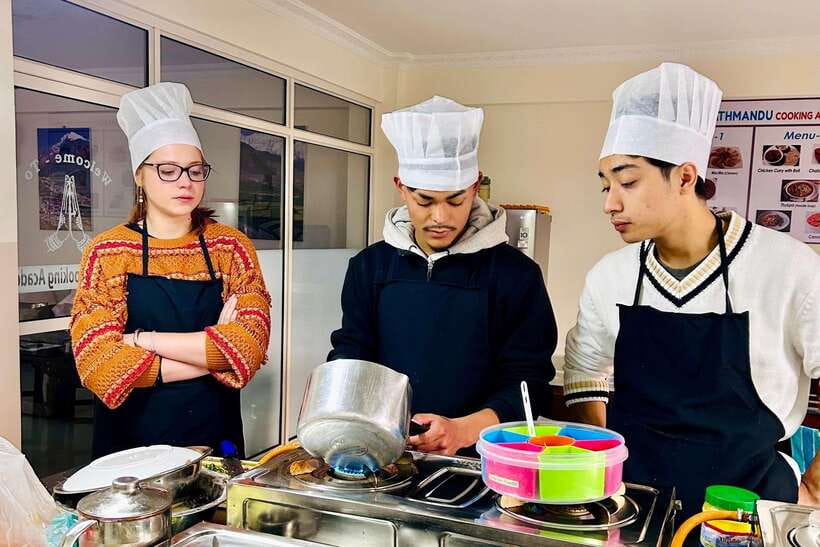
The market segment is more than sightseeing. You go with an experienced chef to buy fresh ingredients, and that changes what you remember later.
Here is what the market tour does well:
- It teaches you how cooks think while shopping, including what they look for when ingredients are fresh.
- It gives you context for the steps that follow in the kitchen.
- It makes you feel like you are participating, not just following.
You will not be left to wander. The chef guides the shopping so you can focus on the process instead of translating menus and labels on your own.
Practical tip: wear comfortable clothes. You will be walking a bit and then cooking right after, so good shoes and breathable layers help.
Cooking Momo: Folding Patterns, Staying Organized, and Having the Hands-On Time
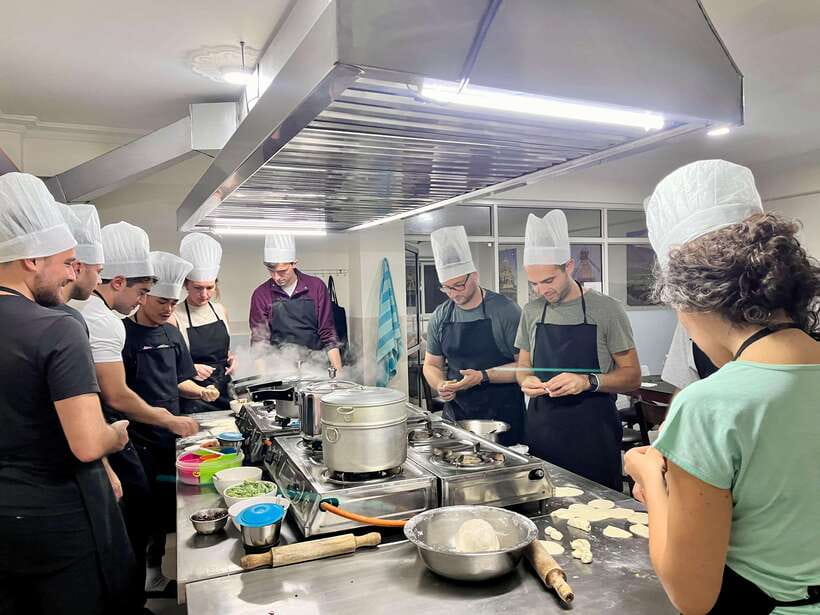
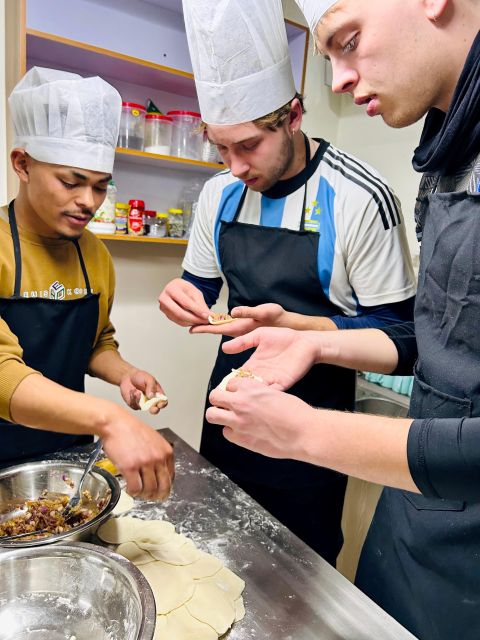
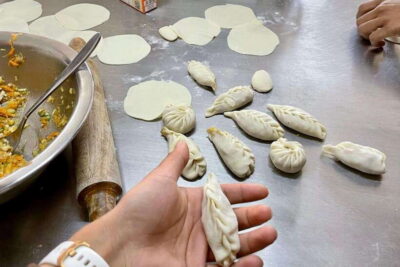
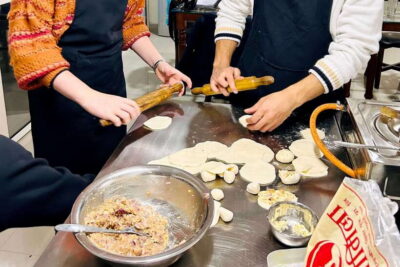
The momo portion is where this class earns its high rating. This is the hands-on centerpiece, and you do not just mix ingredients and hope for the best. You get step-by-step support while shaping and folding the dumplings.
One of the most useful parts is the attention to pattern. You will be coached to fold the momo pastry into the correct form, and the instruction is designed to be patient, not rushed. In other words, if your first attempts look imperfect, that is normal. The goal is that you leave knowing what to fix next time.
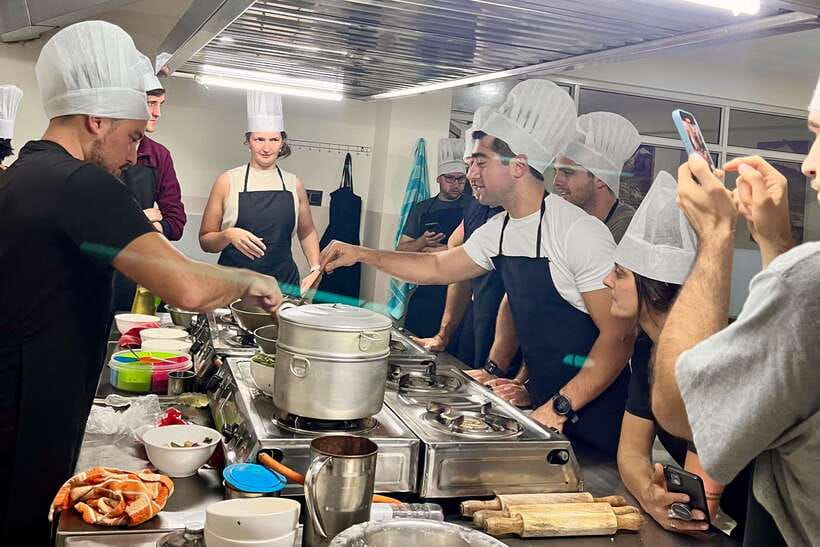
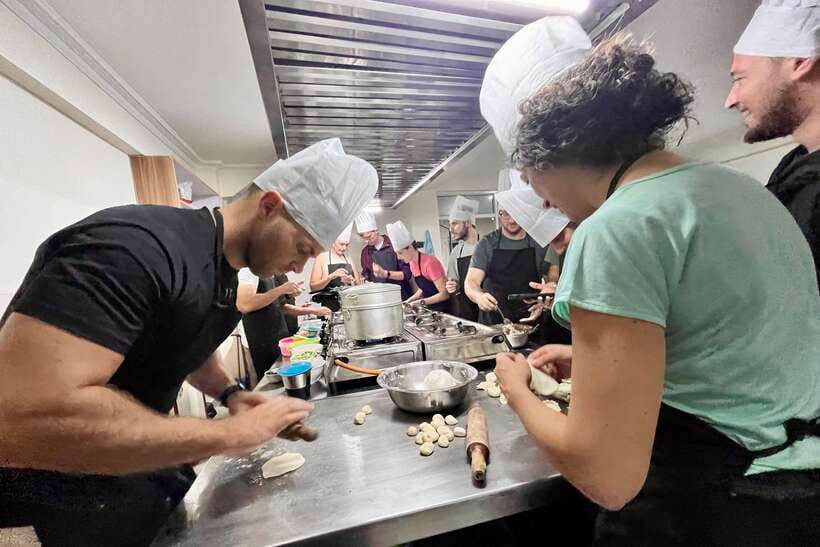
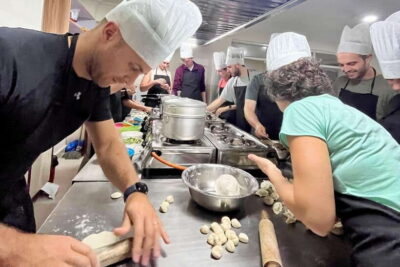
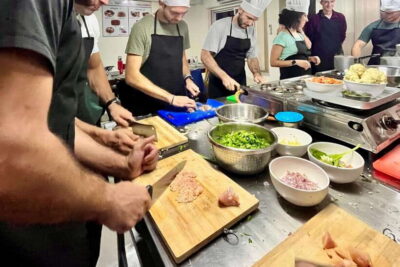
The kitchen setup also makes a difference. The space is clean and well equipped, so you can concentrate on technique instead of fighting with missing tools or cramped stations. With a small group, the chefs and assistants can actually correct what you are doing.
Speed note: the pace is pleasant. You are not dragged through ten tasks at once, but you also are not waiting around. You are actively working, tasting, and moving forward.
And yes, you will want to arrive hungry. You will be doing real work with your hands, and the meal at the end is the payoff.
More Momo Making Classes in Kathmandu:
- Kathmandu: Traditional Momo Making Class & Pickup
★ 4.8 · 60 reviews - Kathmandu: Women-Led Cooking Class & Momo Making-Local Taste
★ 4.8 · 15 reviews - Kathmandu: Momo Making Class with a Local Chef
★ 5.0 · 3 reviews - MoMo or Dal Bhat Cooking Class at Aama Kitchen in Pokhara
★ 4.9 · 28 reviews
Dal Bhat and the Other Dish Choices: Learning the Bigger Pattern of Nepali Cooking
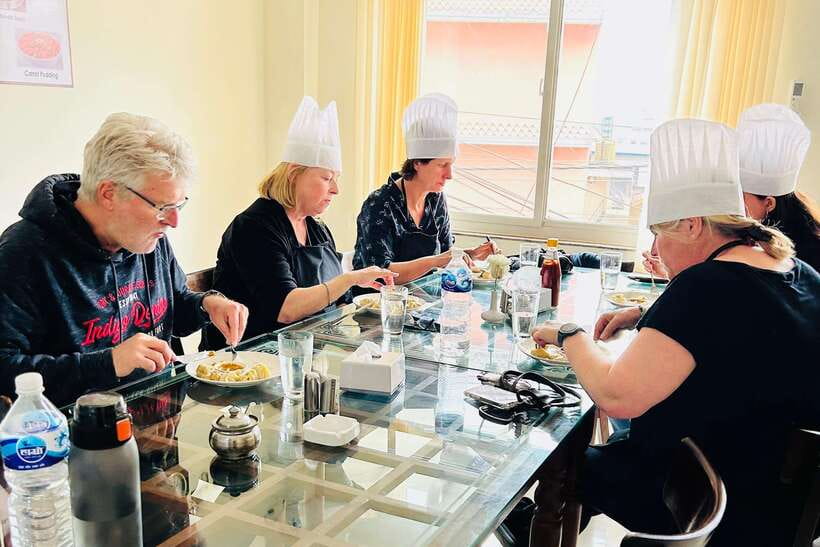
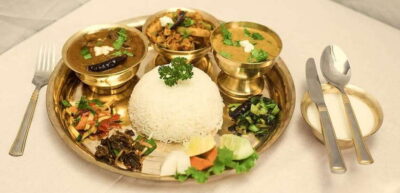
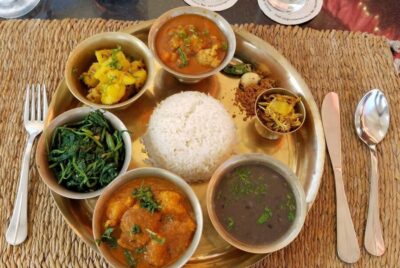
Dal bhat is the second main course in the class, and it provides balance. If momo is the technique-heavy dumpling lesson, dal bhat is the comfort food counterpart.
You will typically cook two main courses, and then you may choose additional traditional dishes depending on the menu options offered in the class. This is one of the ways the experience stays flexible, because you are not locked into a single fixed menu.
You also get a dessert included. That matters because it helps round out the meal instead of leaving you with only savory dishes and tea.
The biggest benefit is what this teaches beyond a single recipe. When you cook multiple dishes in one session, you start recognizing a pattern in seasoning, timing, and workflow. You learn how Nepali cooking is built for real meals, not just show-and-tell plates.
If you have dietary needs, tell the team in advance. The class encourages you to share restrictions or preferences so they can tailor options.
Tasting Session and Complimentary Masala Tea: The Moment It Clicks
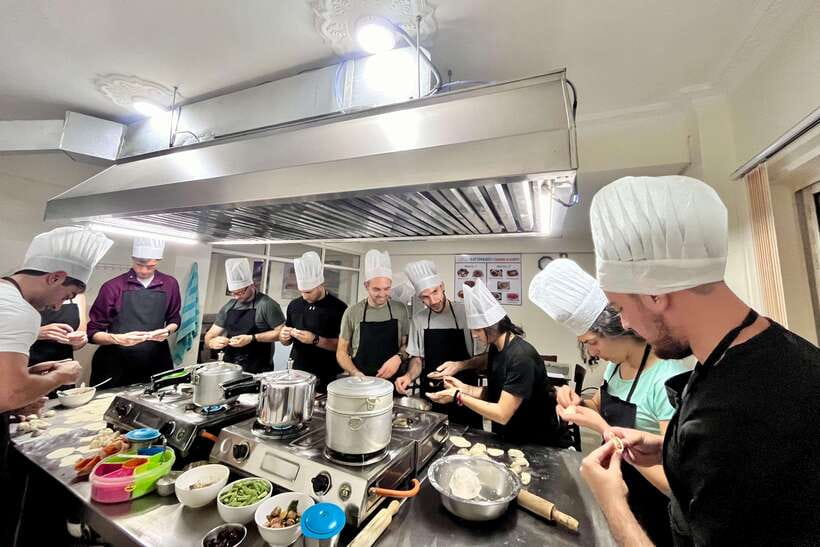
After cooking, you sit down to eat what you prepared. This is not a token snack. The meal includes what you made in class, and portions are plentiful enough that it feels like dinner, not a sample.
Complimentary Nepali masala tea is included as part of the tasting. This is a simple extra, but it fits the context perfectly. You are not just tasting flavors in isolation, you are eating in a setting built for the experience.
The tasting session also helps you learn what matters. While you are cooking, everything can feel technical and hands-first. When you taste, you start connecting the steps to flavor, texture, and balance.
If you are thinking about recreating this at home, the tasting is the easiest way to remember what the finished dish should feel like.
Price, Duration, and Small Group Size: Why $8 Can Make Sense
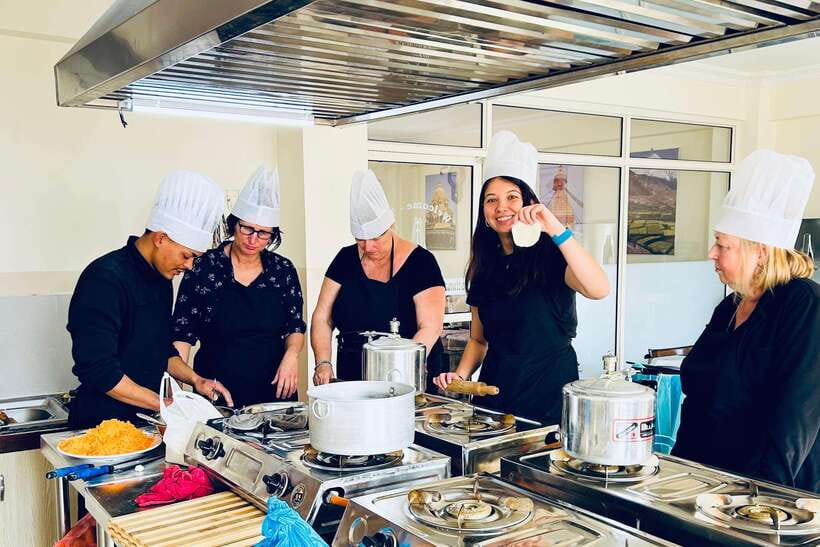
At $8 per person, this is one of the more budget-friendly ways to get a structured culinary experience in Kathmandu. The value comes from the format: market guidance, instruction from a chef, hands-on cooking, and an included meal with tea.
Duration is listed as 3 to 4 hours, and the class start times depend on availability. Plan around a half-day evening block. In practice, the experience is typically around 3 hours, including market time, cooking, and tasting.
Group size is capped at 10 participants, which is a big deal for value. With small numbers, chefs can watch what you do and correct your technique. That kind of attention is hard to get in a larger class, and it is exactly what makes the coaching feel personal.
Optional hotel pickup and drop-off can add convenience value even if it is not required. If you are staying around Thamel and prefer to walk, you can keep it simple. If you want a low-effort plan, pickup is there.
What to Bring, What to Wear, and How to Show Up Like a Pro
This is not a formal tour with a dress code, but it does have a few basic expectations.
Bring:
- A camera (if you want photos of the process and your finished dishes)
Wear:
- Comfortable clothing you can actively move in
- Shoes you do not mind getting a little dusty or crowded in (you will be working in a kitchen)
When to arrive:
- Plan to be there at least 15 minutes before the class start time
If you are worried about ability to participate, the class is wheelchair accessible. It is also taught in English, so you should not feel lost during explanations.
Age note: it is not suitable for children under 5 years old. It also lists people over 95 years old as not suitable.
Should You Book This Nepali Cooking Class in Kathmandu?
Book it if you want a hands-on, chef-led food lesson that ends with a real meal. This is especially worth it if momo is on your Kathmandu “must-eat” list, because you learn folding and technique, not just where to find the best dumplings.
Skip or think twice if you want a quiet, low-activity experience. You will be actively cooking and moving through market time and kitchen time, and it is designed for participation.
Also, consider booking if you like the idea of learning by doing. The small group size, patient coaching, and included tasting make it one of the easier ways to take something home, not just take photos.
If you can, come with an empty stomach. You will do the work, then you will actually want to taste what you made.
FAQ
What dishes will I learn to cook?
The class focuses on momo and dal bhat as the main courses. You also have the option to choose additional dishes from traditional Nepali meal options, and dessert is included.
How long does the Kathmandu cooking class last?
The duration is about 3 to 4 hours. The experience is typically around 3 hours, but exact timing depends on the available start times.
Where is the meeting point?
The meeting point is at Kathmandu Cooking Academy. It is located in the Kathmandu area near Thamel, about a 10 to 15 minute walk away.
Is hotel pickup and drop-off included?
Hotel pickup and drop-off is optional. If you select it during booking, pickup is available from within Kathmandu Valley and the activity ends back at the meeting point.
Is the instructor English-speaking?
Yes. The instructor is listed as English.
How big is the group?
The class is a small group with a limit of 10 participants.
Is the cooking academy wheelchair accessible?
Yes, the activity is listed as wheelchair accessible.
What should I bring and wear?
Bring a camera. Wear comfortable clothing since you will actively cook, and plan to arrive at least 15 minutes early.
Can you accommodate dietary restrictions?
You should inform the team in advance of dietary restrictions or preferences so they can tailor the class to your needs.
What is the cancellation policy?
Free cancellation is available up to 24 hours in advance for a full refund.
Latest Kathmandu write-ups
- 16 Days Island Peak Climbing With Everest Base Camp Private Trip★ 5.0 · 3 reviews
- 15 Days Round Annapurna Trek with Poon Hill from Pokhara★ 5.0 · 5 reviews
- Private Nepal round trip including Ghorepani Poonhill trek★ 5.0 · 3 reviews
- Everest Base Camp Trekking 16 Days★ 4.0 · 7 reviews
- 14 Days Luxury Annapurna Base Camp Trek★ 5.0 · 6 reviews
- Everest Base Camp Trek★ 5.0 · 32 reviews
- Everest Base Camp Trek★ 5.0 · 87 reviews
- Everest Base Camp Trek★ 5.0 · 97 reviews
Momo Making Classes, compared.
MoMo or Dal Bhat Cooking Class at Aama Kitchen in Pokhara
Read our review →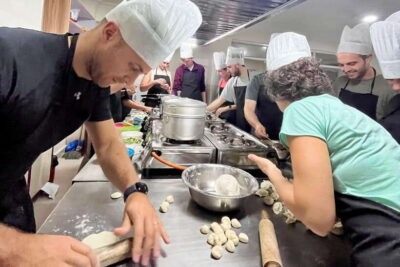
Browse the lists this tour appears in