
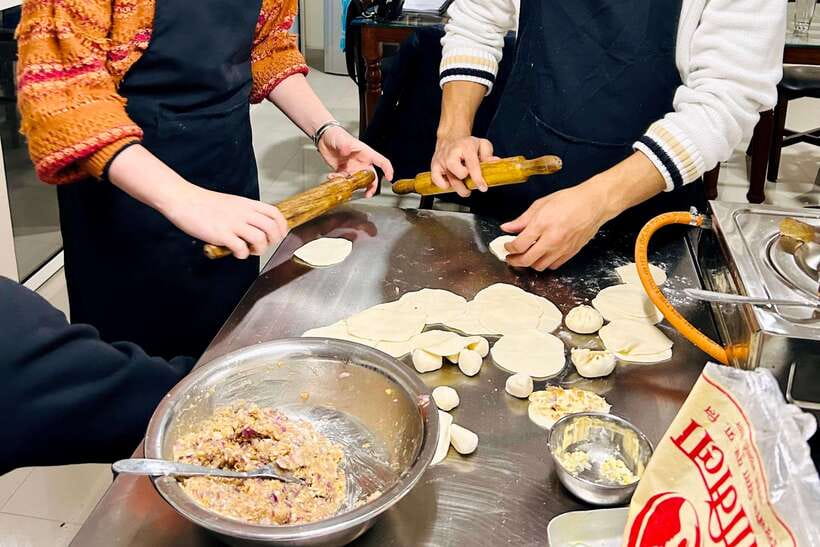
Reviewed · MOMO MAKING CLASSES
Kathmandu: Local Lead Nepali Cooking & Momo Making Class
Kathmandu is a fun place to learn by doing, and this cooking class is built around real, edible results. You’ll shop for ingredients first, then get hands-on help making momo and dal bhat the way local cooks do.
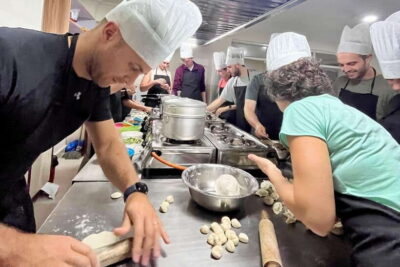
I particularly like that you get market shopping with your chef and clear, step-by-step instruction in the kitchen, not just a sit-and-watch demo. I also like the small class size, which makes it easier to ask questions while you’re folding dumplings.
The main thing to consider is timing. The experience runs about 3 to 4 hours, and it may depend on the day having at least a minimum number of participants to run, so confirm your schedule when you book.
Key Highlights You’ll Care About
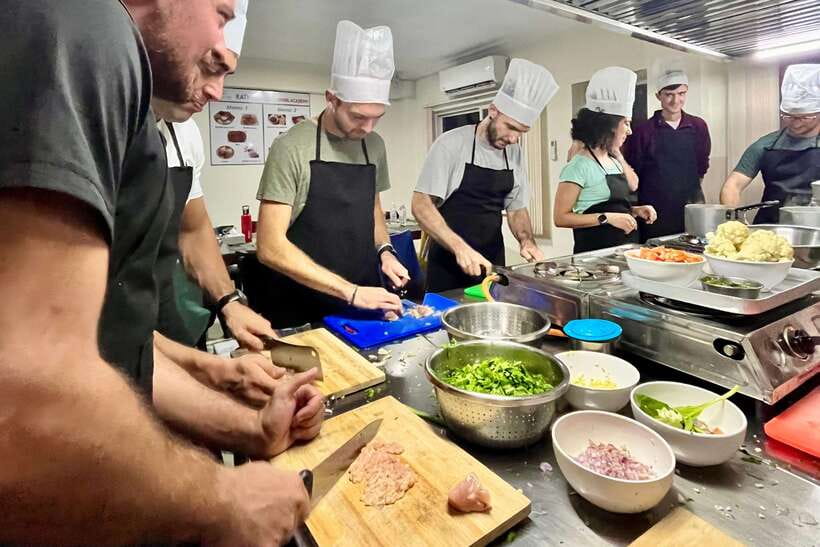
- You cook what you eat: momo and dal bhat are the core, plus you can pick other traditional dishes from the available menu.
- Market time is part of the lesson: you go to a nearby shop or market to choose fresh ingredients with guidance.
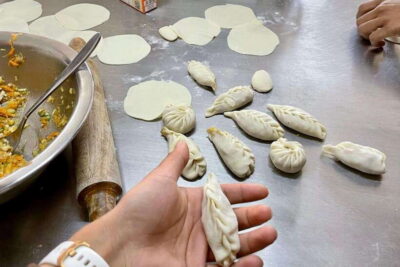
- You learn folding, not guessing: momo prep gets plenty of attention, including how to make the pleats look right.
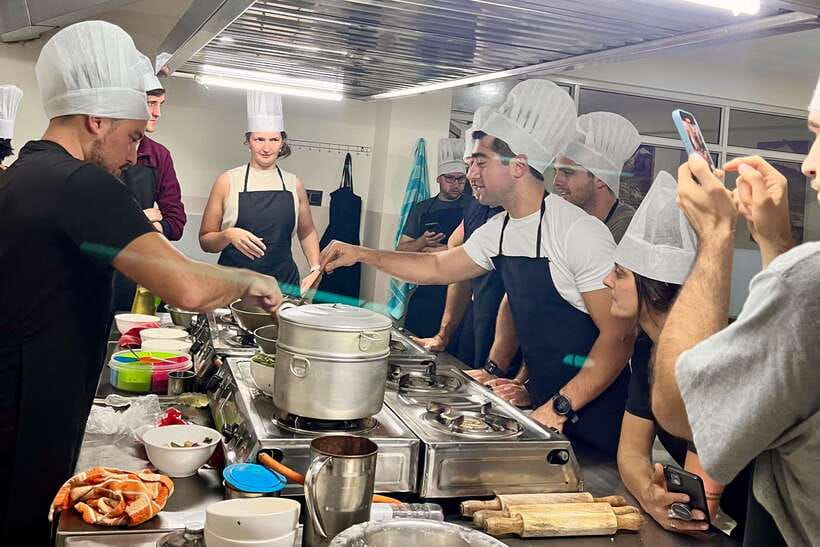
- English instruction and a small group: limited to 10 participants, so you can actually work the dough and ask questions.
- Clean, well equipped kitchen: the cooking space is described as tidy and set up for learning, which matters when you are hands-on.
Where It Happens: Thamel, Kathmandu Cooking Academy, and Easy Getting There
This class centers on Kathmandu Cooking Academy, located in the Thamel area. Thamel is handy because you can usually reach the meeting point on foot, and the walk is short, around 10 to 15 minutes from there. If you are staying near Thamel, you’ll likely find this plan low-stress.
If you choose pickup, a driver can meet you somewhere within Kathmandu Valley and bring you to the academy area. That is especially helpful if you want to avoid navigating streets right before cooking, when you might be focused on getting ingredients, not finding your way.
In the end, you are not stuck with a complicated route. You register on arrival, get oriented, then the food day starts.
More Cooking Classes in Kathmandu
- Kathmandu: Local Women-Led Nepali Cooking & Momo Class
★ 4.9 · 360 reviews - Kathmandu: Local Women-Lead Nepali Cooking & Momo Class
★ 4.9 · 45 reviews - Kathmandu: Women-Led Cooking Class & Momo Making-Local Taste
★ 4.8 · 15 reviews
The Market Stop That Turns a Recipe Into Real Skill
One of the best parts is the ingredient shopping. You and the chef go to a nearby market or shop to buy what you’ll use in class. This matters because Nepali cooking is ingredient sensitive, even when the dishes are simple. Knowing what to look for helps you repeat the dishes at home, not just copy steps.
You’ll get guidance on what ingredients to select and why those choices work for the final flavor. You also get to see how cooks think on the spot, which is useful if you are buying spices, dough wrappers, or vegetables back in your own country later.
This also gives you a natural break before the kitchen work begins. Your hands and your brain are both ready by the time you start cooking.
Momo and Dal Bhat Lessons: Hands-On Steps, Not a Demo
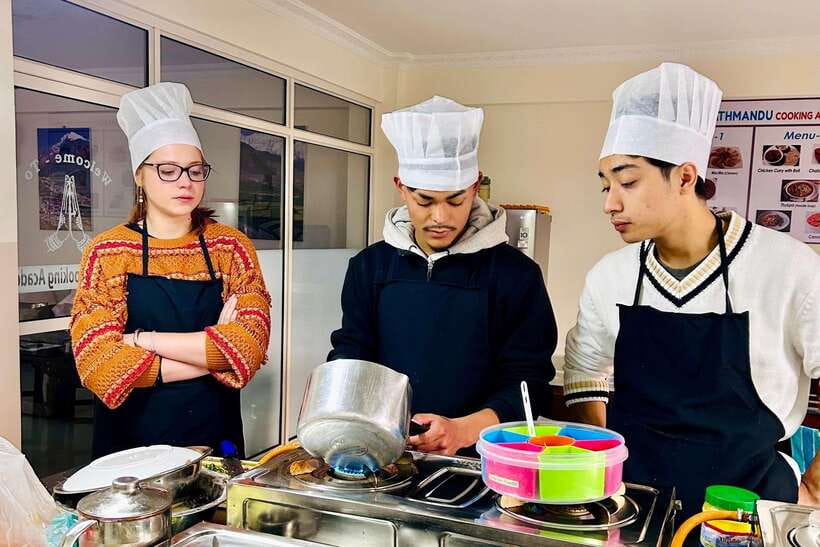
The class is built around two main dishes: momo and dal bhat. That focus is a win because these are core, everyday foods in Nepal, and learning them gives you two strong bases to build on.
Momo: Folding the Dumplings the Right Way
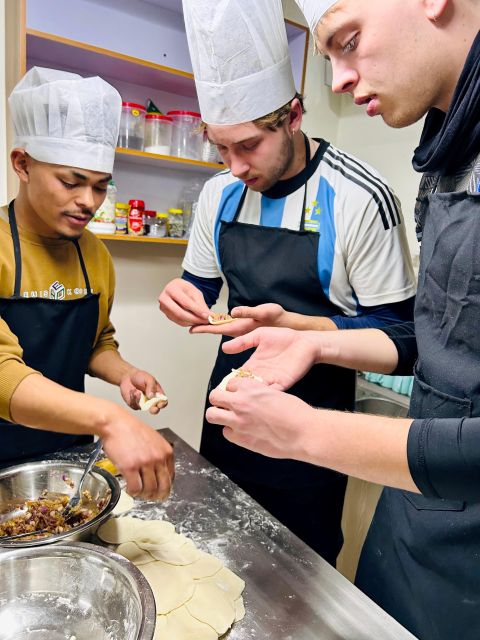
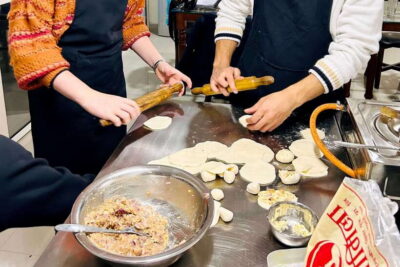
Momo is where the class gets really practical. You don’t just mix ingredients and hope for the best. You practice the shaping and folding, with patience from the instructors. Several people highlight learning the folding pattern, which is the part most home cooks struggle with.
When instruction is clear, momo goes from intimidating to satisfying. You get a rhythm: prep, fill, fold, then cook. Even if your first dumplings look a little uneven, the process itself is what you’ll remember.
More Momo Making Classes in Kathmandu:
- Kathmandu: Traditional Momo Making Class & Pickup
★ 4.8 · 60 reviews - Kathmandu: Momo Making Class with a Local Chef
★ 5.0 · 3 reviews - MoMo or Dal Bhat Cooking Class at Aama Kitchen in Pokhara
★ 4.9 · 28 reviews - Pokhara: 3 Hour MoMo cooking class
★ 4.5 · 10 reviews
Dal Bhat: The Comfort-Cooking Anchor
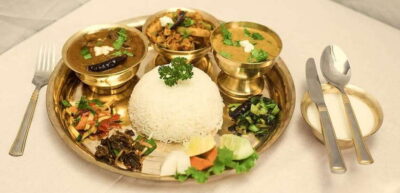
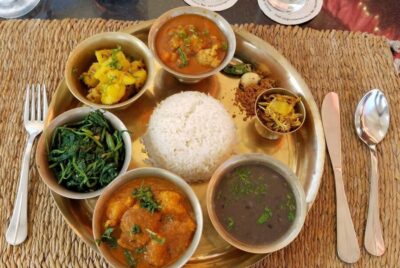
Dal bhat is the other main course, and it anchors the whole meal. You learn how to prepare the dal and pair it in a way that makes the meal complete. This is the dish that teaches you how seasoning and texture work together, so your plate tastes like Nepal rather than just like cooked lentils.
If you love food that feels both comforting and precise, this is the skill to prioritize. Dal bhat is also a great home-cooking win because you can swap seasonal vegetables without ruining the core idea.
Choosing Extra Dishes: From Bara to Yomari and Beyond
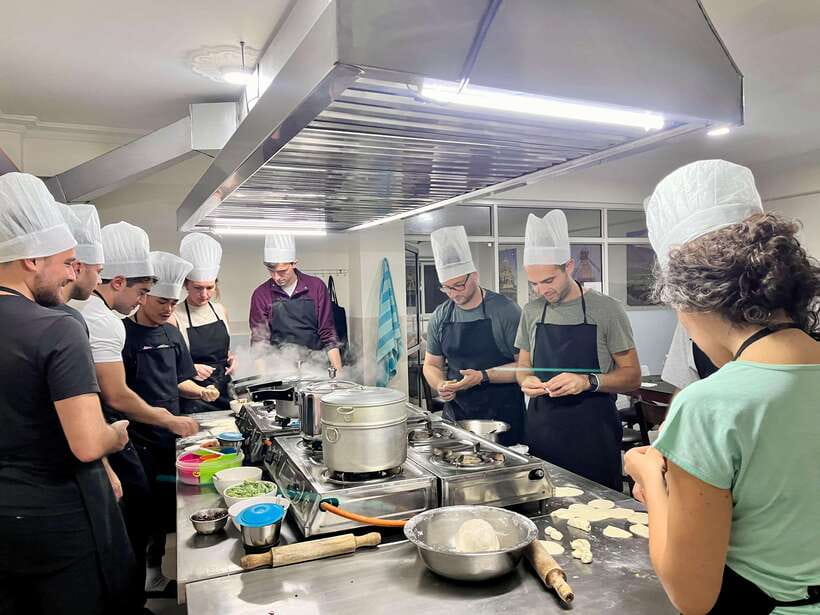
While momo and dal bhat are the main courses, the class usually includes additional items too, and you can often choose from a variety of traditional options. The overall structure typically includes a couple of main courses, a dessert, and complimentary Nepali masala tea.
What does that look like in real life? People have picked dishes such as bara and yomari along with their momo. Others have talked about cooking three dishes in total, which suggests the menu options can be flexible depending on what you select.
This is a smart setup if you don’t just want a single recipe. You get enough structure to learn the basics well, then you can personalize the menu to match your tastes.
Eating the Results: Tasting Session and Nepali Masala Tea
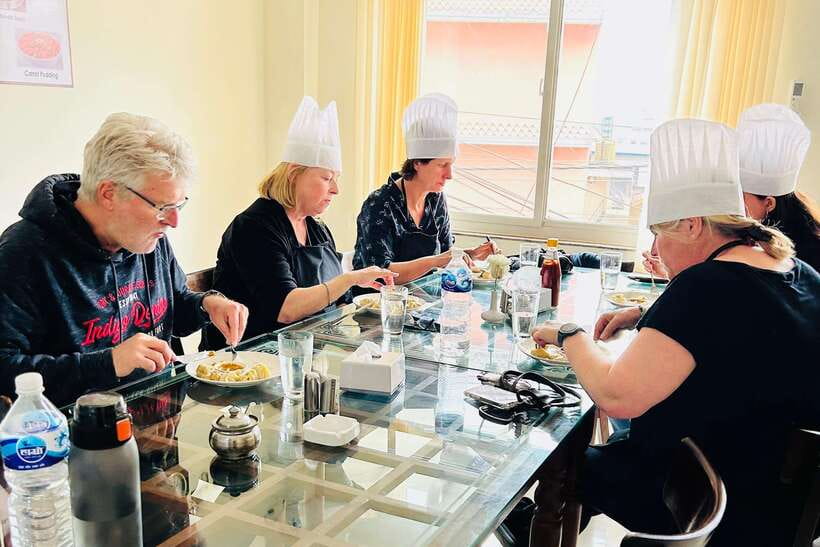
After cooking, you sit down and eat what you made in the class. That tasting part is important because it closes the loop. You taste your food right after cooking while the flavors and techniques are still fresh in your memory.
You also get complimentary Nepali masala tea. It’s a simple touch, but it’s part of how you experience the meal as locals do, not just how you consume it.
Food portions are described as plentiful, which is good news if you tend to arrive hungry. In fact, I’d plan to come ready to eat, not just snack. Cooking increases your appetite fast.
The Kitchen Experience: Clean Space, Patient Teaching, and a Pace You Can Follow
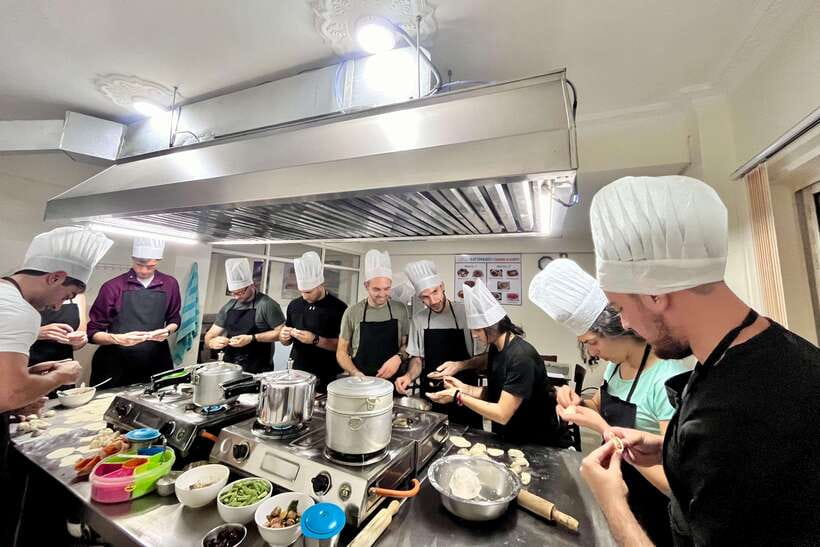
A lot of the best feedback points to the teaching style. People describe instructors as welcoming, energetic, and supportive, with clear guidance that makes it easier to keep up while you are working with dough and ingredients.
You may work with chefs such as Vikram or Niche, both of which show up in high praise for teaching and friendly energy. The key point for you is that the instruction seems practical. It’s not just about knowing the recipe, it’s about learning how to execute it.
The pace is also mentioned as pleasant. That matters because cooking classes can go either way: fast like a factory line, or slow enough that you lose momentum. Here, the timing feels designed for learning, especially for momo folding.
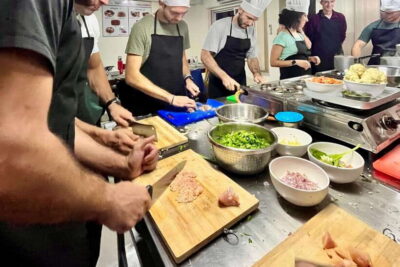
And yes, the kitchen is described as clean and well equipped. When you are doing hands-on work, that’s not a small detail. It makes you feel comfortable and lets you focus on technique.
Timing and Logistics: Arriving Early, What to Wear, and Pickup Options
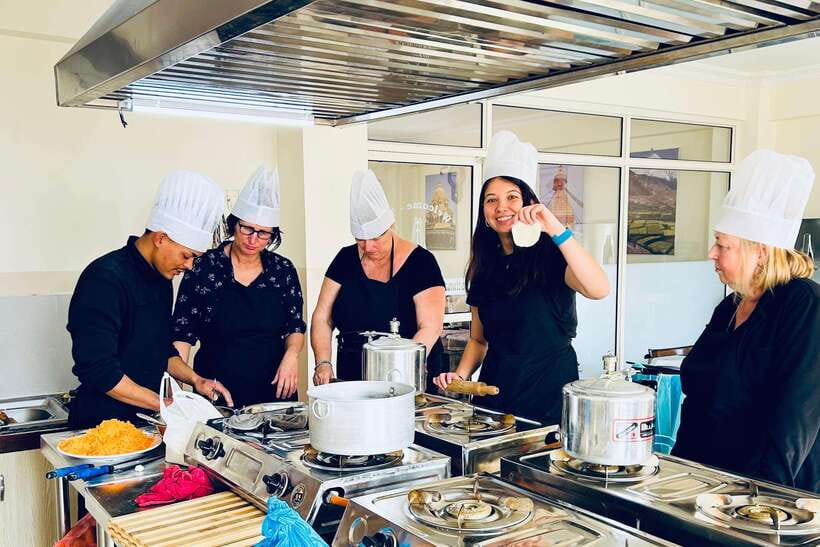
This experience typically lasts around 3 hours, with an overall duration listed as 3 to 4 hours. For planning, treat it as a half-day block. You’ll want to keep your next plan flexible, because once you start cooking, the rest of the day will feel a bit food-centered.
Arrive at least 15 minutes early. That buffer helps you register, get settled, and not feel rushed before you start shopping or prepping.
Wear comfortable clothing. You will be actively participating in the cooking process. If you’re someone who likes to take photos, bring your camera. There’s also an option for professional photos and videos for an additional fee, so you can decide if that’s worth it for your memories.
If you have dietary restrictions or preferences, inform the team in advance so they can tailor the class. This is one of the best ways to make sure you get an experience that works for you, not just the standard menu.
Price and Value: Why About $4 Can Still Make Sense
The price is listed at $4.00 per person. That’s unusually low for a class that includes a market or shop ingredient tour, hands-on cooking instruction, equipment use, tasting, and complimentary Nepali masala tea.
The value comes from several practical pieces, not just the low number:
- You get instruction in the core dishes that you can actually reproduce.
- You get market shopping guidance, which improves your ingredient choices.
- You eat a meal you cooked, so the class is not just theoretical.
Of course, at this price, you should also set expectations around group size and format. The class is limited to 10 participants, it is hands-on, and it depends on enough people being booked for the class to run. But if you want the market-to-kitchen experience, the economics are hard to beat.
Who This Class Fits Best, and Who Might Skip It
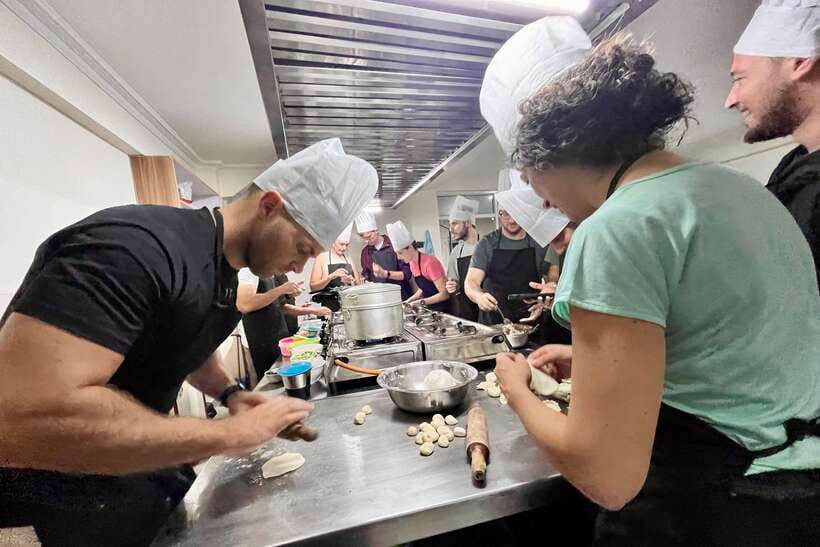
This is a good match if you want a practical culinary skill, not a lecture. If you love dumplings, you’ll enjoy spending real time on momo shaping. If you want comfort food with technique, dal bhat is a strong target.
It also fits well if you like structured choices. The class has a core plan, but you can often select extra dishes from what’s available, so you’re not locked into a single menu.
Not ideal if you want a quiet, observational activity. This is hands-on, and you’ll be cooking. Also, it is not suitable for children under 5 years, and it is not suitable for people over 95 years.
For mobility, it is wheelchair accessible, which is a plus if you need step-free, accessible setup.
Should You Book This Kathmandu Momo and Nepali Cooking Class?
Book it if you want a real skill in a short time window. The combo of market shopping, hands-on momo folding, dal bhat cooking, and a sit-down tasting meal is the kind of learning that sticks. At the listed price, it’s also one of the more practical food experiences for your Nepal time.
Skip it if you are looking for something purely observational or if you’re not able to participate in active cooking. Also, if your schedule is tight, check that the class is running based on the minimum participant requirement.
If you do book, go with an open appetite, wear comfortable clothes, and come ready to cook. You’ll leave with dishes you can actually make, plus a better instinct for how Nepali cooks choose and season ingredients.
FAQ
How long is the Kathmandu Nepali Cooking and Momo Making Class?
The experience is listed as 3 to 4 hours, and the full activity (market tour, cooking, and tasting) lasts approximately 3 hours.
What dishes will I learn to make?
The main focus is on making momo and dal bhat. You can also choose additional dishes from a variety of traditional Nepali options, and the experience typically includes a dessert.
Is hotel pickup and drop-off included?
Hotel pickup and drop-off are optional. If you select pickup, it is available from any location within Kathmandu Valley, and you’ll be transferred to Kathmandu Cooking Academy.
How many people are in the class?
The class is a small group with a maximum of 10 participants.
Is the class in English?
Yes. The instructor teaches in English.
Is the class wheelchair accessible?
Yes, the activity is wheelchair accessible.
What should I bring, and what is the cancellation policy?
Bring a camera and wear comfortable clothing since you will be actively participating. Cancellation is free up to 24 hours in advance for a full refund.
Latest Kathmandu write-ups
- 16 Days Island Peak Climbing With Everest Base Camp Private Trip★ 5.0 · 3 reviews
- 15 Days Round Annapurna Trek with Poon Hill from Pokhara★ 5.0 · 5 reviews
- Private Nepal round trip including Ghorepani Poonhill trek★ 5.0 · 3 reviews
- Everest Base Camp Trekking 16 Days★ 4.0 · 7 reviews
- 14 Days Luxury Annapurna Base Camp Trek★ 5.0 · 6 reviews
- Everest Base Camp Trek★ 5.0 · 32 reviews
- Everest Base Camp Trek★ 5.0 · 87 reviews
- Everest Base Camp Trek★ 5.0 · 97 reviews
Momo Making Classes, compared.
MoMo or Dal Bhat Cooking Class at Aama Kitchen in Pokhara
Read our review →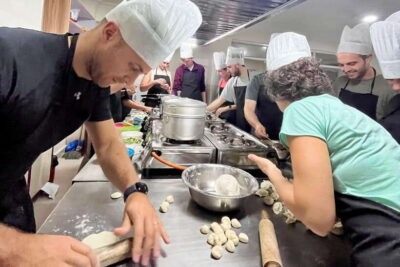
Browse the lists this tour appears in