
Reviewed · MOMO MAKING CLASSES
Kathmandu: Women-Led Nepali Cooking Class with Momo Making
A cooking class in Kathmandu stands out because you do not just watch Nepalese food happen, you make it. I especially like the mix of hands-on cooking and the included market/shop tour, so you get the why behind flavors like dal bhat and momo, not just a recipe list. One thing to consider: the class is short (2 to 3 hours) and group size is limited, so if you want to do every single step yourself, you may find you share the workload.
You also get real Nepali comfort food as your lunch or dinner payoff. Expect English instruction, a modern kitchen setup, masala tea during the lesson, and tasting what you cook. The main menu choices give you both vegetarian and meat options, which is great if you are traveling with picky eaters, or if you want to try more than one style of Nepali dumplings.
Key Highlights You Will Feel Immediately
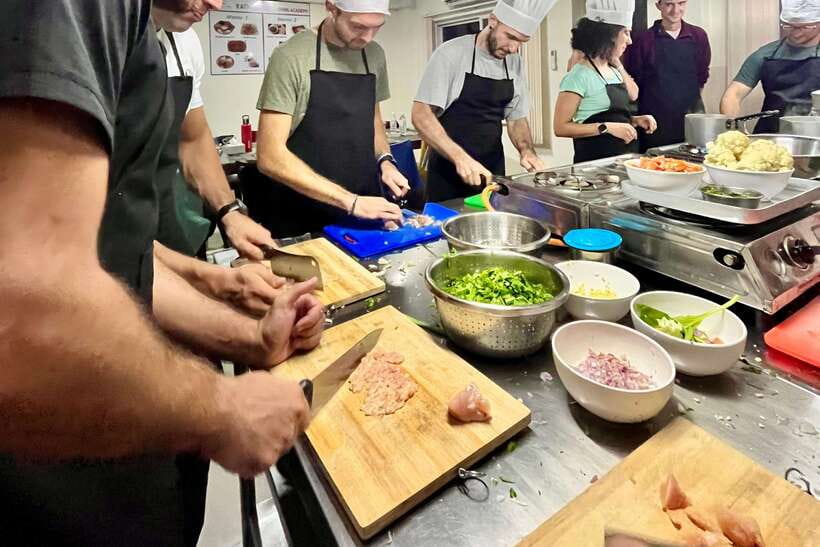
- Market or shop stop to pick ingredients like vegetables, spices, and meat before you cook
- Hands-on momo and dal bhat focus, with multiple menu combinations to choose from
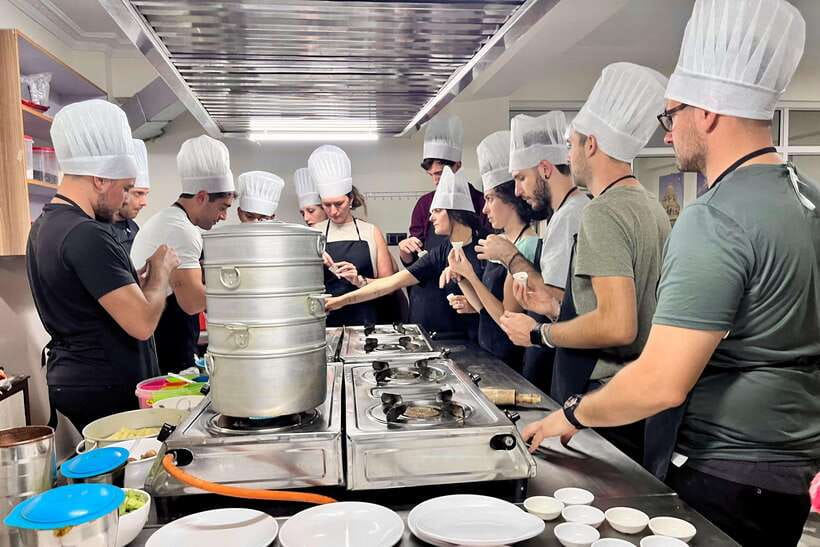
- Small group size (up to 10), with step-by-step guidance in English
- A clean, organized kitchen that makes it easier to learn fast and cook safely
- Masala tea and multiple dishes for tasting, so you leave fed, not just informed
- Recipe book option mentioned in feedback (available for an extra cost)
Nepal Food That You Can Actually Make: What This Class Delivers
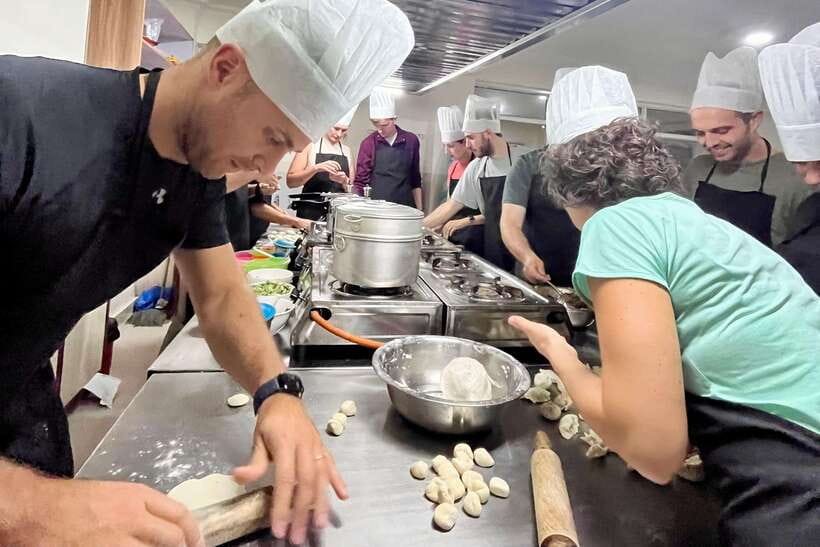
This experience works because it turns Nepalese cuisine into something you can repeat at home. You start with ingredient choices, move into kneading, chopping, seasoning, and assembly, and then you eat your own results. That flow matters. Food classes that skip the food shopping step often leave you with a plate of guesses, not a working mental map of flavors.
Two things make it especially strong for your time in Kathmandu. First, you are cooking staples people actually eat, not just tourist versions. Dal bhat is a core daily meal, and momo is the dumpling that shows up everywhere. Second, you get a menu structure that lets you choose what kind of meal you want, instead of being forced into one dish set.
The only caution I would flag is practical. A 2 to 3 hour class is active. Even with a small group, you may not touch every tiny task from start to finish. If your goal is maximum solo hands-on time, go in knowing you will still learn best by doing the key steps for your dish set.
More Cooking Classes in Kathmandu
- Kathmandu: Local Women-Led Nepali Cooking & Momo Class
★ 4.9 · 360 reviews - Kathmandu: Local Women-Lead Nepali Cooking & Momo Class
★ 4.9 · 45 reviews - Kathmandu: Local Lead Nepali Cooking & Momo Making Class
★ 4.9 · 40 reviews
Choosing Your Menu: Dal Bhat and Momo, or Something Newari and Beyond
You get three menu sets, and what you pick shapes the whole experience. These are not random add-ons. Each set connects to a specific food world in Nepal, from Newari classics to Nepali and even Tibetan-Nepali influences.
Menu 1: Bara, Dal Bhat, Yomari
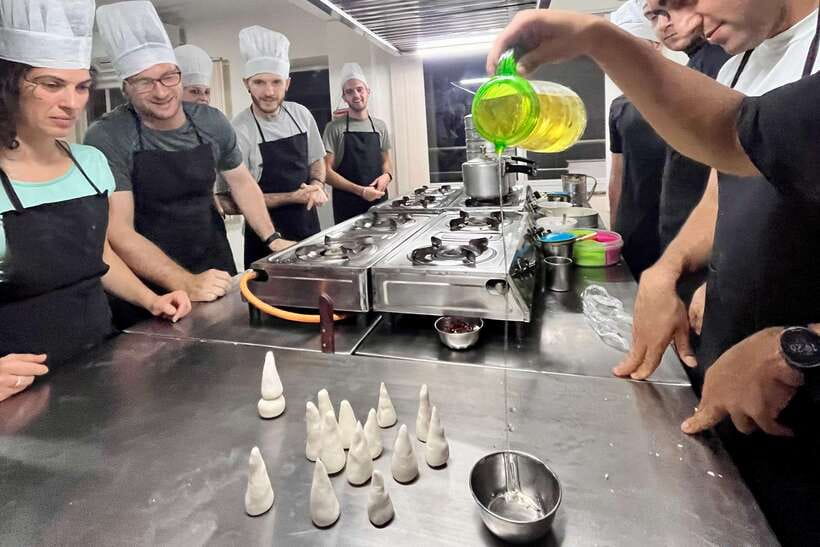
This one is for comfort and tradition. Bara is a lentil pancake from urad dal batter, seasoned with spices and commonly topped with egg, minced meat, or vegetables. Dal bhat is rice with lentil soup, typically served with vegetables, pickles, and curry. Yomari is a Newari sweet dumpling made with rice flour dough filled with molasses (chaku) and sesame seeds, or sometimes coconut.
If you want a meal that feels like real Kathmandu table food, this is the set. You also get a sweet element with yomari, so it reads like full-course dining.
Menu 2: Chatamari, Momo, Kheer
This menu is for dumpling lovers and dessert people. Chatamari is often called the Nepali pizza, a rice flour crepe topped with items like eggs, minced meat, vegetables, and spices. Momo comes next, with fillings that can be meat (chicken, buff, or pork) or vegetables. Kheer is rice pudding simmered with milk, sugar, and cardamom, finished with nuts and raisins.
I like this menu because it mixes savory variety with a classic Nepali dessert. It is a good choice if you want to learn technique across different dish types: dumplings plus a crepe-style dish plus a slow-simmered sweet.
More Momo Making Classes in Kathmandu:
- Kathmandu: Traditional Momo Making Class & Pickup
★ 4.8 · 60 reviews - Kathmandu: Women-Led Cooking Class & Momo Making-Local Taste
★ 4.8 · 15 reviews - Kathmandu: Momo Making Class with a Local Chef
★ 5.0 · 3 reviews - MoMo or Dal Bhat Cooking Class at Aama Kitchen in Pokhara
★ 4.9 · 28 reviews
Menu 3: Aloo Chop, Thukpa, Carrot Halwa
This is the snack and noodle set. Aloo chop is a spiced deep-fried potato snack made from mashed boiled potatoes. Thukpa is a Tibetan-Nepali noodle soup with aromatic broth and noodles, with vegetables and options for chicken, buff, or mutton. Carrot halwa is a carrot-based sweet slow cooked with milk, sugar, ghee, and cardamom, then garnished with nuts and raisins.
Pick this if you want something a bit more casual and hearty. It also gives you strong flavor contrast: fried potato crunch, comforting soup, then warm carrot sweetness.
Vegetarian and meat options
The menu descriptions explicitly mention vegetarian and meat options, especially for momo and toppings. That matters for value. You are not paying for a fixed dish that might not suit your dietary preferences.
Before the Kitchen: The Market Stop That Teaches You What to Buy
One of the most practical parts of this class is the included market/shop tour to buy ingredients for your cooking. That is not just a nice extra. It teaches you how Nepali cooks think about the building blocks of flavor.
In a market, you will typically see the ingredients you will handle later: vegetables, spices, and if you choose meat, the meat as well. You also get a better sense for what fresh ingredients actually look like. Even if you do not remember every spice name, you will remember the idea: start with the right raw ingredients, then season with purpose.
This is also where women-led hospitality shows up in a real way. Cooking starts before the stove. People in Nepal take ingredient sourcing seriously, and a market stop helps you feel that culture in action rather than as a story.
Step-by-Step Cooking in a Clean, Organized Kitchen
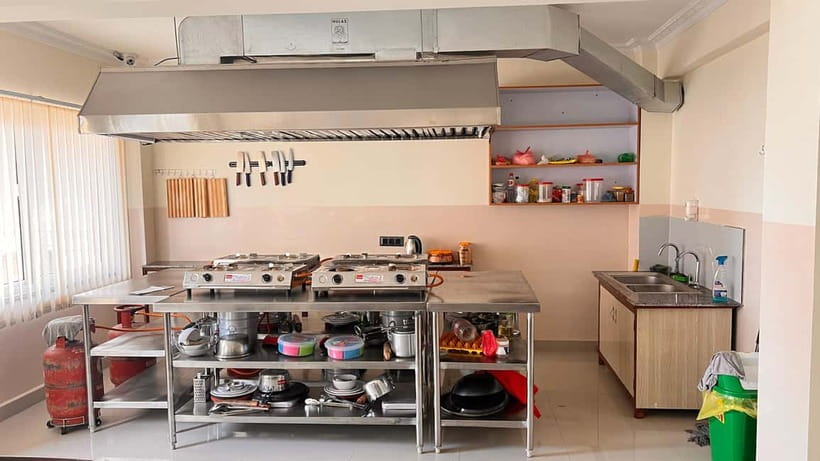
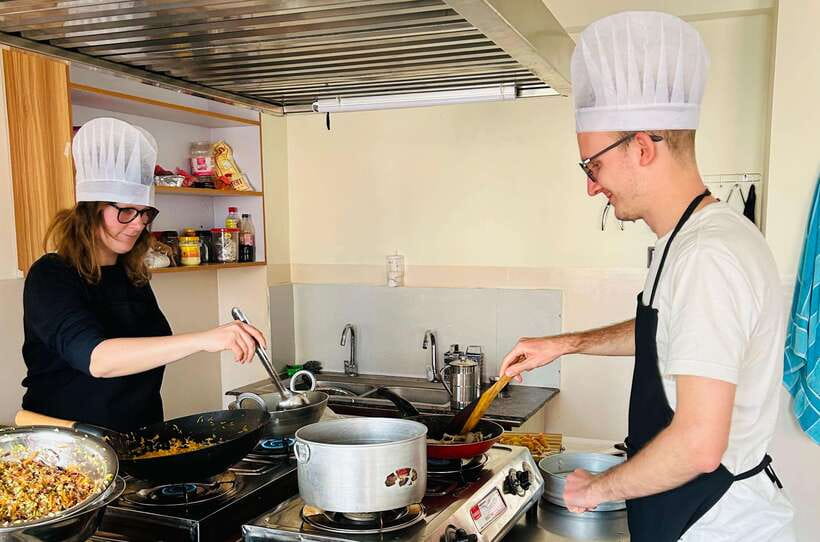
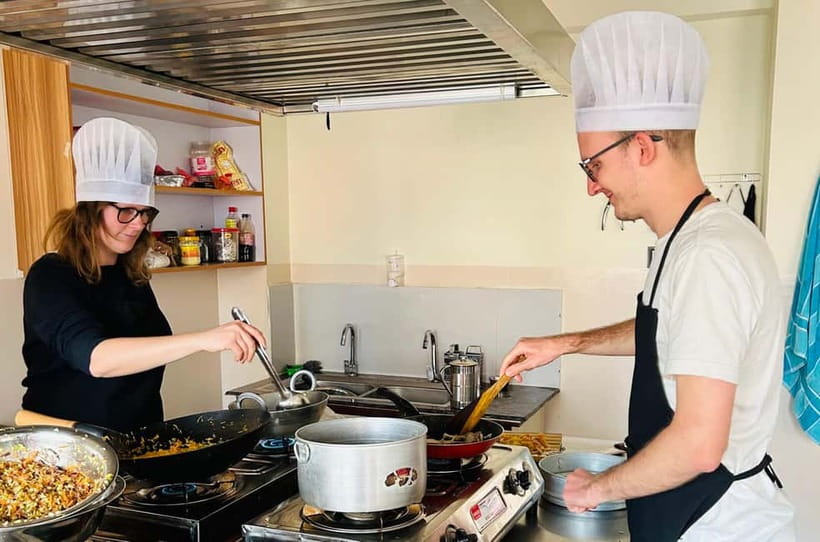
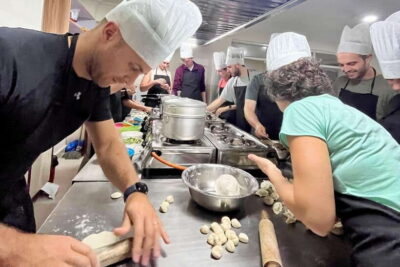
Once you are in the workshop kitchen, the tone is practical. The setup is designed for learning: equipment and accessories are included, and the class runs with step-by-step instructions from a local chef.
A key detail from feedback that I would take seriously if you have ever done a messy cooking class is that the kitchen is clean and well organized. That sounds basic, but it changes everything. When your station is tidy, you can focus on timing and technique instead of fighting clutter.
Also, you are in a small group limited to 10 participants. That size helps with questions and coaching. You can ask about dough texture, how to season, or what consistency to aim for in things like dal, kheer, or soup broth. The instruction is in English, so you are not stuck trying to translate what someone is telling you while your food is cooking.
One note that came up in feedback: some people wish they personally did more of the physical steps. That is not a deal breaker, but it is worth planning your expectations around. Go in to learn core techniques, not to believe you will do every single move alone.
Masala Tea and Bara: Your First Taste of Nepalese Rhythm
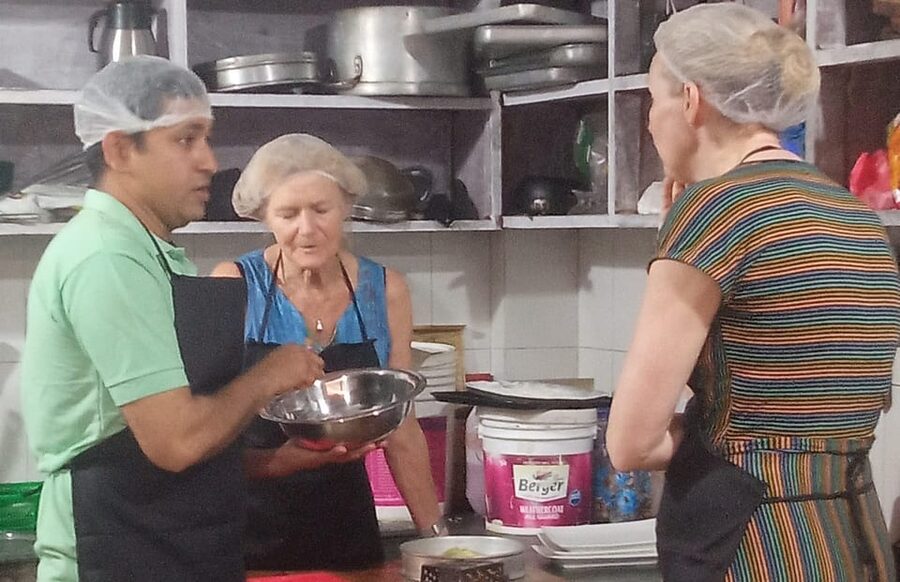
The lesson includes Nepali masala tea during the session. This matters because masala tea is not just a drink. It sets the tone for Nepalese flavor habits: black tea plus aromatic spices.
Bara is often part of Menu 1, and it works as a good learning dish. It is made from lentil batter and is seasoned with spices. Whether you top it or eat it plain as part of your meal plan, it gives you early momentum in the cooking process. It is also a useful skill lesson, because batter-based cooking is all about consistency and heat control.
If you pick Menu 1, you will also get the dal bhat platform, which is basically Nepal’s comfort meal system. You will learn how rice and lentils fit together, and that eating in Nepal often means balancing multiple components, not just one main dish.
Dal Bhat: The Core Meal You Can Rebuild Later
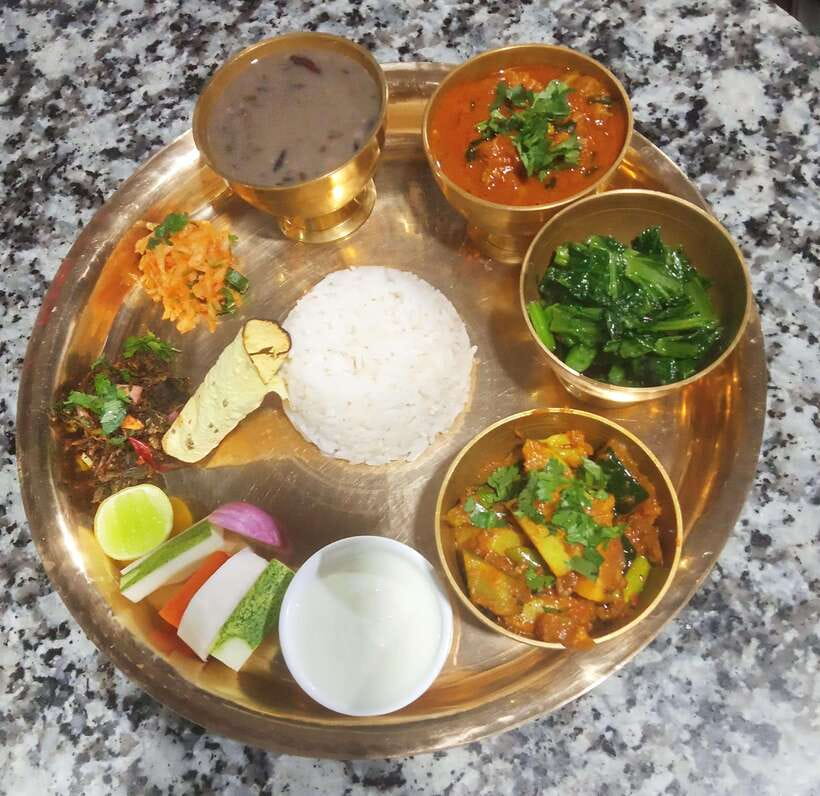
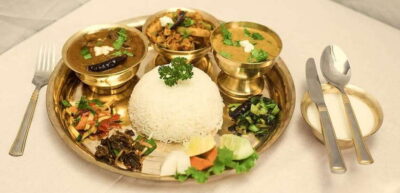
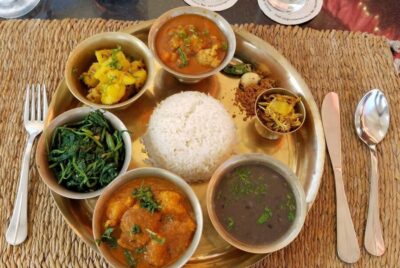
Dal bhat is described as steamed rice plus lentil soup (dal), served with vegetables, pickles, and curry. That combination is the heart of the dish and the reason it works.
When you cook it here, pay attention to the dal texture. Too thin and it feels flat. Too thick and it can feel heavy. The class format, with step-by-step coaching, is ideal for getting that balance without second-guessing yourself.
This is also where cultural context helps. The class includes cultural significance and different methods of cooking, so you are not only learning ingredients, you are learning how people think about the meal. That makes dal bhat more than food trivia. It becomes a template.
And yes, dal bhat is also a satisfying “leave-the-class full” meal. You will not walk out hungry after a 2 to 3 hour experience.
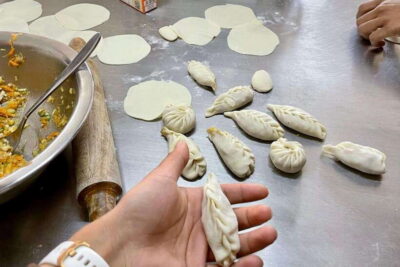
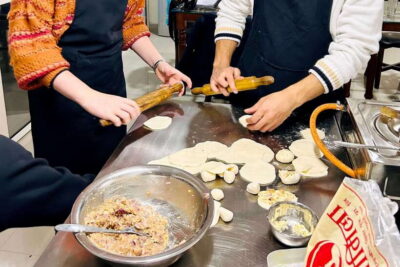
Momo Technique: Dumpling Assembly and Flavor Control
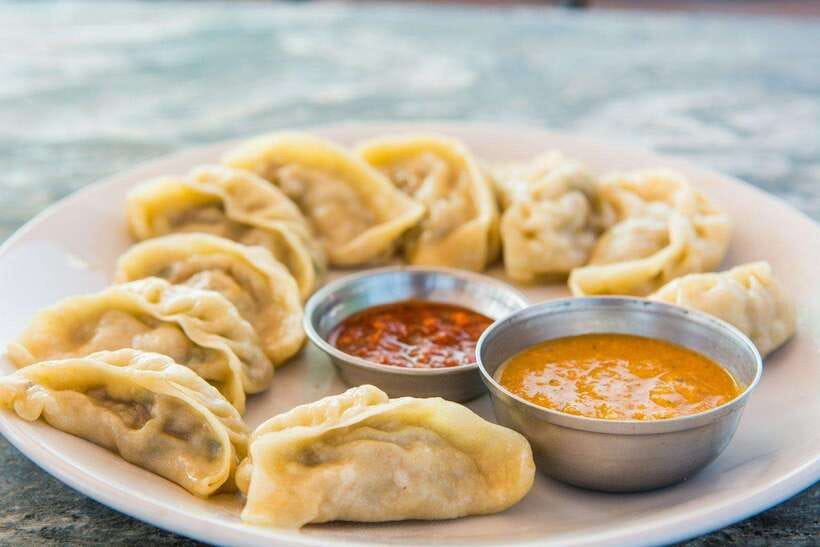
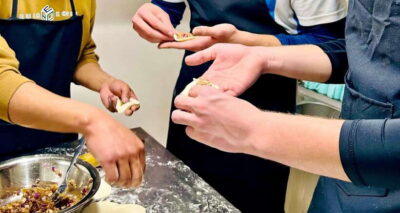
If your trip plan includes Kathmandu street food, you have seen momo before. But cooking momo is different from buying it. Here, you learn how to make the dumplings and season properly.
Momo is defined as dumplings filled with minced meat (chicken, buff, or pork) or vegetables, seasoned with spices. That means your learning has two sides: dough or wrapper handling, and filling seasoning. Even if you only manage one of those components fully, you will understand how they come together.
Momo also connects Nepal to broader Himalayan food culture. That is why it is such a popular choice for cooking classes. You get a dish that feels local in Nepal, but you also recognize the shared noodle and dumpling influence across the region.
Chatamari and Thukpa: When Nepalese Food Blends With Its Neighbors
Not everyone wants dumplings and soup, so the class includes other menu pathways.
Chatamari
Chatamari is described as a traditional Newari rice flour crepe, often called the Nepali pizza. It is topped with ingredients like eggs, minced meat, vegetables, and spices. Learning it is a different kind of skill than dumplings. You are working with a thin base and toppings, which means heat, timing, and portioning matter.
Thukpa
Thukpa is a traditional Tibetan-Nepali noodle soup with hand-pulled or wheat noodles in a flavorful broth. It often includes vegetables and can include meat (chicken, buff, or mutton) plus aromatic spices.
If you pick Menu 3, you get that soup comfort, plus the chance to understand how spices work in broth. Soup is forgiving, but a good broth still depends on careful seasoning.
Kheer and Carrot Halwa: Two Ways to Get Sweet Without Overcomplicating
Nepalese desserts are not just afterthoughts. They are part of the meal structure. Two options are included based on your menu choice.
Kheer is rice pudding simmered with milk, sugar, and cardamom until creamy, garnished with nuts and raisins. Carrot halwa is slow cooked grated carrots with milk, sugar, ghee, and cardamom, then topped with nuts and raisins.
I like having dessert included because it gives you a wider range of cooking techniques. You go from savory seasoning to gentle simmering, then to dessert texture and sweetness balance. It also makes the class feel like a complete Kathmandu dining experience, not only a cooking lab.
What You Eat: Tasting Session With Your Own Cooking
After you cook, you get a tasting session of the food you prepared. That is one of the biggest practical values of this kind of class. You see what you got right, what you would adjust next time, and what tastes best when it is fresh off the stove.
Feedback also points out that many dishes are delicious, and you can choose which three dishes to eat. That is a nice touch because it prevents the classic cooking class problem: too much food, too little control. If you have a strong preference, it helps you design the tasting portion.
Price in Kathmandu: Why This Feels Like Good Value at $8
At $8 per person, this class is one of the easier “yes” decisions in Kathmandu. The price is low, but it still includes the big value items: a market/shop tour, step-by-step instruction from a local chef, cooking equipment and accessories, masala tea, and tasting.
In other words, you are paying for more than a meal. You are paying for ingredient guidance and a technique lesson, plus the fact that the kitchen is set up for you to learn. When the group is small and the instruction is in English, the value gets even better.
If you are on a budget, this is one of those activities that stretches your money because it produces both skills and dinner or lunch.
Small Group Dynamics: Learning With Space to Ask Questions
The group is limited to 10 participants. That is a sweet spot. You are not lost in a crowd, but it is still social enough to ask questions without feeling like you are monopolizing the chef.
The instruction is English. For non-Nepali speakers, that reduces stress during the busiest cooking moments. When you can understand the next step clearly, you waste less time and burn fewer batches.
Where It Starts and Ends, and How It Fits Your Day
The workshop location is easily accessible from Thamel, and the activity ends back at the meeting point. That matters because you do not want to waste hours commuting across the city before or after cooking.
The duration is 2 to 3 hours, and starting times depend on availability. If you are planning your Kathmandu days, pick it for late morning or early afternoon when you can still wander afterward. You will be busy, but you will also want to walk off the comfort-food heaviness.
The class uses a separate entrance for skip-the-line access. That is a small convenience, but in a busy place like Kathmandu it can save you hassle.
Who This Class Is Best For
This is a solid choice for you if:
- You want Nepali flavors that you can repeat at home, especially dal bhat and momo
- You like learning from a local chef and shopping for ingredients, not just cooking from a printed list
- You travel with mixed diets since vegetarian and meat options are included
- You want a short, high-energy cultural food activity that still feels hands-on
It is also a good fit if you are traveling with kids age 8 and up, since the workshop is suitable for ages above 8.
Quick Practical Tips So You Leave Feeling Proud
I do not think you need special cooking skills. The class is built for learning. Still, a few mindset choices help:
- Focus on technique over perfection. Your goal is to understand how dough or batter should look and how seasoning should feel.
- Decide your menu set ahead of time based on what you want to eat after. The tasting portion is part of the value.
- If you are a superhands-on person, go in expecting shared steps, but ask questions during the parts you are leading.
Also note: if you want a recipe book, there is an option mentioned in feedback, available for an extra cost. If you like cooking at home, it is worth asking about on the day.
Should You Book This Women-Led Nepali Cooking Class?
Yes, I would book it if you want a short Kathmandu activity that gives you both dinner and skills. The combination of market shopping, a clean organized kitchen, English instruction, and a tasting session makes it feel like real value for $8. And if momo is on your must-eat list, this is one of the best ways to go beyond ordering it.
Skip it only if you need maximum independent cooking time with no shared steps. The class is small, but it still runs like a guided workshop, not a private kitchen for one.
If your plan includes Thamel and you want something culturally specific but still practical, this is a very easy decision. Pick the menu that matches your craving, show up hungry, and let the chef guide you through the exact food you came to taste.
FAQ
How long is the cooking class in Kathmandu?
The class runs for about 2 to 3 hours. Exact starting times depend on availability.
Where does the class meet and where does it end?
It starts at the workshop location, which is easily accessible from Thamel in Kathmandu Valley, and it ends back at the meeting point.
What is included in the price?
The class includes step-by-step cooking instruction from a local chef, the market or shop tour for ingredients, hands-on cooking, use of cooking equipment and accessories, a tasting session, and Nepali masala tea during the lesson.
Is the class vegetarian friendly?
Yes. The menus include options with vegetarian choices, and vegetarian and meat versions are mentioned for dishes like momo and dish toppings.
What menu options are available?
There are three sets of menu options: Menu 1 (Bara, Dal Bhat, Yomari), Menu 2 (Chatamari, Momo, Kheer), and Menu 3 (Aloo Chop, Thukpa, Carrot Halwa).
What are the rules for age and language?
The workshop is suitable for people aged above 8 years. Instruction is in English.
Latest Kathmandu write-ups
- 16 Days Island Peak Climbing With Everest Base Camp Private Trip★ 5.0 · 3 reviews
- Everest Base Camp Trekking 16 Days★ 4.0 · 7 reviews
- 15 Days Round Annapurna Trek with Poon Hill from Pokhara★ 5.0 · 5 reviews
- Private Nepal round trip including Ghorepani Poonhill trek★ 5.0 · 3 reviews
- 14 Days Luxury Annapurna Base Camp Trek★ 5.0 · 6 reviews
- Everest Base Camp Trek★ 5.0 · 32 reviews
- Everest Base Camp Trek★ 5.0 · 87 reviews
- Everest Base Camp Trek★ 5.0 · 97 reviews
Momo Making Classes, compared.
MoMo or Dal Bhat Cooking Class at Aama Kitchen in Pokhara
Read our review →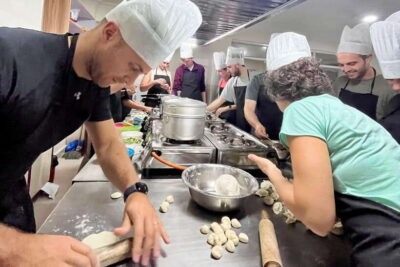
Browse the lists this tour appears in