
Reviewed · MOMO MAKING CLASSES
Kathmandu: Local Women-Led Nepali Cooking & Momo Class
A local women-led Nepali cooking class in Kathmandu is interesting because you learn food culture the way locals do, starting with momo basics and the ingredients behind them. You start from scratch, not with a buffet line, and you get coached through the why, not just the how.
I especially like two things. First, the market tour is part of the lesson, so you learn what to buy and how to think about spices, vegetables, and meat choices. Second, you leave with real skills for classic staples like dal bhat and dumplings, not just a full stomach.
One drawback to plan for: the class location involves stairs and the Thamel area can be hilly. It is also not suitable for wheelchair users or people with visual impairments, so choose this activity only if you can comfortably manage steps and a short walk.
Key things you can look forward to
- Thamel kitchen time: hands-on cooking with step-by-step instruction, plus plenty of eating at the end
- Market visit included: you shop for the produce and spices you will actually cook with
- Momo focus with choices: chicken or vegetarian fillings, plus you learn the dumpling process from start to finish
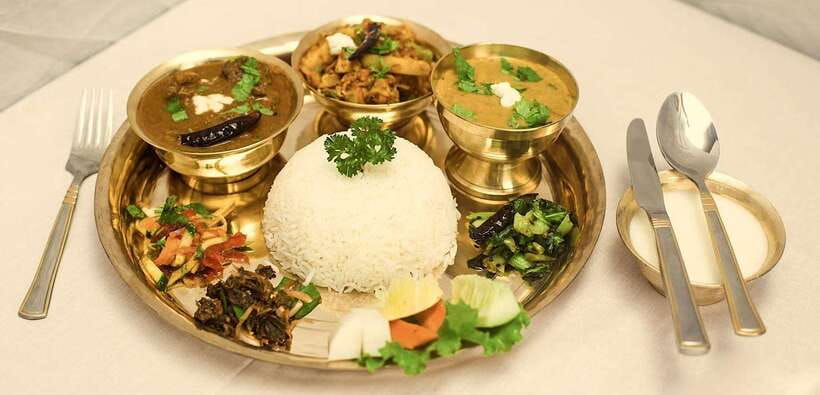
- Dal bhat anchor dishes: rice, lentil curry, and the Nepali dinner rhythm
- A whole meal, not a snack: masala tea plus a tasting session of what you prepare
- English-speaking team: classes are run in English, with instructors named Nish and Bikram in recent sessions
Kathmandu Momo Cooking Class: What Makes This One Feel Like Real Nepal
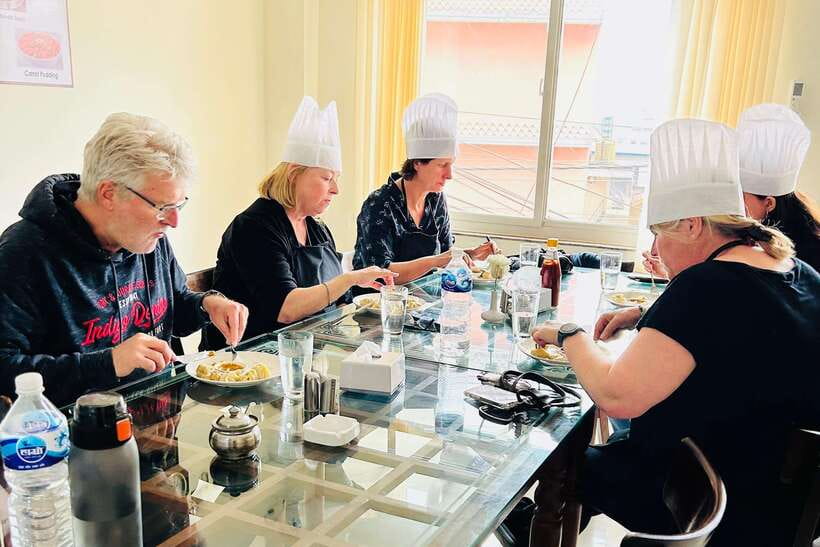
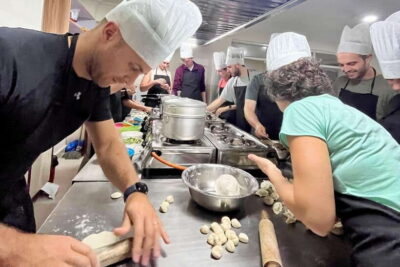
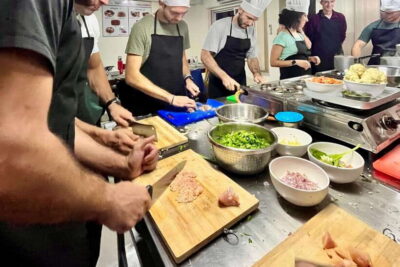
This isn’t a showy food performance where someone else does the cooking while you watch. It’s a hands-on Kathmandu cooking class where your hands do the work, from ingredient choices to shaping and cooking. That matters because Nepali food is about balance, spice layering, and texture, and you only really get it when you do it yourself.
What also makes it special is the local leadership angle. You’re cooking with a team connected to Nepalese kitchen culture, and recent sessions have had instructors such as Nish and Bikram leading the experience, with other team members like Jojo and Biccie showing up in supporting roles. That team vibe usually means clear guidance and a relaxed pace.
The value is the real surprise here. At $4.00 per person with a class length around 3 hours (depending on the option), you’re getting market time, instruction, equipment access, and a meal you cook and eat. If you’re comparing this to paying for a private meal plus a tour, the math often looks good.
More Cooking Classes in Kathmandu
- Kathmandu: Local Women-Lead Nepali Cooking & Momo Class
★ 4.9 · 45 reviews - Kathmandu: Local Lead Nepali Cooking & Momo Making Class
★ 4.9 · 40 reviews - Kathmandu: Women-Led Cooking Class & Momo Making-Local Taste
★ 4.8 · 15 reviews
Getting to Thamel and Preparing for a Floury, Friendly Session
You’ll meet in Kathmandu with the exact meeting point depending on the option you book. If you choose it, you can also get hotel pickup and drop-off within Kathmandu, which is handy in a city where traffic and directions can eat your time.
Plan to arrive about 15 minutes early. The cooking portion is timed, and being prompt makes the whole class flow better. Bring a camera if you want photos of the ingredients and the final dishes.
Dress for comfort. You will be cooking, so wear clothes you do not mind getting a little food-stained. The class provides aprons and cooking equipment, but comfortable shoes help too, especially in Thamel where you may run into stairs and a short uphill walk getting to the kitchen.
Market Tour in Kathmandu: The Ingredient Lesson You’ll Actually Use
The market stop is not just a quick stroll for atmosphere. You buy the important ingredients needed for the dishes you’ll cook, including vegetables, spices, and meat for the class. That matters because Nepali cooking uses spices in specific ways, and the ingredients you pick will affect the flavor at the end.
This is also where you get your mental model for the cuisine. You start from scratch, so you learn what choices mean, like how certain spices work together and how fresh produce changes the final result. If you’ve ever followed a recipe at home and wondered why it tasted different, this market piece is the fix.
One practical note: if you have dietary restrictions, tell the team in advance. They can adjust the plan, but you should flag it early so there is time to match ingredients.
The Core Experience: Momo and Dal Bhat, Taught Like a Skill
The class has a clear anchor. Momo and dal bhat are the main dishes, with options to add more Nepali meals. This structure is smart for you because it keeps the lesson cohesive. You learn the biggest Nepali staples and then build outward with extra dishes if you choose them.
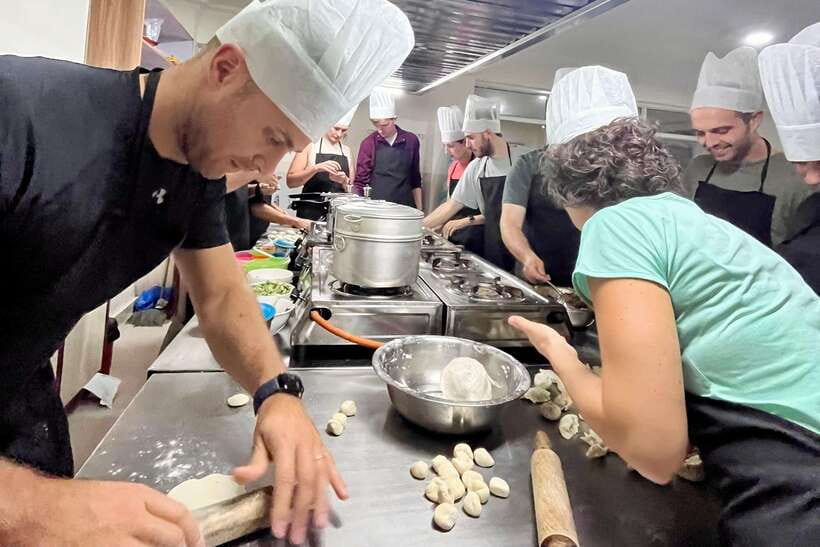
You cook in a traditional kitchen environment and get step-by-step instructions from the English-speaking instructor. The group stays small for personalized guidance, which helps when you need a second look at dough handling or when you want to ask about spice choices.
You also learn more than the recipe. The class includes cultural significance around what you’re making and different cooking methods used in Nepal. Even if you only care about dinner tonight, knowing the why behind the technique helps you repeat it later without guessing.
More Momo Making Classes in Kathmandu:
- Kathmandu: Traditional Momo Making Class & Pickup
★ 4.8 · 60 reviews - Kathmandu: Momo Making Class with a Local Chef
★ 5.0 · 3 reviews - MoMo or Dal Bhat Cooking Class at Aama Kitchen in Pokhara
★ 4.9 · 28 reviews - Pokhara: 3 Hour MoMo cooking class
★ 4.5 · 10 reviews
Making Momo in Kathmandu: Dumpling Dough, Fillings, and Technique
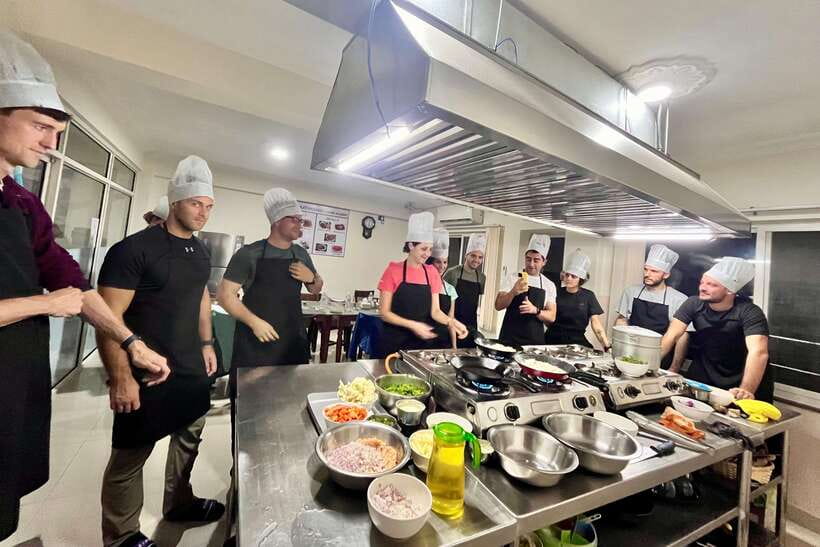
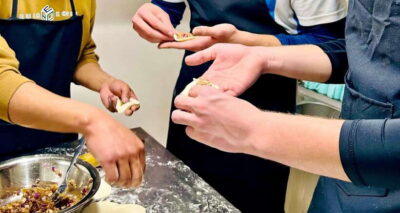
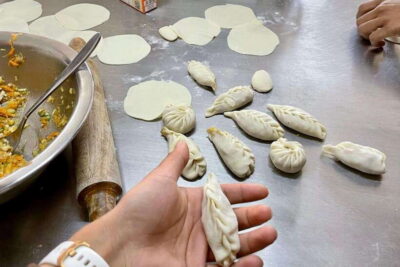
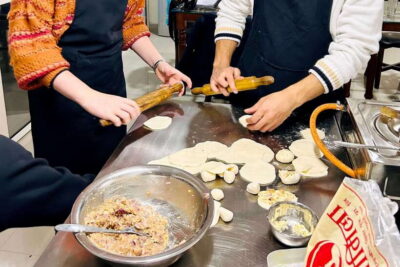
Momo is the headline for a reason: it’s fun to make and satisfying to eat. You get to make dumplings with a choice of fillings, including chicken momo and vegetarian momo. The process starts with preparing the dough and continues through assembling the dumplings, which is where most first-timers get a workout.
This is the part you’ll probably talk about the most later. When the filling goes inside and you start shaping, you learn how consistency should feel and how to work with the dough so it doesn’t tear or dry out. The instructors, including names like Nish and Bikram in recent sessions, tend to explain each stage clearly and keep things unhurried so you can actually follow.
You will also get a tasting moment at the end, so you can compare what you made against what you expected. That instant feedback is one of the best reasons to take a cooking class instead of just reading a recipe online.
Beyond Dumplings: A Menu of Nepali Dishes You Can Choose
You can expect the class to include additional Nepali dishes beyond the anchors. Some of the dishes you might make include:
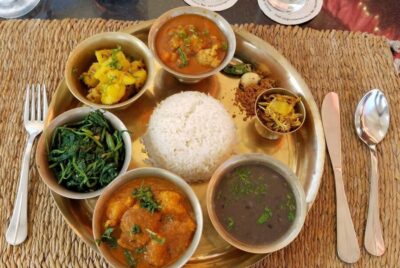
Dal bhat
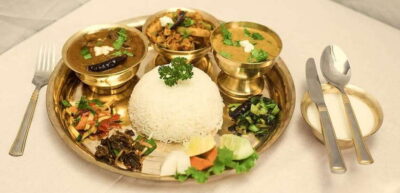
This is rice plus lentil curry, often with a simple rhythm to the meal. It gives you a base Nepali flavor profile and a practical dish you can recreate easily.
Bara (lentil patties)
Deep-fried lentil patties add crunch and contrast. It’s also a good way to learn how batter-like mixtures behave when frying.
Chatamari (Nepali pizza)
This flatbread gets topped with ingredients in a style locals recognize. It’s different from momo, so it broadens your skills beyond dumplings.
Thukpa (noodle soup)
A hearty noodle soup with roots in Tibetan cuisine that’s also a beloved part of Nepali eating. It’s a warm, comforting counterpoint to dumpling-heavy plates.
Choila (spicy marinated mushroom dish)
If you opt into vegetarian spice, this gives you a bolder flavor profile. It’s great for learning marination style and spice balance.
Yomari (sweet dumpling)
A sweet dumpling filled with jaggery and sesame seeds. It’s not the typical dessert format most people know, which makes it memorable.
Carrot pudding
A dessert option that rounds out the meal without feeling too heavy after a lot of savory food.
Depending on the option and what you select, you may also see dishes like roti with chicken curry and other Nepali staples. The key point for you is that you are choosing a menu and then cooking it, so you are not stuck with one repetitive dish for the whole class.
Masala Tea, Tasting, and Leaving With a Full Plate
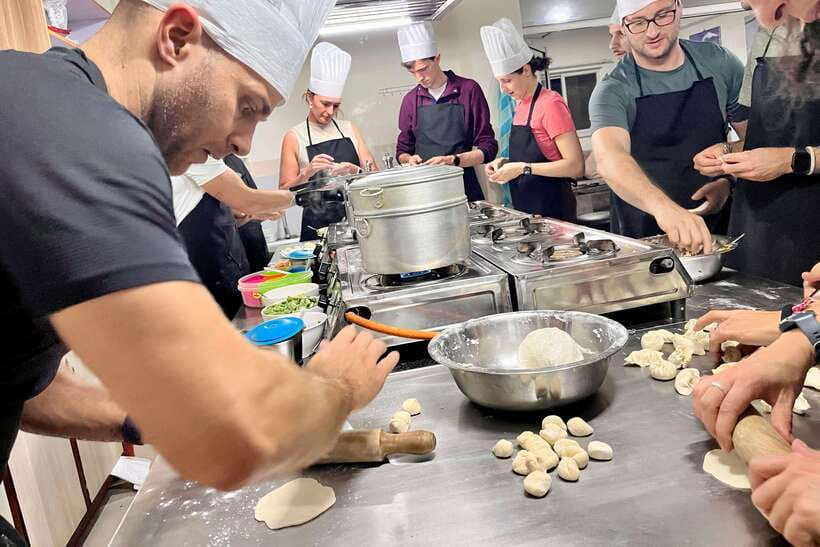
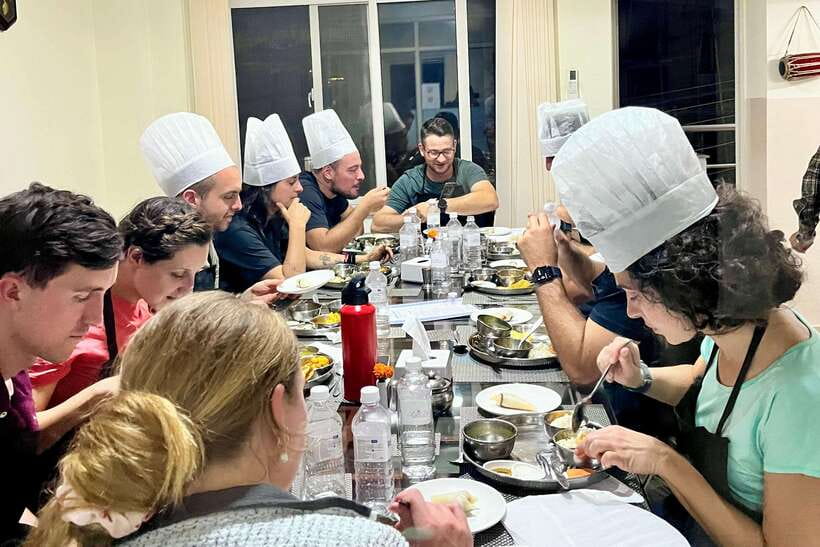
Meals are part of the experience, not an afterthought. You get Nepali masala tea during the lesson, and there is a tasting session of the food you prepared. That means the class naturally builds toward eating what you made, which is the moment most people enjoy the most.
Masala tea in Nepal usually means black tea with spices, so it’s aromatic and pairs well with fried or spicy dishes. It also gives you a break while you’re working, which helps keep the class fun instead of rushed.
At the end, you should expect a real meal. Some people finish with more food than they planned because portions can be generous. Either way, you’ll likely leave satisfied, not just tasting a bite or two.
English Instruction, Small Groups, and Allergy Safety
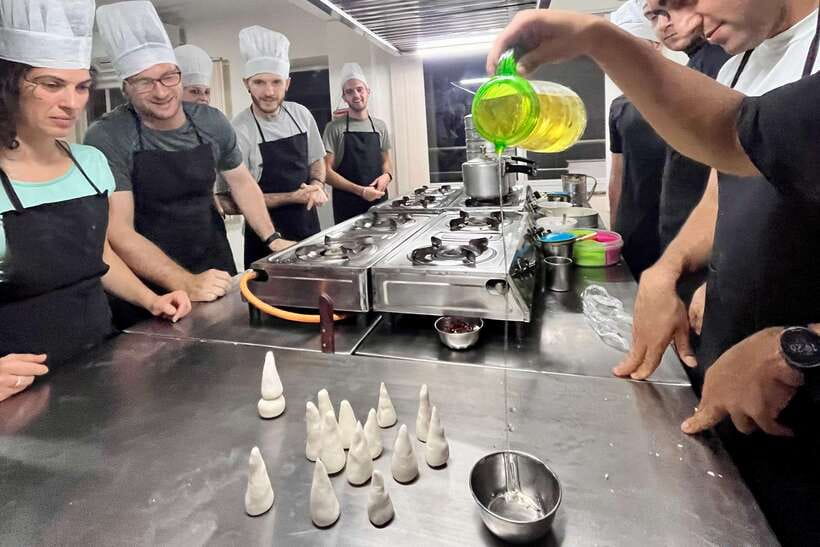
The instructor is English-speaking, and the small group format is built for questions. That matters because dumpling making often comes with little technical questions, like how thick the dough should be or how to handle filling without making a mess.
The class also flags health and hygiene standards. If you have allergies or medical conditions, you should inform the team before the class. That is the right way to get food adjustments done safely.
If you are a novice cook, you’re set up for success because the teaching is step-by-step and you start from scratch. If you’re more experienced, you’ll still get value from learning Nepali technique and spice logic instead of only following a generic method.
Price and Value in Kathmandu Cooking: Why $4 Makes Sense Here
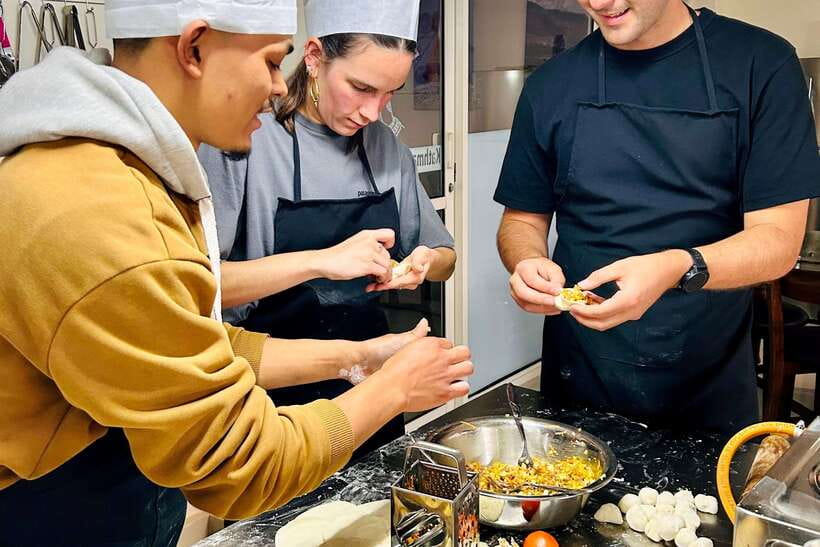
At $4.00 per person, this is one of those activities that feels like you’re getting more than you paid for. You’re not just buying a seat, you’re buying:
- a market/shop tour
- cooking instruction with equipment and accessories
- hands-on making of multiple dishes
- a tasting session
- masala tea
That’s a lot of value for a short time window. The class duration is around 2 to 4 hours, typically about 3 hours including the market visit, cooking, and tasting.
There is one consideration for value. If you want only one dish, you might feel tempted to compare it to a cheaper single-dish workshop. But the class focuses on momo and dal bhat as anchors, with options for additional dishes, so most people end up with a full meal and multiple skills.
Who This Kathmandu Cooking Class Is Best For
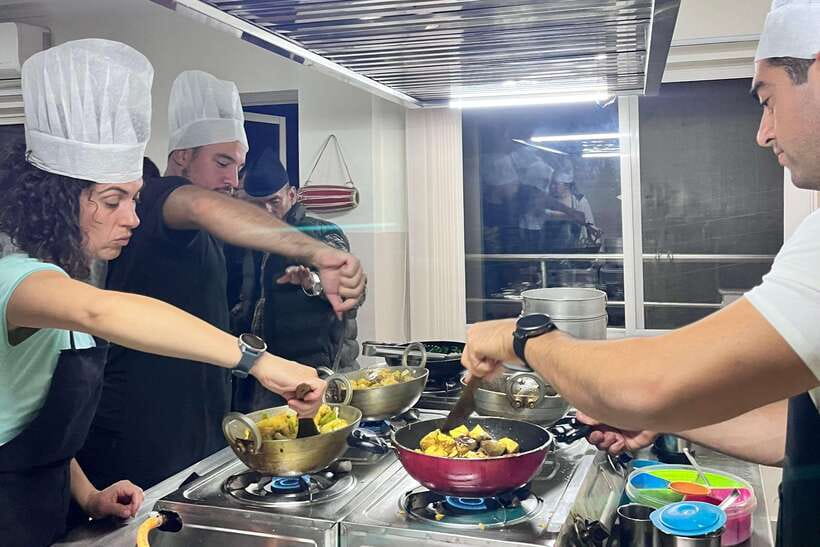
This class is a great fit if you want a practical way to understand Nepali food in Thamel without spending all day doing “sightseeing plus guessing.” It’s especially good for:
- first-time visitors who want to learn Nepali food culture through hands-on cooking
- couples or friends who like relaxed group activities
- anyone who wants a repeatable dinner at home, especially momo and dal bhat
It may not be the best choice if you have mobility issues due to stairs. It’s also not suitable for wheelchair users or visually impaired people, based on the activity’s limitations. If you’re bringing someone who needs careful accessibility support, confirm fit before booking.
Should You Book This Kathmandu Cooking Class?
If you want a short, high-value activity in Kathmandu that teaches real skills, I think you should book it. The best reasons are simple: you learn momo and dal bhat from scratch, you shop for ingredients on the way, and you eat what you make in the end. At this price, you’re paying for instruction and a meal, not just a photo moment.
Book it if you enjoy food-focused travel and you like doing something with your hands. Consider skipping if stairs and limited mobility are a problem, or if you know you would hate frying and dough work.
If you do book, arrive on time, tell the team about any dietary needs, and plan to leave hungry in the beginning and very full by the end.
FAQ
How long is the Kathmandu local women-led Nepali cooking and momo class?
The class duration is listed as 2 to 4 hours, and it lasts around 3 hours including the market visit, cooking session, and food tasting.
What dishes will I learn to cook?
The class focuses on momo and dal bhat as main dishes. You can also choose additional Nepali dishes, such as options mentioned like chicken or vegetarian momo, bara, chatamari, thukpa, choila, yomari, roti with chicken curry, masala tea, and carrot pudding.
Is a market visit included?
Yes. The experience includes a market/shop tour to buy key ingredients like vegetables, spices, and meat used in the class.
Do I get pickup from my hotel?
Pickup is optional. If you select it, hotel pickup and drop-off are included, and you provide your hotel details when booking.
What language is the instruction in?
The instructor teaches in English.
Do I get recipes after the class?
Yes. A recipe book is available as a PDF version if you WhatsApp the team after the class. Physical books can also be purchased for an additional cost.
Latest Kathmandu write-ups
- 16 Days Island Peak Climbing With Everest Base Camp Private Trip★ 5.0 · 3 reviews
- 15 Days Round Annapurna Trek with Poon Hill from Pokhara★ 5.0 · 5 reviews
- Private Nepal round trip including Ghorepani Poonhill trek★ 5.0 · 3 reviews
- Everest Base Camp Trekking 16 Days★ 4.0 · 7 reviews
- Everest Base Camp Trek★ 5.0 · 32 reviews
- Everest Base Camp Trek★ 5.0 · 87 reviews
- 14 Days Luxury Annapurna Base Camp Trek★ 5.0 · 6 reviews
- Everest Base Camp Trek★ 5.0 · 97 reviews
Momo Making Classes, compared.
MoMo or Dal Bhat Cooking Class at Aama Kitchen in Pokhara
Read our review →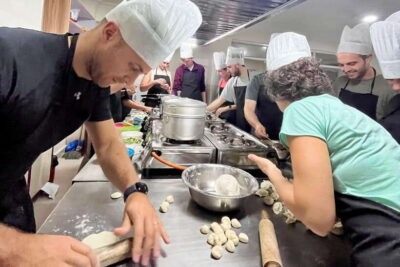
Browse the lists this tour appears in