
Reviewed · HIKING & TREKKING
Nagarjun Jamacho Day Hike – Stunning Valley Himalayan Views
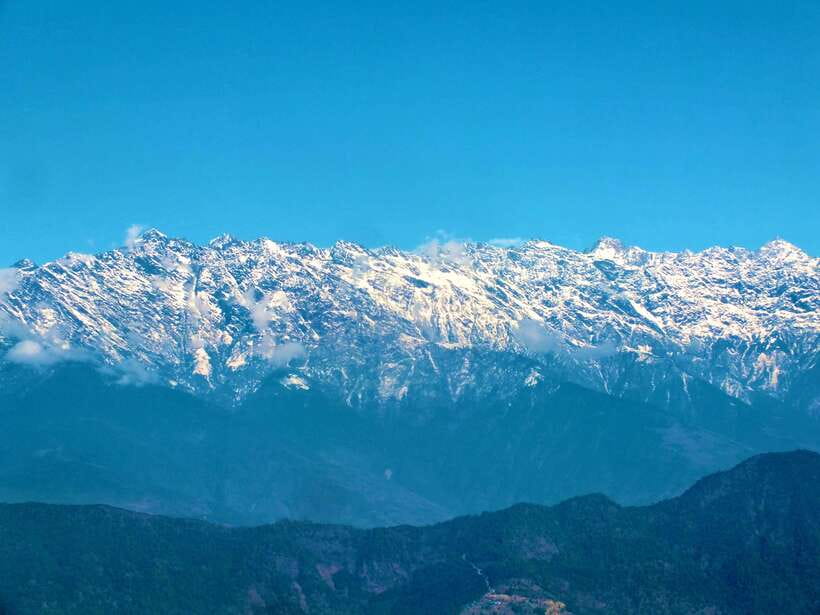
A Nagarjun Jamacho day hike is one of those Kathmandu-area plans that feels like a real reset. You start close to the city, then the forest quiets down and you climb toward Kathmandu Valley views and Himalayan peaks. It is a manageable day outing, not a full-on expedition.
Two things I really like about this hike: the mix of nature and culture, and the way the guiding makes the steep parts feel doable. Guides such as Suren and Srijan come prepared with snacks and a steady pace, so you are not just chasing views, you are learning your way through the hills.
One consideration: the ascent is continuous and can feel steep if you go out too fast. Plan for a slow start, take short breaks, and you will enjoy it far more than if you treat it like a race.
Key highlights worth your attention
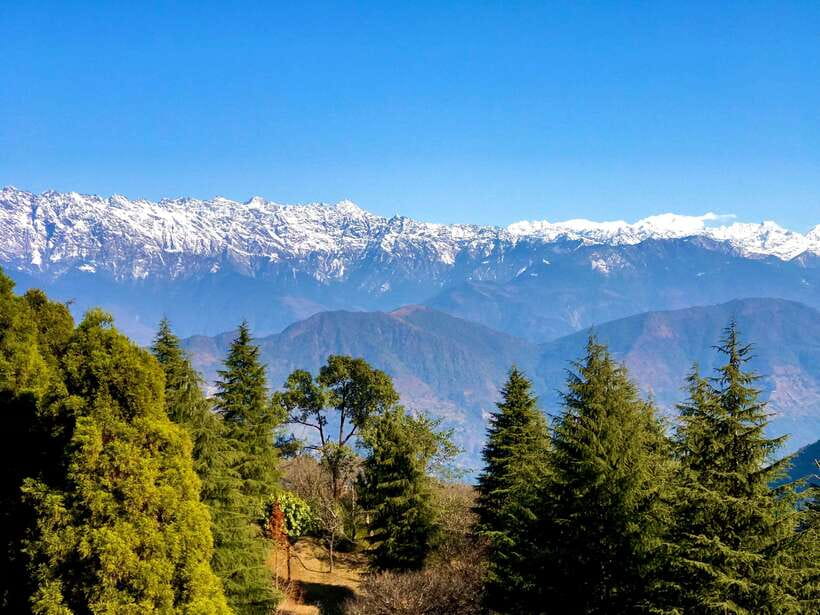
- Panoramic Himalayan and Kathmandu Valley views from the Shivapuri or Nagarjun summit viewpoints
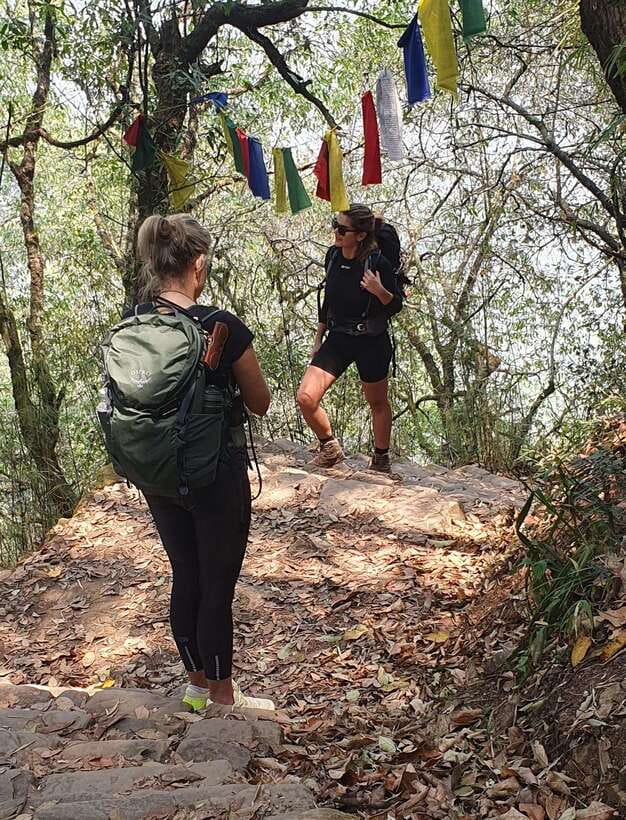
- Shivapuri Nagarjun National Park forest trails with prayer flags, birdsong, and spring color in season
- Bagdwar natural spring stop, tied to the holy Bagmati River tradition
- Jamacho Stupa and sacred sites, including monasteries and Shivapuri Baba ashram areas
- Guides that pace you well, with real encouragement and thoughtful extras like fruits and local snacks
Getting to Shivapuri Nagarjun National Park, and Why the Drive Matters
Your day starts in Thamel. You get pickup within a 3 km radius, and then you ride out by private car to the park entrance. That short drive is not just convenience. It drops you into a different world quickly, with the city fading away before you even lace up your shoes.
Most days follow a simple flow: park entrance, gradual uphill through dense forest, then a steady climb toward higher viewpoints. The total day runs about 5 hours, including the hiking time and the time you spend at key stops. In practice, your round trip hike time is usually in the 4 to 6 hour range depending on pace and how long you pause for views and photos.
What I like for first-timers is that the logistics are straightforward. You are not stitching together buses, nor trying to find a route on your own. With an experienced English-speaking guide, you get a clean start and a clean return to Thamel.
More to compare around Kathmandu
- Kathmandu: 7 UNESCO Sites with Lunch
★ 4.8 · 744 reviews - Everest Base Camp Helicopter Tour landing at Everest View Hotel
★ 5.0 · 668 reviews - Kathmandu: Local Women-Led Nepali Cooking & Momo Class
★ 4.9 · 360 reviews
The Climb: Forest Trails, Prayer Flags, and Spring Color at 2,130 m
The hike itself is a moderate effort with a steep ascent section. The highest point is 2,130 m (about 6,989 ft), which is mild altitude for most people. You are unlikely to have altitude problems, but you still should respect the climb and take short breaks if you need them.
Right after you begin, the trail feels shaded and cool under the forest canopy. Expect pine and rhododendron aromas in the air, and prayer flags fluttering in the mountain breeze as you climb. These small visuals matter. They tell you you are not just walking, you are moving through a living, spiritual landscape right on the edge of Kathmandu.
If you hike during spring, you get rhododendron forest color. That is not guaranteed year-round, but when it is in season, it adds a splash of beauty that you can actually feel as you walk. Birds are another real treat. The park supports different bird species, and the birdsong becomes a steady soundtrack when the trail opens just enough to let you hear it.
You will also notice how the trail changes in feel as you gain elevation. The air tends to feel crisper. Your legs get a workout. But because the goal is reached within a half-day window, you can keep a calm rhythm instead of burning yourself out early.
Bagdwar Spring Stop, plus Jamacho Stupa and Sacred Spots on the Way
One of the most memorable parts of this hike is that it is not just about reaching the summit. You also stop for culturally important sites that make the day feel deeper and more grounded.
The highlight stop is Bagdwar, a natural spring believed to be the source of the holy Bagmati River. It is one of those simple moments that quietly resets your attention. You slow down. You drink water if you need it. You pause long enough to feel the water coming from the hills rather than thinking about it as an abstract idea.
From there, the route continues through sacred areas, including monasteries and the Shivapuri Baba ashram area. You also visit Bagdwar and Jamacho Stupa, both tied to local religious meaning. The effect is that your hike becomes a route with purpose, not a random walk through trees.
A practical note: sacred sites can be busy at certain times, especially around mornings and weekends. Even without crowds, treat these stops with normal respect. Keep your voice down. Be mindful of people praying or resting. If you want photos, wait for a good moment and avoid blocking pathways.
Summit Views of Kathmandu and the Himalaya, with Realistic Timing
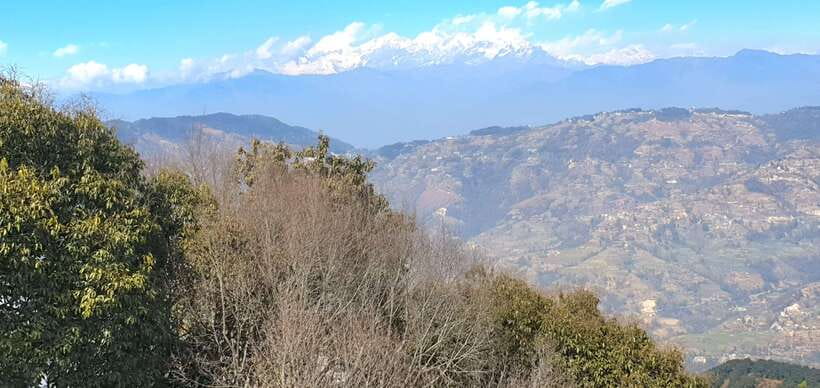
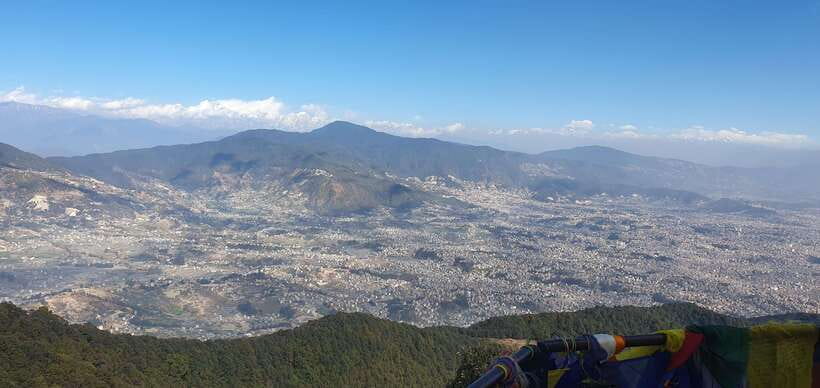
The pay-off arrives after steady uphill climbing. Depending on the route you take, you reach summit viewpoints associated with Shivapuri or Nagarjun, both known for wide views.
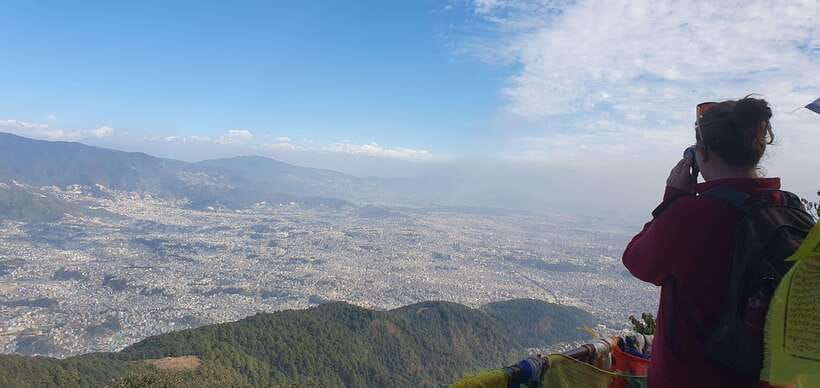
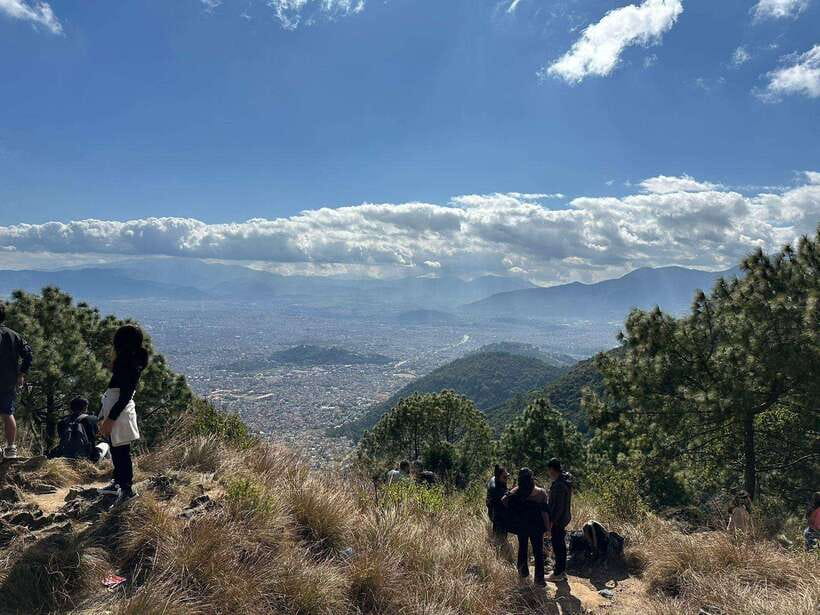
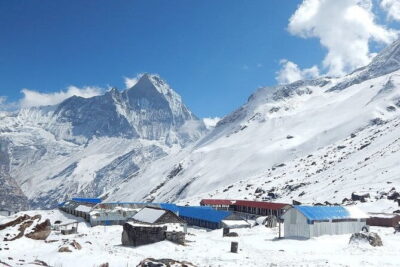
Here is what you are actually looking for: panoramic vistas that combine Kathmandu city below with mountain views in the distance. That contrast is the magic. You start the day near the urban grid, and you end it with snow-capped peaks and valley ridges in the same line of sight.
In terms of timing, this is the kind of hike where your summit moment depends on your pace, not just the official schedule. Total hiking time is usually around 4 to 6 hours. Some days feel closer to 4 if you keep moving and are not lingering too long at every view or temple stop. Other days feel closer to 6 if you pause for prayer flags in the breeze, photos, and conversations with your guide.
This is also where having the right guide matters. In the shared experiences you might get, guides such as Suren or Surendra are patient on the climb and attentive to how each step feels. That kind of support can change the whole day, especially if you are not used to steep trail.
A different sort of day out of Kathmandu:
- Manaslu Circuit Trek
★ 5.0 · 292 reviews - Kathmandu: Food and Drink Walking Tour
★ 4.9 · 292 reviews - Kathmandu: Full-Day 7 UNESCO Tour with Lunch – Private/Group
★ 4.9 · 247 reviews - Kathmandu: 7 UNESCO Sites Tour in 1 Day (Private Tour)
★ 4.9 · 204 reviews
Descent through Monasteries and Village Life (What to Watch For)
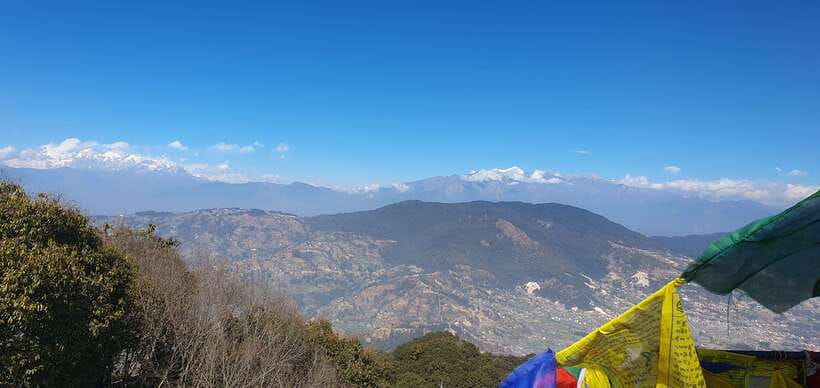
The descent is where the hike becomes more than effort. Your return route weaves through peaceful monasteries and down toward quaint village areas in the hills.
This part is calmer than the uphill. You get time to look around, notice small details, and take your breath back. It also gives your guide a chance to explain what you are seeing, from local customs to the meaning of religious places along the route. Even if you do not want a lesson every five minutes, these conversations are often the difference between simply taking a hike and understanding why people care about this area.
You might also pass homes and small community spaces. The hospitality you see along the way can feel casual and human, not staged. It is the kind of foothills experience that makes Kathmandu feel less like a stand-alone city and more like a gateway into a larger mountain culture.
One thing I suggest: do not rush the descent just because you are tired. The footing can still be uneven, and the best moments sometimes happen when you slow down and watch how the trail carries you through the village rhythm.
Price and Value: Why $39 Can Make Sense for a Private Guided Half-Day
The price listed is $39 per person. For Kathmandu, that is not a bargain bargain, but it is also not a luxury price for what you are getting. You are paying for a private car pickup and drop-off from central Thamel, a national park entry included, and a friendly English-speaking guide.
You also get practical extras that matter on a day hike: drinking water provided, plus local snacks and fresh fruits. A first-aid kit is carried, which is an understated safety benefit on steep trails. For many people, that combination is what turns this into real value. You spend money to remove stress and to hike with confidence.
If you tried to DIY this, you could cut some costs, but you would likely pay in other ways: time coordinating transport, uncertainty about route basics, and the lack of context at religious stops like Bagdwar and Jamacho Stupa. For a first half-day outing near Kathmandu, the guided format usually feels worth it.
What to Pack for a Moderate, Steep Hike
This is a moderate hike, but “moderate” does not mean “no sweat.” Plan your kit like you are climbing for a few hours, not strolling for a few minutes.
Bring comfortable hiking shoes with good grip. The trail is in forest areas, and you want traction when your legs get tired. Consider a lightweight backpack and bring at least 1 to 1.5 liters of water. Water is provided, but you should not assume it will be enough for your pace and your heat level.
A cap or hat helps with sun, and sunglasses do too. Even on a shaded forest climb, light can hit you on exposed sections. Sunscreen is worth it because Kathmandu-area sun can be sneaky.
For layers, think breathable t-shirt plus a light jacket or windproof layer. Weather can shift quickly in the hills, and wind near viewpoints can feel colder than you expect. Trekking poles are optional but useful if you want extra stability on the ascent and especially on the descent.
If you want to enjoy the spiritual sites without rushing: bring a phone with enough battery for photos, and a small wipe or tissue packet for comfort.
Who This Hike Fits Best, and Who Might Want a Different Plan
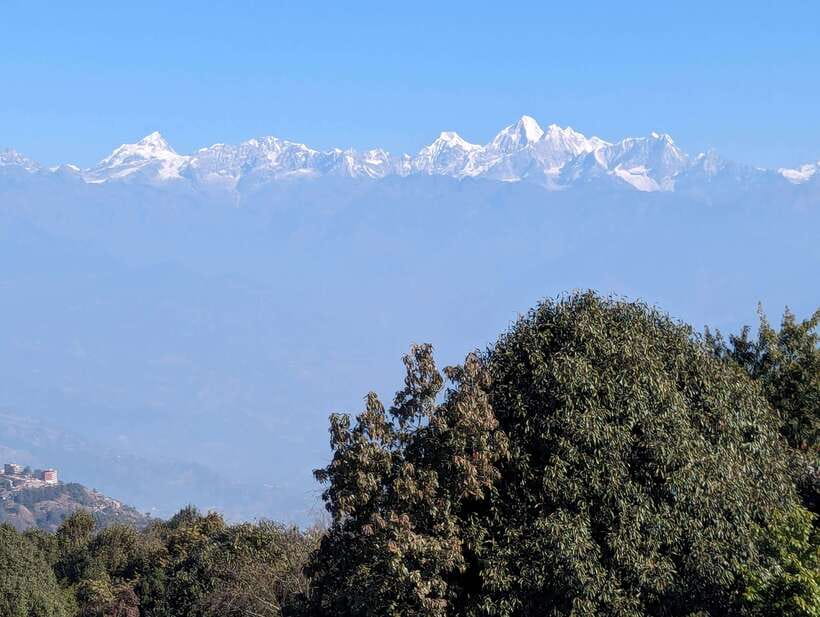
This hike is a good fit if you want a morning nature outing near Kathmandu that still feels meaningful. You get forests, birds, prayer flags, and big viewpoints, plus stops connected to local religious life at Bagdwar and Jamacho Stupa.
You should consider it especially if you like guided days. The guides described in recent experiences are patient and motivating, and they pay attention to pacing. That makes a difference for hikers who are fit but not used to steep trails.
Who might skip or choose an easier route? If steep continuous climbs are a problem for your knees or you hate going uphill for extended stretches, you may find it uncomfortable. Also, if you want a totally flat hike with long rests, this route is not designed for that.
For the rest of you, it is a strong pick. It is close enough to do in a single day, and the payoff is real.
Should You Book the Nagarjun Jamacho Day Hike?
Book this hike if you want a half-day escape that combines Kathmandu Valley views with cultural stops like Bagdwar and Jamacho Stupa. If you enjoy forests, bird sounds, and a route that feels guided rather than guessed, this is a smart way to spend your morning.
Skip it if you are looking for a gentle walk only, or if your fitness level makes steep uphill feel like a bad match. Also, if you hate short breaks and fast pacing, plan to slow down. This hike rewards steady effort more than pushing hard.
If you are deciding between a couch day in Kathmandu and a purposeful mountain morning, this one usually wins. You come back to Thamel with legs worked, views in your head, and a better sense of why these hills matter to local life.
FAQ
Where is the pickup and drop-off?
Pickup is included within a 3 km radius of Thamel. You will also be dropped back at Thamel.
How long is the Nagarjun Jamacho hike?
The activity duration is listed as 5 hours, and the hiking time is typically around 4 to 6 hours round trip depending on pace.
How difficult is the hike?
The difficulty is moderate. It includes a steep ascent but is manageable with normal fitness. Short breaks on the uphill climb are recommended.
What is the highest elevation you reach?
The highest point is 2,130 m (6,989 ft). The altitude is described as mild and generally no issues for most people.
What is included in the price?
Included items are a private experienced English-speaking hiking guide, drinking water, national park entry fees, private car transportation with pickup and drop-off, local snacks and fresh fruits, and a first-aid kit.
Are meals included?
No meal is included during the hike.
What should I bring?
Bring comfortable hiking shoes with grip, a lightweight backpack, at least 1 to 1.5 liters of water, and a trekking pole is optional. Wear breathable layers, plus a light jacket or windproof layer. Also bring sun protection like a cap, sunglasses, and sunscreen.
What is the cancellation policy?
Free cancellation is offered up to 24 hours in advance for a full refund.
Latest Kathmandu write-ups
- 16 Days Island Peak Climbing With Everest Base Camp Private Trip★ 5.0 · 3 reviews
- 15 Days Round Annapurna Trek with Poon Hill from Pokhara★ 5.0 · 5 reviews
- Private Nepal round trip including Ghorepani Poonhill trek★ 5.0 · 3 reviews
- Everest Base Camp Trekking 16 Days★ 4.0 · 7 reviews
- Everest Base Camp Trek★ 5.0 · 87 reviews
- 14 Days Luxury Annapurna Base Camp Trek★ 5.0 · 6 reviews
- Everest Base Camp Trek★ 5.0 · 32 reviews
- Everest Base Camp Trek★ 5.0 · 97 reviews
Hiking & Trekking, compared.
Nagarkot Sunrise and Hike Tour to Changu Narayan
Read our review →
4-Day Ghorepani, Poonhill & Ghandruk Mountain Trek
Read our review →
Browse the lists this tour appears in