
Reviewed · UPPER MUSTANG TREK
Upper Mustang Trek – 13 Days
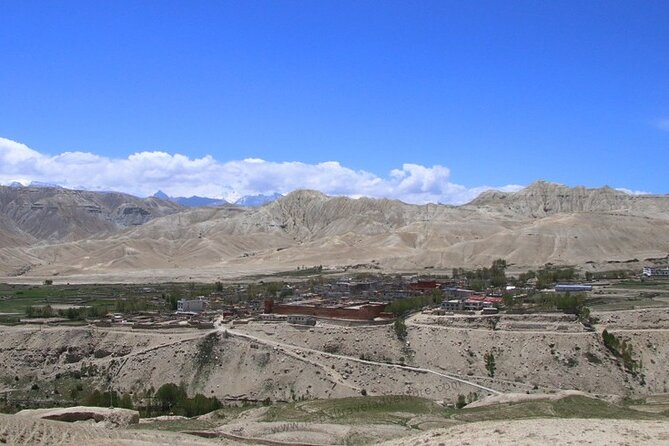
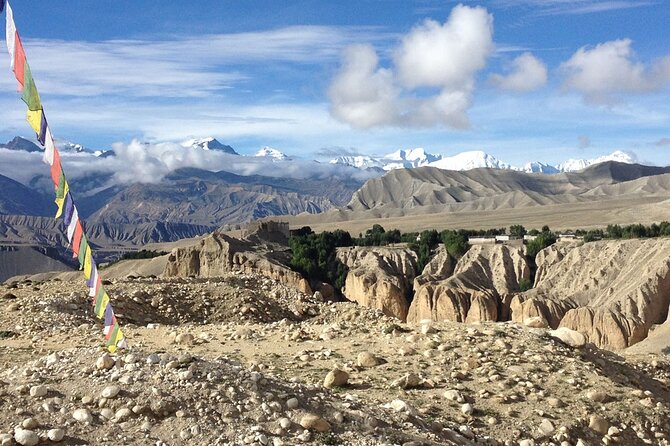
Upper Mustang has that rare feel of Nepal going quiet and old. You’ll be walking through a dry, Tibetan-flavored world, then reaching the walled city of Lo Manthang, with views that stretch across more than 15 mountain peaks and the famous Kaligandaki gorge area.
I love how much culture is built into the walking days, not just the scenery. You’ll see monasteries and gompas, including places known for rock paintings, and you’ll get time in Lo Manthang to explore life and tradition in detail. I also like the practical support, with a licensed English speaking guide and porters carrying your luggage, plus organized meals on most days.
The main drawback to plan for is that this trek depends on good weather and a flight schedule. If conditions turn bad, travel days can shift, and you should expect a serious walking routine with a moderate fitness requirement.
Key Highlights Worth Marking on Your Map
- Upper Mustang permits included plus the ACAP paperwork, so you are not scrambling last minute.
- Lo Manthang, the walled city, with several major gompas and key sights in one concentrated block of time.
- Ghar Gompa rock paintings in Dri, a standout stop that adds art to the spiritual scenery.
- Taklam La Pass viewpoints, where you can see big named peaks on a high, exposed day.
- Kaligandaki River area walking, giving you that deep-gorge, carved-by-nature feeling.
- Tiji Festival timing, possible if your trek dates match the festival window.
What This Upper Mustang Trek Really Delivers: Lo Manthang and the Kali Gandaki Gorge
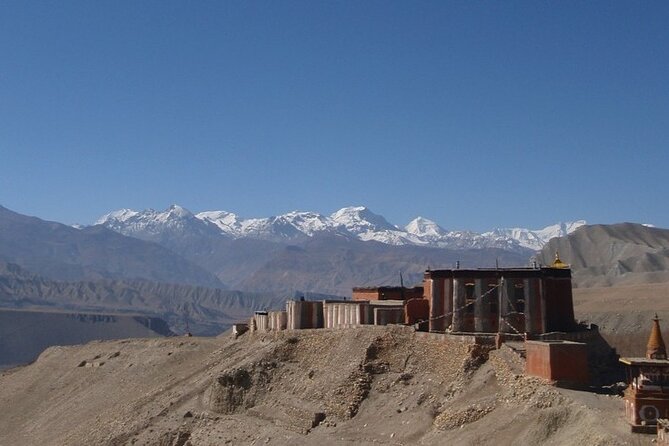
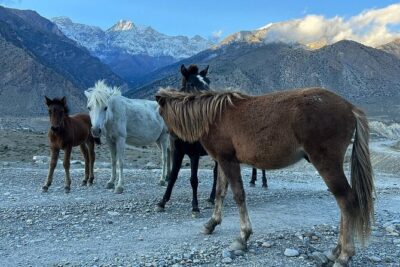
This is not a casual walk-through-a-postcard trek. Upper Mustang feels like a separate world shaped by the high, dry air of the Tibetan Plateau. You’re there for the Himalayan desert terrain, the deep cut of the gorge region around the Kali Gandaki area, and the sense of stepping into a walled, monastery-centered culture.
The core payoff for me is the way the route mixes dramatic views with meaningful stops. One day you’re looking out at named peaks from higher passes. The next day you’re inside a stone-and-spice rhythm of villages, gompas, and caves. If the timing hits, you can also add the Tiji Festival, which is why people pay attention to the exact trek dates.
Just remember, this is a trek with real daily walking time. Many days run about 5 to 6 hours on foot, so you’ll want to show up ready to move.
More of Mustang and the Kali Gandaki:
- Upper Mustang Classic Trek with Local guide
★ 5.0 · 15 reviews - Lower Mustang Motorbike Tour -8 Days
★ 5.0 · 9 reviews - 12 Days Overland Tour to Upper Mustang
★ 5.0 · 4 reviews
Day 1 Kathmandu Pickup to Pokhara, Get Your Bearings
You start with morning pickup from your hotel in Kathmandu and then drive to Pokhara. It’s a long but straightforward first day, listed around 6 hours of driving, with the evening left open for you to get comfortable in Pokhara.
This is a smart setup because it gives you time to rest before the Mustang travel chain begins. Pokhara also acts like your launchpad for the domestic flight on the next day.
One practical note: major meals in Kathmandu and Pokhara are not included, so budget for eating out at least on the city days. You’ll still get breakfast, lunch, and dinner as the trek days continue.
Days 2 to 4 Kagbeni, Chele, and Taklam La Pass Views
Day 2 begins with a domestic flight to Jomsom, then you continue by foot toward Kagbeni. The route has a specific rhythm right away, including passing through Ekle Bhatti and then walking for roughly 4 to 6 hours before reaching Kagbeni for your overnight stay.
This is where Upper Mustang starts feeling real. Kagbeni is a good first night because you are gradually transitioning from transit to trekking terrain, instead of going full effort on day one.
Days 3 and 4 build the scenery. You head toward Chele, passing Tangbe and Chhusang, with a solid walking day of about 6 hours. You keep climbing into more dramatic angles and reach Chele for the night.
Then comes the big day: a climb that includes passing through Ekle Bhatti again, Taklam La Pass, and views over named peaks like Tilicho, Yakwa Kang, and Damodar Dada. On the way you also pass through Samar village and Ramchung cave before continuing to Syangbochen for the overnight.
Consideration: a pass day usually means harsher conditions on the trail. Even if the views are stunning, you’ll want warm layers and be ready for wind.
Days 5 to 6 Ghami and Tsarang, Dry Fields and Gompa Stops
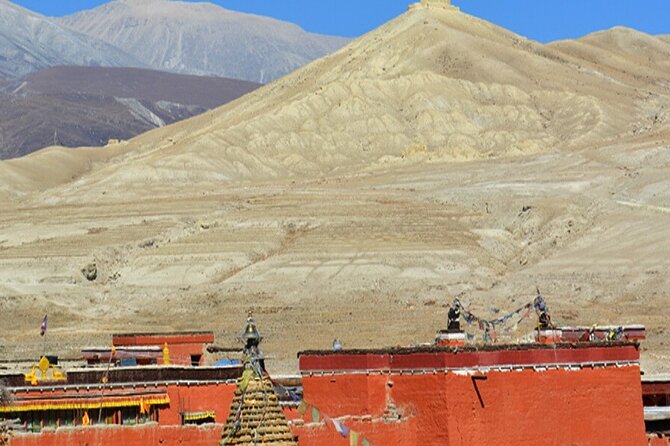
After the pass day, the trek eases into a slower, village-forward feel. Day 5 takes you toward Ghami, with about 6 hours of walking. Expect to move through barley fields and see the contrast of farmed patches against the dry, high-country setting.
Day 6 pushes into Tsarang, another 6-hour walking day. Tsarang is described with willow trees, maze-like fields, stone-wall houses, and a gompa that draws people in. This is also a day where you get more of the texture of life in Upper Mustang, not just the big sky moments.
Why I like these middle days: they’re where the trek stops feeling like a checklist. You’re moving through everyday scenes, so the culture and the setting start blending into one story.
More to compare around Kathmandu
- Kathmandu: 7 UNESCO Sites with Lunch
★ 4.8 · 744 reviews - Everest Base Camp Helicopter Tour landing at Everest View Hotel
★ 5.0 · 668 reviews - Kathmandu: Local Women-Led Nepali Cooking & Momo Class
★ 4.9 · 360 reviews - Manaslu Circuit Trek
★ 5.0 · 292 reviews
Days 7 to 8 Lo Manthang, the Walled City and Its Key Monasteries
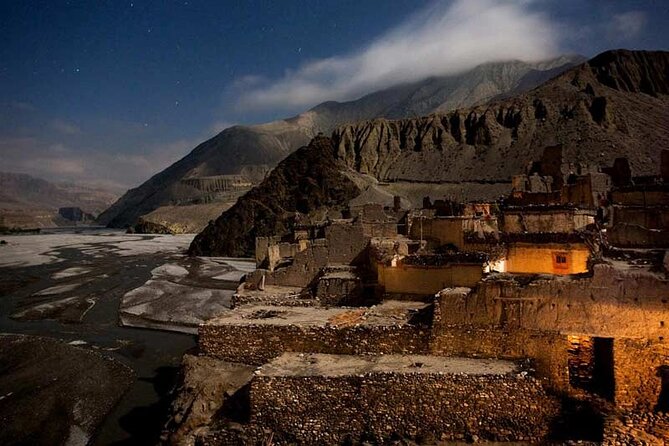
Day 7 is the arrival day toward the capital city, Lo Manthang. You walk from the Mustang region and then reach the long walled city, with about 6 hours listed for the day. On route you can catch views that include Nilgiri, Tilicho, and the Annapurna peak area, which helps you understand why this region has such a strong sense of place.
Over two days, you get time to actually explore. Day 8 is a fuller cultural day inside Lo Manthang. You’ll have time to visit the four-storey Durbar area and multiple gompas, including Chyodi Gompa, Namgyal Gompa, and Tall Champa Lakhang Gompa, plus additional sites such as Tingkhar.
This is the section of the trek where support matters. The route is packed with small wayfinding choices, and having a licensed English speaking guide helps you connect what you see with what it means.
One drawback: Lo Manthang is atmospheric, but it can also make you feel time-pressure to see everything. Plan to sit and look. A lot of the value is in slow observation, not only photo stops.
Days 9 to 10 Dri Ghar Gompa Rock Paintings and Damodar Kunda
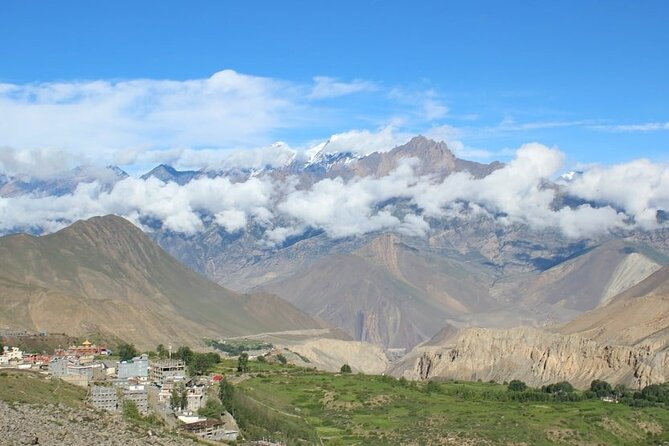
Day 9 takes you toward Dri, with another roughly 6-hour walking day. The standout here is the 1200-year-old Ghar Gompa, known for its rock paintings. This is the kind of stop that turns the trek from scenic into story-driven, because you’re seeing evidence of long cultural continuity.
Day 10 heads to Tange, also about 6 hours walking. You pass a few shallow stream crossings, then reach Damodar Kunda. After that, you travel through a series of chorten before reaching Tange for the overnight.
Why this pair of days works: you get both art and ritual geography. Paintings are a visual doorway to the past, while chorten and kunda stops help you understand the spiritual mapping of the region.
Tip for comfort: crossings can get chilly when conditions are dry and windy. Trek poles, if you use them, can help with footing during stream sections.
Day 11 Muktinath to Jomsom, Then Back to Pokhara and Kathmandu
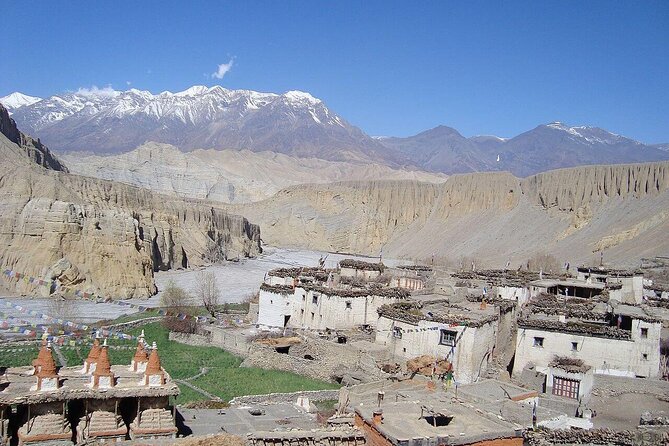
Day 11 focuses on Muktinath and then continues toward Jomsom, with a final walking block ending with an overnight in Jomsom. Expect another day shaped by nature and distance, then a shift back into transport mode.
Day 12 is rest and recovery time in Pokhara, with a short listed time for the day and an overnight at your hotel. Day 13 returns you to Kathmandu by tourist bus.
This is a good travel pacing. The trek ends, you eat and reset in Pokhara, then you move back to Kathmandu without trying to cram one last big adventure in.
Practical note: domestic flights are included in the program between Pokhara and Jomsom and back. Still, weather can disrupt flight timing, so keep some patience for the end phase.
Tiji Festival Timing, When Your Trek Calendar Lines Up
One of the biggest reasons people look at Upper Mustang treks is the chance to see the Tiji Festival. In this program, it’s included if the festival falls during your trekking days.
If it happens, the trip becomes more than a walking route. You’re watching culture happen in real time, not only reading about it or visiting a site. Because festival dates can shift by calendar system and timing, this is a trip where your exact departure dates matter.
If Tiji does not fall during your walking days, you still get the cultural core: gompas, caves, and Lo Manthang exploration. The festival is an extra, not the whole reason to go.
Guides, Porters, and Group Size, How Support Works on the Trail
This trek runs with a maximum group size of 15 people. That matters. In a place like Upper Mustang, smaller groups usually feel easier to manage on narrow paths and in popular stops like gompas.
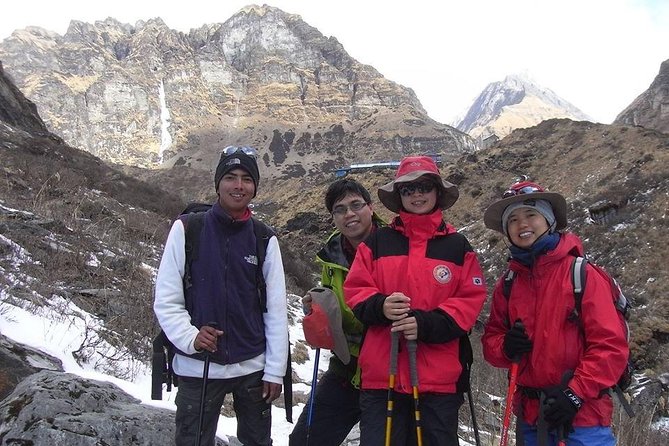
You’ll travel with a government licensed English speaking guide plus porters. Porters carry your luggage, which you’ll really appreciate on longer, pass-heavy days like the Taklam La crossing.
If you are the type who likes practical help, I’m glad this company setup includes real support. Past trekkers highlighted the helpfulness of guides like Mr Hari, especially with prep questions and getting organized before the walk. That kind of communication reduces the stress that can build up when you are packing for a high, dry region.
Permits, Meals, and Weather Reality Check for Mustang
The permit side is handled for you. Upper Mustang special permits and ACAP permits are included, plus government taxes and official service charges. For many people, that’s a big deal because permit requirements can feel opaque on your own.
Meal coverage is also solid on trek days: breakfast is listed for 12 days, lunch for 10, and dinner for 10. City meals in Kathmandu and Pokhara are not included, and personal expenses like water, tea or coffee, snacks, and shower costs are also on you.
Weather is the real wildcard. The experience requires good weather, and flights can be affected by weather and even landslides. It’s not a “set it and forget it” kind of trek.
If you want a smooth experience, keep a flexible mindset. Think of the trek as a plan with nature variables, not a strict script.
Price and Value at $2,300, and Who Should Book
At $2,300 per person, the value here comes from what’s bundled. You’re paying for domestic flights, hotel in Pokhara, licensed guide and porters, included permits for Upper Mustang and ACAP, and most meals during the trekking days. You are also getting ground transportation by tourist bus for Kathmandu to Pokhara and back.
So the cost makes more sense when you realize this trek is administration-heavy and logistics-heavy. You do not need to handle permits, guiding, or porters yourself.
This trek fits best if you:
- can handle about 5 to 6 hours of walking on most trek days
- want culture plus big views, not only one or the other
- like structured travel with a small group (max 15)
If you are very sensitive to altitude, rough trail footing, or schedule changes, you might want to plan extra buffer time and talk honestly with your guide about readiness. The trek calls for moderate physical fitness.
Should You Book This Upper Mustang Short Trek?
I think this is a strong choice if your priority is Lo Manthang culture plus the Upper Mustang walking route, and you want support that handles permits, meals, and day-to-day logistics. The small group size and porter support are real quality-of-life upgrades.
Book it if you are comfortable with a steady pace, you pack for pass conditions, and you accept that weather can affect flights. If your calendar is rigid, make peace with the fact that this region runs on a weather-dependent rhythm.
If you want, tell me your hiking experience level and travel month, and I can suggest what to focus on for packing and pacing for Upper Mustang.
FAQ
What time does the tour start?
The meeting start time is 6:45 am.
How many people are in the group?
The maximum group size is 15 travelers.
What permits are included for the trek?
Upper Mustang special permits and Annapurna Conservation Area Project (ACAP) permits are included.
Are domestic flights included?
Yes. Domestic flights are included for the Pokhara to Jomsom and back route, along with airport departure taxes.
What meals are included during the trek?
Breakfast is included for 12 days, lunch for 10 days, and dinner for 10 days. Major meals in Kathmandu and Pokhara are not included.
Does the trek include the Tiji Festival?
It can be included if the Tiji Festival falls during your trek dates.
Is there free cancellation?
Yes, you can cancel for a full refund if you cancel at least 24 hours before the experience’s start time.
Latest Kathmandu write-ups
- 16 Days Island Peak Climbing With Everest Base Camp Private Trip★ 5.0 · 3 reviews
- Everest Base Camp Trekking 16 Days★ 4.0 · 7 reviews
- 15 Days Round Annapurna Trek with Poon Hill from Pokhara★ 5.0 · 5 reviews
- Private Nepal round trip including Ghorepani Poonhill trek★ 5.0 · 3 reviews
- 14 Days Luxury Annapurna Base Camp Trek★ 5.0 · 6 reviews
- Everest Base Camp Trek★ 5.0 · 32 reviews
- Everest Base Camp Trek★ 5.0 · 87 reviews
- Everest Base Camp Trek★ 5.0 · 97 reviews
Upper Mustang Trek, compared.
2-Day Scenic Mustang Tour: Pokhara to Jomsom, Kagbeni & Muktinath
Read our review →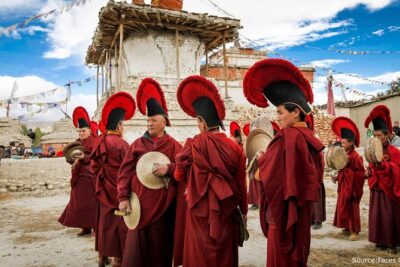
Browse the lists this tour appears in