
Reviewed · ANNAPURNA CIRCUIT TREK
Conquer the Himalayas: The Ultimate 16-Day Annapurna Circuit Trek
This trek is interesting because you do not just clock miles. You tackle Thorong La Pass and then spend real time walking through villages like Ghandruk, Manang, and Muktinath, where the mountains feel close and daily life is the main event. I also like the clear safety focus from a licensed, English speaking trek team, plus the way the route is paced for acclimatization rather than pure speed. One possible drawback is that this is still a high altitude, physically demanding trek, so if you want a relaxed walk, you may find some stretches of steep trails and early starts hard.
After you arrive in Kathmandu and get set up, your days are built around a steady rhythm: drive to the trailhead, walk through river valleys and forest ridges, then move into colder, drier Manang country before the pass. The payoff is huge, but so is the altitude planning, and you should take that part seriously.
Key highlights to pay attention to
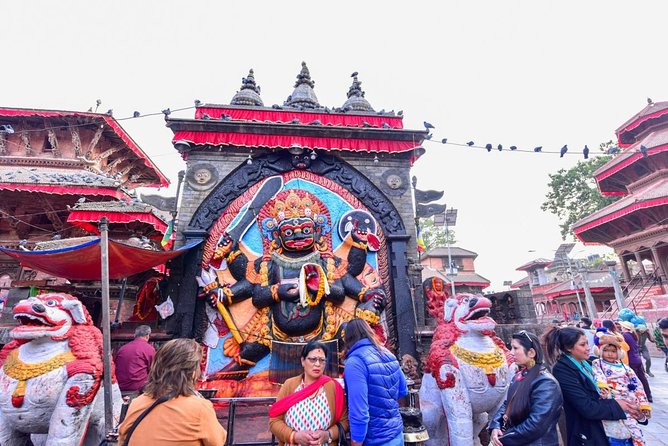
- Thorong La Pass timing and direction: the plan crosses from east to west, Manang to Muktinath, with an early summit push.
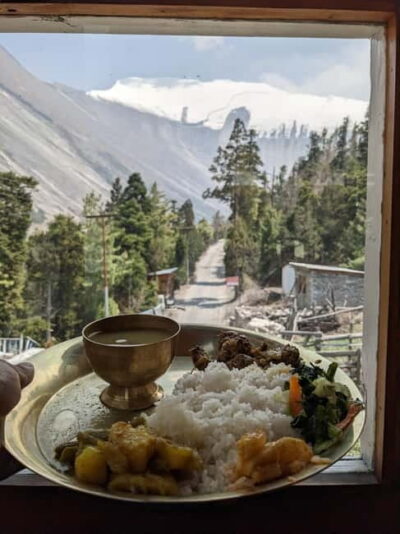
- Teahouse trekking included: you stay in teahouses along the way, so you can focus on walking, not hotel logistics.
- Licensed guide team: you have an experienced, English speaking, government-licensed trek leader plus an assistant.
- Manang acclimatization support options: short hikes and an AMS awareness stop help you take altitude seriously.
- Hot springs at two points: Chame has small hot springs, and Tatopani gives you the classic soak after the descent.
- Responsible tourism approach: permits like ACAP and TIMS are handled, and the trip is built around the established route and local communities.
Kathmandu kickoff: UNESCO sights, a trek briefing, and getting your bearings
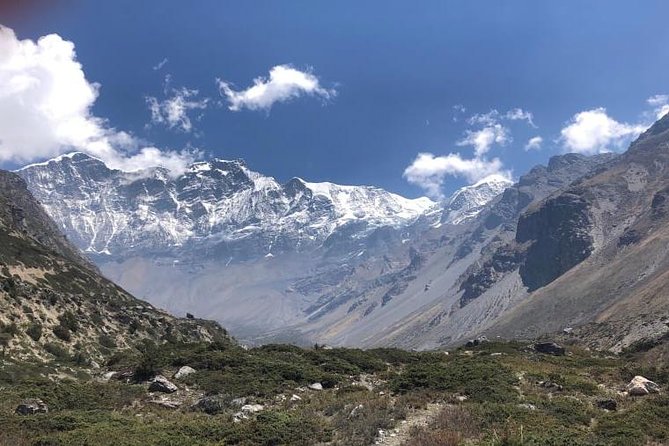
Your first day is a simple reset. You land in Kathmandu, then a representative transfers you to your hotel. If you have a few hours, I recommend using them to gently walk around, eat something easy, and get used to how the city moves before you start trekking.
The next day adds structure. You do a full sightseeing day around Kathmandu’s UNESCO World Heritage sites, then you get a dinner and trek briefing in the evening. This matters more than it sounds. A good briefing helps you understand pacing, what gear will get used, and how the guide plans rest and altitude management, especially before Thorong La.
A small practical note: Kathmandu days can be tiring even before the mountains. Keep your plan light, drink water, and avoid turning the first day into a full-on sightseeing sprint.
More of the Annapurna Circuit:
- Annapurna Circuit Trek with Tilicho Lake
★ 5.0 · 368 reviews - Annapurna Circuit Trek
★ 5.0 · 94 reviews - Annapurna Circuit Trek
★ 5.0 · 67 reviews
Day by day start: from the Khudi area into the Marshyangdi Valley
The trekking really begins once you move from the lowlands toward Khudi. On the route, you see terraced farms, typical village huts, and a steady build in scenery as you leave the city behind. Getting to the trailhead by road is one less stressful thing you have to manage yourself.
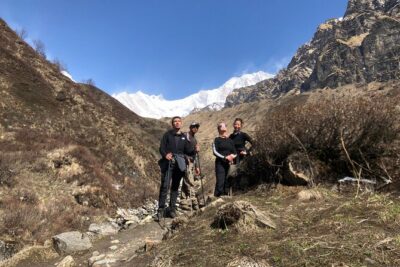
From there, your early days are about rhythm, not heroics. You cross suspension bridges and pass waterfalls, with a mix of ascents and descents through rice paddies and subtropical forest. The route includes an ethnic Tamang settlement at Taranche, plus close-up mountain views from places like Sirung, including Nadi Chuli and Manaslu.
Why this works: the Annapurna Circuit can feel chaotic if you rush. These early segments help you learn how your legs respond to pack weight, how quickly you get out of breath, and where you can comfortably take breaks.
What to watch: suspension bridges can be a little unnerving the first time, especially in wind or rain. Give yourself time and do not rush crossings.
Jagat, Dharapani, and Chame: bridges, birds, rivers, and the first real mountain feeling
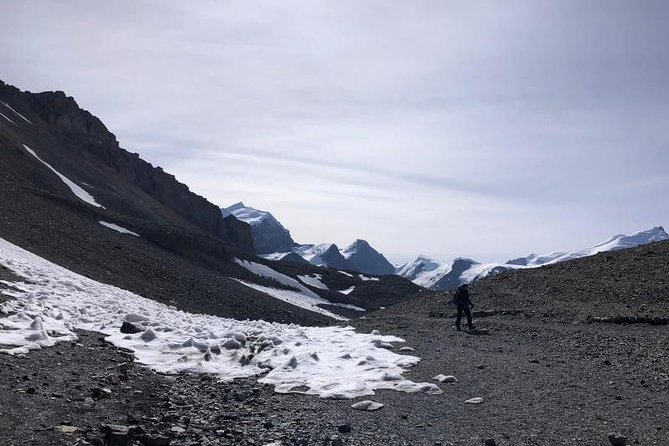
As you head from Khudi toward Jagat and Dharapani, you are walking alongside the Marshyangdi River corridor. You also pass forests with birds, then cross multiple bridges, including at Mipra and Syange over the Marshyangdi River. You may also spot a nearby waterfall, which is a nice change of pace when the trail is busy.
Jagat to Dharapani brings a mix of riverbank walking and steep, physically challenging sections. You move through rugged paths and reach villages that feel like stepping stones into bigger climbs. You also get Annapurna scenery showing up more clearly as you keep gaining height. A highlight here is the way the trail alternates between steep climbing and calmer sections near water.
Then comes Chame, the headquarters of the Manang District. This day is a checkpoint for views, because you start seeing major peaks such as Lamjung Himal, Annapurna II, and Annapurna IV. Chame is also where small hot springs appear, giving you a chance to soothe tired muscles without waiting until the famous soak later.
Practical tip: in this part of the trek, take short breaks often. Trying to “power through” usually backfires at higher elevations where the air feels thinner.
Yak Kharka and Manang: the dry air shift and Barge Monastery
Once you reach Yak Kharka, the trek starts to change. From Manang village, you climb out of the Marshyangdi Valley, turning northwest up the valley of Jarsang Khola. The scenery shifts toward meadows where yaks and horses graze, and you pass an old Mani wall in a meadow. It is one of those small cultural details that makes the trek feel lived in, not just scenic.
Getting to Manang involves a route that typically goes via Upper Pisang through Geru. The point for you is not just the variation, it is the payoff: excellent views and a noticeably drier, colder feeling as you climb. Manang is also your chance to visit the Barge monastery, described as the largest monastery in the entire district of Manang. Even if you do not love museums, this kind of stop gives you a sense of why people build their lives at these altitudes.
One consideration: Manang and Yak Kharka are where your body starts negotiating with altitude more seriously. You do not need to panic, but you do need to listen. If you feel unusually off, tell your guide early rather than toughing it out.
More to compare around Kathmandu
- Everest Base Camp Trek – 14 Days
★ 5.0 · 1,499 reviews - Everest Base Camp Trek
★ 5.0 · 842 reviews - Private Kathmandu Sightseeing Tour | UNESCO World Heritage sites
★ 5.0 · 756 reviews - Kathmandu: 7 UNESCO Sites with Lunch
★ 4.8 · 744 reviews
Lower Pisang to Thorong Phedi: getting altitude ready before the pass
On the stretch toward Thorong La Pass, the days tighten up around the steep sections. You move through dense forest, then you reach dramatic rock faces where the trail climbs with real commitment. After that steep corridor, the valley opens and you get big, wide views that make you understand why guides still say this is the real turning point.
Then you reach the last village before the pass, Thorong Phedi. Your walk to Thorong Phedi is described as uphill, with a suspension bridge crossing and passing through towering cliffs before you arrive. You will be rewarded with strong views of peaks like Mt. Gundang, Mt. Syagang, Thorung Peak, and Mt. Khatungkan.
This is where I think the planning detail matters most. Thorong La is not something you improvise with a tired group and a vague plan. The fact that the route is built around Thorong Phedi as the stepping stone helps you rest, organize gear, and prepare your body for an early start.
The Thorong La crossing to Muktinath: an early morning objective you can actually plan for
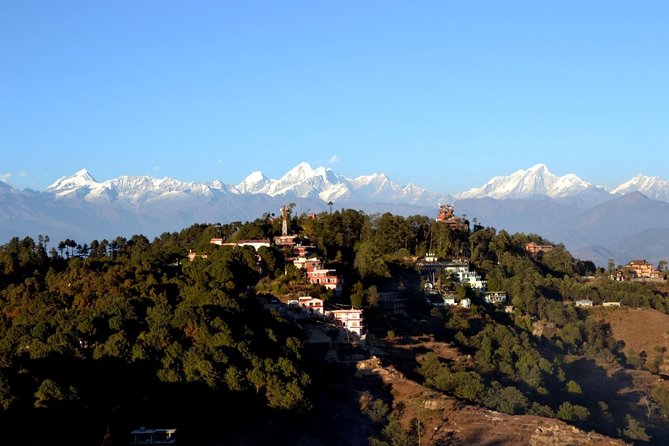
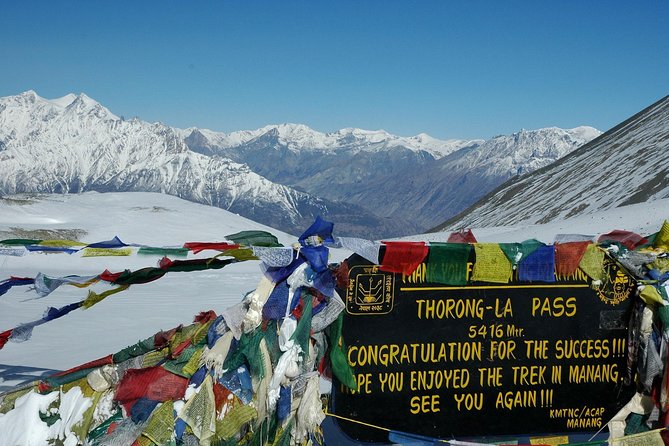
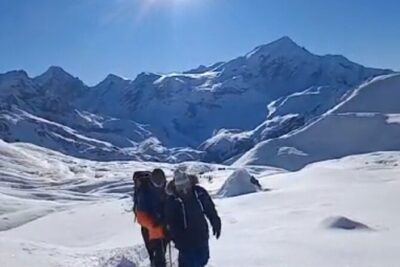
Crossing the pass is your big objective. The plan crosses Thorong La from east to west, Manang to Muktinath, described as the easiest and safest direction on this route. You get up around three in the morning and begin the ascent.
That timing is not just trivia. Starting very early can mean calmer weather and better visibility. It also means you need your gear and clothing system sorted before you leave your sleeping bag, because you will not have time for guesswork when you are breathing hard.
Once you reach the top, you take a few photos, then head into the Muktinath Valley area at the foot of the pass. The point of this day is twofold: the summit itself, and the safe, controlled descent.
My advice: move steadily, not fast. At this altitude, the “I can make it if I hurry” mindset often costs more energy than you gain.
Ghandruk and Pokhara finish: rhododendron forests and downhill relief
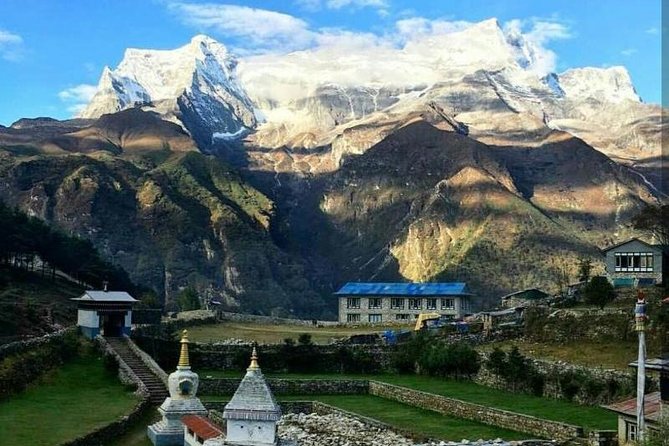
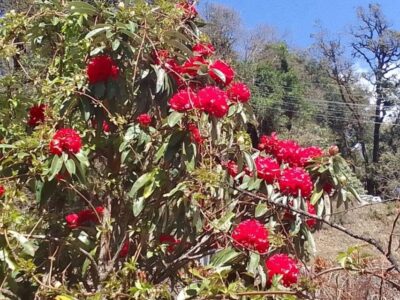
After the high pass, you shift into descent mode. On the way down toward the Pokhara side, you pass through thick rhododendron forest. The trek notes that when rhododendrons are in bloom, the forest can look like gardens. You also may see cherry blossoms on slopes depending on the season.
Then you reach Ghandruk, a slope settlement where stone houses are largely inhabited by Gurung people. This is one of the best parts for many trekkers because the views feel close and the village feels like a real place, not a waypoint. You get close-up views of Fishtail, Annapurna South, and Hiunchuli mountains before continuing to Nayapul, then driving to Pokhara.
What you will feel here: relief. Your legs still work, but the altitude pressure eases as you go lower. It is a good time to eat well, hydrate, and let sore spots cool down.
Manang acclimatization day: short hikes and learning AMS basics the practical way
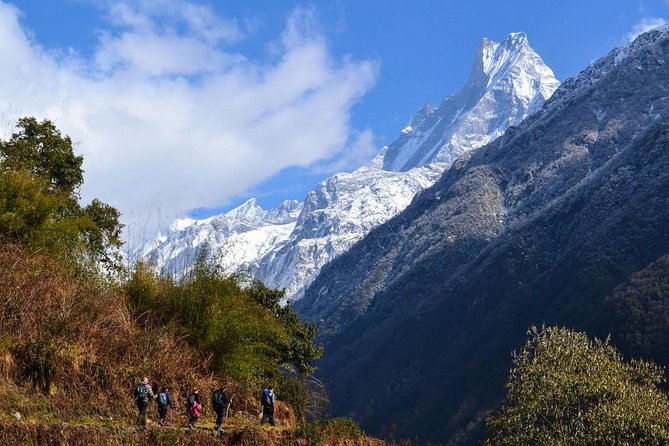
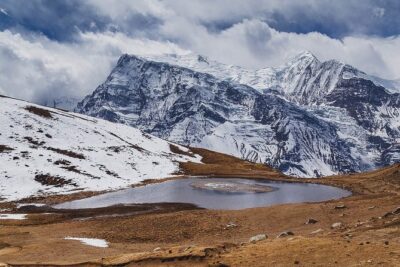
One of the smarter choices in this trek plan is the built-in acclimatization support while you are in Manang. You keep your fitness moving with a short hike to either Bhojo Gumba or Gangapurna Lake. If you have extra energy, you can hike further to Vraga Village, where you can visit the Himalayan Rescue Association to learn about acute mountain sickness, AMS.
This is the part I appreciate because it turns acclimatization from vague advice into something you actually understand. You are not just being told to take it easy. You get a chance to learn the signs and risk logic, which helps you stay calm if your body feels weird.
Practical tip: treat this day like an education, not a race. Even short hikes can help, but only if you keep them comfortable enough to sleep well afterward.
Tatopani hot springs: the everyday valley details before the soak
Tatopani is your hot spring day. The route moves mostly downhill, with bridges and changes in vegetation as you drop back into subtropical forest. You cross a bridge at Ghasa early, then keep going along Rupse Chahara, described as a waterfall. You pass Kopchepani via Garpar, reach a bridge at Dana, and then you see Narchyang Besi, including a powerhouse that supplies electricity in the area.
This kind of detail matters. It makes the trek feel like it connects to the local economy, not just the tourist trail. Then you finally reach Tatopani and can relax in the hot springs.
If you do book this trek, plan your recovery around this day. Go easy, soak, and keep your feet clean and dry afterward. Hot springs are great, but they can also be a place where you feel tempted to overdo it.
Price, permits, and guides: where your $1,492.27 goes and why it can be good value
At $1,492.27 per person, this is not a budget hike. The value shows up in what you do not have to arrange yourself. You get teahouse accommodation during the trek, airport pickups and drops in a private vehicle, Kathmandu sightseeing by private vehicle, and an experienced English speaking government-licensed trek leader plus an assistant trek leader.
You also get permits handled, including ACAP and TIMS, plus all fees and taxes. Those details are easy to underestimate if you plan on your own, and they matter for legal access and smooth guiding.
What is not included is also important for your budget reality. You still need to handle your Nepalese visa fee, your international airfare, and travel or rescue insurance. Alcohol and personal expenses are on you, and tips for guides, porters, and drivers are not included.
One more note from the mixed feedback I came across while researching operator quality: guide support gets praised, including mention of Rajesh for keeping close and handling a smart alternate route when a Tilicho Lake option was closed. At the same time, there is at least one very serious complaint naming a person called Dipsun Kunwar. I cannot verify that claim either way, but it is a good reminder to confirm your exact meeting contact in Kathmandu, get your guide details in writing, and make sure you know who you will see at each stage.
Should you book Conquer the Himalayas: The Ultimate 16-Day Annapurna Circuit Trek?
Book it if you want a classic Annapurna Circuit trek with real guidance support, teahouse comfort, and a pass crossing plan that includes Thorong Phedi and an early start. You are also a good match if you like the village side of Nepal, since stops like Ghandruk, Manang monastery time, and the Muktinath Valley area give you more than just views.
Consider a different option if you want a purely scenic, low-effort trek, or if your altitude planning skills are weak. This route asks you to climb, wait, and adapt. If that is your style, you are likely to love it. If not, you will probably feel stressed.
FAQ
Where does the trip start?
You start in Kathmandu. After arrival, you are transferred to your hotel, and later you do city sightseeing and a trek briefing.
How long is the Annapurna Circuit trek?
The trek is marketed as a 16-day Annapurna Circuit trek, and the overall duration is listed as about 21 days.
Is accommodation included during the trek?
Yes. Teahouse accommodation is included during the trek.
Are trekking permits included?
Yes. The permits listed are ACAP and TIMS, and the necessary paperwork is included.
Are airport transfers included?
Yes. Airport pickups and drops are offered in a private vehicle.
Does the trip include a Kathmandu guide?
Yes. There is a guided city tour in Kathmandu by private vehicle, plus a trek briefing in the evening.
What fitness level do you need?
The guidance says you should have a moderate physical fitness level.
Is travel insurance included?
No. Travel and rescue insurance is not included, and tips for guides, porters, and drivers are also not included.
Latest Kathmandu write-ups
- Langtang Valley Trek★ 5.0 · 3 reviews
- Khopra Danda Trek★ 5.0 · 3 reviews
- Langtang Valley Trek from Kathmandu★ 5.0 · 3 reviews
- 5 night / 6 days Kathmandu Nagarkot Chitwan Pokhara tour★ 5.0 · 3 reviews
- Nepal Highlights Tour: 5 Nights 6 Days Kathmandu & Pokhara Tour★ 5.0 · 3 reviews
- Kathmandu Valley Private Day Tour★ 5.0 · 3 reviews
- Kathmandu Heritage Day Tour★ 5.0 · 3 reviews
- Kathmandu Bike Tour: Patan Heritage & Newari Food by Bike★ 4.6 · 3 reviews
Annapurna Circuit Trek, compared.
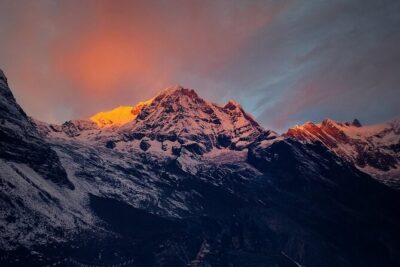
15-Day Private Annapurna Circuit Trek from Kathmandu
Read our review →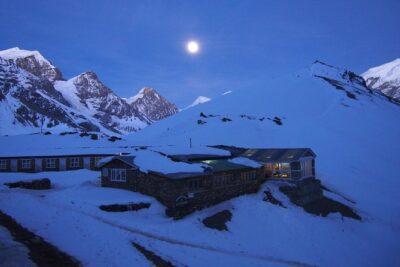
8 Days Private Guided Trekking in Annapurna Circuit with Pickup
Read our review →Browse the lists this tour appears in