
Reviewed · PEAK CLIMBING
Ama Dablam expedition with Island peak- 30 Days
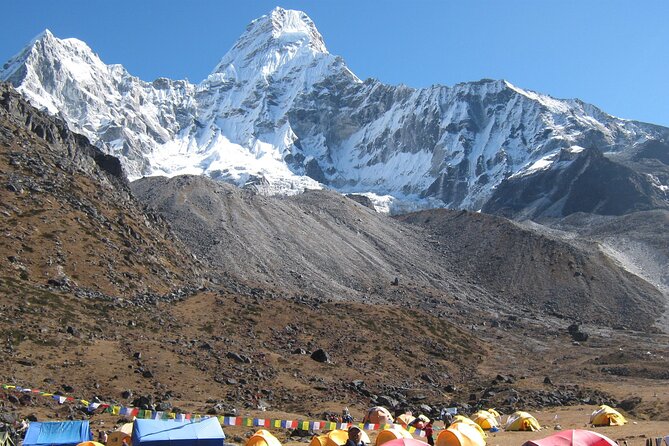
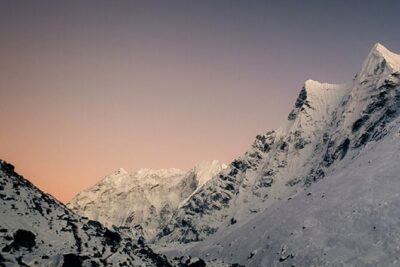
Ama Dablam and Island Peak in one 30-day plan is an eye-catching combo because you get two very different climbing days, wrapped in a classic Khumbu-style trek. Ama Dablam is called Mother’s necklace (those long ridges on either side, and the hanging glacier), and Island Peak is also known as Imja Tse Himal for how it rises above the Imja Tse valley like an island.
I especially like that this trip doesn’t just toss you onto the trail. You get organized Kathmandu prep, then a clear step-by-step trek to base camps, plus long enough acclimatization to make the altitude work smarter. The other thing I like is the practical base-camp setup, including a shower tent, solar charging and a full camp dining and toilet setup.
The main drawback to consider is that this is serious high-altitude climbing. You need a strong fitness level, and because helicopter evacuation is not included, you should be realistic about planning, equipment, and how you handle a worst-case scenario.
Key highlights to know before you go
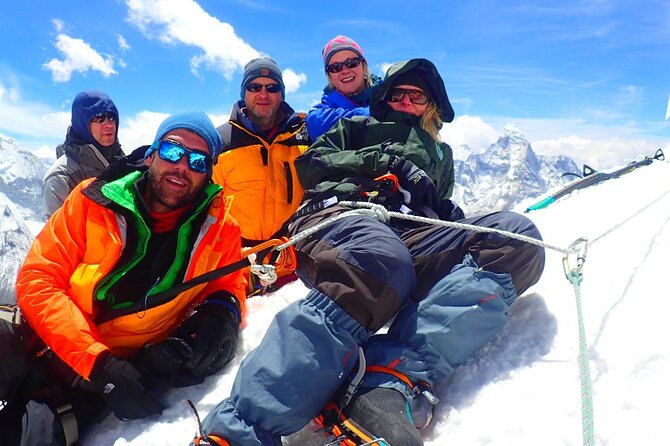
- Two major permit-backed objectives: Island Peak and Ama Dablam permits are included.
- Built-in acclimatization rhythm: Namche, a rest day, and Dingboche pacing before the climbing phase.
- Camp comfort you can feel: mattresses plus dining, toilet, and shower tents at base camp.
- Charging support at altitude: a solar panel for battery charging and base-camp lighting.
- Long Ama Dablam window: a sustained 13-day climb block lets you wait out weather.
- Small-group feel: maximum 15 travelers, which usually means less chaos in camp.
Ama Dablam meets Island Peak: what this itinerary is really about
This is not a quick Everest-style taste test. It is a slow, deliberate build from Kathmandu through Lukla and into the high valleys, then a structured transition from Island Peak into Ama Dablam. You start by trekking in stages that make altitude gain feel more gradual, and you end with a long Ama Dablam climb window where timing matters as much as fitness.
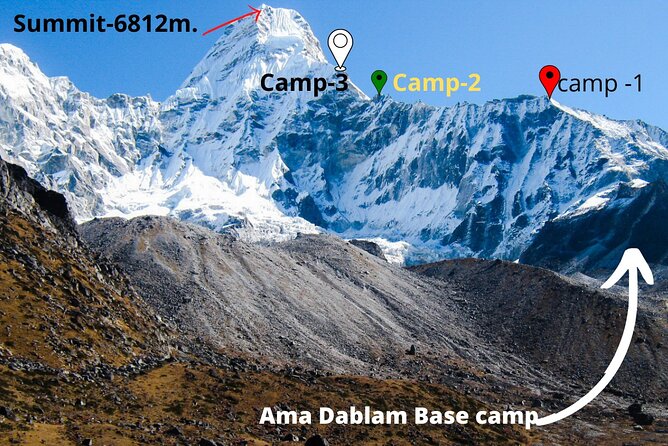
Island Peak at about 6,189 meters is often the “gateway” summit in the region. Ama Dablam at 6,812 meters is the headline, and the mountain’s personality shows up in the way it rises above the surrounding ridges and glacial features. If you want a trip where your days keep stacking toward a big goal, this plan does that.
The big practical point for you is that the tour is built around high-mountain logistics: briefing days, base-camp support, camp structures, and a trekking schedule that leads you to the right places at the right times. That matters because the hard part of climbing in Nepal is not only the summit push, it is also the days that lead up to it.
More trekking peaks with guided ascents:
- Mera Peak Climbing
★ 5.0 · 33 reviews - Island Peak Adventure
★ 5.0 · 15 reviews - Everest Base Camp Trek with Island Peak Climbing
★ 5.0 · 14 reviews
Price and what you actually get for $4,500
At $4,500 per person for roughly 30 days, this sits in the “proper expedition” category, not a shoestring trek. The value comes from what is included, not just the scenery.
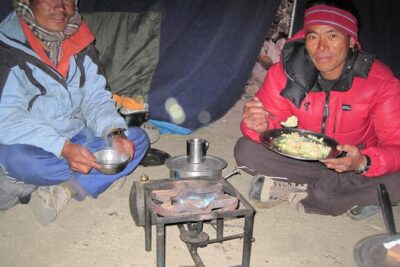
You get climbing permits for both Island Peak and Ama Dablam. You also get a real camp infrastructure package: mattresses, dining tent, toilet tent, table and chair, and a shower tent. On top of that, there is a solar panel for charging batteries and for base-camp lighting, which is one of those details you do not think about until you are stuck at altitude and trying to keep your phone, headlamp, and camera battery alive.
You also get 3 meals during the trek and climbing, and Kathmandu accommodation on a bed and breakfast basis, plus airport-to-hotel transfers on arrival and departure. What is not included is also important. You cover your personal climbing equipment, and you pay for lunch and dinner in Kathmandu. Most crucially, helicopter rescue evacuation is not included, and the fixed ropes and climbing rope are not included either.
Kathmandu arrival, prep days, and the feel of being organized
You start in Kathmandu with a transfer to your hotel. Then you spend time preparing, including a briefing in the department of tourism hotel. This is not just paperwork day. A good briefing helps you understand schedules, gear expectations, and the pace of what comes next, especially when the plan spans multiple climbing phases.
Kathmandu is also where you can get practical tasks done: double-checking your packing for personal climbing equipment, handling small gear needs, and organizing your mental gear. Since the trip includes bed and breakfast but excludes lunch and dinner in the city, plan on eating a bit on your own during the Kathmandu window.
One practical advantage is that you meet at Tribhuvan Airport, Kathmandu. That keeps the early logistics clean, especially if you are arriving from abroad. It also means you can focus on travel recovery and rest, rather than figuring out multiple handoffs.
Lukla to Phakding, then Namche Bazaar: the classic altitude ramp
Day 4 is your flight from Kathmandu to Lukla, then trekking to Phakding in lodge accommodations. This first walking day matters because it gets you moving with less altitude pressure than later days. Phakding is also a gentle on-ramp before the steep feelings arrive in the Namche approach.
Day 5 pushes to Namche Bazaar around 3,440 meters. Namche is where many people start to feel altitude as a physical issue, not an idea. You might notice your breathing, sleep, and energy levels shifting. This is the part where pacing and water intake become more important than your speed.
Day 6 is your acclimatization and day hiking. You stay at the lodge and use that time to help your body adjust. This is where a lot of trips win or lose: if you rush acclimatization, you pay later. If you use the extra day well, your body has a chance to handle the jump from lodge comfort to higher camps with less drama.
More to compare around Kathmandu
- Everest Base Camp Trek – 14 Days
★ 5.0 · 1,499 reviews - Everest Base Camp Trek
★ 5.0 · 842 reviews - Private Kathmandu Sightseeing Tour | UNESCO World Heritage sites
★ 5.0 · 756 reviews - Kathmandu: 7 UNESCO Sites with Lunch
★ 4.8 · 744 reviews
Tengboche and Dingboche: views, culture, and a smart climbing setup
Day 7 trekking to Thyanboche (around 3,800 meters) keeps you climbing steadily but not absurdly fast. Day 8 goes from Thyanboche to Dingboche and another lodge stop. Dingboche is a key staging point for the next step, the move toward higher climbing base areas.
Although this section is about trekking, it is also about building your routine. You are practicing how to move on tired legs, how to manage hydration, and how to dress for changing weather in the Khumbu region. You are also learning the small reality of altitude: even when a trail looks manageable, your body can feel like it has its own agenda.
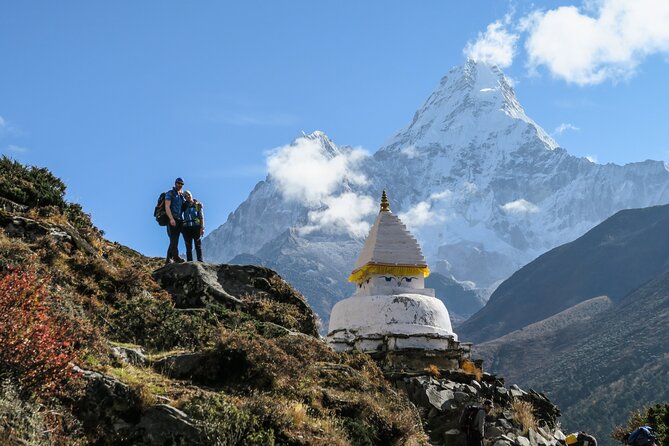
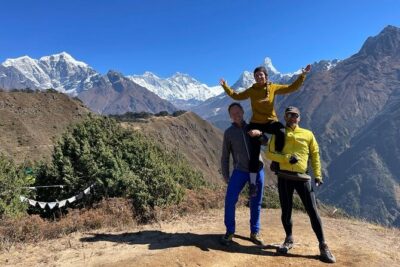
The route through these villages also puts you near the culture of the region. Since this trek is tied to Sherpa communities and the Ama Dablam name itself is connected to the traditional double-pendant worn by Sherpa women, you get a strong cultural thread alongside the mountain focus. You will likely see prayer flags, daily life in small settlements, and the way religion and mountaineering share the same geography.
Island Peak base camp: getting to 4,970 meters and settling in
Day 9 takes you to Island Peak base camp at about 4,970 meters. From here on, things change. Your day-to-day becomes more expedition-like. Your body is already higher than it was earlier, and your schedule becomes more about preparing, resting, and adjusting rather than just walking.
Day 10 is the climb to Island Peak high camp around 5,600 meters. You will be learning how your body reacts when you go higher for a short window, then come down. That down step is part of the training and part of the risk management.
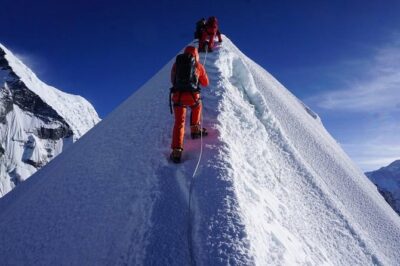
Day 11 is summit day for Island Peak at about 6,189 meters, then you move to Chukkung and lodge there. This structure is the point. You do not just “go up and hope.” You build, you practice, and you summit in a controlled way before you shift your attention to Ama Dablam.
One consideration for you here is that Island Peak success is not only about strength. It is also about breathing efficiency, pacing, and staying mentally steady when the air is thin and the slopes feel steeper than they looked on the map. If you are the type who likes a clear plan, you will appreciate how this itinerary lays it out.
Island Peak summit to Ama Dablam base camp: switching gears
Day 12 transitions to trekking down toward Ama Dablam base camp around 4,600 meters. This is more than a “rest day.” After a summit, your body needs recovery, and your muscles and joints need time to calm down. Trekking is how you manage that recovery while still moving your expedition forward.
This shift is also mentally important. Island Peak gives you one kind of climbing experience, then Ama Dablam asks for another level of commitment. You are moving from the Imja Tse area into the Ama Dablam environment, where the mountain’s terrain and seriousness feel different.
Because the trip includes base-camp comfort items, you can focus on recovery instead of improvising camp life. You should still treat base camp as part of training. Eat the meals provided, keep warm, and use the camp setup like the intended equipment: shower tent when available, charging support using the solar panel, and normal sleep routines as best you can.
The 13-day Ama Dablam climbing block: patience as a skill
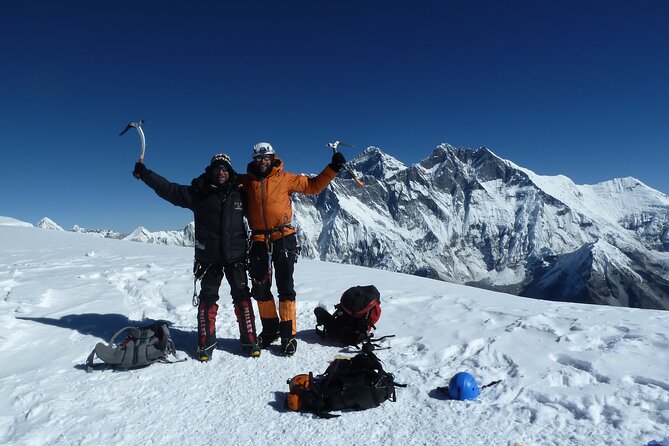
Days 13 through 26 are a long climb window for Ama Dablam. That is the biggest time investment on the whole trip. For you, this is a strong sign that the expedition is built for weather and conditions, not only for ambition.
On a high peak like Ama Dablam at 6,812 meters, summits depend on timing. Weather can make the difference between a safe summit attempt and a cancelled attempt. Having multiple days allocated gives the team flexibility to choose the right weather window and gives you repeated chances to get your body ready.
This long block is also where camp services start to matter. The tour includes mattresses, tents for dining and toilet, and a shower tent. There is also solar power for charging batteries and lighting. When you are living in base camp for many days, those details stop being a luxury and turn into sanity and comfort.
Another practical note: permits for Ama Dablam are included, but fixed ropes and climbing rope are not. That means you should plan your gear list carefully and confirm what the expedition provides versus what you must bring. Being short on rope needs is the kind of problem nobody wants after days of acclimatization.
Trek back down: Namche to Lukla, then Kathmandu
Day 27 takes you from base camp back to Namche Bazaar in lodge accommodations. Day 28 continues the descent to Phakding and then Lukla. These days bring a huge change in sensation. Your altitude exposure decreases, your appetite often improves, and your legs finally get some relief.
Day 29 is the flight from Lukla back to Kathmandu, and you transfer to your hotel. Day 30 is transfer to the Kathmandu airport for your final departure.
Descent is where you confirm your expedition was a success. Summiting is the headline, but getting home safely is the real win. Use the Kathmandu return days to rest hard, sleep normally, and plan easy meals and hydration. Also remember the tour includes bed and breakfast in Kathmandu, so lunch and dinner remain on you.
Camp comfort and services: why this tour feels easier than you expect
One of the most praised parts of this kind of expedition is camp quality, because base camp is where you spend most of your time. Here, you get a full set of practical structures: dining tent, toilet tent, table and chair, and mattresses. You also get a shower tent, which can change how you feel after cold days.
The solar panel for charging batteries and lighting matters in a very real way. At altitude, electricity is limited, and your devices are not a minor issue. You need your headlamp, your phone for photos and timing, and you likely want power for navigation and communication.
Staff and organization also show up in the fact that there is a liaison officer included, and medical, life, and rescue insurance for Nepali staff is handled by the program. That is not about taking risk off your plate, but it is a sign that the company is running a professional operation behind the scenes.
If you care about the small comforts, this trip is built for you. It is the difference between counting minutes at camp and actually resting enough to attempt climbing days with good energy.
Who should book Ama Dablam plus Island Peak
You should consider this tour if you want a true expedition arc. That means you enjoy structure, gradual altitude growth, and you are comfortable with a long commitment, not just a summit chase.
This tour is also a good match if you like strong camp support. Base-camp comfort, shower access, and charging can make the difference between a miserable expedition and a focused one where you spend energy where it matters.
You should rethink the plan if you are not ready for sustained altitude. The trip states you should have a strong physical fitness level. Also remember that helicopter evacuation is not included, so you need to take personal safety planning seriously and consider separate rescue coverage if you choose.
Finally, this is a small-group style expedition, with a maximum of 15 travelers. If you want fewer moving pieces and a calmer camp environment, this group size helps.
Should you book this trip?
Book it if your priority is a managed, full-length expedition combining Island Peak and Ama Dablam, with permits handled and camp systems in place. The inclusion of meals during trekking and climbing, the shower tent, and solar charging support add real value for the price and reduce the number of things you need to sort out yourself.
Hold off if you need a lightweight trekking style or if you are not comfortable with a long, high-altitude climb window at around 6,800 meters. Also, double-check your rope and personal climbing equipment plan, because some key items are not included.
If you are fit, plan carefully, and want a serious Nepal mountain experience that does not ignore comfort and organization, this is a strong choice.
FAQ
How long is the expedition?
It runs for 30 days approximately, from arrival in Kathmandu to departure from Kathmandu.
Where does the tour start?
The meeting point is Tribhuvan Airport in Kathmandu, Nepal.
What is included in the price?
Included items cover Island Peak and Ama Dablam climbing permits, camp equipment like mattresses and tents (dining, toilet, shower), a solar panel for battery charging and lighting, 3 meals during trek and climbing, Kathmandu bed and breakfast, and airport-hotel-airport transfers in Kathmandu.
Are meals included during the trek and climb?
Yes. You get 3 meals during the trek and climbing.
Are helicopter rescues or medical evacuation included?
No. Rescue evacuation by helicopter and any evacuation and medical charges are not included.
Do I get climbing ropes and fixed ropes?
No. Climbing rope and fixed ropes are not included.
How many people are in the group?
The tour has a maximum of 15 travelers.
What do I need to bring?
You need to bring personal equipment for climbing. Other items are not listed in the provided details.
What is the cancellation policy?
Free cancellation is available. You can cancel up to 24 hours in advance for a full refund, and cancellations made less than 24 hours before the start time are not refunded.
Latest Kathmandu write-ups
- Langtang Valley Trek★ 5.0 · 3 reviews
- Langtang Valley Trek from Kathmandu★ 5.0 · 3 reviews
- Khopra Danda Trek★ 5.0 · 3 reviews
- 5 night / 6 days Kathmandu Nagarkot Chitwan Pokhara tour★ 5.0 · 3 reviews
- Nepal Highlights Tour: 5 Nights 6 Days Kathmandu & Pokhara Tour★ 5.0 · 3 reviews
- Kathmandu Valley Private Day Tour★ 5.0 · 3 reviews
- Conquer the Himalayas: The Ultimate 16-Day Annapurna Circuit Trek★ 3.5 · 3 reviews
- Kathmandu Heritage Day Tour★ 5.0 · 3 reviews
Peak Climbing, compared.
Everest Base Camp Trek with Island Peak Climbing
Read our review →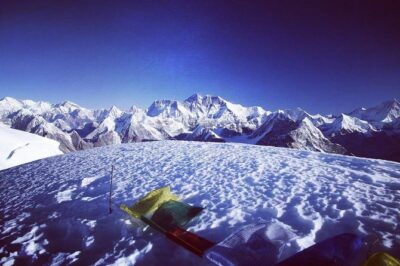
Browse the lists this tour appears in