
Reviewed · ANNAPURNA CIRCUIT TREK
Annapurna Circuit Trek
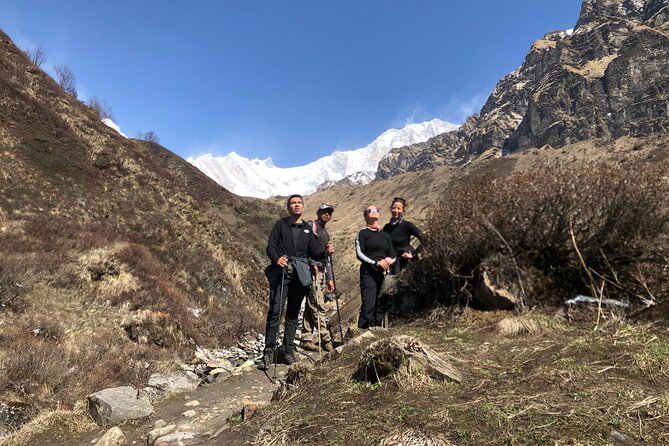
This is interesting because it’s one of those big, classic Nepal treks that you can do with less stress. Full-board meals during the hike and a real guide handling permits, safety, and pacing make the whole thing feel much more manageable. The one real consideration is weather, since this trek needs good conditions, and poor weather can mean a different date or a refund.
I also like how the route builds in breathing room, especially around Manang Valley and the big Thorung Pass crossing at a pace you set with your guide. Finally, the hotel time matters here too. A common high point is the quality of Kathmandu and Pokhara hotel accommodations, plus smooth document and airport transfers, which helps a lot after long travel days.
Key Points That Matter Before You Go
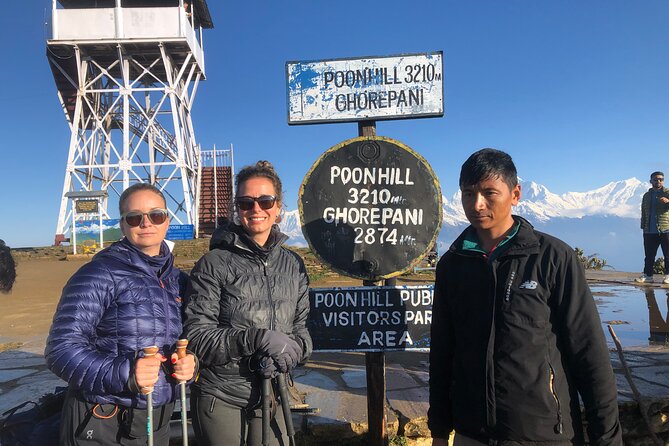
- Private trek, customizable pace so you can slow down when your body asks for it
- Full board while trekking (breakfast, lunch, dinner) plus lodge tea-house stays on the route
- Permits and area entrance fees included, so you avoid the paperwork scramble
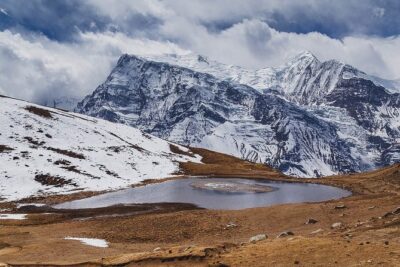
- Acclimatization in Manang with time to explore options like Bonjo Gumba or Gangapurna Lake
- Lodges, twin sharing, and high-altitude support with first-aid medicine carried by your guide
- Hotels in Kathmandu and Pokhara are part of the package, not an afterthought
First Step in Kathmandu: Airport Transfer and a Real Trek Briefing
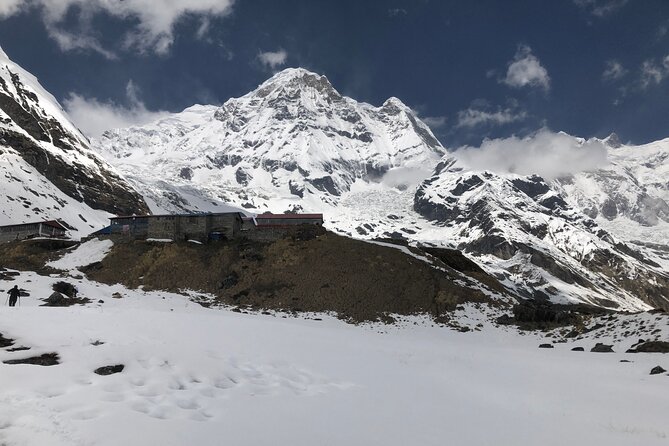
Your experience starts the moment you land at Tribhuvan Airport in Kathmandu. An office representative meets you, then you’re transferred to your hotel by private vehicle. After you rest, your guide gives you a short briefing on Annapurna Circuit trekking and staying safe.
That briefing is not just a formality. On the Annapurna Circuit, altitude and timing can change how you feel day to day. Getting your game plan early makes it easier to walk smart when your energy is still normal.
A practical plus: hotel and airport transfers are included, which means you’re not hunting for taxis or trying to figure out transport after a flight.
More of the Annapurna Circuit:
- Annapurna Circuit Trek with Tilicho Lake
★ 5.0 · 368 reviews - Annapurna Circuit Trek
★ 5.0 · 94 reviews - Annapurna Circuit Trek
★ 5.0 · 67 reviews
Hotel Nights in Kathmandu and Pokhara: Where Comfort Helps You Trek Better
The package includes 2 nights in Pokhara and 2 nights in Kathmandu, each with breakfast. This is one of the strongest value points because it protects your sleep and recovery, especially after the long trek.
In Pokhara, you get a true rest day where you can explore Pokhara Valley on your own. That day is a gift because you finish the trek and then you get time to reset without immediately jumping into the next travel day.
In Kathmandu, you also get time before departure. After returning from the trek, you head back to the city by tourist bus or (for an extra charge) a flight from Pokhara to Kathmandu, then you’re transferred to your hotel.
From the feedback I’m seeing, the hotels and the smooth transfers are a consistent win. For a trek like this, those basics matter more than people expect.
Getting to the Trail: The Long Drive to Syange, Then Your First Real Walk
After breakfast in Kathmandu, you’re picked up for a long transfer to Syange. The drive is about 8 to 9 hours. It’s long on paper, but it’s also the kind of day where having the transport handled makes a huge difference.
Then you start walking. Your trek day to Dharapani is described as taking roughly 7 to 8 hours, with a bridge crossing involved early. This is your first taste of what the trail rhythm will feel like, so I’d treat it like a training day, not a speed run.
This first walking day is where you set habits: water management, layer choices, and how you handle uneven footing. Your guide helps you go at a pace you can sustain.
From Dharapani to Chame: Steep Ridges, Woods, and the Need for Focus
The next section continues the climb with a walk to Chame, estimated around 6 hours. The route includes steep ridges sheltered by green woods, and it may involve landslides too.
That landslide note is important. It’s a reminder that you should expect the trail to be a living thing, not a perfect sidewalk. With a guide, you don’t have to stress about where to go or how to interpret detours.
This is also a day where your head should be on the path. Views are great, but on a steep, narrow trail, one distracted step can turn a nice day into a painful one.
More to compare around Kathmandu
- Everest Base Camp Trek – 14 Days
★ 5.0 · 1,499 reviews - Everest Base Camp Trek
★ 5.0 · 842 reviews - Private Kathmandu Sightseeing Tour | UNESCO World Heritage sites
★ 5.0 · 756 reviews - Kathmandu: 7 UNESCO Sites with Lunch
★ 4.8 · 744 reviews
Chame to the Next Trekting Day: Narrow Valley Caution and Slow, Steady Progress
The following trekking day is described as going through a valley that needs full caution because it’s narrow and steep. You’re looking at about 6 hours of walking.
This is one of those Annapurna Circuit stretches where I’d rather be slightly slower than slightly faster. Narrow and steep means footing and balance matter, and your best strategy is consistency: small breaks, steady pace, and not pushing just because other people are moving.
The good part is that guided pacing helps. It’s not only about speed, it’s about keeping your body working at altitude and fatigue levels that don’t stack up too quickly.
Upper Pisang to Manang: The Switch From “Just Walking” to High-Mountain Trekking
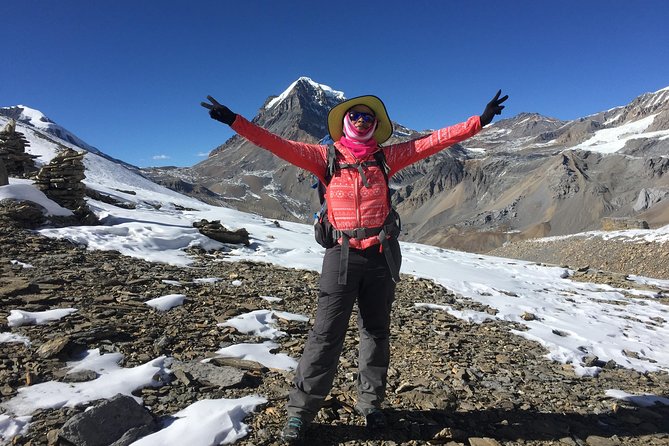
One of the key days moves you toward Manang. You walk for about 7 hours, going through Upper Pisang. The route description also frames Manang as a dream destination for both local and international visitors.
This is where the trek starts to feel like a real high-mountain journey. You’re still hiking, but now you’re doing it with a bigger backdrop, cooler air, and less forgiveness from your lungs.
If you tend to get impatient when you see the destination, this is your reminder to breathe. Manang is not just a place to sleep. It’s where your body needs time to adjust.
Manang Rest Day: Acclimatization Plus Time for Bonjo Gumba or Gangapurna Lake
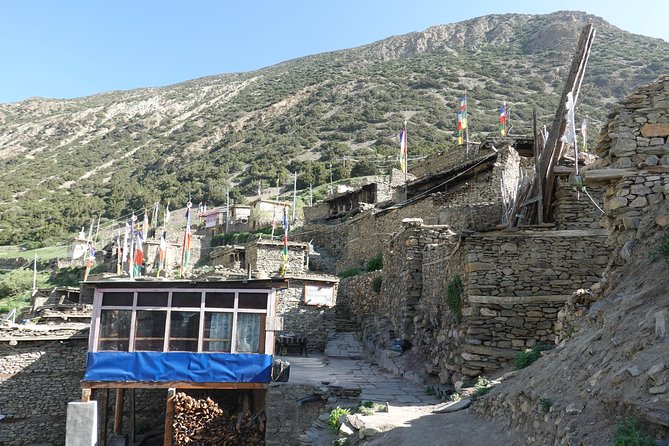
Instead of stacking another hard day, you rest in Manang. You’ll have time for roaming and short hikes. The options mentioned include hiking to Bonjo Gumba or Gangapurna Lake.
A rest day is not laziness here. It’s a strategy. It helps your body handle the next big push toward the pass.
What I like about this structure is that it gives you choices without turning the day into a free-for-all. You can go for a short outing, then come back and let your energy return.
Tenki, Marshyangdi Valley, and Ghunsa Village: Juniper Trees and the Steady Climb
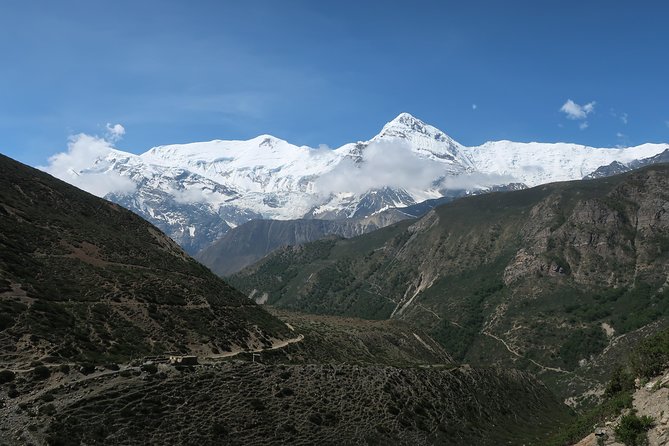
As you continue ascending, you pass through Tenki village and the Marshyangdi Valley northwestern of Jharsang Khola. The route description includes a small stream, juniper trees, and a small Ghunsa Village.
This is a classic “keep moving” day. The trail context like streams and trees usually means less exposed terrain than the highest points, but you’re still climbing and you should still save your energy for later.
The bigger practical takeaway is mental: you don’t need to be in a rush. You’ll feel tired at altitude even when the day feels scenic. Steady wins.
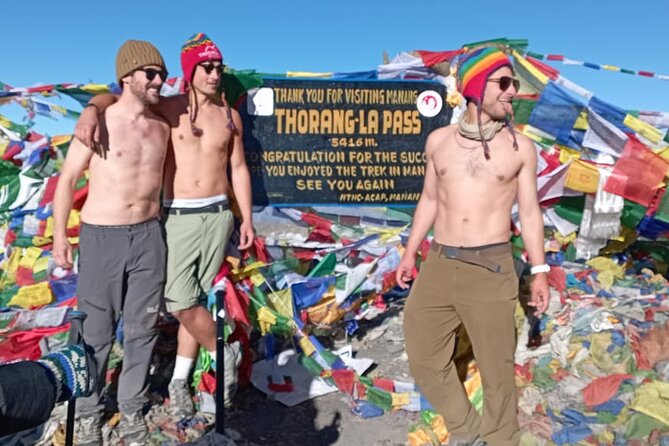
Thorang Phedi and the Suspension Bridge: Getting Close to 5,416 m
The next morning starts with breakfast and then continued ascent to Thorang Phedi. On the way, you cross a suspension bridge to reach Lather Village, then you continue through cliffs.
Eventually, you reach the Thorang area near the pass. This day is shorter than the earlier ones in the schedule (about 4 hours), but it can feel intense because you’re already at a higher level.
I treat this kind of day as “workout before the main event.” You’re priming your body for the pass crossing day, and you want to arrive feeling ready, not wrecked.
The Big Crossing to Muktinath: Thorong La and a Temple Day
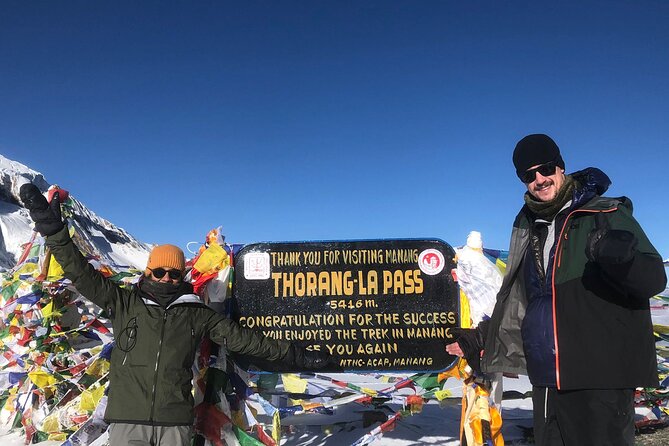
The highest point of the trek is listed at Lhorang La Pass at 5,416 m. You head to the western side, and the real challenge is described as waiting for you.
You end the day at Muktinath Temple. This is the kind of day where the main accomplishment is simply moving safely and at a pace that your breathing can handle.
If you’ve never done a high-altitude trek, here’s the reality check I’d prepare for: at elevation, the best pace is the one that keeps you calm. Your guide helps you stay on track, and first-aid medicine is carried during the trek.
And once you reach Muktinath, it’s not just a physical finish. It’s a cultural one too, with the trek framing Tibetan-influenced culture of Mustang in the overall experience.
Finish in Pokhara: A Long Transfer, Then a Proper Rest
After the trek ends, you take a bus or jeep drive from Muktinath to Pokhara, around 10 hours. It’s a long ride, but it’s also a relief because your walking days are done.
Then you get a full rest day in Pokhara. You can explore the Pokhara Valley yourself, which is a nice shift after days on the trail.
When you continue to Kathmandu, you’ll either take a tourist bus drive (about 7 hours) or fly from Pokhara to Kathmandu for an extra charge. Either way, you land back in Kathmandu with hotel transfer included.
Value, Cost, and Who This Private Trek Fits Best
The price is $1,150 per person for a roughly 14-day private trek. That’s not cheap, but it covers a lot of the heavy lifting that usually makes treks feel stressful: permits and entrance fees, guide support, full-board meals during trekking, lodge accommodation (twin sharing), and ground transport between Kathmandu and the trek region plus the return to Kathmandu.
What I see as especially good value is the combination of:
- Full board while trekking, so you’re not constantly budgeting meals on the trail
- Permits included, so you’re not chasing paperwork at the last minute
- Hotels included, so you don’t waste travel time in rough sleep situations before or after the mountains
What you need to budget separately:
- International flights
- Tips to your guide and porter
- Your Nepal travel visa
- Lunch and dinner in Kathmandu and Pokhara
- Extra costs outside the package, like alcoholic beverages, Wi-Fi, mineral bottle water, charging, and hot showers during the trek
Also, a porter is not included.
So who is this best for? If you want the Annapurna Circuit experience with less planning and less uncertainty, this fits well. It also makes sense if you prefer a guided pace rather than negotiating logistics on your own.
And it’s aimed at people with moderate physical fitness. That doesn’t mean “easy.” It means the trek expects you to be in decent shape but not necessarily training for a race.
Practical Notes: Permits, Lodges, Gear, and Staying Safe at Altitude
Here’s what the package covers on the ground. You’ll have one professional trekking guide. You’ll sleep in lodges or tea houses while on the trek, twin sharing. You also get a trip completion certificate after the successful trek.
For safety, you get first-aid medicine carried by your local guide. That matters because on a trek where altitude and exertion are real factors, basic medical readiness is not something to ignore.
Gear support is included only if needed. If you require it, the company can provide a duffel bag and sleeping bag to use for the trek. If you already have your own, you can keep it simple, but it’s reassuring that help is available.
Food is full board on the trail: breakfast, lunch, and dinner while trekking, plus tea/breakfast on the route as described. In Kathmandu and Pokhara, lunch and dinner are not included, so plan for those meals on your own.
Finally, remember that this experience requires good weather. That doesn’t just mean “nice conditions.” It means your trek depends on it, and poor weather can trigger a change of date or a full refund.
Should You Book This Annapurna Circuit Private Trek?
I’d book it if you want an Annapurna Circuit trek that handles the logistics for you, with real guide support and a pacing style that fits your body. The value is strongest if you care about having permits, full-board meals, and end-to-end transfers handled, plus quality hotel nights in Kathmandu and Pokhara.
I’d think twice if you know you need lots of flexibility with your schedule or if you hate the idea of weather impacting dates. Also, since a porter is not included, you’ll want to be confident you can carry what you bring, or plan carefully.
If your goal is to focus on the hike, the pass day, and the cultural stops without turning your vacation into admin work, this private setup is a sensible way to do it.
Latest Kathmandu write-ups
- Langtang Valley Trek★ 5.0 · 3 reviews
- Langtang Valley Trek from Kathmandu★ 5.0 · 3 reviews
- Khopra Danda Trek★ 5.0 · 3 reviews
- 5 night / 6 days Kathmandu Nagarkot Chitwan Pokhara tour★ 5.0 · 3 reviews
- Nepal Highlights Tour: 5 Nights 6 Days Kathmandu & Pokhara Tour★ 5.0 · 3 reviews
- Kathmandu Valley Private Day Tour★ 5.0 · 3 reviews
- Kathmandu Heritage Day Tour★ 5.0 · 3 reviews
- Conquer the Himalayas: The Ultimate 16-Day Annapurna Circuit Trek★ 3.5 · 3 reviews
Annapurna Circuit Trek, compared.
15-Day Private Annapurna Circuit Trek from Kathmandu
Read our review →
8 Days Private Guided Trekking in Annapurna Circuit with Pickup
Read our review →Browse the lists this tour appears in