
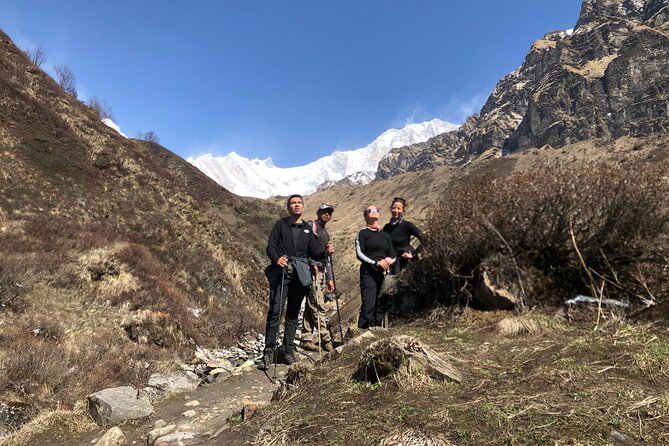
Reviewed · ANNAPURNA CIRCUIT TREK
Annapurna circuit Trek
This Annapurna Circuit trek is interesting because it does not just chase altitude, it threads together changing Himalayan culture as you climb toward the big pass day, with Thong-La around 5,416 m. I also like how the route is paced with a real acclimatization stop in Manang, not just a straight line upward. Annapurna Circuit fans will recognize the classic sense of progression, from lower villages to high, wind-scoured passes.
Two things I really like: the trip feels logistically “handled” because airport pickup, shared jeep or bus transfers, trekking food, and permits are built in. Fresh fruit after dinner every day and treated drinking water are small details, but they matter when you are tired. The main drawback to consider is altitude, especially the long climb days that lead into the pass area, so you have to treat the acclimatization day seriously even if you feel fine on paper.
Key Highlights You Can Actually Plan Around
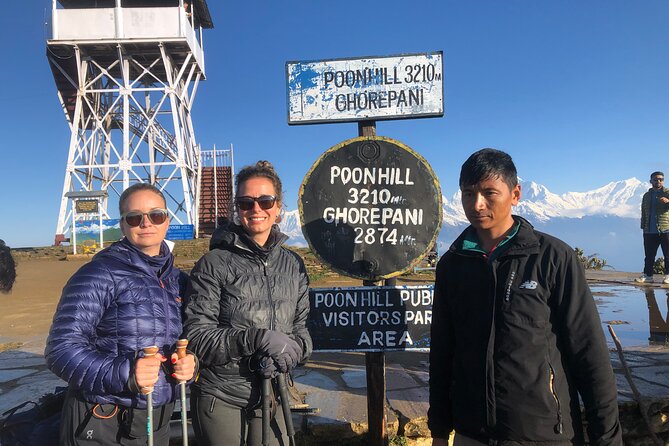
- Thong-La pass day with real elevation pressure: You hit Muktinath after crossing around 5,416 m, so expect a long, demanding day.
- Manang acclimatization day is part of the plan: It is scheduled as its own day, not a rushed bonus.
- Meals are covered, including tea or coffee on the trail: Less stress on budgeting and daily decisions.
- Permits and TMIS are included: Annapurna conservation entrance permit and TMIS card are listed, which helps avoid last-minute paperwork.
- A guide plus porter support is included: You do the hiking, and they help with the workload and camp basics.
- Small comfort extras show up daily: Treated water and fresh fruit after dinner can make the trek feel more human.
What You Really Get for the $998 Price
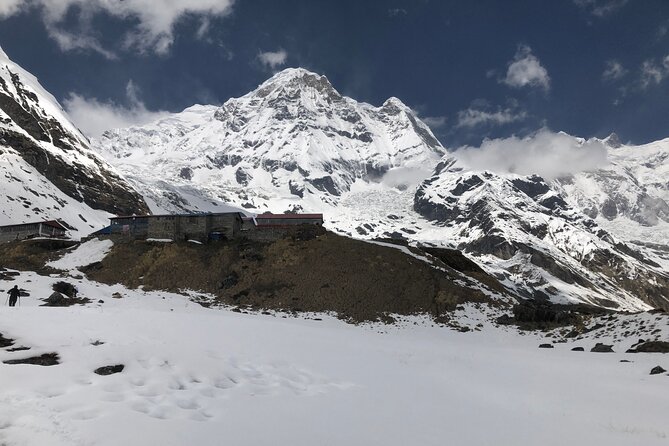
At $998 per person for roughly 12 days, you are paying for more than a trail. You are also paying for the “glue” that makes mountain travel work: airport pickup and drop in Kathmandu, hotel nights (3-star in Kathmandu and one night in Pokhara), guided trekking support, porters, permits, and the day-to-day food plan.
Look at what is included: breakfast, lunch, and dinner during the trek, plus tea or coffee while you are hiking. There is also treated drinking water, plus an accommodation package on the trail, so you are not trying to sort logistics in remote places after a hard day.
The value is strongest if you want a supported trek rather than DIY. If you already have all gear, love organizing transport, and know exactly which permits you need, the cost may feel higher than a barebones option. But if you want your energy spent on walking and enjoying the route, this package is trying to remove friction.
More of the Annapurna Circuit:
- Annapurna Circuit Trek with Tilicho Lake
★ 5.0 · 368 reviews - Annapurna Circuit Trek
★ 5.0 · 94 reviews - Annapurna Circuit Trek
★ 5.0 · 67 reviews
Kathmandu Arrival to Dharapani Drive, the Trek’s Warm-Up
You start in Kathmandu, with the meeting point at Tribhuvan International Airport. Pickup begins around 6:15 am, so plan for an early start day even if your flight lands the night before.
The early schedule is built around a road transfer day: you drive to Dharapani via Besisahar, a ride described as about 7 to 8 hours, and you arrive around 2,000 m. This is not a gentle first day, but it is a practical way to reach the trail system without spending extra travel days.
After you check into your Kathmandu hotel, you are essentially trading city time for trail time. One smart tip: treat that first night as your “sleep prep” night. Even if you feel restless, a decent sleep helps with the next days of climbing and the mental rhythm of trek life.
Chame and Upper Pisang: Where the Route Starts to Feel Big
From Dharapani, you trek to Chame in roughly 4 to 5 hours, reaching about 2,600 m. Chame is a classic waypoint because it sits at the point where the mountains stop feeling like a backdrop and start feeling like a presence.
Next comes Upper Pisang, about 4 to 5 hours and up to around 3,300 m. This part of the trek is often where you start noticing the change in village life as altitude rises, and you feel the switch from lush lower slopes to more exposed mountain air.
What I like about this stretch is that it is challenging without being the hardest portion of the trip. It gives you time to get your hiking rhythm, test your layers, and learn how your body reacts when the trail starts climbing for real.
Manang and the Acclimatization Day That Actually Counts
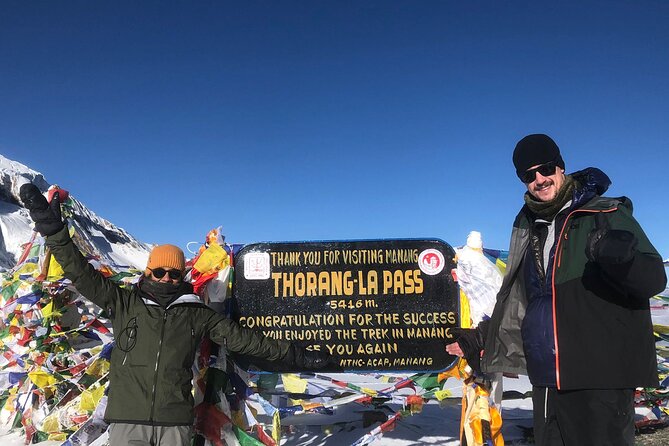
You reach Manang after a longer trekking day, about 7 to 8 hours, with an altitude around 3,500 m. That is a big jump from the earlier days, and it can catch people who underestimate how much time “uphill walking” takes.
Then the itinerary gives you an acclimatization day. This is the day to slow down and respect altitude, even if you feel great at breakfast. If you have ever watched someone get sick on a trek, it is often because they treat acclimatization as optional.
In real terms, this is also where your trek leadership matters. A good guide will help you pace, drink enough fluids, and make sensible choices when the air feels thin. Past trekkers praised Nature Explore’s team for being attentive and caring about wellbeing, which is exactly what you want on a day like this.
More to compare around Kathmandu
- Everest Base Camp Trek – 14 Days
★ 5.0 · 1,499 reviews - Everest Base Camp Trek
★ 5.0 · 842 reviews - Private Kathmandu Sightseeing Tour | UNESCO World Heritage sites
★ 5.0 · 756 reviews - Kathmandu: 7 UNESCO Sites with Lunch
★ 4.8 · 744 reviews
Yak Kharka to Thorong Phedi: Building Up for the Pass
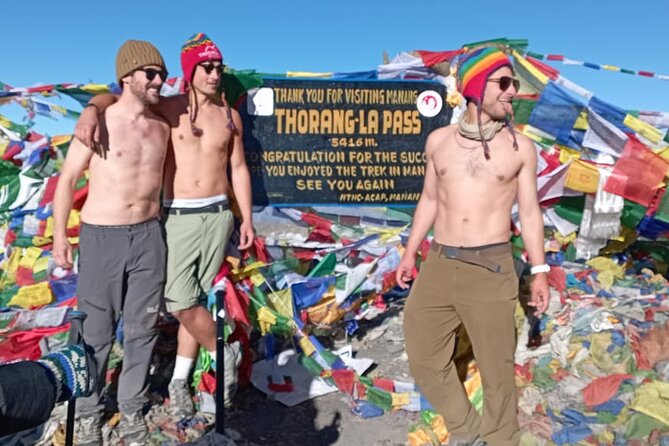
From Manang to Yak Kharka, the trek is listed as about 3 to 4 hours to around 4,060 m. Shorter days like this can feel like a break, but the altitude is doing the work, so you still need to move steadily and not rush.
Then you trek to Thorong Basecamp or Thorong Phedi, about 3 to 4 hours and around 4,500 m. This is the runway for the pass day. Even though the listed trek times are moderate, the thin air can make every step feel longer.
This is also where I think about safety and teamwork. When you cross a high pass, you want a guide and porter system that is calm, experienced, and organized. Reviews for Nature Explore’s guides on other Himalayan treks highlighted that they handle logistics well and respond effectively during medical situations, which is reassuring when you are entering the most serious altitude segment of the trip.
Thong-La Pass Day to Muktinath, Then Down Toward Marpha
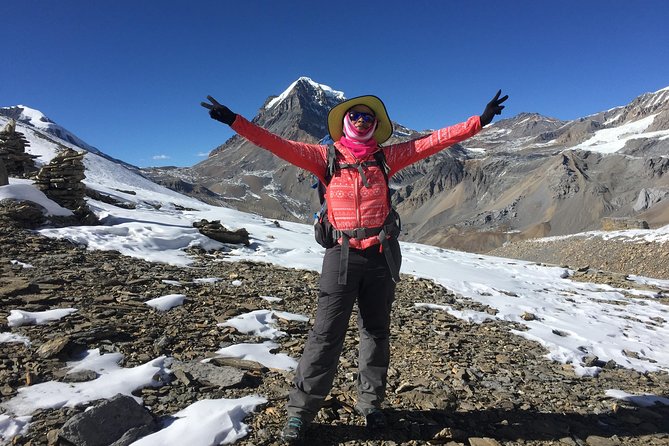
The big moment is the pass crossing: you trek to Muktinath via Thong-La, with the pass altitude around 5,416 m. The route description lists it as a 7 to 8 hour day, and arriving around 3,800 m. That combination, high point plus long hours, is why this trek is a true commitment.
Once you land in Muktinath at around 3,800 m, you are not done. The itinerary then connects onward to Marpha via Jomsom, a 6 to 7 hour trekking day ending around 2,650 m.
This is where the trek starts to change mood. After a high pass, the descent can feel almost emotional. Your legs may be tired, but you often get better views and a sense of momentum as the air grows less sharp.
One practical note: this is not a day to chase photos at the expense of pace. You want to stay consistent, keep warm, and follow your guide’s timing so you do not arrive at the day’s lower points exhausted.
Tatopani and Pokhara: The Recovery Arc After the Hard Day
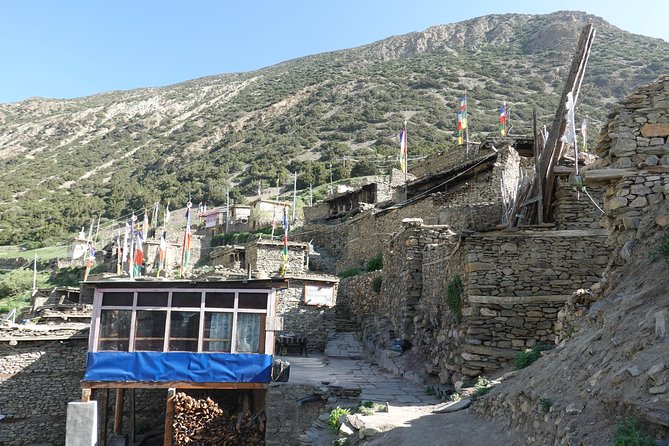
After reaching Marpha, you drive to Tatopani by bus or jeep, about 5 hours and down to around 1,190 m. Getting that low is not just for comfort, it helps your body recover from the altitude roller coaster.
Tatopani is where many trekkers start feeling more like themselves again. It also sets up an easy landing into “regular life” after the trail, because the next transfer is just a drive to Pokhara, about 6 hours back down around 740 m. Your trip ends in Pokhara after that hotel night.
If you are the type who wants to squeeze in something after the trek, Pokhara is usually the right place to do it. Just keep your schedule realistic. Your best souvenir is often simply how good it feels to sleep without altitude in the background.
Guides, Porters, and the Kind of Support That Matters Most
Nature Explore Trekking Pvt Ltd positions itself as a structured, well managed operator, and the strongest praise in their reviews centers on people. Multiple reviewers highlighted the same themes: guides who are attentive, porters who are professional and caring, and a leadership style that builds trust.
Names that come up again and again in those accounts include Dinesh and Deepak, plus team members like Nara, Ram, and Tej. Even more important than who is on the roster is what they are doing: coordinating logistics, sharing local culture, and staying focused on wellbeing.
The most reassuring line of all is how they handle trouble. One review described an unexpected medical evacuation on a Nepal trek, and Nature Explore was credited with providing superb leadership and keeping people safe. If you are trekking the Annapurna region, that kind of preparedness is not “nice to have,” it is peace of mind.
Pacing, Fitness, and Packing Choices for This Route
The operator lists a moderate physical fitness level for this trek, but moderate does not mean easy. You have a sequence of long hiking days plus a major pass day, so you need stamina, not just confidence on flat ground.
The itinerary also includes long transfers. You will have a Kathmandu to Dharapani road day, and later you will drive from Marpha to Tatopani and then to Pokhara. That means your body needs to be prepared for sitting, getting back up, and continuing the schedule.
On packing: trekking equipment is not included, so plan to bring your own basics. The good news is you do get Nature Explore trek down jackets that are refundable after the trip, plus a duffle bag and a t-shirt as a gift. That can reduce some weight decisions, especially for cold evenings higher up.
Also, skip the hope for convenience tech. Wi-fi and laundry are not part of the included items, and cold drinks and extra snacks are listed as not included. In other words, pack a realistic budget mindset for those extras.
Who This Trek Fits Best (And Who Might Struggle)
This trek makes sense if you want a classic Annapurna Circuit experience with built-in support. You get a guide, a porter (support staff), meals, water, permits, and hotel nights timed for a smoother transition between trekking and driving.
It is a good match for first-timers to bigger treks who still want to be challenged. The acclimatization day helps, and the itinerary gives you enough structure that you are not improvising pacing alone.
It may be harder for anyone who struggles with altitude or panics when the plan gets physically intense. The pass day and the days leading into it are the defining moments, so you should go in with a calm attitude and follow the guide’s pacing.
Finally, since it is private, you are trekking with only your group. If you like control over your schedule and group dynamic, this private setup can feel better than larger shared groups.
Should You Book This Annapurna Circuit Trek?
If your priority is a supported, well structured trek with meals, permits, and transport handled, I think this is a solid choice. The price includes many of the things that usually blow up DIY plans: airport transfers, hotel nights, guiding and porter support, and daily trekking food plus treated water.
Book if you want less admin and more trail time, and you value a team that focuses on safety and caring leadership. The names and themes from past reviews point to an operator that takes logistics seriously, and that matters most when altitude and fatigue are working against you.
Skip it or shop around if you want maximum freedom, you already have every piece of planning and gear sorted, or you know you are sensitive to high altitude. In this region, the itinerary is ambitious by nature, so your fit comes down to whether you respect acclimatization and pace yourself.
FAQ
What is the meeting point and start time?
The tour meets at Tribhuvan Airport in Kathmandu, Nepal, with a start time of 6:15 am.
How long is the Annapurna Circuit trek?
The duration is listed as 12 days, approximately.
What is included in the package for days on the trek?
Breakfast, lunch, and dinner are included, along with tea or coffee during the trek, fresh fruit after dinner every day, treated drinking water, and accommodation during the trek. An experience guide and a porter (sporting staff) are also included.
Do I need to bring trekking equipment?
Yes. Trekking equipment is listed as not included, so you should plan to bring your own.
Are airport transfers included?
Yes. Airport pick up and drop are included, along with ground transportation during the trek by local sharing bus or jeep, plus Kathmandu to Dharapani and Marpha to Tatopani bus or jeep.
Is the tour private?
Yes. It is described as a private tour or activity, so only your group participates.
Is there free cancellation?
Yes, free cancellation is available. You can cancel up to 24 hours in advance of the experience for a full refund.
Latest Kathmandu write-ups
- Langtang Valley Trek★ 5.0 · 3 reviews
- Khopra Danda Trek★ 5.0 · 3 reviews
- Langtang Valley Trek from Kathmandu★ 5.0 · 3 reviews
- 5 night / 6 days Kathmandu Nagarkot Chitwan Pokhara tour★ 5.0 · 3 reviews
- Nepal Highlights Tour: 5 Nights 6 Days Kathmandu & Pokhara Tour★ 5.0 · 3 reviews
- Kathmandu Valley Private Day Tour★ 5.0 · 3 reviews
- Conquer the Himalayas: The Ultimate 16-Day Annapurna Circuit Trek★ 3.5 · 3 reviews
- Kathmandu Heritage Day Tour★ 5.0 · 3 reviews
Annapurna Circuit Trek, compared.
15-Day Private Annapurna Circuit Trek from Kathmandu
Read our review →
8 Days Private Guided Trekking in Annapurna Circuit with Pickup
Read our review →Browse the lists this tour appears in