
Reviewed · ANNAPURNA CIRCUIT TREK
Annapurna Circuit Trek
Annapurna Circuit Trek is interesting because it’s the famous full-circle route of Nepal, but this version uses the newer road access to make the trek shorter and more time-friendly. You also get a solid support setup, including a licensed guide and trekking gear handed to you up front, so you spend less time juggling logistics and more time on the trail. The big consideration is altitude: even with a careful schedule, you still go over Thorang La Pass (5,416 m), and the operator is clear that taking a jeep toward Manang can raise altitude sickness risk.
What I like here is the pacing: you drive into the Annapurna region first, then you gradually walk higher, and you build in an acclimatization rest day in Manang before the highest crossing. Another plus is the way guides keep things running day to day, with reports of guides being organized, attentive, and giving clear guidance each evening, including names like Shanta, Buddhi Tamang, Pawan, Indaco, Veer, Anjan, Suman, and Anos Tamang. One drawback to weigh: if you get altitude symptoms easily, you’ll want to be extra strict about rest, hydration, and going slow, because this is still a serious high pass trek.
Key Highlights You Should Know Before You Go
- A shorter Annapurna Circuit route built around road access from Besisahar toward Manang, so you spend fewer days on the trail.
- Thorang La Pass at 5,416 m, with early climbing and prayer flags marking the big moment.
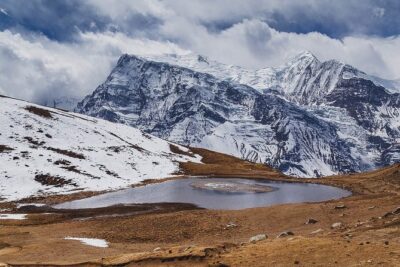
- Manang acclimatization built in, including an optional hike suggestion to Gangapurna Lake.
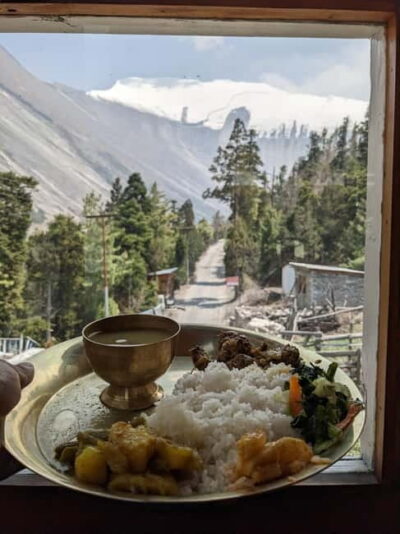
- Three cups of tea per day and real sit-down meals (breakfast, lunch, dinner) during the trek on a tea house basis.
- Gear is included: sleeping bag, down jacket, and a duffle bag, which lowers your packing stress.
- Solid support on transport, with airport pickup and multiple bus and jeep legs, then tea house nights on twin sharing beds.
Why This Short Annapurna Circuit Feels Like the Real Deal
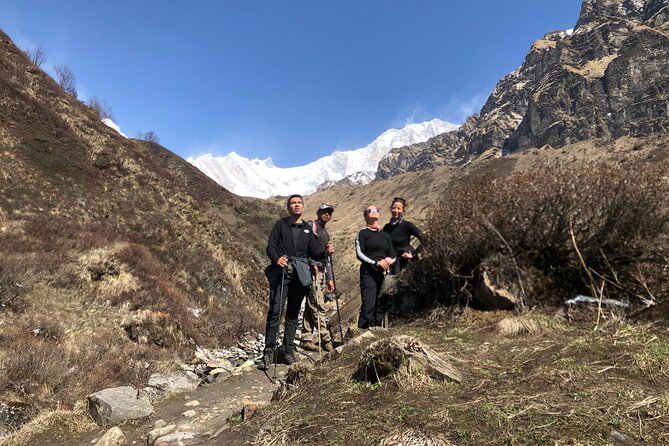
The classic Annapurna Circuit is known for variety: villages, river valleys, pine forests, and then that long slow climb that makes Thorang La feel earned. This trek keeps the heart of that experience, but it’s compressed into a time-friendly plan, partly because the drive corridor has improved and road travel can cover what used to require extra trekking days.
That compression matters for you if you have limited vacation time. You still get to the high country, but you’re not spending days on the same low-to-mid altitude slog. I also appreciate that the trek doesn’t rush the pass day without support. It’s designed for travelers without a big altitude tolerance problem, and it includes rest and acclimatization so your body has a chance to adjust.
The altitude piece is the only real “watch out.” The route crosses a high pass, and if you try to shortcut height gain using vehicles, the operator states the risk becomes very high. So you’re really signing up for a balance of efficiency and smart pacing, not a casual hike.
More of the Annapurna Circuit:
- Annapurna Circuit Trek with Tilicho Lake
★ 5.0 · 368 reviews - Annapurna Circuit Trek
★ 5.0 · 94 reviews - Annapurna Circuit Trek
★ 5.0 · 67 reviews
Kathmandu Start: A Smooth First Day You Will Actually Appreciate
Day 1 begins with pickup at Tribhuvan International Airport in Kathmandu. You transfer to a hotel, check in, and then join a group briefing with guides and staff. That sounds standard, but it’s one of the best parts for nervous first-timers. You get your bearings early, and you can ask practical questions before you’re far from cell signal and shops.
You also get a full night in Kathmandu with breakfast included. Two nights in the city in total means you’re not instantly whisked away on a long day. For many people, that one breathing space makes the next morning less stressful.
If you’re doing this solo, the group briefing vibe can be reassuring. Even if you’re the only one in your travel style, you’re not dealing with the trek logistics alone.
Driving Into the Annapurna Region: Besisahar and Chame Set the Tone
Day 2 is a long drive from Kathmandu toward Besisahar in the Lamjung area, about 12 hours. The route pushes you beyond the Kathmandu Valley into warmer mid-west areas, with views of snowcapped mountains along the way. This is a good example of “transport as strategy.” The road gets you out of the city and into the trek corridor so you can start walking at a reasonable point.
Day 3 drives you to Chame, the headquarters of Manang district. Expect another long day, around 12 hours, and note that the road is unpaved. The upside of this kind of overland day is that you don’t lose the whole day to sitting still in a hotel. You’re moving through real terrain, and you’re seeing the region transition step by step.
There’s also a value point here: multiple bus and jeep legs are included, which reduces the chances you’ll get stuck trying to figure out schedules on your own. You just show up, and the plan keeps rolling.
Manang Valley Days: Alpine Forests and Gradual Height Gain
Day 4 shifts from pure travel to trekking rhythm. You start walking upstream following the Marsyangdi River, passing through alpine forest and moving toward Bhratang village. Then you continue uphill through pine trees. This is a key day because it begins the transition from “getting there” to “being on the trail.”
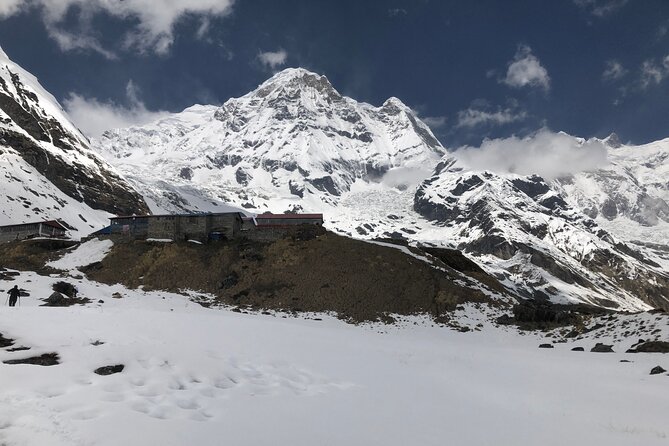
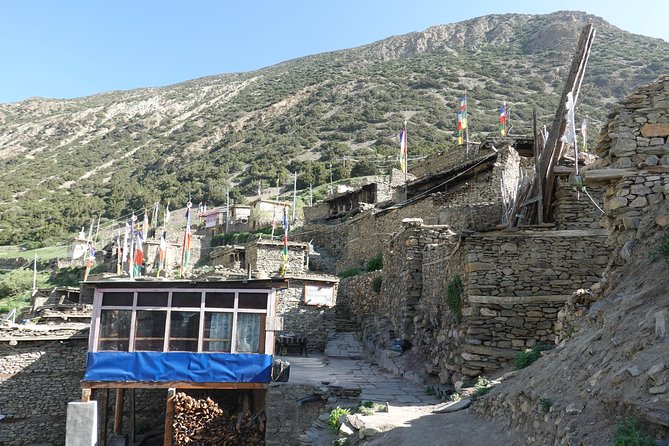
Day 5 continues the Manang area walking. You reach Pisang village in Manang Valley, known for facing big mountain views. The description here emphasizes slow altitude gains from this point forward, which is exactly what you want as you prepare for higher elevations later. You also get views of Annapurna II and III and Gangapurna, so the effort has visual payoff.
If you’re new to altitude, this is where your habits matter. Go steady. Keep breaks regular. Don’t try to “win” the day. A trek like this rewards consistency more than speed.
More to compare around Kathmandu
- Everest Base Camp Trek – 14 Days
★ 5.0 · 1,499 reviews - Everest Base Camp Trek
★ 5.0 · 842 reviews - Private Kathmandu Sightseeing Tour | UNESCO World Heritage sites
★ 5.0 · 756 reviews - Kathmandu: 7 UNESCO Sites with Lunch
★ 4.8 · 744 reviews
The Acclimatization Rest Day: Manang Lets Your Body Catch Up
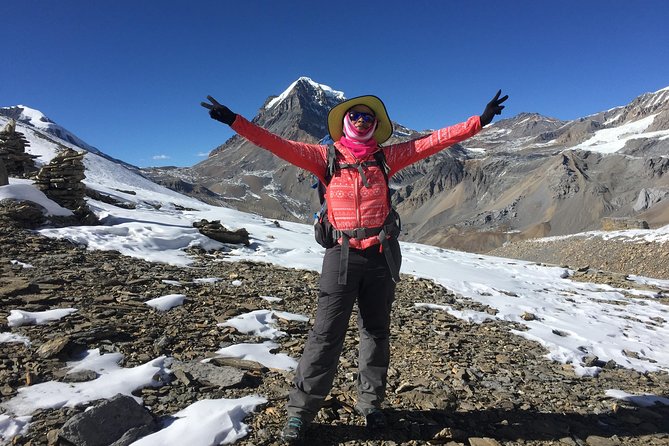
Day 6 is a rest day for acclimatization before the high altitude push and the Thorang La Pass crossing. This day is one reason the trek can be shorter without becoming reckless. Instead of using every day just to rack up distance, you pause long enough for your body to adapt.
You’re also given a very specific optional hike suggestion: a hike to Gangapurna Lake. The point of this kind of side hike is not only scenery. It’s also a controlled way to move your legs while staying within a manageable effort range.
Think of it like training wheels for altitude. If you feel unusually tired, you can treat it as a lighter day. If you feel strong, it’s a chance to stretch your range without climbing to the pass.
Yak Kharka: Where the Trail Starts Feeling High
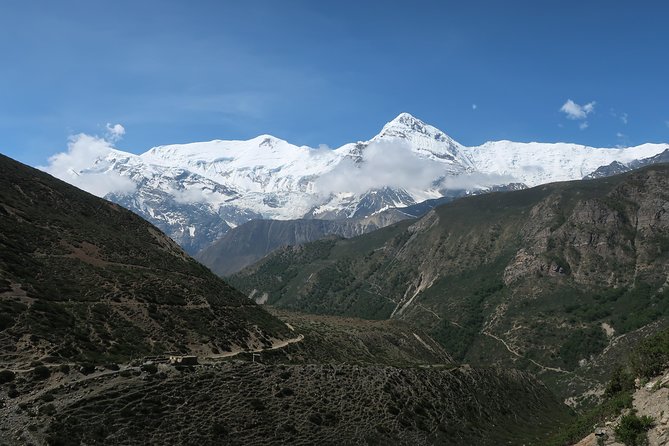
Day 7 brings you to Yak Kharka. You walk at higher altitude, with views of mountains, crossing small streams along the way before reaching a small settlement. Yak Kharka sits in the zone where the air gets thin and your breathing becomes part of the experience, even when the walking is steady.
This is also a psychologically important day. After your rest day, the trek pivots from acclimatization to positioning. You’re moving toward the pass with a clearer sense of what you’ll ask your body to do next.
A practical tip that came up in guidance from past travelers is simple: bring sunscreen. High altitude sun can be intense, especially when the weather clears and you’re looking up at big snow peaks for hours.
Thorang La Approach: Thorong Phedi and the Last Climb
Day 8 is the day focused on getting into position near Thorang La, passing through areas around the Jarjung River and reaching Thorung Phedi for a short rest. From there, there’s a last push upward.
This day is long, and it’s where early pacing matters the most. You’re climbing before you get to the pass, and every smart decision you make here pays off later: warm layers, steady breathing, and not overreaching on speed.
You should also expect that conditions can shift quickly in the high pass zone. The operator notes that weather can be a factor, and the plan is built to keep you safe and moving responsibly.
Thorang La Pass and Muktinath: The 5,416 m Moment
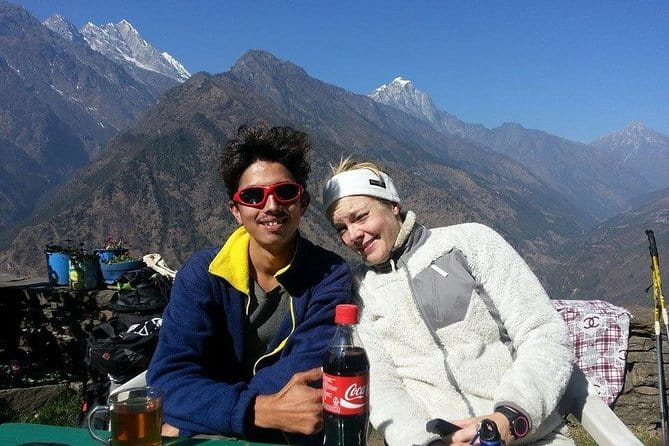
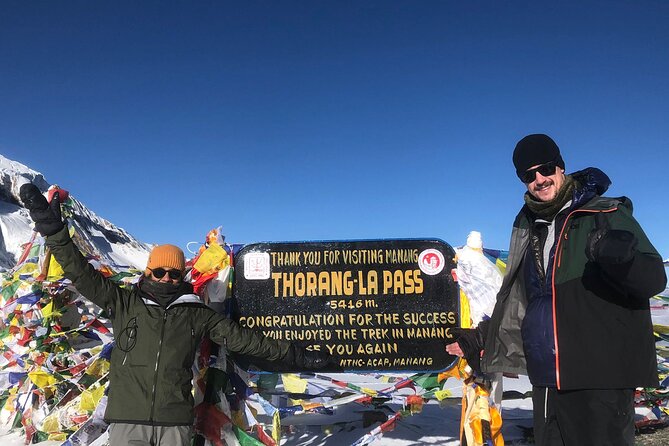
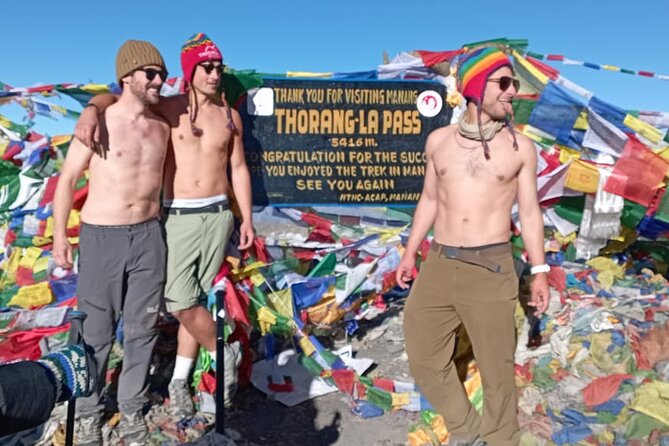
Day 9 starts early. You climb to Thorang La Pass at 5,416 m. The pass area is marked with Buddhist prayer flags, and that’s a strong visual cue that you’re at a milestone elevation rather than just “still hiking.”
After reaching the pass, the trek continues down toward Muktinath Temple. This is a classic cultural contrast to the physical effort of the climb. Even if you’re focused on your steps, Muktinath gives you something different to think about: the religious atmosphere and the sense of arriving.
This is also a good day to watch your hydration and energy. At this elevation, you’ll feel every small mistake. You don’t need heroics, just steady support.
Pokhara Return: A Scenic Drive That Feels Like Gravity Finally Works
Day 10 shifts from trail to road, driving to Pokhara. The drive is described as challenging but very scenic, and you also have time to explore the views of the lakeside city.
After a high pass day, the value of a hotel night in Pokhara is huge. Your body gets a real bed and a reset from altitude. You also gain a bit of “normal travel time,” which makes the trek feel like a trip rather than a continuous endurance event.
Back to Kathmandu: Farm Villages and a Free Afternoon
Day 11 is another overland day, returning to Kathmandu en route through towns and farm villages. You reach Kathmandu by afternoon, and the rest of the day is free for your own activities.
This free time matters because you’ll likely want a low-effort day: a gentle meal, maybe souvenirs, or simply some quiet time to let your legs recover.
Day 12 is departure. You transfer to Tribhuvan International Airport based on your international flight time and head home from the start point.
What You Actually Get for $975: Value Beyond the Price Tag
At $975 per person, this trek can feel like a bargain if you compare it to the real costs of piecing things together yourself. The price includes a lot of the stuff that usually becomes expensive or annoying.
Here’s the practical value list:
- Ground transportation, including airport pickup and drop-off plus bus and jeep drives.
- Hotels: two nights in Kathmandu with breakfast, and one night in Pokhara with breakfast.
- Meals during the trek: breakfast, lunch, and dinner on the tea house basis.
- A government license holder guide from Kathmandu, plus support day to day.
- Annapurna Conservation Area permit.
- Trekking gear: sleeping bag, down jacket, and a duffle bag.
- Tea and small extras: three cups of tea per day and seasonal fruits during the trek.
The biggest value surprise for many first-time trekkers is the gear. If you don’t already own a warm sleeping bag and a proper down jacket, that can easily turn into a costly pre-trip shopping list. Here, you show up with the basics and get outfitted.
The main missing piece you must handle yourself is travel insurance. Also, you’ll pay extra for things like mineral water and drinks, laundry, and desserts, plus tips for the trekking crews.
Altitude Reality Check (and Why the Jeep Rules Matter)
The route is designed with altitude risk in mind, and the operator makes one point very clear: using a Jeep beyond Chame is not appropriate, and taking a four-wheel jeep to Manang is possible but the risk of altitude sickness is very high.
That tells you how this trek is being managed. You’re not meant to jump to higher altitude quickly just because it saves time. The trek’s value is in its gradual approach, not in short-cutting the elevation gain.
So if you have a history of altitude sickness, you should treat this trek seriously. Talk to your doctor before going, and follow your guide’s pace. Even if you feel fine on day one, altitude can change how you feel in a few days.
Tea Houses, Twin Sharing Beds, and Comfort You Can Plan Around
You’ll sleep in tea houses on a private local tea house basis with twin sharing beds. That’s a common style for the Annapurna region, and it’s useful because it keeps the trekking experience authentic and affordable.
Tea house comfort is not hotel comfort. Still, it’s managed well in this plan because meals are included and you’re not left searching for food each day. You also get three cups of tea per day, which helps you warm up and gives you a predictable routine.
What you should bring:
- Sunglasses and sunscreen, because you’ll be in high sun at elevation.
- Layers, especially because you’re provided a down jacket but you’ll still want something for windy mornings.
- A steady mindset for long days where you stop for breath more than you stop for scenery.
Who This Trek Suits Best, and Who Should Rethink It
This trek is a strong fit if you want the classic Annapurna Circuit experience but you don’t have the full 10 to 17 days the longer versions often take. It’s also a good match if you have moderate physical fitness and want a plan that avoids extra risk of altitude sickness through acclimatization and careful pacing.
It may be less ideal if:
- You’re highly prone to altitude issues and can’t commit to slow pacing.
- You want a completely easy trek with minimal time at high elevation. Day 8 and Day 9 are serious, especially with Thorang La Pass involved.
On the other hand, it can work well for solo travelers because the logistics are handled. You join a guided group, and you meet other trekkers along the route while still having your own quiet moments in tea houses.
Should You Book This Annapurna Circuit Trek?
If you want a shorter Annapurna Circuit with fewer unknowns, this is a practical choice. I’d book it if you like structure, value included gear and meals, and you’re comfortable with the fact that Thorang La at 5,416 m is the main event. The plan’s biggest strength is not just speed, it’s the mix of road time and gradual acclimatization.
I would think twice if altitude risk is a major concern for your health, because even with rest days, the pass crossing is real. In that case, you might still travel, but you’d want a very honest medical conversation and a plan that can adjust more flexibly.
FAQ
How long is the Annapurna Circuit Trek on this plan?
It runs for about 12 days.
Where does the tour start and where do you end?
It starts at Tribhuvan International Airport in Kathmandu and ends with transfer to Tribhuvan International Airport for your international flight.
Is airport pickup included?
Yes, airport pick up and drop off are included.
What’s included in the trek price?
The price includes ground transportation, Kathmandu and Pokhara hotel nights with breakfast, meals (breakfast, lunch, dinner) during the trek, a licensed guide, conservation permit, tea house twin sharing beds, trekking gear (sleeping bag, down jacket, duffle bag), seasonal fruits, and three cups of tea per day.
What trekking gear do I need if it’s included?
Even though the sleeping bag, down jacket, and duffle bag are provided, you should still plan to bring your personal items and any other essentials you prefer to use.
What is not included?
Travel insurance, mineral water, beer, Coke, laundry, dessert, and tips for trekking crews are not included.
Can I use a Jeep to reach Manang to shorten trekking days?
A Jeep is not appropriate beyond Chame. A four-wheel jeep to Manang is possible, but the risk of altitude sickness is stated as very high.
Latest Kathmandu write-ups
- Langtang Valley Trek★ 5.0 · 3 reviews
- Langtang Valley Trek from Kathmandu★ 5.0 · 3 reviews
- Khopra Danda Trek★ 5.0 · 3 reviews
- 5 night / 6 days Kathmandu Nagarkot Chitwan Pokhara tour★ 5.0 · 3 reviews
- Nepal Highlights Tour: 5 Nights 6 Days Kathmandu & Pokhara Tour★ 5.0 · 3 reviews
- Kathmandu Valley Private Day Tour★ 5.0 · 3 reviews
- Conquer the Himalayas: The Ultimate 16-Day Annapurna Circuit Trek★ 3.5 · 3 reviews
- Kathmandu Heritage Day Tour★ 5.0 · 3 reviews
Annapurna Circuit Trek, compared.
15-Day Private Annapurna Circuit Trek from Kathmandu
Read our review →
8 Days Private Guided Trekking in Annapurna Circuit with Pickup
Read our review →Browse the lists this tour appears in