
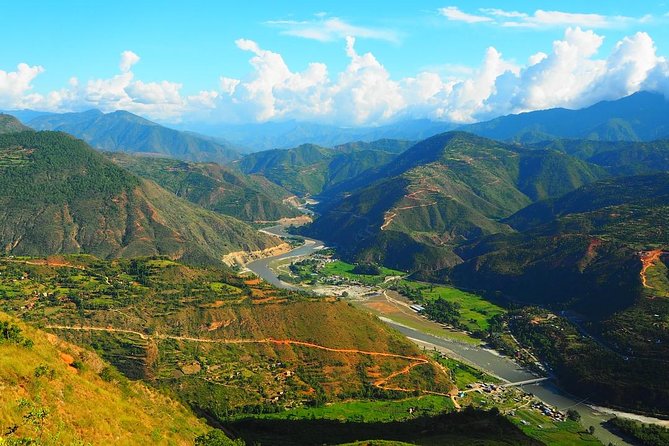
Reviewed · POON HILL TREK
Annapurna Ghorepani Poon Hill trek from Pokhara short and easy hike in Himalaya
This is a smart way to get that Himalayan wow factor without committing to weeks on the trail. You’ll move between classic stops in the Annapurna foothills, with guided hiking and built-in comfort so you can focus on walking, views, and local village life.
I especially like the team setup. You get an experienced English-speaking, government-registered trekking guide plus local porters (a 2 trekkers to 1 porter ratio), which makes a short hike feel relaxed instead of stressed. I also like the food and lodging plan: full meals during the trek and soft comfort accommodation in private rooms with shared toilets.
One thing to think about is the overall time and cost. Even though it’s described as short and easy, the plan includes Kathmandu and Pokhara travel days, and the price is premium for a guided, meals-included trek.
Key highlights you’ll feel on the trail
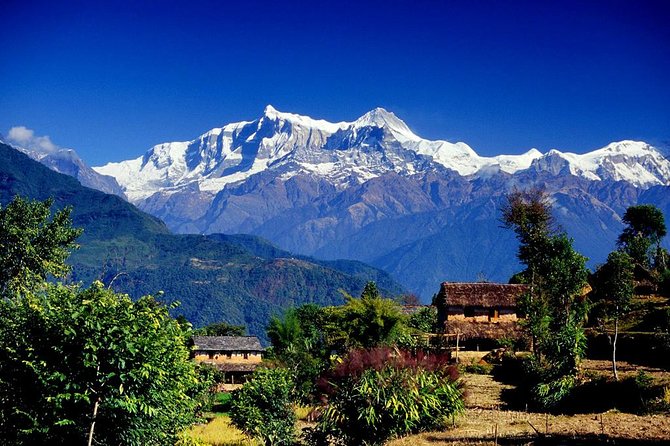
- Private guide and porter support with a clear porter ratio, so you carry less
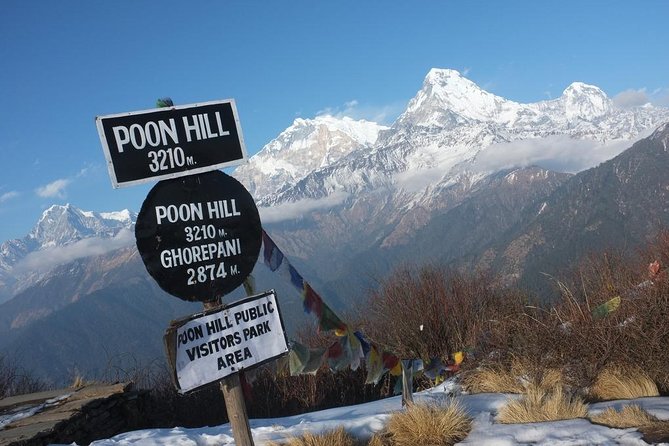
- Poon Hill viewpoint time followed by a continued hike toward Tadapani
- Tea house style stays with comfort-focused private rooms and shared toilets
- Village immersion in Ghandruk, not just scenic walk photos
- Guide-led flexibility in the moment, including itinerary adjustments when conditions allow
Why This Annapurna Ghorepani and Poon Hill Hike Works So Well
This route is made for people who want a big taste of the Himalaya but still want their days to feel organized. Instead of worrying about logistics, you’re dropped into the right places, guided through the climbs and descents, and fed like you’re supposed to be on a trek.
If you like a trip that balances effort with comfort, this fits. The walking days are broken up with overnight stays that are designed for hikers, and your team handles the pace and planning so you can enjoy each step.
From the start, you also get a sense that the guide role is more than just “pointing directions.” In the best cases, the guide (for example, Dipak in past trips) brings humor and local context, so you learn what you’re walking through while you’re still having fun.
More Ghorepani and Poon Hill departures:
- 4 Days Poon Hill Trek
★ 5.0 · 94 reviews - Ghorepani(Poonhill Trek)
★ 5.0 · 81 reviews - 4-day Poon Hill Trek
★ 5.0 · 74 reviews
Getting From Kathmandu to Trek Mode
Your program begins in Kathmandu, with time to settle in and get ready. After arrival in Kathmandu, you’ll have a Kathmandu tour and short trekking preparation, including admission tickets marked as free for those listed stops.
This matters more than it sounds. Kathmandu can feel like information overload, so the value here is that you start your trek with a plan and fewer unknowns, especially if it’s your first time hiking in Nepal.
You’ll also want to be ready for the early start. The meeting point is Tribhuvan Airport in Kathmandu, with a start time of 6:15 am, so build your day around a smooth airport arrival the night before.
Pokhara Transfer and The First Trekday Swing Into Ulleri
After Kathmandu, you drive to Pokhara, then the action starts the next day. You’ll go from Pokhara toward Nayapul, then begin trekking through Tikhedhunga and continue to Ulleri for your first overnight in the trek area.
The “drive then hike” rhythm is common in this part of Nepal, and it can be a good thing if you like structure. The benefit is you’re not scrambling for transport after a long day, and you’re not starting the trek with a blank slate.
The main drawback is simply energy management. Drive days and then immediate hiking can feel like two different trips back-to-back, so if you get motion sickness or you hate early starts, plan to take it easy on those first walking hours.
Ulleri to Ghorepani: Settling In and Finding Your Trek Rhythm
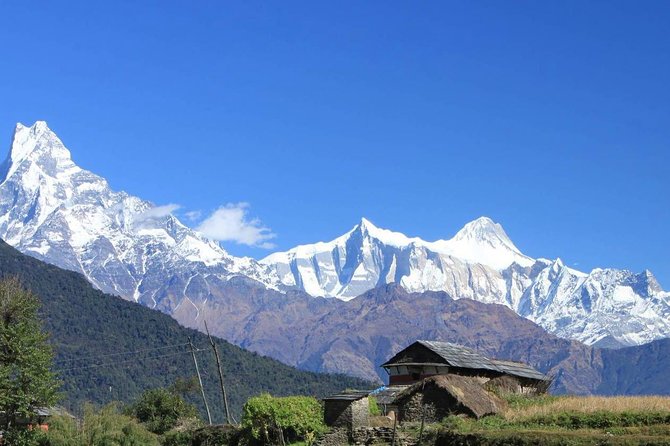
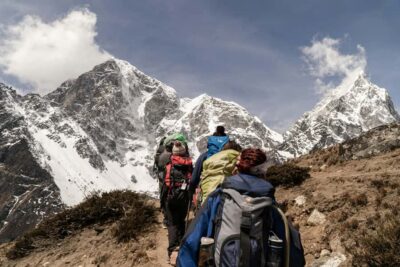
One full trekking day brings you from Ulleri to Ghorepani. This is the stage where the trek starts to feel like a real routine: walk, stop, eat, rest, repeat.
Ghorepani is also where the “tea house” style of trekking becomes central. Based on past experiences with guides and porters, you should expect help in picking tea houses that work well for your comfort and, when possible, offer better views from where you’re staying.
This day is a great match for anyone who wants a climb that feels achievable. It’s not framed as an extreme expedition, and the support team means you can focus on pacing instead of carrying heavy luggage.
More to compare around Kathmandu
- Everest Base Camp Trek – 14 Days
★ 5.0 · 1,499 reviews - Everest Base Camp Trek
★ 5.0 · 842 reviews - Private Kathmandu Sightseeing Tour | UNESCO World Heritage sites
★ 5.0 · 756 reviews - Kathmandu: 7 UNESCO Sites with Lunch
★ 4.8 · 744 reviews
Poon Hill Sunrise Hike, Then Onward to Tadapani
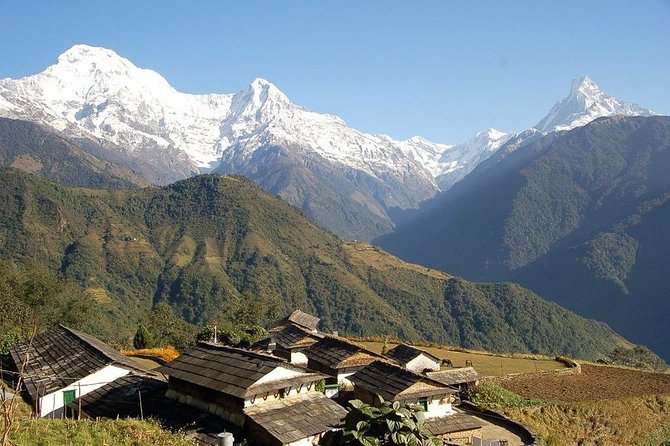
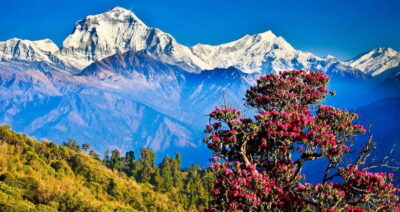
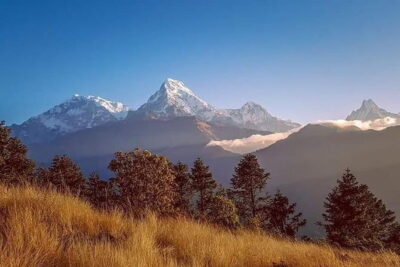
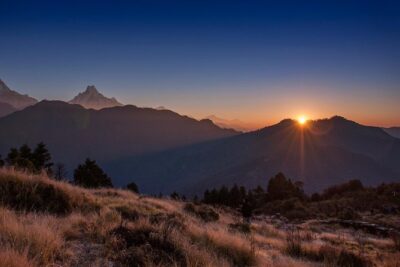
The next day is built around hiking to Poon Hill and continuing the trek toward Tadapani. This is the classic “viewpoint plus forward momentum” combo, which works well because you get the highlight without turning the day into a long waiting game.
What I like about this structure is how it keeps the day active. You do the viewpoint moment, then you keep moving to your next destination instead of losing hours to logistics.
Also, tea house trekking is all about comfort choices. In the best scenarios, your guide and porter help steer you toward stays that feel good after walking, and they’ll keep you supported with the kind of practical care that makes a short trek feel smooth.
Tadapani to Ghandruk: More Village Life, Same Mountain Magic
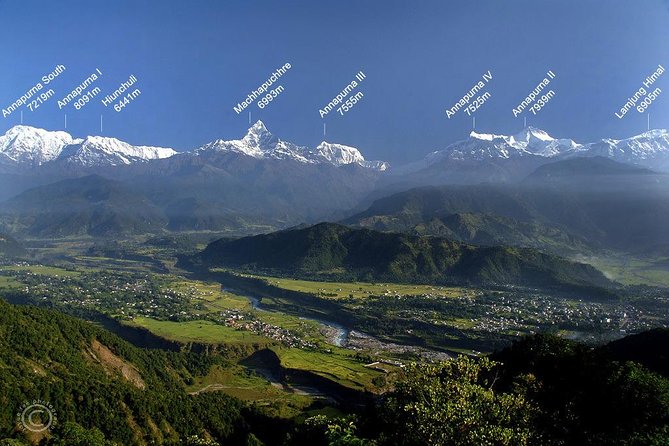
After Tadapani, you head to Ghandruk. This is where the trip gets more human. Instead of only thinking about the horizon, you spend time in a village area where daily life is right there in front of you.
From the way the trip has been described by people who did it, Ghandruk is a real highlight. It’s the stop where you can slow down and contemplate the rhythm of local life, not just rush from one photo spot to another.
Then, the itinerary shifts back to travel. You’ll hike from Ghandruk to Pokhara, which gives you that satisfying feeling of finishing the trek but still keeping the trip moving.
Back to Pokhara, Then Kathmandu, Then Home
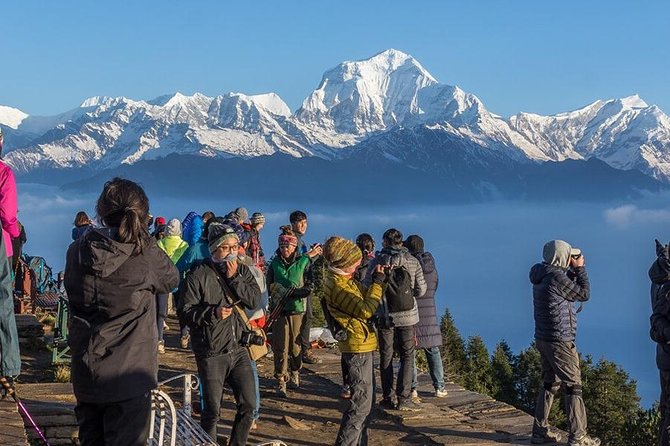
Once you reach Pokhara, you’ll drive back to Kathmandu. After that, you’ll have your final departure day.
These “back-end” days matter because they turn a trek into a complete trip. If you only did the hiking portion, you would still need transport, meals, and planning around city time. Here, those pieces are handled as part of the same experience.
If you’re thinking about jet lag, this is also an advantage. You’re not constantly restarting your travel planning from scratch, and your guide support keeps the handoffs simple.
What Your Included Meals and Lodging Actually Buy You
This trip includes full meals during the trek: breakfast, lunch, and dinner. It also includes “all mountain accommodation,” described as soft, comfort, private rooms with shared toilets.
That combination is often the difference between a trek that feels like a punishment and one that feels like a journey. Tea house trekking can be basic, but the included meals and private-room setup reduce daily decision fatigue, especially if you’re tired from walking.
One small but important note: boiled water is not included. That’s a cost you’ll need to account for during the trek, and it’s also worth planning how you’ll stay hydrated on walking days.
In Kathmandu and Pokhara, lunch and dinner are not included either. So you’ll want a budget for city meals when you’re not on the mountain portion.
Guide and Porter Support: The Real Value on a Short Trek
This is where the trip earns its price. You get an experienced English-speaking government-registered trekking guide and local porters to carry luggage. The ratio is 2 trekkers to 1 porter, which means you typically won’t be hauling a heavy pack uphill for hours.
In past experiences on this route, the guide Dipak has been singled out for being both knowledgeable and funny, with a style that keeps people comfortable and moving at an even pace. Porters like Pajeal (sometimes spelled Pagil) have also been recognized as key to making the day feel manageable.
Even if you don’t think you’ll need that support, you will feel it on a multi-day hike. Less weight means steadier footing and less exhaustion. And if the weather changes or the pace shifts, a good guide is what prevents “small issues” from turning into “big problems.”
Price and Logistics: Is $1,660 Good Value?
At $1,660 per person, this isn’t a budget trek. You’re paying for a packaged, guided experience with meals, lodging, local taxes handled, and transport between Kathmandu and Pokhara.
Here’s how I’d think about the value:
- You’re not paying separately for an English-speaking guide, porters, or the mountain accommodations.
- Your trek is supported with full meals, which usually adds up fast in Nepal if you’re buying everything yourself.
- Hotel pickup and drop-off are included, so you’re spending less time coordinating.
The things not included are also clear: city meals in Kathmandu and Pokhara, boiled water, and person expenses. If you plan to buy lots of snacks, drinks, souvenirs, or upgrades, those costs can creep up.
So the real question isn’t just the price tag. It’s whether you want to buy convenience. If you want a guided “someone else handles the hard parts” trek, this has a strong value case.
If you’re traveling ultra-budget and you’re comfortable coordinating everything yourself, you might find cheaper options. But you would lose the porter support, guide-led planning, and the included meals and mountain stays that make this route feel doable.
Weather and Trail Conditions on the Himalaya
The experience is said to operate in all weather conditions, as long as you dress appropriately. It also requires good weather, and if it’s canceled due to poor weather, you’ll be offered another date or a full refund.
Translation for real life: expect weather to change quickly. Pack layers, plan for rain, and don’t treat the forecast as a guarantee.
Most of the success here comes down to attitude and preparation. You’re hiking, not sightseeing from a car window, so being ready for cooler, windier, or wetter moments keeps the trek enjoyable.
Who Should Book This Trek From Pokhara
This trek is well suited for most travelers, especially people who want the Annapurna foothills experience without an intense, long-distance expedition. The private format also helps, because it’s only your group, not a mixed crowd with unpredictable pacing.
I’d also recommend it if:
- you want Poon Hill as a viewpoint day but prefer the rest of the trip to keep moving,
- you appreciate guided context about the area and village life,
- you want a porter support system for a more comfortable climb.
It may be less ideal if your goal is purely minimal cost or you hate guided structure. This is a packaged experience, and you’ll get the most out of it if you let the plan work for you.
Should You Book This Annapurna Ghorepani Poon Hill Experience?
I’d book it if you want a guided, comfort-friendly trek with real support. The included meals, private rooms, porter ratio, and experienced guide make a short hike feel like a full, well-run trip instead of a DIY scramble.
I’d think twice if you’re price-sensitive or if you only have energy for a tight hiking window. The itinerary includes Kathmandu and Pokhara time, plus drive days, so it’s best for people who are okay with a multi-day travel rhythm.
If you want, tell me your travel month and fitness level, and I can help you decide if this route matches your pace and weather expectations.
FAQ
Where does the trek start, and what time is the meeting?
The meeting point is Tribhuvan Airport in Kathmandu, and the start time is 6:15 am.
How long is the experience?
The tour summary lists the duration as about 2 days, but the detailed day-by-day plan includes Kathmandu and Pokhara travel days plus multiple trekking days.
Does the tour include airport or hotel pickup and drop-off?
Yes. Hotel pickup and drop-off are included.
Are meals included during the trekking portion?
Yes. Full meals (breakfast, lunch, and dinner) are included during the trek.
What kind of accommodation do you stay in during the trek?
You stay in mountain accommodation described as soft, comfort, private rooms with a shared toilet.
Do you have a guide and porter?
Yes. You get an experienced English-speaking government-registered trekking guide and local porters to carry luggage, with a porter ratio of 2 trekkers to 1 porter.
Is this a private group experience?
Yes. It is private, and only your group participates.
Latest Kathmandu write-ups
- Ghorepani Poonhill Trek★ 5.0 · 4 reviews
- Private Lobuche East Peak Climb and Mt Everest Base Camp Trekking★ 5.0 · 4 reviews
- Everest Base Camp Helicopter Tour★ 5.0 · 4 reviews
- Mardi Himal Yoga Trek★ 5.0 · 4 reviews
- Bhaktapur Day Tour with Changu Narayen★ 5.0 · 4 reviews
- Everest Base Camp trek 13 days★ 5.0 · 4 reviews
- Everest Base Camp+Gokyo Ri★ 5.0 · 4 reviews
- Nagarkot Sunrise and Hike★ 5.0 · 4 reviews
Poon Hill Trek, compared.
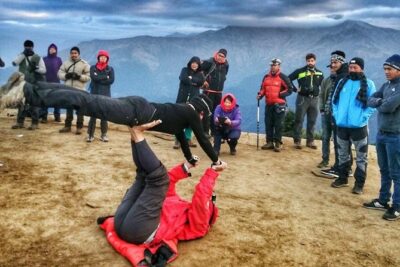
4-Day Ghorepani, Poonhill & Ghandruk Mountain Trek
Read our review →
Browse the lists this tour appears in