
Reviewed · EVEREST BASE CAMP TREK
Everest Base Camp+Gokyo Ri
This trek is interesting because it hits two of Nepal’s most famous high-altitude viewpoints, Everest Base Camp and Gokyo Ri, with the Cho La Pass in between. You get classic Everest-scale views of Everest (8848m) plus neighbors like Lhotse, Makalu, Cho Oyu, and Nuptse, and you also get a slower, culture-forward walk through Sherpa communities.
I love that the trip mixes jaw-dropping snow mountains with real human details, Sherpa lifestyle, tradition, yak herding, and even the rhythm of the short cropping season. I also love the day-to-day variety, you are trekking through areas where you can spot different plant species and wild animals, not just staring at rock and snow. The main drawback to plan around is altitude and mountain weather, because clear views depend on conditions and the cold at higher elevations is real.
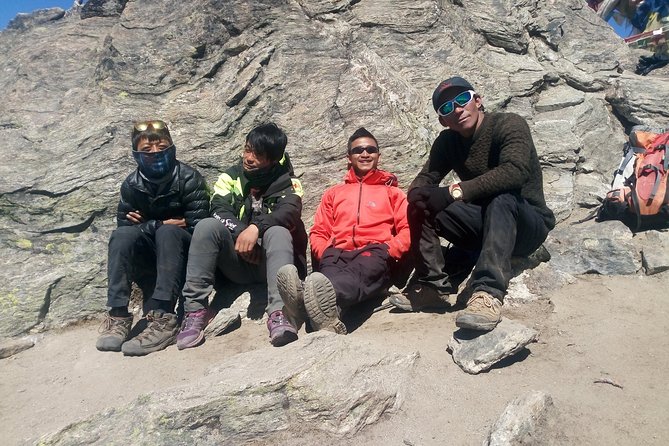
A big part of the experience is the people running it. Guides such as Raj and Nara are specifically named in client feedback, and both sound like they focus on being supportive, professional, and practical. Just be ready for an early start, the day kicks off at 5:00 am from the meeting point.
Key points that make Everest Base Camp + Gokyo Ri worth it
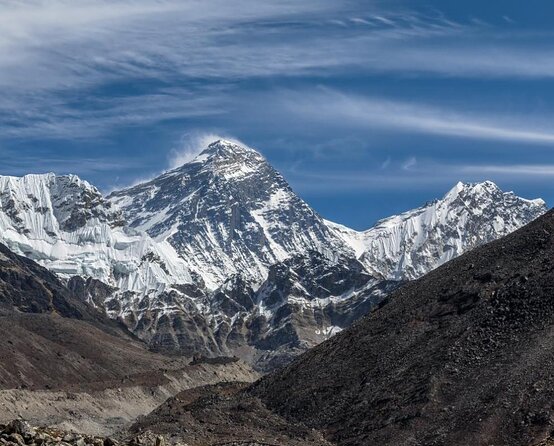
- Two top viewpoints for one memorable route: Everest Base Camp and Gokyo Ri, plus the famous Cho La Pass link between them
- Big mountain viewing list: Everest, Lhotse, Makalu, Cho Oyu, Nuptse, and Thamserku, when the sky cooperates
- Sherpa culture you can actually notice: yak herding, tourism life, and the short cropping season
- Nature variety on the trek: different plant species and chances to see wild animals
- Guide support is a highlight: names like Raj and Nara come up, with a focus on being kind and professional
- It is physically demanding, but doable: planned for people with moderate physical fitness, not casual strolling
Entering Kathmandu mode, then heading for high altitude
Your trip starts in Kathmandu, Nepal, with an early start time listed as 5:00 am. That matters because the mountains run on their own schedule. The earlier you begin your day, the more margin you have for rest stops, checking how your body feels, and getting through the first stretch of trekking logistics.
Kathmandu itself is your launchpad. Even if your real goal is Everest Base Camp and Gokyo Ri, you benefit from a relaxed first phase in a city where it is easier to sort out gear basics, meet your team, and get your bearings without rushing. The meeting point is noted as near public transportation, which can help if you are staying somewhere central and want an uncomplicated route to the start.
What to watch for early on: altitude anxiety. Kathmandu can make you feel invincible because it is a big city and the air is normal enough to ignore what is coming. I recommend you treat the first days as mental preparation too. Your success up high depends just as much on pacing, hydration, and not overreacting to every breath as it does on leg strength.
More ways to walk to Everest Base Camp:
- Everest Base Camp Trek – 14 Days
★ 5.0 · 1,499 reviews - Everest Base Camp Trek
★ 5.0 · 842 reviews - Everest Base Camp Helicopter Tour landing at Everest View Hotel
★ 5.0 · 668 reviews
Trekking through Sherpa villages, yak herds, and plant life
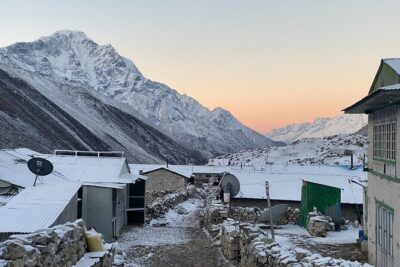
One of the best parts of this route is that it is not only about icons like Everest. You also see how people live. The area is mostly Sherpa communities, and you will learn about their lifestyle, culture, and tradition along the way.
You will also notice how livelihoods shape the trail. Yak herding is part of life here, and tourism is the other major source of income. That means you will pass places where you can feel the mountain economy at work, from practical routes that make livestock movement easier to guesthouse life built around visitors coming for the views.
Then there is the seasonal side. During the short cropping season, a few crops are grown. Even if you are not there at peak farming time, the idea matters. You start understanding that this is not a permanent desert of snow and stone. People work on a tight mountain calendar.
Nature shows up too. The route description specifically calls out different plant species and wild animals. That is a reminder to trek with attention, not just endurance. Keep your eyes up on the edges of the trail. Slow down once in a while. If you spend the whole day staring at the ground for footing, you miss the smaller moments that make the trip feel like a real place, not just a checklist.
Practical consideration: in rural mountain areas, you cannot always count on services the way you can in cities. Weather can change quickly. Your team is the safety net, but you should still travel with flexibility in mind.
From “moderate fitness” to real altitude days
This trek is described as suitable for travelers with moderate physical fitness, but let’s translate that honestly. Moderate fitness means you can handle long walking days with uneven footing, not that you can ignore altitude. The altitude challenge is separate from your regular workout routine.
A good way to think about it: the route keeps you moving at an effort level where you can still talk, but you will not be breezing. You will likely need to learn a sustainable rhythm. Start slower than you think you need to. Save your energy for later. On high routes, impatience can make the first day feel harder than it should and can mess with your acclimatization.
You are moving through elevation where the air gets thinner and temperatures can drop fast. Cold hands and stiff breathing are common issues, not signs you failed. Your pace should be guided by how you feel, not by the person ahead.
One more consideration: since this is a private tour/activity, only your group participates. That can be great for pacing and comfort, but it also means there is less “natural spread” of walking speeds. If you and your group have different comfort levels, tell your guide early so the team can manage the day together.
Gokyo Ri: where the mountain views feel like a panoramic event
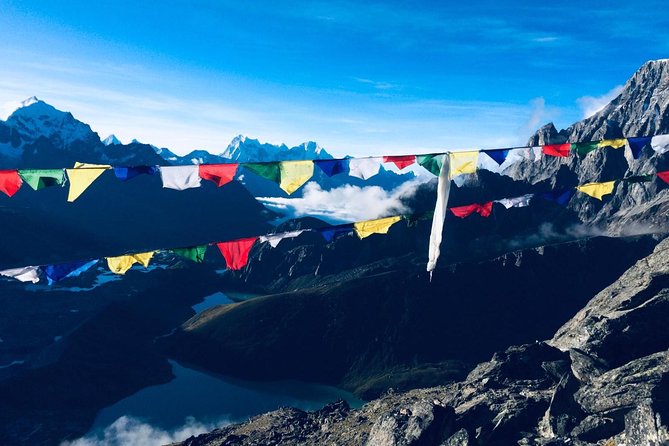
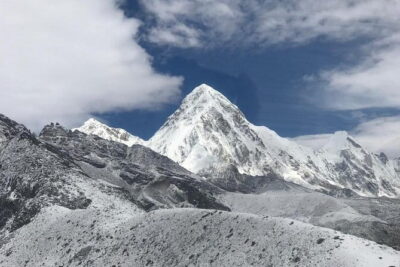
Gokyo Ri is one of the big reasons people choose this exact combination. The route is built around getting you to a viewpoint designed for Everest-scale sight lines, and the mountain list you are likely to see includes Everest (8848m), Lhotse (8511m), Makalu (8463m), Cho Oyu (8153m), Nuptse (7861m), and Thamserku (6623m), plus other peaks in the region.
The viewpoint aspect matters. Many treks give you occasional stunning frames. Gokyo Ri is different, because it is set up for sweeping mountain perspective, the kind where your brain keeps recalculating the distance. Even when you think you understand how huge Everest is, a high viewpoint forces your body to accept the scale.
A practical mindset: the best views often depend on weather. This trip explicitly notes that it requires good weather for the experience to run as planned. Translation: do not plan your entire emotional life around one specific morning. Be ready to work with your guide if conditions shift.
Also, plan clothing for wind and cold. Viewpoints near glacier and high snow zones can feel harsher than lower elevations. If you only pack for mild trekking weather, you will suffer at the moment you most want to enjoy the view. Bring warm layers and gloves, and use them early, not after your fingers are already numb.
More of the Gokyo lakes:
- Gokyo to Everest Base Camp Trek
★ 5.0 · 113 reviews - Everest Base Camp – Cho La Pass – Gokyo Trek
★ 5.0 · 65 reviews - Everest Gokyo Valley Trek – 12 days
★ 5.0 · 27 reviews - Landing Private Helicopter at Everest base camp & Gokyo for photo
★ 5.0 · 20 reviews
Cho La Pass: the high pass moment that turns the dial up
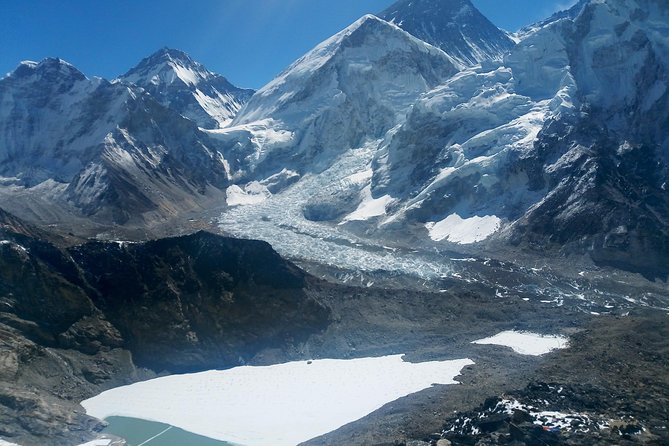
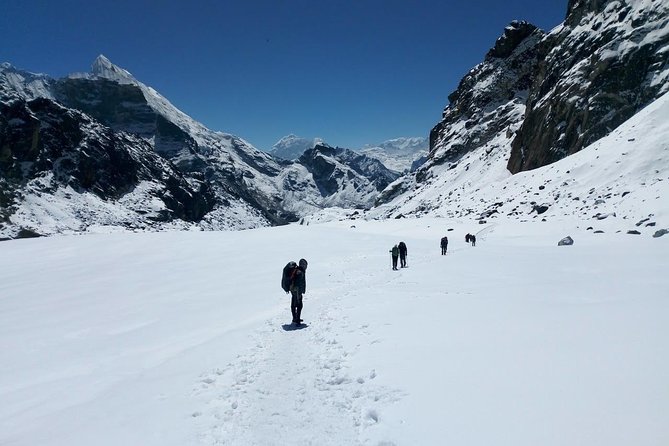
After Gokyo Ri, the route continues over the Cho La Pass to reach Everest Base Camp. That sequence is important because it tells you the trek is not a gentle sightseeing hike. A pass crossing is where you feel the altitude and weather hard.
Crossing a high pass also changes the day psychologically. You go from “climbing toward something” to “committing to the crossing.” There is a difference in how you experience effort. Your mind needs clear instructions, regular check-ins, and a plan for timing.
Here is what I suggest you focus on during the pass day:
- Pace your breathing. Do not sprint for the next bend.
- Treat footing carefully. Ice and snow conditions can be unpredictable at these elevations.
- Accept that it may feel colder and harder than you expected, then adjust your layers and pace.
You also get something back for the discomfort. Pass days often bring the broadest sense of where you are in the Himalaya. When the visibility is good, you can connect the dots between peaks that you saw from lower points. It stops being random mountains and becomes a real geography lesson you can feel in your legs.
If conditions are rough, your guide’s judgment matters. If the operator offers an alternate date in poor weather, that is not a paperwork detail. It is a genuine safety and comfort choice.
Everest Base Camp days, what you should expect beyond the photo
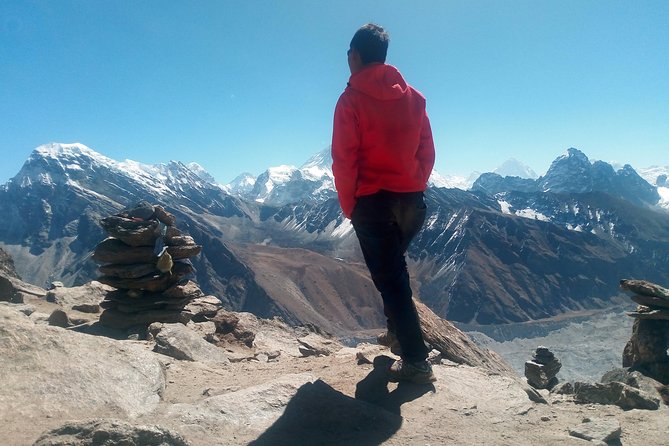
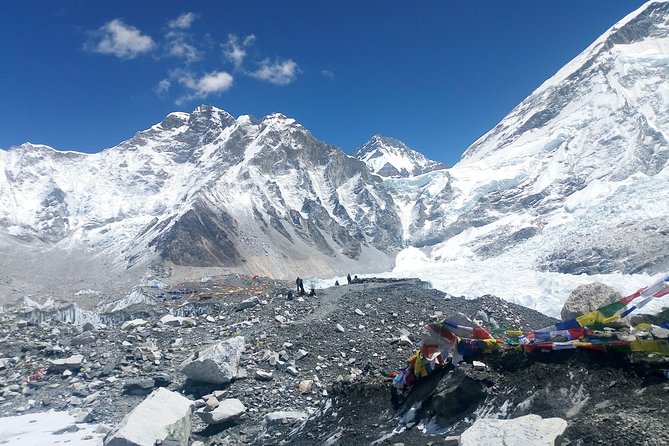
Everest Base Camp is the headline, but it is also where you need to manage expectations. The base camp area is a gathering point, and the experience is not just one dramatic moment. It is multiple days of arriving, looking, acclimatizing, and soaking in the reality of the mountain environment.
What I like about EBC as a goal is that it makes your earlier effort feel meaningful. When you have walked through Sherpa villages and yak herding areas, climbed your way up through the big-altitude zones, and crossed Cho La Pass, the base camp feels like the logical payoff. You are not arriving at Everest by accident. You earned the perspective.
Also, Everest is not alone here. Your viewing list earlier, Lhotse, Makalu, Cho Oyu, Nuptse, and others, gives you a reason to stay longer than just one quick stare. Even if you only get partial clear views, the overall experience comes from seeing different peaks in the same frame. That is where your sense of scale clicks into place.
The practical side: base camp mornings can be cold and your energy may fluctuate. Keep moving at the pace your body allows. Do not treat one cold hour as a reason to give up. Hydrate, eat regularly, and follow your guide.
Tea houses, meals, and how to avoid energy crashes
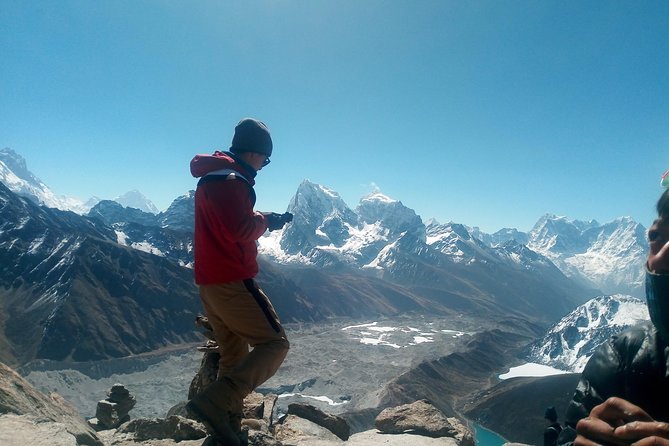
Food on a trek can be either a quiet advantage or a silent problem. The trip includes breakfast and dinner, plus coffee and/or tea. Lunch is described as a choice from tea house or hotel, but the exclusions list also states lunch and dinner may not be included in the overall price. That mismatch means you should confirm exactly what meals are covered before you pay.
Why you should care: at high altitude, a missed meal can feel twice as punishing. If you end up paying out of pocket for lunch and you have not planned for it, your budget gets stressed and your energy suffers. If meals are included, you get steadier energy and less decision fatigue.
Either way, treat coffee and tea as practical tools. Tea is warming, helps comfort, and can support you through cold mornings. Coffee, if you tolerate it well, can also be useful, but do not use it to outrun dehydration.
I also recommend a simple rule for trekking days: snack between meals, not only at meals. Even if you are not told what snacks to bring, you can still plan a buffer in your daypack. Anything that helps you avoid energy crashes makes the later viewpoint moments far more enjoyable.
Price and value for a 15-day Everest Base Camp + Gokyo Ri trek
The price is listed as $1,333.34 per person. That number alone does not tell the story, so here is how I would judge value based on what you are getting and what you should still budget.
You are likely receiving:
- Pickup offered
- Mobile ticket
- Breakfast, dinner, and coffee or tea listed under inclusions
- A private tour where only your group participates
- A long, multi-day trek that combines two signature goals and a high pass link
But the exclusions list also calls out lunch, dinner, Kathmandu stay, bar bills, alcoholic drinks, personal insurance, and other personal expenses. This is the part where you should do homework. If the inclusions and exclusions are not reconciled clearly, ask the operator to confirm your exact meal coverage and whether Kathmandu accommodations are included or separate.
My value lens: you are paying for route complexity and for the human setup that makes it manageable, guides, porters, and mountain logistics. This is not the kind of trek where a cheap price plus “you figure it out” works well at high altitude. A well-run guide team is not a luxury here, it is part of your safety net.
A realistic budget mindset helps. Even if the big number looks good, plan for extras such as snacks, optional drinks, and transport inside Kathmandu. And if you are not already, purchase personal travel insurance that covers high-altitude trekking. The operator’s exclusions explicitly mention personal insurance, so you should treat insurance as your responsibility, not a maybe.
Who should book this trek, and who should choose something else
This experience fits best if you want:
- A trek that blends Sherpa culture with big mountain viewpoints
- The specific combination of Everest Base Camp and Gokyo Ri
- A private group setup and moderate physical fitness expectations
- A route that can include nature moments, plant species, and potential wildlife sightings
It may not be ideal if:
- You hate early starts. The meeting time is 5:00 am, and high-country days usually require getting moving.
- You are looking for an easy walk with frequent comfort stops and predictable weather. The trip depends on good mountain conditions.
- You are not comfortable managing cold, fatigue, and altitude pacing.
If you have done one serious hike before and you can walk steadily for long days, you are in the target range. If you have never trekked at elevation, I would still consider it, but you should prepare hard, take acclimatization seriously, and follow your guide’s pace.
Quick planning tips that will make your trek smoother
A few practical moves help most people on this route:
- Pack for cold at viewpoints, not for warm afternoons
- Bring layers you can adjust quickly, wind and temperature can change fast
- Plan your pace around your breathing, not your ego
- Expect your best views to depend on weather, so keep your mood flexible
- Confirm meal inclusions versus exclusions so you avoid budget surprises
One more detail I take seriously from the experience style described here: your team matters. Guides like Raj and Nara are highlighted by name, and the common thread is professionalism and friendly support. That kind of guide presence can make the difference between gritting your teeth and enjoying the day.
Should you book Everest Base Camp + Gokyo Ri?
If your goal is one trek that gives you both Everest Base Camp and Gokyo Ri, with a memorable high pass moment and Sherpa culture mixed in, this is a strong choice. The big upside is the range of mountain viewpoints and the way the route connects people, livelihoods, and environment, not just summit dreams.
I would book it if you:
- Want a 15-day trek with a real sequence from viewpoint to base camp
- Enjoy learning how locals live, not only photographing scenery
- Are willing to work for the altitude and accept weather as a variable
I would pause and ask sharper questions before booking if:
- The meal details are unclear in your confirmation, especially lunch coverage
- You have a fragile budget for personal expenses and Kathmandu lodging
- You are not comfortable with the cold and early start timing
With the right expectations and a prepared mindset, Everest Base Camp + Gokyo Ri can feel like a complete Himalayan experience, from Sherpa life to a view that changes how you understand the mountains.
FAQ
How long is the Everest Base Camp + Gokyo Ri trek?
The duration is listed as 15 days (approximately).
Where does the experience start and when does it begin?
It starts in Kathmandu, Nepal, and the start time is listed as 5:00 am.
Is this a private tour or shared group?
This is a private tour/activity, and only your group will participate.
What fitness level do I need?
Travelers should have a moderate physical fitness level.
What meals and drinks are included?
Breakfast and dinner are listed as included, and coffee and/or tea is included. Lunch is described as a choice from tea house or hotel, but exclusions mention lunch and dinner too, so confirm your exact meal coverage.
What is the cancellation policy if weather is bad?
There is free cancellation, and you can cancel up to 24 hours in advance for a full refund. The experience requires good weather, and if it is canceled due to poor weather, you are offered a different date or a full refund.
Latest Kathmandu write-ups
- Ghorepani Poonhill Trek★ 5.0 · 4 reviews
- Private Lobuche East Peak Climb and Mt Everest Base Camp Trekking★ 5.0 · 4 reviews
- Mardi Himal Yoga Trek★ 5.0 · 4 reviews
- Bhaktapur Day Tour with Changu Narayen★ 5.0 · 4 reviews
- Everest Base Camp Helicopter Tour★ 5.0 · 4 reviews
- Annapurna Ghorepani Poon Hill trek from Pokhara short and easy hike in Himalaya★ 5.0 · 4 reviews
- Everest Base Camp trek 13 days★ 5.0 · 4 reviews
- 2 Nights 3 Days Chitwan Safari Tour from Kathmandu or Pokhara★ 4.0 · 4 reviews
Everest Base Camp Trek, compared.
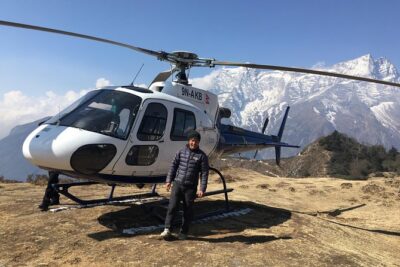
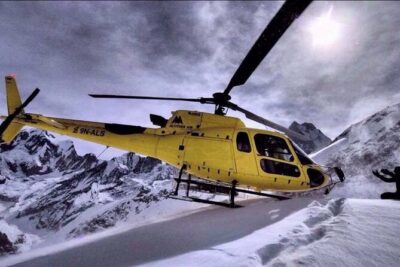
Everest Base Camp Helicopter Tour landing at Everest View Hotel
Read our review →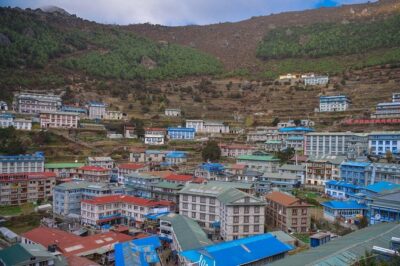
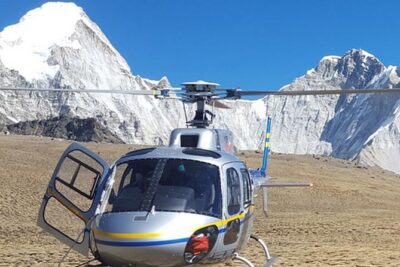
Everest Base Camp Helicopter Tour landing at Hotel Everest View
Read our review →
Browse the lists this tour appears in