
Everest Base Camp is interesting because it is not just a hike to a famous spot. You travel from Kathmandu into Sagarmatha National Park, then earn your views day by day, with the real payoff coming from an early push to Kalapathar above the Khumbu. It is challenging, yes, but the rhythm of walking, resting, and acclimatizing is part of why the experience feels so satisfying.
I love how much of the trip is handled for you before you step onto the trail. The trek is led by a government-licensed, English-speaking guide, and you get one porter for every two trekkers, so you are not doing the heavy carrying on top of altitude. I also like that you sleep in tea houses in private rooms, which makes recovery after long days a lot easier.
The main drawback to plan for is the overall effort level. This is a challenging trek, and the tour does not include many comforts like hot showers, bottled water, or full meal coverage, so you should budget for essentials and be ready to move steadily uphill.
Key highlights you can actually use
- Kalapathar early morning climb (5550 m): you target sunrise-style views of Everest (8848 m) and more.
- Permits handled for Sagarmatha National Park: the company includes the Sagarmatha paperwork and other required permits.
- Kathmandu to Lukla by domestic flight: you cut out the long approach and start trekking faster.
- Porter for two trekkers: a practical load-sharing setup for a long, high-altitude week.
- Small group size, up to 15 travelers: enough structure for smooth logistics, without turning it into a huge crowd.
- Kathmandu orientation before the trek: Thamel, Durbar Square, Pashupatinath, Boudhanath, and a monkey temple stroll help you get grounded.
Kathmandu start: Thamel heritage days and a real briefing
Your trip begins in Kathmandu with airport pickup in a private vehicle. You are then based around Thamel, where the plan includes an evening walk with your guide through heritage sites, plus dinner to help you get to know each other before you start trekking.
The next day is your culture day, and it is not just a quick photo stop. You visit Kathmandu Durbar Square, then go to Pashupatinath and Boudhanath Stupa. In the afternoon you head to the monkey temple, then finish with another stroll around Durbar Square in the evening. If you like travel that feels grounded, this helps you understand what you are seeing before you disappear into the mountains.
One practical note: entrance fees in Kathmandu sightseeing points are not included, so expect to pay those separately. Also, meals in Kathmandu are not included, so this is a good time to eat well and stock up on whatever you personally prefer for breakfasts later on.
More ways to walk to Everest Base Camp:
- Everest Base Camp Trek – 14 Days
★ 5.0 · 1,499 reviews - Everest Base Camp Trek
★ 5.0 · 842 reviews - Everest Base Camp Helicopter Tour landing at Everest View Hotel
★ 5.0 · 668 reviews
Flying to Lukla and finding your legs on the Khumbu trail
After your Kathmandu start, you fly early to Lukla. The flight is short, but it is part of the day, because you get a chance to see huge Himalayan scenery from the air as you approach. Then you start trekking with a descent into the Lukla to Cheplung to Phakding stretch, where you also get your first big mountain hints, including a view of Khumbila.
The next trek continues along the Dudhkoshi and Bhotekoshi rivers. You cross suspension bridges, and if conditions line up you may catch first glimpses of Everest and Lhotse while heading up to Namchebazar. Pine forest makes up a lot of the early trail mood here, and you will feel the start of real altitude effort as the day climbs.
You’ll hit a landmark style stop called Irish Pub on more than one day in the plan. Think of it less as a party scene and more as a familiar waypoint you can remember when you look back at your route later.
Day four ends in Namchebazar, a key place for the next stage. It is a useful base because it gives you your first taste of high-country Sherpa life, plus you get a better chance to see major peaks as the air thins.
Namche and Sherpa villages: acclimatization that also feels scenic
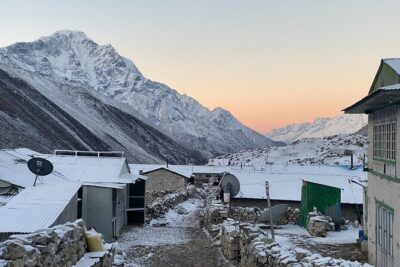
The trek becomes more about timing and pacing around acclimatization, not just mileage. On day five, you spend time at a Sherpa village area to get used to the altitude while taking in views. The plan calls out big-name mountains you might see from there, including Everest, Lhotse, Nuptse, Ama Dablam, Kongde, and Thamserku. You are not rushing to the next bed too quickly, and that matters when the air starts feeling thin.
Day six takes you down toward the Dudhkoshi river and up to Tengboche. Along the way you pass through rhododendron forest, and you visit Tengboche monastery. This is a day where the trail and the cultural stop work together, because you get a clear sense of how important faith and daily life are in this region.
On day seven, you trek through birch, pine, and rhododendron forests to Devuche, then cross the Imja river. You continue toward Pangboche before landing in Dingboche for the night. Dingboche is a classic acclimatization stop on this route structure, and the plan’s pacing here helps you avoid that common mistake of going hard too fast.
For your sanity, this middle stretch is also where you start learning how to walk efficiently. I like that the day design gives you enough time to keep moving, but not so much that you feel cooked before the real summit day.
Lobuche, Gorakshep, and the Kala Patthar morning payoff
This is where the trip’s tone changes. Day eight includes a steep ascending trek toward Dughla and Chupki Lhara, and you follow terrain along the Khumbu Glacier moraine. When trails run along moraine, the walking can feel more uneven, and you often get a stronger sense of how the glacier has shaped the path.
Day eight then flattens out near the Lobuche valley, and you overnight in Lobuche (spelled as louche in the plan). Overnight here sets you up for the final push, because it reduces the gap between regular hiking and the early morning effort ahead.
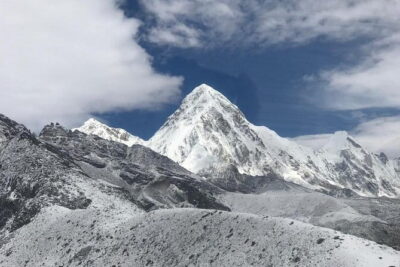
Day nine is the big day in most people’s memories. You trek to Gorakshep, drop your bags at your tea house, and then hike up to Kalapathar. The plan is clear about the challenge: the air is thin and the trek is strenuous. But that is exactly the point, because you come back rewarded with the view of the world’s tallest mountain standing right in front of you.
You will want to be ready for a cold, high-wind morning style effort, even though the plan does not spell out weather details. For your comfort, pack layers and plan on a slower pace than you think you need, because Kalapathar is not a race. A lot of value here is emotional, too. One guide detail I took from feedback: Ganesh was part of a trip highlight for many people, and the team atmosphere around that final push helped turn stress into focus.
More to compare around Kathmandu
- Private Kathmandu Sightseeing Tour | UNESCO World Heritage sites
★ 5.0 · 756 reviews - Kathmandu: 7 UNESCO Sites with Lunch
★ 4.8 · 744 reviews - Half day cooking class in Thamel kathmandu
★ 5.0 · 607 reviews - Everest Base Camp Trekking
★ 5.0 · 485 reviews
Everest Base Camp day, then the descent back to Pheriche
On day ten, you head to Everest Base Camp along glacier moraine. The plan frames Base Camp as the start point for climbing Everest, and you spend some time there before heading back toward Gorakshep.
Then you carry your backpack and trek onward back to Pheriche. The plan describes this as a fairly easy descent after Base Camp, which is a nice contrast to the earlier effort. You finish with a warm and heavy dinner in Pheriche, and that kind of meal timing matters because it helps you recover before the next hiking push.
Day ten is also a day where you will feel the difference between “I arrived” and “I can keep going.” Base Camp gives you that mental peak, but the real test is whether you can manage fatigue on the way down. If you pace correctly, day ten feels like a relief, not a punishment.
The return route: Namche again, plus Sherpa settlements on the busy trail
Day eleven brings you back through Dingboche and Tengboche, with more forest walking through areas described as having dancing birds and butterflies. Even if you do not obsess over wildlife, that wording is a good hint about why the return days can feel softer than the climb days. You cross Dudh Koshi, then ascend back toward Namchebazar and spend the night celebrating and sharing the moments of the trek.
Day twelve is a longer downhill-feeling day. You descend down to the Dudhkoshi river, cross tributaries, and pass Sherpa settlements. The plan notes that the trail can be busy with tourists, people, and animals, which is a sign that you are nearing the more trafficked parts of the route. You then reach Lukla for the night.
This is also a good day for practical rest. Your body knows it is close to Kathmandu, but it still needs steady steps and good hydration.
Day thirteen in Kathmandu: Lukla flight, Thamel time, and a farewell dinner
On day thirteen you take an early flight back to Kathmandu. Then you drive to your hotel, with time to relax or stroll, depending on what you want after 13 days of trekking. The plan includes a farewell dinner party from the company at the end of the day.
If you want a clean mental bookend to the trek, this is it. You get to reset your sleep schedule, eat normal food, and talk through what you saw with your guide and group while the memories are still fresh.
Price and value: what $1,000 includes, and what you must plan to pay
The price is $1,000.00 per person, and the value is strongest when you look at what it covers for you.
Included items that reduce your planning stress:
- Airport pickup and drop-off in a comfortable private vehicle
- Domestic flights Kathmandu to Lukla and back
- Tea house accommodation during the trek with private rooms
- One English-speaking, government-licensed guide
- One porter for every two trekkers
- Sagarmatha National Park permit and other required permits
- All government and local taxes
Also included in the itinerary are a couple of breakfasts (listed as Breakfast (2)), plus the route includes a set number of admission elements in Kathmandu where specified.
What is not included, and why you should care:
- Most meals and drinks during the trek and in the city are not included. That means you should plan cash for meals, and you should expect your daily spending to be higher on the hiking days than in a hotel-based trip.
- Hot shower is not included, as are bottled water, phone calls, bar bills, and battery charges.
- Trekking equipment is not included, so you bring your own gear.
- Travel and rescue insurance is not included. This is one of the biggest “do not skip” items for a high-altitude trek.
- Tips for staff and drivers are not included. If you want to tip well, plan a budget ahead of time.
- Entrance fees in Kathmandu sightseeing points are not included.
For me, this price is fair if you show up with a solid gear list and a realistic meal budget. If you also want a lot of comfort spending (hot showers, upgraded rooms, extra drinks), your costs will rise.
The guides and group feel: why it matters more than you think
This trek is limited to a maximum of 15 travelers, which keeps logistics manageable. You also get a guide team structure where your guide handles interpretation and route support.
In feedback, people highlighted Bimal as especially helpful and flexible before and during the trek. Other feedback names Ganesh as the guide who helped make the days feel smooth and safe. Having that kind of responsive guidance matters on a route where one bad decision can waste energy you will need later.
One fun detail from a trip experience: there was a fierce card-playing moment with a Nepalese romi, and the group energy around that kind of off-trail downtime helped people bond. That does not change the mountain, but it does change how the trek feels when you are tired.
Who should book this Everest Base Camp trek, and who should think twice
This one fits best if you:
- Want a structured 13-day route into Sagarmatha National Park
- Prefer private rooms at tea houses instead of shared dorms
- Like having permits and paperwork handled for you
- Are comfortable with steep effort, especially on Kalapathar day and during the final Base Camp approach
You should think twice if you:
- Are not ready for a challenging trek with thin air on key days
- Want full meal inclusions and frequent comfort upgrades like hot showers
- Hate having to manage your own budgeting for meals, drinks, and personal items
Should I book this 13-day Everest Base Camp trek?
If your goal is a well-run Everest Base Camp trek with guided support, private rooms, and permits handled, this is a strong option. The value is in the package you get for $1,000: flights to Lukla, a licensed English-speaking guide, and a porter structure that respects how hard this route is.
Book it if you can commit to training and you are willing to budget for meals and personal comforts. Skip it if you expect this to feel like a luxury trip, because the plan is built around walking days, basic tea house recovery, and a big early climb to Kalapathar for your Everest views.
Latest Kathmandu write-ups
- Ghorepani Poonhill Trek★ 5.0 · 4 reviews
- Private Lobuche East Peak Climb and Mt Everest Base Camp Trekking★ 5.0 · 4 reviews
- Bhaktapur Day Tour with Changu Narayen★ 5.0 · 4 reviews
- Everest Base Camp Helicopter Tour★ 5.0 · 4 reviews
- Mardi Himal Yoga Trek★ 5.0 · 4 reviews
- Annapurna Ghorepani Poon Hill trek from Pokhara short and easy hike in Himalaya★ 5.0 · 4 reviews
- Everest Base Camp+Gokyo Ri★ 5.0 · 4 reviews
- Manaslu Trek with Larke Pass★ 5.0 · 4 reviews
Everest Base Camp Trek, compared.
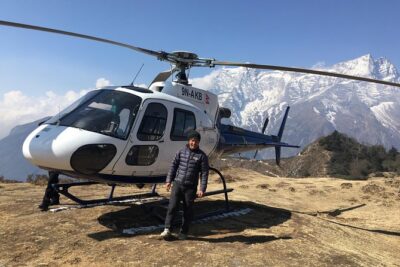
Everest Base Camp Helicopter Tour landing at Everest View Hotel
Read our review →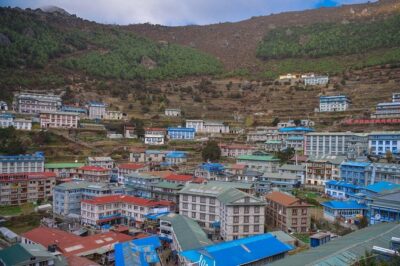
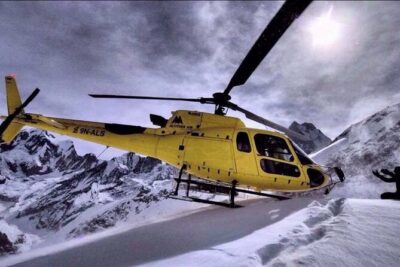
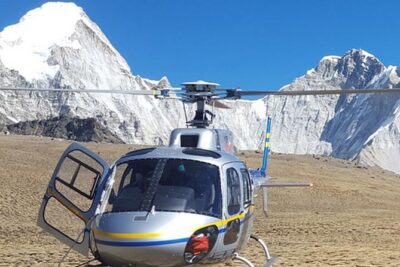
Everest Base Camp Helicopter Tour landing at Hotel Everest View
Read our review →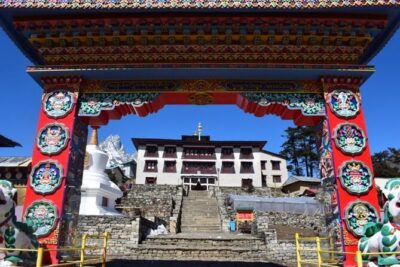
Browse the lists this tour appears in