
Reviewed · EVEREST BASE CAMP TREK
Private Lobuche East Peak Climb and Mt Everest Base Camp Trekking
This is an eye-catching mix because you do real high-altitude climbing (Lobuche East at 6,119 meters) and then connect it to the Everest region trek highlights, including Gokyo Valley and Chola Pass. I like that it is a private, guided setup, and I also like that key essentials are handled for you, like climbing gear, permits, and most meals (days 03 to Day 15). The main thing to think about is the altitude and the weather window, since this kind of route only works when conditions are safe.
I also appreciate how practical the operation feels. In past interactions with the team, the trip manager Amber has been described as responsive and professional, and that matters when you are dealing with permits, timing, and a demanding itinerary. The other consideration is personal gear, because you still need to bring your own trekking kit and you should plan ahead for emergency and insurance needs.
If you want the big Everest dream without piecing together logistics yourself, this route is a smart way to do it. You’ll get a full 17-day rhythm, guided support, and the satisfaction of earning views from a summit that is high, but not a giant-expedition scale ordeal.
Key highlights to know before you go
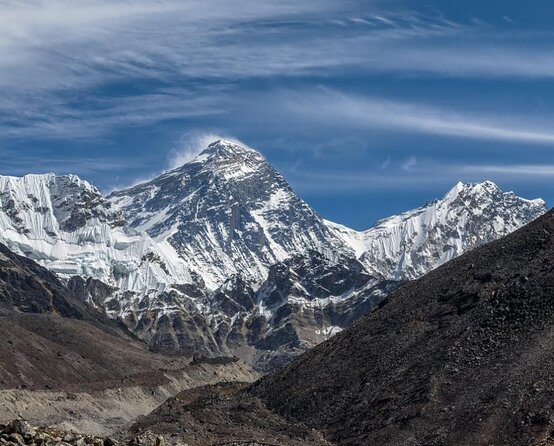
Lobuche East at 6,119 meters is a short-focus climb that fits well inside an Everest-region trekking trip
Everest Base Camp via Gokyo Valley and Chola Pass gives you multiple iconic areas instead of just one
Private tour setup means your schedule and pace can stay more aligned with your group
Climbing permit and all fees included, so you are not chasing paperwork late in the process
Camping and climbing equipment included, which can reduce what you have to pack
Meals covered from day 03 to day 15, plus coffee and/or tea, so you can budget smarter
Why this trip clicks: climbing plus Everest trekking in one package
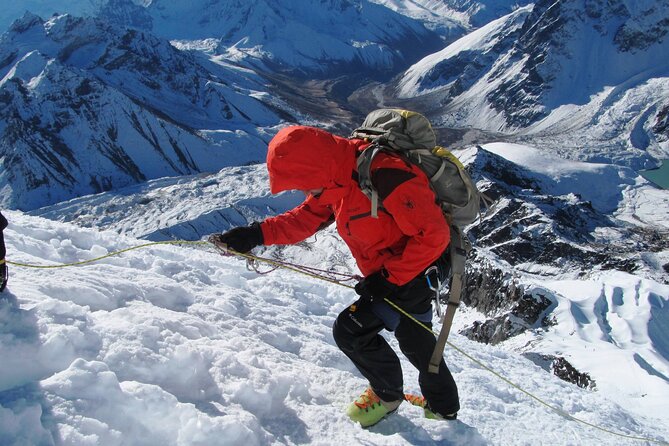
What makes this itinerary compelling is the way it combines two types of effort into one story. You move through the Everest region on foot, then you step into a summit push on Lobuche East, which changes the whole feel of the trip.
I like that the itinerary is built around well-known anchors. Everest Base Camp, Gokyo Valley, and Chola Pass are not random stops, they are the big-name parts of the region that give you that classic high Himalaya payoff. When you add the climb, you end up with a trip that is not just sightseeing by altitude, it’s altitude with a mission.
There is also a practical angle. This kind of route can be hard to organize on your own because permits, timing, and gear logistics stack up fast. Having climbing-permit handling and a team setup reduces the stress you do not need when you are already managing acclimatization.
More ways to walk to Everest Base Camp:
- Everest Base Camp Trek – 14 Days
★ 5.0 · 1,499 reviews - Everest Base Camp Trek
★ 5.0 · 842 reviews - Everest Base Camp Helicopter Tour landing at Everest View Hotel
★ 5.0 · 668 reviews
Price and value: what $2,470 covers (and why it matters at altitude)
At $2,470 per person for about 17 days, this is not a bargain-basement trek. But in the high Himalaya, the question is not just cost, it is what the package prevents you from paying for twice or discovering too late.
Here is what you get that tends to be expensive or complicated to arrange independently:
All meals from day 03 to day 15, plus coffee and/or tea
Camping and climbing equipments (so you are not hunting rental gear on short timelines)
Entrance fees
All fees and taxes
A climbing permit
Pickup offered (which can simplify your first day in Kathmandu)
For many people, the biggest hidden cost on trips like this is not the guide fee, it is the extra layers: permit fees, gear rental problems, last-minute equipment buys, and the stress of trying to coordinate a multi-segment route. Paying for a plan that includes the essentials is often the value play, especially when your time is limited and your altitude risk is high.
That said, you still need to budget for what is not included. Alcoholic beverages are not covered, and your personal trekking gears are on you. Also, emergency and insurance are not included, so do not treat this as a substitute for travel and medical planning.
Your physical setup: what moderate fitness really means here
The trip calls for moderate physical fitness, and that is the honest framing. Lobuche East is not described as a long-duration, weeks-on-the-high-lines grind, but 6,119 meters is still high enough to punish bad pacing and poor preparation.
You will want to be comfortable with:
Several days of trekking at altitude (with slower walking and more rest breaks)
Long days where your legs do the work but your breathing sets the pace
Climbing readiness, meaning you can handle cold, fatigue, and effort above treeline
If you are choosing this, you probably enjoy structured goals. This route gives you a clear summit target, not just a slow scenic walk. The bonus is that guided support helps you manage pace, timing, and safety, which is where many self-planned attempts go wrong.
Kathmandu start: how to make day one feel smooth
Your base is Kathmandu, and the tour window is flexible across the week (the listed hours run from 7:15 AM to 7:15 PM daily). That matters because weather, permits, and group coordination often affect exact timing.
Because pickup is offered and you are described as being near public transportation, you should be able to plug into the day without major hassle. My practical advice is to treat your first Kathmandu day like logistics day, not adventure day. Get organized, confirm what you are carrying, and make sure your trekking kit is actually usable at altitude.
Also keep a packing checklist simple:
Personal trekking gear you are responsible for
Layers for cold mornings and wind
A plan for your essentials (documents, meds, and anything you do not want to risk in transit)
You will likely spend the early part of the trip transitioning from city life to mountain routine, and that adjustment is part of the success story.
More trekking peaks with guided ascents:
- Mera Peak Climbing
★ 5.0 · 33 reviews - Island Peak Adventure
★ 5.0 · 15 reviews - Everest Base Camp Trek with Island Peak Climbing
★ 5.0 · 14 reviews - Mera Peak Climbing
★ 5.0 · 8 reviews
The trek rhythm: Everest Base Camp via Gokyo Valley
The core trekking arc links Everest Base Camp with Gokyo Valley. That is a big deal because it changes the kind of scenery and the way your mind reads the route.
Gokyo Valley is often where people feel the Everest region widen out. Instead of only thinking about the final goal, you build momentum through days of high-altitude trekking. The walking itself trains you for the climb later, and the altitude helps you learn your own pace.
Why this route is smart for most groups:
You get gradual acclimatization through the trekking phase
You travel through multiple iconic pockets instead of one straight line
You build confidence as you approach the higher pass section
One drawback to plan for is energy management. When a route includes both EBC and a major pass, it can feel like you are always one day away from another big moment. That is normal here, but it means you should stay conservative with exertion and treat rest days as part of training.
Chola Pass: where timing and weather become your real guide
Crossing Chola Pass is a turning point. This is the moment when the route stops being only trekking and starts being high-mountain travel where conditions can change your whole day.
Chola Pass is valuable because it gives you that classic sense of entering deeper into the Everest region story. It is also a natural altitude checkpoint, and these passes often force you to slow down and stay alert, especially when visibility turns poor.
The practical takeaways for you:
Go slow at the pass approach, do not sprint to “get it over with”
Keep layers and hydration consistent, because cold and wind can sneak up on you
Expect that your schedule may be adjusted based on the day’s conditions
If there is one thing you should respect, it is weather. This experience explicitly depends on good weather, and that is not a legal footnote, it is part of how the mountains work.
The summit day setup: Lobuche East at 6,119 meters
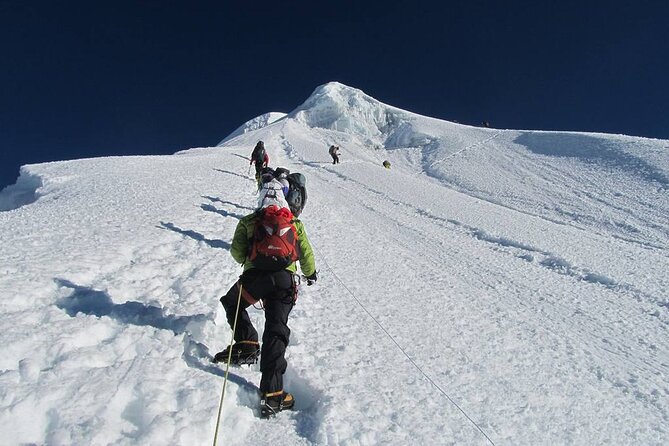
The climb to Lobuche East (6,119 m) is the centerpiece. The big appeal is that it is described as one of the best short and fairly easy climbing trips in the Himalayas, meaning it is accessible compared with bigger expedition-style peaks.
What that means in plain terms for your body:
You still need summit stamina, cold tolerance, and focus
But the overall climb duration and complexity are likely less than big multi-week peaks
Your team’s pacing and safety process matter a lot
This is where the operator’s track record matters. In past experiences, climbers credited the guides with doing what they could to ensure success and safety. That is the right emphasis for you. At altitude, success is never only about grit, it is about safe decisions, correct timing, and not rushing bad conditions.
And yes, the summit views are a main payoff. When conditions are clear, that top is described as having unbeatable views from a clear morning. That is exactly why you should prepare for weather variability and trust the plan when conditions dictate your timing.
Camp life and meal coverage: how comfort affects altitude performance
A key value detail is that all meals are included from day 03 to day 15, plus coffee and/or tea. Food might sound like a small thing, but at altitude it is not. It affects your recovery, your energy levels, and your mood on tough days.
The fact that camping and climbing equipment are included also matters for how the trip runs. When gear is handled, you spend less mental energy juggling rentals or packing mistakes. That can be the difference between arriving calm and arriving stressed, and stress costs energy.
What you should still plan for:
Alcohol is not included, so if you enjoy a celebratory drink, budget for it
Your personal trekking gear is not included, so do not assume the package covers everything you wear and carry daily
Private group benefits: pace, support, and decision-making
This is a private tour/activity, meaning only your group participates. On paper, that sounds like a luxury item. In practice, it can be a safety and comfort upgrade on an altitude route.
A private group can mean:
Your pace is more likely to match your actual fitness and acclimatization speed
Decisions about rest, timing, and effort can be made without crowd pressure
Communication stays tighter because everyone is in the same bubble
You also get a single provider setup, Three Jewels Adventures, which has been praised for responsiveness and honesty. When you are dealing with high-mountain logistics, you want a team that communicates clearly, not one that disappears once the trip is booked.
What could feel tough, even if this is “short and fairly easy”
Even with the best-case framing, there are a few realities you cannot ignore.
First, altitude is altitude. Lobuche East at 6,119 meters is high. Even if the climb is shorter than larger peaks, you still need to respect cold, exertion, and acclimatization.
Second, the itinerary includes both trekking and climbing, so the mental load is higher than a standard trek. You are not just walking, you are also preparing for a summit day. That means you should stay organized, sleep when you can, and avoid chaos.
Third, weather can shift plans. This trip requires good weather, and if it gets canceled due to poor conditions you are offered a different date or a full refund. That is reassuring, but it also means you should not book this as a “must happen no matter what” deadline.
Who should book this trip (and who might want something else)
I think this is a great fit if:
You want Everest Base Camp plus the extra route flavor of Gokyo Valley and Chola Pass
You want a summit goal that is serious, but not a huge expedition
You prefer a private guided plan with permits and core logistics taken care of
You like having a team that supports safety and pacing, not just a checklist of sights
You might reconsider if:
You do not have the baseline trekking fitness for multi-day altitude hiking
You hate cold or struggle with disciplined pacing
- You are not prepared to bring your own personal trekking gear and plan your insurance needs
Should you book Three Jewels Adventures for Lobuche East plus EBC?
If your goal is a high-impact Everest-region trip without the DIY headaches, I’d say this booking makes sense. The best part is how much is included for a climb-and-trek combo: meals, camping and climbing equipment, entrance fees, taxes, and a climbing permit. That is a lot of friction removed.
The decision turns on two things. First, can you train for altitude trekking and handle cold climbing effort at 6,119 meters? Second, can you be flexible on timing if weather does not cooperate?
If both are yes, you’ll likely feel like this trip is good value, not because it is cheap, but because it reduces the costly uncertainties that can turn an Everest plan into a stressful one.
FAQ
How long is the Lobuche East Peak climb and Everest Base Camp trek?
It is approximately 17 days.
What is the highest point you climb?
You climb Lobuche East, which is at 6,119 meters.
Is this a private tour?
Yes. It is a private tour/activity, and only your group participates.
What’s included in the price?
Included are coffee and/or tea, all meals from day 03 to day 15, camping and climbing equipment, entrance fees, all fees and taxes, and a climbing permit.
What is not included?
Not included are alcoholic beverages, your personal trekking gears, and emergency/insurance.
Is pickup available in Kathmandu?
Yes. Pickup is offered, and the meeting location is described as being near public transportation.
What happens if weather is poor?
This experience requires good weather. If it is canceled due to poor weather, you will be offered a different date or a full refund. You also have free cancellation up to 24 hours in advance for a full refund.
Latest Kathmandu write-ups
- Ghorepani Poonhill Trek★ 5.0 · 4 reviews
- Mardi Himal Yoga Trek★ 5.0 · 4 reviews
- Bhaktapur Day Tour with Changu Narayen★ 5.0 · 4 reviews
- Everest Base Camp Helicopter Tour★ 5.0 · 4 reviews
- Annapurna Ghorepani Poon Hill trek from Pokhara short and easy hike in Himalaya★ 5.0 · 4 reviews
- Everest Base Camp trek 13 days★ 5.0 · 4 reviews
- Everest Base Camp+Gokyo Ri★ 5.0 · 4 reviews
- 2 Nights 3 Days Chitwan Safari Tour from Kathmandu or Pokhara★ 4.0 · 4 reviews
Everest Base Camp Trek, compared.
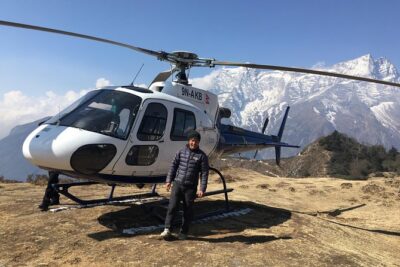
Everest Base Camp Helicopter Tour landing at Everest View Hotel
Read our review →
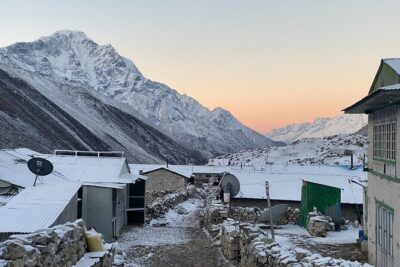
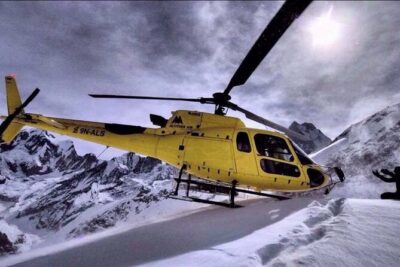
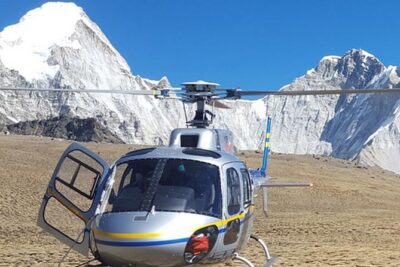
Everest Base Camp Helicopter Tour landing at Hotel Everest View
Read our review →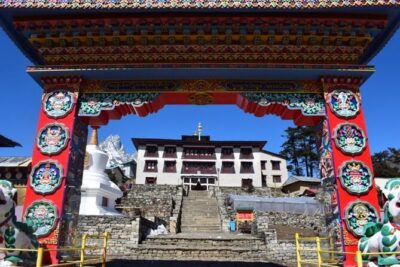
Browse the lists this tour appears in