
Reviewed · MARDI HIMAL TREK
Mardi Himal Yoga Trek
Mardi Himal Yoga Trek is interesting because you get two kinds of movement in Nepal at the same time: real mountain trekking and real morning yoga. The route aims for the quieter Mardi Himal region, then mixes day-long effort with short moments of calm and Himalayan views that feel earned.
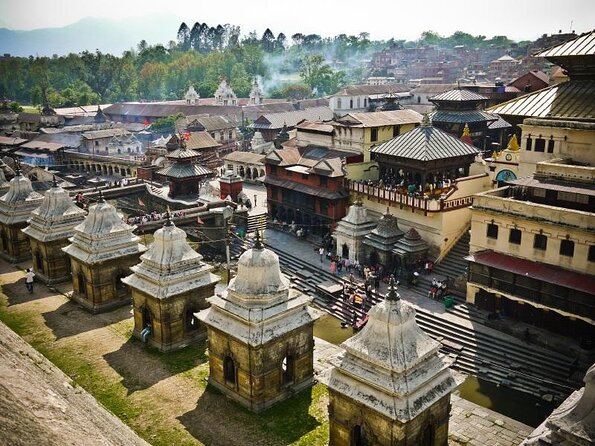
I like two things a lot here. First, the Kathmandu portion isn’t just a quick stop, it is a proper temple circuit that includes Swoyambhu, Patan Durbar Square, Boudhanath, and Pashupatinath. Second, your days are guided end to end, with yoga led by a certified yoga teacher and practical support from Sunil, who is known for being quick with answers and making the plan feel easy, especially if you are traveling on your own.
One drawback to plan for: altitude and weather. You will do yoga at about 4,500m, and early conditions can be wet depending on the month, so you need a flexible mindset, good layers, and shoes that work when trails get slick.
Key things that make this trek worth your time
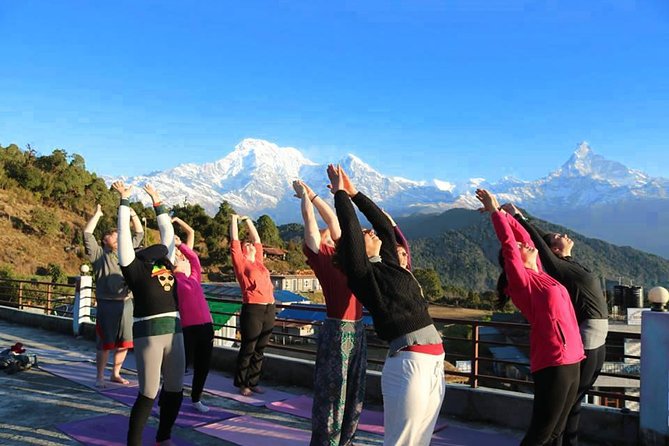
- Yoga built into the hiking schedule (morning practice plus evening meditation on multiple days)
- Mardi Himal hiking with a forest focus, including Forest Camp, High Camp, and Base Camp
- A full Kathmandu cultural run-up before you hit the trail (temples, stupas, and a calm pace)
- Small group size (max 10), which helps solo travelers feel supported
- Tea and meals handled for trek days, with three cups of tea daily while trekking
Mardi Himal With Yoga: The Big Appeal
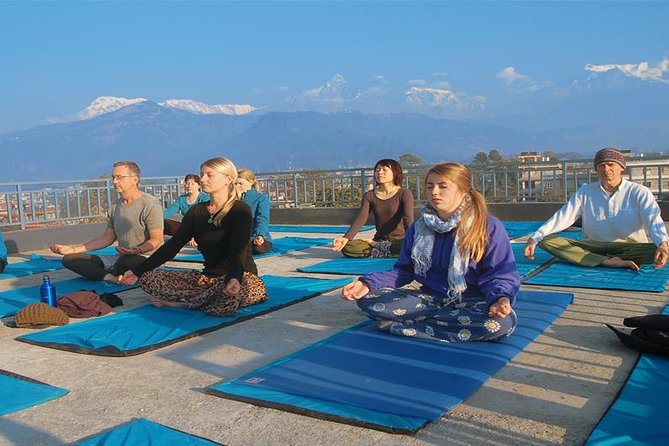
This is not a yoga retreat where you mostly stay put. You hike in Nepal first, then you practice yoga around it, including at higher elevation. That changes how yoga feels. It is not just about stretching, it is about breathing while your legs are working and your lungs are adapting.
The Mardi Himal area also tends to feel more personal than the busiest trekking routes. You still get that Himalayan reward feeling, but the trek days are structured around a sequence of camps, so each day has a clear purpose. On top of that, the yoga and meditation sessions give you a rhythm. Even if you are not a die-hard yoga person, the practice helps you slow down and check in.
If you like trips where logistics are taken seriously, this one fits. It runs with a professional trekking guide and porters, and you have overland transfers plus sightseeing built in. That means you can spend your energy on enjoying the trail instead of managing details.
More on the Mardi Himal ridge:
- Mardi Himal Trek
★ 5.0 · 41 reviews - Mardi Himal Trek Nepal
★ 5.0 · 29 reviews - Mardi Himal Trek – 8 Days | Hidden Gem of the Annapurnas
★ 5.0 · 19 reviews
Value at a Glance: What the $1,057 Really Covers
At $1,057 per person for about 10 days, this is priced as a guided package, not a bare-bones hike. The value is strongest in three places: transport, trip structure, and staffing. You get airport pickup and drop off, overland transportation throughout the program, Kathmandu sightseeing, and trekking permits handled for you.
You also get a real team on the trekking days. There is a professional trekking guide, plus porters, which matters when you are moving through forest sections and up toward higher camps. Add the yoga sessions by a certified teacher and you start to see why the price is more than just a bed and food arrangement.
What is not included is equally important for budgeting. Heritage site entry fees in Kathmandu are extra, about USD 26, and gratuities for the guide and porters are also on you. International airfare and travel insurance are not included either. If you budget for those items up front, the final total is usually less surprising.
One more small value detail I appreciate: you get three cups of tea per day during the trek. It sounds simple, but it helps you recharge without hunting for snacks at inconvenient times.
Kathmandu Temple Circuit Before You Hike
Your trip starts in Kathmandu with a transfer into Thamel after pickup from Tribhuvan Airport. You get free time after check-in, so you can settle in before the cultural days begin.
Then you move through a sequence of major spiritual sites at a thoughtful pace. The schedule includes an early yoga session, then you visit Swoyambhunath (the Monkey Temple), Patan Durbar Square, Boudhanath Stupa, and Pashupatinath. Even if you have seen photos of these places, seeing them in person matters because of the atmosphere. You get crowds and ritual energy, but the trip also keeps weaving in meditation so the day doesn’t feel like nonstop sightseeing.
Swoyambhu is often the one you remember most because of its hilltop setting and the steady flow of people moving through. Boudhanath, on the other hand, tends to land differently. It feels more about long gazes and quiet watching. Patan adds variety with its historical feel and craftsmanship.
One practical note: entry fees for these heritage sites are not included, so plan to cover them on the sightseeing day. That extra cost is still reasonable, but it is better to know in advance than to adjust your budget at the last minute.
Pokhara Transfer and Lakeside Reset
After Kathmandu, you drive to Pokhara early in the morning. The trip lists the drive at about 6 hours, which is a proper travel day, not a quick hop. You also get yoga early that day, then an evening meditation session, which helps you transition from city sights to trekking mode.
Pokhara Lakeside is included for sightseeing time and it is where you spend two nights in tourist class accommodation on a twin-sharing basis. This matters because it gives you a buffer before you start hiking. Your body gets a chance to settle after the road, and you can organize anything you need for the trek, like adjusting your layers or checking your daypack.
Also, food planning tends to be easier in Pokhara. While not every lunch or dinner is included during the city nights, you are not doing complicated meal logistics while you are tired. For many people, that is the difference between a trek that feels smooth and one that feels chaotic.
If you are sensitive to travel fatigue, I like that the trek portion starts after you have had this reset day. It is one less stressor when you are preparing to climb for multiple days.
More Yoga & Meditation Retreats in Kathmandu:
- 500 hours Advanced Yoga Teacher Training at Nepal Yoga Home (Every 1st of month)
★ 5.0 · 185 reviews - 200 Hours Yoga Teacher Training at Nepal Yoga Home (starts on 1st of everymonth)
★ 5.0 · 125 reviews - 3 night 4 Day Yoga & Ayurveda Retreat to Detox the Body & Mind, Nepal
★ 5.0 · 37 reviews - 21 days Himalayan yoga retreat in Nepal in Kathmandu
★ 5.0 · 28 reviews
Dhampus to Pitam Deurali: Village Walks and First Views
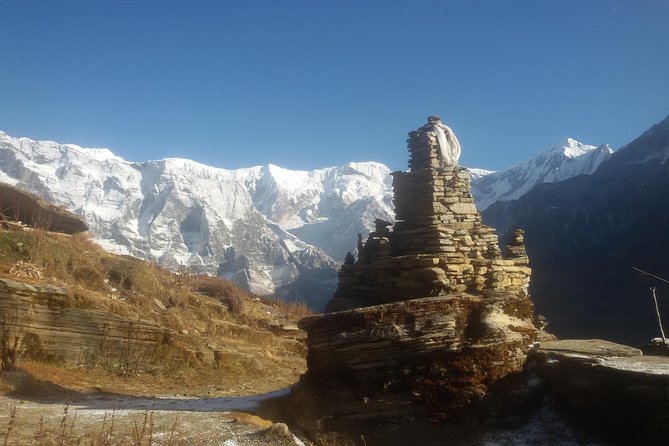
The trek starts after an early yoga session, and you head toward Phedi before trekking to Pitam Deurali via Dhampus village and Pothana. This is your introduction day: walking with local scenery and village rhythms rather than immediately jumping into high altitude strain.
You also get an evening meditation session, so you end the day with a downshift. That helps because the first trekking days are often when you are figuring out your gear, your pace, and how your body handles elevation changes. A structured evening practice gives you a place to land.
The downside is that you still need to move for several hours. Even if you are fit, the pace can feel different on Nepal trekking paths where the steps can be uneven and the climbs are gradual but steady. If you are coming from sea level, treat this as a day to set a sustainable pace, not a day to test your limits.
Still, I think this part is a good match for moderate physical fitness levels. It is not described as a technical climb, and the walking is framed as nature trekking with villages along the way.
Forest Camp to High Camp: Your Main Trek Rhythm
Once you step fully into the Mardi Himal region, the trek becomes a sequence of camps. On one day you head to Forest Camp and overnight there after trekking through forest walking. That forest focus is a big deal for how the trek feels. It tends to offer shade, texture underfoot, and a break from just staring at rock and snow.
Then you move up toward High Camp, trekking all the way up after another early yoga practice. Your schedule keeps the rhythm consistent: morning yoga, trekking for hours, then an evening meditation session. Consistency is underrated on treks like this. It helps you keep your routine even when your body is tired.
What I like most about this section is that it is not random. You have a clear climb to High Camp, then the next big push comes later. That staging makes the effort feel organized and manageable, especially if you are not a very fast hiker.
You will be dealing with altitude as you go higher. Even though you do not see every altitude measurement explained in detail across every day, the program does make it clear that yoga at elevation is part of the design, which is your cue to take breathing and pacing seriously. Slow down a bit early, and you will likely feel better later.
Base Camp Day at 4,500m: Yoga at Altitude
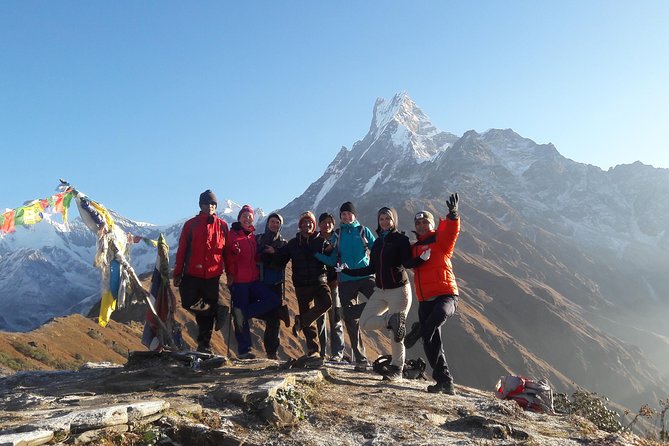
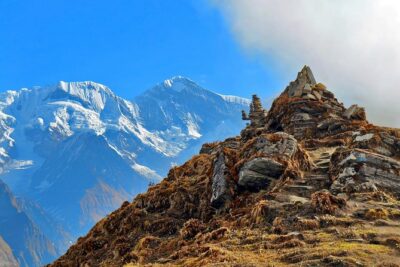
The most altitude-focused day is when you hike to Mardi Himal Base Camp for a morning hike. Before descending back down through High Camp to Low Camp, the schedule includes some yoga practice at an elevation of about 4,500m.
This is the moment that turns the trip into something more than a scenic hike. Yoga here is not just a nice extra. It forces you to work with your breath and body at a higher altitude, which can be challenging but also very rewarding if you approach it calmly.
The balance to keep in mind: Base Camp day is longer. The hike includes ascent and then a descent via High Camp, so your legs do a lot of work. Your best strategy is to treat the yoga practice as your recovery tool, not a performance. Even if you feel breathy, you can still participate in the session by focusing on steadiness rather than deep exertion.
Weather can also shape this day. In September, conditions can be rainy early, but there can be a clearer window once you reach the higher points. That is not something you can control, but you can prepare for it. Rain gear, a plan for damp clothing, and a flexible attitude will pay off.
Heading Back Down to Pokhara and Kathmandu
After Base Camp, the trek comes back down to Sidding for about 3 hours, then you drive back to Pokhara. That descent is part of the design, and it matters because it changes the feel of the trip. Instead of constantly pushing upward, you get recovery time while still moving.
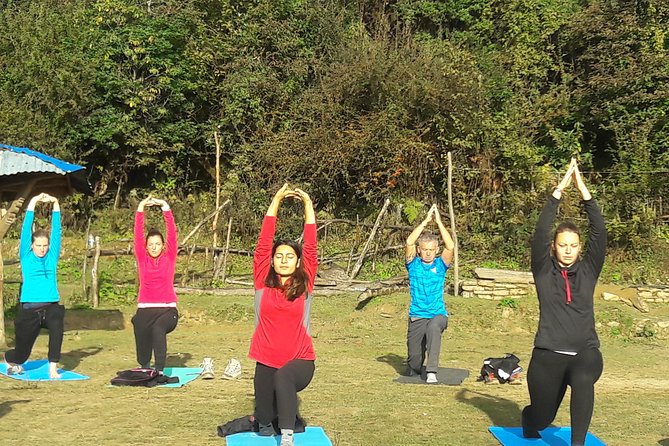
You do yoga in the early morning again, and there is an evening meditation session too. That keeps the mental side of the trip consistent even as your body starts to feel the effects of earlier days.
Then you return to Kathmandu later, with morning yoga before heading back. You spend your final night in Kathmandu, and the trip includes the drive to the airport at your departure schedule. That airport transfer is helpful because after trekking you may not want to figure out transport, especially if you are tired or traveling solo.
Overall, this return section is where you get your payoff moment. You have seen temples, walked forest paths, and reached high camps. Going back to Kathmandu feels like coming home, not like scrambling to wrap up.
Meals, Permits, and the Stuff You Should Budget For
For trek days, the package handles many basics. Breakfast is included on 9 days, lunch is included on 5 days, and dinner is included on 4 days. During trekking specifically, you also get three cups of tea each day.
In Kathmandu and Pokhara, meals are not fully covered. The program lists meals not mentioned in the Kathmandu and Pokhara sections, so lunches and dinners during city days are on you. That is normal for many packages, but it is a helpful heads-up so you do not assume every meal is included.
Permits are included, and Kathmandu sightseeing tour is included. That is a big practical win because permits can be confusing if you are trying to piece things together yourself. You also have all overland transportation required covered, so you are not managing separate tickets for every transfer.
The costs you should budget for are straightforward: Kathmandu heritage entry fees (about USD 26), plus gratuities to guide and porters. Visa is handled as Nepal visa on arrival, but you still need your passport details at booking and a current valid passport on travel day.
Packing and Fitness Tips That Matter Most
You only need moderate physical fitness for this trek, but moderate still means you should train. Think about comfortable walking stamina, good balance on uneven paths, and the ability to keep moving for multiple hours each day.
Because yoga happens at altitude, I recommend you take pacing seriously. The best results come when you do not sprint the climb early. If you tend to go fast when you feel good, this trip will teach you to slow down.
For rain and damp trails, plan for wet weather. One past traveler noted that the first couple of days were rainy in September, with clearer conditions later when they reached higher camps. You should assume weather can change quickly, and you will enjoy the trek more if you pack for that reality.
Also, since you are doing yoga, your clothing choices matter. You will want something comfortable for stretching in cool conditions and something that works if it gets damp. A small change of layers can be more useful than a bulky upgrade.
Finally, remember the group limit. With a maximum of 10 travelers, you will get a more personal feel than large group tours. Still, you are hiking in a group, so bring a flexible attitude about pace and timing.
Who Should Choose This Trek, and Who Should Think Twice
This trek suits you if you want a balanced experience: trekking plus real yoga and meditation, with Kathmandu cultural time before you hike. I also think it is a strong choice if you like a guided setup. The trip includes permits, guides, porters, transfers, and multiple sightseeing stops, so you can focus on the human experience and the views.
It is also a good fit for solo travelers who want structure and reassurance. Sunil is mentioned for making people feel comfortable, and small group size helps you feel included without losing your independence.
Think twice if you hate any altitude at all. Even if the trek is described as moderate fitness, yoga at around 4,500m is a clear signal that you are going higher than many casual treks. If altitude scares you, talk to your doctor and choose training that prepares you for breathing changes.
If you are purely budget driven, you may also feel the extra costs for Kathmandu heritage entry fees and gratuities. The base price is reasonable for the services included, but you should still plan for those add-ons.
Should You Book Mardi Himal Yoga Trek?
I would book this if you want a guided Mardi Himal trekking experience with yoga and meditation integrated into real hiking days. The combination is the point here. You get Kathmandu’s major spiritual sites, then you move into forest camps and high views, and your days have a consistent flow that helps you enjoy the journey more.
Before you click book, do three quick checks: confirm your passport details, plan extra budget for Kathmandu heritage fees and gratuities, and make sure you can handle several hours of walking daily. If you do those things, you are set up for an experience that feels structured, not stressful, and genuinely memorable in that rare way where your body and your mind both come away stronger.
FAQ
How long is the Mardi Himal Yoga Trek?
It is approximately 10 days.
Where does the trek start and what is the meeting time?
The start is Tribhuvan Airport in Kathmandu, Nepal, with a start time of 5:15 pm.
Is airport pickup and drop-off included?
Yes. Airport pickup and drop-off service is included.
How many nights are you staying in Kathmandu and Pokhara?
You stay 3 nights in Kathmandu and 2 nights in Pokhara.
Is yoga included in the price?
Yes. Yoga sessions throughout the trip are included and are led by a certified yoga teacher.
What trek region and hiking duration are included?
The trek includes 5 days of trekking in the Mardi Himal region.
Are permits included?
Yes. All necessary permits for trekking are included.
What meals are included on trek and city days?
Breakfast is included on 9 days. Lunch is included on 5 days and dinner is included on 4 days. Meals not mentioned for Kathmandu and Pokhara are not included.
Are Kathmandu heritage site entry fees included?
No. Heritage site entry fees in Kathmandu on sightseeing day are not included, and the estimate given is about USD 26.
Latest Kathmandu write-ups
- Ghorepani Poonhill Trek★ 5.0 · 4 reviews
- Private Lobuche East Peak Climb and Mt Everest Base Camp Trekking★ 5.0 · 4 reviews
- Everest Base Camp Helicopter Tour★ 5.0 · 4 reviews
- Bhaktapur Day Tour with Changu Narayen★ 5.0 · 4 reviews
- Everest Base Camp trek 13 days★ 5.0 · 4 reviews
- Annapurna Ghorepani Poon Hill trek from Pokhara short and easy hike in Himalaya★ 5.0 · 4 reviews
- Everest Base Camp+Gokyo Ri★ 5.0 · 4 reviews
- Nagarkot Sunrise and Hike★ 5.0 · 4 reviews
Mardi Himal Trek, compared.
Mardi Himal Trek – 8 Days | Hidden Gem of the Annapurnas
Read our review →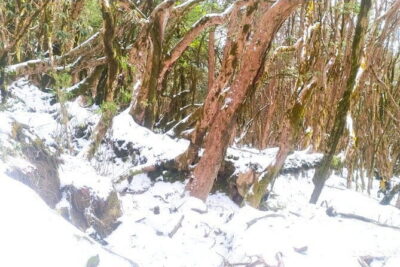
Browse the lists this tour appears in