
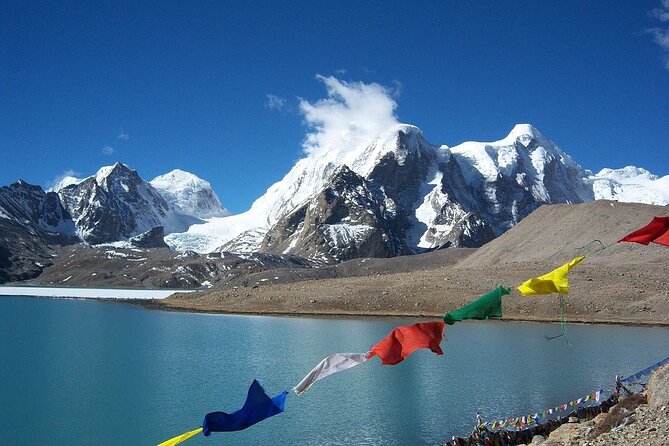
Reviewed · ANNAPURNA CIRCUIT TREK
Annapurna Tilicho Lake Trek
This trek is interesting because you stack three big name regions into one route: the Annapurna Circuit, Tilicho Lake (often called the world’s highest lake), and the Poon Hill sunrise payoff. I really like how the days are paced around real altitude reality, especially the acclimatization stop in Manang. I also like the route choice focus, including going through the drier Manang side and then later crossing Thorong La at 5,416m. The main drawback is simple, and it is not about views, it is about effort, you should expect steep climbs, loose scree sections, and serious altitude exposure.
From a value standpoint, you are paying $1,430 per person for a managed group experience with an English-speaking trek leader and porter support, plus permits and key gear like a down jacket and sleeping bag. You will still need to handle personal trekking gear and the fact that trek meals are not included, but the heavy logistics are mostly taken care of.
Key highlights and things to know
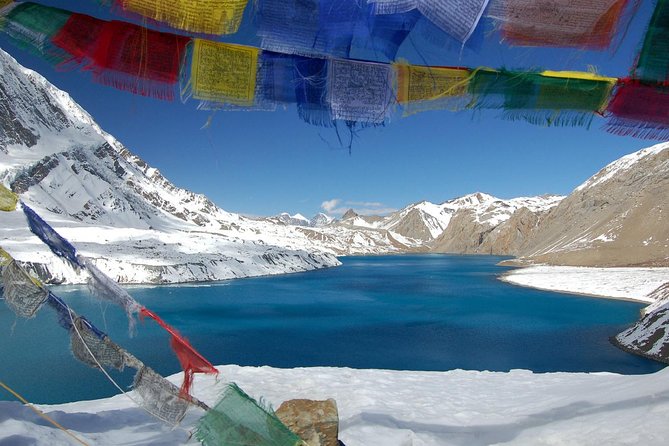
- Tilicho Lake and glacier travel: steep, loose scree on the way up, then glacial flats that are described as safe with no crevasses mentioned
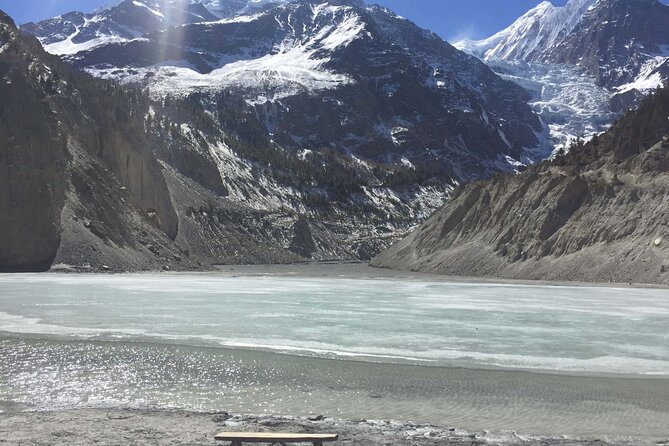
- A real acclimatization day in Manang: time built in for short walks and optional visits like Bodzo Gompa or Gangapurna Lake
- Thorong La, 5,416m: a long, strenuous day where the high pass is the core memory maker
- Poon Hill sunrise timing: early hike from Ghorepani, then breakfast back down at Ghorepani
- Smart day-by-day altitude strategy: sleeping lower at Thorong Phedi instead of High Camp is specifically suggested by the team leader approach
- Practical weather planning: at windy Jomsom areas, you are told to use a full face mask and wind stopper jacket
Kathmandu to Syange: getting into the Annapurna rhythm
Your trip starts in Kathmandu with the basic, but crucial, first-day flow. You land, you handle visa and formalities, then you meet the representative and get transferred to your hotel in a private vehicle. This matters because the next day is long, and you will feel better if day one is not chaotic.
On Day 2 you drive from Kathmandu through the Prithivi Highway corridor and into the Lamjung district area toward Syange, then you finish with a jeep to reach the village. The road portion is described as bumpy and windy, which is your early hint that this is a real trek, not a cushy shuttle-and-stroll holiday. If you get car sick, it is worth planning for that. You should also note the trekking plan expects you to be ready for a full day right after travel.
Syange itself is a calmer start point with waterfalls nearby. You are not yet in dramatic mountain country, but you are learning the rhythm you will use all trip: travel early, trek when the plan says trek, rest when lodges are waiting, and keep your body moving without burning matches.
More of the Annapurna Circuit:
- Annapurna Circuit Trek with Tilicho Lake
★ 5.0 · 368 reviews - Annapurna Circuit Trek
★ 5.0 · 94 reviews - Annapurna Circuit Trek
★ 5.0 · 67 reviews
Dharapani through Chame: gorge days, suspension bridges, and changing forests
Days 3 to 5 move you into the canyon mood. Day 3 begins early with a trail of rises and falls, then you cross a suspension bridge and climb through oak forest. You notice the scenery tighten into a deep gorge with cascading waterfalls, and that gorge-and-waterfall pattern becomes common in the following days. If you like trails that feel alive, not just uphill, this section delivers.
You reach Tal around about the foot of a grand waterfall area, then you pass mani stones. A small cultural tip is included: walk on the left-hand side of the mani walls. That is the kind of detail that makes you feel like a participant instead of just a tourist.
By Day 4 you are heading toward Chame, with a gentle climb that rewards you with views of Annapurna II looking up the valley. You also see a vegetation shift, from earlier forest tones into pine and fir. Day 4 also passes apple orchards around Thanchok, which is a good reminder that this region is not only rock and snow, it is also working landscapes and local agriculture.
Day 5 continues with blue pine and fir forest along the river. The description includes an old Brathang village connection to Tibetan resistance history, and you can still see apple orchards and a few tea houses where the old camp imagery would be. This is one of those stretches where you gain altitude while also gaining variety, and variety keeps fatigue manageable.
Pisang to Manang: drier air, high villages, and a built-in acclimatization day
Day 6 is your entry into the drier upper Manang district. The Annapurna Range blocks monsoon impact here, so the air and trail conditions can feel different than earlier sections. You also get a route choice lesson: there are alternate paths north and south of the Marshyangdi River. The southern route via Hongde is noted as involving less climbing, while the northern route via Ghyaru and Ngawal is suggested for better views. Your trip takes the northern route, and you get the type of ridge-and-river visuals you came for.
Then Day 7 is the big quality-of-life move: an acclimatization day in Manang. This is not time filler. It is there because altitude is not a theory, it is a daily decision. The plan recommends staying active with short walks to higher altitude, not lying around. It also warns you not to get overconfident.
This is also a cultural and practical stop because Manang has Himalayan Rescue Association housing in the village area, with western doctors volunteering during trekking seasons. Even if you never need that service, knowing it exists is comforting. The optional site suggestions include Bodzo Gompa or Gangapurna Lake, which are good targets for a controlled day where you explore without turning it into a punishing hike.
Upper Manang to Tilicho Base Camp: exposed sections and new ridge country
From Manang on Day 8, you go west through the western gates, then head down toward the river and back up again on the south side through coniferous forest toward Khangsar. There is an exposed scree slope section called out, so do not treat this day like an easy break.
Day 9 continues toward Tilicho Base Camp. You pass a gompa, then you hit a recently constructed path toward a high ridge. This part is described with an important fork in the trail: one path maintains altitude but goes over a steep, difficult scree stretch, and the other is a new path that follows a different way up. The trip stays on the new path, which is a quiet but meaningful safety and comfort choice.
You finish at Tilicho Base Camp, and from here the tone changes. Tilicho is the signature push, and base camp is where you shift from village life to more alpine travel. Even without exact temperature details, the plan’s focus on steepness and scree tells you to expect harder footing and more careful movement.
More to compare around Kathmandu
- Everest Base Camp Trek – 14 Days
★ 5.0 · 1,499 reviews - Everest Base Camp Trek
★ 5.0 · 842 reviews - Private Kathmandu Sightseeing Tour | UNESCO World Heritage sites
★ 5.0 · 756 reviews - Kathmandu: 7 UNESCO Sites with Lunch
★ 4.8 · 744 reviews
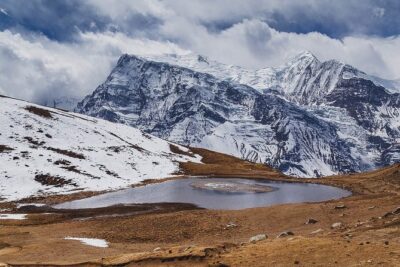
Tilicho Lake day: steep scree, a safe-feeling glacier flat, then a long effort
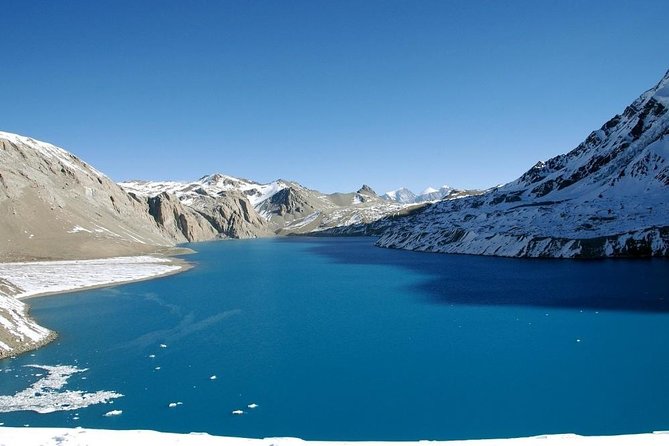
Day 10 is where the trek earns its reputation. From Tilicho Base Camp, the route follows the shore to a small plain, then aims for a saddle in the ridge above. The path is steep with loose scree and boulders, so you should use your feet and poles like tools, not like speed equipment.
The route described includes reaching a first pass, descending into a valley, then stepping onto a glacier flat that is described as safe with no crevasses mentioned. That detail matters. You are still on glacier terrain, but the narrative implies conditions are manageable. You follow the left (south) side upward, then go through a watershed and work toward additional saddles, with descents into small valleys before the plan’s end point.
The main consideration here is energy management. This is a long, high-effort day, and it is not the place to test your limits. If you tend to rush on climbs, you will pay for it later. Your best strategy is steady steps, short pauses, and keeping your breathing controlled.
Coming back down: Yak Kharka and the slow altitude win
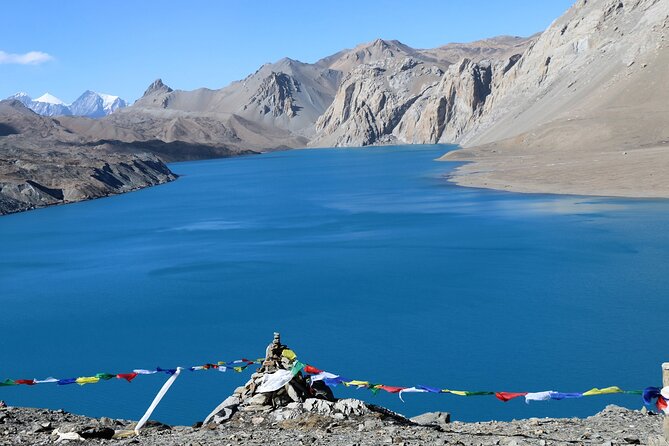
After Tilicho, Day 11 turns you back toward lower altitude, first trekking down toward Kangsar and continuing toward Yak Kharka. The plan emphasizes gradual ascent to help you avoid altitude problems. I like that they say it plainly, because “slow and steady” is not just a slogan here, it is physiology.
You also pass ancient mani walls in a pleasant meadow and cross a river on a wooden bridge. These moments matter because they break the monotony of steep terrain. When your body is tired, scenery variety helps you keep moving without feeling crushed.
By Day 12, you are on your way to Thorong Phedi. This is the base area for the pass push, and the plan notes it is a small busy settlement for tired trekkers and climbers. There is even mention of people trying to hike to High Camp, but the trek leader approach here advises not doing it. That is a good sign of risk awareness. Instead, you sleep at Thorong Phedi to reduce the chance of a risky higher-altitude sleep.
Thorong La, 5,416m: the longest day and the best kind of memory
Day 13 starts early from Thorong Phedi and climbs gradually toward Thorong La Pass. The plan describes false summits and increasing altitude as you progress, which is common on big passes and can feel psychologically annoying when you keep thinking you are near the top.
At the pass, you reach 5,416m and you get described as breathtaking scenery. But the bigger win is that the day itself is framed around effort and stamina. The plan also notes lethargy is possible because of the altitude, and suggests a slower walk.
If you want practical advice for this day, it is simple: treat the pass as an endurance event, not a summit sprint. Keep your pace lower than you think you need, drink and eat when you can, and expect your legs to feel heavy even if your mind stays sharp.
Muktinath, Marpha, and the wind reality at Jomsom
Day 14 links the high-pass world to the cultural pilgrimage world at Muktinath early in the morning. Then you descend gradually downhill to Ekley Bhatti. This is where trekking poles become a real lifesaver. The plan calls the walk down steep and advises careful pole use.
You then head toward Jomsom. The plan gives a very practical weather cue: it can be windy enough that you need a full face mask and a wind stopper jacket to avoid windblast. If you do not have proper wind protection, you will feel it quickly here. This is not a day to pack lightly.
Day 15 takes you through apple-themed stops around Marpha, including tasting apple brandy and choosing tea or coffee at local bhattis. The walking becomes flatter at points, with views toward Dhaulagiri Himalaya. You pass Tukuche village and may stop to see the Dhaulagiri icefall area for photos.
Day 16 continues down toward Tatopani, more than 1,000m lower in elevation. The plan highlights views of Annapurna I from Kalopani, then tells you you will head down toward the deep Kaligandaki gorge. There is also a natural hot spring at Tatopani, which is a classic post-descent reward. It is a great chance to reset sore legs, as long as you stay cautious about how long you soak in cold weather.
Ghorepani and Poon Hill sunrise: the payoff you plan for, not the plan you hope for
Day 17 climbs up to Ghorepani. The walk is framed as a challenge, from about 1,190m up toward 2,780m, passing villages associated with Magar and Gurung communities. This day matters because it sets you up for the sunrise on Day 18.
You are also told to go to bed early on Day 17, because you wake before sunrise. That is a subtle but important logistics point. If you miss sleep, you will feel it during the early climb to Poon Hill.
Day 18 starts with the early hike to the Poon Hill viewpoint. You wait for the sunrise moment, described as magical with the sun rising above the Annapurna range. Then you go back to Ghorepani for breakfast and continue toward Nayapul.
This is the section where the trek turns from “survive the trail” into “enjoy the view.” If you are the type who wants a strong visual reward at the end of hard days, you will appreciate how the plan protects this sunrise window.
Ending in Kathmandu: bus transfers, farewell dinner, and the soft landing
On Day 19 you ride a tourist bus back to Kathmandu and stay overnight near Thamel area, with time to visit the office and join a farewell dinner at a cultural restaurant in Thamel. Then you go to a hotel in Kathmandu.
Day 20 is the airport departure day. You get a transfer from your hotel to the airport about three hours before your international flight, and the trip ends with breakfast included.
This final stretch is worth paying attention to, because big treks often end with surprise fatigue. The trip structure keeps you from scrambling at the end, and that is one of the things you are effectively buying when you choose a guided route.
Price and value: what $1,430 really buys (and what it does not)
At $1,430 per person for about 20 days, you are paying for planning plus support. The included value items that stand out are:
- Experienced English-speaking trek leader and assistant leader
- Porter service (2 trekkers to 1 porter)
- Down jacket and sleeping bag for the trek period, to be returned afterward
- Permits paperwork (ACAP and TIMS listed)
- Medical kit carried by the trek leader
- Accommodation with breakfast in Kathmandu (two nights) and in Pokhara (one night)
- Welcome and farewell dinners
- Bus transfers (notably Pokhara to Kathmandu by tourist bus, plus the Kathmandu-to-Syange public vehicle and a private vehicle from Nayapul to Pokhara)
What is not included is equally important. Trek meals are not included, and hot showers during the trek are not included. You are also responsible for personal trekking equipment, personal tips for staff and driver, WiFi internet during the trek, and travel insurance.
So the real question is this: do you want someone to handle permits, gear logistics, leaders, and porter staffing? If yes, then the price feels more fair. If you prefer total independence and you are already set up with a full gear list and meals planned, you might find cheaper self-arranged options elsewhere. But for most people, buying the management is what turns a huge route into a doable route.
Who this trek suits, and who should reconsider
This trek says it is best for people with moderate physical fitness. That lines up with the itinerary mix of long walking days, high altitude, and at least one major strenuous pass day.
You should consider this trip if you:
- Want a route that mixes villages, forests, gorge walks, and high alpine sections
- Prefer a group structure with porter support on a long trek
- Like sunrise rewards enough to get up early, willingly
You might want to reconsider if you:
- Are very sensitive to steep scree and long pass days
- Hate wind exposure and do not have windproof layering
- Cannot comfortably handle altitude pacing, especially with a major pass at 5,416m
FAQ
FAQ
What is the duration of the Annapurna Tilicho Lake Trek?
It is listed as about 20 days.
Where does the trek start?
You start in Kathmandu, Nepal, with a meeting start time of 7:00 am mentioned in the details.
How big is the group?
The maximum group size is listed as 12 travelers.
What is the total price per person?
The price is $1,430.00 per person.
Does the price include trek leader and porter support?
Yes. The package includes an experienced English-speaking trek leader and assistant trek leader, and porter service is included (noted as 2 trekkers: 1 porter).
Are permits included?
Yes. The trip includes necessary paperwork and trekking permits (ACAP and TIMS).
Are welcome and farewell meals included?
Yes. Welcome and farewell dinners are included, and breakfast is listed as included on the final day.
Are meals during the trek included?
No. Breakfast, lunch, and dinner during the trek are listed as not included.
Are hot showers included during the trek?
No. Hot showers during the trek are listed as not included.
Is travel insurance included?
No. Travel insurance is listed as not included.
Should you book it?
If you want a seriously scenic Annapurna route with support that handles permits, leaders, and porter logistics, this is an easy yes for most people who are physically ready. The acclimatization day in Manang and the choice to sleep at Thorong Phedi instead of pushing higher are thoughtful touches for how altitude can actually feel.
My “yes, book it” checklist for you is: you are okay with a long pass day at 5,416m, you can handle steep scree and early sunrise hiking, and you are fine budgeting for meals you will buy along the way. If that matches you, this trek is the kind of Nepal trip that sticks, because it gives you both big milestones and enough variety to keep each day feeling earned.
Latest Kathmandu write-ups
- Langtang Valley Trek★ 5.0 · 3 reviews
- Khopra Danda Trek★ 5.0 · 3 reviews
- Langtang Valley Trek from Kathmandu★ 5.0 · 3 reviews
- 5 night / 6 days Kathmandu Nagarkot Chitwan Pokhara tour★ 5.0 · 3 reviews
- Nepal Highlights Tour: 5 Nights 6 Days Kathmandu & Pokhara Tour★ 5.0 · 3 reviews
- Kathmandu Valley Private Day Tour★ 5.0 · 3 reviews
- Conquer the Himalayas: The Ultimate 16-Day Annapurna Circuit Trek★ 3.5 · 3 reviews
- Kathmandu Heritage Day Tour★ 5.0 · 3 reviews
Annapurna Circuit Trek, compared.
15-Day Private Annapurna Circuit Trek from Kathmandu
Read our review →
8 Days Private Guided Trekking in Annapurna Circuit with Pickup
Read our review →Browse the lists this tour appears in