Reviewed · HIKING & TREKKING
Annapurna View Trek
This Annapurna View Trek is interesting because it gives you a serious taste of the Himalaya in just about a week’s worth of effort, with the big moment coming at Poon Hill and a village route through the Annapurna region. I like that it stays relatively manageable, with the highest point listed around 3201m, so you are not stuck in a marathon of elevation. I also like how much of the hard stuff is handled for you, including the permits and the key transport legs between Kathmandu, Pokhara, and the trailhead.
You’ll also feel the difference in the way the trip is run. In real trips, guides like Pasang and Dorje are praised for making logistics smooth and keeping you comfortable, especially when it is your first multi-day trek. The downside to know upfront is that it is still hiking every day, so you should show up rested, not expecting a slow stroll with zero fatigue.
Key highlights you should care about
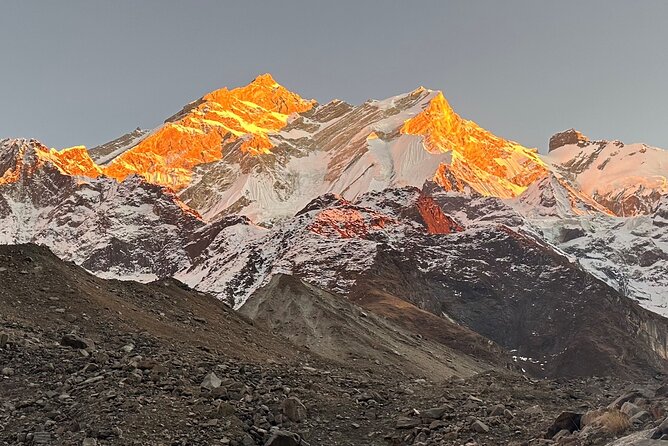
- Poon Hill at about 3,210m for morning views and photo time
- A classic Annapurna short route linking Ghorepani, Tadapani, and Ghandruk
- Permits and park fees included, including Annapurna Conservation Area and TIMS
- Private vehicle pickups and drops for the city and trailhead connections
- Guest house nights built into the schedule for an easy, low-planning stay
- Certified Nepal Government guide plus a first aid medical kit with the group
Why the Annapurna View Trek works when you have limited time
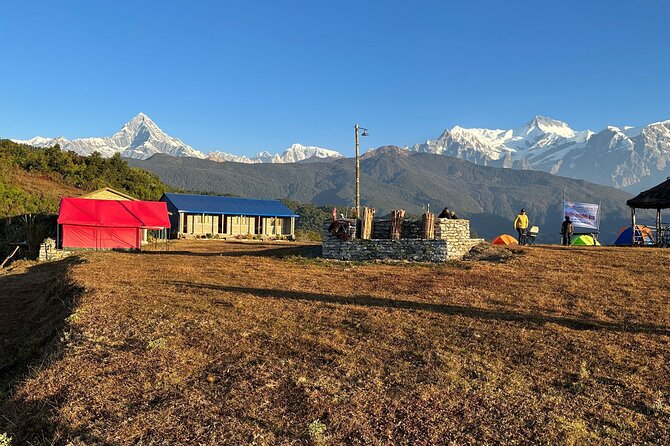
If you want the Annapurna region without spending two full weeks out on the trail, this trek makes sense. The core idea is simple: you get on the path, you climb to a top viewpoint early in the morning, and you finish in a traditional village area, all in roughly five days.
The other big win is that Mt. Annapurna is one of the most famous mountains on Earth, but this trek is not about a summit. Instead, it is about the feeling of altitude and accomplishment, plus those wide mountain views you can get without technical climbing. If your dream is Annapurna, Dhaulagiri, or Manaslu but you do not have the time or experience for a longer route, this gives you a very real taste.
More to compare around Kathmandu
- Everest Base Camp Trek – 14 Days
★ 5.0 · 1,499 reviews - Everest Base Camp Trek
★ 5.0 · 842 reviews - Private Kathmandu Sightseeing Tour | UNESCO World Heritage sites
★ 5.0 · 756 reviews
The route, day by day: from Kathmandu to Ghandruk
This itinerary is built around a steady rhythm: travel to the trail, hike through a sequence of villages, reach a viewpoint early, then move to the next overnight stop.
Day 1: Kathmandu to Pokhara (drive or optional flight)
Day one is all about getting you into position. You travel from Kathmandu to Pokhara in about 7 hours by road or via flight if you choose that option.
Why this matters for you: Pokhara is where most people reset mentally for the trek. You’ll be able to get your gear together, eat a proper meal, and get ready for the trail days. If road travel feels like too much, the option of flying can save time, but it can also change how tired you feel when you start planning for the next morning.
Day 2: Pokhara to Ulleri, then Ulleri to Ghorepani
On day two, you drive from Pokhara to Ulleri for around 4 hours, then start walking to Ghorepani. The hike runs about 5 to 6 hours, and Ghorepani sits around 2,640m.
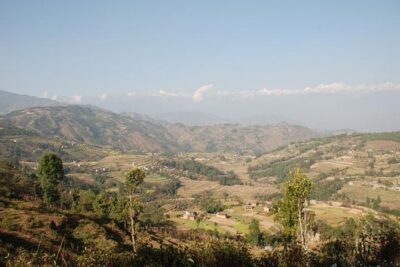
This day usually has the most “new trek” energy, because it is your first sustained hike after city travel. You’ll be moving through terraced fields and villages, and the Annapurna region is known for its cultural mix, including Gurung communities. Even if you are not thinking about it as “culture,” you will feel it in how the trail connects small settlements instead of cutting through untouched wilderness.
A different sort of day out of Kathmandu:
- Kathmandu: 7 UNESCO Sites with Lunch
★ 4.8 · 744 reviews - Everest Base Camp Helicopter Tour landing at Everest View Hotel
★ 5.0 · 668 reviews - Half day cooking class in Thamel kathmandu
★ 5.0 · 607 reviews - Everest Base Camp Trekking
★ 5.0 · 485 reviews
Day 3: Ghorepani to Tadapani
Day three is a guest house night in Tadapani, at about 2,830m. After breakfast, you head from Ghorepani to Tadapani in roughly 4 to 5 hours of walking.
This is where the trail shifts more toward forest and water. You’ll climb along a nearby ridge, then descend through rhododendron forest. The route includes spectacular waterfalls along the way, which is a big deal in a short trek because it gives you more variety than just “up and down.”
The practical takeaway: if you hate monotony, this is a good day to have. It is not just one long climb. You get ridges, forest shade, and those waterfall breaks.
Day 4: Tadapani to Ghandruk, then back toward Pokhara
Day four combines a village hike and a drive back. You trek from Tadapani to Ghandruk, then continue by road to Pokhara after your walk, with about a 3-hour walk portion listed.
Ghandruk is the kind of place where your photos finally look like the ones you pictured when you said Annapurna. You are walking into a village setting where you can slow down, watch daily life, and feel the human side of the mountains. For many people, this is the emotional high point of the trek, because you are not just passing through, you are arriving somewhere.
Day 5: Pokhara back to Kathmandu (drive or optional flight)
To wrap up, day five takes you from Pokhara to Kathmandu. It can be done by drive or optional flight, depending on what you choose.
This is the day where you’ll probably feel that strange mix of relief and sadness. Relief because your trek is done. Sadness because once the mountains are gone, you notice how quiet everything feels.
Poon Hill sunrise: the moment you plan your whole week around
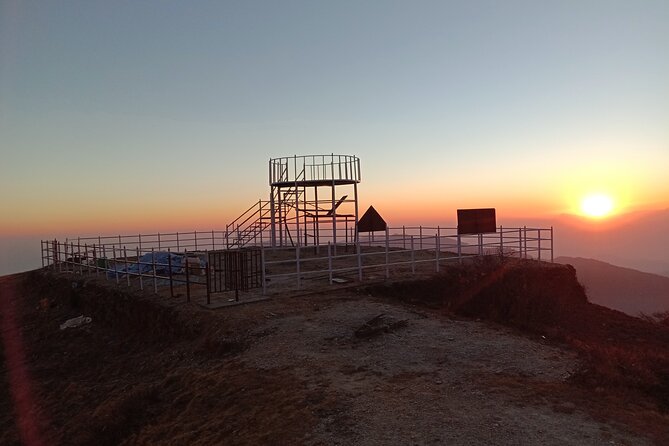
The trek’s star is the early morning push to the viewpoint at Poon Hill, listed around 3,210m. This is described as the most popular trekking destination in the Annapurna region, and you can see why: it is designed for mountain views and it delivers.
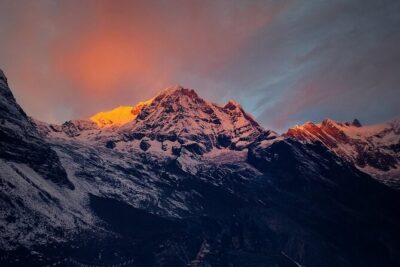
Here’s what makes it special for you: you start very early, climb a steep trail to the viewpoint, and then spend time up there with coffee or tea and photographs. The peaks glow in morning light, and the view can include more than 20 of the highest mountains, with close-up ranges like Annapurna and Dhaulagiri.
You are also getting a wider perspective. The view includes Mustang and the Pokhara region, so you are not only seeing mountains stacked in the distance. You are seeing how the Himalaya relates to the valleys and how people live around it.
One more useful thing: if you are prone to waking up slowly, practice that the night before. Set your expectations that the best view requires an early start.
What the trail feels like: rhododendrons, birds, and village steps
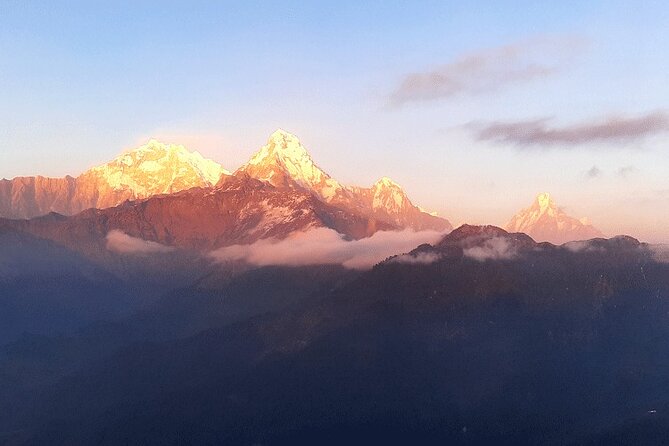
In a short trek, the biggest danger is getting bored. This route helps you avoid that by offering different “modes” of walking.
On the higher and middle sections, you can expect rhododendron forest, especially during trekking season when the trail is described as lush and full of birds. Rhododendron matters because it changes the walking feel, adding shade and smell and softer terrain compared with bare slopes.
Then there are the village connections. The trek is known for quaint Gurung villages and a “living Tibetan civilization” feel in the Mustang valleys behind the mountains. You do not need to become a historian here. You just need to notice the way the trail threads through communities, religious sites, and household routines.
Also, the route mentions a wide variety of flora and fauna. You might see plenty of butterflies in season, and you might spot birds in the trees. On a trek this short, those small moments become the memories you keep telling people about later.
Guides, support, and why the details matter
This is a private tour, meaning only your group participates. That is a big quality factor for most people because you are not stuck waiting on strangers or switching pace constantly.
Your guide is described as a professional, certified holder from Nepal Government, and the trip includes a first aid medical kit. That matters more than you might think. Even on an “easy trek,” a small accident, a bad fall, or altitude headaches are easier to handle when there is trained support nearby.
In the reviews you can feel how much guests value the human side of the trip. Pasang is specifically thanked for being humble and helpful, and Dorje is also named for making the experience smooth. People like having guides who explain what is coming next and who handle the small logistics that can otherwise drain your energy.
Practical tip for you: ask your guide what pace you should use. If you go too fast, you pay with fatigue later. If you go too slow, you lose time and the schedule tightens. Good guides help you find the middle.
Price and logistics: what $750 buys, and what you still need to plan
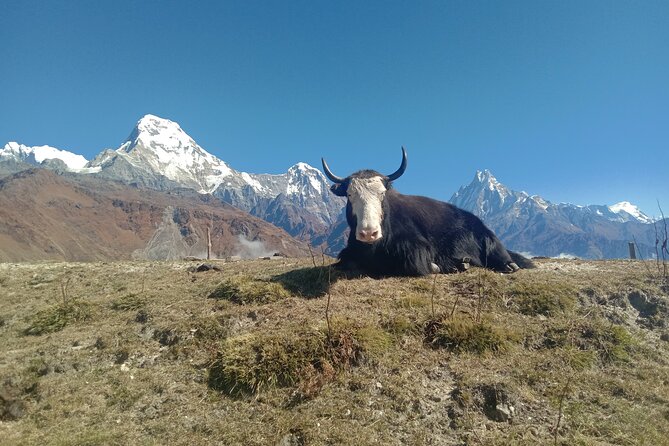
At $750 per person for a roughly five-day trek, you are not just paying for walking. You are paying for a package that includes:
- Accommodation as per the itinerary
- Meals as per itinerary (breakfast, lunch, dinner)
- National park fees
- Trekking permits, including Annapurna Conservation Area and TIMS
- A professional guide plus a first aid medical kit
- Airport pickups and drops in a private vehicle
- Key transport legs, including Kathmandu to Pokhara round trip and Pokhara to Ulleri and Ghandruk back to Pokhara
That bundled approach is often the real value. Permits, fees, and transport can turn into a scavenger hunt if you try to organize it all yourself. When those pieces are already handled, your trip feels calmer and you can focus on the trail.
Now the important “budget reality” part. Things not included include:
- Alcoholic drinks
- Tips for guide and staff
- Nepal visa fee
- Travel and rescue insurance
- Personal expenses like phone use, laundry, battery recharge, extra porters, and bottle or boiled water
So if you are comparing value, calculate your total expected out-of-pocket costs, not just the $750. Insurance and tips are the two most common surprises.
Hiking suitability: who this trek fits well
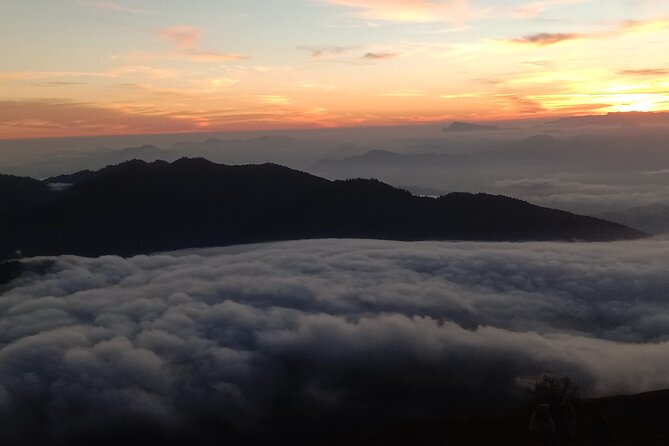
The overview describes this as suitable for anyone, and it points out that the highest point is around 3201m. That is part of the reason the route is considered one of the easier Annapurna options.
If you are new to multi-day trekking, the big question is not just “can I walk.” It is whether you can walk while carrying a day pack, sleeping at altitude, and doing a few hours of hiking across several days.
This trek is a good match if:
- You want a short Annapurna experience with big views
- You can handle 4 to 6 hours of walking for multiple days
- You prefer a guided, structured plan over independent wandering
- You value village culture and viewpoint time, not just endurance challenges
It may be less ideal if you are looking for long hikes, solitude, or a totally off-the-grid experience. This is a popular route, especially the Poon Hill morning.
What to pack and how to prepare without overthinking it
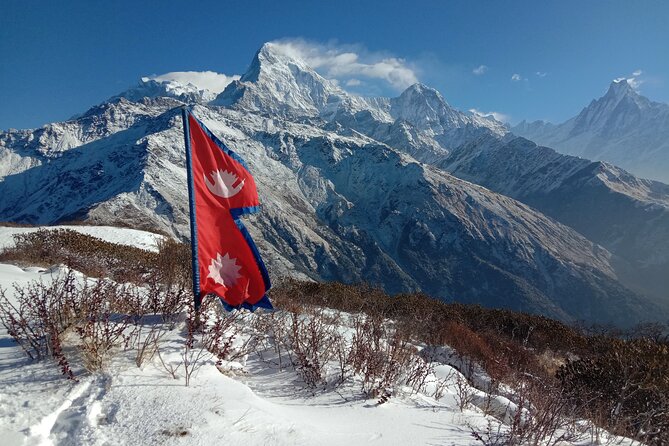
The trip info does not list a gear checklist, so I’ll focus on the practical things your body will care about. Expect early mornings for the viewpoint portion. Nights at altitude can feel cooler. Rain or mist can happen depending on season.
Plan for:
- Layers for early morning cold and warmer afternoons
- Comfortable hiking shoes with grip for uneven paths
- A small day pack for water and snacks
- Sun protection, since higher viewpoints can be intense
- A light rain layer, because mountain weather changes fast
Also, do not underestimate hydration. Even though water options can be part of personal expenses, you will still want a steady habit so your legs feel better.
Finally, you’ll have a guide and a team, so you do not need to be a wilderness pro. You do need to listen to how your body responds and adjust pace if you feel off.
If you like authentic mountains with real comfort, this is a good match
One thing I like about this trek’s design is that it balances “adventure” with real comfort. You are sleeping in guest houses, eating included meals, and getting guided help for the route.
That is a sweet spot for many first-time trekkers. You get the mountains and the walking, but you are not stuck solving every problem alone. The result is that you spend your energy on the trail and the views.
If your idea of a great trip includes a mix of quiet forest walking, a steep viewpoint morning, and then the satisfaction of arriving in a village, this trek delivers.
Should you book the Annapurna View Trek?
Book it if you want a short Annapurna Poon Hill trek that prioritizes Poon Hill sunrise views, village routes, and a guided plan that handles permits and major transport legs. The $750 price feels more reasonable when you add up what is included: accommodations, meals, park fees, and the TIMS and Annapurna Conservation Area permits.
Skip it if you want a long, quiet, endurance-style trek, or if you are the type who hates early starts. Also, budget for what is not included, especially insurance, visa costs, tips, and personal expenses like water and phone charging.
If you want the classic “Himalaya in a week” experience with less hassle and strong support, this trek is a solid choice.
FAQ
How long is the Annapurna View Trek?
The trek is listed as approximately 5 days.
What time does the experience start?
The listed start time is 7:15 am.
Is the trek suitable for most travelers?
The overview says most travelers can participate, and it notes the highest point is about 3201m, which is part of why it is described as suitable for anyone.
What permits and fees are included in the price?
The price includes necessary trekking permits, including Annapurna Conservation Area fees and TIMS (Trekkers’ Information Management System) fees. National park fees are also included.
Are meals and accommodation included?
Yes. Accommodation is included as per the itinerary, and meals are included as per the itinerary with breakfast, lunch, and dinner.
What costs are not included?
Not included are things like alcoholic drinks, guide and staff tips, Nepalese visa fee, travel and rescue insurance, excess luggage charges (if applicable), and personal expenses such as phone calls, laundry, extra porters, and bottled or boiled water.
What is the cancellation policy?
Free cancellation is available up to 24 hours in advance of the experience start time for a full refund. If you cancel less than 24 hours before the start time, the amount paid is not refunded.
Latest Kathmandu write-ups
- Langtang Valley Trek★ 5.0 · 3 reviews
- Khopra Danda Trek★ 5.0 · 3 reviews
- Langtang Valley Trek from Kathmandu★ 5.0 · 3 reviews
- 5 night / 6 days Kathmandu Nagarkot Chitwan Pokhara tour★ 5.0 · 3 reviews
- Nepal Highlights Tour: 5 Nights 6 Days Kathmandu & Pokhara Tour★ 5.0 · 3 reviews
- Kathmandu Valley Private Day Tour★ 5.0 · 3 reviews
- Kathmandu Heritage Day Tour★ 5.0 · 3 reviews
- Conquer the Himalayas: The Ultimate 16-Day Annapurna Circuit Trek★ 3.5 · 3 reviews
Hiking & Trekking, compared.