Reviewed · HIKING & TREKKING
annpurna base camp trekking
Annapurna Base Camp has that classic Nepal trekking pull because you are not just hiking for views, you are working your way through villages toward some of the region’s most famous peaks. This 12-day route mixes Poon Hill sunrise with reaching both Machhapuchhare base camp and Annapurna Base Camp, so the effort has clear milestones. And yes, it’s organized for you, with an airport pickup in Kathmandu and a hotel night before the trek starts.
What I like most is how much the itinerary gives you without turning it into a sprint. You get a steady rhythm of walking days, roughly 4 to 6 hours most days, then bigger payoff days when you’re already warmed up. I also love that the guides behind this company have a real reputation for keeping you calm, informed, and moving safely, including guides like Ram Shahi, Resham Gurung, Nanda Gurung, and Lok.
One thing to consider: this is still a trek. You should show up with a moderate fitness level, be ready for early starts around sunrise day, and understand that weather can force date changes since the experience requires good conditions.
Key things to know before you go
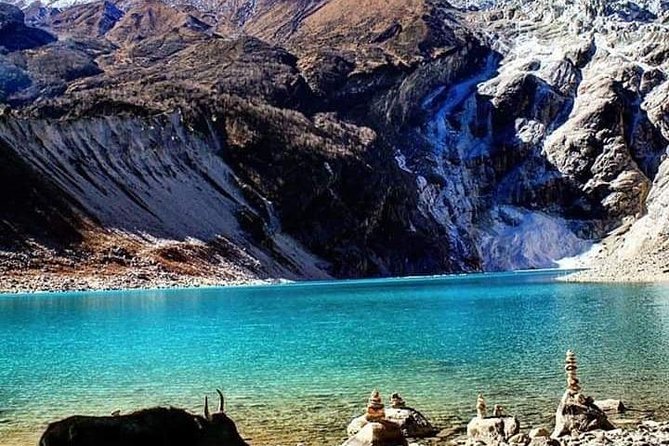
- Airport pickup plus hotel in Kathmandu to reduce day-one stress
- Poon Hill for sunrise built into the route, not left as an afterthought
- A route that reaches both Machhapuchhare base camp and Annapurna Base Camp
- Guides with strong communication and problem-solving skills, including calm handling of medical emergencies
- Daily walking times that mostly land in the 4 to 6 hour range, with a couple heavier days
- Private trek for your group, so your pace can be managed
Why Annapurna Base Camp feels like a real Nepal trek plan
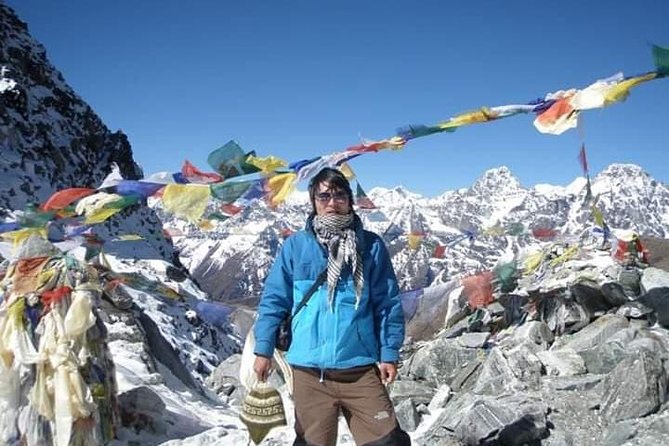
If you’re coming to Nepal, it’s usually for mountains, but the good treks do more than show you peaks. This one builds the journey in chunks: start in Kathmandu, adjust via Pokhara, then spend days moving village to village before you hit the base camp goals.
The route also gives you built-in moments that help you focus. Poon Hill for sunrise is one of those, and Machhapuchhare base camp is another. Instead of a vague plan of walking and hoping for the best, you always know what the day is aiming at.
The “private” part matters too. When your group is the only group, the guide can manage pacing, breaks, and logistics to match your reality, not some generic timetable.
More to compare around Kathmandu
- Everest Base Camp Trek – 14 Days
★ 5.0 · 1,499 reviews - Everest Base Camp Trek
★ 5.0 · 842 reviews - Private Kathmandu Sightseeing Tour | UNESCO World Heritage sites
★ 5.0 · 756 reviews
Price and what it translates to on the trail
At $1,100 per person for about 12 days, the question is not only what you pay, but what that payment removes from your workload.
You are paying for:
- Airport pickup and hotel start in Kathmandu
- Transportation legs, including the drive from Jhinu Danda area back to Pokhara
- A final drive to Kathmandu by tourist bus
- A structured multi-day trek route with planned day-to-day walking time targets
- A mobile ticket and confirmation at booking, which reduces uncertainty
For many people, the best value of this kind of trek is not the mountains alone. It’s the reduction of decision fatigue: where to sleep, how to connect segments, and who to ask when something is off. Several guides tied to this company are known for practical problem-solving, including fast responses during emergencies, which is exactly the sort of value you want when you’re far from big-city services.
Your 12-day itinerary, explained like a trail friend

Below is the route in the order you’ll experience it, plus what each part usually means for your body and your day.
Day 1: Kathmandu airport to hotel
You start at Tribhuvan Airport in Kathmandu, with a pickup and transfer to a hotel. This day is about getting your bearings and getting rest so you can actually enjoy the first walking day later.
Practical tip: treat this as a sleep day, not a sightseeing day. If you stay out late, the sunrise morning later will feel much harder.
A different sort of day out of Kathmandu:
- Kathmandu: 7 UNESCO Sites with Lunch
★ 4.8 · 744 reviews - Everest Base Camp Helicopter Tour landing at Everest View Hotel
★ 5.0 · 668 reviews - Half day cooking class in Thamel kathmandu
★ 5.0 · 607 reviews - Everest Base Camp Trekking
★ 5.0 · 485 reviews
Day 2: Pokhara to Nayapool, then Nayapool to Ulleri (about 4 hours)
You move to Pokhara, then go to Nayapool and start walking toward Ulleri. This is a good “wake up the legs” day: not too short, not too long.
Why it helps: it gets you into the trekking tempo gradually. You’ll get used to the rhythm of hiking, breaks, and the way your pack changes your stride.
Day 3: Ulleri to Ghorepani (about 5 hours)
Another solid day of hiking, ending in Ghorepani. Expect a bit more time on your feet than Day 2.
Consideration: 5 hours sounds reasonable, but on treks the hours add up because you are walking uphill and downhill, not flat city distances.
Day 4: Ghorepani to Poon Hill for sunrise, then to Tadapani (about 6 hours)
This is your classic big motivation day. You go to Poon Hill for sunrise, then continue on to Tadapani. Sunrise treks always mean an early start, but the plan keeps that early morning tightly connected to the next hiking stretch.
What to plan for: you’ll be trading convenience for payoff. If you like being rewarded for effort, this is the day.
Day 5: Tadapani to Chhomrong (about 4 hours)
A slightly shorter hike. You’ll arrive at Chhomrong and keep building your momentum.
This kind of day is helpful when you’re carrying fatigue forward from the sunrise day. It gives you time to settle and prepare mentally for the higher reaches to come.
Day 6: Chhomrong to Bamboo (about 4 hours)
Another 4-hour hiking day, ending in Bamboo. By now you’re more familiar with the routine: start, walk, pause, keep going.
Why I like this segment: it’s long enough to feel like progress, short enough that you still have energy to enjoy the trek instead of just surviving it.
Day 7: Bamboo to Deurali (about 5 hours)
You increase to about 5 hours. Deurali is a key stepping stone on the route toward the base camp zones.
Consideration: this is also a point where many trekkers feel the “real mountain” effect more, even if you are not chasing speed. Take it steady.
Day 8: Deurali to Machhapuchhare base camp (about 5 hours)
Today focuses on Machhapuchhare base camp. This is one of the route’s defining highlights because it’s a major destination before your final base camp push.
If you tend to get anxious on treks, this day can help. A specific goal reduces the mental noise. You’re not wandering, you’re heading somewhere real.
Day 9: Machhapuchhare base camp to Annapurna Base Camp and Bamboo (about 8 hours)
This is your longest day on the schedule, about 8 hours, and it combines the biggest target: Annapurna Base Camp, plus reaching Bamboo afterward.
This day is all about pacing. If you go out too fast early, the return segment can feel brutal. The payoff is obvious, but your comfort depends on how you manage effort.
Practical advice: keep a consistent pace. Save your big pushes for moments when you can clearly see that the next milestone is close.
Day 10: Bamboo to Jhinu Danda (about 6 hours)
You shift to Jhinu Danda, around 6 hours. This day is a transition away from the densest base camp area energy.
For many people, the value of a transition day is psychological. You get to keep walking without the same level of “big moment pressure” as the base camp day.
Day 11: Jhinu Danda to Nayapool (about 6 hours), then drive to Pokhara
You walk back to Nayapool, around 6 hours, then drive to Pokhara. This is one of those days where you’ll feel the “almost done” effect.
Practical tip: don’t cram anything extra into the evening. You’ll want a calm night because Day 12 is about moving back to Kathmandu.
Day 12: Drive to Kathmandu by tourist bus, end back at the meeting point
The trek ends with a drive to Kathmandu by tourist bus, returning to the same meeting point area where you started.
This final day is long-distance logistics more than adventure hiking, so it helps to travel with patience and stay hydrated.
What makes the Poon Hill day and base camp days worth it
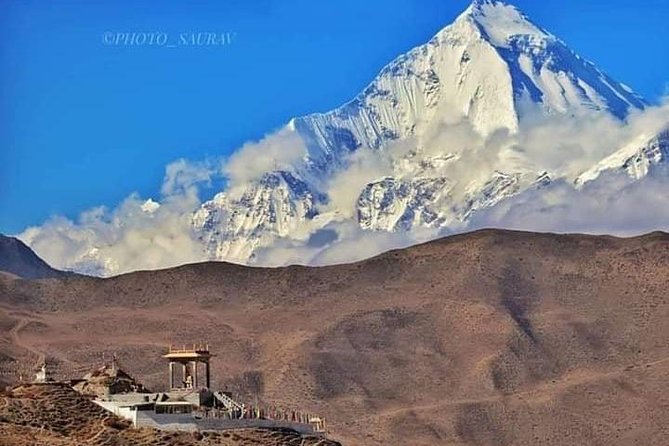
Poon Hill sunrise and the two base camp targets are the anchors of this trek. When treks go wrong, it’s usually not because the mountains are disappointing. It’s because the schedule feels vague or the effort feels pointless.
Here’s how this route solves that:
- Poon Hill gives you a concrete, early-morning objective. You’re not guessing when to wake up or where to go once you’re already tired.
- Machhapuchhare base camp gives you an intermediate high point. So Annapurna Base Camp is not a single jump. It’s the next chapter.
- Annapurna Base Camp is directly connected to continued movement that same day (you reach Bamboo afterward), which helps you keep the trek flowing rather than turning the day into a long pause.
It’s still a hard trek. But it’s hard in a structured way.
Guides are the difference between a good trek and a safe one
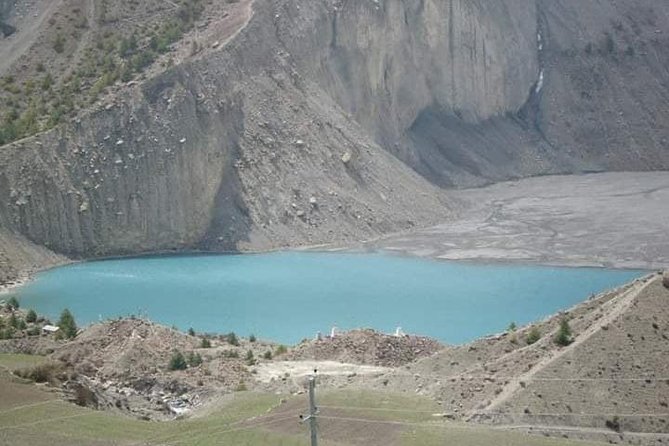
This company’s standout reputation in the feedback is about the guides. Multiple guides associated with this Nepal tourism offering, including Ram Shahi, Resham Gurung, Nanda Gurung, and Lok, have been praised for strong communication, humor, and keeping people confident.
What you want on a trek:
- Quick decision-making when plans shift due to conditions like rain
- Clear instructions so you don’t feel lost
- The ability to handle medical issues fast, including organizing emergency transport when needed
One of the most reassuring bits is that guides have been described as effective in emergencies, even when communication was difficult. I can’t promise that level of chaos will happen on your trek, but it shows you the kind of support system you’re booking.
Also, these guides tend to add meaning to the walk. Some are known for sharing culture and religion context along the Annapurna route, which helps the trek feel connected to real Nepal, not just a physical challenge.
Walking schedule reality check, so you can plan your body
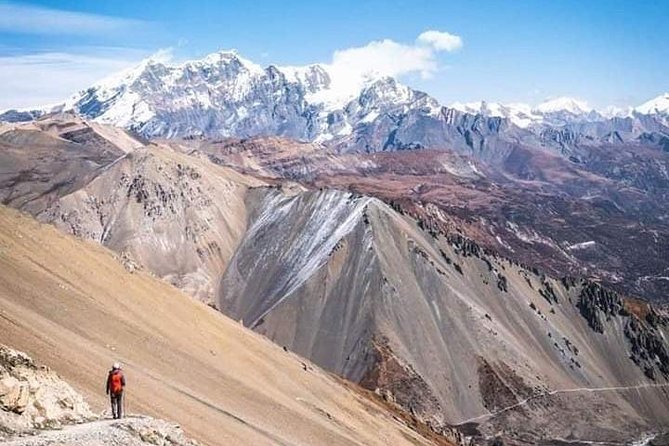
You’re looking at moderate fitness being required, with daily walking times listed across the route. You’ll see days around 4 hours, 5 hours, 6 hours, and then one heavier 8-hour day.
A smart way to use this information:
- If you’re currently okay with 60 to 90 minutes of uphill walking, you can build toward the rest by doing consistent shorter hikes before you go.
- If you’ve struggled on hills in the past, you’ll want more training than you think, because trekking trails are not forgiving.
- If you’re traveling with mixed fitness in your group, the private setup can work in your favor when the guide manages pacing and breaks.
And yes, sunrise day changes everything. Even if the total hours are similar to another day, the early wake-up can make it feel harder.
Transport flow: Kathmandu to Pokhara, and back without drama
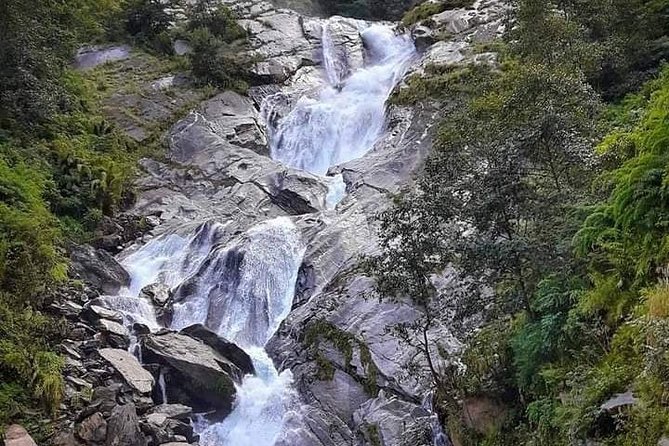
One reason this trek feels easier to buy is the transport choreography.
- Start: pickup at Kathmandu airport, then hotel.
- Midway: Pokhara is your hub to reach Nayapool and start walking.
- End: after Jhinu Danda, you return to Pokhara, then go back to Kathmandu by tourist bus.
That matters because transport is where trekking trips often get messy. When your plan is already stitched together, you spend less time negotiating rides and more time on the trail.
Weather matters more than you think
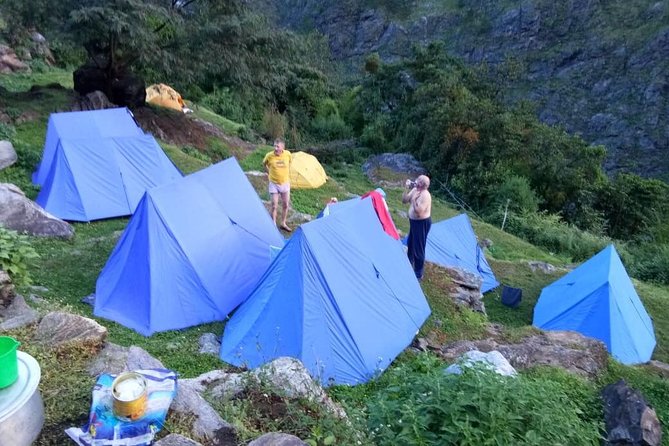
This experience is described as requiring good weather. That’s a big deal on a mountain trek, because if conditions are unsafe, your date may change or you may get a full refund if it’s canceled due to poor weather.
So my practical advice is to plan with flexibility in mind. If your entire calendar is locked tight, this trek might be stressful. If you can move dates, you’ll be able to roll with mountain reality.
Who should book this Annapurna Base Camp trek
This trek fits best if you:
- Want a classic Nepal mountain goal with clear milestones
- Can handle days of hiking around 4 to 6 hours, plus a longer day
- Like the idea of a guided plan with strong support
- Prefer a private group format
It might not be the best fit if you:
- Want a low-effort walk with minimal early mornings
- Have very limited ability for sustained hiking
- Are traveling with no flexibility at all if weather forces a change
If you are choosing between trekking lengths in Nepal, this one sits in the longer, more commitment-heavy range, so it’s ideal when you genuinely have 12 days to devote to the journey.
Should you book it?
If you want a structured Annapurna Base Camp experience with airport pickup, a clear multi-day walking plan, and guide support that has a strong record for safety and problem-solving, I think this is a solid choice.
I’d only hesitate if your fitness is below moderate or if you have zero flexibility for weather-related shifts. If both of those are under control, you’ll likely enjoy the way the trek builds, from early sunrise motivation to the big base camp moment, then back to Pokhara and Kathmandu.
In short: book it if you want the real trek feeling, not a vague adventure. And train a little before you go. The mountains will do the rest.
FAQ
Where does the trekking experience start?
It starts at Tribhuvan Airport, Kathmandu, Nepal. A pickup is offered for travelers arriving at the airport.
How does the trek end?
The experience ends back at the meeting point in Kathmandu. On the final day, you drive to Kathmandu by tourist bus.
How long is the Annapurna Base Camp trek?
The duration is about 12 days.
Is this a private tour or group tour?
This is a private tour or activity. Only your group will participate.
What walking time should I expect each day?
The schedule includes walking days of about 4 to 6 hours on most days, plus longer days such as about 8 hours and some days around 5 or 6 hours.
Does the route include Poon Hill?
Yes. On Day 4, you go to Poon Hill for sunrise before continuing to Tadapani.
Does the itinerary include Machhapuchhare base camp and Annapurna Base Camp?
Yes. You trek to Machhapuchhare base camp and then continue to reach Annapurna Base Camp as part of the route.
Is hotel included at the start?
Yes. You have a hotel stay in Kathmandu after the airport pickup.
What happens if the weather is poor?
The experience requires good weather. If it is canceled due to poor weather, you will be offered a different date or a full refund.
How flexible is cancellation?
There is free cancellation. You can cancel up to 24 hours in advance of the experience for a full refund.
Latest Kathmandu write-ups
- Langtang Valley Trek★ 5.0 · 3 reviews
- Langtang Valley Trek from Kathmandu★ 5.0 · 3 reviews
- Khopra Danda Trek★ 5.0 · 3 reviews
- 5 night / 6 days Kathmandu Nagarkot Chitwan Pokhara tour★ 5.0 · 3 reviews
- Nepal Highlights Tour: 5 Nights 6 Days Kathmandu & Pokhara Tour★ 5.0 · 3 reviews
- Kathmandu Valley Private Day Tour★ 5.0 · 3 reviews
- Kathmandu Heritage Day Tour★ 5.0 · 3 reviews
- Conquer the Himalayas: The Ultimate 16-Day Annapurna Circuit Trek★ 3.5 · 3 reviews
Hiking & Trekking, compared.