Reviewed · HIKING & TREKKING
Circle the Annapurna: A Life-Changing Trek Adventure
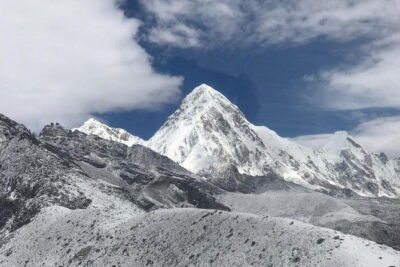
This trek is interesting because you get the full Annapurna range loop, with big altitude moments, cultural villages, and a route that keeps changing scenery every few days. I like that it’s built around real acclimatization stops, so you’re not just climbing all day every day. I also like the small-group setup, with a maximum of 10 travelers, which usually means more attentive guiding and easier logistics on the trail.
The main drawback to consider is simply the effort. You’ll need strong physical fitness, plus the schedule includes a high pass (Thorong La at 5,416m), long driving days, and altitude swings that can feel like a lot even if you hike regularly.
Key highlights and why they matter
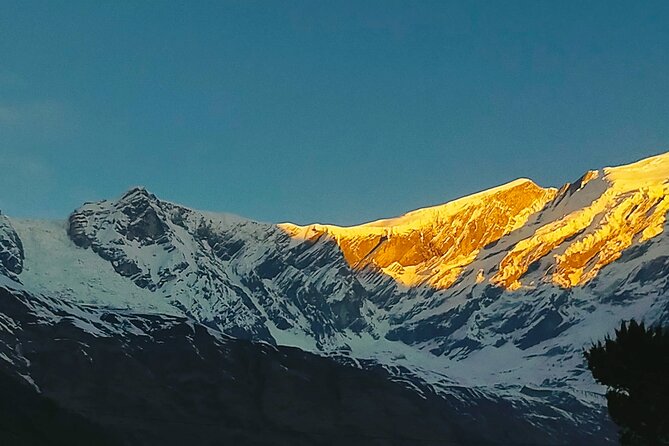
- Thorong La at 5,416m, with a planned climb starting from Thorong Phedi (4,525m)
- Manang rest and acclimatization day at 3,500m, built into the route for breathing room
- Tea house nights across the trek, with 3 meals included during trekking days
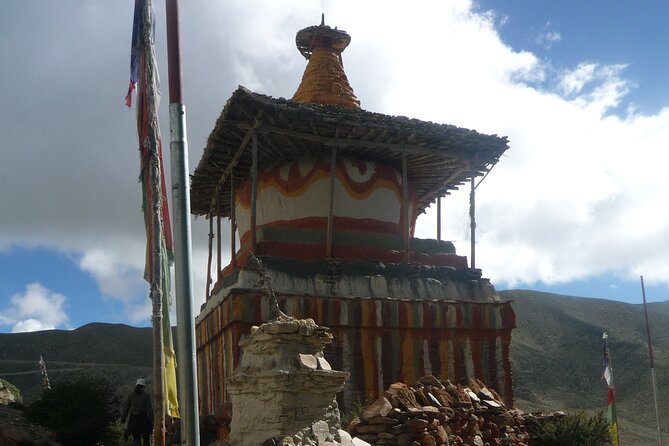
- Cultural stops across Gurung and Thakali regions, plus classic villages like Muktinath and Kagbeni
- Short Poon Hill hike, then a longer descent to Ghandruk to finish with variety
- Support from a named guide team, including Govinda and Dhruba, plus porters like Purna and Keshab
Annapurna Circuit in One Big Loop: What You’re Really Signing Up For
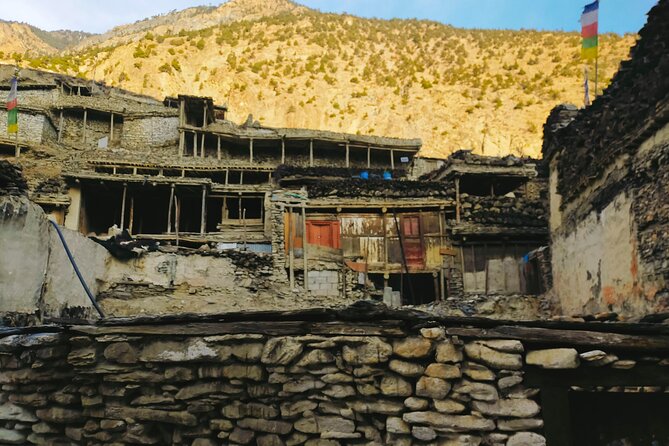
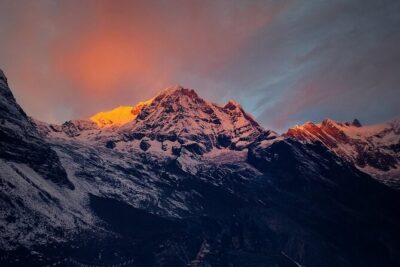
The Circle the Annapurna route is famous for a reason. You’re not doing a quick out-and-back hike where you stare at the same views for days. Instead, you move around the massif, so each day has a different rhythm, different valleys, and different village flavors.
I like that the plan mixes altitude challenges with recovery time. You build up gradually, then you deliberately pause in Manang. That matters because Annapurna rewards steady progress, not heroics.
I also like that the trek is positioned to show both mountains and people. You’ll pass through communities strongly associated with Gurung and Thakali hospitality, and you spend nights in places that are built for trekking travelers, not just mountain climbers.
More to compare around Kathmandu
- Everest Base Camp Trek – 14 Days
★ 5.0 · 1,499 reviews - Everest Base Camp Trek
★ 5.0 · 842 reviews - Private Kathmandu Sightseeing Tour | UNESCO World Heritage sites
★ 5.0 · 756 reviews
Kathmandu Prep and the 6:15 Meeting: Start Smooth, Not Scattered
Your trip begins in Kathmandu at Bagawan Bahal Marg 29, with pickup offered. The start time is listed as 6:15am, which is a good thing if you want your day to feel organized instead of rushed.
After arrival, you transfer to your hotel at 1,334m. Then you get Kathmandu Valley sightseeing and time for trek prep, plus B/D on that day. This hotel time is more than a formality, it’s where you confirm your gear, sort your layers, and settle your paperwork so the trek days stay calm.
Practical note: your Kathmandu meals are not fully covered. Breakfast is included with the Kathmandu hotel (B/B), but lunch and dinner in Kathmandu are not included. Build that into your budget so you’re not doing math every evening.
The Long Road to Ngadi (8 to 9 Hours): First Day Energy Management
One day includes a drive from Kathmandu toward Ngadi, taking about 8 to 9 hours over roughly 200km. You’ll also change elevation as you go, with Ngadi around 890m.
This is one of those days where your mindset matters more than your ambition. It’s sitting, not hiking, so your best move is to hydrate, move your body when you can, and treat it like the opening act rather than part of your “fitness test.”
Then, you start hiking with a trek to Jagat (around 1,300m). That first walking day is a setup: it helps your legs wake up, and it gets you into the rhythm of tea house life before the bigger climbs hit.
From Jagat to Dharapani to Chame: Gradual Climb With Village Rhythm
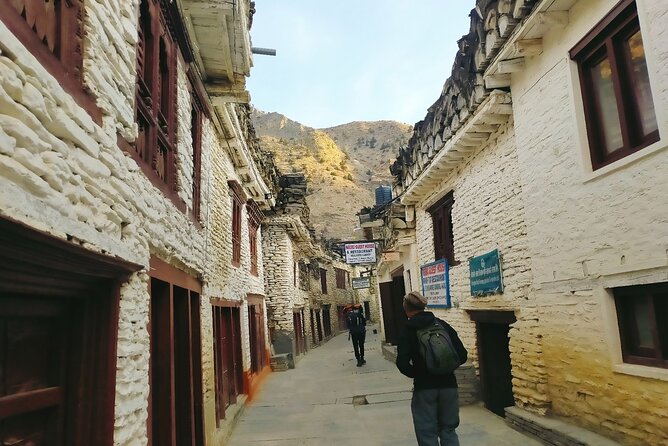
After Jagat, the route continues to Dharapani (around 1,860m). From there, you head to Chame (around 2,670m). These days are classic “find your pace” terrain, with several hours of walking and meaningful elevation gain.
Why this matters: early in the trek, you’re not just collecting points on a map. You’re training your breathing for higher altitudes, while also learning how long you personally can walk before you start dragging.
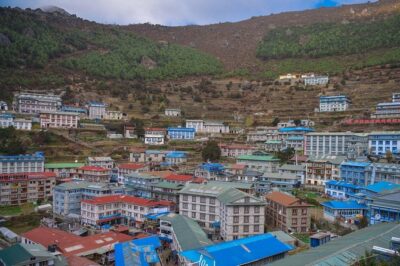
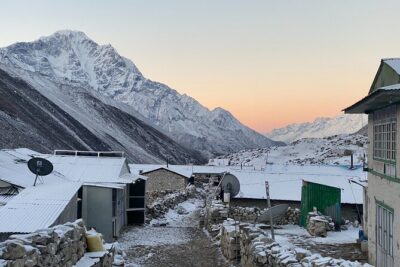
Chame is a key step because it pushes you higher and gets you into the Annapurna Circuit’s busier midsection. You’ll still feel like you’re in mountain villages, but the trekking flow becomes more obvious, including the support network of tea houses and guides.
A potential drawback here is that you’ll be packing energy into days that can feel long even if the daily distances are reasonable. If you’re the type who gets impatient on transfer days, slow down your expectations for day-to-day speed.
A different sort of day out of Kathmandu:
- Kathmandu: 7 UNESCO Sites with Lunch
★ 4.8 · 744 reviews - Everest Base Camp Helicopter Tour landing at Everest View Hotel
★ 5.0 · 668 reviews - Half day cooking class in Thamel kathmandu
★ 5.0 · 607 reviews - Everest Base Camp Trekking
★ 5.0 · 485 reviews
Lower Pisang and Manang: The Point of the Circuit Really Shows Up
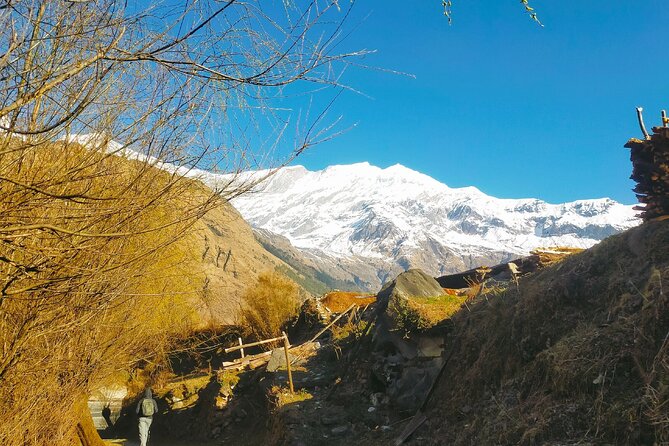
From Chame, you trek to Lower Pisang (around 3,200m), then onward to Manang (around 3,500m). This is where the Annapurna feeling becomes clearer. The air can feel thinner, the light changes, and the mountains start looking more dramatic than they do from the lower trails.
Then you get a rest day in Manang at about 3,500m. That rest day is one of the most valuable elements of the whole schedule. Instead of treating high altitude as a straight climb, the plan creates time for your body to catch up.
This is also where route reality meets comfort. You’re still staying in the same general trekking system with overnight accommodations and meals arranged through the tour, but you’ll want to be thoughtful about pacing. Use rest time to eat well, hydrate, and move gently.
Yak Kharka to Thorong Phedi: Building Up to the High Pass
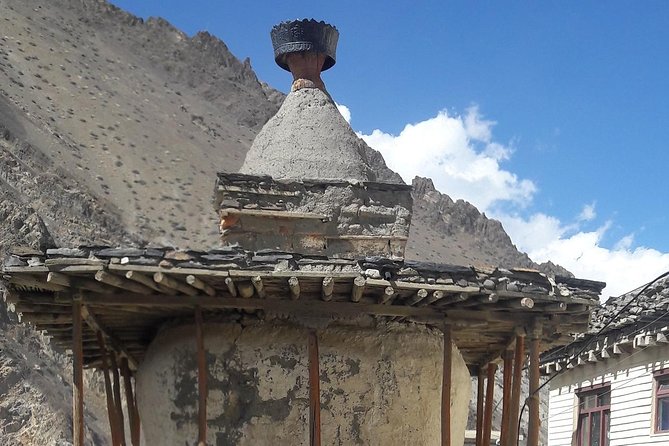
Next you’ll go to Yak Kharka (around 4,050m), then up to Thorong Phedi (around 4,525m). This sequence is physically demanding because it sets you up for the biggest day.
I like this structure because it doesn’t throw you directly at the pass from a low start. You gain altitude in stages and give your body a chance to adjust.
But you should plan for real cold and fatigue. The itinerary places Thorong Phedi at 4,525m and then schedules a long push to the pass and descent. Even if you hike regularly, altitude can turn a “normal” effort into a slower, heavier climb.
Thorong La Day and Down to Muktinath: The Big Moment, Then Recovery
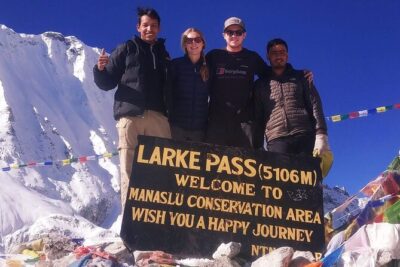
Your highest point is Thorong La at 5,416m. The plan includes passing Thorong La and then trekking to Muktinath at around 3,800m, with a day that’s roughly 7 to 8 hours and about 9km.
This is the day you mentally prepare for from the start. It’s not only the height. It’s also the combination of steep sections, cold air, and the emotional focus required to keep moving when you feel the altitude.
What makes Muktinath so useful right after the pass is the drop in altitude compared with the high point. That descent can feel like relief, and it gives your body time to start recalibrating.
Cultural note: Muktinath is part of the religious travel circuit in this region. Even if your main goal is the trekking, you’ll notice the setting is more than a checkpoint. It has spiritual energy and a busy village atmosphere.
Kagbeni, Marpha, Ghasa, and Tatopani: Lower Altitude, Different Vibes
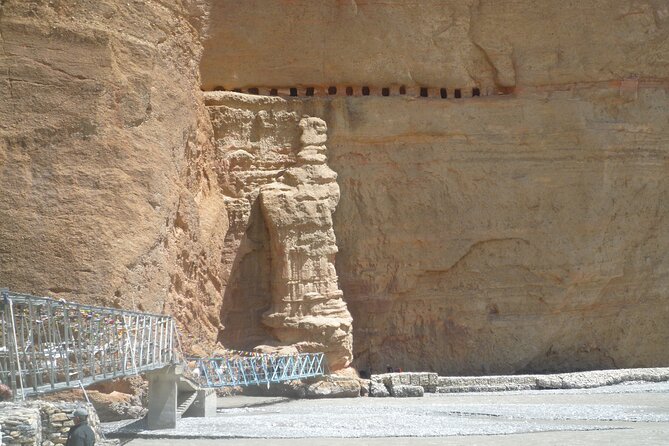
After Muktinath, you head to Kagbeni (around 2,810m), then to Marpha (around 2,670m). From Marpha you continue to Ghasa (around 2,010m), and then to Tatopani (around 1,190m).
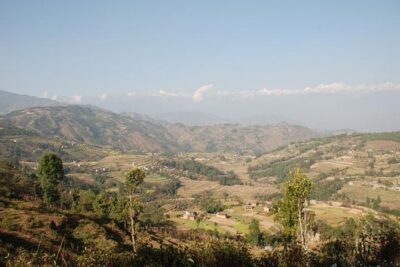
This section is where the trek shifts from “high-altitude mission” to “valley travel.” Elevation continues to drop, and the walking can feel more comfortable, depending on weather and your own recovery.
Tatopani is also memorable because the name basically tells you what to expect. The trek ends up in a lower, warmer area, which means you’ll likely feel better in your body after the pass day.
A practical upside: these lower days often make it easier to enjoy conversations, village stops, and just watching daily life. You’re no longer trying to survive the thin-air phase.
Ghorepani, Poon Hill, and Ghandruk: Finish With Variety Instead of Just More Downhill
The schedule includes a trek from Tatopani to Ghorepani (around 2,860m), then a short hike to Poon Hill at about 3,210m. After that, you trek onward to Ghandruk (around 2,600m), which is one of the longer walking days in the return phase.
Here’s why this ending works. Instead of repeating the same downhill routine, you include a brief viewpoint hike and then a substantial transfer into Ghandruk. That gives you one more structured “event day,” not just kilometers stacking up.
Later, you trek back to Nayapul (around 950m) and then drive to Pokhara (around 820m). Then you return to Kathmandu by road for about 6 to 7 hours or fly in about 30 minutes, and your trip ends back at the meeting point.
Meals and Tea House Comfort: Included Food Can Be a Big Deal at Altitude
Your trek includes 3 meals during the trek, plus all overnight accommodations while on the trek. It also includes Kathmandu hotel accommodation (B/B).
In the real world, that means you’re not trying to decide where to eat at every settlement. When you’re hiking at altitude, that matters more than people expect. Hungry equals slower. Tired equals colder. Good meals help you keep moving.
In the local tea house setup, food quality tends to vary by place, but the experience you’re booking has been described as consistently delicious and satisfying. You’ll likely find that the same pattern repeats every day: eat, rest, sleep, then repeat with a morning start.
One more comfort factor: having overnight accommodations handled means you spend less time negotiating and more time conserving energy.
Price and Value at $2,100: What’s Included, What’s Not, and How to Think About Budget
The price is listed as $2,100 per person for about 21 days. That’s not cheap, but you should read it as a package price, not just a daily hiking rate.
What you get that protects your budget planning:
- 3 meals during trekking days
- All overnight accommodations on the trek
- Kathmandu hotel accommodations with breakfast (B/B)
- Office staff salaries, plus travel and rescue fees for office staff, along with their meals and accommodation
What you still need to budget for:
- Lunch and dinner in Kathmandu
- International airfare
- Airport departure tax
- Personal equipment and any extra services
- Travel as well as rescue insurance and trip cancellation insurance
- Nepal visa fees
- Beverages
So is it good value? It can be, especially if you want a guided, structured route with support and lodging handled. The cost starts making sense when you compare it to trying to stitch together permits, guides, porters, and accommodations yourself, plus the mental load of coordinating everything.
If you’re already the type who travels light, plans carefully, and packs everything needed, you can keep your add-on costs under control. If you rely heavily on buying gear and services on the ground, your final total will climb.
Your Trek Team: Why Guides Like Govinda and Dhruba Matter
One theme shows up again and again in the named staff people talk about. Guides such as Govinda and Dhruba are praised for taking care of the group, keeping plans organized, and offering support when the trek gets demanding.
Porters are equally important here. Purna is described as a rock throughout the trek, and Keshab is mentioned as always there with help and good humor. That porter role matters because it changes your day-to-day load, especially as altitude and fatigue build.
There’s also a supervisory figure named Badri. He’s described as arranging details professionally and being present for support before the trip. Having someone who coordinates the full operation can reduce the little problems that wear you down over a multi-week trek.
Also note the group limit: up to 10 travelers. A small group is usually easier for a guide to manage, and it can help you get quick answers about pacing, meals, and what to expect next.
Who This Trek Fits Best (and Who Should Think Twice)
This trek is for people with strong physical fitness, because the plan includes a high pass day plus multiple long walking days. If you handle altitude well in real hikes, you’ll likely enjoy the challenge.
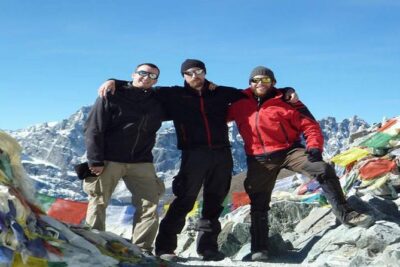
It also fits couples and friends who want a shared experience with support. The small group size helps the trip feel personal rather than like a conveyor belt.
If you’re someone who struggles with long drives, cold mornings, or long days of walking, you might find the schedule heavy. The trek is built for movement most days, with one key rest day in Manang, but it’s still a serious trekking plan.
Should You Book Circle the Annapurna With Alpine Luxury Treks?
I’d recommend booking if you want a guided Annapurna Circuit loop that stays structured, includes meals and lodging, and focuses on both mountains and culture. The biggest strengths are the built-in acclimatization around Manang and the high pass plan that still gives you a clear path to recover down toward Muktinath.
I’d think twice if you’re unsure about your altitude readiness or you hate long days with limited flexibility. This is a trek that expects effort, and you’ll feel it, especially around the Thorong La crossing.
FAQ
Where does the trek start and what time?
The meeting point is Bagawan Bahal Marg 29, Kathmandu 44600, Nepal. The start time is 6:15am.
Is pickup offered?
Yes. Pickup is listed as offered.
How long is the trek?
The duration is listed as 21 days approximately.
What is included in the price?
Included items are 3 meals during the trek, overnight accommodations while on the trek, Kathmandu accommodations (B/B), and staff salaries plus travel and rescue fees for office staff, along with staff meals and accommodation.
What is not included?
Not included are lunch and dinner in Kathmandu, international airfare, airport departure tax, personal equipment and extra services, travel and rescue insurance and trip cancellation, Nepal visa fees, and beverages.
How many people are in the group?
The maximum group size is 10 travelers.
What happens if I cancel or if weather is poor?
This experience is non-refundable and cannot be changed for any reason. It requires good weather, and if it is canceled due to poor weather you are offered a different date or a full refund.
Latest Kathmandu write-ups
- Langtang Valley Trek★ 5.0 · 3 reviews
- Khopra Danda Trek★ 5.0 · 3 reviews
- Langtang Valley Trek from Kathmandu★ 5.0 · 3 reviews
- 5 night / 6 days Kathmandu Nagarkot Chitwan Pokhara tour★ 5.0 · 3 reviews
- Nepal Highlights Tour: 5 Nights 6 Days Kathmandu & Pokhara Tour★ 5.0 · 3 reviews
- Kathmandu Valley Private Day Tour★ 5.0 · 3 reviews
- Conquer the Himalayas: The Ultimate 16-Day Annapurna Circuit Trek★ 3.5 · 3 reviews
- Kathmandu Heritage Day Tour★ 5.0 · 3 reviews
Hiking & Trekking, compared.