
Reviewed · EVEREST BASE CAMP TREK
Everest Base Camp Trek from Lukla
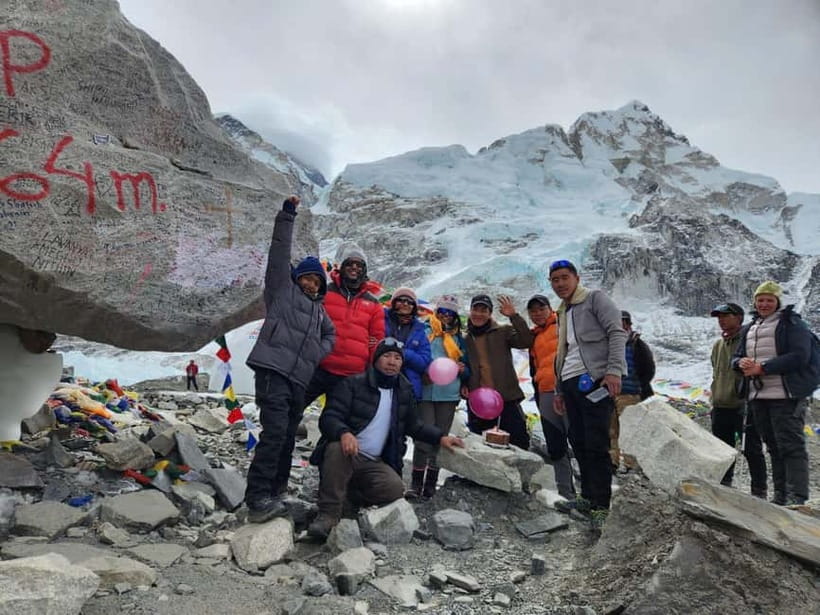
Everest Base Camp from Lukla is interesting because you get the full Khumbu feel, with Sherpa towns, big mountain days, and that last grind to 5,364 meters. I love the way the trek builds, starting gentle through the Khumbu Valley and then stacking big views. I also love the near-religious calm you get at Tengboche Monastery, followed by the full stop moment at Everest Base Camp.
One possible drawback to plan for: this is high-altitude walking, and the itinerary’s success depends on taking the included acclimatization seriously. Also, tea houses are simple, so comfort comes from smart layers, not room service.
Key things I think you should know first
- Small group (up to 10) with an English-speaking guide, so you are not just a name in a crowd
- Acclimatization days in Namche and Dingboche built into the route, not tacked on later
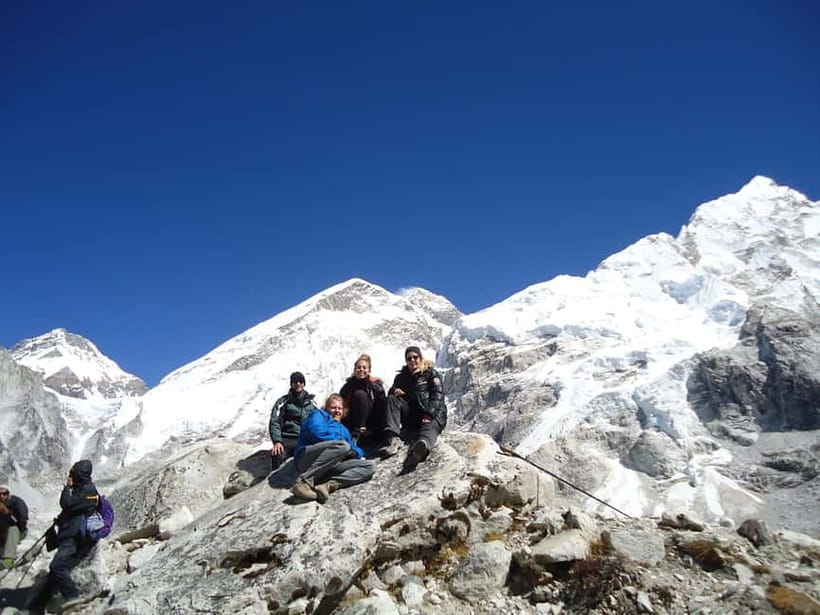
- Kala Patthar (5,545m) sunrise is the view day you feel in your bones
- Tea houses for overnight stays with basic comfort, and plenty of chances to warm up and eat
- Support with a porter so you are hiking, not hauling your whole life
- Permits and entrance fees included, which saves hassle on the ground
From Lukla to the Khumbu Valley, why this route feels so real
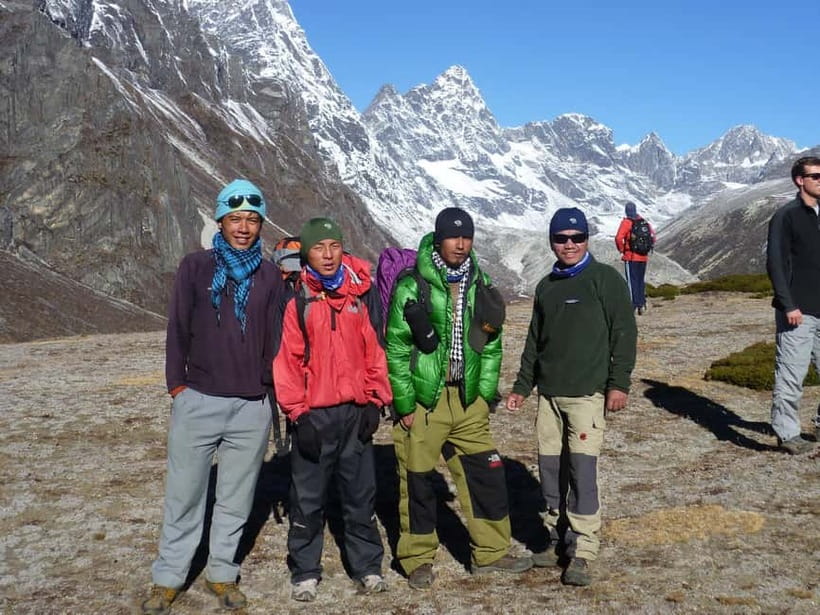
Starting from Lukla, you are entering the Khumbu the way most classic EBC trekkers do. You fly into a place where the mountains seem close enough to touch, then the trail pulls you into Sherpa country fast. Even early on, you will feel the rhythm of villages strung along the Dudh Koshi River, with suspension bridges and forested stretches that make the climb feel human.
What makes this experience practical and special is that it does not treat the mountains like a checklist. The trek mixes culture stops with altitude management. Namche Bazaar is your main hub for supplies and orientation. Tengboche is where the trail slows down for monastery life. Then later, you move from thick villages into a more barren, high-alpine feel, until Everest Base Camp becomes the whole point.
And yes, the goal is Everest. But you reach the goal by learning how to walk in altitude, not by rushing. The included acclimatization days help you do that, and they also help you enjoy the views without feeling like you are fighting your body.
More ways to walk to Everest Base Camp:
- Guaranteed Helicopter Landing Everest Base Camp Kalapathar
★ 5.0 · 3 reviews - From Kathmandu: Everest Base Camp Landing Helicopter Tour
★ 5.0 · 3 reviews - From Kathmandu Budget: 15 Day Everest Base Camp Trek
★ 5.0 · 3 reviews
The support system: guide, porter, and tea house reality
This trek runs with a professional English-speaking guide and porter service included. That matters more than people think. On an Everest trek, the mental load is real. Having someone who knows the route, the day’s pacing, and when to slow down helps your energy last for the hard days.
Your nights are in tea houses. Plan for simple rooms, shared facilities, and the kind of comfort that comes from heat, layers, and a full stomach. Reviews back up this expectation, calling the teahouses basic but functional, and praising the food that keeps you fueled. Also, because meals are typically bought at tea houses, the guide can make a difference by coordinating what is available and what tends to be reliable.
I like that the package includes permits and entrance fees and a first aid kit. Those are not the glamorous details, but they keep the trip smoother once you are far from offices and paperwork.
One more thing you should not ignore: you will want travel insurance covering high-altitude trekking. The trek is in the zone where risk management matters, and the package itself does not include insurance.
Day-by-day: how the trail actually unfolds
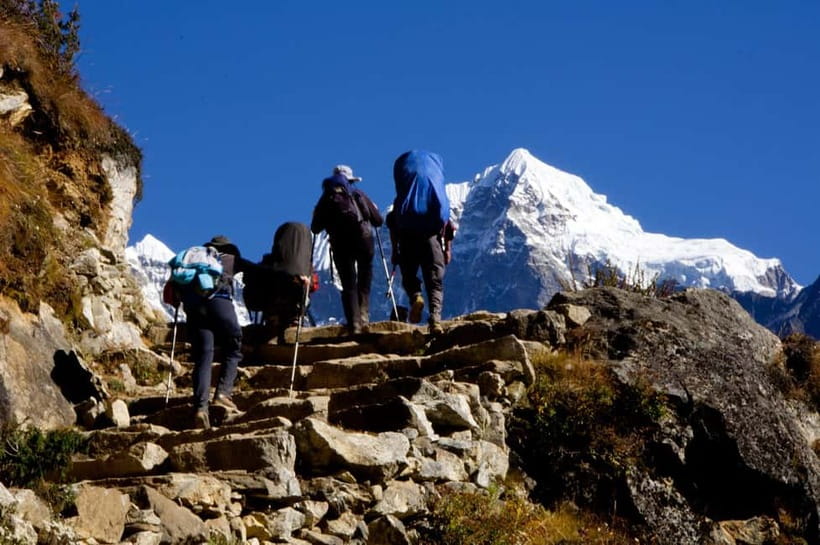
Below is how I would think about the trek, day by day, as a series of goals. Each segment changes the view, the altitude pressure, and the feel of the villages.
Day 1: Lukla to Phakding, warm up your legs along the Dudh Koshi
Your trek starts from Lukla (with the guide meeting you and getting you organized). The first leg to Phakding runs through lush forest and includes suspension bridges over the Dudh Koshi River. This is a good “getting your trail legs back” day, not a day to test yourself.
Phakding is a small village along the river, so you get that early Khumbu pattern: a few buildings, a trail that keeps moving, and the sense that tomorrow means more climbing. If you are prone to overdoing it on day one, resist that urge. Let your body settle into the rhythm.
More to compare around Everest Region
- Kathmandu: 1-Hour Mount Everest Flight with Private Transfer
★ 4.7 · 98 reviews - Everest Base Camp Trek: A short EBC Trek to Iconic Himalaya
★ 5.0 · 3 reviews
Day 2: Phakding to Namche Bazaar, Sherpa capital energy
Today you climb toward Namche Bazaar, the busy Sherpa hub where you acclimatize and browse markets. Namche is more than a stop, it is a switch in your trek’s mood. The town has more people, more services, and better views on clear days.
The views here can include Thamserku and Kongde Ri, which is a reminder that you are not just hiking toward Everest. You are moving through a whole world of peaks. The best strategy in Namche is to treat it like a rest day that also includes exploration. Walk, take photos, eat well, and then give your body time to adjust.
Day 3: Namche acclimatization, earn the altitude gain
An acclimatization day is included in Namche. I like this because it keeps you from making the classic mistake of “I feel fine, so I’ll push higher.” It is here that you learn the altitude lesson the trek teaches: you can feel okay and still be behind schedule.
This day is for exploring markets and taking in the surrounding views. Use it to get comfortable with tea house routines and with how your breathing changes while you walk around town.
Day 4: Namche to Tengboche, forests to monastery quiet
The route continues uphill through rhododendron and pine forests to Tengboche. When you arrive, the standout is the Tengboche Monastery, one of the region’s largest spiritual centers. Tengboche is where the trek slows down mentally, even if your legs are still working.
The scenery from here is a key highlight: Ama Dablam, Everest, and Lhotse can frame the monastery backdrop. It is one of those places where you look at the mountains and realize the trek is not only physical. It becomes emotional, fast.
The potential downside of a day like this is weather. If clouds roll in, the monastery still feels special, but the big-view magic can be muted. Still, it is a great stop even in mixed conditions because the setting is part of the experience.
Day 5: Tengboche to Dingboche, higher altitude, more open air
From Tengboche you head toward Dingboche, a quieter village at about 4,410 meters. Dingboche tends to feel more exposed and less forested than earlier days. That shift is normal, and it is how your body can start to feel the altitude even before you see the highest mountains.
Dingboche is also set up for short hikes to aid acclimatization. Even if you do not plan fancy hikes, you should expect to move a bit and spend time outside, because the air is thin and your body needs familiarization.
Day 6: Dingboche acclimatization, keep it steady
Another acclimatization day is included in Dingboche. Take it seriously, even if you feel strong. You are not trying to win fitness points. You are trying to arrive at the higher sections able to enjoy them.
This is a day for stunning mountain views and easier walking around the area. If you feel sluggish, this is your sign to slow down, drink water, and eat what you can.
Day 7: Dingboche to Lobuche, into the harsher alpine feel
The trek moves on to Lobuche, described as remote and surrounded by towering peaks. As altitude increases, the landscape becomes more barren. That does not mean it is ugly. It means your surroundings have changed, and the air is asking more from you.
This is also the day where you should start thinking about the next big push. Your body will likely feel different today and tomorrow. Keep your pace controlled, because you are building toward Gorakshep and Everest Base Camp.
Day 8: Gorakshep and Everest Base Camp, the moment you came for
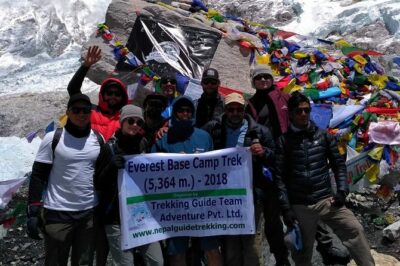
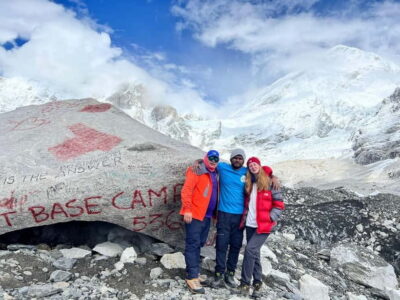
Today includes the jump from Lobuche up to Gorakshep, described as the final resting point before reaching Everest Base Camp. From there you go to Everest Base Camp at 5,364 meters.
This is a victory day. You get close-up views of the Khumbu Icefall and surrounding peaks, which gives Everest a more physical, not just postcard, feeling. If you had nerves earlier in the trek, this is where they often turn into relief, then excitement.
One practical note: the air can feel thinner at camp and at base camp. You will want slow movements, steady breathing, and frequent small sips of water.
Day 9: Kala Patthar sunrise, then back to Pheriche
For the best vantage point, you hike up to Kala Patthar, reaching about 5,545 meters. A morning hike is typically when the views are at their strongest. Many people remember the sunrise here as the highlight, with golden light spreading across the peaks.
After that, you trek back to Pheriche for the night. This return leg is important because your body will feel it. You are doing a high-effort climb early, then you still have to cover ground down the other side.
If you are cold-prone, this is where you will be glad you brought warm layers, a hat, and gloves. Weather can change rapidly in the Himalayas, and this day is often the one you do not want to “wing it.”
Day 10: Pheriche to Namche, retracing with a different brain
Today you head back to Namche, retracing part of the route through villages. I like this day because it gives you perspective. When you look at the same suspension bridges and tea houses again, they feel earned instead of routine.
You can also enjoy the landscapes again, in the simple way: walking, breathing, eating, resting. This is where mental momentum matters. You have done the hard work already, so do not sabotage yourself by rushing.
Day 11: Namche to Lukla, the finish line day
The trek continues back to Lukla. By now, you know the trail’s tempo and you know how your body reacts to altitude. That makes a huge difference for staying relaxed.
This is also your last chance to appreciate what the villages taught you. You have passed through Sherpa life, not just high peaks. The finish feels good because you did it on foot, through the same world you came to see.
Price and value: what $466 gets you, and what costs extra
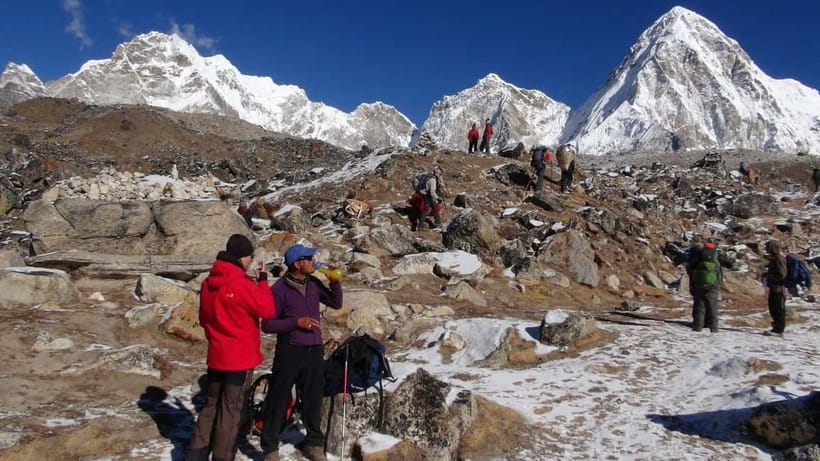
The price listed is $466 per person for a 12-day trek. For that, you get a professional English-speaking guide, porter service, tea house accommodation, and permits and entrance fees, plus a first aid kit.
The biggest separate cost category is flights. Flights are not included, and you will need to handle them yourself. The good news is that the company can help you coordinate. In reviews, people mentioned the team helping them secure Lukla flight tickets and working with transportation from Ramechhap at times. The meeting point is Tenzing-Hillary Airport, where your guide will pick you up once you share flight details.
Meals are not explicitly listed as included in the package details you provided, and personal expenses like drinks, laundry, and internet are also not included. In practice, you will eat at tea houses, and the guide can help you make choices. One review also mentioned a discount on meal prices when arranging meals through the company, so it can pay to ask.
So is $466 good value? For an Everest Base Camp from Lukla trek, it is reasonable because guide time, porters, and permits are the expensive bits that travelers often underestimate. If you are willing to handle flights, insurance, and your own snacks and drinks, you are likely to feel like the trekking portion is well supported.
Packing like a grown-up: what you should bring and what to avoid
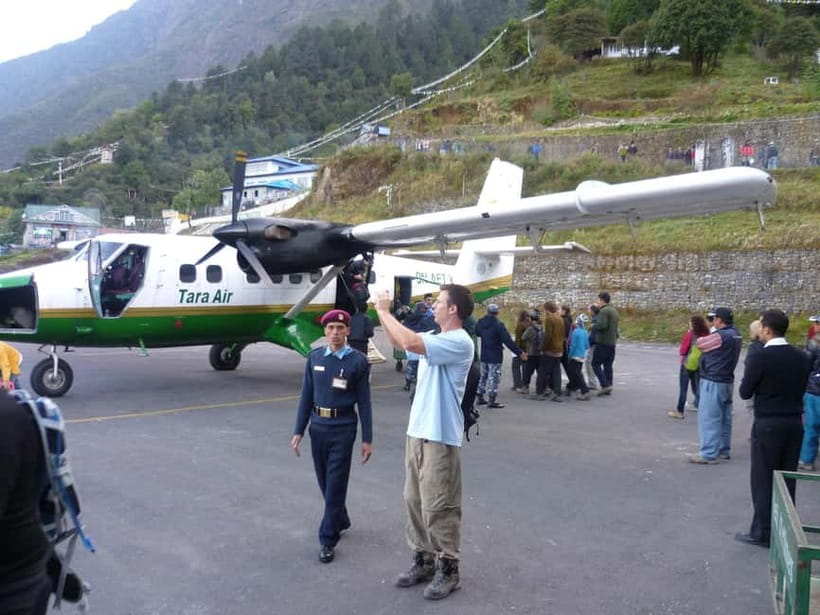
You will want comfort and warmth more than fancy gear. The essentials listed are:
- Comfortable shoes
- Warm clothing
- Hat
- Camera
- Snacks
- Sunscreen
- Water
You should also plan for fast weather changes. In the Himalayas, you can get cold winds, sun glare, and sudden cloud cover in the same general time window.
And follow the rules: alcohol and drugs are not allowed, and littering is not allowed. Simple, but it matters on a trail that is shared by trekkers and the local communities supporting the route.
Who this trek suits best, and who should skip it
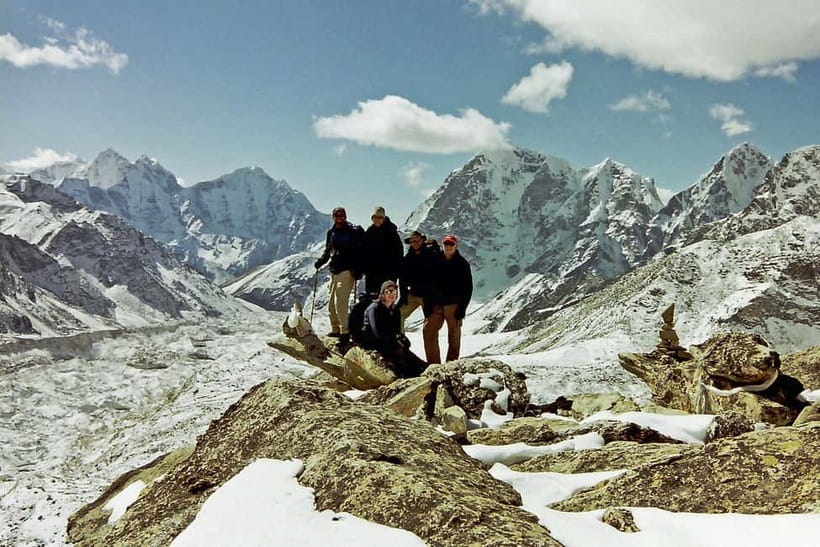
This trek is best for people who are comfortable walking most days and who will take acclimatization seriously. The plan notes walking about 5 to 7 hours daily, even if specific scheduled hiking blocks can look longer.
It is listed as not suitable for:
- Pregnant women
- People with mobility impairments
- People with heart problems
- People prone to seasickness
If any of those apply to you, you should look at a different route or different style of trekking that fits your health needs.
Should you book this Everest Base Camp trek from Lukla?
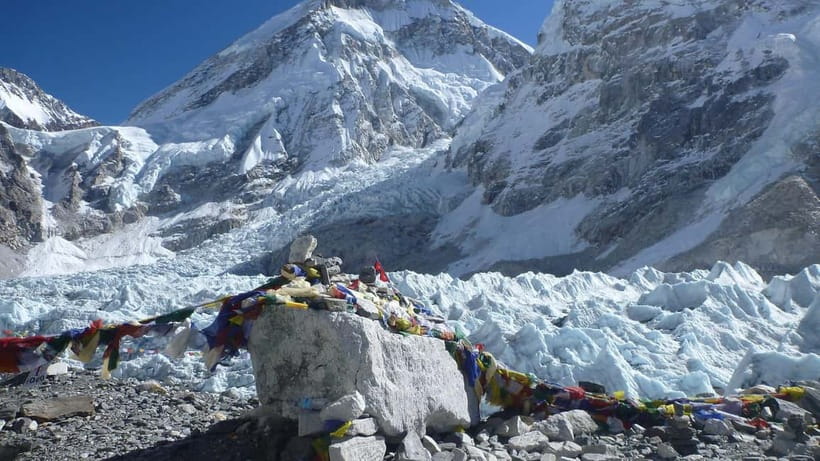
If you want a classic Everest Base Camp trek that balances Sherpa culture stops, monastery time at Tengboche, town acclimatization at Namche Bazaar and Dingboche, and then the big-view payoff at Kala Patthar, this is a strong match. I also like the practical support, especially the English guide and porter service, because it keeps your focus on walking and breathing.
I would only hesitate if you know you struggle with altitude or you cannot commit to acclimatization days. Also, if the idea of basic tea houses makes you grumpy, plan to bring the right layers and adjust your comfort expectations.
FAQ
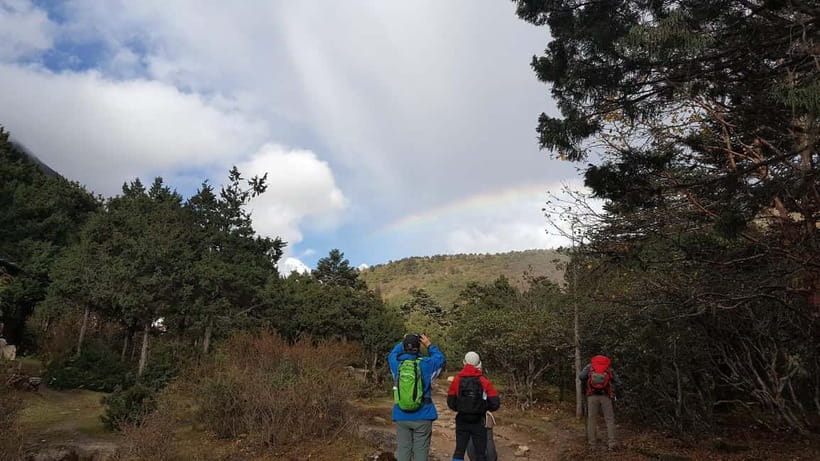
What is the trek duration and starting location?
This experience is listed as a 12-day trek. The meeting point is Tenzing-Hillary Airport, and you begin the trek from Lukla.
Is my flight included in the price?
No. Flights are not included, and you’ll need to issue your flight ticket yourself. The guide can assist with flight information, and you need to share flight details for pickup and coordination.
Are acclimatization days included?
Yes. The schedule includes acclimatization days in Namche Bazaar and Dingboche.
What is included in the package?
Included items are a professional English-speaking guide, tea house accommodation, permits and entrance fees, porter service, a first aid kit, and applicable taxes.
What is not included?
Not included items are flights, travel insurance, personal expenses like laundry, beverages, and internet, and visa fees.
What should I pack, and what is not allowed?
You should bring comfortable shoes, warm clothing, a hat, a camera, snacks, sunscreen, and water. Alcohol and drugs are not allowed, and littering is not allowed.
Latest Everest Region write-ups
- Kathmandu: 1-Hour Mount Everest Flight with Private Transfer★ 4.7 · 98 reviews
- Guaranteed Helicopter Landing Everest Base Camp Kalapathar★ 5.0 · 3 reviews
- From Kathmandu: Everest Base Camp Landing Helicopter Tour★ 5.0 · 3 reviews
- From Kathmandu Budget: 15 Day Everest Base Camp Trek★ 5.0 · 3 reviews
- Everest Base Camp Trek: A short EBC Trek to Iconic Himalaya★ 5.0 · 3 reviews
Everest Base Camp Trek, compared.
Everest Base Camp Helicopter Tour landing at Everest View Hotel
Read our review →
Everest Base Camp Trek 12 Days – Best Himalayan Adventure
Read our review →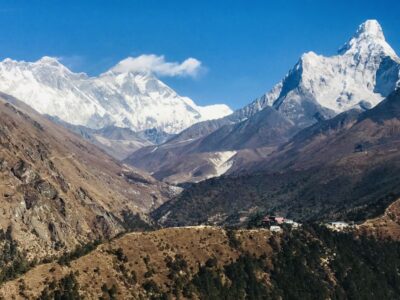
Browse the lists this tour appears in