Reviewed · HIKING & TREKKING
Everest Three Pass Trek
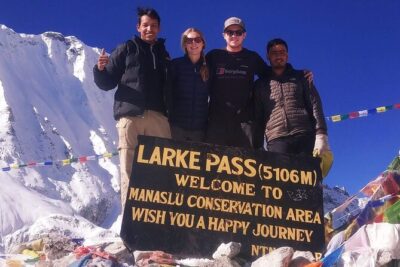
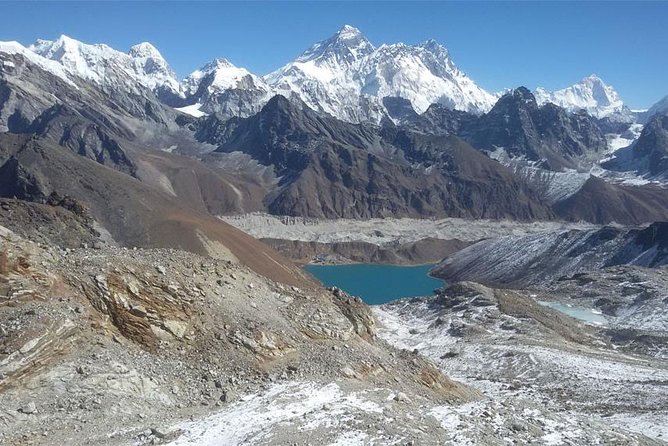
Everest Three Pass Trek is interesting because it is not one dramatic summit day. It is a full-on circuit in the Khumbu region where you gain altitude slowly, then spend several days earning those skyline views the hard way. You cross three major high passes (Kongma La, Cho La, Renjo La) and the payoff is big, with repeated glacier and peak panoramas from different angles.
I really like that the trip gives you real acclimatization time, especially the Namche rest day, and then builds in rest moments like the Gokyo day. I also like the practical inclusions for a trek at this altitude: a licensed English-speaking guide, permits, and a lot of logistics handled so you can focus on hiking. One drawback to consider is that this is a physically demanding plan, with steep sections and snow/ice travel over passes, so you need strong fitness and comfort with cold, rough terrain.
Key Highlights You Should Know Before You Go
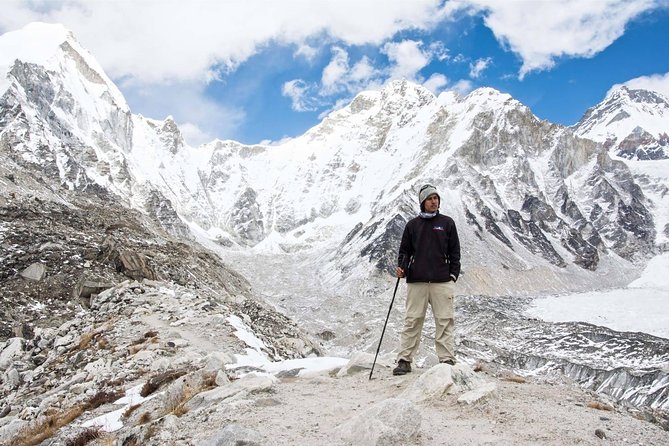
- Three passes, three atmospheres: Kongma La at 5535m, Cho La at 5420m, Renjo La at 5360m, each with its own kind of climbing difficulty
- Acclimatization built in: a Namche rest day plus higher staging nights helps your body adjust
- Early-morning altitude rhythm: days start with early hikes like Kala Patthar sunrise and pass-crossing departures
- Gokyo’s altitude lakes stop: the itinerary includes the Gokyo valley and a hike to Gokyo Ri for wide views
- Luggage and permits handled: licensed guide, porters, national park entry, and TIMS permit are included
- Trek gear loaned to you: down jacket, sleeping bag, and duffel/kit bag are provided (with return)
Three Pass Reality Check, What You Are Signing Up For
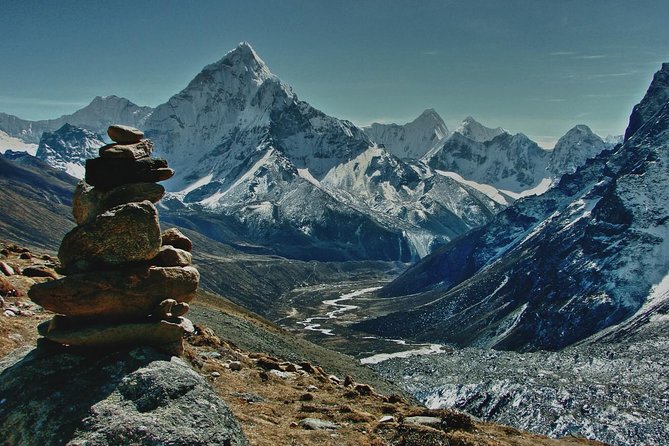
This trek is for people who want the Everest region, but on foot through big passes, not just a single trail. The description is pretty direct: you will traverse rough terrain and you will deal with snow-covered passes. That means you need more than general fitness. You need stamina for steep climbs, sure footing, and mental comfort with cold, thin air, and changing trail conditions.
If you are the kind of hiker who likes steady progress and can handle early starts, you will match the pace well. If you want a casual walk with frequent long flat stretches, you might find the repeated ascents and high points exhausting.
Also, the big thing most first-timers miss is that high elevation is not only about altitude on the map. It affects everything: how fast you climb, how well you sleep, and how you recover between days. This itinerary tries to respect that by including rest and acclimatization stops rather than pushing you upward every single day.
More to compare around Kathmandu
- Everest Base Camp Trek – 14 Days
★ 5.0 · 1,499 reviews - Everest Base Camp Trek
★ 5.0 · 842 reviews - Private Kathmandu Sightseeing Tour | UNESCO World Heritage sites
★ 5.0 · 756 reviews
The 15 Days Route, Day by Day (and What Each Stop Really Does)
This trip is about moving through classic Khumbu highlights, then linking them with the three-pass circuit.
Day 1: Kathmandu to Lukla by flight
You start with an early departure from Kathmandu at 6:15 am and fly to Lukla, landing at Tenzing-Hillary Airport. Even if the main goal is trekking, this first day matters because Lukla quickly throws you into the mountain world. The flight itself gives you a first hit of big terrain, lush hills below, and snow-capped peaks in view.
Practical note: once you land, do not plan to rush. Treat Day 1 as a warm-up and get your supplies, clothing layers, and daypack system sorted.
Day 2: Dudh Koshi River trails to Namche area
Day 2 is a hike along the Dudh Koshi River, with multiple crossings on suspension bridges lined with prayer flags. You also enter Sagarmatha National Park. This part is not just scenic. Following the river valley helps you travel efficiently while still gaining altitude.
If you tend to get impatient, use Day 2 to find your walking cadence. These early days are where you set up how you will handle the later steep sections.
A different sort of day out of Kathmandu:
- Kathmandu: 7 UNESCO Sites with Lunch
★ 4.8 · 744 reviews - Everest Base Camp Helicopter Tour landing at Everest View Hotel
★ 5.0 · 668 reviews - Half day cooking class in Thamel kathmandu
★ 5.0 · 607 reviews - Everest Base Camp Trekking
★ 5.0 · 485 reviews
Day 3: Namche rest and views at Everest View Hotel
You get a rest day in Namche for acclimatization and exploring the Sherpa town. There is also an uphill visit to Everest View Hotel, where you can see multiple peaks in the area, including Nuptse and others.
This day is valuable because it helps you adjust before you start stacking more altitude. It also gives you a taste of local culture and village life, not just the trail.
Day 4: Upstream to Tengboche
You follow the Dudh Koshi upstream to the prayer wheels near Phunke Tenga, then continue above Imja Khola until reaching Tengboche. This stage combines river power, forested stretches, and famous monastery-area vibes.
The benefit here is balance. It is not a straight grind upward, but you still feel the Himalaya closing in.
Day 5: Dingboche with big-peak viewpoints
After breakfast, you ascend to Dingboche. Along the way you pass Pangboche village, and you get views of Ama Dablam, Lhotse, and Everest. This day tends to feel like you are trading greenery for higher, sharper mountain scenery.
Watch your effort level. Dingboche is not the final high point, but it is high enough that your pace matters.
Day 6: Chhukung as the staging move for Kongma La
Instead of staying an extra day in Dingboche, the itinerary takes you to Chhukung. The point is smart: it shortens the next day’s overall burden before you cross Kongma La.
This is a “short but important” day. You are not just hiking. You are positioning your body and your schedule for pass travel the next morning.
Day 7: Kongma La (5535m), the first big pass
Today you cross Kongma La (5535m), the highest of the three passes. The climb is steep and difficult, especially as you approach the pass area. Expect rough trail sections and cold conditions.
The key skill here is pacing. Go slower than you think you need to, especially near the top. Save your energy for the full crossing, not just reaching the highest point.
Day 8: Gorakshep
After breakfast, you walk further to Gorakshep. The description points out that the tracks are generally stony. This is one of those days where you focus on steady steps, not big speeches from the landscape.
You will likely feel the altitude more here because Gorakshep is close to the Everest region core. It is a good prep day for the next morning’s high hike.
Day 9: Kala Patthar sunrise (5550m)
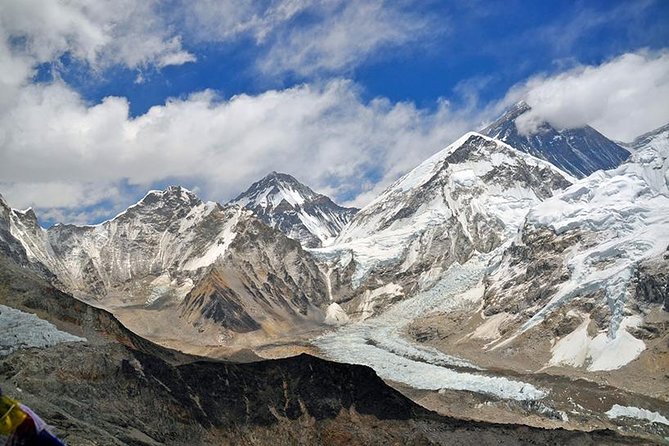
You hike early to Kala Patthar (5550m) to watch sunrise. From the top, you get wide valley views and the first rays of sun lighting up Mt. Everest (8848m).
Even if sunrise is not your thing, this is a classic high-impact experience because the timing gives you the best chance for clear light. Dress for real cold. This is not a warm early morning.
Day 10: Cho La (5420m) to Gokyo lakes
Day 10 is another tough one, crossing Cho La (5420m) to reach Gokyo. The hike includes a steep uphill climb on an ice-covered trail. Then you continue on to the Gokyo lakes area.
Consider this a transition day. You go from Everest-adjacent terrain into the Gokyo region, and the trail conditions can be serious. If you are anxious on ice, this is the day to follow your guide’s cues closely.
Day 11: Gokyo rest day and Gokyo Ri (5360m)
You rest in Gokyo, and in the morning you hike up to Gokyo Ri (5360m), above the village. The goal is views over the entire Gokyo valley and its lakes.
This day is a reward day without being totally easy. You still work for the viewpoint, but you are not pushing a pass crossing.
Day 12: Renjo La (5360m), third and last pass
You start early to cross Renjo La (5360m). The trail is described as gradual and snow-filled, and the views are meant to be enthralling, including vistas toward Cho La.
This is a huge psychological day. You have already done two passes, and now you finish the trilogy. Still, do not treat it casually. Snow travel can still be slow and tiring.
Day 13: Back to Namche, easier trail relief
After breakfast, you trek toward Namche. Today is described as a relaxed day with a relatively easier trail, letting you enjoy the surrounding scenery and get distant views of Everest and other peaks.
This is where the trek starts to feel more human again. Your body is still recovering, but the route is kinder.
Day 14: Namche to Lukla and the local market
You make your way back from Namche to Lukla, crossing villages, forests, and rivers using suspension bridges. Once you reach Lukla, you rest and explore the market area.
This day is a mental reset. You are not chasing altitude now, so focus on comfort and hydration, and keep your legs from overreacting.
Day 15: Lukla to Kathmandu flight
Early flight back to Kathmandu from Lukla. You see snow-capped mountains and green hills as you fly down. Once you arrive, you have time to settle and continue with your onward plans.
Where the Trek Truly Delivers: Views, Timing, and the Guides
Big scenery is the obvious reason people do this. But timing is what makes the scenery useful, not just pretty.
This itinerary is built on early starts. You fly early, you hike early, and you do sunrise-style planning with the Kala Patthar morning. That early rhythm also helps with weather risk. On past trips with this operator, early departures have been used to reduce exposure to late monsoon rain, and your day structure here fits the same common-sense approach.
Now, about guides: this tour includes a local government licensed English-speaking guide. The company has used guides in the Everest orbit such as Shiva and Jwala, and you may find experienced Sherpa team members supporting the group. The practical value is simple. When your route includes three passes and ice-covered sections, good guidance is not a luxury. It is how you keep your pace sensible and your footing safer.
Lodging and Food That Keep You Moving
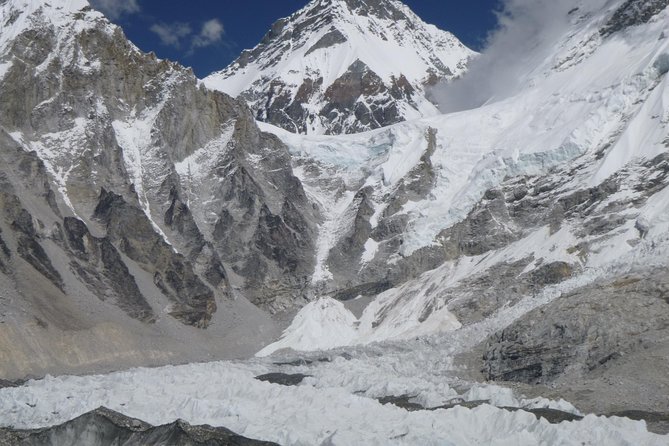
You will stay in best available guesthouses, mainly in twin sharing. That is the standard reality of teahouse-style trekking in this region, and the included stay plan keeps you from having to line up accommodations yourself.
Meals are included for 14 breakfasts, 14 lunches, and dinner (14). That matters because it removes the daily decision fatigue. Instead of hunting for food options at the wrong moment, you eat and move. Also, with included meals, your budget stays steadier while you focus on training your body for altitude.
One more practical advantage: because the trek includes staff for your trekking logistics, you can treat your day like a checklist, hike, rest, fuel, sleep. That routine is underrated on multi-pass days.
Gear, Permits, and What This Saves You
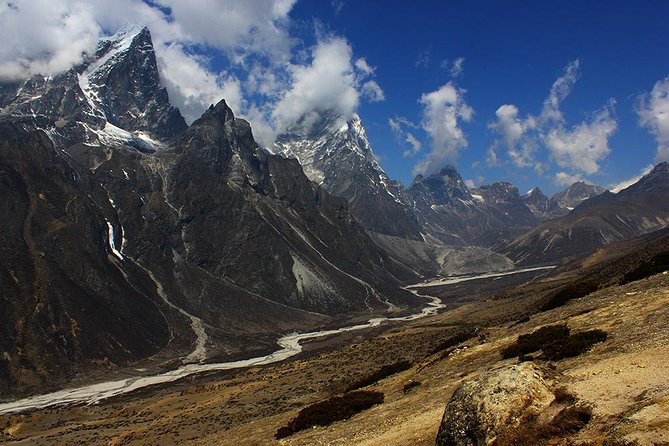
This tour includes trekking gear loaned to you, including a down jacket and a sleeping bag, plus a duffel/kit bag. The bag and sleeping gear are meant to be returned after the trek. If you are traveling from abroad, this can save a lot of money and hassle versus trying to buy or rent gear locally.
Permits are also included: Sagarmatha National Park entry plus TIMS (Trekker’s Information Management System). At high elevations, permits and admin matter because they can affect your route access and the paperwork is not something you want to scramble for once you are in-country.
You also get first aid medical kits, and the staff coverage includes insurance and transportation for the trekking team. That is a sign the operator is set up for this kind of complex trek, not a casual one.
Price and Value: Is $1,800 Fair for This Much Work?
At $1,800 per person, the headline cost looks high until you unpack what you get.
Included items that add real value:
- Licensed English-speaking guide
- Porters and staff to carry your luggage
- National park permit and TIMS permit
- Guesthouse lodging
- Down jacket and sleeping bag loan
- Domestic airfare Kathmandu-Lukla-Kathmandu and airport tax
- Meals for 14 days in the trek rhythm
Excluded items to budget for:
- International flights to Nepal
- Alcohol and other drinks, and things like laundry and hot shower
- Personal trekking equipment
- Tips for staff
- Any extra expenses not listed
So the value depends on you. If you already own quality cold-weather gear and you would handle permits and domestic flight booking on your own, the savings are less dramatic. But most people doing a three-pass Everest trek are not set up for that kind of admin. The included domestic flights alone can change how expensive the trek feels.
Also consider that this is a private tour/activity, meaning only your group participates. Private treks often cost more, but they reduce the chance you are stuck hiking to a mismatched pace.
Who This Trek Fits Best (and Who Should Rethink)
This trek is described as the most challenging trek in the Khumbu region because of the three high passes and the rough terrain. That matches the itinerary: steep climbs, ice-covered trail on Cho La, and high altitude days that stack up.
You should strongly consider this trek if:
- you are physically fit and comfortable with steep uphill hiking
- you can handle cold mornings and early departures
- you like a guided plan where logistics are taken care of
- you want a loop that feels more like a real journey than a single out-and-back
You might reconsider if:
- you get nervous on snow or ice conditions
- you are looking for an easy pace and lots of rest
- you have limited hiking experience at altitude
Booking Thoughts: Start With Fitness, Then Trust the Plan
Base Camp Adventure Pvt. Ltd. runs this trek with pickup offered and a start time listed at 6:15 am from Kathmandu. You meet at their Kathmandu office, and the location is near public transportation.
My practical advice for making this decision is simple. If you have any doubts about your ability to hike steep trails for long days, train before you go. Do not assume you can simply muscle through. This route is demanding enough that preparation makes the difference between a great trek and a miserable one.
Also plan your packing around the included gear. Since you get a down jacket and sleeping bag loan, you should focus your personal equipment on layers you need to wear day-to-day, plus your basic trekking tools. The tour does list that personal equipment is not included.
Finally, yes, the trek involves required good weather. If it is canceled due to poor weather, you should expect a different date offer or a full refund, and that is a normal reality in the Everest region.
Should You Book the Everest Three Pass Trek?
If you want a true multi-day Everest region challenge and you are ready for three high passes, this is a smart choice. The combination of acclimatization planning, included permits and domestic flights, and the structure of early starts gives you the best chance to enjoy the route instead of fighting it.
If you are unsure about snow and ice comfort, or if you want a lighter itinerary, you might be happier on a less technical Everest trek. But if you are the type who loves big goals and can train for them, booking this trek makes sense, especially because the logistics are handled and you are not left piecing everything together yourself.
FAQ
What is the duration of the Everest Three Pass Trek?
The trek runs for 15 days (approx.).
Where do the trek start and end?
It starts in Kathmandu, Nepal and ends back at the same meeting point in Kathmandu.
What time does the tour start?
The listed start time is 6:15 am.
Is pickup offered?
Yes, pickup is offered.
What are the three high passes included in the trek?
You cross Kongma La (5535m), Cho La (5420m), and Renjo La (5360m).
Are meals included?
Yes. Breakfast (14), Lunch (14), and Dinner (14) are included.
What permits are included?
The tour includes Sagarmatha National Park entry permit and the TIMS permit.
Does the price include domestic airfare?
Yes. Kathmandu-Lukla-Kathmandu domestic airfare and airport tax are included.
Is personal trekking equipment included?
No. Personal trekking equipment is not included, and you should bring what you need for the hike.
Is cancellation free, and what happens with poor weather?
You can cancel for a full refund up to 24 hours in advance. The experience requires good weather, and if it is canceled due to poor weather, you will be offered a different date or a full refund.
Latest Kathmandu write-ups
- Langtang Valley Trek★ 5.0 · 3 reviews
- Khopra Danda Trek★ 5.0 · 3 reviews
- Langtang Valley Trek from Kathmandu★ 5.0 · 3 reviews
- 5 night / 6 days Kathmandu Nagarkot Chitwan Pokhara tour★ 5.0 · 3 reviews
- Nepal Highlights Tour: 5 Nights 6 Days Kathmandu & Pokhara Tour★ 5.0 · 3 reviews
- Kathmandu Valley Private Day Tour★ 5.0 · 3 reviews
- Conquer the Himalayas: The Ultimate 16-Day Annapurna Circuit Trek★ 3.5 · 3 reviews
- Kathmandu Heritage Day Tour★ 5.0 · 3 reviews
Hiking & Trekking, compared.