Reviewed · HIKING & TREKKING
Goisankunda, Trek of the Holy Lakes
Few treks in Nepal feel as purpose-driven as the Goisankunda Holy Lakes route, climbing from Dhunche up to Gosainkunda at 4390 M and then working your way back toward Kathmandu. I love that this is run as a private group with an experienced guide, and I love how meals and tea house lodging are handled so you can focus on walking and adjusting to altitude. The main drawback is the steady elevation change, so you need moderate fitness and common sense about pacing.
If you care about comfort and safety without turning the trip into a big production, you’ll like the way Flyeast Nepal supports the trek. Past trekkers highlighted the porter guide Ram for real practical care, and the crew members Abhi, Roshan, and Nani were praised for answering questions and keeping the vibe calm. The one thing to plan for: drinks, Kathmandu hotels, and tips are not included, so budget those early rather than paying sticker shock later.
Key Highlights You Will Feel on This Trek
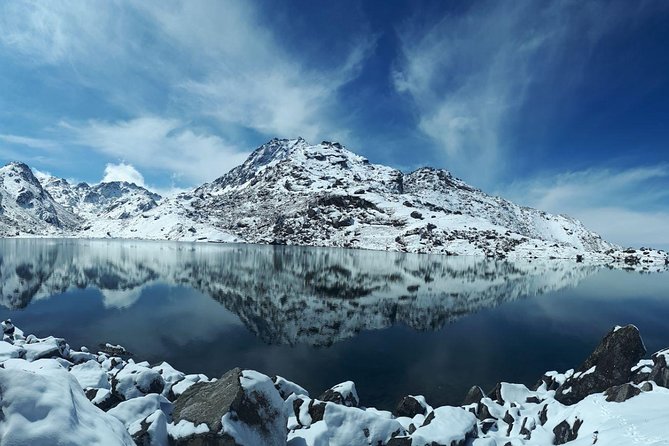
- Private group experience with an experienced guide, capped at 14 people
- Jeep transfer to Dhunche and back from Sundarijal, so you start and finish without extra chaos
- Food included on the trek (3 meals a day, plus 1 menu item) plus tea house or lodge accommodation
- Gosainkunda at 4390 M as the main payoff day, after several acclimatization steps
- Support from a porter guide team that trekkers specifically praised for care and readiness
- Vegetarian option available if you tell the organizer ahead of time
The Route That Makes Gosainkunda Feel Like a Real Journey
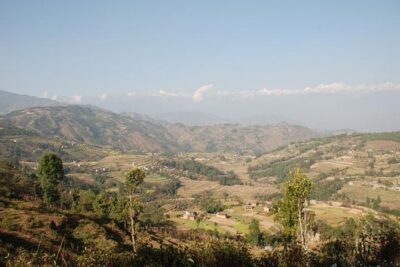
This trek is built around one big idea: you walk day after day between villages, not just to reach a single viewpoint but to build rhythm and altitude step by step. You’ll drive into the mountains on day 1, trek for about 5 days, then trek out on day 7 and return by drive to Kathmandu.
That structure matters more than it sounds. When you’re hiking every day, your body learns the routine. You are also more likely to enjoy the scenery and the village moments instead of feeling like you’re constantly catching up. And because the core costs are bundled, you spend your energy on the trail, not on figuring out what you must pay separately.
The peak moment is the day you reach Gosainkunda at 4390 M. I like how the itinerary doesn’t shove you straight upward. Instead, it climbs, pauses, climbs again, and then gradually lowers as you head toward Chisapani and Sundarijal.
More to compare around Kathmandu
- Everest Base Camp Trek – 14 Days
★ 5.0 · 1,499 reviews - Everest Base Camp Trek
★ 5.0 · 842 reviews - Private Kathmandu Sightseeing Tour | UNESCO World Heritage sites
★ 5.0 · 756 reviews
Price and Value: What $555 Actually Covers
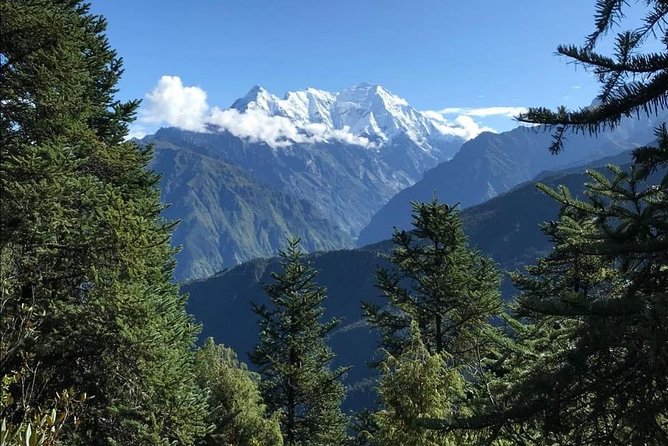
At $555 per person for about 7 days, you’re paying for more than the hiking itself. This is what you get included:
- Private jeep to Dhunche, plus the drive back from Sundarijal
- 1 experienced guide
- Trek permits
- Food: 3 meals a day with 1 item from the menu
- Accommodation (tea house or lodge) during the trek
- Fuel surcharge
- Breakfast, lunch, dinner during the trek portion
Not included are the usual extras: Kathmandu hotels or activities, personal insurance, beverages, and tips.
Here’s the practical way to look at value. The jeep transfer and permits are the kind of costs that can get messy if you try to piece everything together last minute. Meals also remove daily decision fatigue. On a trek, decision fatigue is real. You want to be able to say yes to food that is available, not negotiate for it after a long day.
If you compare this to arranging a guide and transfers on your own, the price starts looking more reasonable. And for solo hikers, the private, guided setup can also reduce stress, since you are not trying to manage logistics in a place where language barriers can slow you down.
The Day-by-Day Plan, With What Each Stop Feels Like
Day 1: Drive to Dhunche (1900 M)
Day 1 is a transfer day. You’re picked up and driven to Dhunche at 1900 M, and that’s useful for two reasons. First, you skip the scramble to reach the trailhead. Second, you get a manageable altitude starting point before trekking begins.
Practical tip: treat day 1 like a setup day. Eat well, drink enough, and keep your energy. Even though you aren’t trekking yet, altitude can still make you feel a bit off if you go too hard.
A different sort of day out of Kathmandu:
- Kathmandu: 7 UNESCO Sites with Lunch
★ 4.8 · 744 reviews - Everest Base Camp Helicopter Tour landing at Everest View Hotel
★ 5.0 · 668 reviews - Half day cooking class in Thamel kathmandu
★ 5.0 · 607 reviews - Everest Base Camp Trekking
★ 5.0 · 485 reviews
Day 2: Dhunche to Chandanbari (3330 M)
This is your first real climbing day. Going from 1900 M to 3330 M is a jump, so your pace matters. You’ll be moving between villages, and the daily rhythm becomes your best friend. Aim for steady, not fast.
What I like about starting with a village-to-village day: it breaks the hike into human scale. You’re not just trudging through empty space. Tea houses and lodge stops are part of the structure, and that makes the day feel more predictable.
Possible drawback: this is one of the steeper days early on. If you’re prone to altitude issues, you’ll want to take it slow, keep breathing calmly, and avoid pretending you feel better than you do.
Day 3: Chandanbari to Gosainkunda (4390 M), Lake Area
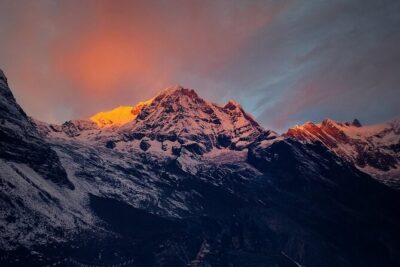
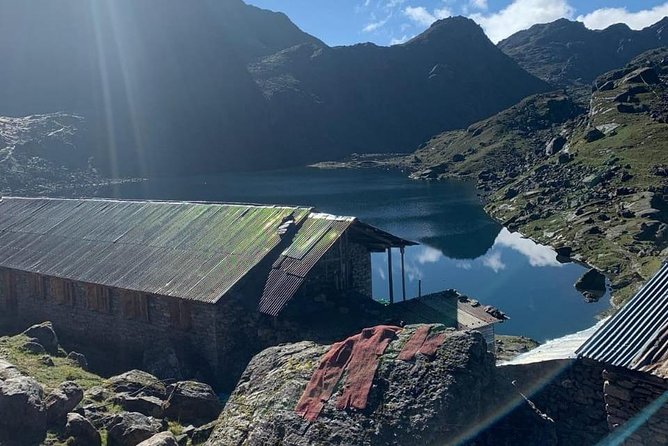
This is the headline day. You reach Gosainkunda at 4390 M, and it’s the “Holy Lakes” part of the trip for a reason. You’ll spend time in the lake area, which is exactly what you came for: a high-altitude spiritual landscape where the destination feels earned.
This day is also where you most need good trekking habits:
- Keep your effort smooth and controlled
- Take breaks before you feel wrecked
- Don’t try to match someone else’s pace
Also, you should expect the air to feel thinner. No need to panic. You just need to respect the altitude. If you feel unusually breathless, stubbornly slow down. That’s the call that keeps the trip comfortable.
Day 4: Gosainkunda to Ghopte (3530 M)
After the high point, you drop to Ghopte at 3530 M. That descent helps your body recover and helps your legs reset. This is the kind of day that lets you enjoy the scenery again instead of only surviving it.
A day like this is also valuable mentally. When you reach a big peak, it can feel like the trip is over, even if it isn’t. A recovery day keeps the momentum without adding stress.
Day 5: Ghopte to Kutumsang (2470 M)
Now you’re heading down more noticeably to Kutumsang at 2470 M. For many people, this is when the hike starts feeling better, like your breathing has improved and your stride comes back.
I like this portion for balance. You’ve had the intense altitude day. Now you get a more comfortable hiking tempo and time to focus on the village atmosphere.
Day 6: Kutumsang to Chisapani (2215 M)
You’ll move to Chisapani at 2215 M, still relatively high but at an easier altitude than the peak days. This leg is often where people start thinking about the finish, but don’t coast too much. You want energy for day 7.
If you’re the type who enjoys slow, steady progress, this is a good day for it. You’ll feel the mountain air, the fatigue levels, and the real payoff that comes from walking several days in a row.
Day 7: Chisapani to Sundarijal (1460 M) and Drive to Kathmandu
Day 7 is half trek, half return. You hike to Sundarijal at 1460 M, then drive back to Kathmandu.
That mix is a smart way to end. You still get closure on the walking side, but you avoid the full slog of staying in the mountains all the way back. You’ll likely be tired, but in the satisfying way, like you actually finished something.
Also remember: since Kathmandu hotels and activities are not included, plan your end-of-day logistics. You’ll want a clear plan for where you’re staying and how you’ll eat and relax once you arrive.
Tea Houses, Meals, and the Comfort Stuff You Should Actually Care About
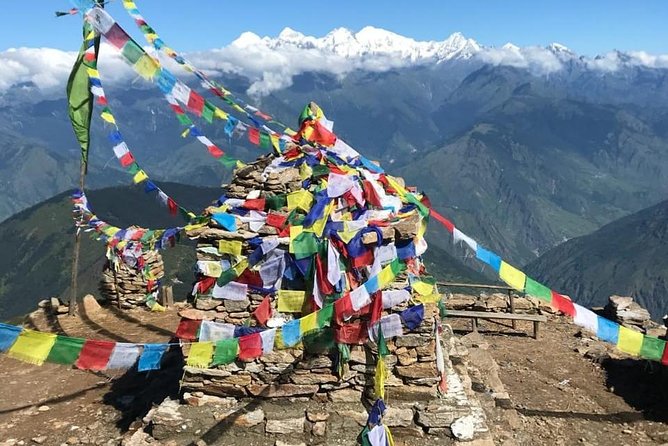
Your trekking support is set up to cover the basics: tea house or lodge accommodation and 3 meals a day with 1 item from the menu. That matters because your daily energy depends on food that is available and consistent.
A few practical things you should do:
- Eat the breakfast you’re served, even if you’re not hungry. Trek calories are not optional.
- Plan for no beverages included, so either carry water appropriately and budget for other drinks if you want them.
- If you need vegetarian meals, tell the organizer at booking. That option is available, but you have to request it.
I also like that this feels organized without micromanaging you. You’re not stuck waiting around. You hike, you eat, you sleep, you repeat.
Your Guide and Porter Team: Why Care Makes a Trek Easier
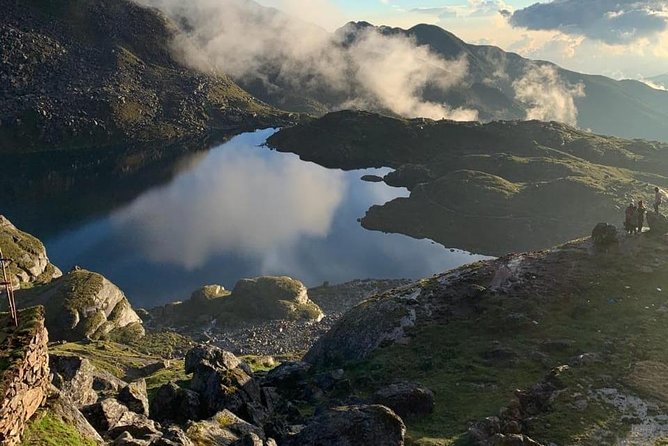
One of the best parts of this experience, based on how the Flyeast Nepal team is described, is the human support. Names came up clearly: Abhi and Roshan were praised for quick, spontaneous planning and for knowing the treks and gear to carry. And Nani and the crew were described as kind, patient, and quick to answer questions.
The porter guide Ram was singled out for taking care of everything you need, and that kind of support can be the difference between an annoying trek and a calm one.
What does that mean for you in real terms?
- You’re more likely to pack the right items because you get informed guidance early
- You’re less likely to feel stuck or unsafe if something unexpected comes up
- You spend less mental energy worrying about logistics
This is also a private tour, meaning only your group participates. Group size is capped at 14, and there’s a minimum of 2. For many hikers, that makes the whole experience more personal and easier to manage.
Picking Your Pace: The Fitness Reality Check
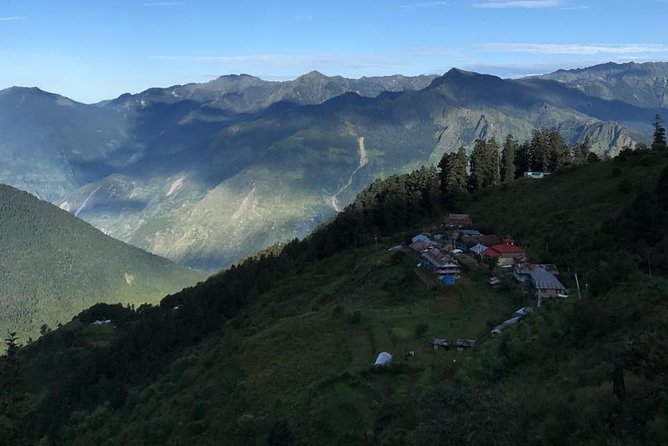
This trek says it suits moderate physical fitness. I agree with that framing, with one caveat: moderate fitness works best when you hike with discipline.
Your body will deal with:
- daily trekking (5 trek days)
- altitude changes across several elevations
- long enough hiking days that you feel it in your legs
So you should plan to go slow. The goal is finishing comfortably, not collecting bragging rights. If you’ve been active recently and you know how to walk for hours, you’ll probably be in good shape.
If you’ve never done altitude before, be extra cautious on day 2 and day 3, because those are your first big climbs and the approach to 4390 M.
Logistics That Matter: Start Time, Mobile Ticket, and Group Style
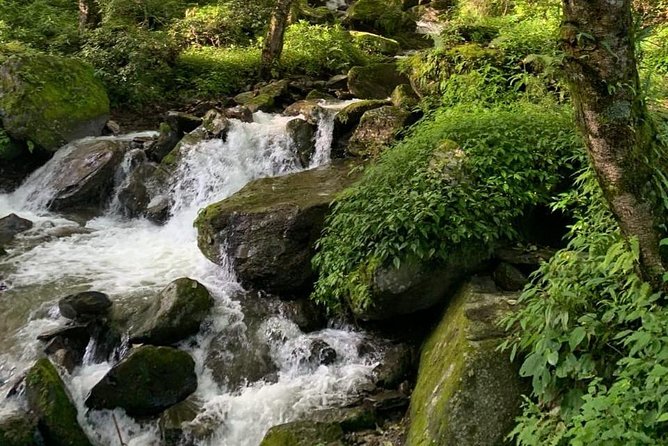
The trek starts at 7:15 am. That early start is common for mountain travel because it reduces time in poor light and helps you reach daily targets.
You’ll also get a mobile ticket, which is a small but real convenience. And you can expect pickup offered for the jeep transfer.
The private setup is limited to your group only. That means you’re not sharing the guide and plan with random strangers, which can make the pace and meal decisions easier.
If you’re hoping for a solo-style independence vibe, you might not get that. This is guided, structured, and you’ll follow the plan each day. But that structure is the point: it’s designed to remove the stress of managing permits and daily logistics.
Who Should Book This Trek With Flyeast Nepal
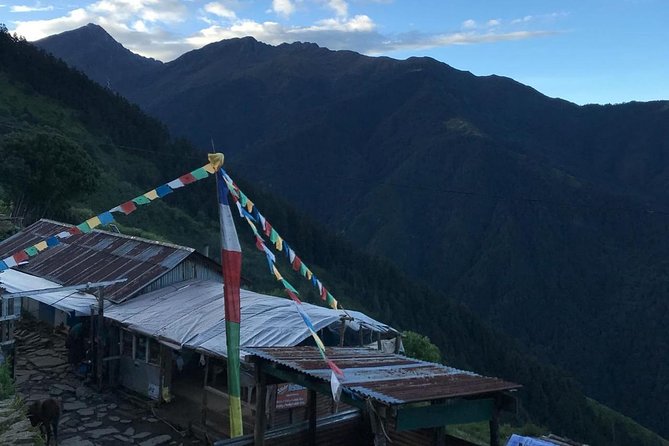
You’ll likely love this trek if you:
- want a guided route with permits and transfers handled
- like village-to-village hiking and a steady pace
- care about safety and support, especially on the altitude days
- want a clear itinerary with daily lodging and meals included
You might want to rethink it if you:
- hate trekking every day for multiple days
- have significant health concerns that make altitude risky (you would need to talk with a medical professional)
- want Kathmandu comfort included beyond the trek portion
Should You Book This Goisankunda Trek?
My take: if you want the Holy Lakes experience without the logistics headache, this is a strong choice. The best value isn’t just the scenery. It’s the combination of private jeep transport, a guide, permits, and a full set of trek meals and tea house accommodation. That bundle is exactly what keeps the trek feeling smooth.
I’d book it if you appreciate guided care and a plan you can trust. The Flyeast Nepal team is repeatedly praised for attention and responsiveness, and names like Ram, Abhi, Roshan, and Nani show up in that same spirit of support.
If you’re the type who enjoys total freedom and you already know how to self-arrange guides, permits, and transfers, you might compare options. But for most people, especially those who want a calm, supported mountain experience, this setup makes a lot of sense.
FAQ
What time does the trek start?
The start time is 7:15 am.
How many days is the Goisankunda trek?
It runs for about 7 days, including driving and trekking.
What is included in the trek price?
The price includes private jeep to Dhunche and a drive back from Sundarijal, an experienced guide, permits, 3 meals a day with 1 item from the menu, and tea house or lodge accommodation for the trek, plus fuel surcharge and breakfast, lunch, and dinner.
Are meals and accommodation included during the trek?
Yes. You get tea house or lodge accommodation during the trek and meals including breakfast, lunch, and dinner.
Is vegetarian food available?
Yes, vegetarian option is available. You should advise the requirement at the time of booking.
Is personal insurance included?
No. Personal insurance is not included.
Is this tour private, or do I share with other people?
This is a private tour, and only your group will participate. The maximum group size is 14.
What is the cancellation window for a full refund?
You can cancel up to 24 hours in advance for a full refund. If you cancel less than 24 hours before the start time, you do not get a refund.
Latest Kathmandu write-ups
- Langtang Valley Trek★ 5.0 · 3 reviews
- Langtang Valley Trek from Kathmandu★ 5.0 · 3 reviews
- Khopra Danda Trek★ 5.0 · 3 reviews
- 5 night / 6 days Kathmandu Nagarkot Chitwan Pokhara tour★ 5.0 · 3 reviews
- Nepal Highlights Tour: 5 Nights 6 Days Kathmandu & Pokhara Tour★ 5.0 · 3 reviews
- Kathmandu Valley Private Day Tour★ 5.0 · 3 reviews
- Kathmandu Heritage Day Tour★ 5.0 · 3 reviews
- Conquer the Himalayas: The Ultimate 16-Day Annapurna Circuit Trek★ 3.5 · 3 reviews
Hiking & Trekking, compared.