
Reviewed · GOKYO LAKES TREK
Gokyo Lake trek(gokyori trek, Chola pass trek, Renjola pass trek)
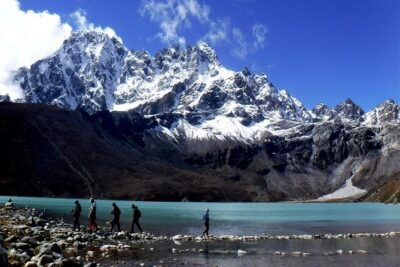
This trek is interesting because it sends you to the turquoise Gokyo Lakes and up toward Gokyo Ri, where big Everest views feel close and personal. I like that the route is built around the Sherpa valley experience, not just one single destination photo.
I also like the way Nepal Trekking Routes keeps it personal. You get a real welcome from CEO Shailesh Pokharel, and you will have on-the-ground guidance from local guide Bishnu Magar, which matters when the trail gets steep or the weather turns.
The catch is effort. Days that include Chola Pass can be challenging, so you need strong fitness and patience with altitude, especially if you are not used to long days uphill.
Key highlights to know before you go
- Turquoise Gokyo Lakes and 19 linked freshwater lakes in the Everest region’s high valleys
- A smart route change: you follow the traditional Everest Base Camp track up to Mong La Pass, then turn toward Gokyo
- Big viewpoint moments: Gokyo Ri (5,357 m) and Everest View Hotel (3,880 m)
- Pass trekking energy on the Chola Pass and Renjola Pass section of the journey
- UNESCO World Heritage conservation area with pine, oak, and rhododendron forest plus alpine wildlife
- Personal organization from Nepal Trekking Routes with a local guide, and private-group flexibility
Gokyo, Chola, and Renjola: why this trek feels different
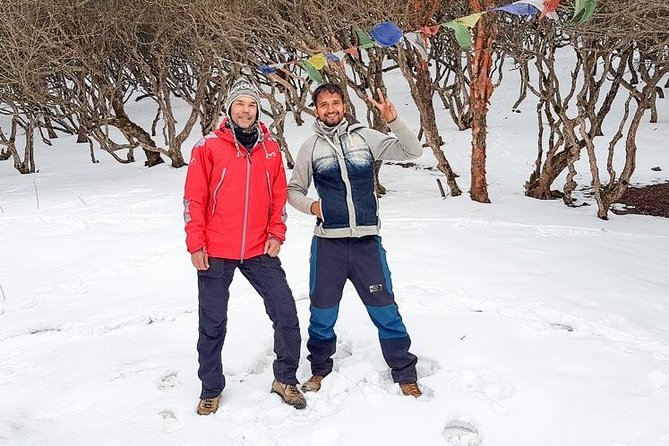
If your mental image of Everest is one hard, straight line to a base camp, the Gokyo Lakes trek can reframe that idea fast. Here you are not only chasing altitude. You are moving through a valley system where water, glaciers, and Sherpa settlements all show up in the same horizon.
What makes this route special is the combination of lakes, passes, and viewpoints. You reach the classic Everest region terrain up to Mong La Pass (3,610 m), then you peel off to the Gokyo area where the lake colors look almost unreal. And later, the views are not just distant silhouettes. You have chances to climb up to Gokyo Ri (5,357 m) and also do a side hike to Everest View Hotel (3,880 m) for a close look at Mt. Everest.
This is also a cultural trek in a practical way. You will spend time in Sherpa villages and can visit the Sherpa Museum, which helps you connect what you are seeing on the trail with the people who live there. That context matters, especially when you are walking through places that have deep spiritual routines tied to the mountains.
More of the Gokyo lakes:
- Gokyo to Everest Base Camp Trek
★ 5.0 · 113 reviews - Everest Base Camp – Cho La Pass – Gokyo Trek
★ 5.0 · 65 reviews - Everest Gokyo Valley Trek – 12 days
★ 5.0 · 27 reviews
The “shape” of the itinerary, from Kathmandu to the high passes
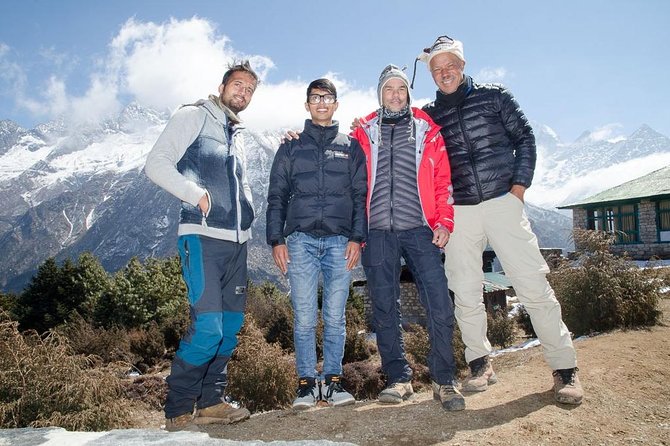
Your trip is an 18-day trek starting from Kathmandu, Nepal. The main meeting point is Tribhuvan Airport, and the operator offers pickup and drop-off at your hotel or port. You will also receive a mobile ticket, which is a simple touch that can reduce last-minute confusion.
On the trekking side, think of the plan in phases, not in checklists.
First, you work your way up along the standard Everest Base Camp route until you hit Mong La Pass (3,610 m). The benefit of using that familiar path is that it supports the big rhythm of the region: steady elevation gain, village stops, and a gradual build toward higher altitudes.
Then the route splits into the Gokyo story. This is where the trek becomes its own thing. You shift direction toward the Gokyo valley, which centers on Dudhpokhari and the wider Gokyo lake system. From there, the trek offers high points that make sense of the effort. Climbing Gokyo Ri (5,357 m) is the moment you start to feel how the lakes sit in relation to the surrounding peaks.
Finally, you incorporate the pass crossings associated with this route, including the Chola Pass and Renjola Pass areas. These parts are where you feel the altitude and the weather most. They are also where planning and pacing make a huge difference, since you are not just hiking, you are crossing terrain that can feel exposed.
Gokyo Lakes and Sherpa valley: what you will actually spend your days looking at
Let’s talk about the part most people come for: the water. This trek takes you through a valley with 19 freshwater lakes interconnected. Even if you have seen stunning photos online, you will notice the way the colors shift with light and cloud cover. The lakes are not just “pretty.” They act like altitude markers for your whole day. You start to judge progress by what lake you can see, and how far the next ridge line sits in front of you.
This area also offers a strong sense of place for the Sherpa communities. You will move through traditional villages and have a chance to learn about local rites and rituals during your visit time. The practical win here is clarity. When you understand what ceremonies and household rhythms look like in the mountains, the long trekking days stop feeling like only physical hardship. They become part of a living cultural landscape.
If you care about wildlife or forest ecology, you also get a slice of that. The trekking zone sits within a UNESCO World Heritage conservation area, and forests of pine, oak, and rhododendron are part of what you pass through. That means your trek is not only ice and rock. You can get stretches of trail where the air feels cooler and the scenery changes from stone to growing things.
Everest viewpoints: Gokyo Ri, Everest Base Camp, and Everest View Hotel
One reason this trek appeals to people who want Everest in the frame is that you are not limited to a single viewing method.
You can reach Gokyo Ri (5,357 m), which is a high payoff day. Even if the weather is not perfect, you usually get a clear sense of the ridges and how the big peaks stack up behind each other. You also get a view that highlights the “Tibetan section” of Everest, which is a distinct way of seeing the mountain compared to classic base camp angles.
There is also the option to visit Everest Base Camp (5,364 m) as part of a broader plan in the region. The trek can be structured so that you visit the Sherpa valley after or before reaching that altitude point. This can matter if you want to manage your energy, because you are making two big high-altitude goals compete for time.
Don’t ignore the Everest View Hotel (3,880 m) hike either. It gives you a lower-altitude viewpoint opportunity, which can be a helpful tool if you want an Everest hit without going all the way to the base camp elevation. In real life, a viewpoint day can be both emotional and strategic. It helps you feel like your effort is paying off, even on a day that is not a summit.
More to compare around Kathmandu
- Everest Base Camp Trek – 14 Days
★ 5.0 · 1,499 reviews - Everest Base Camp Trek
★ 5.0 · 842 reviews - Private Kathmandu Sightseeing Tour | UNESCO World Heritage sites
★ 5.0 · 756 reviews - Kathmandu: 7 UNESCO Sites with Lunch
★ 4.8 · 744 reviews
Pass days: why Chola and Renjola change the difficulty curve
Let’s be honest: pass treks are where your plans get tested. This itinerary includes the Chola Pass and Renjola Pass areas, and the difference between a great trek and a stressful one often comes down to how you handle those day(s).
The Chola side is known for being tough, and you should treat it that way. It’s not just long. It’s the kind of climb and crossing that demands steady breathing, good foot placement, and a willingness to move slowly when your body asks for it. If the pass day includes cold wind or shifting cloud, the feeling gets sharper too.
Renjola Pass follows a similar logic, in that it fits into the “big day” category. If you are someone who gets anxious when conditions change, you will appreciate having a guide with local experience and a private-group setup. You are better able to keep your pace consistent, and you can ask for real-time adjustments instead of guessing.
My practical advice: train before you go. And once you are in Nepal, respect acclimatization. Strong fitness helps, but so does pacing. When you slow down early, pass days can feel hard but doable. When you push too early, passes can turn into survival mode.
UNESCO conservation area: scenery plus rules that protect it
This route runs through a high-altitude conservation setting listed as a UNESCO World Heritage Site. In plain terms, that means you are walking in a protected zone where the environment is the headline, not a side note.
You will pass pine, oak, and rhododendron forests, and you might catch glimpses of alpine birds and animals, depending on time of year and weather. The key idea for you is that this is not an open parking-lot trekking area. It’s a functioning environment. That makes the trek more meaningful and also means you should plan to follow local guidance around trail movement and behavior.
The park fees are included in your package, which is one less line item to worry about while you are planning. For many trekkers, having the logistics handled is a quiet relief, especially when the days are long and you would rather focus on your next step than on paperwork.
Nepal Trekking Routes style: what “personal organization” looks like on the ground
A trekking company can talk about support, but support has to show up when things get real. In this case, Nepal Trekking Routes is built around a private-group approach, so you are not shuffled into a generic stream.
You start with contact from Shailesh Pokharel, and you should expect a warm welcome in Kathmandu. Having a human named contact early can reduce the “Where do I stand?” feeling that can happen after an arrival flight. And once you are moving, it helps that the trek is guided by someone like Bishnu Magar who is there for your pace, questions, and route decisions.
One of the best outcomes of this style is confidence. When you trust your plan and know you have real support, you can focus on acclimatization and not second-guess every decision. That may sound soft, but on a trek with passes and long altitude days, it’s practical.
Price and value: what $1,290 covers, and what you must budget separately
Let’s talk money clearly. The price is $1,290.00 per person for about 18 days.
What’s included:
- Accommodation as per itinerary
- National park fees
- Local guide
- Hotel or port pickup and drop-off
What’s not included:
- Food and drinks
- Lunch, breakfast, and dinner
- Alcoholic drinks (available to purchase)
So the value equation is simple. You are paying for the guiding, core logistics, and the park access. You are not paying for meals, which means your trip budget needs extra planning for day-to-day eating and drinking.
For me, this structure can be fine because you often get more control over where and how you eat. The downside is obvious too: you carry the responsibility to budget meals, and you should not assume the trek days are “all inclusive” the way some short trips can be.
If you are choosing between routes, consider the included guide and park fees. Those costs can add up fast on high-altitude treks. Here, they are already built into your package, which makes it easier to estimate total spend.
Getting to Kathmandu and keeping the first day from going sideways
You start at Tribhuvan Airport in Kathmandu. Pickup and drop-off at your hotel or port are included, which helps on arrival days when you are already tired.
The listed opening hours run 6:15 AM to 7:45 PM, which matters if your flight lands late or you have transfers. Try to line up your schedule so you are within that window, because it’s easier on everyone involved when arrival and support match up cleanly.
You also get a mobile ticket. For short attention spans and long travel days, this is a small win. It can cut down on paper shuffling.
Private tour means it is only your group. That is a real quality-of-life factor on trek days. You can move at your group’s pace instead of balancing different walking styles across a larger mixed group.
Who this trek fits well, and who should reconsider
This is best for you if:
- you want Everest views but also want them framed by lakes, ridges, and Sherpa villages
- you are comfortable with a trek that includes Chola Pass and Renjola Pass areas
- you have a strong physical fitness base and you are ready for altitude time
- you care about cultural stops like the Sherpa Museum and village visits, not only summits
You might reconsider if:
- you are not ready for pass-level hiking days
- you have limited tolerance for long cold or long exposed sections
- you cannot manage the meal budget separately, since food and drinks are not included
One more practical note: service animals are allowed, and the tour is near public transportation in Kathmandu. That can matter for certain planning needs, though it does not change the core reality of a high-altitude trek.
Should you book this Gokyo Lakes trek with Chola and Renjola passes?
I think you should book this trip if you want a version of Everest trekking that feels more complete than a straight line to base camp. The combination of Gokyo Lakes, Gokyo Ri, pass trekking, and Sherpa village time gives you multiple ways to feel the mountains. You are not relying on one day or one view.
It’s also a smart fit if you like the idea of personal guidance and a private-group plan. Having a named point of contact like Shailesh Pokharel and a guide like Bishnu Magar reduces the stress load so you can focus on the trail.
The main reason not to book is simple: don’t underestimate the pass days. If you are unsure about your fitness, or you hate the idea of serious hiking while adjusting to altitude, pick a different route or add more prep time.
If you do feel ready, this one can be a standout Everest-region trek for good reasons, not because it checks boxes, but because the days keep offering new views and new reasons to keep going.
FAQ
Where does the trek start in Kathmandu?
The start meeting point is Tribhuvan Airport in Kathmandu, Nepal.
How long is the trek?
The duration is about 18 days.
What is the price per person?
The price is $1,290.00 per person.
Is pickup offered?
Yes. Hotel or port pickup and drop-off are included.
Do I get a mobile ticket?
Yes, a mobile ticket is provided.
What is included in the tour price?
Accommodation as per itinerary, national park fees, a local guide, and hotel/port pickup and drop-off are included.
What meals are included?
Breakfast, lunch, and dinner are not included. Food and drinks are also listed as not included.
Is this a private tour?
Yes. It is private, and only your group participates.
Is a strong fitness level required?
Yes. The listing says travelers should have a strong physical fitness level.
Are service animals allowed?
Yes, service animals are allowed.
Latest Kathmandu write-ups
- Langtang Valley Trek★ 5.0 · 3 reviews
- Khopra Danda Trek★ 5.0 · 3 reviews
- Langtang Valley Trek from Kathmandu★ 5.0 · 3 reviews
- 5 night / 6 days Kathmandu Nagarkot Chitwan Pokhara tour★ 5.0 · 3 reviews
- Nepal Highlights Tour: 5 Nights 6 Days Kathmandu & Pokhara Tour★ 5.0 · 3 reviews
- Kathmandu Valley Private Day Tour★ 5.0 · 3 reviews
- Conquer the Himalayas: The Ultimate 16-Day Annapurna Circuit Trek★ 3.5 · 3 reviews
- Kathmandu Heritage Day Tour★ 5.0 · 3 reviews
Gokyo Lakes Trek, compared.

Landing Private Helicopter at Everest base camp & Gokyo for photo
Read our review →
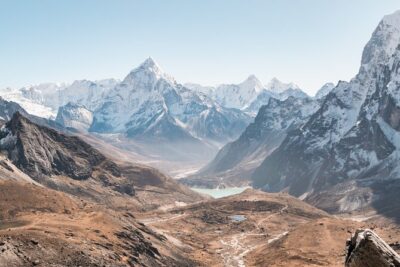
Gokyo Lakes, Gokyo Ri Trekking Package – 10 Days
Read our review →Browse the lists this tour appears in