
Reviewed · GOKYO LAKES TREK
Gokyo-Ranjo Pass Trek On 16 Days (Cheapest Trip On Nepal)
What makes the Gokyo-Renjo Pass trek so interesting is that it trades the busiest Everest trail for a quieter route through Sherpa country, then rewards you with big views from high passes. I love the built-in pace of trekking up the Dudh Koshi valley first, then gradually moving higher for real acclimatization.
The second thing I like is the way the itinerary pushes you toward the Gokyo area, including Gokyo Ri and the Renjo La crossing, without rushing straight to the highest points. The one drawback to consider is that Lukla flights are weather-dependent, so you should be comfortable with the trek including an extra emergency day for the return flight.
Key Highlights You Should Care About
- Lukla flight start keeps the trek focused on hiking, not long road travel
- Dudh Koshi valley walking gives you a steady rhythm before higher altitudes
- Khumjung and Namche detours add culture and acclimatization time
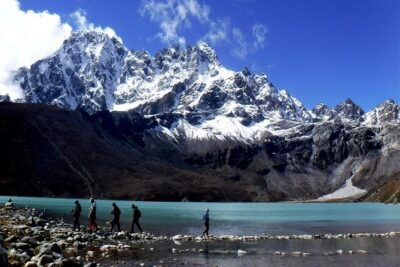
- Gokyo Lakes plus Gokyo Ri gives classic Everest-region scenery with less crowd pressure
- Renjo La crossing is a major viewpoint day at 5,340m
- Rental gear included (sleeping bag and down jacket), plus a duffle and first aid kit
A Trek That Mixes Culture, Acclimatization, and High-Mountain Payoff
This is a classic Everest-region style trek, but with a smarter routing choice. You begin with a mountain flight to Lukla, then work your way along the Dudh Koshi valley, passing through the Sherpa hubs of Namche Bazar and Khumjung before turning off toward the Gokyo region. In plain terms, you are building altitude step by step, while still getting a “wow” factor most days.
The route also makes a deliberate shift: you leave the main Everest traffic patterns and move into the Gokyo valley, which tends to feel calmer. That matters because trekking is easier when you are not constantly sharing trails, teahouse queues, and view points with the largest tour waves.
On top of that, the final act is serious. You include Machhermo (4,470m) for acclimatization, reach the Gokyo Lakes, do the steep day trip to Gokyo Ri (5,483m), then cross Renjo La (5,340m). If you want a trek where the altitude work actually pays off in views, this schedule is built for that.
More of the Gokyo lakes:
- Gokyo to Everest Base Camp Trek
★ 5.0 · 113 reviews - Everest Base Camp – Cho La Pass – Gokyo Trek
★ 5.0 · 65 reviews - Everest Gokyo Valley Trek – 12 days
★ 5.0 · 27 reviews
Price and What You Get for $2,100 Per Person
At $2,100 per person for about 16 days, you are not paying only for hiking. You are buying a package that covers a lot of the “invisible” costs that add up quickly in Nepal: permits, park fees, local transfers, and the logistics that keep altitude trekking from feeling like guesswork.
Here’s what you should treat as real value, not fine print:
- 3 to 4 nights in 3-star hotels on a twin-sharing bed and breakfast basis (including a world heritage sites tour with a guide and private transport)
- All meals on trek days: breakfast, lunch, and dinner, described as high quality and hygienic
- Hot drinks and treated drinking water included
- Required permits and national park fees plus government taxes included
- A Sherpa trekking guide, porters, and support staff covered
- Trek duffle bag, plus a first aid kit for the team
- Rental sleeping bag and down jacket (so you are not forced to buy gear immediately)
The not-included list is also important because it affects your true cost:
- International departure taxes are not included
- Personal high-risk insurance (with emergency evacuation coverage) is not included
- Personal gear is not included, and you should plan to bring your own trekking basics
- Tips to local staff are not included
- Bottle water and soft drinks are not included
My practical take: $2,100 can be a fair deal if you would otherwise end up paying separately for guides, permits, porter staffing, and trekking-day meals. If you already have the right cold-weather gear and you plan to do your own research for permits, you might not get “as much” value. But for most people, the included logistics are the reason this trek feels manageable.
The Flight Day Plan, Early Starts, and Why Day 15 Matters
This trek starts with a meeting point at Tribhuvan Airport in Kathmandu at 5:00 am. That early timing is not a gimmick. In Nepal, time at the airport can shift due to flight schedules, weather, and ground handling. So the early start helps you keep the day moving.
You fly to Lukla (2,840m) and then begin trekking right away. That is a huge benefit if you want to minimize travel days and maximize trail days.
Then there is Day 15, which is explicitly an emergency day for the Lukla to Kathmandu flight. That tells you two things:
1) the operator expects flight delays to be possible, and
2) they built in a buffer so you are not forced to rush your trek at the worst moment.
If you are the type of traveler who gets stressed when plans wobble, this built-in breathing room is a big comfort. If you are flexible, it is also a good way to avoid turning a weather issue into a disaster.
Kathmandu Setup, Hotel Nights, and the Half-Day World Heritage Tour
Your first two days are not “throw you on a plane and go” energy. Day 1 is arrival in Kathmandu, transfer to a hotel, and briefing. Day 2 is a tour for preparation and packing, plus a half-day world heritage sites tour with a guide and private transport.
This is a practical inclusion. Even if you love the outdoors, trekking at altitude benefits from calm preparation: checking layers, confirming medication, learning the basics of what your guide expects, and getting comfortable with how the trek group functions.
And you get hotel time in Kathmandu before the high-altitude work begins. That is not just convenience. It helps you arrive cleaner, rested, and ready to sleep at altitude conditions later.
Also, the package includes transfers by private vehicles between airport and hotel. That reduces the common Kathmandu pain point of figuring out transport during the first hours.
More to compare around Kathmandu
- Everest Base Camp Trek – 14 Days
★ 5.0 · 1,499 reviews - Everest Base Camp Trek
★ 5.0 · 842 reviews - Private Kathmandu Sightseeing Tour | UNESCO World Heritage sites
★ 5.0 · 756 reviews - Kathmandu: 7 UNESCO Sites with Lunch
★ 4.8 · 744 reviews
Following the Dudh Koshi: Lukla to Phakding to Namche Bazar
Day 3 begins with the Lukla flight, then trekking to Phakding (2,610m). This is one of those days that feels short on paper and still does something important for your body. You are moving at lower altitude while you find your trekking rhythm. It is a good chance to test your pack weight and your shoe comfort before the real climb.
Day 4 pushes you to Namche Bazar (3,440m), around 5 hours of trekking. Namche is the Sherpa hub in this region, and it is more than a waypoint. It is where you see the Everest-region economy in full swing: teahouses, gear stores, and lots of trail movement.
Day 4 matters because Namche is one of the first places where altitude can start reminding you to slow down. If you pace yourself and breathe evenly, you keep this day from turning into a struggle. If you go too fast, Namche can feel like a wall.
Khumjung and the Early Detour Off the Main Everest Track
Day 5 is trekking to Khumjung (3,840m) in about 3 hours. This is the moment where the trek’s character shifts from the busiest Everest trail into more Sherpa village life.
Khumjung is a great stop because it is a cultural change, not only a change in altitude. You’re likely to feel less “busy tourist trail” and more everyday village rhythm. That kind of environment can be mentally refreshing after the Namche buzz.
Day 6 goes to Dole (4,200m) in about 6 hours. That extra time is part of acclimatization. The climb is real, and you will likely start noticing that the day’s hardest part is not always steepness, it is reduced oxygen and the need to keep your effort consistent.
Day 6 can be demanding if you treat it like a sprint day. Your best strategy here is simple: short steps, steady breathing, and stop when your guide tells you to. That keeps the day productive instead of exhausting.
Machhermo Rest, Then Gokyo Lakes and Gokyo Ri
Day 7 is the trek to Machhermo (4,470m) in about 4 hours. Machhermo is a key acclimatization point on this route. You reach a high enough altitude to make your body adapt, but you are not yet at the highest point of the trek.
Then Day 8 is where the itinerary pays attention to recovery. You get a day of rest and day hikes at around 4,470m. This is the kind of planning that helps people enjoy the rest of the trip instead of spending the next several days fighting fatigue. If you want to avoid altitude misery, these slower acclimatization days are not optional. They are the whole plan.
Day 9 is trekking to Gokyo (4,790m) in about 4 hours. This is when the scenery starts feeling more dramatic because you are moving into the high valley system around Gokyo.
Day 10 is a day trip to Gokyo Ri (5,483m). This is a big altitude commitment. Even though it’s a day hike, it is the kind of climb where your legs and lungs need coordination. The goal is not to prove speed. The goal is to get up there, take in the views, and return without burning yourself out.
If you are the kind of traveler who wants “one famous viewpoint day” that delivers, this is that day.
Renjo La Pass, Panoramas at 5,340m, and the Descent to Lungden
Day 11 is the big one: Renjo La (5,340m) crossing, then trekking to Lungden (4,400m) in about 6 hours. This is a long day that combines high-altitude effort with downhill movement and the mental focus of a pass crossing.
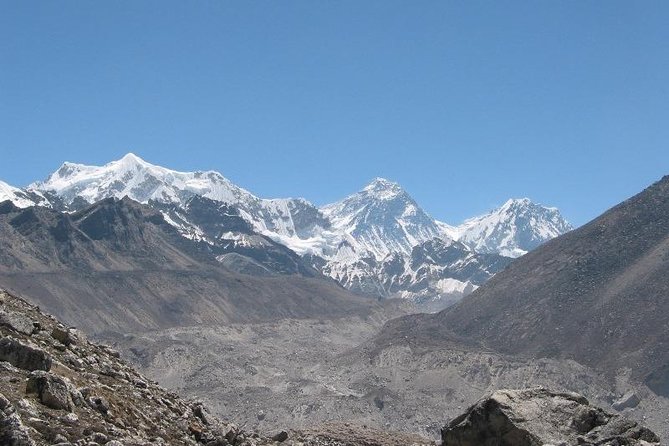
The Renjo La portion is the trek’s signature viewpoint moment. You’re looking at the high peaks around Everest and the wider Khumbu region from a perspective that feels different from the main Everest route.
Practical advice for a pass day: keep your pace conservative early, and don’t wait until you feel tired to start moving slower. If you do, you spend the second half paying for the first half.
Day 12 returns to Namche Bazar (3,440m) in about 5 hours. The altitude drop usually feels like relief, but it can still be tough on knees. Trekking downhill is not “free.” It just swaps the challenge from breath to legs.
Day 13 continues down to Lukla (2,840m) in about 6 hours. By now you have the rhythm. You also know the pattern of teahouses, rest stops, and how to manage your energy. That makes the final trekking days feel more like closing chapters than starting new ones.
Day 14 includes flying back to Kathmandu and then an evening celebration meal. That meal is one of those morale upgrades that make the whole trek feel real.
Guesthouses, Food, Water, and How Comfort Works at Altitude
This trek includes all meals on trek days, and the emphasis here is on hygienic and high quality food. In this region, food quality can make or break your comfort, because you need enough calories and warm meals to stay functional.
One of the strongest themes from guide-support experiences is how well the tea houses handle guests along the Gokyo and Renjo route, especially when the group keeps a slower pace. Expect food that is meant to refuel you, and guesthouses that aim to keep rooms warm enough for cold nights.
Drinking water is covered in a key way: the package includes treated drinking water, plus hot drinks like tea, coffee, and hot chocolate. Bottle water is not included, which means you should carry what you need for your bottle refills strategy.
Comfort tips that actually matter:
- Bring layers you can adjust quickly during climbs and cold evenings
- Plan for cold mornings and evenings, even when the day starts sunny
- Use the included down jacket rental and treat it as part of your layering system, not your only warm layer
- Use the included sleeping bag rental, and expect cold drafts at night at altitude
Also note: the trek includes a tuk duffle bag for each member, plus porters and support Sherpa staff. That often means you can travel lighter on your back. A lighter pack is not glamorous, but it is one of the best upgrades you can buy.
Your Guide Team and Why Reliability Counts in the Everest Region
This trek includes an Experience Sherpa Trek Guide, porter staffing, and support staff, and also includes insurance for local team members. You are not going to control weather or flight timing, but you can control how calmly the group handles the inevitable bumps.
The reviews highlight guides like Pema and Kami for kindness, pacing, and a supportive attitude. That matters more than it sounds. On a high-altitude trek, the difference between a good and great trip is often how you feel on the hard moments: do you feel pushed beyond your limits, or guided into a sustainable pace.
The operator also shows a “reliability” vibe in how it handles multi-day trekking flow, since the route depends on steady progress and good handoffs from place to place.
If you care about having someone who keeps the day organized, and who can answer practical questions quickly, this kind of guide setup is a real advantage.
Should You Book This Trek? The Fast Decision Checklist
Book this trek if you want:
- A private trek experience with your own group
- The classic Everest-region feeling, but with a strong emphasis on Gokyo and views from Renjo La
- A plan that includes acclimatization time at Machhermo and rest support at around 4,470m
- The included logistics that reduce decision fatigue, especially guides, permits, meals, and key rental gear
Skip or reconsider if:
- You are not comfortable with high altitude days, especially the pass day at 5,340m and the Gokyo Ri hike to 5,483m
- You do not want to deal with the reality that Lukla flights can be delayed, even though the itinerary includes an emergency day
- You are hoping to travel ultra-light with zero gear purchases or zero additional costs, because personal gear and insurance are not included
If your priority is a well-run route that takes you into the Gokyo area for serious views, while still giving you recovery time and strong on-the-ground support, this is a compelling choice.
FAQ
Where does the trek start in Kathmandu?
You meet at Tribhuvan Airport in Kathmandu, Nepal, with a stated start time of 5:00 am.
How long is the trek?
The duration is listed as about 16 days.
Is this a private trip?
Yes. It’s described as a private tour/activity, so only your group participates.
What meals are included?
All meals of high quality and hygienic are included on the trekking days: breakfast, lunch, and dinner.
What altitude highlights are included?
You trek through Machhermo (4,470m), reach Gokyo (4,790m), hike Gokyo Ri (5,483m), and cross Renjo La (5,340m).
Is drinking water included?
Treated drinking water is included, along with hot drinks like tea, coffee, and hot chocolate.
What major costs are not included?
Not included items include international departure taxes, medical or high-risk personal insurance with emergency evacuation coverage, personal trek gears, bottle water/soft drinks/beers, major meals in Kathmandu, and tips to local staff.
Latest Kathmandu write-ups
- Langtang Valley Trek★ 5.0 · 3 reviews
- Khopra Danda Trek★ 5.0 · 3 reviews
- Langtang Valley Trek from Kathmandu★ 5.0 · 3 reviews
- 5 night / 6 days Kathmandu Nagarkot Chitwan Pokhara tour★ 5.0 · 3 reviews
- Nepal Highlights Tour: 5 Nights 6 Days Kathmandu & Pokhara Tour★ 5.0 · 3 reviews
- Kathmandu Valley Private Day Tour★ 5.0 · 3 reviews
- Conquer the Himalayas: The Ultimate 16-Day Annapurna Circuit Trek★ 3.5 · 3 reviews
- Kathmandu Heritage Day Tour★ 5.0 · 3 reviews
Gokyo Lakes Trek, compared.

Landing Private Helicopter at Everest base camp & Gokyo for photo
Read our review →
Gokyo Lakes, Gokyo Ri Trekking Package – 10 Days
Read our review →Browse the lists this tour appears in