
Reviewed · PEAK CLIMBING
Island Peak Climbing
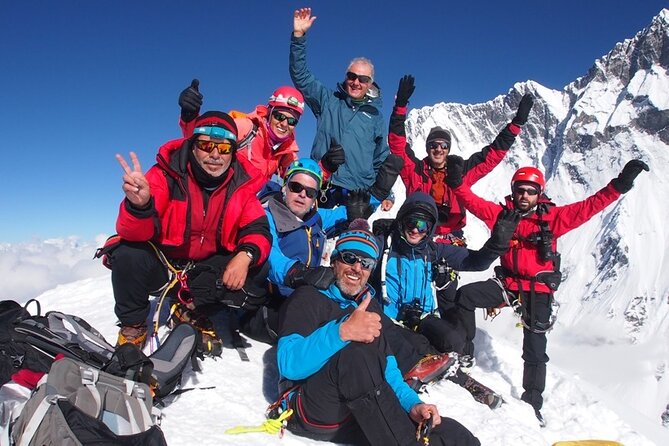
Island Peak climbing is interesting because it is a real jump from trekking into true mountaineering, without pretending the mountains are casual. You get the classic Everest region feel, then you trade trekking boots for ice tools and practice the rhythm of a summit push.
I like the way this program builds altitude step by step, not by rushing. I also like that the climbing side is staffed for success, with a summit Sherpa guide and the right group equipment handled for you. One consideration: you need a high level of fitness and comfort with altitude, because you will be working at real elevation, not just taking photos.
Key things to know before you go
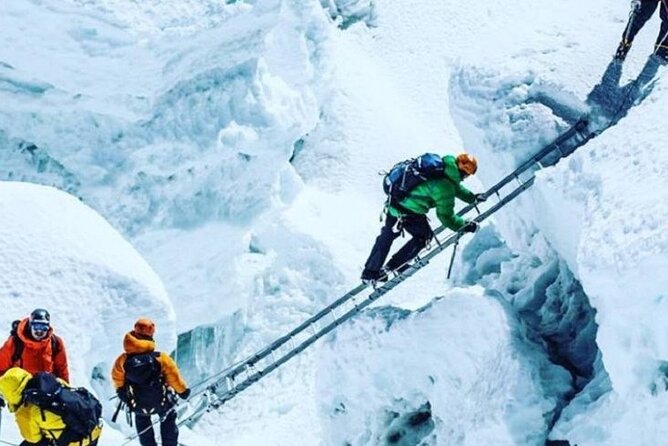
- A guided Everest corridor trek first helps you acclimatize before the technical work
- Chhukung Ri is a smart “test and acclimate” hike before Island Peak
- Summit support from base camp reduces stress on the most important day
- Tented climbing nights are part of the deal, so be ready for colder conditions
- Hot showers and private bathrooms are included at key lodge stops
- A contingency day is built in if weather delays the summit
Why Island Peak feels like a real mountaineering test
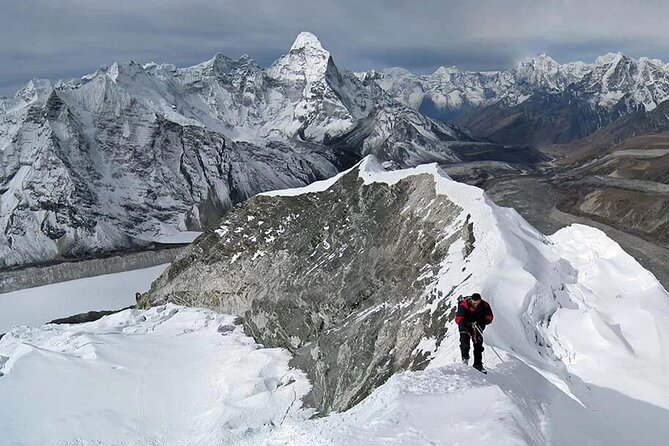
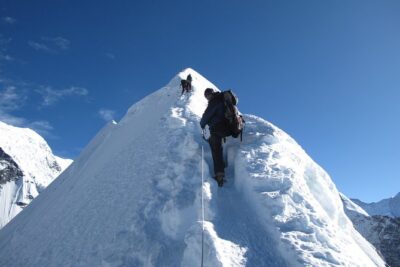
Island Peak is one of Nepal’s famous “trekking peaks,” but it still gives you the mountaineering reality check. The climb is technical enough that you cannot treat it like an extra hike, yet it is achievable for fit travelers with some high-altitude trekking experience.
What you gain is not just a summit stamp. You gain the mechanics of mountaineering in the greater Himalaya region: moving on snow and ice, using tools, and learning how a team handles timing, pacing, and risk. If you have looked at bigger peaks and wondered what the training wheels feel like, this is a clean place to start.
I also appreciate that the itinerary does not isolate you in training mode. You trek through real Sherpa country and hit the cultural rhythm of the Everest trail, then you shift gears toward ice work with the whole team ready for that change.
More trekking peaks with guided ascents:
- Mera Peak Climbing
★ 5.0 · 33 reviews - Island Peak Adventure
★ 5.0 · 15 reviews - Everest Base Camp Trek with Island Peak Climbing
★ 5.0 · 14 reviews
The two-week rhythm: how the altitude plan actually works
This program is designed around acclimatization, not bravery. You climb gradually through a chain of elevations, then you get a relief period, then you push higher again. That is how you help your body adapt and how you lower the odds of a rough summit experience.
Your route starts in Kathmandu, then you fly to Lukla and trek up the famous corridor. Along the way you reach Namche Bazaar, then Tengboche, then Dingboche, with altitude steps that let you adjust before you head toward higher camps. Then comes a key move: you go to Chhukung, and you use Chhukung Ri as a high-altitude rehearsal before Island Peak.
If you have high-altitude trekking experience, you will recognize the logic. Still, you should respect the numbers. This is not “altitude-lite.” You are moving through elevations where sleep, appetite, and breathing can change quickly.
Kathmandu days: comfort, logistics, and getting set
You start with arrival in Kathmandu, plus time in a 3-star category hotel. Two nights are included with twin sharing and breakfast. This is not just a place to crash. In a climbing trip, Kathmandu is where you take care of the “boring but important” stuff like confirming permits, getting organized, and mentally switching from city pace to mountain pace.
You also get private vehicle transport as part of the plan. That matters on arrival day, because you do not want to waste energy figuring out rides, lines, or local logistics. Pickup is offered, and it helps you settle without stress.
One more practical note: you will need two passport size photos for permits. If you forget, it becomes a scramble in Kathmandu. I always suggest packing photos in your carry-on so they are easy to access when needed.
Lukla flight and the trek to Phakding and Namche Bazaar
After Kathmandu, you fly to Lukla, then begin trekking right away. This is where the trip’s energy starts. The Lukla leg puts you quickly into high elevation, and the following treks let you continue rising while still giving your body a chance to adapt.
From Lukla, you trek to Phakding, then continue to Namche Bazaar. Namche is a major altitude milestone, and the program includes an acclimatization day there with a hike to the Everest view area.
That acclimatization day is one of the best parts of the whole structure. It is not the summit day, but it is where you practice your pacing. You will likely feel the difference between climbing uphill fast versus climbing steadily. Slow and steady usually feels boring, until your legs thank you later.
More to compare around Kathmandu
- Everest Base Camp Trek – 14 Days
★ 5.0 · 1,499 reviews - Everest Base Camp Trek
★ 5.0 · 842 reviews - Private Kathmandu Sightseeing Tour | UNESCO World Heritage sites
★ 5.0 · 756 reviews - Kathmandu: 7 UNESCO Sites with Lunch
★ 4.8 · 744 reviews
Tengboche and Dingboche: the classic trail with higher altitude stakes
From Namche, you move on to Tengboche and then onward to Dingboche. These are well-known stops for a reason. They put you in the rhythm of the Everest region: monastery settings, tea house breaks, and a daily routine that feels like you are living on the trail.
But the bigger value here is the altitude progression. Dingboche is a place where your body may start asking for more patience. Your walking pace likely slows down, and you may find yourself resting more often. That is normal. The trip is built to let you adjust before you push into the technical zone.
The program also includes private bathrooms and hot shower at Phakding, Namche, and Lukla. That is a quality-of-life detail that can matter a lot when you are sweating during the day and cooling down at night. You do not need luxury, but you do need a way to feel human.
Chhukung and the Chhukung Ri acclimatization push
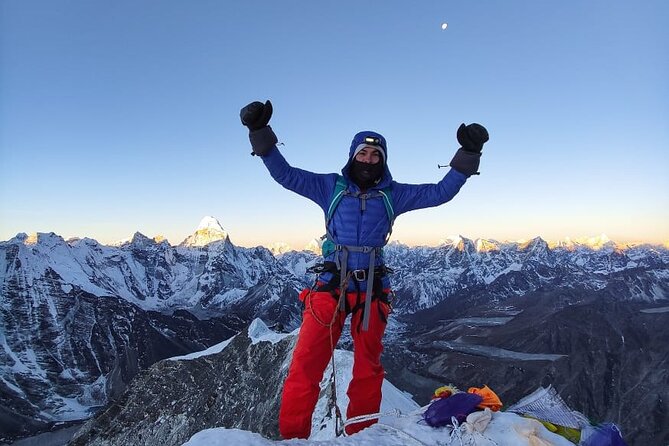
Once you leave Dingboche, you go toward Chhukung, with a highlight: climbing Chhukung Ri to help acclimatization. This is where the trip starts to feel more like mountaineering training, even though you are still trekking.
Chhukung Ri is steep and demanding. The payoff is that you get a high-elevation workout before your technical summit attempt. For many people, that makes Island Peak feel less like a sudden wall and more like a continuation.
After the ri hike, you continue to Chhukung, which sits at high elevation. That position sets you up for the next phase: moving toward Island Peak base camp and then summiting.
Island Peak base camp to summit day at 6,189m
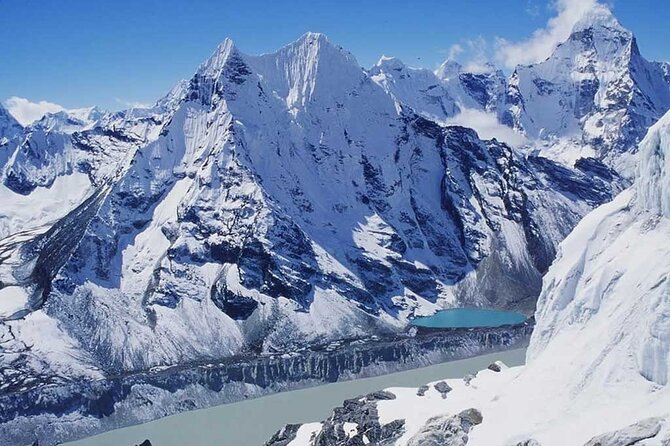
Your climb includes reaching Island peak base camp, then pushing up to the summit and returning to Chhukung. The summit day is the heart of the itinerary, and it is also where the support structure matters most.
This is a key point: you do not just show up at base camp and hope for the best. The program includes a climbing Sherpa guide from Island peak base camp for the summit and back to base camp. That changes the mood on summit day. You can focus on following instructions, keeping steady movement, and communicating if you feel off.
On the technical side, you receive group climbing equipment such as climbing rope, ice screw, snow bar, and ice hammer. You also get other items for use during the trek and climb, including a sleeping bag and down jacket. That setup matters because you should not be borrowing critical gear at the last minute.
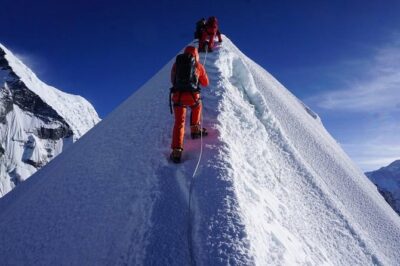
What you will feel on summit day is mostly control and discipline. Slow steps, careful spacing, and listening to your guide. If you are thinking of treating it like a fitness test, shift your mindset. This is stamina plus technique plus timing.
The weather contingency day: why it is built into the plan
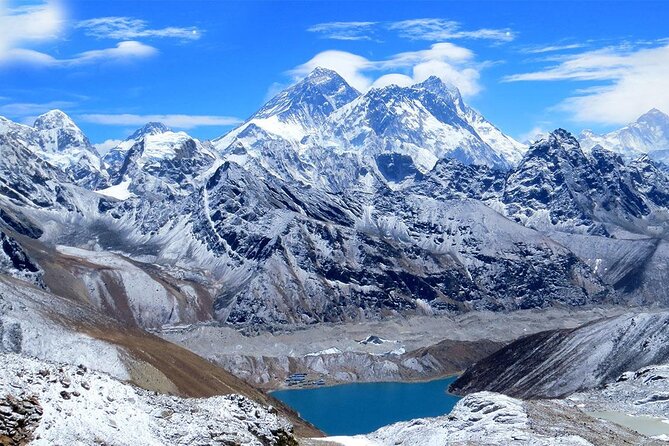
You get a contingency day to handle unfavorable summit weather. That is not marketing fluff. It is what responsible trip planning looks like.
In real mountain conditions, you cannot control clouds or wind. What you can control is whether you have schedule flexibility when conditions turn. The contingency day helps reduce pressure to force a risky attempt on a bad weather window.
If you hate delays and want a guaranteed summit date, this kind of program may test your patience. But if you want a safer approach and a team that plans for reality, this extra day is a big positive.
Trek back: Chhukung down to Namche and Lukla flight timing
After the summit and return to Chhukung, you trek back down through Namche Bazaar and toward Lukla. This phase often gets underestimated. It can feel anticlimactic, until you realize it is still hard walking at altitude, with fatigue carried from earlier days.
The value of the return route is that it keeps your body moving downhill gradually while you transition out of the highest elevations. You then fly back to Kathmandu and wrap up with departure.
Also, the itinerary includes lodging support along the way, and it is not all survival mode. During the climb you are in tented accommodation, while the trek uses the best available lodges. Knowing that mix matters for expectations and packing.
Gear, permits, and the “don’t waste time” details
This trip covers a lot of the friction points that can slow people down.
Included on the operational side
- Permits and taxes for trekking and the Island Peak climbing side
- A climbing permit plus national park permits
- Local licensed English-speaking trekking guide
- A climbing leader and an assistant guide setup, with porters and helpers for the group
- Meals with breakfast, lunch, and dinner during trek and climb, plus tea/coffee
Included on the comfort and equipment side
- Group climbing equipment for the ice portion
- A sleeping bag and down jacket for use during the trek and climb
- Duffle bag support
- A trip achievement certificate, plus a trekking map and T-shirt
This is what makes the experience feel “managed.” You are not juggling everything yourself, and the team can focus on pacing, safety, and teaching.
One thing to plan for: personal trekking and climbing gears are not included. The program provides key items and group gear, but you still need to bring what is personal. If you show up underprepared, you will spend time trying to improvise instead of focusing on training and acclimatization.
Price and value: what you pay for at $2,900 per person
$2,900 is not small money. The honest question is what makes it worth it, or not.
Here is what you are paying for, based on what is included:
- Round trip Kathmandu to Lukla flights
- Private vehicle ground transport in Kathmandu
- Guides and climbing support, including a summit Sherpa
- Permits and government taxes
- Meals for days on the trail and during the climb
- A package of equipment for the climb and major comfort items like a sleeping bag and down jacket
Most of the cost in a peak climb comes from logistics and staffing. Flights to Lukla, specialized guides, permits, and the right equipment do not get cheap. When those are included, you avoid the common trap of paying extra later.
What is not included is also clear: your Nepal visa arrangement, international airfares, travel and rescue insurance, and your personal gear. Those items can add up, so budget them early. Still, if you want a trip where critical elements are handled, the package approach is strong value.
The human side: support quality and how it shows up
The small details matter on a climb. The included reviews and overall service style point to a team that stays close and communicates well.
Accessible Adventure is the provider, and the name Himal comes up with particular respect. The guides are described as friendly, helpful, and approachable, and that matters more than people think. When you feel tired or unsure, you want someone who can explain calmly and guide you without drama.
You also have leadership on the climbing side with a professional, knowledgeable climbing leader and an assistant guide ratio for a small group. That tends to translate into smoother mornings, better pacing, and less chaos when decisions need to be made quickly.
If you care about learning, this matters even more. Climbing is a skill, not just a physical challenge. When the team has clear instruction and real understanding, your summit day feels like a plan, not a gamble.
Who this Island Peak climb is best for
This trip is best for you if:
- You have high-altitude trekking experience and understand how your body reacts to elevation
- You want a first step into mountaineering, not a pure hiking adventure
- You like a structured itinerary with acclimatization and a technical summit day
- You prefer a guided, team-supported environment with gear handled for key parts of the climb
It may not be the right fit if:
- You only want a casual trek with light exertion
- You do not want cold nights and tented accommodation during the climb
- You are not ready to invest in personal climbing and trekking gear you must bring yourself
Should you book this Island Peak climb?
If your goal is to turn trekking experience into a real mountaineering introduction, I think this program makes a lot of sense. The structure is built around acclimatization, and the summit day has the kind of support that makes a huge difference when altitude and conditions get serious.
My advice: book if you can meet the fitness and altitude comfort level, and if you are ready to take mountaineering seriously on summit day. If you do that, you are getting a full package, not just a route.
You should hesitate only if you are unclear about your gear needs or if you are hoping for a guaranteed weather-independent summit date. The program accounts for weather with a contingency day, which is what responsible climbing planning looks like.
FAQ
Is pickup offered for this Island Peak climbing trip?
The tour notes that pickup is offered, and it starts from Kathmandu.
Are flights between Kathmandu and Lukla included?
Yes. The package includes round trip flights Kathmandu to Lukla and back to Kathmandu, including departure taxes.
What permits are included?
The trip includes an Island peak climbing permit and National Park permits.
Do I need passport photos for permits?
Yes. You are asked to bring 2 passport size photos for the permit process.
What climbing equipment is provided?
Group climbing equipment is provided, including climbing rope, ice screw, snow bar, and ice hammer. You also receive items for use during the trek and climb such as a sleeping bag and down jacket.
Are meals included during the trek and climb?
Yes. The program includes breakfast, lunch, and dinner during the trek and climb, plus tea/coffee.
Is a contingency day included for weather delays?
Yes. There is a contingency day included in case the summit day has unfavorable weather conditions.
What is not included in the price?
Not included are Nepal visa arrangement, international airfare, travel and rescue insurance, sightseeing in Kathmandu, added nights in Kathmandu, lunches and dinners in Kathmandu, alcoholic and cold drinks, personal expenses, and personal trekking and climbing gears.
Latest Kathmandu write-ups
- Langtang Valley Trek★ 5.0 · 3 reviews
- Khopra Danda Trek★ 5.0 · 3 reviews
- Langtang Valley Trek from Kathmandu★ 5.0 · 3 reviews
- 5 night / 6 days Kathmandu Nagarkot Chitwan Pokhara tour★ 5.0 · 3 reviews
- Nepal Highlights Tour: 5 Nights 6 Days Kathmandu & Pokhara Tour★ 5.0 · 3 reviews
- Kathmandu Valley Private Day Tour★ 5.0 · 3 reviews
- Conquer the Himalayas: The Ultimate 16-Day Annapurna Circuit Trek★ 3.5 · 3 reviews
- Kathmandu Heritage Day Tour★ 5.0 · 3 reviews
Peak Climbing, compared.
Everest Base Camp Trek with Island Peak Climbing
Read our review →
Browse the lists this tour appears in