
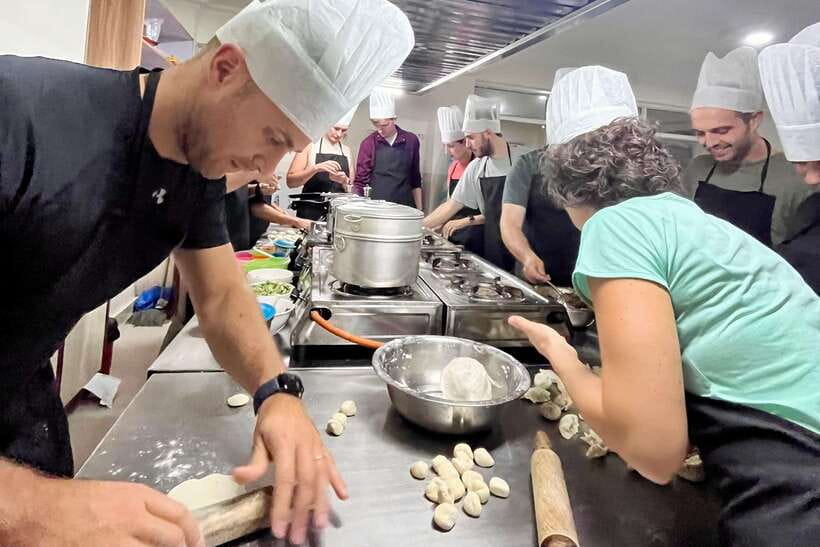
Reviewed · MOMO MAKING CLASSES
Kathmandu: Women-Led Cooking Class & Momo Making-Local Taste
This is a fun way to understand Nepal through food, because you do the real work, from shopping for ingredients to cooking iconic dishes like dal bhat and dumplings. I like that it starts in the market, so you see where spices and vegetables actually come from. I also like that the class is built around practical technique, not just watching someone cook.
I especially like the small group size and the English instruction, which makes it easier to ask questions while your hands are busy. And because the chef teaches you step by step, you get a clearer sense of why Nepali cooking tastes the way it does, not just what the dish is. The best part is that you finish by eating a full meal you helped make.
One possible drawback to plan for: dumpling work can be fiddly. If you struggle with the folding technique, you may feel a bit rushed, so go in ready to slow down and practice.
Key highlights you should know
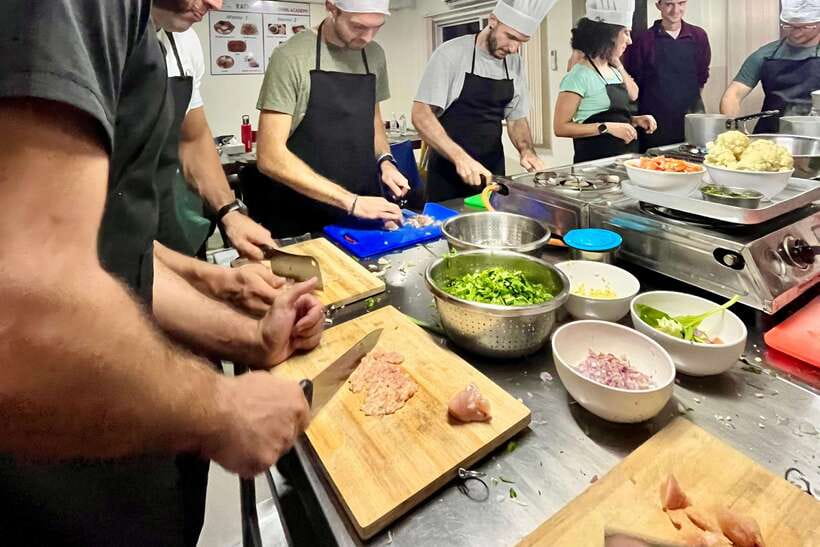
- Market shopping first, so you can recognize ingredients before they hit the pan
- Menu sets that mix Nepal and Tibetan-influenced dishes, so you get variety in one session
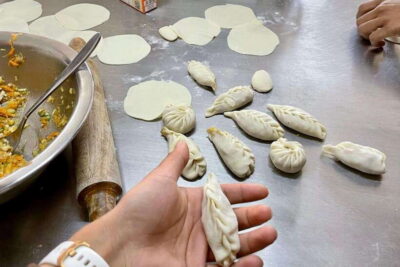
- Momo practice with real hands-on dumpling making, not just a quick demo
- Masala tea and snack stops, including bara and often a sweet finish
- Small group of up to 8, which usually means more attention from the chef
- Vegetarian and meat options, so you can choose what fits your appetite
Entering a Women-Led Kathmandu Kitchen, 2 to 3 Hours to Eat for Real
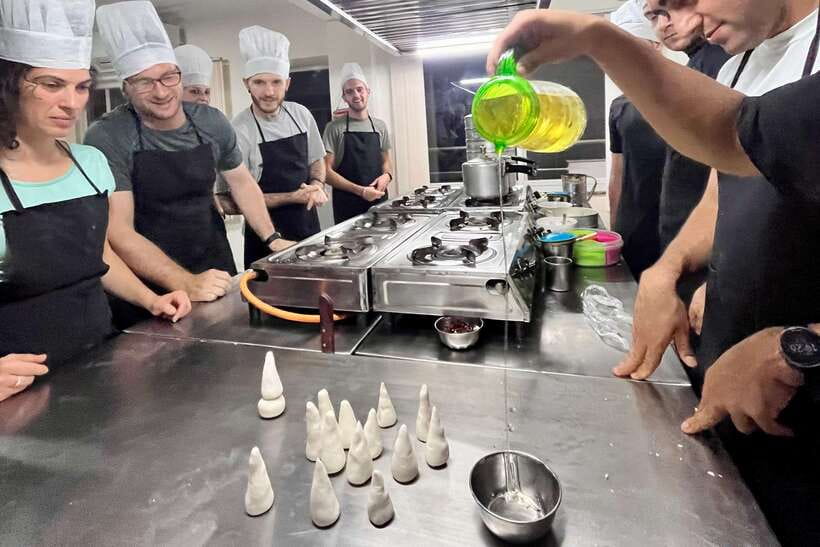
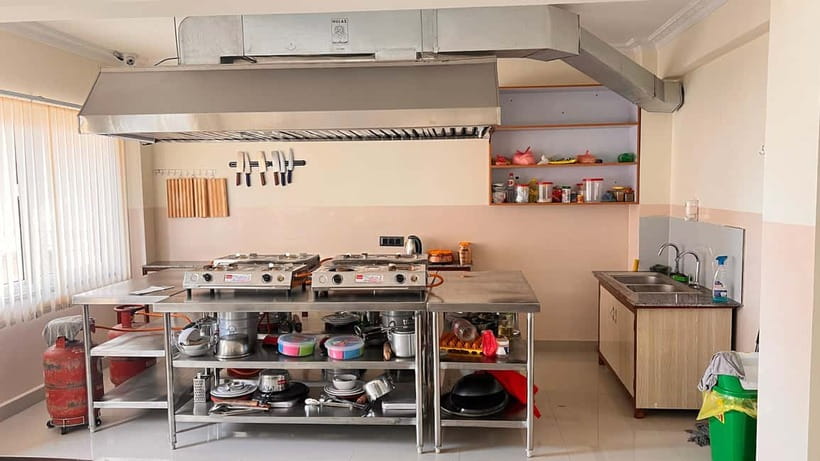
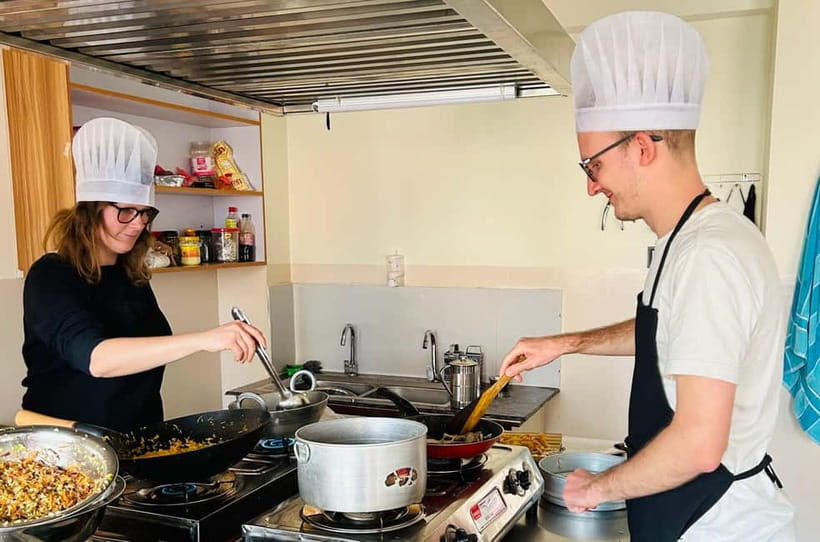
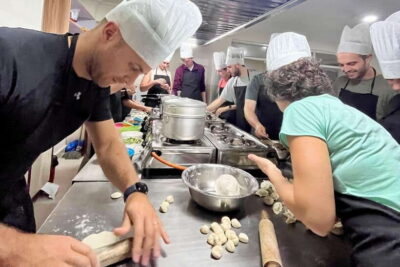
This cooking class is designed for a short, satisfying window in Kathmandu, usually 2 to 3 hours. You are not stuck in a classroom with recipes. You step into a working kitchen, get guidance, and build dishes with your own hands.
The “women-led” angle matters here, because it sets a welcoming tone from the start. In a place like Thamel, it can be easy to bounce from one tourist thing to another. This gives you a more local rhythm, where the meal is the point, and learning is part of eating it.
You should go in hungry and ready to get slightly covered in flour and spice. That is normal. The upside is that you finish with a meal that is warm, filling, and genuinely yours, not something you just ordered and forgot.
More Cooking Classes in Kathmandu
- Kathmandu: Local Women-Led Nepali Cooking & Momo Class
★ 4.9 · 360 reviews - Kathmandu: Local Women-Lead Nepali Cooking & Momo Class
★ 4.9 · 45 reviews - Kathmandu: Local Lead Nepali Cooking & Momo Making Class
★ 4.9 · 40 reviews
Market Shopping in Kathmandu: Why It Changes How You Cook
A big reason this class feels different is that it begins with a shop or market visit to pick up key ingredients. You will buy vegetables, spices, and meat for the cooking session, depending on your menu set and preferences.
That step is more than a fun add-on. When you can see the chilies, herbs, lentils, and other staples before cooking, the flavors make more sense. It also makes you more confident at home. You are not memorizing a list. You are remembering a smell and a texture you handled yourself.
If you like food markets, you will enjoy the simple payoff: you learn what matters to the dish, then you use it right away. If you hate markets, keep in mind this is short, focused, and practical, not a long wandering tour.
What You Actually Cook: The 3 Menu Sets and How They Feel
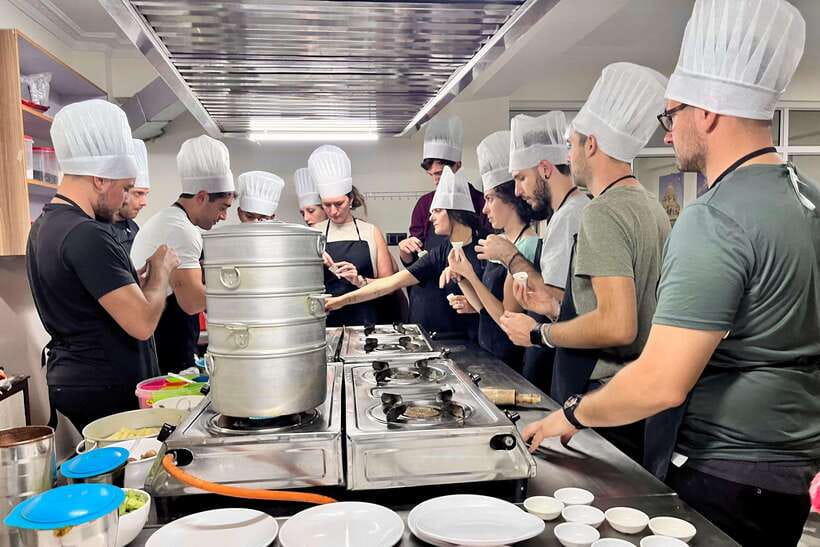
The class runs through a chosen set of dishes. You do not need to understand Nepali first. The chef explains what you are doing and why, and you taste as you go.
There are three menu sets to pick from, and each one gives a different vibe:
Menu 1: Bara, Dal Bhat, Yomari
This is the “comfort food” menu. Bara is a Newari-style lentil pancake made from urad dal batter, with spices. Dal bhat is rice with lentil soup, usually served with curry, vegetables, and pickles. Yomari is a sweet rice dumpling filled with molasses and sesame, or sometimes coconut.
More Momo Making Classes in Kathmandu:
- Kathmandu: Traditional Momo Making Class & Pickup
★ 4.8 · 60 reviews - Kathmandu: Momo Making Class with a Local Chef
★ 5.0 · 3 reviews - MoMo or Dal Bhat Cooking Class at Aama Kitchen in Pokhara
★ 4.9 · 28 reviews - Pokhara: 3 Hour MoMo cooking class
★ 4.5 · 10 reviews
Menu 2: Chatamari, Momo, Kheer
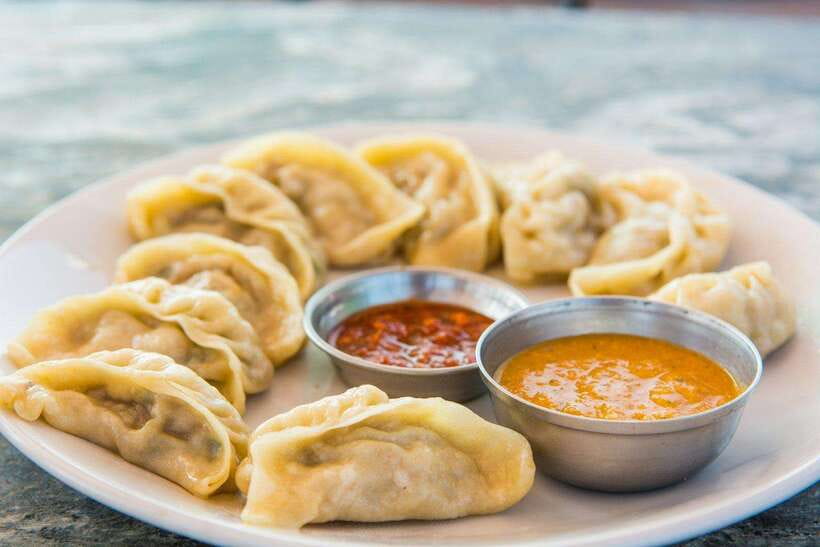
This one leans snacky and dumpling-heavy. Chatamari is often called the Nepali pizza, a rice flour crepe topped with things like egg, minced meat, vegetables, and spices. Momo are Nepali dumplings filled with minced meat (chicken, buff, or pork) or vegetables. Kheer is creamy rice pudding flavored with cardamom and finished with nuts and raisins.
Menu 3: Aloo Chop, Thukpa, Carrot Halwa
This menu is potato and noodles, plus dessert. Aloo chop are spiced, deep-fried potato bites. Thukpa is a Tibetan-Nepali noodle soup with a flavorful broth, usually with vegetables and sometimes meat, plus aromatic spices. Carrot halwa is slow-cooked grated carrots with milk, sugar, ghee, cardamom, and garnished with nuts and raisins.
The menu you choose changes what skills you practice. If you want technique, Menu 2 gives you the most dumpling momentum. If you want the “classic Nepal meal” feeling, Menu 1 is the closest to the core dal bhat experience.
Dal Bhat and Bara: Learning the Core of Nepali Eating
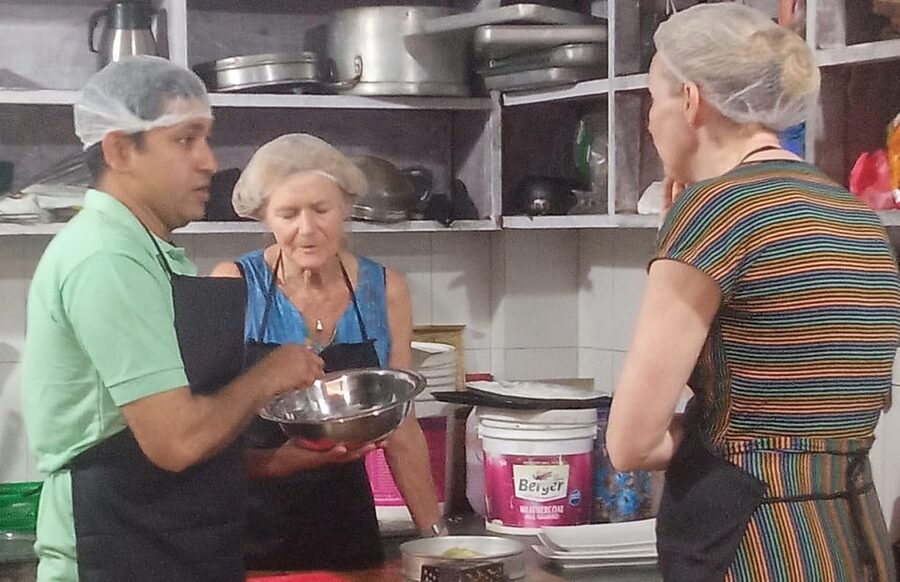
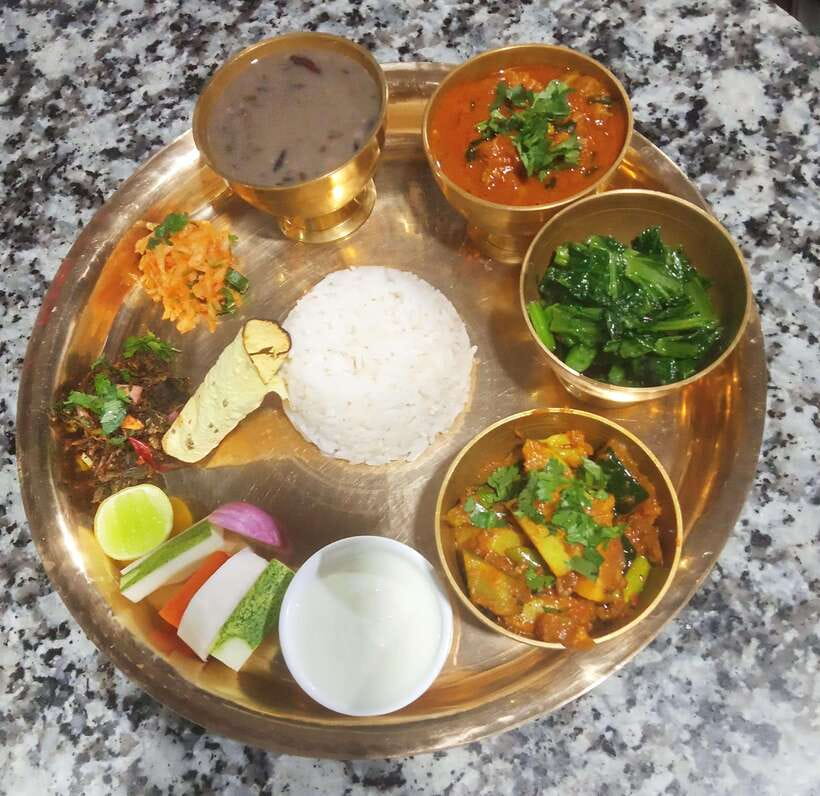
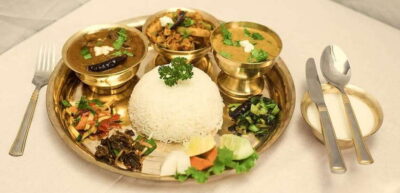
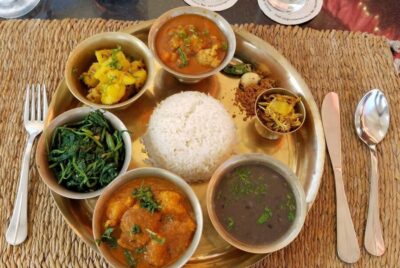
Dal bhat is one of Nepal’s best everyday meals, and in this class you get to cook it rather than just eat it. Expect steamed rice paired with lentil soup, plus side components like vegetables, pickles, and curry. It is balanced, filling, and practical, which is why it stays a staple across South Asia.
Bara teaches you how lentils become something crisp and tender at the same time. It is made from ground black gram batter, seasoned with spices. You may see variations topped with egg, minced meat, or vegetables, depending on what your class uses.
What I like about pairing these is that you practice two different cooking “modes.” One is steady, comforting simmering and assembling. The other is quick turning and crisping. You start to understand how texture drives the flavor in Nepali meals.
If you are sensitive to spice, this is the moment to be honest with the chef. You are learning, so speak up early, and you will likely get adjustments.
Momo Making: Dumpling Folding Skills You Can Actually Use Later
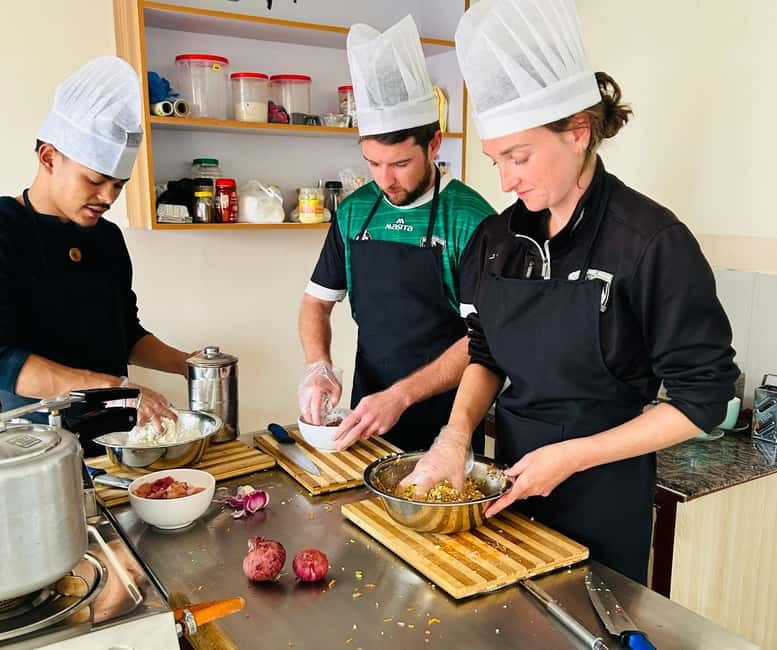
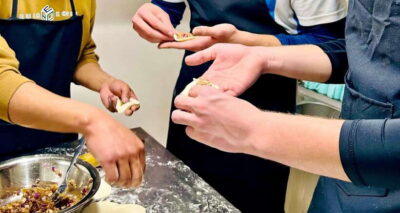
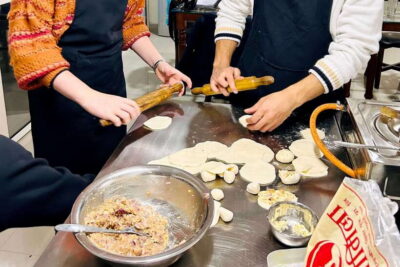
Momo is where the class really earns its name. You roll the dough, prepare filling (meat or vegetables), and then work on shaping dumplings. The folding part is the skill that decides whether your momos look neat or look like a food sculpture.
This is also where the teaching style becomes important. If you learn slowly, you may feel pressure. The fix is simple: ask questions as you go, and do not be shy about starting over on one dumpling to get the hang of the technique.
The best payoff is that you are not limited to one attempt. You should get enough momo-making practice to take home the method. Then the final tasting makes sense, because you know what you did at each step that affected the result.
If you are going with kids (the minimum age is 8+), momo is usually a good fit. It is hands-on, and kids often enjoy rolling and shaping. Adults often enjoy it too, because it is more interactive than many “watch and taste” food tours.
Masala Tea, Snack Stops, and the Food Timing That Makes Sense
Nepali masala tea is included, and it is more than a drink. You get black tea with aromatic spices, a warm reset between cooking tasks. Tea like this is common for a reason: it keeps you comfortable while the kitchen gets busy.
You may also start with or include bara as a snack component. That matters because it gives you something to taste while you cook, so you understand flavors as they develop.
Then you finish with the meal you prepared. That sequence is smart. Cooking is distracting if you only eat at the end. Here, small tastings help you stay confident, especially if your first attempt at a dish is not perfect.
Chatamari and Thukpa: When Nepal Meets Tibetan-Style Comfort
Not every menu stays strictly “traditional Nepali.” Some dishes reflect neighboring food traditions, and the class uses that to broaden your understanding.
Chatamari, often called the Nepali pizza, is a rice flour crepe topped with ingredients like egg, minced meat, vegetables, and spices. It feels familiar in shape, but the flavor language is distinctly Nepali.
Thukpa is another bridge. It is a Tibetan-Nepali noodle soup served in a broth with aromatic spices. Depending on your menu and your preference, it can include vegetables and meat. Either way, it is the kind of dish that teaches you about broth balance, salt, and spice layering.
If you like learning how food travels and changes with geography, these two dishes give you a clear snapshot in one short class.
Choosing Vegetarian or Meat Options Without Overthinking It
The class offers both vegetarian and meat options to try out. That is useful because you can pick dishes based on your preferences, without needing to “translate” everything yourself.
A practical way to decide: pick the menu based on what you want to master. If you want dumpling technique, choose the menu set that includes momo. If you want a classic meal structure, choose the set with dal bhat. If you want a more snack-meets-soup day, pick the menu with aloo chop and thukpa.
If you have dietary restrictions, you should communicate them in advance. The provided info confirms veggie and meat options are available, but it does not list specific allergy protocols, so it is smart to ask what can be adjusted.
Price and Value: Getting a Whole Meal Plus Market Time for About $11
At $11 per person, this class is priced like a bargain compared to many cooking experiences in Europe or North America. You are not just getting instruction. You are getting a market ingredient stop, a guided cooking session with a local chef, cooking tools, masala tea, and a tasting meal.
Value also comes from the structure. A small group of up to 8 means you are more likely to get help while you fold, stir, and taste. That is hard to replicate on your own unless you already have a kitchen and ingredients lined up.
If you only want to taste Nepali food, a street meal might cost less. But you would not learn techniques or get the same hands-on confidence. For $11, you are buying both food and skill, and that is why it feels like a smart deal.
Logistics That Matter: Meeting Area, English Support, and Group Size
The meeting point is easily accessible from Thamel and around Kathmandu Valley, which helps if your days are already packed. You also get an English instructor and step-by-step guidance, so you are not guessing while cooking.
Group size is limited to 8 participants, and that is a big deal for a hands-on class. It reduces wait time and keeps the chef’s attention focused. In practical terms, you will spend less time waiting for someone else’s turn and more time cooking your own meal.
The minimum age is 8+, so it is family-friendly in the sense that there is no teen-only restriction. Still, because you are working with hot cooking processes and sharp kitchen tools, keep an eye on how your child handles tasks.
Who Should Book This Cooking Class, and Who Might Not
This is a great choice for you if you:
- Want a real food experience that goes beyond ordering dishes
- Like learning techniques you could repeat at home
- Enjoy dumplings, lentils, and spice-forward flavors
- Prefer small groups and clear English instruction
It may not be the best fit if you:
- Hate folding tasks and want zero hands-on work
- Get frustrated when you learn a new skill and need a few tries
- Are only looking for a quick snack rather than a full meal
If you fall into the “I like learning but I hate being rushed” category, go in with patience. Ask questions early, and treat the first dumpling or pancake as practice.
Should You Book This Kathmandu Women-Led Cooking Class?
If you are spending time in Kathmandu and you want something practical, not just scenic, book it. For $11, you get market shopping, masala tea, hands-on cooking, and a meal you made yourself, which is a strong value combo.
I would especially recommend it if momo is on your Kathmandu wishlist. The class is built around dumpling making, and that technique is the part you will remember long after the meal.
Just be ready for the fiddly bits, particularly dumpling folding. Bring a calm attitude, ask for help right away, and you will likely walk out with both full bellies and real cooking confidence.
FAQ
How long is the cooking class in Kathmandu?
The class lasts about 2-3 hours.
Where is the workshop located?
The workshop location is easily accessible from Thamel and the rest of the Kathmandu Valley.
What dishes can I choose to cook?
There are 3 menu sets. Options include Bara, Dal Bhat, Yomari, Chatamari, Momo, Kheer, Aloo Chop, Thukpa, and Carrot Halwa.
Is the class taught in English?
Yes. The instructor and language used are English.
Is the group size small?
Yes. It is limited to 8 participants.
Are there vegetarian and meat options?
Yes. There are vegetarian and meat options to try out.
Is photography included?
Photos and video are not included. Professional photography or videography is available for an additional fee.
Is there an age requirement?
The workshop is suitable for people aged above 8 years.
Latest Kathmandu write-ups
- 16 Days Island Peak Climbing With Everest Base Camp Private Trip★ 5.0 · 3 reviews
- 15 Days Round Annapurna Trek with Poon Hill from Pokhara★ 5.0 · 5 reviews
- Private Nepal round trip including Ghorepani Poonhill trek★ 5.0 · 3 reviews
- Everest Base Camp Trekking 16 Days★ 4.0 · 7 reviews
- 14 Days Luxury Annapurna Base Camp Trek★ 5.0 · 6 reviews
- Everest Base Camp Trek★ 5.0 · 32 reviews
- Everest Base Camp Trek★ 5.0 · 87 reviews
- Everest Base Camp Trek★ 5.0 · 97 reviews
Momo Making Classes, compared.
MoMo or Dal Bhat Cooking Class at Aama Kitchen in Pokhara
Read our review →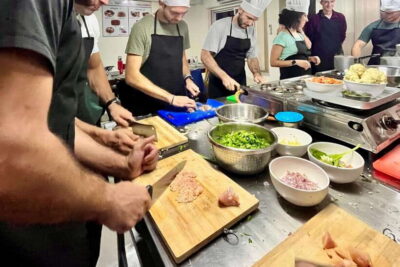
Browse the lists this tour appears in