Reviewed · HIKING & TREKKING
Khopra Ridge Trek
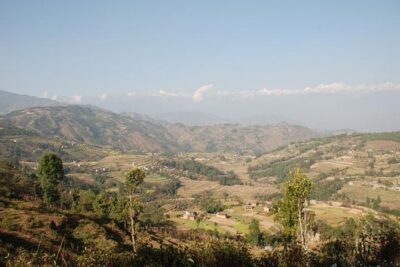
Khopra Ridge is interesting because it trades the usual Annapurna bustle for a quieter, newer path where tea houses feel more like local home-stays than tourist stops. I love how close you get to village life in the Annapurna region, not just the scenery. Rhododendron forests, farmland, and simple guest rooms all make the trek feel grounded.
I also love the viewpoint punch this route packs, especially the high payoff days around Kopra Ridge (3870m) and the push to Khayer Lake (4827m). The mornings are made for picture-taking, and the pacing gives you time to pause.
One consideration: the accommodations and meals on trek are intentionally basic. If you want polished “hotel-style” comforts every night, you may find the tea houses and home-stays a bit plain.
Key highlights to know before you go
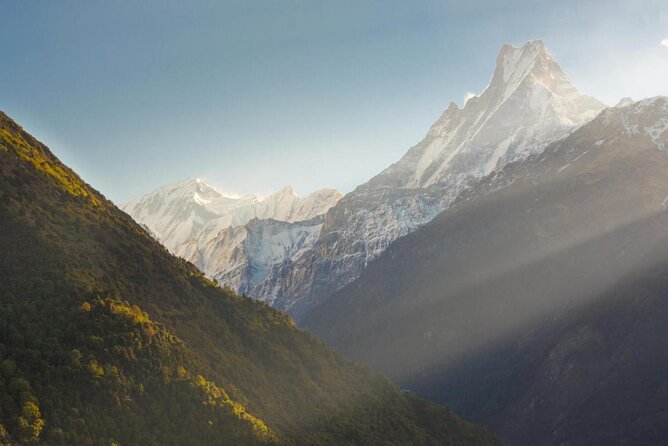
- A less-developed Annapurna route that feels more local than cookie-cutter trekking trails
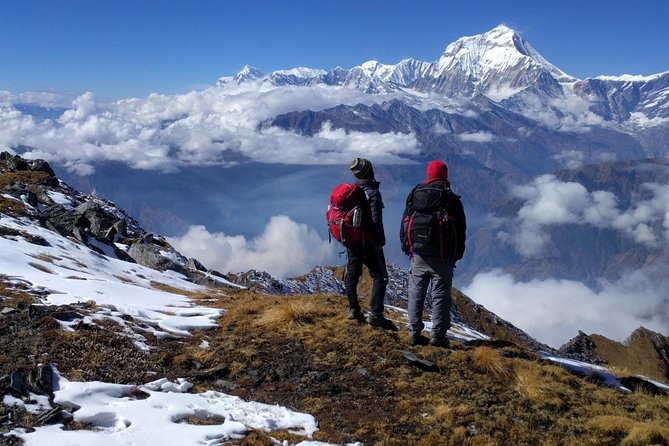
- Serious mountain-view days around Kopra Ridge and Khayer Lake for big Annapurna and Dhaulagiri perspectives
- Culture time in Kathmandu and Pokhara, including Swayambhunath and the World Peace Stupa
- Guide support you can count on, with Top of the World Treks’ team led by names like Biru Tamang and Bhoj Tamang
- Simple lodges and home-stays that bring you close to the places you’re walking through
- Meals are included on trek, which simplifies daily logistics in the mountains
Entering Nepal: Thamel nights, Swayambhunath mornings
Day 1 is your soft landing in Kathmandu, starting in Thamel, the lively tourist neighborhood. You get met by Top of the World Treks, then head by bus for about 45 minutes to the hotel, with time for a shower and a proper cup of tea before dinner.
If you want to get oriented fast, Day 2 is a great move. You’ll visit Swayambhunath, a Buddhist stupa and monastery that’s been around for over 2000 years, and you’ll look out across the valleys while also spotting monkeys. It’s a very “Nepal in one morning” kind of stop, and it helps you understand what you’ll be seeing again later in Pokhara.
Practical note: this part of the trip is light on walking, but it’s not idle. You’ll also use the afternoon to prepare your trek kit, make sure clothing and gear are ready, and do some shopping in Thamel. Think of it as your gear “sanity check,” not a spare-time vacation.
More to compare around Kathmandu
- Everest Base Camp Trek – 14 Days
★ 5.0 · 1,499 reviews - Everest Base Camp Trek
★ 5.0 · 842 reviews - Private Kathmandu Sightseeing Tour | UNESCO World Heritage sites
★ 5.0 · 756 reviews
Kathmandu to Pokhara to Nayapul: the trek starts with a jump
On Day 3, you fly from Kathmandu to Pokhara, about 45 minutes. Then you transfer privately to Nayapul, and you start trekking toward Ghandruk.
What I like about this entry is that it avoids a long first-day slog from the start. After you arrive at around Ghandruk (1940m), you’re already in classic Annapurna-village territory, and you can spot Gurung culture as you go. You’re not just walking through scenery, you’re meeting the social fabric of the region.
The day is long enough to feel like a real start (about 5 hours), but it’s still a smart first step for building momentum.
Rhododendron climbs and Tadapani sunrise setups
Day 4 takes you through a rhododendron forest, with a strong chance of seeing monkeys and birds along the way. You’ll get good views of peaks including Annapurna II, Annapurna III, Annapurna IV, Annapurna South, Machhapuchhre, and Lamjung Himal, depending on weather and cloud cover.
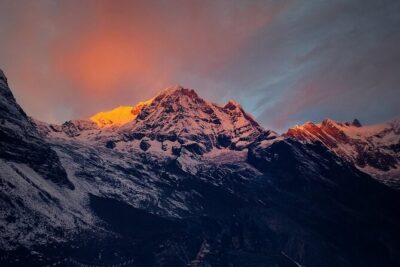
Your sleeping spot for the night is Tadapani (2300m), and the big idea here is timing. The area is set up for sunset and sunrise views, so it’s worth being ready for early mornings and stepping out when the light hits.
A subtle plus: the rhododendron section helps break up the trek emotionally. Even when you’re climbing, you’re moving through a living forest, not just a dry trail.
Dobato lunch, above the tree line, and a less-traveled feeling
Day 5 is where the route leans into its “newer path” personality. You leave the more developed Annapurna sanctuary trail and head onto a less-traveled route through thick rhododendron forest and into water buffalo pastures.
As you gradually climb, you’ll emerge above the tree line, which usually means the views open up more dramatically. You stop for lunch at Dobato (3400m) and then continue onward to camp for the night.
If you’re trying to understand what you’re paying for on this trek, this is a big part of it. You’re not paying for polished tourist infrastructure, you’re paying for access to a trail that feels more wild and personal.
A different sort of day out of Kathmandu:
- Kathmandu: 7 UNESCO Sites with Lunch
★ 4.8 · 744 reviews - Everest Base Camp Helicopter Tour landing at Everest View Hotel
★ 5.0 · 668 reviews - Half day cooking class in Thamel kathmandu
★ 5.0 · 607 reviews - Everest Base Camp Trekking
★ 5.0 · 485 reviews
Mulde viewpoint and Dhaulagiri day: altitude with a plan
Day 6 has a morning viewpoint plan that also doubles as an acclimatization-friendly approach. You hike early to Mulde view point for panoramic views of the Annapurna range and the Dhaulagiri range. Then you hike back down to Dobato for breakfast, which gives you a built-in recovery break.
After breakfast, you continue to Upper Chistibung (3000m). The route alternates forest and pasture walking, with a big moment at a suspension bridge, then a gradual ascent toward Deaurili or Lower Chistibung.
Day 7 continues the climb with a steady push above the tree line to Kopra Ridge (3870m). This is also a wildlife-friendly day, with an opportunity to see animals like mountain thar and a bird species listed as Danfe Pheasant. You’ll take it slowly, with multiple photo stops, so the day feels controlled rather than frantic.
The Kopra Ridge payoff, plus Khayer Lake for the brave (and steady)
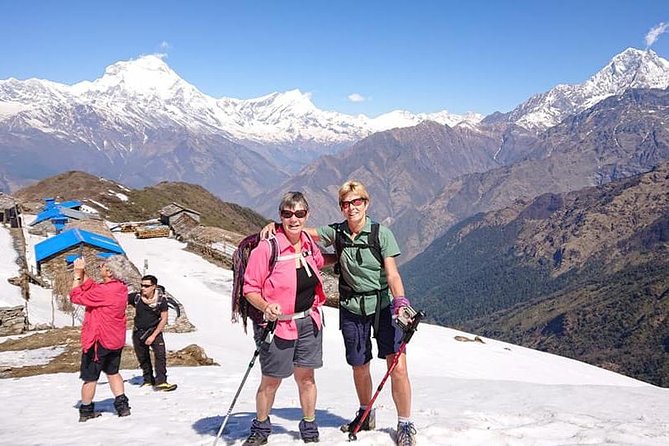
Day 7 is your first night at Kopra Ridge (3870m), and the views are a centerpiece. You can see Annapurna South nearby, and to the north you have Fang and Nilgiri, while the west brings Dhaulagiri into focus. You’re at a high vantage point without going into the super-technical zones some treks target.
Day 8 is designed as a “stay and explore” day with a second night in Khopra. You’ll walk up to Khayer Lake and temple (4827m). It’s described as a long walk, but the message is clear: the views are worth it.
This is also where sensible pacing matters most. At that elevation, going steady beats going fast, and you’ll want to be ready for cold mornings and changing weather. If you’re prone to altitude headaches, tell your guide early, and don’t push just to keep up.
Paudwar descent and the long way down
On Day 9, you descend from the hillside with steep sections. The walk begins on more open ground, including buffalo pastures, then you move into thick oak and rhododendron forest.
You’ll end the day at Paudwar, spending the night there. This day is about rhythm: your legs get the “downhill work,” but the forest sections keep it interesting and not just a grind.
Tatopani hot springs: your recovery day that still counts as a trek
Day 10 drops you into a lower-elevation village route. You descend through fields to a small river and cross a suspension bridge, then continue to Hillkharka (1300m) before heading down to Tatopani (1190m) for the night.
Tatopani is famous for hot springs, and the plan here is straightforward: you’ll have time to enjoy spring water at the end of a long day. It’s the perfect “reset” after high-altitude walking, and it also helps your body feel less like a set of tired ropes.
No more trekking: bus to Beni, then taxi back to Pokhara
Day 11 is a change of pace. From Tatopani, you take a local bus to Beni, then a taxi ride to Pokhara to arrive on time. It’s a practical travel day, and you’ll appreciate it if you’re happy to stop carrying a day pack.
You also get a window to rehydrate, wash clothes, and handle anything you want to buy or organize before the sightseeing days.
Lake time in Pokhara, boats, and the World Peace Stupa view
Day 12 is all about Pokhara at a relaxed tempo. You’ll take boats across Fewa Lake, then walk up to the World Peace Stupa, which gives you wide views over Pokhara and the surrounding mountains. After that, you walk back down on the other side.
There’s also an optional choice to visit the Mountaineering Museum if your group wants it. This is one of those days that makes the trek feel complete, because you’re returning to a city view after spending days in trekking-only routines.
Back to Kathmandu: Durbar Square and freedom time
Day 13 brings you back toward Kathmandu after breakfast. You’ll take the tourist bus park drive to Kathmandu, then get checked into your hotel. The rest of the day is free for shopping and resting.
Day 14 is your extra time in Kathmandu with a focus on Kathmandu Durbar Square in the early morning. You can arrange extra days at your own cost if you want more time in the city.
This final stretch is smart because it gives you a clean “finish line.” After mountains, you get culture and walking that’s optional and flexible instead of forced.
Price and value: what you pay for on this trek
At $1,461.49 per person for a 14-day trip, this is not a bargain-basement trekking offer. You’re paying for a guided, organized program that includes key mountain-day logistics and consistent support.
Here’s the value I’d focus on:
- Meals included on trek. That’s a real cost saver at altitude, and it also reduces decision fatigue when you’re tired.
- A private tour setup. It’s listed as private, meaning your group stays together, which can make pacing and comfort feel more personal.
- Real route choice. This trek is described as less developed than some others, with basic lodges and home-stay-style stays. You’re buying access to that vibe, not a resort experience.
- Guide leadership. Reviews highlight excellent care and professionalism from guides such as Biru Tamang and Bhoj Tamang, and the way porters support the group. That human factor is a big part of why trekkers rate this highly.
The one “watch out” on value is comfort expectation. If you want private bathrooms, heated rooms, and modern bedding every night, you’ll need to plan for simpler accommodations.
Lodges, home-stays, and what basic really means
This route leans into basic stays. The tea houses and home-stay style lodging are described as very basic, which often means simpler rooms, shared facilities, and fewer creature comforts than you might be used to.
That said, basic lodging can be a feature, not a bug. It usually means you feel more connected to the daily life around you, and you’re not constantly “escaping” your surroundings to get comfortable. If you come prepared with a warm layer, a good sleeping bag liner (or whatever you normally use), and realistic expectations, the mountain days feel better, not worse.
Also, remember your biggest comfort needs are usually heat and dryness. In higher areas, conditions can change fast, so pack smart even if the plan says “basic.”
Transport rhythm: flights, buses, and why it matters
You start with a Kathmandu to Pokhara flight, then private transport to the trekking start point. That keeps the trip from turning into a travel marathon on day one.
Later, Day 11 uses a bus to Beni and then a taxi to Pokhara, which is a practical way to bridge the trekking finish back to city life. If you hate long transfers, this structure will feel good because the most exhausting movement is handled early in the trip, then you get a planned rest.
The overall flow is: easy city start, controlled trek entry, big hiking days, then clear return transport.
Who this trek suits best
This is a great match for you if you want:
- big Annapurna and Dhaulagiri views
- a route that feels less crowded and more village-connected
- a guide team that is described as caring and professional, including Biru Tamang and Bhoj Tamang
- a moderate fitness level and a willingness to handle long walks and some steep sections
It also works well for people who like a mix of trekking and cultural days. You get Kathmandu’s Buddhist sites, Pokhara’s lake and museum option, and a final cultural stop at Durbar Square.
It may be a weaker fit if you need lots of comfort, fancy lodging, or a fully developed trekking infrastructure every night.
Should you book Khopra Ridge Trek?
I think you should book this trek if your goal is classic Nepal with a mountain-view payoff, but you also enjoy the idea of “less developed” meaning more local. The viewpoint planning around Kopra Ridge and Khayer Lake plus the careful guide support are the reasons this trip earns the top scores.
Skip it only if you know you can’t handle basic tea houses and home-stay-style accommodations. If you can handle simple, warm layers, and you’d rather be close to the place you’re visiting than surrounded by comfort, this one is a strong choice.
Latest Kathmandu write-ups
- Langtang Valley Trek★ 5.0 · 3 reviews
- Khopra Danda Trek★ 5.0 · 3 reviews
- Langtang Valley Trek from Kathmandu★ 5.0 · 3 reviews
- 5 night / 6 days Kathmandu Nagarkot Chitwan Pokhara tour★ 5.0 · 3 reviews
- Nepal Highlights Tour: 5 Nights 6 Days Kathmandu & Pokhara Tour★ 5.0 · 3 reviews
- Kathmandu Valley Private Day Tour★ 5.0 · 3 reviews
- Conquer the Himalayas: The Ultimate 16-Day Annapurna Circuit Trek★ 3.5 · 3 reviews
- Kathmandu Heritage Day Tour★ 5.0 · 3 reviews
Hiking & Trekking, compared.