
Reviewed · ANNAPURNA CIRCUIT TREK
Private Annapurna Circuit Trek
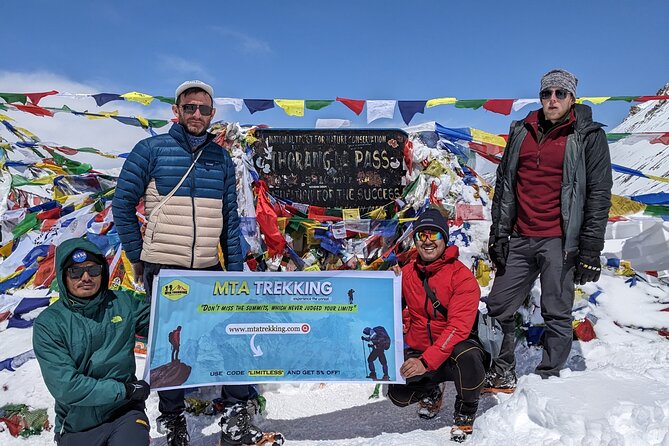
This trek is interesting because it gives you a high-altitude crossing without technical climbing. The big moment is Thorong La Pass at 5,416 meters, where you trade steady uphill effort for huge mountain views and the kind of achievement that stays with you.
Two things I really like about this private setup. First, the trek is led by an experienced guide (names you may come across include Ghanshyam and Shishir), and the vibe from prior guests is that the guide stays practical, cheerful, and willing to adjust when your day needs it. Second, the logistics feel handled: permits, meals, and key gear are included, and you also get a one-hour foot massage after the trek.
One thing to consider before you book: altitude and long walking days are real here. You move through stretches at around 4,000 meters and higher, and Day 9 is a long, strenuous push. If you come in with only average fitness, you’ll need to take it slow and let acclimatization do its job.
Quick hits before you go
- Thorong La Pass without technical skills: high altitude, no ropes, no technical climbing required
- Built-in acclimatization: you get two nights in Manang before the highest pass day
- Private group experience: only your group participates, with an experienced guide
- Gear and permits handled: trekking poles, crampons, ACAP permit, and TIMS are included
- Solid food plan: breakfast, lunch, and dinner are covered during the trek (water and extras are not)
- Recovery included: a one-hour foot massage after you finish
Why Thorong La Pass is the headline (and not the scary part)
The Annapurna Circuit is famous for big views, but the real headline is that you cross Thorong La Pass at 5,416 meters. The crucial detail for planning is that you do not need technical climbing skills. That matters because it shifts the challenge from “can I climb this?” to “can I pace myself at high altitude?”
At this elevation, the air is thin enough that your breathing and walking speed become the main storyline. I like how the route builds this up in steps instead of rushing you from valley to pass in one go. You spend time around 4,000 meters at Yak Kharka, then around 4,600 meters at Thorong Phedi before the pass day. That means you get a chance to feel the altitude, adjust, and sleep before the big climb.
Views are the payoff, and the itinerary sets you up for them. On pass day, you’re positioned to see giant ranges like Dhaulagiri and Manaslu when conditions allow. After the top, the descent toward Muktinath also keeps the day meaningful, since Muktinath is sacred to both Hindus and Buddhists. So you get a summit day plus cultural payoff, not just a peak photo and off you go.
Still, keep expectations grounded. This is not a casual hike. Day 9 is listed as about 8 hours, which in altitude terms is a serious day even if you move steadily.
More of the Annapurna Circuit:
- Annapurna Circuit Trek with Tilicho Lake
★ 5.0 · 368 reviews - Annapurna Circuit Trek
★ 5.0 · 94 reviews - Annapurna Circuit Trek
★ 5.0 · 67 reviews
Private Annapurna Circuit logistics, from guide support to included gear
This is sold as a private tour, meaning only your group participates. That’s a big deal on treks because it often translates to less waiting, more flexible pacing, and more direct attention from your guide when you’re dealing with altitude, energy dips, or route questions.
You’ll be traveling with an experienced guide from MTA Trekking. The notes from past experiences highlight how guides like Ghanshyam and Shishir brought a helpful mix of competence and good energy, including being optimistic during the hike and keeping things upbeat. In one case, guests described itinerary tailoring when weather or physical condition required changes. You should still plan for the published route, but it’s reassuring to know the leadership style tends to be practical.
Now, the value part: a bunch of the “stuff that costs money and time” is included.
- Trekking poles and crampons are included, which you’ll want when conditions near the pass get icy or slick.
- Your trek paperwork is handled with the ACAP permit and TIMS included.
- Meals during the trek are included: breakfast, lunch, and dinner.
- You also get one night of hotel before the trek, one night after, plus one night in Pokhara after the trek.
- After you finish, you get a one-hour foot massage, which is a thoughtful recovery touch for achy feet and tired calves.
What you should budget for outside the package is also clearly stated: travel and rescue insurance, tips for guides and porters, porter service itself (porter is not included), bottled or boiled water, showers, laundry, bar bills, and international phone calls.
Days 1 to 4: Kathmandu to Chame to Pisang (and getting your bearings)
Day 1 starts in Kathmandu. You’re greeted, transferred to a hotel, and get a short trip briefing. That “warm up” matters. Annapurna is not just a hike; it’s a sequence of transport days and altitude days. The briefing helps you understand what comes next so you’re not guessing at the end of a long travel day.
Day 2 brings you to Besisahar in about 4 to 5 hours by public transportation. The point here is not comfort, it’s rhythm. You’re seeing rural Nepal outside the capital, and you arrive in Besisahar with time to check into your hotel and relax. I like that there’s no forced hard hiking on Day 2. Your body gets time to reset after travel.
Day 3 drives from Besi Shahar to Chame in roughly 2 to 3 hours. Along the way, you pass through Gurung and Magar villages, forests, and a roadside waterfall. You stop at Dharapani to register for trekking permits, then arrive in Chame in the afternoon for a trekking lodge night and a home-cooked meal. In practical terms, the home-cooked detail is a real morale booster. Long days are easier when dinner tastes like someone made a plan for you, not like you’re eating whatever is available.
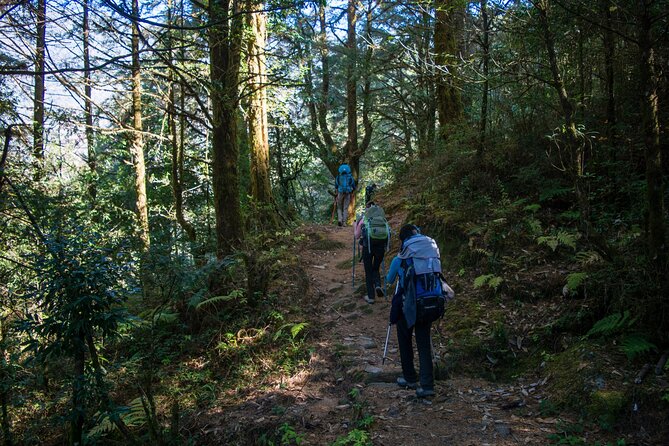
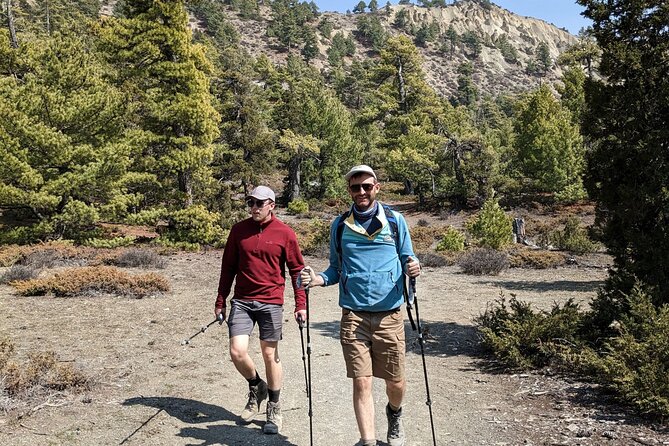
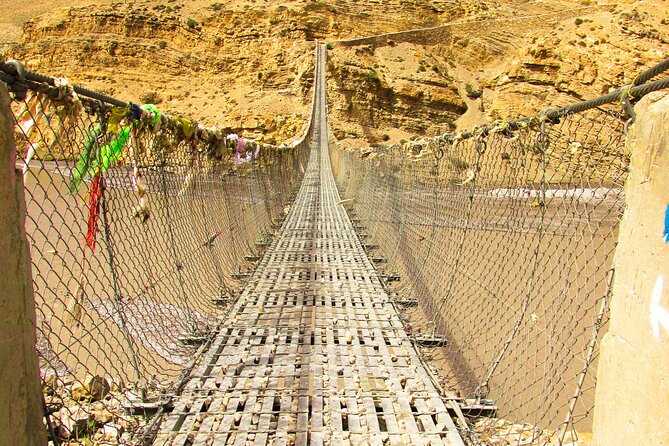
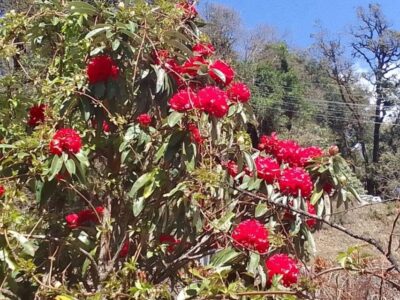
Day 4 is your first real hiking day: Chame to Pisang in about 4 to 5 hours. This stretch takes you through apple orchards, rhododendron and conifer forests, and suspension bridges decorated with colorful prayer flags. You’ll also get views of Paungda Danda, a flatter-topped mountain that helps you learn the terrain type before the pass.
Possible drawback here: the itinerary keeps things moving. You’re walking daily from here, so choose footwear and socks that you trust.
Days 5 to 8: Manang acclimatization, Yak Kharka, and Thorong Phedi before the pass
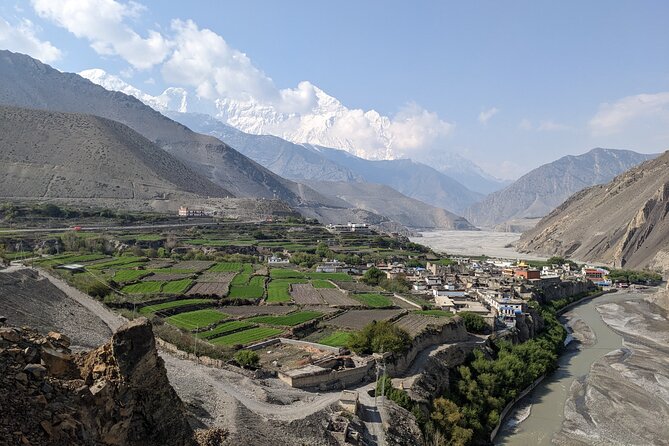
Day 5 hikes from Pisang to Manang in about 5 to 6 hours. This is one of those “more than just walking” days because you pass through villages like Humde and Braga and even a 900-year-old Braga monastery. You also get mountain views including Gangapurna, Pisang Peak, and the Annapurnas. Manang itself is described as one of the largest communities in the Annapurna region, so it’s a place where you can rest, eat well, and feel less isolated than smaller villages.
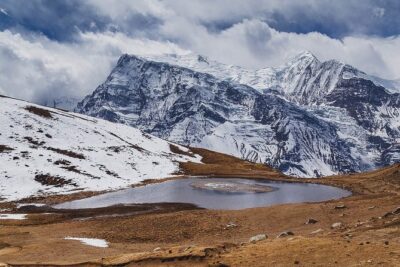
Day 6 is acclimatization day in Manang, and that is a key reason this trek works for most moderate fitness travelers. You get a full day to adjust to the higher altitude. The plan includes restocking supplies and eating local fare, and you may choose a day hike to Gangapurna Lake or Kicho Tal. Then you return to your lodge.
Here’s the practical altitude lesson I want you to remember: acclimatization is not wasted time. It is training for how your lungs and legs will behave later on Thorong La day.
Day 7 takes you from Manang to Yak Kharka in about 4 hours. You cross several suspension bridges and sleep in a teahouse. You’re trekking around 4,000 meters, so take it easy. Even if you feel fine, keep your pace steady and avoid turning this into a “race” day.
Day 8 hikes from Yak Kharka to Thorong Phedi in about 4 to 5 hours. You cross a suspension bridge and reach about 4,600 meters. Thorong Phedi is small, but it’s positioned for views of Gangapurna, Tilicho Peak, and the Annapurnas. This is the day before your big climb, so I’d think of it as the setup day. The goal is to arrive feeling like you can handle tomorrow, not like you already used up your best energy.
More to compare around Kathmandu
- Everest Base Camp Trek – 14 Days
★ 5.0 · 1,499 reviews - Everest Base Camp Trek
★ 5.0 · 842 reviews - Private Kathmandu Sightseeing Tour | UNESCO World Heritage sites
★ 5.0 · 756 reviews - Kathmandu: 7 UNESCO Sites with Lunch
★ 4.8 · 744 reviews
Day 9 to 11: Thorong La Pass, Muktinath, Jomsom, and the trek toward Pokhara
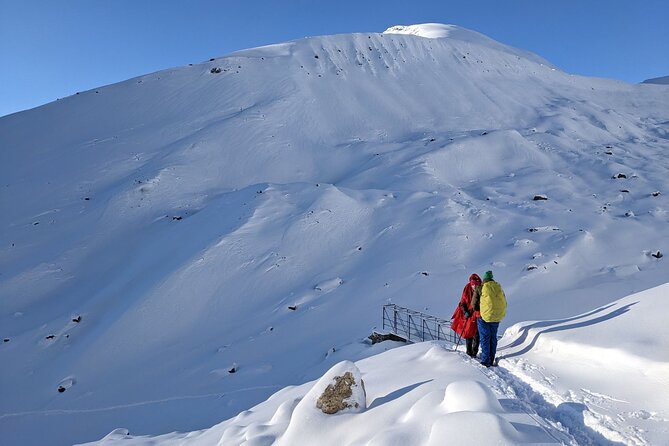
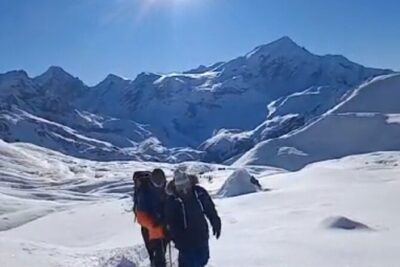
Day 9 is the centerpiece. You climb to Thorong La Pass at 5,416 meters and then descend to Muktinath. The itinerary calls this about 8 hours. It’s a long, strenuous day, but the views from the top are described as breathtaking, including sightlines toward giants like Dhaulagiri and Manaslu when conditions are clear.
At this altitude, your best strategy is calm effort. Keep your steps short. Breathe steadily. Let the guide set the pace. You’re not trying to “win” against thin air. You’re trying to finish.
Then you reach Muktinath, a sacred town for Hindus and Buddhists. That matters because it turns your day from pure physical effort into reflection. You’re not just descending into another village, you’re stepping into a place with spiritual significance.
Day 10 moves you to Jomsom with a trek of about 5 hours. Jomsom is part of the classic Annapurna region route, and it’s where the terrain story changes again, bringing in arid elements and a different feel than the greener valleys earlier in the trek.
Day 11 finishes in Pokhara. The plan describes varied scenery from arid mountains to green valleys, plus views through areas tied to the Kali Gandaki Gorge and traditional villages with terraced fields. Day 11 is listed as about 7 hours, so don’t think of it as a short wrap-up day. It’s a long final push toward the comfort of Pokhara.
Food, lodges, and how comfort affects a high-altitude trek
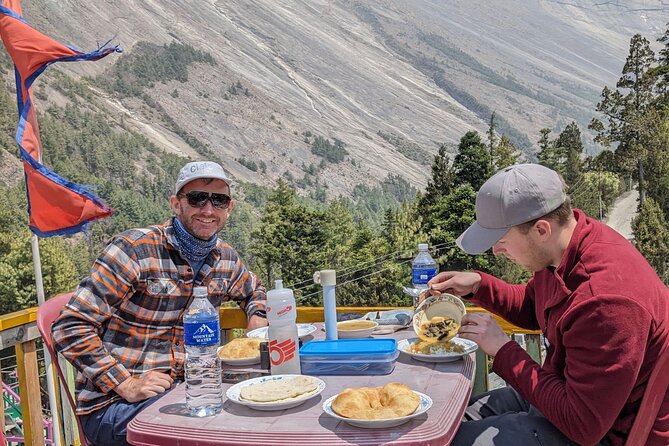
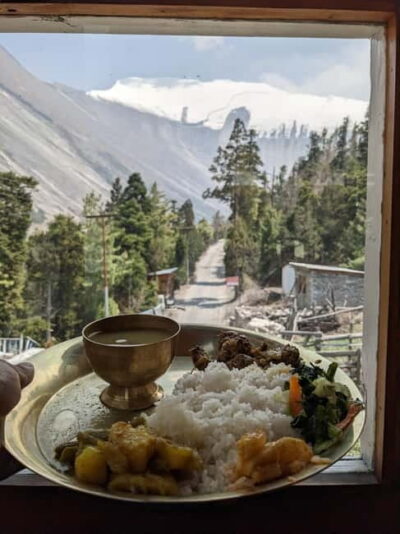
You’re not on your own for meals during the trek. Breakfast, lunch, and dinner are included for the trekking days. That is not a small thing. In high-altitude trekking, energy matters, and eating reliably beats trying to hunt for food when you’re tired.
You’ll stay in trekking lodges and teahouses along the route. The plan also mentions a home-cooked meal in Chame, and prior experiences tied to this route emphasize that lodge options tend to be run by friendly people. I’d treat that as a hint that you’ll likely get warm, straightforward meals rather than luxury dining, but you should expect the basics to be taken care of.
Comfort is also about the non-food stuff. The included gear includes trekking poles and crampons, which can make the difference between steady confidence and an anxious shuffle on icy sections. The itinerary also includes a one-hour foot massage after the trek, which is a smart recovery item if you’ve done lots of descending. Your feet will remind you where the sore spots are, and massage is a clean, simple way to deal with it.
What is not included: bottled or boiled water, showers, laundry, bar bills, extra porters, and international phone calls. On a trek, that affects your daily budget and your personal routine. If you like hot showers at the end of the day, plan to pay extra.
Price and value: what you get for $1,150 and what you should still plan for
At $1,150 per person for an 11-day private trek, the value comes down to what’s included versus what’s not.
Included value highlights:
- Meals during the trek: breakfast, lunch, dinner
- Permits and fees: ACAP permit and TIMS, plus all fees and taxes
- Key gear: trekking poles and crampons
- Accommodation: one hotel night before and one night after the trek, plus one night in Pokhara
- Support: experienced guide
- Recovery: one-hour foot massage after you finish
Not included value costs to plan for:
- Travel and rescue insurance
- Tips for guides and porters
- Porter service (porter is not included)
- Bottled or boiled water, showers, laundry, bar bills, phone calls
One more practical point about private: you’re paying for your own group experience. If you’re a solo traveler, you might still find this is great value if it helps you avoid crowding and gives you more attention from the guide. If you’re a couple or a small group, privacy is often the best part of the price.
Fitness, altitude, and pacing: how to make this work for your body
The trek is for people with moderate physical fitness. That doesn’t mean it’s easy. It means the route is structured to be doable if you pace correctly, walk consistently, and respect acclimatization.
Look at the altitude progression. You start in lower elevations, move to higher trekking days, and build upward with two nights in Manang. Then you spend a night around 4,000 meters in Yak Kharka and another around 4,600 meters in Thorong Phedi. By the time you reach Thorong La Pass, your body has had time to adjust.
Your biggest “silent” workout here is not climbing strength, it’s breathing rhythm. If you try to walk too fast early, you’ll pay later on long uphill sections and on the pass day.
So what should you do?
- Keep your pace steady, especially on Day 7 and Day 8.
- Treat Day 6 in Manang as part of the training, not a free day to overdo.
- Expect cold and altitude fatigue. Even if days look short on paper, thin air slows everyone down.
If you’re nervous about altitude, this itinerary’s structure is a strong point. It doesn’t just throw you at the highest pass with no runway.
Who should book this private Annapurna Circuit trek
This trek is a great fit if you want:
- A guided route with permits, meals, and gear taken care of
- A private group experience where you can move at a reasonable pace
- The classic Annapurna Circuit mix of cultural stops and high passes, including Muktinath and Tibetan-influenced villages
- A trek that prioritizes acclimatization with extra time in Manang
It might not be the best fit if you:
- Need short walking days every day, because Day 9 and Day 11 are long
- Are not comfortable budgeting for water, tips, and basic comforts like showers
- Expect luxury hotel conditions on the trail, because you’re living in trekking lodges and teahouses
Should you book this private Annapurna Circuit trek?
If you want one of the world’s higher non-technical pass crossings, guided support that seems to stay flexible, and an itinerary that builds acclimatization in the right place, I think you should seriously consider booking. The combination of included permits, included meals, and included poles and crampons makes it easier to travel with less hassle and fewer surprise costs.
Before you commit, be honest about three things: your altitude comfort, your willingness to walk long days, and your plan for what you’ll pay for outside the package (insurance, water, tips, and porter service if you want one). If those match your reality, this is the kind of trek that can deliver both big mountains and a very human sense of place.
If you’d like, tell me your hiking background, when you’re traveling, and whether you’re solo or a group, and I’ll help you sanity-check whether this pacing suits you.
FAQ
Is this trek private?
Yes. It is listed as a private tour, and only your group will participate.
What is the duration of the trek?
The duration is about 11 days.
What is the highest point on the trek?
The highest point is Thorong La Pass, at 5,416 meters.
Do I need technical climbing skills for the pass?
No technical climbing skills are required for crossing Thorong La Pass, since it is one of the highest passes that can be crossed without technical climbing.
Are trekking poles and crampons included?
Yes. Trekking poles and crampons are included.
Are permits included?
Yes. The ACAP permit and TIMS are included, along with all fees and taxes.
What meals are included during the trek?
Breakfast, lunch, and dinner are included during the trek.
Is a guide included?
Yes. An experienced guide is included.
Are travel and rescue insurance included?
No. Travel and rescue insurance is not included.
Is a porter included?
No. Porter service is not included, and tips for guides and porters are also not included.
Latest Kathmandu write-ups
- Langtang Valley Trek★ 5.0 · 3 reviews
- Khopra Danda Trek★ 5.0 · 3 reviews
- Langtang Valley Trek from Kathmandu★ 5.0 · 3 reviews
- 5 night / 6 days Kathmandu Nagarkot Chitwan Pokhara tour★ 5.0 · 3 reviews
- Nepal Highlights Tour: 5 Nights 6 Days Kathmandu & Pokhara Tour★ 5.0 · 3 reviews
- Kathmandu Valley Private Day Tour★ 5.0 · 3 reviews
- Conquer the Himalayas: The Ultimate 16-Day Annapurna Circuit Trek★ 3.5 · 3 reviews
- Kathmandu Heritage Day Tour★ 5.0 · 3 reviews
Annapurna Circuit Trek, compared.
15-Day Private Annapurna Circuit Trek from Kathmandu
Read our review →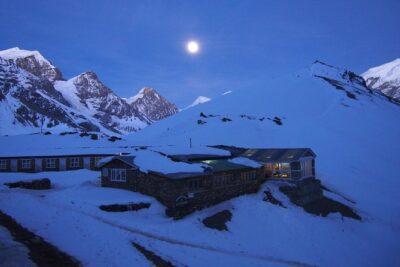
8 Days Private Guided Trekking in Annapurna Circuit with Pickup
Read our review →Browse the lists this tour appears in