
Reviewed · UPPER MUSTANG TREK
Upper Mustang Tiji Festival Trek 2024 – 18 Days
Upper Mustang and the Tiji Festival are a rare mix: high-altitude trekking plus three days of monk dance rituals in Lo Manthang, right in front of Choedhe Monastery. I love how the route strings together sharp views, walled-city arrival, and cultural moments like monastery visits and the festival performances. I also like that the trip is built around logistics that matter, with flights, restricted-area permits, and most meals handled for you. One possible drawback to plan for is the altitude and long hiking days, so this is best if you’re truly comfortable with a moderate fitness level and thin air.
What makes this trek feel special is that you’re not just hiking to scenery. You’re moving through dry, high valleys on a trail that climbs to passes and then drops you into Lo Manthang, where the Tiji rhythm takes over for three days. Two things I particularly appreciate are the clear day-by-day structure and the focus on cultural stops like Namgyal Gompa, Choedhe Gompa, Tingkhar, and the Chhosar Cave area. The main consideration is timing: Tiji falls at the end of May, and if your dates don’t line up with the festival days, you may miss the exact same ritual schedule.
Key Highlights You’ll Care About
- Tiji Festival in Lo Manthang with ritual dances performed by monks in front of Choedhe Monastery
- Upper Mustang restricted area permit fee included, so you’re not scrambling at the last minute
- Flights built into the route (Kathmandu to Pokhara, then Pokhara to Jomsom, plus returns)
- Festival days 9 to 11 are scheduled for monastery visits and cultural time inside Lo Manthang
- A return loop that changes the trail, including Gyakar Village and the rock-painting Ghar Gompa
- Side stops with meaning, like Chhuksang salt mine and Muktinath temple
Entering Upper Mustang, Then Watching Tiji Take Over
Upper Mustang has a different feel than most Nepal treks. You’re heading into a high, dry region with Tibetan-influenced villages and monasteries, and the trip is paced so you actually have time to look around, not just keep moving. The real hook here is that Tiji is not a background event. It’s the point of the trip, with monks doing ritual dances during the festival in Lo Manthang.
Tiji itself is described as a three-day festival centered on Dorje Jono and his demon father, Dorje Jono battling his demon father to save the kingdom of Upper Mustang from destruction. That story matters because it gives shape to what you’re seeing. On your scheduled festival days, you’ll be in Lo Manthang at the time when the monks perform dances in front of Choedhe Monastery, and then you’ll follow with additional monastery visits around the same period.
The trekking side of the experience is also practical and real. You’ll work up to mountain passes, cross dry valleys, and hike between villages that feel far from mainstream tourist circuits. If you want the kind of trip where you get both physical effort and cultural payoff, this is built for that.
More of Mustang and the Kali Gandaki:
- Upper Mustang Classic Trek with Local guide
★ 5.0 · 15 reviews - Jeep Trip to Upper Mustang
★ 5.0 · 10 reviews - Lower Mustang Motorbike Tour -8 Days
★ 5.0 · 9 reviews
Price and Value: What $2,500 Buys You Here
At $2,500 per person for an 18-day, private-style trek, the honest question is value: what’s included, and what do you still need to pay for yourself?
From the included list, you get several big-ticket items handled:
- Upper Mustang restricted area permit fee included
- Internal flights: Kathmandu to Pokhara and back, plus Pokhara to Jomsom and return flights
- Breakfast, lunch, and dinner during the trek
- Guide support, including salary, food, accommodation, and insurance for the guide
- A full-day Kathmandu sightseeing tour by private tourist vehicle on arrival
That is a lot of weight off your planning. Permits and flights are exactly the kinds of things that can blow up the cost of a “cheap” trek once you price them separately. Here, you’re paying a single package amount that covers the high-cost moving parts.
What’s not included matters too:
- Lunch and dinner in Kathmandu and Pokhara
- Extra night accommodation in Kathmandu if needed due to early departure or late return timing
- Temple and monasteries entry fees during sightseeing in Kathmandu and Pokhara
- Personal and bar expenses in Kathmandu and Pokhara
- Personal essentials like phone calls, laundry, battery recharge, bottled or boiled water, and shower related costs
So my practical advice is simple: budget some extra cash for Kathmandu and Pokhara meals and personal items, even if your core trekking costs are covered. If you’re the type who enjoys frequent snacks, hot showers, or replacing lost phone battery power, plan ahead.
Day 1 to 3: Kathmandu, Then Pokhara With Enough Breathing Room
Your trip starts at Tribhuvan International Airport with a meet-up and transfer to a pre-booked hotel in Kathmandu. The start time listed is 6:15 am, so you’ll want to be ready early, especially if your flight lands the previous day. This early start helps the rest of the schedule run smoothly.
Day 2 is Kathmandu Valley sightseeing, including Basantapur Durbar Square, Monkey Temple, Boudhanath Stupa, and Pashupatinath Temple. This is not just sightseeing filler. It gives you a Nepal orientation day, and it also sets you up mentally for a trek where monasteries and ritual culture will matter again and again later.
Then comes Day 3, the shift from city temples to mountains logistics. You fly about 25 minutes to Pokhara, spend time around Phewa Lake and Tal Barahi Temple, and do an evening lake-side walk with dinner. This matters because it’s a softer landing before your first real hiking legs start.
A small caution: you’ll still be in Nepal time and air moisture changes. Don’t over-plan the evening in Pokhara. Keep it easy. You’re heading into a dry, high region soon.
Day 4: The Jomsom Flight and First Taste of Mustang Life
Day 4 begins with a short flight from Pokhara to Jomsom (listed as about 15 minutes). After breakfast in Jomsom, you start trekking toward Kagbeni, roughly 3 to 4 hours.
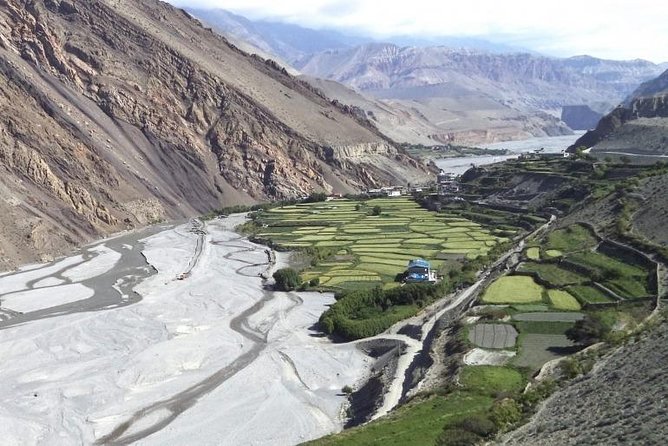
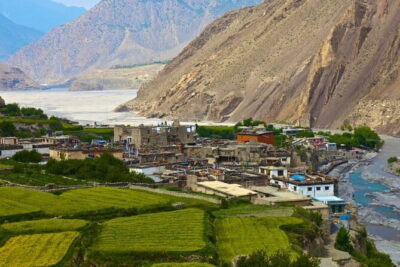
Kagbeni is where your trip starts to feel like Upper Mustang. You’ll explore the village and visit an ancient Buddhist monastery in the evening. This is one of those days where you’re not trying to conquer a distance. You’re arriving, getting your bearings, and learning the rhythm of village-based travel.
If you’ve never hiked in a semi-arid mountain zone before, Kagbeni is a good introduction. The air can feel sharper. The distances between villages also make each stop feel purposeful.
More to compare around Kathmandu
- Everest Base Camp Trek – 14 Days
★ 5.0 · 1,499 reviews - Everest Base Camp Trek
★ 5.0 · 842 reviews - Private Kathmandu Sightseeing Tour | UNESCO World Heritage sites
★ 5.0 · 756 reviews - Kathmandu: 7 UNESCO Sites with Lunch
★ 4.8 · 744 reviews
Days 5 to 7: From Tsaile to Dhakmar, Passes, Dry Valleys, and Monastery Stops
Day 5 takes you from Kagbeni toward Tsaile, about 5 to 6 hours. On the way, you pass Tangbe (3060 m), Tetang (3040 m), and Chhuksang village (2980 m). Lunch at Chhuksang is a nice touch because it gives you a “real” break rather than just stopping wherever you can.
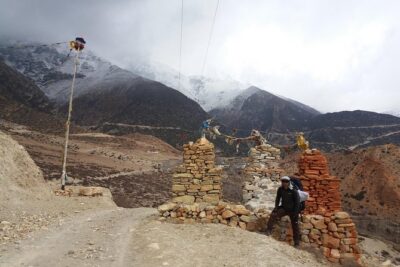
Day 6 is where the trail starts to flex. You trek through steep, treeless and dry terrain, climb above Samar, descend into a huge gorge, then move along another valley with junipers. You cross cool streams, climb to a ridge around 3800 m, and work up to Taklam La Pass (3,624 m).
Two reasons this day is memorable:
1) The pass moment. Even when the hike is challenging, reaching a pass gives you the big-picture payoff.
2) The way the trail keeps changing direction. You’re not on a single long grind. You’re moving through zones.
You finish Day 6 descending steeply into Ghiling village, where the visual change from high pass to village feels like a reset.
Day 7 heads to Dhakmar. You’ll enjoy Himalayan range views and explore ancient Buddhist monasteries. This is a good day for culture without the same level of pass intensity as Day 6, based on the route descriptions. It also gives you a mental break before the big arrival day toward Lo Manthang.
Day 8: Arrival Approach to Lo Manthang and the Walled-City Moment
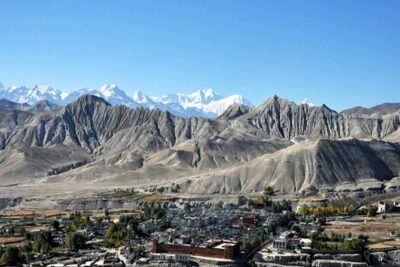
Day 8 is your push toward Lo Manthang, your final destination. Your trail passes villages and gently ascends toward the 3,850-meter windy pass of Lo. From there, you get stunning views of the walled city of Lo Manthang.
That “first view of the walls” is exactly the kind of travel moment that makes long hikes worth it. You’ve worked for it, and suddenly the trek stops feeling like distance and starts feeling like a story you’re entering.
Wind is part of this region. Bring wind protection, and don’t rely on “warm jacket only.” Even if it’s sunny, exposed ridges can feel cold quickly.
Days 9 to 11: Festival Days in Lo Manthang, Choedhe Monastery, and Monastery Circuit Time
Days 9 to 11 are the core cultural payoff: the Tiji Festival in Lo Manthang.
Day 9: First Day of Tiji
After breakfast, you explore Lo Manthang. After lunch, you enjoy ritual dance performance by monks at the first day of Tiji Festival. Evening time is about local people and their unique culture and tradition.
This is the right pacing for a festival day. You’re not just dropped into a show. You get village context, then you watch the ritual, then you have time to connect it to everyday life.
Day 10: Namgyal Gompa, Choedhe Gompa, and Second Festival Day
Day 10 is more structured with visits: Namgyal Gompa, Choedhe Gompa, and then on to Tingkhar. After lunch, you enjoy the second day of Tiji Festival. Evening time continues with learning about the local culture and tradition.
This is valuable because Tiji is happening in a network of sacred places. Seeing Choedhe Gompa and Namgyal Gompa around the festival days helps you connect the ritual dances to the religious landscape of the town, even if you don’t know every term.
Day 11: Chhosar Cave, Old Monasteries, and the Third Festival Day
On the final festival day, you trek to Chhosar Cave, described as having 44 living rooms, and you visit different old Buddhist monasteries. After that, you return to Lo Manthang and enjoy the third and final day of the Tiji Festival.
Chhosar Cave is one of those places where your imagination helps. Living rooms carved into rock hint at the long, slow human use of this region. Then you can look at the festival again, now with more context about how people have lived here for generations.
One note: a festival can also mean crowds and schedule pressure. This itinerary does not claim marathon days, but it does put festival events into your time. If you like quiet mornings, consider doing early village walks before the day’s main events.
Days 12 to 14: Heading Back Toward Mustang Villages, via Gyakar and Chhuksang
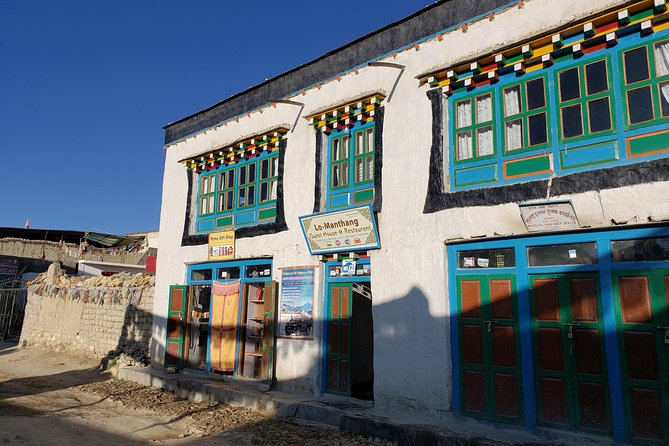
After the intensity of festival days, Day 12 switches back to trekking. You trek back to Dhakmar, with a different route via Gyakar village and the Ghar Gompa, famous for its rock paintings. There’s also a local belief that if someone makes a wish at the Ghar Gompa, their wish is fulfilled.
This kind of stop matters. Rock paintings are not just a photo opportunity. They suggest long-term spiritual continuity, and it gives you something to look for beyond the modern “festival stage” feel.
Day 13 moves you back to Ghiling. There’s a practical mention that dusty wind can happen during the day, so you’re encouraged to explore villages and hike in the morning and evening. That’s real advice for high-altitude walking, not just a generic suggestion.
Day 14 takes you to Chhuksang village, again with awesome Himalayan views. You also visit the salt mine at Chhuksang.
Salt mines connect the cultural dots. It’s one thing to see monasteries and festivals. It’s another to see how local livelihoods work in the same environment that hosts sacred rituals.
Day 15 to 16: Muktinath Temple, Then Jomsom and the Easy-Down Walk
Day 15 is a transition day into a major pilgrimage site: you trek to Muktinath Temple, described as a holy temple of Hindus where many Nepali and Indian pilgrims come for devotion. You also get stunning views of the Himalaya from Muktinath.
This is one of the most interesting balance points in the itinerary. Upper Mustang is strongly Buddhist in its monastery focus, and then Muktinath adds a Hindu pilgrimage layer. You get a wider picture of why people travel here.
Day 16 gets you back toward flight day. You walk through the bank of the Kali Gandaki River, and the trail is described as flat down, making it easier hiking. You walk about 5 to 6 hours to reach Jomsom airport, with views of Mount Dhaulagiri and Mount Nilgiri.
This is your “legs cool down” day. Take advantage of the easier grade. Hydrate and keep your pace steady so you can enjoy the river path and the views rather than just pushing to finish.
Days 17 to 18: Flights Back and a Farewell Evening
Day 17 starts with an early scenic flight to Pokhara, then travel by day back to Kathmandu. In the evening, you enjoy a farewell dinner with a Nepali cultural dance program.
Even if you’ve already seen dances earlier in the trip, this one is different. It’s not the same ritual context as Tiji in Lo Manthang, but it’s a friendly closing moment that makes the overall journey feel complete.
Day 18 is departure. You’re transferred to the international airport for your final flight.
What You Should Expect Physically (and How to Prepare Without Guesswork)
This trek lists your fitness needs as moderate physical fitness. That doesn’t mean “easy.” It means you don’t need to be a hardcore mountaineer, but you do need stamina for daily hiking, plus altitude time.
Altitude is addressed indirectly through route elevations like:
- Taklam La Pass (3,624 m)
- the approach with a windy pass around 3,850 m
- continuous village-to-village days that add up
To prepare the smart way, focus on:
- steady walking fitness, not sprint workouts
- good hydration habits
- wind protection and warm layers, especially for ridges and pass days
- gear that can handle dust (since the itinerary even mentions dusty wind)
And one more practical tip: if you’re prone to altitude headaches, don’t try to “tough it out” on the pass days. Keep your pace conservative, and let the guide set the rhythm.
Logistics Notes That Matter (So You Don’t Lose Time)
This is listed as a private tour/activity, meaning your group is the only one participating. That’s helpful for festival days and monastery stops, where timing can get tricky.
Pickup is offered, and your itinerary starts early from the airport. The included materials also mention paper ticket, so when you book, ask how your tickets will be provided and where you’ll receive them.
Also keep in mind that the itinerary specifies admission ticket free for many sightseeing pieces, but it also states that temple and monastery entry fees in Kathmandu and Pokhara are not included. So don’t assume everything is free once you’re back in the city.
Should You Book This Upper Mustang Tiji Trek?
I think this trek is a strong booking for you if:
- you want culture with real spiritual context, not just staged performances
- you’re excited by the combination of trekking plus Tiji Festival days in Lo Manthang
- you prefer a trip where major logistics, like restricted-area permits and flights, are handled for you
- you’re okay with moderate hiking and high-altitude conditions
I’d be cautious if:
- you hate long travel days and early starts
- you’re unsure about altitude comfort
- your dates don’t line up with the festival timing, because Tiji happens at the end of May and the itinerary’s festival days depend on matching those days
One booking checklist I’d use: confirm the Tiji festival dates for your exact 2024 schedule before you pay the final amount, and ask the provider to confirm that your Day 9 to Day 11 will match the festival sequence in Lo Manthang.
FAQ
How long is the Upper Mustang Tiji Festival Trek 2024?
It’s listed as 18 days (approx.).
What does the tour cost per person?
The price is $2,500.00 per person.
Where do I meet the group, and what time does it start?
The start meeting point is Tribhuvan International Airport, Ring Rd, काठमाडौँ 44600, Nepal, with a start time of 6:15 am.
Is pickup offered?
Yes, pickup is offered.
What’s included in the trek besides the guide?
Included items include Upper Mustang restricted area permit fee, breakfast, lunch, and dinner during the entire trek, and flight tickets (Kathmandu to Pokhara round-trip, plus Pokhara to Jomsom round-trip).
What is the required fitness level?
The guidance is moderate physical fitness level.
What is the cancellation policy?
You can cancel up to 3 days in advance for a full refund. If you cancel less than 3 full days before the start time, the amount is not refunded.
Latest Kathmandu write-ups
- Langtang Valley Trek★ 5.0 · 3 reviews
- Langtang Valley Trek from Kathmandu★ 5.0 · 3 reviews
- Khopra Danda Trek★ 5.0 · 3 reviews
- 5 night / 6 days Kathmandu Nagarkot Chitwan Pokhara tour★ 5.0 · 3 reviews
- Nepal Highlights Tour: 5 Nights 6 Days Kathmandu & Pokhara Tour★ 5.0 · 3 reviews
- Kathmandu Valley Private Day Tour★ 5.0 · 3 reviews
- Kathmandu Heritage Day Tour★ 5.0 · 3 reviews
- Conquer the Himalayas: The Ultimate 16-Day Annapurna Circuit Trek★ 3.5 · 3 reviews
Upper Mustang Trek, compared.
2-Day Scenic Mustang Tour: Pokhara to Jomsom, Kagbeni & Muktinath
Read our review →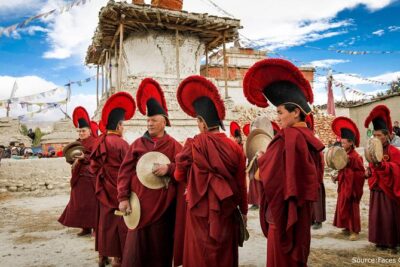
6 Day Upper Mustang Tour by 4WD Jeep from Pokhara
Read our review →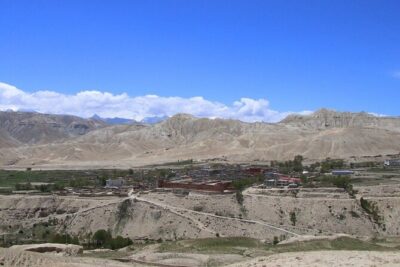
Browse the lists this tour appears in