
Reviewed · EVEREST BASE CAMP TREK
10 Days Everest Base Camp Trek
The Everest Base Camp trek is interesting because it mixes big, jaw-dropping altitude views with very human moments, tea house meals, and everyday Sherpa culture along the Khumbu trail. I like that this route keeps you moving through classic hubs like Namche and Dingboche, instead of rushing past them like a checklist. You also get the practical structure of guided days, plus the calm comfort of teahouse accommodation on the way.
What I really like is the way the mountain days are built around real viewpoints, not just walking for walking’s sake. The big highlight for many people is the early hike to Kalapathar (5,545 m), where the views can feel close enough to touch. One review also stood out to me: guide Dhansingh and assistant PJ were described as perceptive and supportive, especially for a trekker who was afraid of heights, which matters more than people think.
One drawback to consider up front: you are trekking at altitude in cold conditions, and the package does not cover everything that often surprises first-timers. You will want to plan for what is not included, like travel insurance, hot showers, Wi-Fi, bottled drinks, and some kinds of charging and drinks.
Key Points to Know Before You Go
- Lukla to Phakding to Namche: a classic on-ramp to the Everest region, with your first rhythm set on day one after the flight.
- Kalapathar at 5,545 m: a tough early push that tends to be the view payoff day.
- Teahouse nights, guided pacing: 9 nights on the mountain with a licensed trekking guide, so daily decisions are handled for you.
- Dhansingh and PJ style of support: multiple reviews emphasize comfort from the guide team when you feel uneasy on steep bits.
- Real value, but budget extras: the price covers permits, flights, and most meals, yet it leaves out insurance, tipping, and several daily conveniences.
Kathmandu Start: Durbar Square, Morning Timing, and Getting Ready
Your trek begins in Kathmandu, with a short visit to Kathmandu Durbar Square on day one. It is not a huge sightseeing marathon, but it is a good “settle in” moment. You get to see a historic core of the city before the trip pivots into mountains and early starts.
The operational detail I appreciate is the early timing. The meeting start time is listed as 6:15 am, and that usually signals that your days will run on a schedule, not vibes. You also get airport or hotel pickup and drop-off by private vehicle (car, van, or bus), which keeps day one from turning into a logistics scavenger hunt.
This tour includes 2 nights of hotel in Kathmandu with breakfast, which is useful when you are juggling rest, planning, and shopping for the small items that always seem to be missing until the last moment. If you want a smooth start, having those first nights handled is a real plus.
More ways to walk to Everest Base Camp:
- Everest Base Camp Helicopter Tour landing at Everest View Hotel
★ 5.0 · 668 reviews - Gokyo to Everest Base Camp Trek
★ 5.0 · 113 reviews - Everest Base Camp Trek
★ 5.0 · 97 reviews
Price and Logistics: What $1,470 Really Buys (and What It Doesn’t)
At $1,470 per person, this package is not the cheapest way to do Everest Base Camp, but it covers the parts that are easy to mess up when you go independent. You get domestic flights both ways, trekking permits, a licensed trekking guide, airport transfers, and a full meal plan on the trail (10 lunches and 10 dinners, plus breakfasts listed for 11).
In practical terms, that means less time spending money on separate bookings, and fewer chances for delays because of permit issues or flight changes. You also get 9 nights of tea house accommodation on the mountain, so you do not need to coordinate where you sleep each day.
Now for the extras you should budget for. Hot shower access is not included, bottled drinks are not included, and Wi-Fi on the trek is not included. Charging for electronic devices is also not included. And tipping for guide and porter is not included. Finally, travel insurance and evacuation insurance are not included, and that is a major one. Even if your fitness is solid, altitude trips are still altitude trips.
If you like a guided format where the plan is ready and you can focus on breathing and photos, this price makes sense. If you want full control and you do not mind coordinating permits, meals, and sleeping spots yourself, you might compare costs more aggressively.
Day 2 Flight to Lukla and the First Trek to Phakding
The trek officially kicks in after a flight to Lukla. On day two, you get the handoff with Kami Nurbu Sherpa, then fly about 30 minutes to Lukla and start walking toward Phakding.
Phakding is a classic first-night target because it lets your body shift from travel mode to trekking mode without demanding a brutal day right away. You will likely feel it in your legs anyway, but this is the moment you set your pacing: slow steps, frequent water breaks, and a “keep moving” attitude.
What I like about starting this way is that you get scenery early, but you are not thrown into maximum altitude effort immediately. This can matter a lot if you are arriving from Kathmandu and still feeling a little stiff.
Day 3 Namche: Long Walk In, Familiar Places Out
On day three, the route goes from Phakding up to Namche, about a 6-hour trek. Along the way, you reach the part of the journey where the altitude starts to feel more serious.
One stop listed for the day is the Irish Pub, which tells you something important about Namche. It is not just a village on the map. It has recognizable comfort points where trekkers gather, eat, and decompress for an evening. That can be a psychological win, especially if you are traveling with a group and you want normal routine after a long climb.
Namche is also where you start noticing the Everest region’s blend of trekking and culture. Tea houses tend to be busier, and the daily rhythm becomes more social. I find that reassuring. You are not alone on this path even if you are walking in your own pace bubble.
A consideration here: after a day like this, you want to sleep well and take it easy the rest of the day. Since the schedule includes additional walking on later days, this is where smart rest pays off.
More to compare around Kathmandu
- Kathmandu: 7 UNESCO Sites with Lunch
★ 4.8 · 744 reviews - Kathmandu: Local Women-Led Nepali Cooking & Momo Class
★ 4.9 · 360 reviews - Manaslu Circuit Trek
★ 5.0 · 292 reviews - Kathmandu: Food and Drink Walking Tour
★ 4.9 · 292 reviews
Day 4 to Phortse: The Trail Gets Scenic and a Bit More Quiet
Day four brings a trek to Phortse, about 6 hours of walking, with a stop listed as River Resort. That suggests a more nature-forward stretch than the heavier Namche traffic day.
Phortse is a good step in the chain because it keeps your journey moving while letting you enjoy the sense of being out in the Khumbu countryside. The experience here can feel less like a checkpoint line and more like a proper trail day.
The drawback of days like this is that your progress depends on conditions. Cold, wind, and occasional muddy patches can slow you down. The tour is private and guided, which helps when you need decisions made quickly, like choosing the best pace or adjusting for how everyone is feeling.
Day 5 to Dingboche: Higher Ground, Stronger Views, Slower Breath
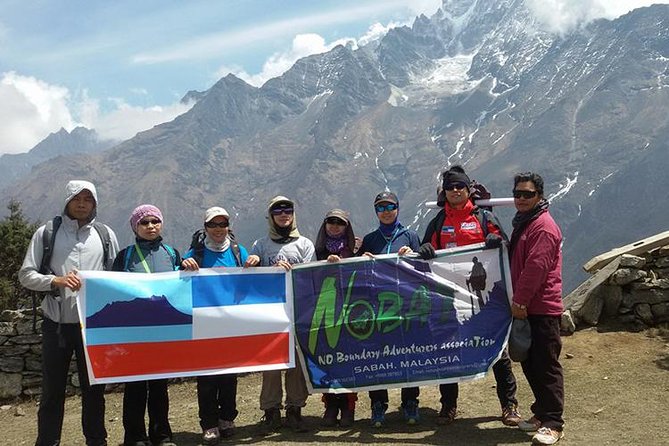
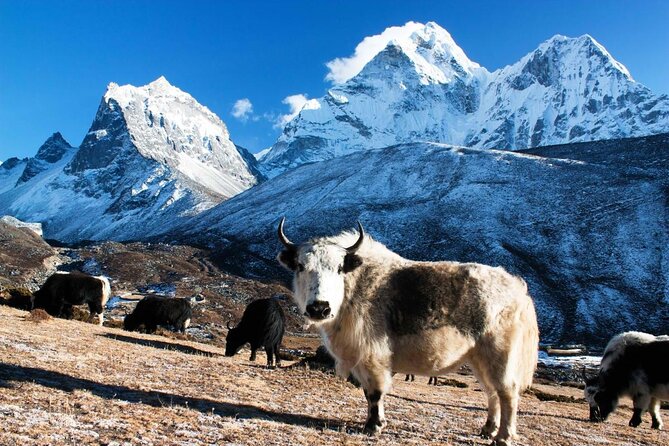
Day five treks to Dingboche, about 6 hours. There is a viewpoint listed at Dingboche View Point, and it is exactly the kind of stop that makes a difference. At this stage, the mountain gets sharper and more “real.” You start recognizing peaks, not just clouds.
Dingboche is also a place where many treks feel like they change. You tend to notice the cold more, and you might find yourself breathing a little harder on climbs that felt easy earlier.
One thing I appreciate about guided trips is that you are not left alone to figure out how to pace altitude. The plan has you moving day by day, and that structure reduces guesswork. You still control your own effort, but the overall plan supports acclimatization through the pattern of villages you reach and the time you spend between big pushes.
Day 6 to Lobuche: The Trail Toward the Everest Zone
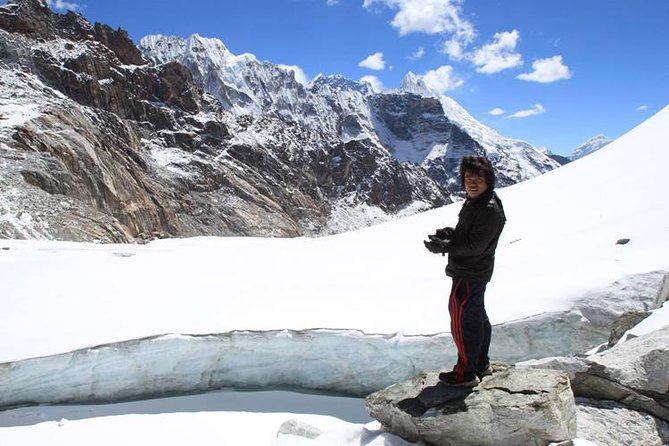
Day six is about 5 to 6 hours trekking to Lobuche. This is the part of the journey where the landscape starts feeling more Everest-specific. The route is narrowing into the high zone, and the atmosphere gets serious in a way that is hard to describe until you are there.
Lobuche is also where you can feel the cumulative fatigue of consecutive walking days. If you manage your pace well and keep your energy steady, the next big days become more doable. If you sprint early, the later hours can feel longer.
This is also the point where being with a guide helps, not because they can change altitude, but because they can read the group. In reviews, Dhansingh and assistant PJ were praised for support and awareness, including for someone dealing with fear of heights. That kind of attention matters when the trail gets exposed.
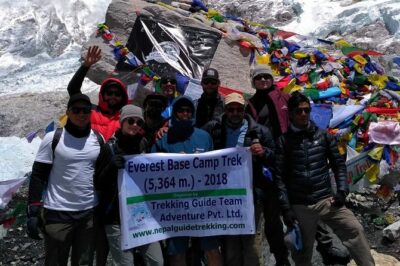
Day 7 to Gorakshep and Everest Base Camp at 5,364 m
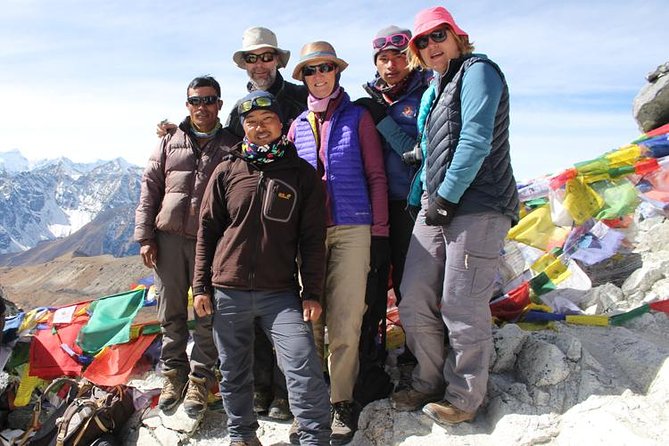
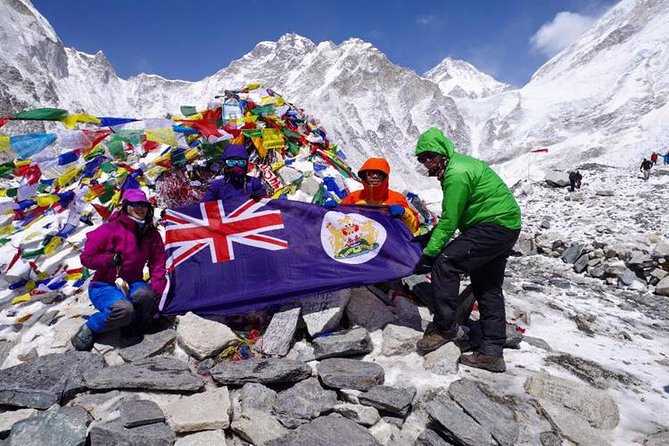
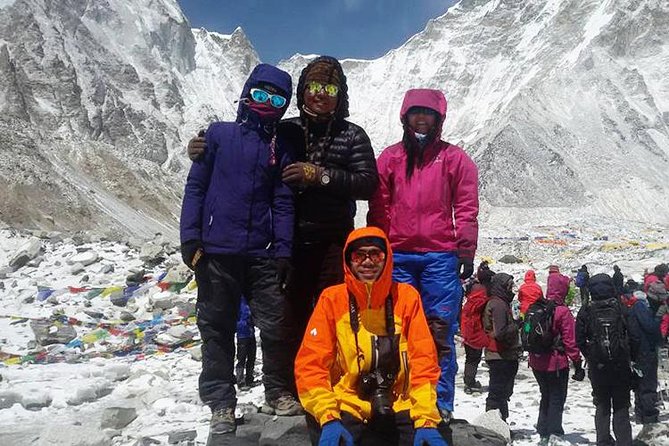
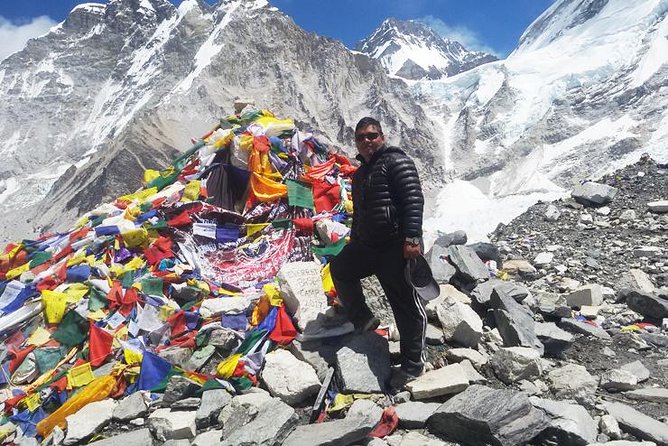
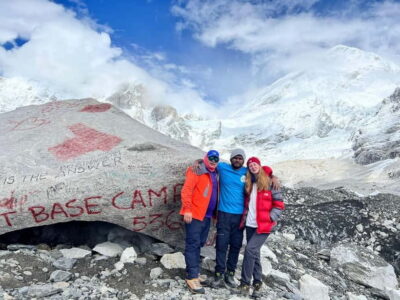
Day seven is a full move day. You trek to Gorakshep and then go on to Everest Base Camp at 5,364 m. Your stop list for the day shows Gorakshep twice, which tells you that this is not a quick photo stop.
The way I think about this day is simple: you are walking into the main event. Even if your photos are great, what sticks is the shift in feeling. The air is thinner, the terrain looks harsher, and the sense of scale is different. Base Camp is not a mountain-top fantasy. It is a working camp in a high world.
Practical consideration: Gorakshep can be cold and wind-prone. Even if you feel strong in the afternoon, mornings can be brutal. Plan your clothing, eat enough, and protect your hands and face. On a trek like this, small comfort choices turn into big energy savings.
Day 8 Kalapathar at 5,545 m and Down to Phiriche
Day eight is the “views, then regroup” day. You hike to Kalapathar peak at 5,545 m and then trek to Phiriche.
This is where you feel the payoff of early effort. Kalapathar is famous because it offers a strong perspective over the Everest area, and being high yourself makes the whole scene feel close. It is not just about the mountain. It is about standing in cold air at altitude and watching a landscape rearrange itself with light.
Then you descend to Phiriche. That down-movement matters because your body is not just collecting steps, it is also adapting. A guided plan that takes you down at the right moment reduces the risk that you push too far when you should be recovering.
Day 9 Back to Namche: Long Hours, Big Views Still
Day nine is one of the longer walking days listed, about 7 hours trekking to Namche from Phiriche.
This is your “stay steady” day. You might feel tempted to rush because you are heading back toward familiarity. That can be a mistake if your legs are already tired from the high zone.
What I like here is that you are moving through the same region with different eyes. After seeing Base Camp and Kalapathar, Namche feels like a warm return even if it is still at elevation. The perspective shift can be emotional in a quiet way.
Day 10 Trek to Lukla and Overnight Lodge: One More Big Day
Day ten brings a trek to Lukla, about 7 hours, and an overnight lodge. This day is often underestimated when people only think about reaching Everest Base Camp.
Yes, you have already done the highlight. But you still need to get yourself to the flight point. The good news is that you are no longer climbing toward a big target, but your legs still need to finish the job.
If you want a practical mindset, treat day ten as a “finish line walk,” not a victory lap. Eat well, keep your steps controlled, and conserve energy so you can sleep and get up for the flight later.
Day 11 Fly to Kathmandu, Thamel Time, and a Soft Landing
On day eleven, you fly from Lukla back to Kathmandu and then explore Thamel. This is the version of Everest Base Camp travel where you get your reward and then you get a chance to be a normal person for a day.
Thamel is close to public transportation, and having time to wander helps you process the trip. It is also when you can finally check your phone, buy a few extras you needed, and take care of any small stuff that could not wait.
One review highlighted that planning with Everest Trekking Routes via email went smoothly. That matters because once you reach the mountain, your energy goes to walking, not troubleshooting.
Day 12 Final Departure From Kathmandu
Day twelve includes a final departure from Kathmandu, returning to your hotel. It is a simple close, which is good after a trek like this. Your body may feel tired even if your mind is buzzing, so having a low-key end helps you travel home more comfortably.
What the Guide Team Adds (Beyond the Route)
The included guide setup is not just a line item. Reviews point to the way Dhansingh and assistant PJ helped people feel safe and supported, including when someone was afraid of heights.
That kind of help tends to happen in small moments: choosing the right pace for exposed sections, offering reassurance, and keeping the group calm when conditions are rough. You still do the walking, but you do not do it alone with unanswered questions.
Also, the tour includes a trekking permit and a licensed guide holder, which means you are not hunting down paperwork at the last minute. For a trek that depends on permits and timing, that reduces stress.
Should You Book This Everest Base Camp Trek?
I would book this if you want the Everest Base Camp experience with structure, support, and a meal-and-stay plan that takes planning pressure off your shoulders. You are paying for the big logistics: flights, permits, guiding, and mountain accommodation. That is where DIY can turn messy fast.
I would think twice if you want maximum flexibility to customize each day, or if you strongly prefer handling your own insurance and daily extras. This package also does not cover certain comforts like hot showers, bottled water, Wi-Fi on the trek, or charging. And because the experience requires good weather, you should expect the possibility of schedule changes if conditions are poor.
If you are the kind of traveler who likes clear plans, values local hospitality, and wants your guide team to help you manage tough moments, this is a solid option for a life-changing trek.
FAQ
How long is the Everest Base Camp trek?
The duration is listed as 12 days approx., starting in Kathmandu and including trekking days plus travel days.
Where does the trip start in Kathmandu?
The first day includes Kathmandu Durbar Square, and there is pickup and drop-off by private vehicle. The meeting start time is 6:15 am.
How do you get to the trek area?
You take both ways domestic flights, including a flight to Lukla after the Kathmandu start.
Are permits included?
Yes. The trekking permit is included.
What meals are included on the trek?
The tour includes 10 lunches and 10 dinners. Breakfast is included as listed (including breakfasts during the trip and in Kathmandu).
How long do you stay in teahouses on the mountain?
You have 9 nights of tea house accommodation on the mountain.
Is travel insurance included?
No. Travel insurance and evacuation insurance are not included.
Are hot showers and Wi-Fi included?
No. Hot shower access and Wi-Fi on the trekking route are not included.
What happens if the weather is poor?
The experience requires good weather. If it is canceled due to poor weather, you will be offered a different date or a full refund.
Latest Kathmandu write-ups
- 16 Days Island Peak Climbing With Everest Base Camp Private Trip★ 5.0 · 3 reviews
- 15 Days Round Annapurna Trek with Poon Hill from Pokhara★ 5.0 · 5 reviews
- Private Nepal round trip including Ghorepani Poonhill trek★ 5.0 · 3 reviews
- Everest Base Camp Trekking 16 Days★ 4.0 · 7 reviews
- 14 Days Luxury Annapurna Base Camp Trek★ 5.0 · 6 reviews
- Everest Base Camp Trek★ 5.0 · 32 reviews
- Everest Base Camp Trek★ 5.0 · 87 reviews
- Everest Base Camp Trek★ 5.0 · 97 reviews
Everest Base Camp Trek, compared.
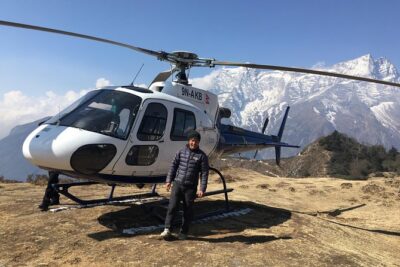
Everest Base Camp Helicopter Tour landing at Everest View Hotel
Read our review →
Everest Base Camp Trek 12 Days – Best Himalayan Adventure
Read our review →
Browse the lists this tour appears in