
Reviewed · EVEREST BASE CAMP TREK
12 Days Everest Base Camp Trek from Kathmandu
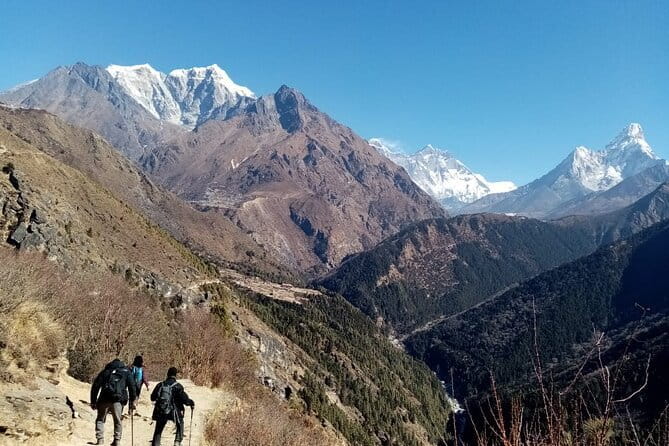
This trek is interesting because it mixes big mountain drama with everyday Sherpa life. You start with a scenic flight into Lukla, then wind through rhododendron forests, prayer-flag passes, and classic Everest-region stops before reaching Everest Base Camp. Along the way, you’ll spend meaningful time in Sherpa villages like Namche Bazaar, Tengboche, and Dingboche.
I especially like two things. First, the human side is strong, with guides such as Prakash, Milan, and Dev highlighted for making you safe, comfortable, and calm on tough days. Second, the route builds in altitude help, with dedicated acclimatization time at Namche and again at Dingboche, plus the payoff viewpoints of Kala Patthar and the monastery setting at Tengboche. One drawback to plan for: the trip asks for a strong fitness level, and food and drinks are not included (budget around US$25 per day).
Key highlights at a glance
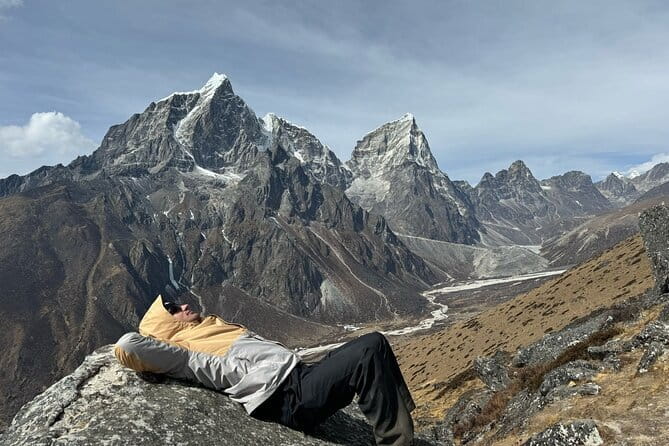
- Lukla flight plus trail start in the Dudh Koshi river valley for that classic first-day momentum
- Altitude pacing with acclimatization days at Namche Bazaar and Dingboche
- Tengboche Monastery, framed by mountain views and set along a rhododendron ascent
- Kala Patthar’s 360-degree viewpoint just above Everest Base Camp
- Guest house stays on the trek and a private setup with pickup and drop-off
- Budget for meals since food and drinks run about US$25 per day
Why this Everest Base Camp trek feels worth your time
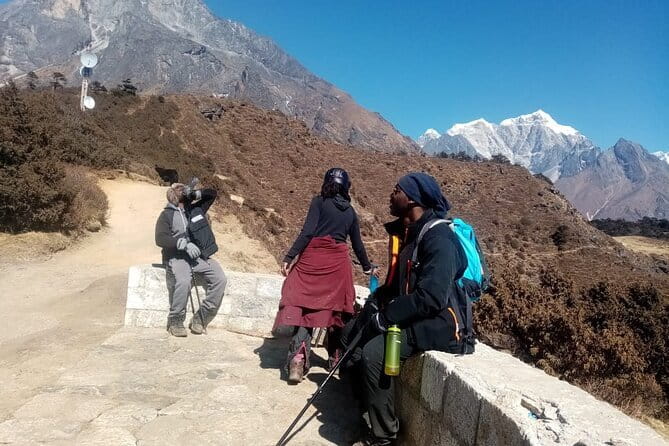
If you want the Everest region, not just a stamp and a selfie, this route is built for the long look. You move through the everyday rhythm of the Khumbu area: lodge doors, monastery bells, prayer wheels, village paths, and sudden, clear views when the weather cooperates.
I also like that the trip treats culture as part of the journey, not a side quest. Tengboche Monastery is a real moment here, and so is the slow build through Namche and Dingboche, where you’re close enough to see how people live with the mountains looming overhead.
Now the reality check. This trek is not designed for casual walkers. Expect daily hikes in the 6 to 8 hour range on most days, plus early starts for the big view days. If your fitness is shaky, the itinerary will feel long. If your fitness is solid, the structure helps a lot.
More ways to walk to Everest Base Camp:
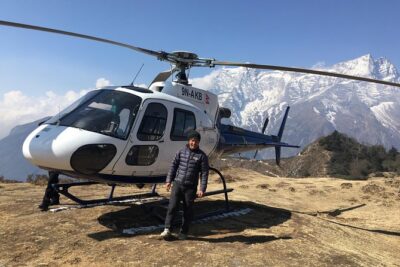
- Everest Base Camp Helicopter Tour landing at Everest View Hotel
★ 5.0 · 668 reviews - Gokyo to Everest Base Camp Trek
★ 5.0 · 113 reviews - Everest Base Camp Trek
★ 5.0 · 97 reviews
Kathmandu to Lukla: the flight that sets expectations
Your day starts in Kathmandu with hotel pickup and drop-off, then you head to the airport. The big event is the short scenic flight from Kathmandu to Lukla, where you meet the rest of the crew and get oriented for the trek.
That flight matters for more than romance. It trims a ton of travel time, and it also makes the start feel like the mountain is already in your lap. After landing, you begin trekking from Lukla and drop into the rhythm of the Dudh Koshi river trail, descending toward Phakding.
Practical note: the flights are included, so you’re not left juggling ticket details after you arrive. It’s one less thing to worry about when your body is already gearing up.
Phakding to Namche Bazaar: where you start feeling the altitude
On day one of trekking, Phakding gives you an entry point that is realistic. You start by following the Dudh Koshi River and descend through the valley. It’s a good way to get your legs moving without jumping straight into the steepest sections.
Then you work your way toward Namche Bazaar, with a stop at Monjo and travel through Sagarmatha National Park. That stretch is where the trail starts to feel more “protected” and purposeful. You cross streams, pass small villages, and keep moving through a region known for wildlife and flowers, right up to the gateway feeling of Namche.
Namche Bazaar is also where the itinerary makes your body a priority. You spend time here acclimatizing, and you do a short excursion to Syangboche Airstrip or the Everest View Hotel area. I like this approach because it’s not just rest time, it’s structured time. You get outside, you get views if conditions allow, and you still keep the main goal in mind.
Tengboche Monastery: rhododendrons, Imja Khola, and calm rituals
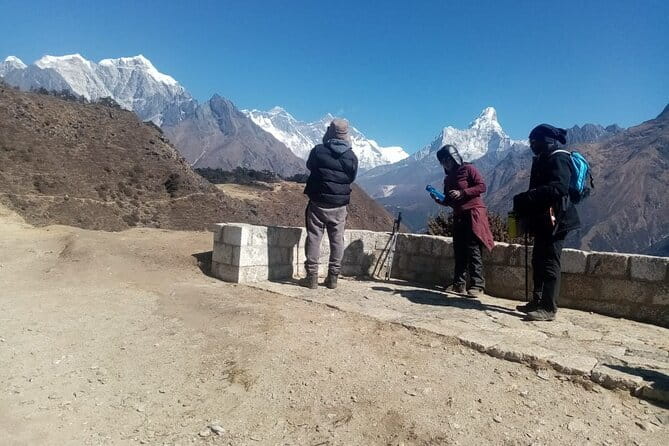
Leaving Namche behind, you head toward Tengboche, and the ascent is lined with dense rhododendron forests. Even if you’ve trekked in other mountain regions, this part feels special because the trail is shaded and textured, and then, later, the views start doing their thing.
You pass Imja Khola before reaching Tengboche village. Then you reach the heart of the stop: Tengboche Monastery. The itinerary frames it as the oldest monastery in the Khumbu region, and that age shows in the feeling of the place. You’re not just walking past a building. You’re taking in a Buddhist space set against Himalayan scale.
One real value here is pacing. The day gives you enough time to explore, not just arrive and rush. If you like your treks with culture that actually has a pulse, this monastery stop is a highlight.
More to compare around Kathmandu
- Kathmandu: 7 UNESCO Sites with Lunch
★ 4.8 · 744 reviews - Kathmandu: Local Women-Led Nepali Cooking & Momo Class
★ 4.9 · 360 reviews - Manaslu Circuit Trek
★ 5.0 · 292 reviews - Kathmandu: Food and Drink Walking Tour
★ 4.9 · 292 reviews
Dingboche and the suspension-bridge day: village life at higher elevation
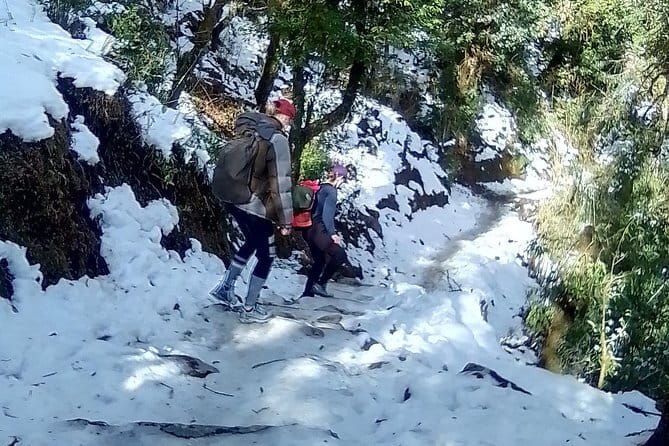
After Tengboche, you head toward Dingboche. This is where the trail shifts from the lush, forested feeling into a more “Himalayan working landscape.” You cross suspension bridges, pass through settlement areas like Pangboche and Orsho, and you start seeing religious markers in the form of stupas and chortens along the way.
Dingboche itself is a key acclimatization hub. You spend another day here for elevation adjustment, plus a hike to Nagarjun Hill for views. The itinerary calls out views of Everest, Lhotse, Ama Dablam, Nuptse, Thamserku, Pumori, and more. Even if some peaks are hidden by cloud, the hill hike is a worthwhile way to earn the higher-altitude feeling without pushing too hard.
I like how the itinerary sets you up for success here. Most people struggle less because of the toughest day, and more because of how quickly they go up. This built-in break reduces the risk of rushing yourself into trouble.
Lobuche: the trail turns from green to spare
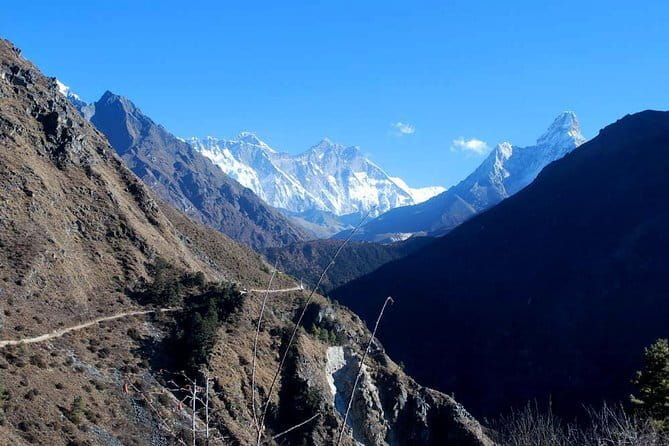
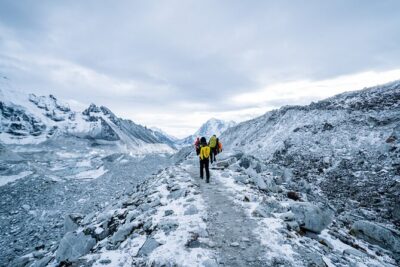
From Dingboche, you move toward Lobuche. The itinerary notes a noticeable change: lush forests give way to sparsely dotted shrubs. That shift is not just scenery. It’s your reminder that you’re climbing into thinner air and harsher terrain.
Along the way you pass through small villages, then reach Lobuche, a place that feels like it’s already close to the final push. The day timing is also a clue: plan for steady effort, not dramatic sprints. Keep your rhythm. Save your energy for the early starts ahead.
Everest Base Camp: early wake-up, Gorka Shep, and the big arrival
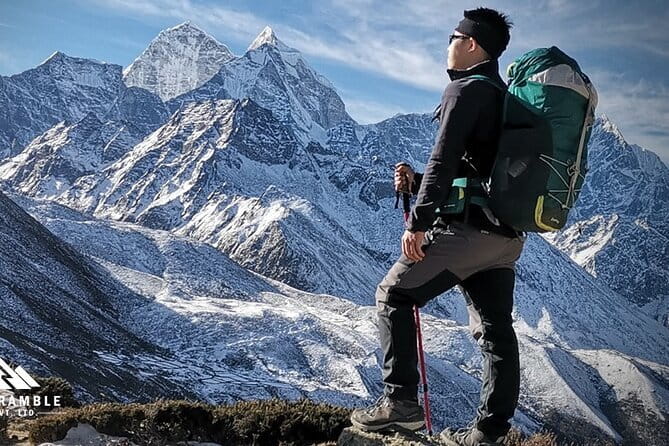
Next comes Everest Base Camp. You wake up early and trek toward EBC, and the route passes Gorka Shep, described as the last human settlement area on the trail. That detail matters because it signals you’re truly leaving the village world behind.
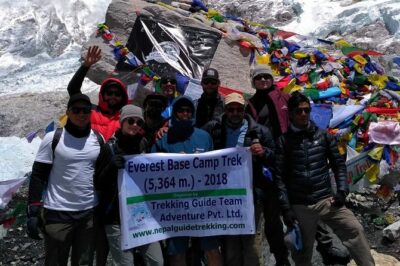
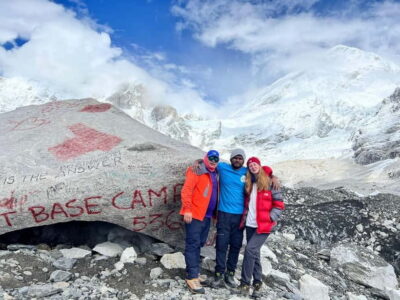
The itinerary calls out about 8 hours of trekking for the day, with Everest Base Camp as the destination. This is the moment where the trek changes from “travel” into “achievement.” You’re standing where climbers prepare for the summit attempt, and your view of the massif feels intensely real.
Even if you don’t care about climbing logistics, EBC is a powerful place to pause. It’s the end of the long line of prayer flags and steps, and it’s where your effort finally collapses into one clear idea.
Kala Patthar: the 360-degree viewpoint day
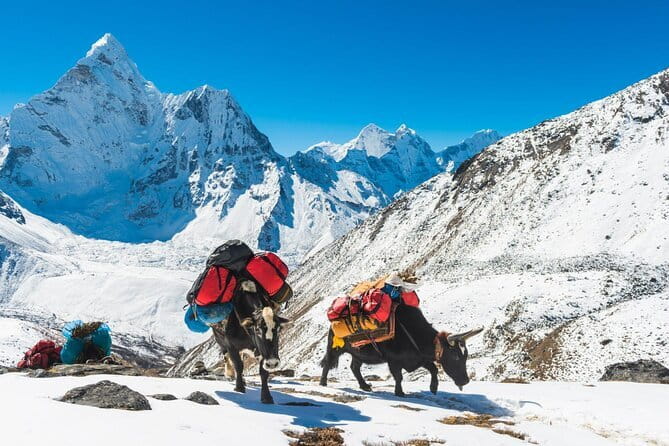
If Everest Base Camp is your arrival, Kala Patthar is your reward. Today you hike for famous viewpoints called out for 360-degree views of Everest and the surrounding peaks.
The route description places Kala Patthar just above Everest Base Camp, so it’s the kind of climb that gives you perspective on what you reached earlier. This is a long day by trekking standards, about 7 hours total, and it’s also one of the days that demands respect for your breath and pace.
I recommend treating it like a mission, not a challenge race. The guides on this trip, including the names highlighted in experience feedback like Milan, have been praised for keeping people safe and steady. That matters on the kinds of slopes where motivation and oxygen disagree.
The return through Namche and Lukla: finishing strong
Coming back is not the easy part, even though the direction changes. You’re still moving through the same terrain, and your legs will feel every earlier climb.
After Kala Patthar, you trek down toward Pheriche and then take the route back toward Namche and Tengboche. The itinerary includes the day that follows breakfast and goes through dense forests and small villages, following the Imja River, reaching Tengboche, descending to Phungki Thanka, then dropping down to Namche.
Then you retrace the trail to Lukla, passing through Phakding along the way. The itinerary notes a gradual descent through dense forests and streams, and a steady sequence of village sections rather than any sudden shortcut.
Finally, you return to Kathmandu by flight. On arrival, you transfer to a hotel and have a farewell dinner to close the trek, with time to say goodbye and prepare to leave.
Price and logistics: what you pay for at $1,380
This trip costs US$1,380 per person, and the big question is whether that number matches the reality of what’s covered.
Here’s what is included:
- Hotel pickup and drop-off in Kathmandu
- A government-licensed English speaking trekking guide
- Kathmandu to Lukla to Kathmandu flight ticket
- Trekking permits and official documents
- Guest house accommodation during the trek
- A private tour, meaning it’s only your group
- An emergency normal first aid kit with your guide
What is not included:
- Food and drinks, available for purchase, around US$25 per day
- Gratuities (optional)
To me, the value is in the heavy lifts being handled: flights, permits, documents, and a guide. Those are exactly the items that turn Everest logistics into stress for DIY plans. Paying for them here is paying for fewer headaches.
Two practical considerations:
- The total cost can climb once you factor meals and drinks at about US$25 per day.
- You should be ready for a real trekking routine. Even with acclimatization days, the hikes average 6 to 8 hours on multiple days.
Also, the tour summary mentions group discounts and mobile ticket, which are small but helpful extras if you’re coordinating your trip.
Your guide is the real difference: Prakash, Milan, and Dev
In the feedback that stands out most, the guides are consistently praised for being professional and focused on safety and comfort. Prakash is mentioned as a best trek guide, with a professional, knowledgeable, and consistently positive approach that helped keep spirits up even on tough stretches.
Milan shows up as another strong guide, with praise for patience and a friendly attitude, plus emphasis on acclimatization tips. That’s the difference between simply walking the trail and actually managing your body through it.
Dev gets recognition for care that made the trek easier for a family group. The same feedback also notes that flights, accommodation, and vehicle timing were on point, which matters because it keeps the schedule from turning into chaos.
So here’s the takeaway for you: choose this kind of organized setup specifically because you want someone to manage the mountain rhythm. You still do the work, but you’re not doing it alone.
Who this trek suits best, and who should think twice
This trek is a great match if you:
- Have strong physical fitness and can handle repeated uphill days
- Want classic Everest-region sights like Namche Bazaar, Tengboche Monastery, and Everest Base Camp
- Appreciate Sherpa culture as part of the route, not just sightseeing
- Prefer a private tour so the pacing and focus can match your group
You might want to consider alternatives if you:
- Are not comfortable with altitude and long hiking days, even with acclimatization days built in
- Don’t want to budget extra for meals, since food and drinks are not included
Should you book CAN Travels for Everest Base Camp?
If you want the Everest Base Camp experience with fewer logistics headaches, I think this is a solid choice. You get the key structure that matters on this route: licensed English speaking guide, permits handled, flight included, and guest house stays arranged. The strong emphasis on guide quality, with names like Prakash, Milan, and Dev mentioned for safety and good energy, is not a small detail here. It can change how the trek feels day to day.
Book this if you’re fit, willing to walk for hours, and you want a trek that balances big views with real mountain culture, especially at Tengboche Monastery and the viewpoint days like Kala Patthar.
FAQ
FAQ
How many days is the Everest Base Camp trek?
The trek runs for about 12 days.
Where does the trek start and end?
It starts in Kathmandu with flights to Lukla, then you trek to Everest Base Camp and return by flight back to Kathmandu.
What is included in the price?
Included are hotel pick up and drop off, a government-licensed English speaking trekking guide, Kathmandu to Lukla to Kathmandu flight tickets, trekking permits and official documents, guest house accommodation during the trek, a private tour, and an emergency normal first aid kit with the guide.
What is not included?
Food and drinks are not included, and they are available for purchase at about US$25 per day. Gratuities are optional.
Is accommodation provided during the trek?
Yes. You stay in guest houses during the trek.
Do I need a permit for the trek?
Yes, and trekking permits plus all official documents are included.
Is the tour private?
Yes. This is a private tour, and only your group participates.
What fitness level is recommended?
Travelers should have a strong physical fitness level.
Can I get a refund if I cancel?
You can cancel up to 3 days in advance for a full refund. If you cancel less than 3 days before the start time, the amount paid is not refunded.
Latest Kathmandu write-ups
- 16 Days Island Peak Climbing With Everest Base Camp Private Trip★ 5.0 · 3 reviews
- 15 Days Round Annapurna Trek with Poon Hill from Pokhara★ 5.0 · 5 reviews
- Private Nepal round trip including Ghorepani Poonhill trek★ 5.0 · 3 reviews
- Everest Base Camp Trekking 16 Days★ 4.0 · 7 reviews
- 14 Days Luxury Annapurna Base Camp Trek★ 5.0 · 6 reviews
- Everest Base Camp Trek★ 5.0 · 32 reviews
- Everest Base Camp Trek★ 5.0 · 87 reviews
- 14 Days Annapurna Base Camp Trekking | Best trek for visit Nepal 2020★ 5.0 · 19 reviews
Everest Base Camp Trek, compared.
Everest Base Camp Helicopter Tour landing at Everest View Hotel
Read our review →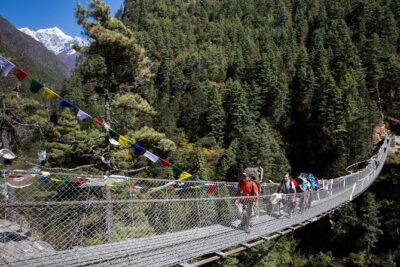
Everest Base Camp Trek 12 Days – Best Himalayan Adventure
Read our review →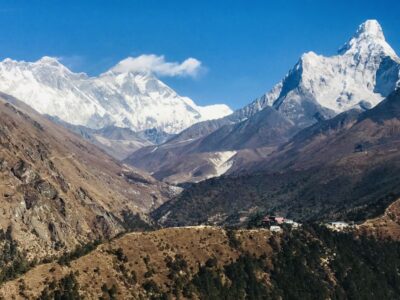
Browse the lists this tour appears in