
Reviewed · EVEREST BASE CAMP TREK
12 Days Everest Base Camp Trek
This 12-day Everest Base Camp trek is interesting because it turns a famously complicated journey into a step-by-step plan. It starts with the flight into Lukla, then guides you through Khumbu villages, high-altitude acclimatization stops, and finally the Everest Base Camp area.
I love that permits and paperwork are handled ahead of time. It takes one big stress off your plate, so you can focus on the practical stuff, like layering, pacing, and keeping your feet happy.
I also like the way the trek is paced for altitude, with built-in acclimatization days, plus a porter setup that helps carry your gear. The one real drawback to plan for is weather-driven delays on the Kathmandu to Lukla flights, which can mean waiting longer than you want at the airport.
Key things worth knowing before you go
- Permits sorted in advance for Sagarmatha National Park and TIMS, so your arrival days stay calm
- Teahouse lodging and full trek meals (breakfast, lunch, dinner) so you are not managing logistics daily
- Acclimatization in Namche Bazaar and Dingboche, not just a grind upward
- Tengboche monastery timing, with the option to catch a religious ceremony if you arrive around late afternoon
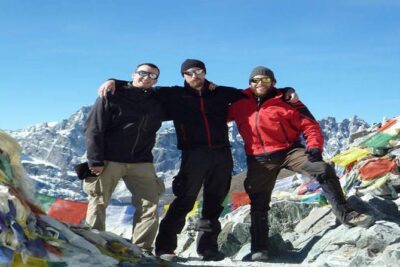
- Kala Patthar is the big payoff, with an early push to reach about 5,555m for top views
- Strong communication and planning, highlighted in multiple trip experiences, including coordination from Bishnu
From Kathmandu to Lukla: the first step into the Khumbu
You start early, with the meeting time listed as 5:15 am. After that, you are in the easy-to-follow flow: airport pickup and drop in Kathmandu, then on to the domestic flight system.
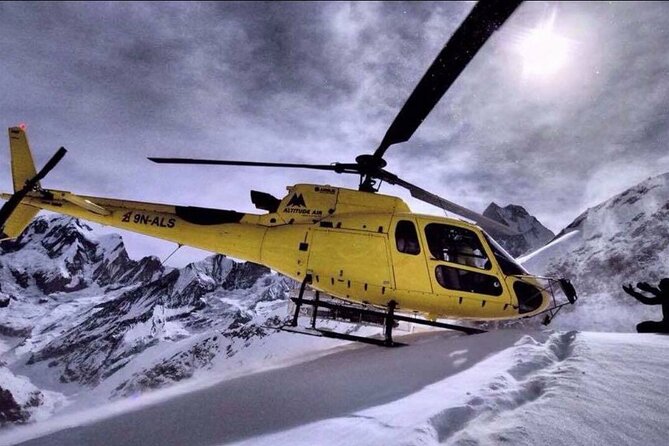
The trek officially begins with an early flight from Kathmandu to Lukla, which takes about 30 minutes. Lukla is where the whole Everest Base Camp idea becomes real. From there, you connect with the trek crew, then start walking the trail toward Phakding.
Day 1 is a manageable first taste: about 3 to 4 hours of trekking, reaching Phakding (2,651m/8,700ft). You head via Cheplung village, and you are treated to big mountain energy right away, including views toward Mt. Khumbila, noted as a sacred mountain in the route description. You finish the day in a pre-arranged teahouse lodge, included for the night.
Tip for your first day: don’t try to “prove” fitness. That early uphill feeling in the lungs is normal. You’ll do better if you keep your pace steady and save your energy for the higher days.
More ways to walk to Everest Base Camp:
- Everest Base Camp Helicopter Tour landing at Everest View Hotel
★ 5.0 · 668 reviews - Gokyo to Everest Base Camp Trek
★ 5.0 · 113 reviews - Everest Base Camp Trek
★ 5.0 · 97 reviews
Permits, guide, and porter support: what you are truly paying for
At $1,390 per person, this is not just a “someone will walk with you” deal. You are paying for the operational safety rails that often trip people up on the Everest route.
Here is what’s covered that matters on a real trek:
- An experienced, English-speaking, government-licensed trekking guide
- Porter service with a 2 trekkers to 1 porter ratio
- All necessary paperwork and trekking permits, including National Park Permit and TIMS
- A medical kit carried by your trek leader
- Included staff costs (salaries, insurance, equipment, domestic airfare, and food and accommodation)
This is the kind of setup that keeps you from wasting a day solving paperwork problems or figuring out who owns the responsibilities. It also changes how you trek. With porters in the mix, you can carry a lighter day pack and focus on breathing, balance, and not overheating.
And yes, there is a human factor. One of the praised points in trip experiences was communication from start to finish, including help from Bishnu. That kind of coordination matters when your itinerary depends on domestic flights and weather.
Days 1 to 3: Phakding, Namche Bazaar, and learning how to pace yourself
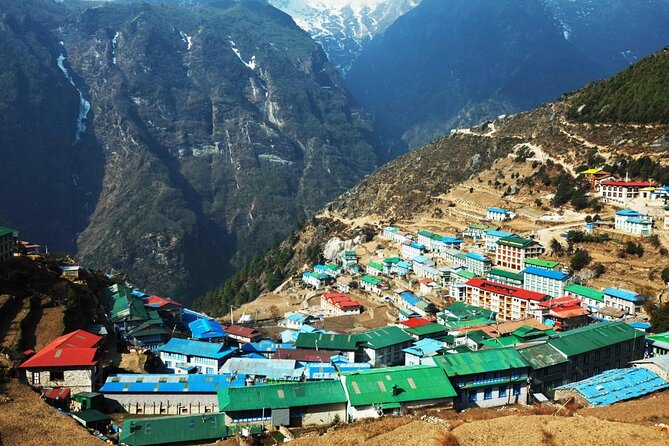
Your second day is where the Everest National Park boundary becomes part of the story. You trek about 4 to 5 hours from Phakding (2,651m) to Namche Bazaar (3,438m). Along the way:
- You cross the Dudh Koshi River
- Pass through villages like Chumoa and Monjo
- Reach the entrance to Everest National Park
- Walk along the rivers and cross a suspension bridge near Jorsale
Namche Bazaar is also where acclimatization becomes more than a checkbox. You spend the next day there, and it’s designed for it.
Day 3 is an acclimatization day in Namche (3,440m). The plan includes:
- Exploring Namche Bazaar
- A hike toward Sagarmatha National Park
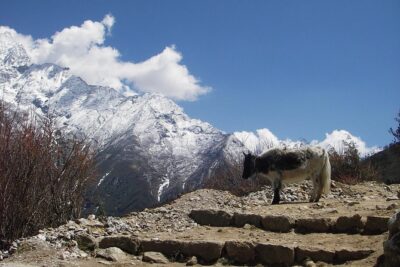
- Time for sunrise views over the Himalayas, with named peaks including Everest, Lhotse, Nuptse, Ama Dablam, Thamserku, and Kongde
If you want an extra walk, there is an optional day hike to Khumjung village mentioned in the route description.
Practical advice: when you are at altitude, your body rewards patience. Keep your movements smooth, drink what you can, and treat the acclimatization day as part of the trek, not a break from effort.
Tengboche and Dingboche: monasteries, big views, and smart altitude management
After Namche, you move to Tengboche (3,870m). This stretch is about 5 to 6 hours. The route description notes that it is an easier walk until Phunki, then you climb toward Tengboche.
The big draw here is Tengboche monastery, described as the biggest monastery in the Everest region. It sits within Sagarmatha National Park, also flagged as a UNESCO World Heritage Site in the route details.
Timing matters for Tengboche. The monastery opens at 3:00 pm. If you reach around 4:00 pm, you may be able to observe a Buddhist religious ceremony. That’s one of those details that can turn an ordinary stop into a memorable one, especially if you’re the kind of traveler who likes understanding how communities live with mountains nearby.
Next comes Dingboche (4,360m). You trek about 5 to 6 hours from Tengboche, including:
- Walking downhill to Debuche
- Crossing the Imja River
- Passing through the upper route toward Pangboche
- Exploring Pangboche Monastery
- Continuing through Imja Valley and along the Lobuche River to Dingboche
Dingboche is where the trek asks you to slow down again. You spend a full acclimatization day in Dingboche, with a hike described as about four hours behind the village to view major peaks including Lhotse, Makalu, and Cho Oyu.
This is where your trek becomes more than scenery. It becomes a lesson in altitude, because you’re not just climbing. You’re giving your body a chance to adjust.
More to compare around Kathmandu
- Kathmandu: 7 UNESCO Sites with Lunch
★ 4.8 · 744 reviews - Kathmandu: Local Women-Led Nepali Cooking & Momo Class
★ 4.9 · 360 reviews - Manaslu Circuit Trek
★ 5.0 · 292 reviews - Kathmandu: Food and Drink Walking Tour
★ 4.9 · 292 reviews
Toward Lobuche and Gorak Shep: the long day feeling
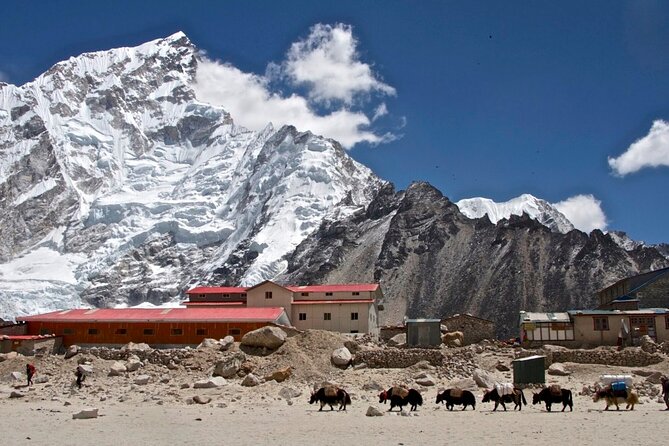
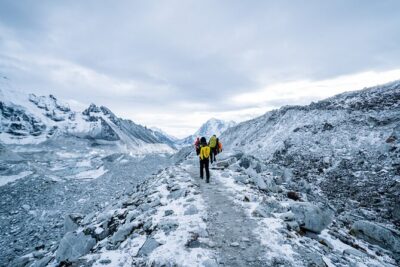
From Dingboche you continue to Lobuche (4,900m), described as about 7 hours and around 9 km. The route mentions walking along the Himalayan trail toward the Everest Base Camp area, then continuing via Dughla pass to reach Lobuche.
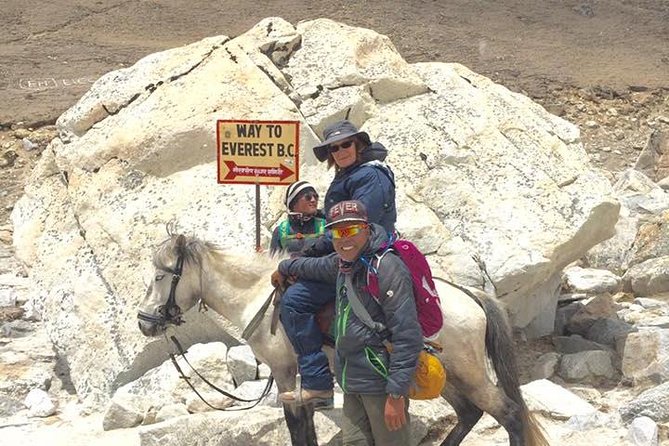
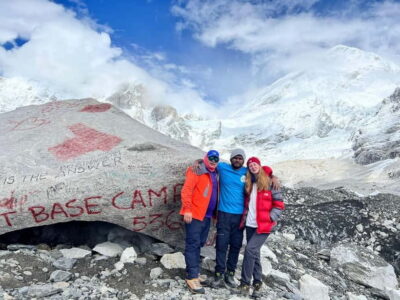
Then comes the heavy day to get to the Everest Base Camp zone. This is Lobuche to Gorak Shep (5,160m) and the Everest Base Camp area (5,365m).
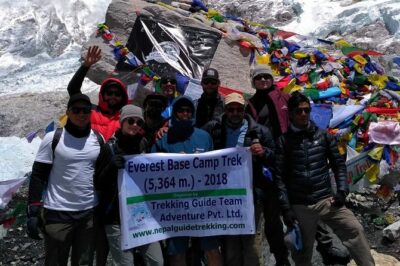
The route calls today nearly a 12-hour effort, around 17 km, to reach Gorakshep. After you check in at the lodge and eat lunch, you walk to Everest Base Camp to enjoy views of named mountains including:
- Nuptse
- Khumbuste
- Pumori
The route also describes a return to Gorakshep for the overnight stay, meaning you do not just “arrive and collapse.” You do the Base Camp walk, then head back to your night stop.
This is the part of the trek where being in a well-run package helps. You have your teahouse lodging arranged, meals included, and the schedule is managed. That doesn’t make altitude easy. It just reduces the chance you get stranded mid-day because something is unclear.
Kala Patthar at 5,555m and the descent back down
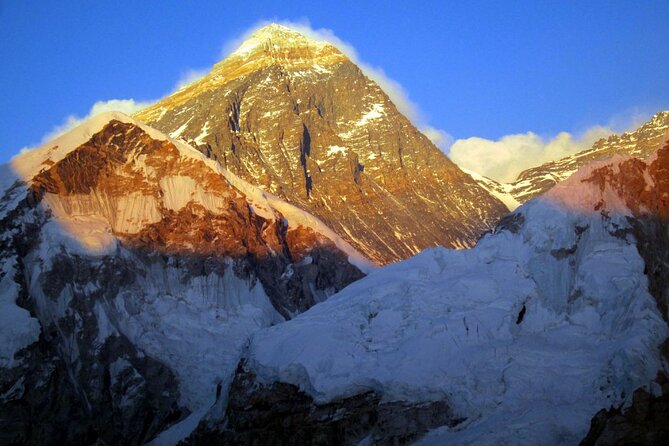
If Everest Base Camp is the symbol, Kala Patthar is often the view you remember. The trek has you up early, after breakfast, for a climb to Kala Patthar (5,555m).
The route notes:
- It takes about three hours to reach the summit viewpoint
- Then you spend time there taking in views of Everest and other nearby peaks such as Lingtren, Khumbutse, and Changtse
- After that, you hike back down toward Gorak Shep for lunch
- Then you continue downhill to Pheriche (4,200m) for the overnight stay
From Pheriche, you start the descent days. The route has you heading back through the familiar scenery, including Pangboche and Tengboche, before reaching Namche Bazaar. Then you continue down to Lukla for your last trek night.
One thing I like about this structure is that you see the route twice, up and down. When you have altitude fatigue, the descent feels like you’re working with gravity rather than against it. When you have energy, the descent still gives you chances to look at places you rushed past on the way up.
Kathmandu wrap-up: transfers, farewell dinner, and getting your breath back
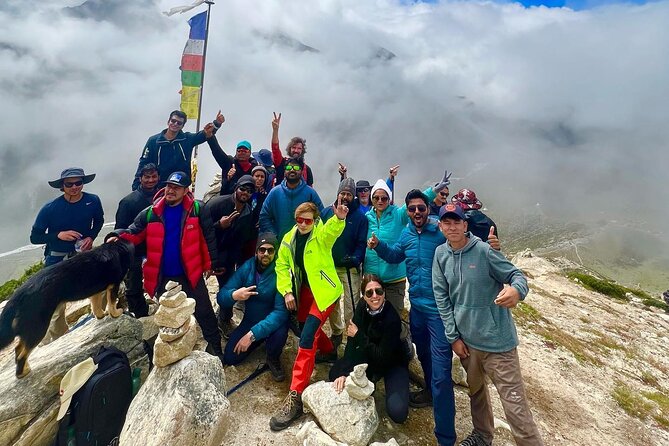
On the final travel day, you catch the early morning flight back to Kathmandu. After arrival, you are transferred to your hotel, and the trek wrap includes a farewell dinner.
A trip experience also specifically praised the presence of a farewell dinner hosted in Kathmandu. That might sound like a small detail, but it’s a nice way to mark the finish and compare notes while your legs still remember the climb.
Do not underestimate the first Kathmandu evening after altitude. You will probably eat more than you expect, sleep deeper than normal, and feel strangely emotional about how far you went.
Price and Logistics: is $1,390 good value here?
Let’s talk money in a plain way. For $1,390 per person, you get a package that includes:
- Domestic flights Kathmandu to Lukla and back
- Teahouse accommodation with breakfast, lunch, and dinner during the trek
- Guide and 2:1 porter support
- Permits and paperwork (National Park Permit, TIMS)
- Airport pickup and drop
- A farewell dinner
- Medical kit carried by the trek leader
- Government and local taxes
- Mobile ticket
You still pay for some key items not included, including:
- Nepalese visa fee
- Travel and rescue insurance
- Tips for guide(s), porter(s), and driver(s)
- Lunch and evening meals in Kathmandu (beyond the included farewell dinner)
- Drinks and extra costs like bottle or boiled water, hot and cold drinks, and recharge items
- Any extra night accommodation in Kathmandu if flights shift due to weather
So is it value? I think it’s fairly strong if you want to avoid running a DIY operation. The Everest trek is not only about walking. It’s about getting permits, arranging domestic flights, and keeping your days structured when weather is moody.
If you already have a guide, permits, and your own plan for domestic flights, you might be able to do it for less. But if you want a smooth experience where the tricky parts are handled, this package is built for that exact outcome.
Who this trek fits well, and who should rethink it
This trek asks for moderate physical fitness. The route includes long days, especially the near 12-hour push toward Gorakshep and the Base Camp area, and the Kala Patthar climb at altitude.
It also helps if you value structure. Your days have planned movement, planned meals, and planned rest. That reduces decision fatigue when your body is working harder than normal.
This is also a good fit if you prefer a supported group experience rather than going it alone. It is listed as a private tour/activity, meaning only your group participates.
If you dislike early starts, have very low tolerance for cold, or feel uneasy about the possibility of flight delays, you should treat the trip as something to plan carefully. Not because it is unsafe by default, but because domestic flights can change plans.
Should you book this Everest Base Camp trek?
I’d book it if you want:
- Permits handled and a licensed guide running the schedule
- Teahouse meals and lodging included so you are not hunting each day
- Porter support so you can keep your pack reasonable
- A trek that includes real acclimatization, not just marching upward
- A payoff day with Kala Patthar and a Base Camp walk in the Everest zone
I would hesitate if you know you cannot handle airport waiting time due to flight delays, or if you are trying to keep every expense to the absolute minimum.
Overall, this is a practical Everest Base Camp plan that prioritizes logistics as much as it prioritizes views. And when you’re standing in the high air near the Base Camp area, you’ll understand why that matters.
FAQ
What time is the trek meeting point?
The start time listed is 5:15 am.
What is included in the $1,390 per person price?
The price includes airport pickup and drop, domestic flights between Kathmandu and Lukla, teahouse accommodation with breakfast, lunch, and dinner during the trek, an English-speaking government-licensed guide, porter service (2 trekkers per 1 porter), and all trekking permits and paperwork (National Park Permit and TIMS). It also includes a farewell dinner, a medical kit carried by the trek leader, and government and local taxes.
Are trekking permits arranged before the trek?
Yes. The package includes all necessary paperwork and trekking permits, including National Park Permit and TIMS.
Is a guide and porter included?
Yes. You get an experienced, English-speaking, government-licensed trekking guide and porter service with a 2 trekkers to 1 porter ratio.
Are meals included while trekking and in Kathmandu?
During the trek, teahouse accommodation includes breakfast, lunch, and dinner. In Kathmandu, lunch and evening meals are not included, though you do have a farewell dinner at the end of the trip.
Are the Lukla flights included, and can they be delayed?
Domestic flights Kathmandu to Lukla and back are included. The route notes that flights can be delayed or canceled due to weather, so you should be ready for potential waiting at the airports in Kathmandu or Lukla.
What is not included that I should budget for?
Not included items are the Nepalese visa fee, travel and rescue insurance, tips, and personal expenses such as phone calls, laundry, bar bills, bottled or boiled water, and battery recharge. Also, extra night accommodation in Kathmandu may be needed if flights change, and lunch and evening meals in Kathmandu are not included (beyond the farewell dinner).
Latest Kathmandu write-ups
- 16 Days Island Peak Climbing With Everest Base Camp Private Trip★ 5.0 · 3 reviews
- 15 Days Round Annapurna Trek with Poon Hill from Pokhara★ 5.0 · 5 reviews
- Private Nepal round trip including Ghorepani Poonhill trek★ 5.0 · 3 reviews
- Everest Base Camp Trekking 16 Days★ 4.0 · 7 reviews
- 14 Days Luxury Annapurna Base Camp Trek★ 5.0 · 6 reviews
- Everest Base Camp Trek★ 5.0 · 32 reviews
- Everest Base Camp Trek★ 5.0 · 87 reviews
- Everest Base Camp Trek★ 5.0 · 97 reviews
Everest Base Camp Trek, compared.
Everest Base Camp Helicopter Tour landing at Everest View Hotel
Read our review →
Everest Base Camp Trek 12 Days – Best Himalayan Adventure
Read our review →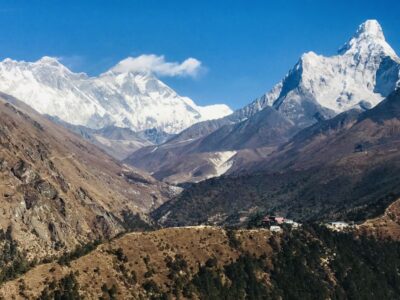
Browse the lists this tour appears in