
Reviewed · EVEREST BASE CAMP TREK
14 Days Everest Base Camp Trek
What makes the Everest Base Camp trek such a good choice is the blend of Sherpa towns and mountain time, with altitude planning built into the route. I like that you get a real support system on the ground, not just a route on a map, plus included meals so your focus stays on walking and breathing.
The big thing to consider is altitude. Even on a well-run trek, some people feel the effects hard enough that they may not reach Base Camp, or may need to adjust plans for safety.
Key Highlights Worth Knowing Before You Go
- Lukla flights (about 40 minutes) put you straight into the Khumbu experience with serious Himalayan views right away
- Hillary Suspension Bridge and other crossings help you feel the trail in a memorable way, not just on paper
- Acclimatization days in Namche Bazaar and Dingboche give you a fighting chance at a smoother climb
- Tengboche monastery stop adds a spiritual pause, with a chance to watch rituals and learn the local rhythm
- Kala Patthar day is your best shot at dramatic Everest views during a hike that you feel the next day
- Private trip for your group means you do not get shuffled around like a cattle line
Kathmandu to Lukla: The Trek Starts Before You Even Hike
Your trip begins in Kathmandu, with an airport pickup and a transfer to your hotel. Day 1 is intentionally low pressure, because a long flight plus jet lag is a lousy warm-up for high altitude trekking.
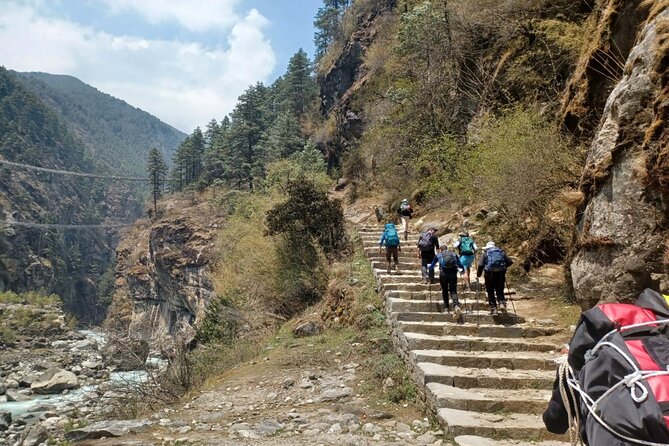
On Day 2, you fly from Kathmandu to Lukla, about a 40-minute jump to the trekking start. Expect strong mountain viewing from the air, and then you transition into walking quickly, trekking from Lukla down toward Phakding. You will feel that early rhythm, downhill first, which helps your legs wake up without immediately punishing you.
This matters for value. Many treks sell you the Everest part, but the reality is your early days set the tone for energy, sleep, and comfort. The fact that this itinerary includes that transition phase is a smart design.
More ways to walk to Everest Base Camp:
- Everest Base Camp Trek – 14 Days
★ 5.0 · 1,499 reviews - Everest Base Camp Trek
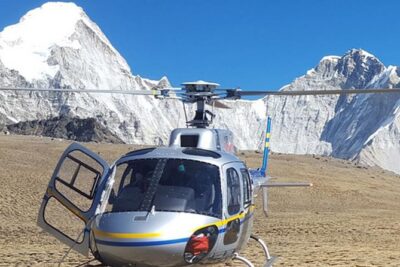
★ 5.0 · 842 reviews - Everest Base Camp Helicopter Tour landing at Everest View Hotel
★ 5.0 · 668 reviews
Lukla Down to Phakding: Bridges, Rivers, and First Altitude Lessons
Lukla sits at 2,850m, and that number is not just a trivia fact. It is why that first day is about pacing and staying present, not about speed.
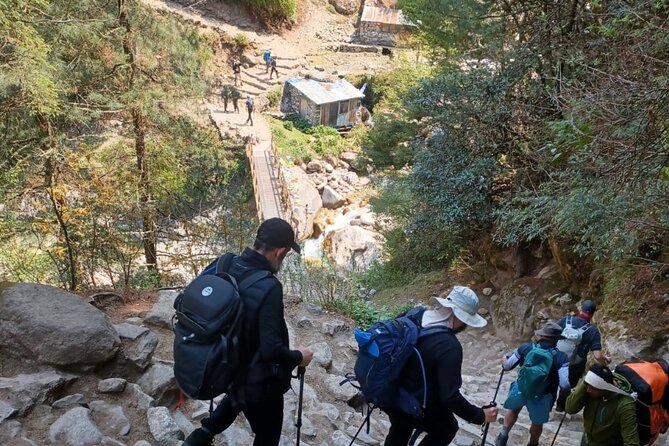
You trek from Lukla to Phakding through suspension bridges and along the route that tracks the Dudh Koshi river area. Crossing bridges in the Khumbu region has a way of making you pay attention, because your eyes keep checking the drop and your mind keeps recalibrating where you are.
This segment is often where people decide what kind of trek they want. If you treat it as a warm-up, it feels easier. If you treat it like a race, you start burning extra energy before the higher days.
Phakding to Namche Bazaar: Sherpa Town Energy Meets Big Peaks
From Phakding, you work your way toward Namche Bazaar, a classic Sherpa hub and a real altitude checkpoint. You will pass more suspension bridges, including the Hillary Suspension Bridge, which is one of those places you feel in your body because you are constantly balancing attention, footing, and breath.
Namche is also more than a waypoint. You spend a longer chunk of time there, which is useful because it gives you room to adjust your routine. Cafes and trekking shops are part of the deal, and having that option matters if you want to recharge without feeling stuck.
Even the travel style helps you here. The itinerary is built around walking time and then letting you reset. That is exactly what you want before the steepest feel of the trek.
Namche Bazaar Acclimatization and Everest View Point Time
On Day 4, you stay in Namche most of the day for exploring and acclimatization. This is where I think this route makes a practical, not fancy, choice: you do not just “arrive and suffer,” you give your body a chance to adapt.
You can browse trekking equipment shops, stop for coffee if you find it, and watch how daily life runs in the valley. If you want a mountain fix, the day includes a trip to Everest View Point, giving you a panoramic look at the high peaks you are working toward.
If you are tempted to cram in extra hikes that day, I get it. But this is one of the few days where restraint pays off later. You get better results when you treat acclimatization as training, not as free time to overdo it.
More to compare around Kathmandu
- Private Kathmandu Sightseeing Tour | UNESCO World Heritage sites
★ 5.0 · 756 reviews - Kathmandu: 7 UNESCO Sites with Lunch
★ 4.8 · 744 reviews - Half day cooking class in Thamel kathmandu
★ 5.0 · 607 reviews - Everest Base Camp Trekking
★ 5.0 · 485 reviews
Tengboche: Monastery Stop, Rituals, and a Mental Reset
Tengboche is both a trekking destination and a spiritual one. The route brings you to the largest gompa in the Khumbu region, and you can visit and see lama-led spiritual rituals.
This is not a museum stop. It is part of how the Sherpa community lives with the mountains. When you watch rituals, you understand the trek has meaning beyond the summit picture.
Practical note: if you want to get involved, the itinerary says you can, so you are not limited to watching from a distance. Just use common sense with respect and attention, because this is an active religious site.
The hike to Tengboche also gives your legs a sense of purpose. By now, you have the rhythm, and the next days start to feel like they are steadily bending upward toward Everest country.
Dingboche Rest Day: How You Prepare for the Higher Part
After Tengboche, you continue to Dingboche. The trek gradually gains altitude, and the route notes the valley walls made of stones of different sizes, covering the valley. Those details stick with you because they make the place feel handmade and lived-in.
Then comes a rest and acclimatization day in Dingboche. This is a key piece of the plan. Everest Base Camp treks often fail not because the route is wrong, but because people move up too fast and pay for it with bad sleep, headaches, and a need to stop suddenly.
This rest day is also when you prepare mentally. Your body is still deciding how well it tolerates altitude, and Base Camp is not a place to go in with a stubborn attitude. Treat this as the day you set your expectations for the altitude ahead.
Lobuche and the Growing Sense of Distance
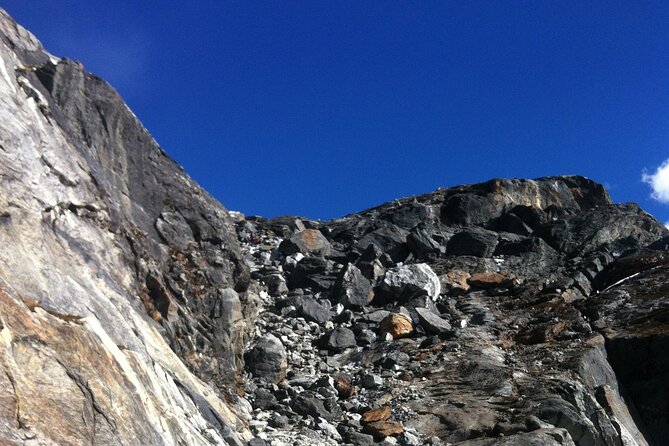
As you move toward Lobuche, you start to feel like you are nearing the zone people talk about when they describe Everest trekking. The route includes passes through Thukla and ascends toward Dughla Pass, then reaches Lobuche.
On the way, you witness peaks like Tabuchi and Arakam. It is not just a pretty view moment. Watching the high terrain helps you understand what “close to Base Camp” really means, because the environment starts looking harsher, more exposed, and more focused on the mountains themselves.
Lobuche is surrounded by hills and valleys, and the route notes that Lobuche is associated with east and west peaks. That matters because the name feels simple on maps, but in the field it helps you orient the bigger terrain picture.
This is a day where you should keep your pace steady and protect your energy for what follows. Even when the hiking hours look manageable, the altitude changes how effort works.
Everest Base Camp Day: The Walk That Hits You First, Then Feels Huge
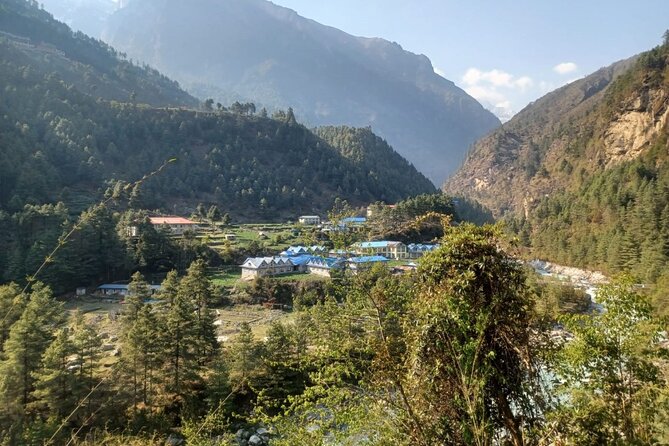
Day 9 is the big goal day, reaching Everest Base Camp and then trekking back to Gorak Shep. The route flags this day as potentially challenging due to high altitude, and that warning is the one you should treat seriously.
Base Camp itself is a moment, but it is also a responsibility. You are at altitude, you need to stay hydrated, and you need to read your body honestly. If you push too hard, you do not just risk discomfort. You risk slowing down later when you still need to travel.
The itinerary builds the return into the same day, which keeps the pacing logical. But logistically, this is where smart trekking becomes more important than athletic power. Short, steady steps, and steady breathing, win more often than trying to “feel brave” against the altitude.
Kala Patthar: Best Views, Best Timing, and a Real Test
On Day 10, you hike from Gorak Shep up to Kala Patthar for views of Mount Everest, then trek on to Pheriche. That mix is important: Kala Patthar gives you the big view payoff, and the descent makes the day feel like it has a finish line, not just a grind.
Kala Patthar is known for Everest views, and this itinerary reflects that by placing it right after Base Camp. That means you do not spend days waiting to chase the best sight. You go for it while your motivation is high and while your route access is right.
Then you start trekking down, which is usually easier on the body but still needs care. Downhill can be tougher on knees than flat walking, especially after several days of altitude effort. Take it slow and let your legs reset.
Pheriche to Khumjung: Village Life and the Dudhkoshi River Moment
After the big high days, the route continues with another village highlight: Khumjung. You also pass the Dudhkoshi river area and get Everest views again, plus the Ruler market stop.
That market piece matters more than it sounds. It gives you a sense of how people trade, live, and keep daily life moving in the same region that tourists only visit for a couple of weeks. These stops are how the trek becomes more than a checklist of viewpoints.
Day 11 is also one of the better moments to judge how your altitude experience went. If you feel stronger, you might enjoy the village wandering. If you feel tired, you still get meaningful stops without needing to sprint for extra sights.
Back to Lukla and Kathmandu: Finishing Strong Without Spoiling It
Day 12 brings the trek back to Lukla. The route notes the runway as one of the most intense airport experiences, which fits the general reputation of Lukla. I treat that part as a weather and timing situation more than a thrill moment.
From Lukla, you fly back to Kathmandu on Day 13. This is when the trek shifts from physical challenge to emotional closure. The itinerary even builds in a farewell dinner with the Master Himalaya team, which is a nice touch because it turns the end into a shared moment instead of just a transfer to your next ticket.
Day 14 is straightforward: a team member drops you at Tribhuvan International Airport. That is what you want after 14 days, no extra complexity.
What You Get for $1,600: Value, Support, and Real Costs
At $1,600 per person for 14 days, the price makes sense only if you use what is included. Here is what is covered: airport pickup and drop-off, all meals during the trek, a government certified guide and porter support (1 porter for 2 trekkers), the Lukla flights, and a farewell dinner. There is also restroom on board, and first aid service is listed.
That combo is a big deal for an Everest trek. Lukla flights and altitude logistics can add up quickly when you plan independently, and meals matter because consistent food intake helps you handle the trek days better.
What is not included is just as important. You will need to plan for international flights and visa fees, travel insurance, drinks and beverages, personal expenses, and trekking equipment like hiking sticks and trekking shoes.
So, is it worth it? If you want a guided, supported trek where most of the big operational pieces are handled, yes. If you already have the gear and you are trying to keep the trip budget tight, remember you still need to account for the costs not included.
Who This Trek Fits Best (and Who Should Rethink It)
This trek is described as suitable for moderate physical fitness. That does not mean it is easy. It means the walking pace and structure are designed for people who can handle multi-day hiking with altitude effects.
It also works best for you if you want real guidance and not just a GPS route. A government certified guide plus porter support helps with both safety and fatigue management. And because it is private for your group, you are not forced into a mismatched pace.
I would be cautious if you know you get altitude sickness easily, or if you have a medical situation that altitude could complicate. The itinerary includes rest days for acclimatization, plus first aid service, but altitude decisions still belong to your body.
Should You Book This 14-Day Everest Base Camp Trek?
If you want an Everest Base Camp trip that mixes Sherpa town life, monastery culture, and serious mountain time, this itinerary checks those boxes. The structure is sensible, with acclimatization built in and the biggest view effort placed when it makes sense.
I would book if you like the idea of having a certified guide and porter support, with meals handled so you can focus on the trek. I would think twice if you are counting on always reaching Base Camp no matter what, because altitude can force changes quickly and you need to be flexible.
One last practical tip: treat the acclimatization days as part of the main trek, not as optional sightseeing. Do that, and the whole experience feels calmer and more rewarding.
FAQ
Where is the meeting point and where does the trip end?
The start meeting point is Thamel, Kathmandu 44600, Nepal. The activity ends back at the same meeting point.
Does the price include flights between Kathmandu and Lukla?
Yes. The tour includes the flight from and to Lukla.
Are meals included during the trek?
Yes. All meals during the trek are included, including breakfast, lunch, and dinner.
Do you get a guide and porter?
Yes. The tour includes a government certified guide and porter support, with 1 porter for 2 trekkers.
Is trekking equipment included?
No. Trekking equipment like hiking sticks and trekking shoes are not included.
What about travel insurance?
Travel insurance is not included.
Are drinks included?
No. Drinks and beverages are not included.
Is the tour private?
Yes. It is a private tour or activity, and only your group participates.
Can I cancel for a full refund?
Yes. You can cancel up to 24 hours in advance for a full refund.
When will I receive confirmation after booking?
Confirmation is received at the time of booking in general, unless you book within 12 hours of travel. In that case, confirmation is received as soon as possible, subject to availability.
Latest Kathmandu write-ups
- Langtang Valley Trek★ 5.0 · 3 reviews
- Langtang Valley Trek from Kathmandu★ 5.0 · 3 reviews
- Khopra Danda Trek★ 5.0 · 3 reviews
- 5 night / 6 days Kathmandu Nagarkot Chitwan Pokhara tour★ 5.0 · 3 reviews
- Nepal Highlights Tour: 5 Nights 6 Days Kathmandu & Pokhara Tour★ 5.0 · 3 reviews
- Kathmandu Valley Private Day Tour★ 5.0 · 3 reviews
- Conquer the Himalayas: The Ultimate 16-Day Annapurna Circuit Trek★ 3.5 · 3 reviews
- Kathmandu Heritage Day Tour★ 5.0 · 3 reviews
Everest Base Camp Trek, compared.



Everest Base Camp Helicopter Tour landing at Everest View Hotel
Read our review →


Everest Base Camp Helicopter Tour landing at Hotel Everest View
Read our review →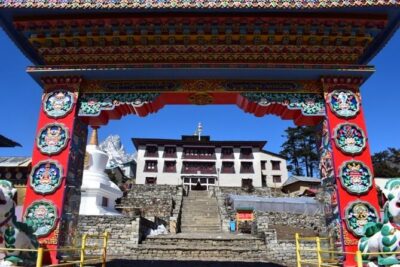
Browse the lists this tour appears in