
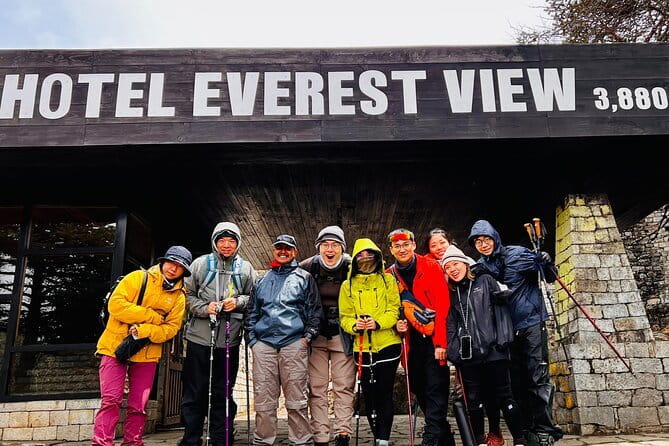
Reviewed · EVEREST BASE CAMP TREK
14 Days Everest Base Camp Trekking
Everest Base Camp is interesting because it is part hike, part altitude challenge, and part pure logistics puzzle, and this plan keeps those parts tight. I like that the trip includes round-trip flights to Lukla, so you do not have to guess how to get into the Khumbu. I also like the way you get real support with an English-speaking certified guide and porter help that keeps the days doable.
One thing to think about before you commit is cost in Kathmandu. The trek may be priced well, but food and accommodation in Kathmandu are not included and are listed at 45 USD per day, so your total trip budget will be higher than the headline price.
Key highlights in this Everest Base Camp trekking package
- Kathmandu to Lukla round-trip flights included, saving you from extra planning
- Certified in-person English guide with food, insurance coverage, and trip support
- 2 trekkers to 1 porter for carrying the essentials
- Sagarmatha National Park and trek permits included, plus government taxes and office service charges
- Lodge-to-lodge trekking accommodation with seasonal fruits included
- A classic rhythm of acclimatization, including a full Namche rest day plus a high point day near 4,510 m
Kathmandu to Lukla: the start you feel in your stomach
Your experience begins in Kathmandu, with a morning start at Tribhuvan Airport at 6:15 am. The program also offers pickup and private-vehicle transfers tied to the domestic airport and hotel, which matters in Kathmandu because traffic and timing can turn simple travel into a stressful one. If you arrive on a clear day, you are set up for a memorable first impression too, with the itinerary describing panoramic views of snow-capped peaks as you fly in.
Then the trip shifts from city to mountain fast. You will fly to Lukla, where the landing is described as steep and dramatic, and that reality check helps you mentally switch gears. By the time you start hiking, you are already on Nepal time, focused on steady movement, water, and altitude.
Value tip: if you want your first day to feel less chaotic, treat day 1 like a warm-up, not a sightseeing day. Keep it calm, eat what you can, and save your big energy for the trekking starts around Lukla.
More ways to walk to Everest Base Camp:
- Everest Base Camp Trek – 14 Days
★ 5.0 · 1,499 reviews - Everest Base Camp Trek
★ 5.0 · 842 reviews - Everest Base Camp Helicopter Tour landing at Everest View Hotel
★ 5.0 · 668 reviews
Lukla to Phakding: Dudh Koshi valley, bridges, and first lodge night
On day 2, you fly into Lukla (2,850 m) and meet your crew. From there, you start up the Dudh Koshi Valley on a well-marked trail. The schedule puts you at Phakding (2,656 m) overnight after about 10 hours hiking.
This section is more than just day one miles. It is where you learn the basic cadence of the trek. You cross and re-cross the river on suspension bridges later in the route, and even at the beginning you start noticing how often you are stepping over minor terrain changes. That is useful, because Everest Base Camp is not one long climb, it is a chain of small decisions repeated all day.
Possible drawback to plan for: day lengths in this itinerary sit around 10 hours on many trekking days. That is not unusual for Everest Base Camp, but it does mean you should not treat this as a casual walk. If you want a slower pace, you would need a different style of trekking plan.
Namche Bazar and Sagarmatha National Park: the acclimatization heart
Day 3 moves you onward toward Namche Bazar over roughly 10 hours, with key scenery and a real sense of protected nature. The itinerary specifically points to the entrance to Sagarmatha National Park, set up to protect the fragile mountain environment. It is not just a label on a map. The park permits are included in your package, and that support helps you focus on the experience instead of paperwork.
You then spend day 4 resting in Namche for acclimatization. The day 4 description explains why this stop matters: Namche is tucked between ridges with views over the Khumbu, and it has lodges, tea shops, and souvenir stores. That matters because rest days are easier when you can actually refuel and manage small needs like warm drinks and basic supplies.
What I like here: you are not only gaining altitude, you are also learning where the trek’s energy comes from. Namche is where the trail feels connected to people and Sherpa culture, not just altitude and stone.
The Everest View Point rest day: why you pause before you push
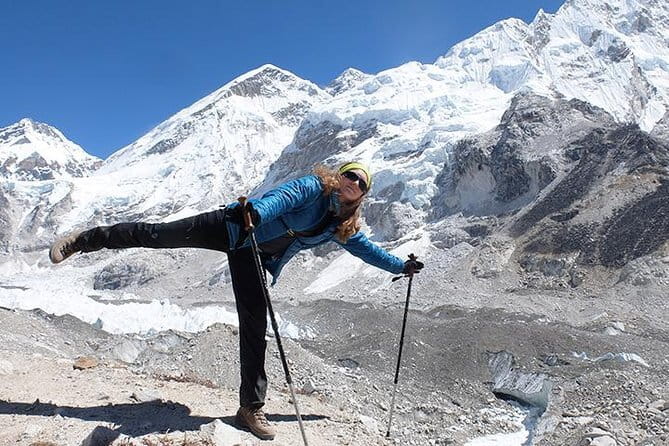
The itinerary includes an Everest View Point stop on the Namche rest day. This is a smart move because it gives you a payoff without adding another huge climbing day. In Everest trekking, the main danger is going too hard too soon. A day built around acclimatization keeps you on track.
Namche rest days also help with logistics. You are at a hub with plenty of tea shops, lodges, and local services, and that makes it easier to stay comfortable while your body adjusts. The schedule keeps the plan flexible by building the rest day into the trek, instead of forcing you to guess which day to slow down.
If you are the kind of person who hates sitting still, consider that this rest day is still work. You are hiking around in the area, checking how you feel at higher altitude, and planning your next push.
More to compare around Kathmandu
- Private Kathmandu Sightseeing Tour | UNESCO World Heritage sites
★ 5.0 · 756 reviews - Kathmandu: 7 UNESCO Sites with Lunch
★ 4.8 · 744 reviews - Half day cooking class in Thamel kathmandu
★ 5.0 · 607 reviews - Everest Base Camp Trekking
★ 5.0 · 485 reviews
From Tyangboche to Dingboche/Pangboche: peak views start getting personal
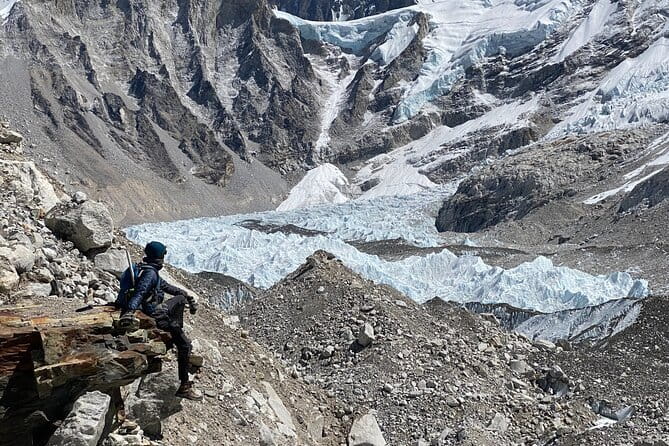
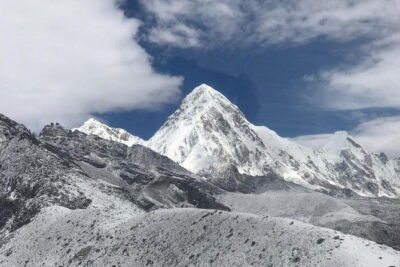
Day 5 takes you toward Tyangboche, with a long walk described at about 10 hours. The route contours high above the Dudh Kosi and you start getting really good views of major peaks including Everest, Lhotse, Nuptse, and Ama Dablam. That is the moment many people start feeling like the trip is no longer just training. You are seeing the shape of the mountain you came for.
Day 6 continues on toward the Dingboche area and the itinerary text references moving toward Pangboche at about 3,985 m with exceptional views of Ama Dablam, plus mentions of a gompa and Mani walls. Those details matter because they point to daily life changing as you gain altitude. You are not just passing through villages, you are moving through places with spiritual landmarks and local rhythm.
You also get another long day at about 10 hours, so your legs still need to work. This stretch tends to feel harder than the first valley days because you are higher, the air is thinner, and you start noticing how quickly fatigue can show up.
Acclimatization day at Tshola Tsho and Nagarjun: a smart mix of work and wonder
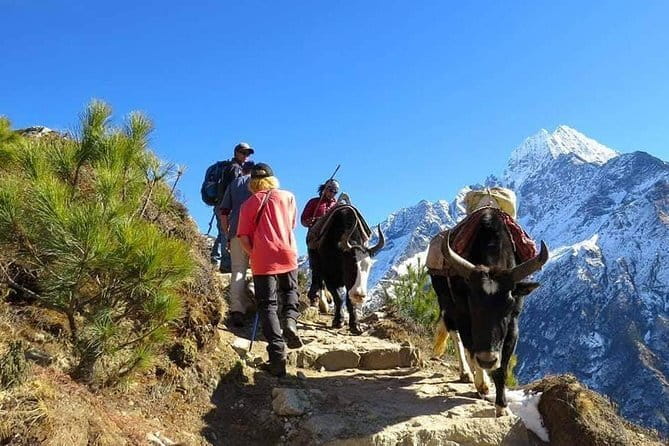
Day 7 is a full acclimatization day. The itinerary mentions a walk up the valley to Tshola Tsho at 4,510 m, plus views of high walls like Cholatse and Taboche. It also notes you can climb up to Nagarjun (about 5,100 m), which is the classic acclimatization pattern: go higher while you can, then come back.
This kind of day is great if you want a feeling of momentum without risking overexertion. You get movement, viewpoints, and time to see how your body responds before the big pushing days near the glacier.
Practical tip: on a day like this, pace yourself even more than usual. Acclimatization days are not license to race. They are there so your higher days feel possible.
Lobuche and the Khumbu Glacier edge: where the trail gets serious
Day 8 is about 10 hours to Lobuche, with a steep climb toward the foot of the Khumbu Glacier. The itinerary also mentions a lunch stop at Duglha (about 4,620 m), which gives you a reference point for where you start moving from village atmosphere into glacier-adjacent terrain.
This is where you feel the trek shifting. The trail gets more dramatic, the air gets thinner, and your sense of scale changes. You spend the day under big peaks, and even if you are not thinking about technical climbing, you start feeling that this is serious Himalayan country.
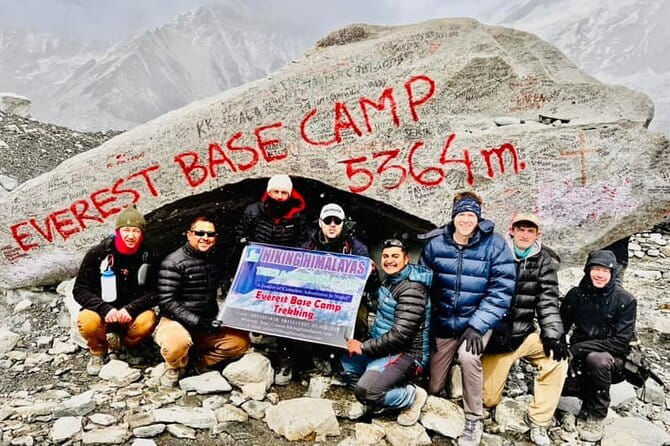
Then Day 9 escalates. You move to Gorakshep (about 5,164 m) for lunch and then push on toward Everest Base Camp (about 5,364 m) later in the afternoon.
Gorakshep to Everest Base Camp: 5 hours of ice pinnacles and crevasse vibes
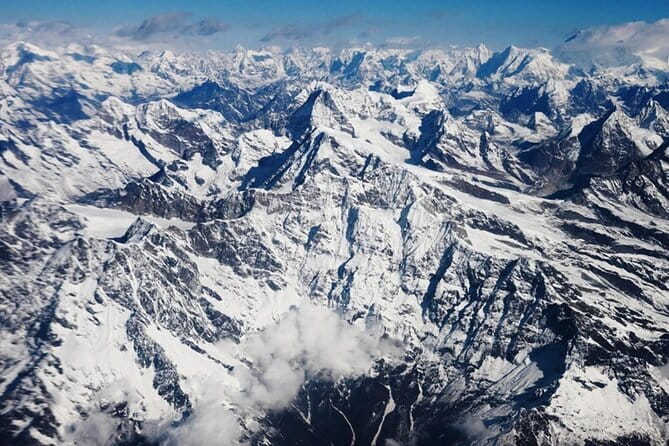
Day 9 is the headline day. After lunch at Gorakshep, you go to Everest Base Camp, and the itinerary says it can take about 5 hours to reach Base Camp. The route is described as weaving through ice pinnacles and past crevasses.
Later, the total time listed is about 7 hours, which means you are also facing a return hike, likely with changing views as the afternoon light shifts. Base Camp itself sits at a feeling level. It is not only about a photo. It is about standing somewhere few people ever reach, on your own timing and your own feet.
What I love about this structure: you are not rushing from one extreme to another without a buffer. You climb to Gorakshep first, then go for Base Camp, so you can manage energy and spend time at each altitude band.
Kala Pathar and Pheriche: your best viewpoint, then a mostly downhill day
Day 10 is built around early morning hike to Kala Pathar (about 5,565 m), described as one of the finest viewpoints of Everest, including Nuptse and more surrounding peaks. The morning timing is important because it increases your odds of seeing crisp views and because colder hours are when people feel steadier on steep sections.
After Kala Pathar, the itinerary says today is mostly downhill, with retracing steps to Duglha and then descending to Pheriche. This is a relief day in the best way. You get the peak moment first, then you let gravity do some of the work.
This day also sets you up mentally for the final push back down to the lower villages.
Tengboche, forest walking, and the calm confidence of heading home
Day 11 continues about 10 hours toward Tengboche (about 3,860 m). The itinerary notes following the river, crossing, and then climbing back up through birch and rhododendron forests. That is a big change from glacier-edge terrain and it helps your body feel less squeezed by altitude.
It also gives you a deeper sense of the Khumbu range itself. The itinerary mentions views that include Everest, Nuptse, Lhotse, Ama Dablam, Kantega, and Thamserku, which is helpful because by now you are not only chasing Everest. You can start reading the broader mountain wall.
Day 12 is your last trekking day. It follows the Dudh Kosi down to Lukla (about 2,800 m), around 10 hours, and the itinerary highlights a celebration with a Sherpa guide as it becomes your last evening in these mountains.
That celebration is more than a party. It is a checkpoint. You have completed the altitude arc, and now you are shifting into the return travel mindset.
Lukla back to Kathmandu: tying the knot, then getting you home
Day 13 has you fly back to Kathmandu after packing early and heading to the airstrip. Your day in Kathmandu is free after touchdown, so you can handle last-minute shopping, packing, or simple downtime.
Day 14 handles the ending. Your Nepalese support team takes you to Tribhuvan International Airport for your flight home. The schedule lists about 4 hours for this day, and it keeps the end clean, so you are not left trying to figure out transport on your own.
If you like closure, this is one of the better parts. Many trekking tours leave you to manage airport logistics alone. This one keeps support in place at both ends.
Price and what you are really paying for, $1,420 value check
At $1,420 for about 14 days, this trek can feel like a good deal because several costly pieces are included. The biggest one is the round-trip flight Kathmandu-Lukla and Lukla-Kathmandu. Getting into and out of Lukla is a major expense in Everest trekking, and it is also the part with the most planning stress.
Other value drivers included in the package:
- Trek permits and government taxes and office service charge
- Twin-sharing lodge-to-lodge accommodation during the trek (best available)
- Seasonal fruits during the trek
- Meals built into the trek: breakfast (13), lunch (11), dinner (11) as listed
- Trekking map and a trip achievement certificate
- First aid medical kit
- Professional English-speaking certified guide plus porter support
Then there are the costs you must budget yourself. Food and accommodation in Kathmandu are listed at 45 USD per day, and travel insurance is not included. Drinks, snacks, and personal expenses are also not included, plus the hot shower option is 5 USD per person if you want it.
My practical take: if you are the kind of person who hates surprises, ask your operator how many days of Kathmandu lodging you expect to cover so you can add that 45 USD per day into your total upfront.
Guide and porter support: the difference between suffering and finishing
One of the most praised parts in the experiences shared with this operator is how smoothly the journey runs, and that often comes down to guide quality and attention to the group. In the reviews you can find guide names like Hari and Kapil, both described as cooperative, calm, and professional. For family trekking, guide pairs like Kapil and Namo also appear, with porters like Ram and Mongol praised as excellent.
This trek includes 1 professional English speaking certified guide, and it includes an essential porter with a stated ratio of 2 trekkers to 1 porter. That porter structure matters because it affects what you carry. Even if you bring your own personal trekking equipment, the essentials moving with you can stay lighter, which makes higher altitude days feel more realistic.
What I would watch for: porter support depends on your group and their load, so pack smart. If you overpack day bags with heavy items, you can still create strain for yourself. The tour will support you, but physics still wins.
Lodges, meals, and the hot shower reality
Accommodation during the trek is lodge-to-lodge in twin sharing rooms, described as the best available. Meals are part of the trek schedule, with breakfast, lunch, and dinner counts listed. Seasonal fruits are also included, which is a small comfort when you are eating the same kind of meals day after day.
Drinks and snacks are not included. That matters more than you might think because hot and cold drinks are often the difference between feeling okay and feeling wiped out late in the afternoon.
Hot shower availability is optional and costs 5 USD per person, so do not assume every wash is included. Plan your hygiene around cold mornings and limited water assumptions, and you will enjoy the hot shower nights more when you choose them.
Who should book this Everest Base Camp trek, and who should think twice
This trek clearly asks for strong fitness. The tour notes that travelers should have a strong physical fitness level, and the schedule includes multiple trekking days of roughly 10 hours. That does not mean you must be a runner, but it does mean you should be ready for long walking days at altitude.
This is also a good match if you want:
- a private tour setup where only your group participates
- an English guide with certified support
- a structured acclimatization plan, including a full Namche rest day and an altitude day near Tshola Tsho and Nagarjun
If you are chasing a quick hit, this is not it. The whole plan is built around going higher safely, so it takes time.
Should you book this 14 Days Everest Base Camp trekking?
If you want Everest Base Camp with solid structure, this is a strong option. I like that the trip includes the hard-to-plan parts, Lukla flights, permits, lodge stays, and a certified English guide, plus porter support on a clear ratio. That combo is what lets you focus on your pace and the view moments instead of logistics.
Book it if you can handle long walking days and you are comfortable adding Kathmandu costs to your budget. Skip it if you are looking for an all-in price with Kathmandu fully covered, or if you want a lightweight hiking day schedule.
If you do book, my advice is simple: plan your fitness for long days, pack only what you need for the trekking days, and treat acclimatization days as essential, not optional.
FAQ
Where does the trek start and what time is the first day?
The meeting point is Tribhuvan Airport, Kathmandu, Nepal, with a start time of 6:15 am.
Is pickup or transport included before and after flights?
Yes. The package includes all ground transports in a private vehicle from your hotel to the domestic airport and from the domestic airport back to your hotel.
Are flights between Kathmandu and Lukla included?
Yes. Round trip flights Kathmandu to Lukla and Lukla to Kathmandu, including departure taxes, are included.
What kind of accommodation and meals are included during the trek?
During the trek you get best available twin sharing lodge-to-lodge accommodation and trek meals are included, including breakfast (13), lunch (11), and dinner (11). Seasonal fruits are also included.
What is not included in Kathmandu?
Foods and accommodation in Kathmandu are not included and are listed at 45 USD per day.
Do I need travel insurance?
Yes. Travel insurance is not included.
How much is the Nepal entry visa?
The Nepal entry visa can be obtained at the airport for USD 40 for 30 days.
Are hot showers included?
Hot shower access costs USD 5 per person and is not listed as included.
Can I cancel for a full refund?
Yes, you can cancel up to 24 hours in advance for a full refund, according to the cancellation policy provided.
Latest Kathmandu write-ups
- Langtang Valley Trek★ 5.0 · 3 reviews
- Khopra Danda Trek★ 5.0 · 3 reviews
- Langtang Valley Trek from Kathmandu★ 5.0 · 3 reviews
- 5 night / 6 days Kathmandu Nagarkot Chitwan Pokhara tour★ 5.0 · 3 reviews
- Nepal Highlights Tour: 5 Nights 6 Days Kathmandu & Pokhara Tour★ 5.0 · 3 reviews
- Kathmandu Valley Private Day Tour★ 5.0 · 3 reviews
- Conquer the Himalayas: The Ultimate 16-Day Annapurna Circuit Trek★ 3.5 · 3 reviews
- Kathmandu Heritage Day Tour★ 5.0 · 3 reviews
Everest Base Camp Trek, compared.

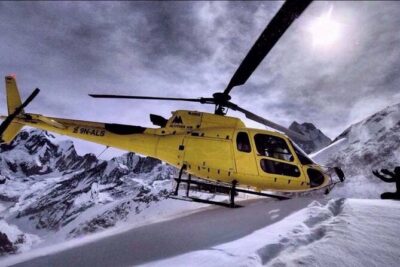
Everest Base Camp Helicopter Tour landing at Everest View Hotel
Read our review →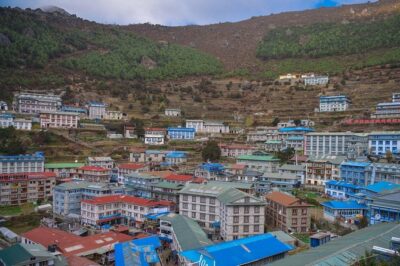
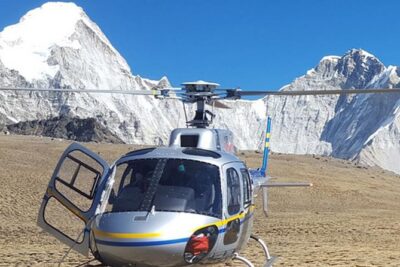
Everest Base Camp Helicopter Tour landing at Hotel Everest View
Read our review →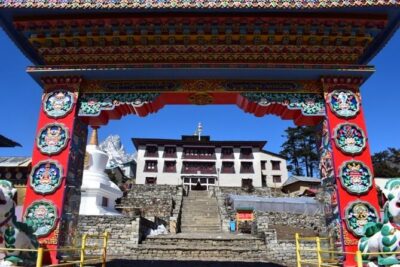
Browse the lists this tour appears in